Annapurna calls, and you answer with steps. I like this trek for two clear reasons: the mountain views build day by day, and the route threads through Gurung villages and classic Nepalese trails that feel lived-in, not staged. One drawback to plan for: most days run long, so if you hate early starts or steady climbs, your legs may complain more than your brain.
You’re not guessing the details. The trip includes a guide in English, tea-house/lodge options, trekking permits with TIMS, and 5 breakfasts/5 lunches/5 dinners, which makes the whole experience feel organized without feeling crowded.
On the way back, there’s a very human finish: a detour to the Jhinu Danda hot spring before you return to Pokhara. It’s listed for the final day, so you get a chance to soak out the soreness before you switch back to regular life.
In This Review
- Key Things I’d Watch for on This Annapurna Base Camp Trek
- Why Annapurna Base Camp Feels Different Than Most Treks
- Pokhara Start: That Very Early Pickup and How the Day Actually Begins
- Day 1 to Sinuwa: Suspension Bridges, Chhommrong, and First Peak Looks
- Day 2 to Deurali: Stone Steps, Bamboo, Dovan, and the Long Climb Vibe
- Day 3 to Annapurna Base Camp: The Shorter Day With the Steep Moment
- Day 4 Sunrise at Base Camp and the Walk Back to Lower Sinuwa
- Day 5 Jhinu Danda Hot Spring: A Real Reset Before Pokhara
- Permits, Tea Houses, and What the $450 Really Buys
- Fitness, Weather, and Packing for Cold-Morning Reality
- Who This Trek Suits (and Who Should Think Twice)
- Should You Book This Annapurna Base Camp Trek?
- FAQ
- What is the duration of the Annapurna Base Camp trek?
- What does the price include?
- Are permits included?
- What is not included in the tour price?
- Can you accommodate dietary restrictions?
- Is cancellation allowed if my plans change?
Key Things I’d Watch for on This Annapurna Base Camp Trek
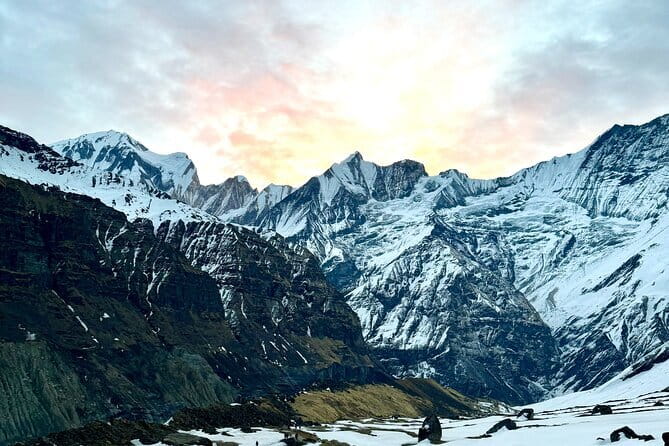
- Panoramas that show up early and often: you’ll get big sightlines from the start, not just at the end
- Village trail energy: Gurung communities, terraced fields, and suspension-bridge moments along the way
- A realistic pacing mix: one shorter hiking day, plus a couple longer days to balance it out
- Permits handled: trekking permit and TIMS included, with a permit check near the trailhead area
- Hot-spring payoff: a soak at Jhinu Danda to wrap up Day 5 feeling human
Why Annapurna Base Camp Feels Different Than Most Treks
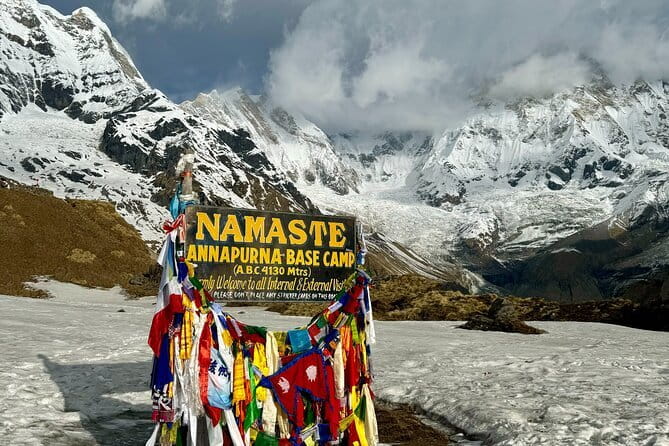
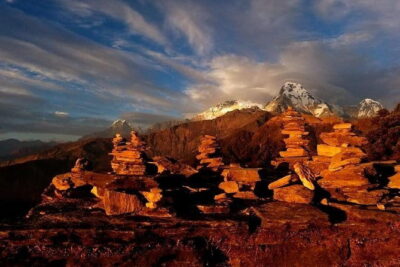
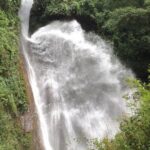
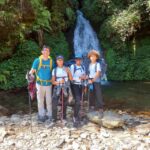
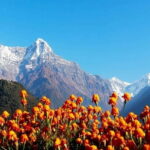
The Annapurna region is known for variety, and this trek actually delivers it. In just a few days you move through waterfalls, terraced farmland, rhododendron forest, and village paths before you reach the basin where the giants hang close to the sky.
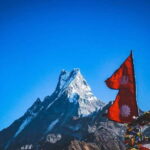
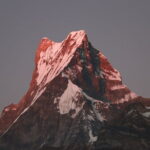
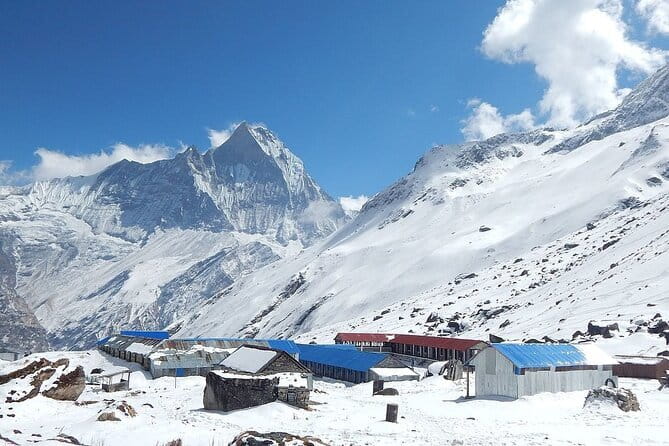
What I like is that the view isn’t one dramatic frame. You get a steady stream of mountain “come-backs” where a peak you saw earlier returns from a new angle. Expect Annapurna names like Annapurna I and II, Hiunchuli, Annapurna South, Machhapuchhre (Fishtail), and more in the broader ring around the base camp area.
One more thing: Annapurna Base Camp is famous, but it still feels like Nepal. The trail gives you a chance to watch daily life in small places—people farming, walking, trading, and living with the mountain as a neighbor.
You can also read our reviews of more tours and experiences in Pokhara.
Pokhara Start: That Very Early Pickup and How the Day Actually Begins
You start from Pokhara at ABC Treks Pvt Ltd on Lakeside Road, with a listed pickup time of 12:15 am. That’s very early, and it matters because the first part isn’t trekking—it’s getting to the trail area and setting your paperwork before you hit the climbs.
You’ll drive about 3 hours to the Jhinu Dada area via Nayapul. On the way, there’s a permit check at Birethanti, so it’s worth traveling light but prepared—have what you need ready for checking when you’re asked.
This is also where the private format helps. Even though transport is sharing on the start/end legs, the trekking experience itself is set up for your group only, with an English-speaking trekking guide keeping the pace and logistics clear.
Day 1 to Sinuwa: Suspension Bridges, Chhommrong, and First Peak Looks
Day 1 blends road travel with a proper first trek day. After permits near Birethanti, you’ll have time to settle and then start hiking through classic route stops like Jhinu Dada, Chhommrong, and onward to Lower Sinuwa.
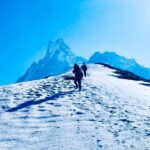
I like this day because it’s a “warm start” without feeling lazy. You’ll walk through Gurung villages and cross high suspension bridges, and you’ll start lining up big views of peaks such as Machhapuchhre (Fishtail), Annapurna South, and Himchuli/Hiunchuli.
The main consideration is that you’re doing a lot in one day. The schedule calls for about 5–6 hours of hiking on top of the drive, so treat this day like it’s meant to wake up your cardio, not just your eyes.
Day 2 to Deurali: Stone Steps, Bamboo, Dovan, and the Long Climb Vibe
Day 2 is the day that feels most like the “real trek rhythm.” The walking time is listed around 7 hours, with a mix of ups and downs that keeps you working.
You’ll climb from Sinuwa up using stone steps, then descend to Bamboo. After that, you continue along a path to Dovan, lunch in Himalaya (as listed), and then push for about two more hours to reach Deurali.
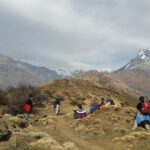
This is a good day for mental pacing. Stone steps and repeated climbs can feel straightforward until they stack up, so I recommend focusing on rhythm and short breaks rather than looking at the whole day as one long grind.
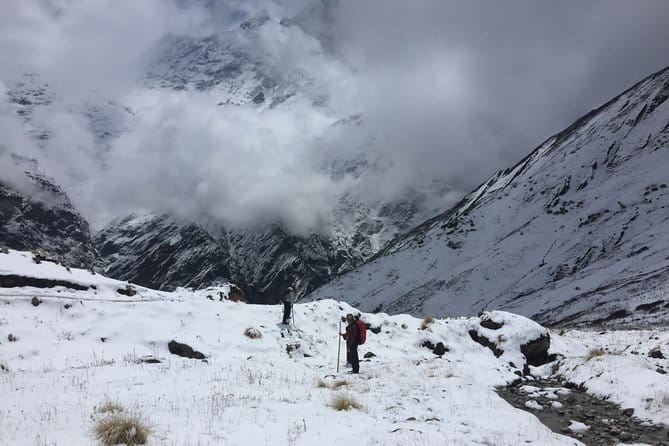
Also, expect morning-to-afternoon temperature shifts. One past first-timer on this route highlighted how conditions can swing from hot to cold, and that matches what high trekking valleys often do—pack layers you can adjust quickly.
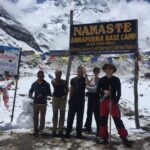
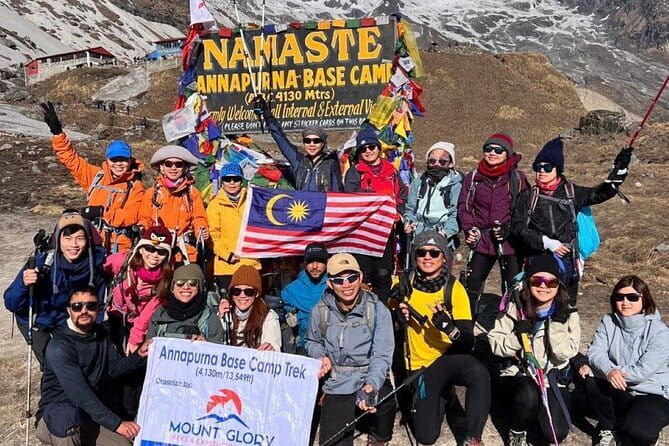
Day 3 to Annapurna Base Camp: The Shorter Day With the Steep Moment
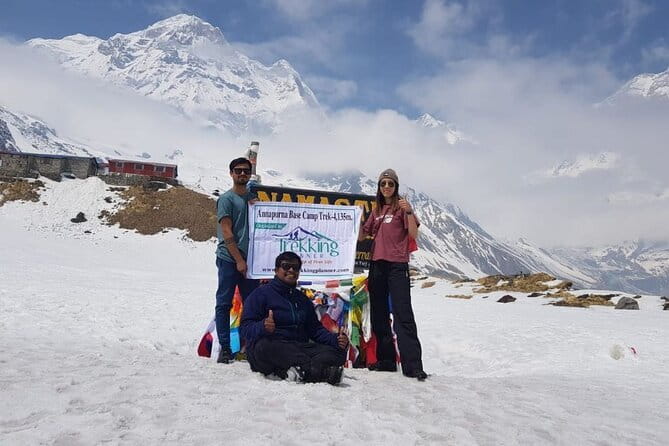
Day 3 is the lightest day on paper, and that’s exactly why it’s important. Your total hiking time is listed around 5 hours, and the idea is to save your energy for base camp.
The route starts easy for about an hour to Bagar, then you face a slightly tougher leg toward Machhapuchhre Base Camp with some steep parts. After that, you take lunch and then continue on an easier stretch for about two hours to reach Annapurna Base Camp.
What I love about this setup is the contrast. You get enough challenge to feel like you earned it, but you don’t spend the entire day fighting your pack and your breathing. You also reach base camp with momentum instead of exhaustion, which helps you enjoy the views properly.
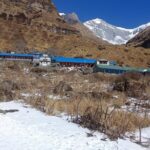
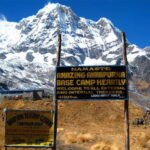
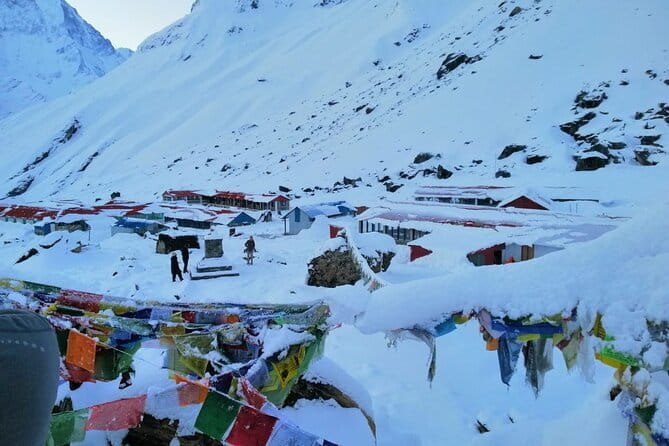
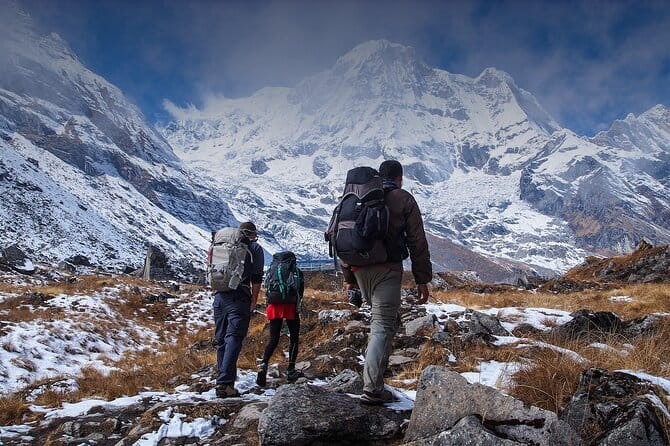
This is also when the Annapurna “bowl” effect really starts to make sense. Peaks around the basin look staggeringly close, and the mountains feel like a group rather than isolated photos.
Day 4 Sunrise at Base Camp and the Walk Back to Lower Sinuwa
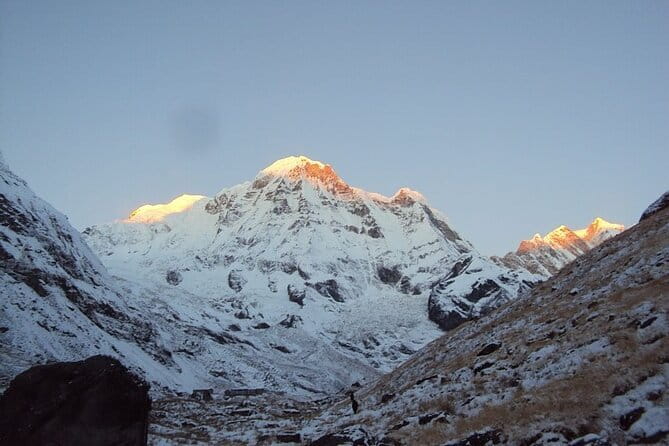
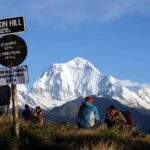
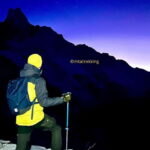
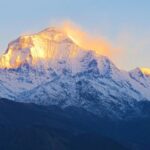
Day 4 starts before sunrise, because this is when you catch the dramatic mountain light. You’ll hike down from base camp to Lower Sinuwa after enjoying panoramic scenes that include Machhapuchchhre (Fishtail), Himchuli, Annapurna South, and other surrounding summits.
Your listed hiking time is about 8 hours, so this isn’t a casual stroll. The time difference from Day 3 matters: you’re packing more walking hours into the day, and downhill can still be tiring because your knees do the work your legs don’t want to.
Breakfast is included, and it’s timed so you can refuel before the descent. This is also a good day to slow down on the trail sections with lots of people or tricky footing—descending well is usually safer than descending fast.
Day 5 Jhinu Danda Hot Spring: A Real Reset Before Pokhara
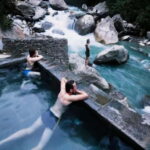
Day 5 wraps the trek and gives you a rare luxury: a natural hot spring soak at Jhinu Danda. It’s built in as a detour on your way toward Pokhara.
After the soak, the schedule lists about 30 minutes of additional hiking before you reach your transportation back to Pokhara. The tour then drops you at your hotel, so you can keep the “tired but happy” feeling from turning into “tired and lost.”
If you’ve been walking for days, the hot spring is more than a nice extra. It’s one of the best ways to feel your body loosen up again, and it helps your post-trek mood stay good—especially if you’re heading out the same day for meals or a lakeside walk in Pokhara.
Permits, Tea Houses, and What the $450 Really Buys
At $450 per person for a ~5-day trek, the value is mostly in what’s handled for you.
Here’s what’s included:
- English-speaking trekking guide
- Trekking permit and TIMS
- Private trek (your group only)
- Tea house/lodge stay options during the trek
- Hotel pickup and drop-off in Pokhara
- Sharing transport to and from the starting/ending point
- Meals: 5 breakfasts, 5 lunches, 5 dinners
The big practical win is reducing decision fatigue. Permits and TIMS are included, which means you’re not scrambling at the last minute. The meals are also handled, so your main job is eating enough to keep your energy up for the next climb.
What’s not included:
- insurance and rescue
- gratuity (optional)
For value, that means you should budget for travel insurance even if you feel fit. Trekking involves risk, and insurance is the part you don’t want to think about until it’s too late.
Fitness, Weather, and Packing for Cold-Morning Reality
This trek is meant for travelers with moderate physical fitness. That phrase can be vague, so I translate it like this: you should be comfortable with multiple hours of walking per day and willing to handle some steep sections.
Temperatures can shift, and mornings can feel sharp. One comment from a first-time hiker on this route called out cold and hot swings and emphasized being ready with the right layers. That’s solid advice.
Bring:
- layers you can add/remove quickly
- warm items for sunrise/base camp time
- gear you can handle on stone steps and uneven trail surfaces
Even if the itinerary includes an easier day, the overall pattern still asks for steady effort, not just sightseeing.
Who This Trek Suits (and Who Should Think Twice)
This is a great fit if you want:
- a short, focused trek with a clear goal (base camp)
- strong mountain views across multiple days
- cultural walking time through villages rather than only forest and rock
- a guide-led experience that keeps permits and pacing under control
It may be less ideal if:
- you strongly dislike early wake-ups (the day starts very early)
- you want frequent long breaks instead of steady hiking
- you’re not comfortable with long days like the 8-hour schedule
On the people side, the guides connected to ABC Treks Pvt Ltd show up in past trip notes as calm and supportive. Names like Janak Karki (organizer) and guides such as Mr. Gurung and Damodar dai come up in that context. You can reasonably expect patient, practical guidance, especially if it’s your first trek or your first time hiking at higher elevations.
Should You Book This Annapurna Base Camp Trek?
Book it if you want a tight 5-day plan that balances culture, trail variety, and serious mountain payoff. The included permits, meals, and English guide make it feel like the trip is set up to run smoothly, and the hot spring on Day 5 is a smart way to finish.
Skip or reconsider if you’re hoping for an easy vacation-walk. This is still trekking—stone steps, steep sections, and long hours are part of the deal.
If you’re unsure, choose based on your tolerance for early starts and steady walking. If that sounds doable, this is one of the most rewarding ways to experience the Annapurna region in a short timeframe.
FAQ
What is the duration of the Annapurna Base Camp trek?
The trek is listed as 5 days (approx.).
What does the price include?
The price is $450 per person and includes hotel pickup and drop-off, tea house/lodge options, trekking permit and TIMS, an English-speaking trekking guide, a private trip (your group only), sharing transport to/from the trek start and end points, and 5 breakfasts, 5 lunches, and 5 dinners.
Are permits included?
Yes. The trek includes trekking permit and TIMS, and there is a permit check around Birethanti during the drive day.
What is not included in the tour price?
Insurance and rescue are not included, and gratuity is optional.
Can you accommodate dietary restrictions?
Yes. You can request dietary needs such as vegetarian, vegan, or gluten-free, as long as you indicate it at booking.
Is cancellation allowed if my plans change?
You can cancel up to 24 hours in advance for a full refund.