REVIEW · POKHARA
Annapurna Base Camp with Poon hill 9-Day Trek Itinerary
Book on Viator →Operated by Mountain Hike Nepal · Bookable on Viator
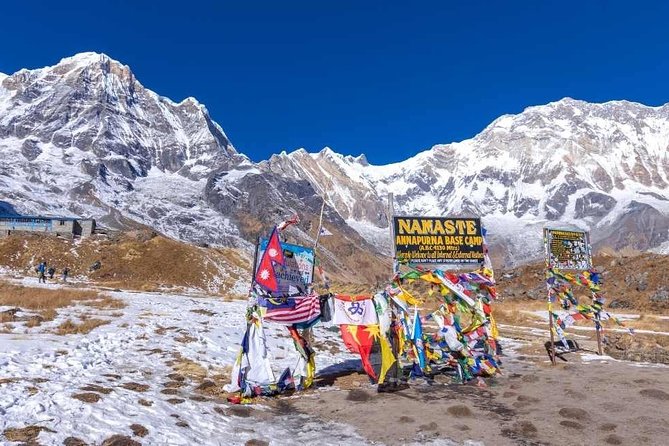
Himalaya dawn starts with a short climb. This 9-day Annapurna Base Camp with Poon Hill trek links world-famous sunrise views with the high-altitude drama of the Annapurna region, all while sleeping in cozy teahouses. You start in Pokhara, drive to Nayapul, and work your way up through villages, forests, and steep mountain paths toward 4,130m.
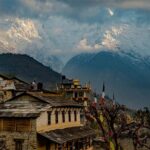
What I like most is how the route mixes big-name sights with real village life. I especially enjoy the Poon Hill sunrise panorama and the way the days include Gurung/Magar-style settlements and tea house hospitality. The trip also gives you a hands-on, practical setup: a licensed Sherpa guide and porter support, plus permits (ACAP and TIMS) taken care of.
One thing to consider is altitude. You’ll gain and lose elevation each day, and you’ll spend time at serious heights like 2,880m (Ghorepani) and 4,130m (Annapurna Base Camp). If you’re not used to hiking at altitude, take the schedule seriously and move at a careful pace.
In This Review
- Key highlights you’ll feel from day one
- Why this Annapurna Base Camp + Poon Hill route makes sense
- Price and value: what $910 gets you (and what it doesn’t)
- Getting started in Pokhara: timing and how the trek begins
- Day 1 to Day 2: Ulleri to Ghorepani and the gradual altitude lesson
- Day 1: Pokhara → Nayapul → Ulleri (1,520m)
- Day 2: Ulleri → Ghorepani (2,880m)
- Poon Hill sunrise and the walk to Tadapani (Days 3 to 4)
- Day 3: Early hike to Poon Hill, then to Tadapani (2,650m)
- Day 4: Tadapani → Chhomrong (2,170m)
- Days 5 to 6: Himalaya (2,920m) to Annapurna Base Camp (4,130m)
- Day 5: Chhomrong → Himalaya (2,920m)
- Day 6: Himalaya → Annapurna Base Camp via Machhapuchhre Base Camp (4,130m)
- Days 7 to 8: descending to Bamboo and soaking in Jhinu Danda hot springs
- Day 7: Annapurna Base Camp → Bamboo (2,310m)
- Day 8: Bamboo → Jhinu Danda (1,780m) + natural hot springs
- Day 9 wrap-up: back to Naya Pul and onward to Pokhara
- Tea house life, meals, and why the group setup feels “quietly smart”
- Who should book this trek, and who should rethink it
- Should you book Mountain Hike Nepal for this Annapurna Base Camp + Poon Hill trek?
- FAQ
- What is the starting point and start time for the trek?
- How long is the Annapurna Base Camp with Poon Hill trek?
- What elevations will I reach on this trek?
- What’s included in the trek price?
- What should I plan to pay for that’s not included?
- Is this a private tour?
- Is there a cancellation policy if weather changes?
Key highlights you’ll feel from day one
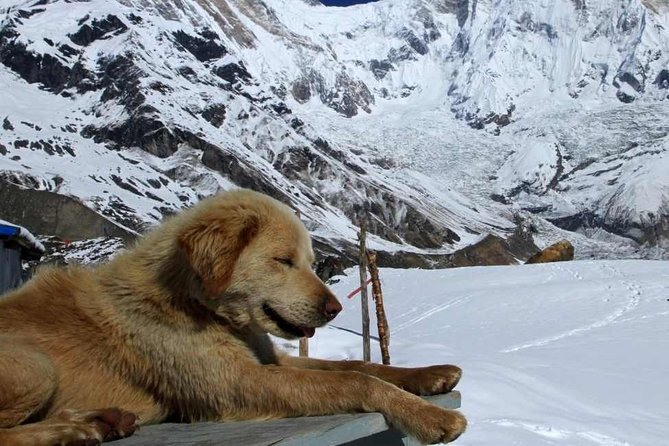
- Poon Hill sunrise on an early hike path, with big mountain payoff
- Teahouse stays + full trekking meals included for most of the journey
- Gurung and Magar village rhythm as you pass through places like Ulleri, Chhomrong, and beyond
- Annapurna Base Camp at 4,130m, plus views along the Machhapuchhre Base Camp route
- Jhinu Danda hot springs as your post-peak reset
Why this Annapurna Base Camp + Poon Hill route makes sense
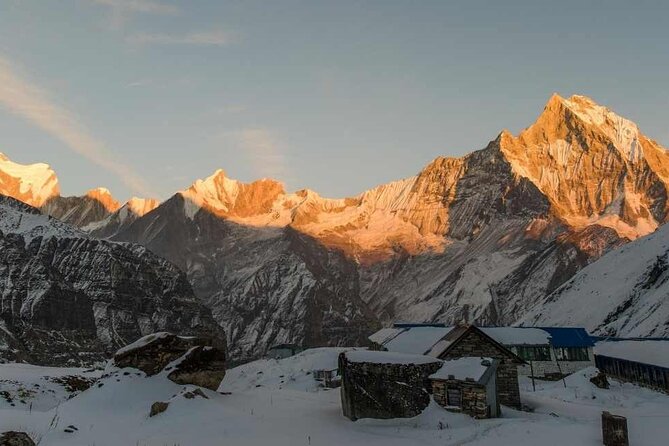
This trek works because it does two things at once. First, it stacks classic sunrise views over the Annapurna range. Second, it gives you enough hiking days to reach Annapurna Base Camp without turning the whole trip into one long grind.
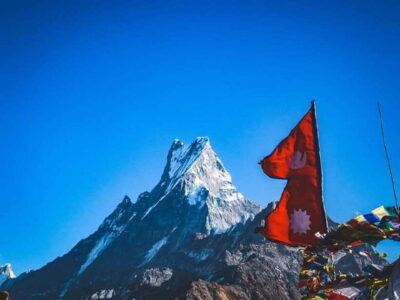
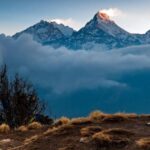
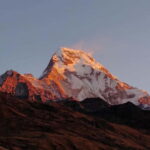
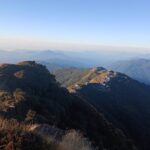
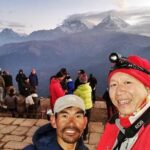
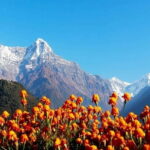
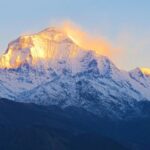
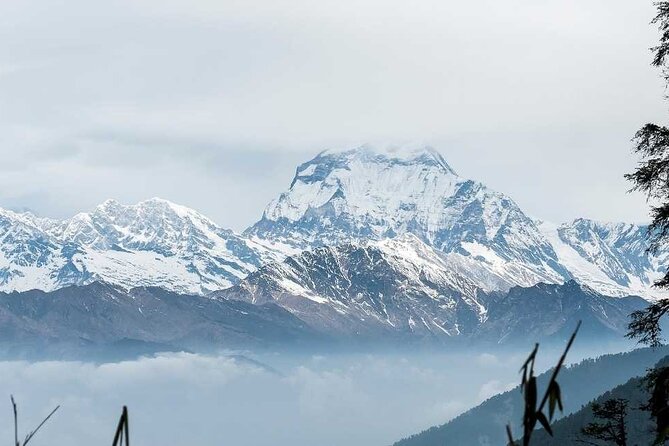
Poon Hill is the kind of viewpoint that’s famous for a reason. You’re up early, the sky is still settling, and you get a slow reveal of the high ridgelines. Then, after that morning payoff, you keep moving through Rhododendron forests and farmland zones, so the trek stays interesting rather than repeating the same scenery all week.
On the second half, the trek “tightens.” You go from village paths to a more serious high-altitude vibe, and then you hit the base camp core. That transition is part of why this itinerary feels like a journey instead of a checklist.
One more plus: it includes natural hot springs at Jhinu Danda. That’s not just a nice side quest. It’s a smart way to recover your legs after the descent from base camp.
You can also read our reviews of more tours and experiences in Pokhara.
Price and value: what $910 gets you (and what it doesn’t)
At $910 per person, this isn’t a bargain-style hike where you pack all your own food and handle permits yourself. The value here comes from what’s already folded in.
Included for your trek:
- Private transportation between Pokhara and Nayapul
- Teahouse accommodation during the trek
- All meals (breakfast, lunch, dinner) while trekking
- A licensed trekking Sherpa guide and a Sherpa porter
- Permits and paperwork (ACAP and TIMS)
- Government taxes and service charge
What’s not included:
- Tips for your guide and porter
- Accommodation and meals in Pokhara
- Drinks (tea/coffee/water/soft drinks/alcohol)
- Hot shower, internet (so don’t plan your trip around a reliable phone-upload routine)
- Travel insurance (it’s stated as compulsory)
For most hikers, the big “value move” is the combination of guide + porter + included meals + permits. It reduces the mental load. You still need to be realistic about your pace and altitude, but you’re not also trying to coordinate logistics every day.
Also, you’re offered pickup, plus group discounts and a mobile ticket. That’s the sort of practical comfort that matters when you’re juggling early starts and a remote trail.
Getting started in Pokhara: timing and how the trek begins
Your trekking day officially starts at 7:15 am. The meeting point is Pokhara Lakeside, Lakeside Rd (near public transportation). That’s helpful because you can arrive easily from most places around the lakes.
The first day is a drive from Pokhara to Nayapul, then a trek to Ulleri (1,520m). Expect about 5–6 hours of travel-and-hike time, which is a good way to wake up your legs without hitting the steepest parts immediately.
I like Day 1 for what it sets up. You’re already moving through real terrain by the time you’re tired, which helps you understand the rhythm of the trail. It also lets you acclimate gradually, instead of trying to jump straight to high elevations.
Finally, since this is a private tour/activity, only your group participates. That usually means less waiting around for other schedules, and it keeps the trek feeling more controlled and calm.
Day 1 to Day 2: Ulleri to Ghorepani and the gradual altitude lesson
Day 1: Pokhara → Nayapul → Ulleri (1,520m)
You’ll finish the day in Ulleri, a classic starting village for this region. The elevation is modest enough to feel like you’re getting started, not suffering yet. You’ll sleep in a teahouse, which matters because you can focus on rest and early nutrition.
Practical tip: on Day 1, go slow. Even when the trail feels manageable, it’s still mountain hiking. Save your effort for later days when the climbs get steeper.
Day 2: Ulleri → Ghorepani (2,880m)
Today’s climb is bigger: about 6–7 hours to Ghorepani (2,880m). This is where the trek shifts into higher altitude air, and where you’ll start feeling that your breathing needs a little more attention.
You rest in a local teahouse at the end of the day. That’s not just convenience. It’s the right setup for the next morning’s Poon Hill sunrise hike, which starts very early.
The balance I like here is that you don’t spend too many days at just one altitude. You get a step-up and a step-up again, but the route still gives you chances to stabilize through teahouse meals and night rest.
Poon Hill sunrise and the walk to Tadapani (Days 3 to 4)
Day 3: Early hike to Poon Hill, then to Tadapani (2,650m)
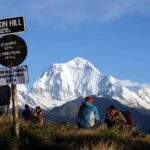
Day 3 has the big moment: Poon Hill sunrise. You’ll hike early, then continue trekking to Tadapani (2,650m) in about 6–7 hours.
After sunrise, you get the best kind of momentum: the “wow” is already delivered, so the rest of the day becomes about steady hiking, not chasing a viewpoint. You overnight at a teahouse.
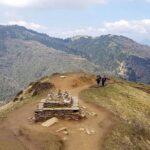
This day also tends to feel like a scenery remix. You’re moving through changing forest edges and altitude-related vegetation. If you like seeing how climates shift as you climb, this trek rewards that curiosity.
Day 4: Tadapani → Chhomrong (2,170m)
You drop down a bit in elevation (from 2,650m to 2,170m) while moving for 5–6 hours to Chhomrong.
Chhomrong is a key village stop. You get village views and tea house hospitality, and you also get a psychological shift: you’re not just going up anymore. You’re learning the “down days” matter too.
Why this is helpful: descending helps your legs recover before the highest section. It also helps you settle your pace, which is important as you move toward Annapurna Base Camp.
Days 5 to 6: Himalaya (2,920m) to Annapurna Base Camp (4,130m)
Day 5: Chhomrong → Himalaya (2,920m)
Today is a climb to Himalaya (2,920m) in about 6–7 hours. The trek feels more high-altitude here, and it’s a good day to practice a slow, steady pace.
At this stage, I’d watch two things:
- how your breathing changes during steady uphill sections
- how you feel after meals (it’s often easiest to keep energy stable by eating regularly)
Because meals are included on trekking days, you’ll have a consistent pattern to help you manage energy and hydration.
Day 6: Himalaya → Annapurna Base Camp via Machhapuchhre Base Camp (4,130m)
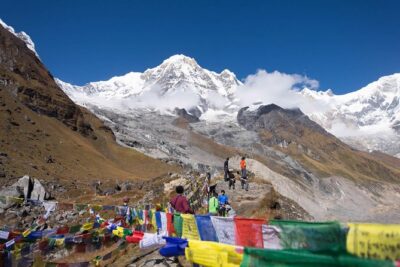
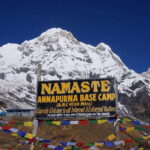
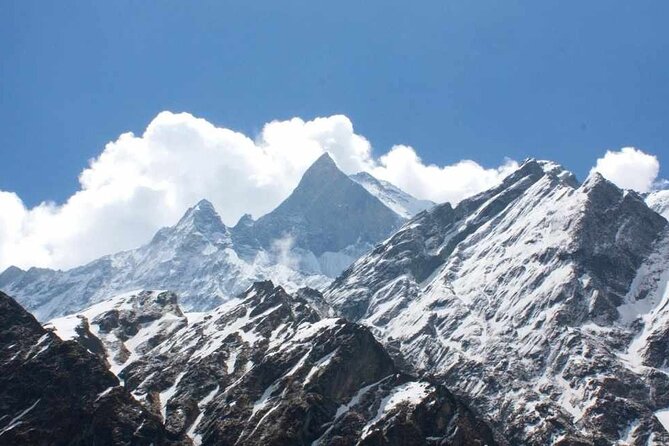
This is the signature day. The plan is 5–6 hours to reach Annapurna Base Camp (4,130m) via Machhapuchhre Base Camp.
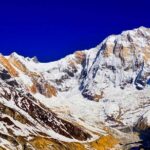
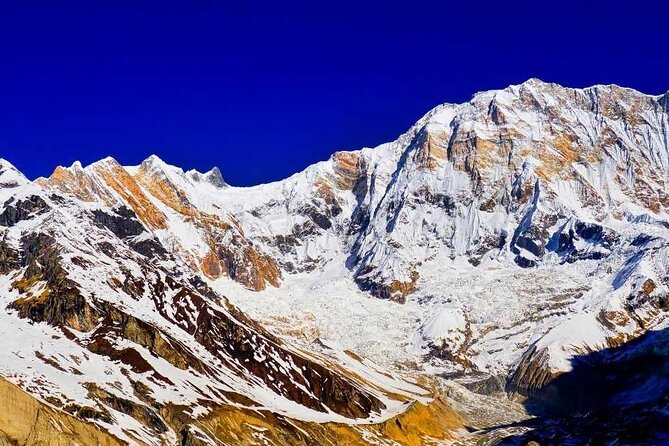
This route matters. It’s not only about landing at base camp; it’s about the views and the sense of the amphitheater that forms around the peaks. The Machhapuchhre route also adds a “gear shift” feeling—less village, more mountain-world.
Altitude reality check: 4,130m is high. Even with a well-planned itinerary, you may feel slow. That’s normal. If you come in expecting it to feel like a long hike back home, you’ll get frustrated.
What makes this trek feel safe and well-run is the support. You’ll have an experienced licensed Sherpa guide and a porter system (2 trekkers = 1 porter). That means more of your load management is handled, so you can focus on walking and adapting.
Days 7 to 8: descending to Bamboo and soaking in Jhinu Danda hot springs
Day 7: Annapurna Base Camp → Bamboo (2,310m)
You’ll descend from base camp to Bamboo (2,310m) in about 7–8 hours. This is a long day, but it’s the kind of long that often feels rewarding. You’ve reached the peak highlight; now you’re earning recovery.
Descending is where knees and ankles get the workout. Take short steps, and use a careful rhythm. The included teahouse structure also helps: you know where you’ll sleep and eat, which reduces stress.
Day 8: Bamboo → Jhinu Danda (1,780m) + natural hot springs
Day 8 drops to Jhinu Danda (1,780m) in about 5–6 hours. Then comes the payback: natural hot springs in the wilderness.
This is one of the most memorable parts of the trek because it changes the day from “just hiking” to “recovery with scenery.” After days at higher altitudes and long descents, hot springs can feel like a full reset for your body.
Also, the tea house stays keep things comfortable enough to enjoy that reset. You’re not roughing it in a way that distracts from the experience.
Day 9 wrap-up: back to Naya Pul and onward to Pokhara
On Day 9, you trek down to Naya Pul, then take a comfortable drive back to Pokhara. The idea is simple: finish at the end of the trail, then switch from trekking pace to normal travel pace.
This ending matters more than people think. After a 9-day itinerary, a smooth return day is the difference between feeling accomplished and feeling drained.
Because the meeting point is at Pokhara Lakeside and the activity ends back there, it’s easy to plan a final meal or rest without extra transport headaches.
Tea house life, meals, and why the group setup feels “quietly smart”
Tea houses are part of the deal here. You’ll sleep in teahouses for the trek and get all meals included (breakfast, lunch, dinner). That means you can keep your packing lighter and keep your daily energy more stable.
Also, hot showers and drinks are not included, and internet can be limited. That’s normal for the trail. If you come with that expectation, you won’t miss it as much.
The guide and porter structure is another big deal. Your tour includes:
- a license holder trekking Sherpa guide
- a Sherpa porter with the ratio 2 trekkers = 1 porter
That setup is practical, especially because this trek includes both long descents and high-altitude time. You’ll likely appreciate not having to carry every item while also managing altitude fatigue.
From the experience feedback tied to this trip, two things get emphasized again and again: warm hospitality and a well-planned itinerary that feels safe. The combination of included meals, permits, and experienced support is exactly what creates that sense of being in good hands.
Who should book this trek, and who should rethink it
This is a great fit if you:
- want Poon Hill sunrise plus Annapurna Base Camp
- enjoy multi-day trekking with teahouses instead of camping
- prefer a guided setup where permits and paperwork are handled
- like cultural contact through village stops and tea house routines
You might reconsider if you:
- have trouble with altitude and long hiking days
- dislike early starts (Poon Hill means a very early wake-up)
- expect hot showers or constant phone access (those aren’t part of what’s included)
Moderate physical fitness is recommended, but “moderate” still has a meaning here. You’ll be hiking 5–8 hour blocks on many days, with elevation shifts that make even a steady pace feel more demanding than on flat ground.
Should you book Mountain Hike Nepal for this Annapurna Base Camp + Poon Hill trek?
If you want a trek that covers the big sights without making you do the logistics work, I think this booking checks a lot of boxes. The included permits (ACAP and TIMS), full trek meals, teahouse lodging, and the guide/porter team are the kind of value that adds up quickly.
I’d book if:
- you want a well-structured itinerary that moves you gradually toward 4,130m
- you like the idea of ending with Jhinu Danda hot springs
- you’re happy with tea house living and simple trail comforts
I’d hold off if:
- you’re not comfortable with altitude and long days
- you’re counting on hot showers, drinks, or internet being readily available
Overall, this is the kind of Annapurna trip that feels thoughtfully assembled: sunrise first, base camp second, and recovery built into the route.
FAQ
What is the starting point and start time for the trek?
You’ll meet at Pokhara Lakeside, Lakeside Rd, Pokhara. The start time is 7:15 am.
How long is the Annapurna Base Camp with Poon Hill trek?
The itinerary runs for 9 days (approx.).
What elevations will I reach on this trek?
The route includes stops at Ulleri (1,520m), Ghorepani (2,880m), Poon Hill (via the early hike from Ghorepani), Tadapani (2,650m), Chhomrong (2,170m), Himalaya (2,920m), Annapurna Base Camp (4,130m), Bamboo (2,310m), and Jhinu Danda (1,780m).
What’s included in the trek price?
Included are private transportation to and from Pokhara to Nayapul, teahouse accommodation during the trek, all meals on trek days (breakfast, lunch, dinner), a licensed Sherpa guide and Sherpa porter (2 trekkers = 1 porter), permits and paperwork (ACAP and TIMS), and government taxes/service charge.
What should I plan to pay for that’s not included?
Tips for guide and porter, accommodation and meals in Pokhara, drinks during the trek, hot shower, and internet are not included. Travel insurance is also not included and is compulsory for this adventure trip.
Is this a private tour?
Yes. This is a private tour/activity, and only your group will participate.
Is there a cancellation policy if weather changes?
Cancellation is free. You can cancel up to 24 hours in advance for a full refund. If the trek is canceled due to poor weather, you’ll be offered a different date or a full refund.