REVIEW · POKHARA
Pokhara: 5-Day Mardi Himal Trek with Guide
Book on GetYourGuide →Operated by Snow Peak Tours and Travels pvt.ltd. · Bookable on GetYourGuide
Mardi Himal gets uncomfortably close. I love the sunrise drama over the Annapurna range and the way the route threads through rhododendron forests and small settlements. The only real catch: this is a trekking route with steep climbs and descents, so if you have knee issues, you’ll want to manage pace and use hiking poles.
I also like that you’re not doing this as a vague self-guided hike. With a certified guide (and English support), the trip feels safer and easier to understand, and I saw that payoff firsthand in the kind help from Santosh, including support for a first multi-day trekker with a knee problem.
In This Review
- Key things that make this trek worth your time
- Why Mardi Himal Feels Different in the Annapurna Region
- Price and What You Actually Get for $181
- Your 5-Day Trail Plan, Stop by Stop (and What Each Day Feels Like)
- Day 1: Pokhara to Pitam Deurali
- Day 2: Trek to Low Camp
- Day 3: Trek to High Camp
- Day 4: Base Camp, Sunrise, and Back to Low Camp
- Day 5: Lumre, a Final Walk, and Return to Pokhara
- The Views: Sunrises, Close-Up Peaks, and Mountains You’ll Remember
- Guides, Pace, and the Real-Life Help That Matters
- Tea Houses, Comfort, and What to Bring (So You’re Not Miserable)
- Who Should Book This Mardi Himal Trek (and Who Should Consider Alternatives)
- Should You Book the Pokhara Mardi Himal 5-Day Trek?
- FAQ
- FAQ
- How long is the Mardi Himal Base Camp trek?
- What’s included in the price?
- Do I need travel insurance?
- What languages will the guide speak?
- Where are the pickup and drop-off points in Pokhara?
- Are meals included each day?
- Do I have to use a porter?
- What should I bring for the trek?
- Is this trek suitable for everyone?
Key things that make this trek worth your time
- Sunrise time built into Base Camp day so you’re aiming at the highlight, not just passing through
- Rhododendron forests + village stops to keep the hike interesting between big view moments
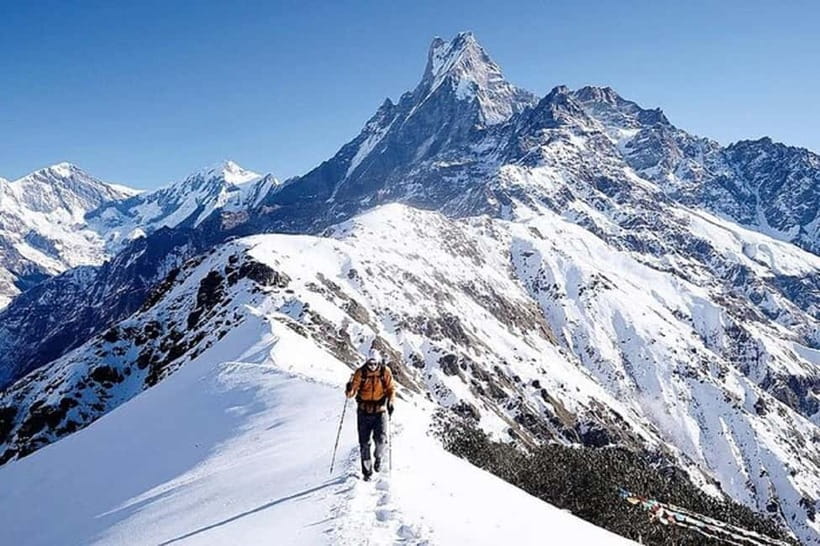
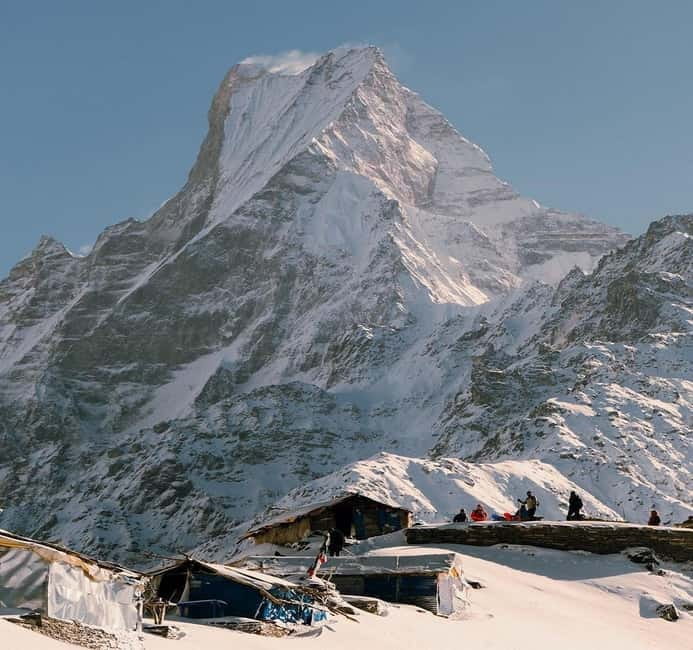
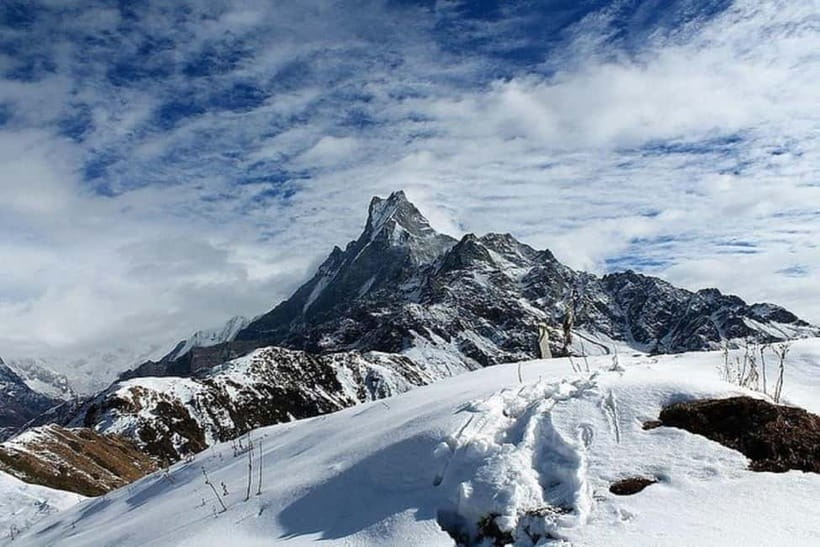
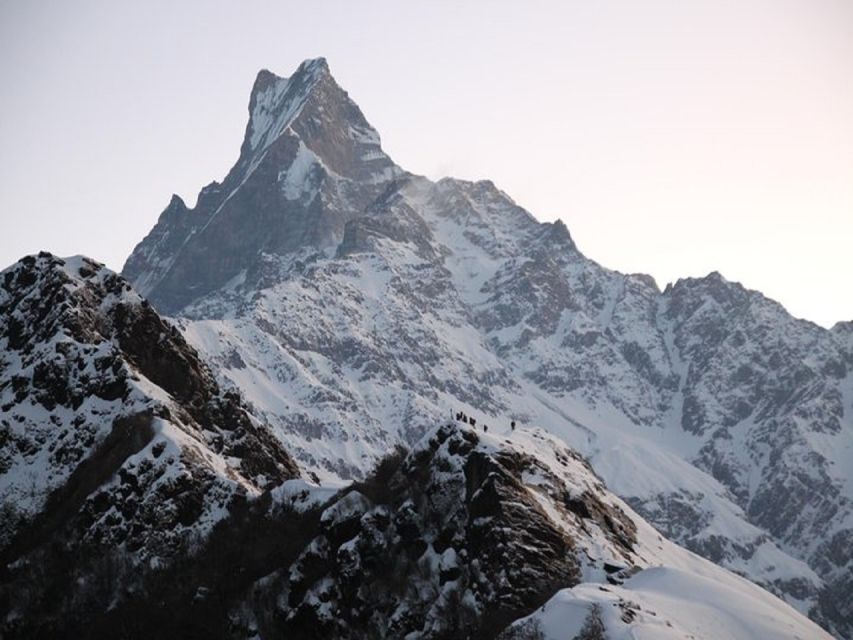
- Very close-to-the-mountain feeling with Mardi Himal and Machapuchre in your sightline
- Private guided group with an English/Hindi/Nepali live guide and safety-focused pacing
- Tea-house nights with simple comfort plus included lodging style (no camping gear needed for the trip)
- Altitude prep can matter; hiking poles are recommended, and Diamox came up in real trekking advice
Why Mardi Himal Feels Different in the Annapurna Region
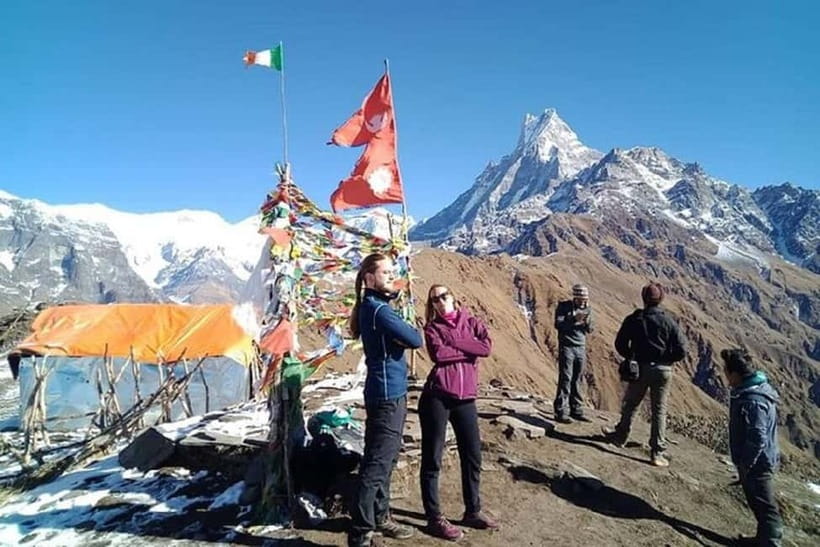
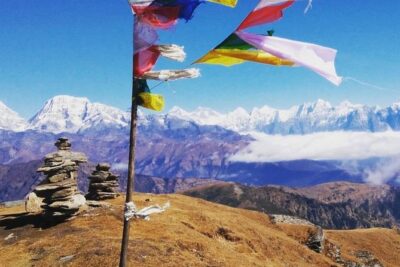
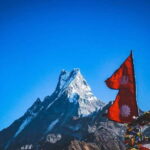
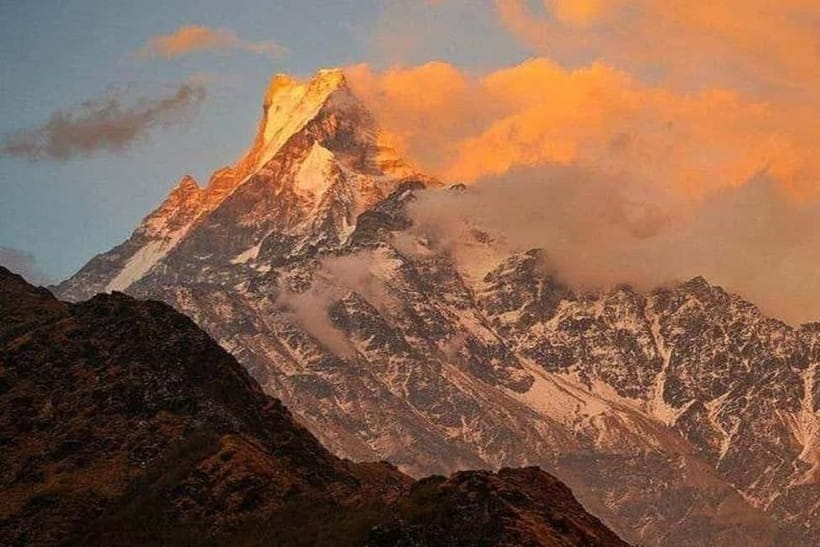
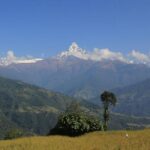
Mardi Himal has a reputation for making you feel like you’re walking right toward the mountains instead of just admiring them from far away. On this 5-day route from Pokhara, you get that sense of closeness with frequent views of Mardi Himal itself and Machapuchre (Fishtail). The scenery also frames the wider Annapurna range, especially during the morning light.
What I like for your decision-making is that the trek isn’t only about one big moment. Yes, you’ll have the classic sunrise payoff at Base Camp, but the route also gives you quieter walking time through rhododendron forests and local communities. Those in-between hours matter because they break up the strain and keep the day from feeling like a nonstop grind.
One more reason this itinerary works: it’s structured as a gradual climb toward Low Camp, then High Camp, then Base Camp and back again. That back-and-forth shape is helpful for pacing. You’re not just going up to a single point and returning the same way without any rhythm.
You can also read our reviews of more tours and experiences in Pokhara.
Price and What You Actually Get for $181

At $181 per person for a 5-day guided trek, the value comes from what’s handled for you, not from flashy add-ons. Your price includes round-trip transport between your hotel (or the listed pickup points) and the trek starting area, plus meals throughout the trek depending on the selected option.
You also get the big practical items:
- Tea-house or lodge accommodation for the nights on the trail
- All required permits and fees
- A certified trekking guide (English, Hindi, Nepali)
- Guide and porter costs (including their meals, accommodation, insurance, salary, and transportation)
- Trekking sticks and sleeping bags as needed
- Luggage storage in Pokhara while you’re hiking
That’s the key point for you: you’re paying for logistics and safety systems, not just for a person to point at mountains. The trek provider also offers free cancellation up to 24 hours in advance and a reserve now & pay later option, which helps if weather or your travel timing shifts.
Two things to watch so there are no surprises:
- Travel insurance is not included and is listed as mandatory for your safety and peace of mind. Don’t skip it.
- “Personal expenses” aren’t included, so snacks, drinks, and extra items are on you. Bring a little cash.
Finally, if you want a porter, it’s optional: the data lists $15 per day if you choose to add one.
Your 5-Day Trail Plan, Stop by Stop (and What Each Day Feels Like)
This trek follows a clear, climb-friendly progression: Pokhara to Pitam Deurali, then Low Camp, then High Camp, then Base Camp, then back down through Lumre to return to Pokhara.
Day 1: Pokhara to Pitam Deurali
You start with a scenic drive that links you to the trail through Kande, then you trek via Australian Camp and Pothana. This first day matters because it sets your body rhythm. It’s also where you get the early “Himalaya is real” feeling through rhododendron-covered paths and viewpoints.
Lunch happens on the trail in the middle of that rhododendron forest scenery, and then you reach Pitam Deurali for overnight. In simple terms: day one is your warm-up and your introduction to how the valley folds into mountain corridors.
Possible consideration: you’re doing both a drive and a trek day. If you’re sensitive to long rides or motion, this may not be your best match.
Day 2: Trek to Low Camp
Day two pushes further into the climb, but it’s not all effort with no reward. You pass through settlements and keep moving through rhododendron forests, which helps make the day feel varied.
You’ll stop for lunch along the trail and then settle in at Mardi Himal Low Camp for the night. Low Camp is your first real “anchor” on this route, where the air tends to feel different and your focus turns to the next ascent.
For many people, Low Camp is also the mental checkpoint: you realize you’re truly committed now, and the next day is where the view starts to feel closer and more commanding.

Day 3: Trek to High Camp
This day continues the ascent to High Camp, described as the final settlement area on the trail. That wording matters: once you reach High Camp, you’ve effectively reached the upper end of where you’ll find the most convenient overnight structure.
You’ll have breakfast first, then keep going uphill. There’s lunch en route, and the scenery is the main payoff. Even if you don’t chase every photo, the walking pace gives you enough chances to look up, breathe, and notice how the mountain shapes shift.
Consideration: because it’s the upper stage, it can feel demanding even if the trek is rated “not too easy not too difficult” by people who’ve done it before. If you have knee issues, plan to go slower than your pride wants.
Day 4: Base Camp, Sunrise, and Back to Low Camp
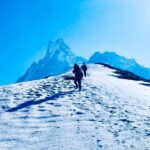
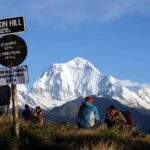
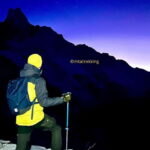
This is the big day: Mardi Himal Base Camp. After breakfast you trek up, aiming for panoramic views of the Annapurna Himalayan range. You also get the highlight built in: you’ll witness sunrise over the mountains, then spend ample time exploring before you head back down.
The route then retraces your steps back to Low Camp for overnight. That descent is not a victory lap. It’s more like a controlled reset. Your legs can feel heavy, especially if you’ve pushed pace to catch the best light earlier.
Practical tip: wear a warm layer. Sunrise in the mountains is usually cold, and you’ll be standing still more than you expect during the best viewing moments.
Day 5: Lumre, a Final Walk, and Return to Pokhara
Day five is a downhill and transition day. You breakfast, descend to Sidding where you pause for lunch, then continue on to Lumre. From Lumre, your vehicle is waiting to take you back to Pokhara and your hotel.
This last segment matters because it gives you that satisfying sense of completion. You’re still walking, but you’re not climbing. And because the trek ends by vehicle from Lumre, you don’t need to plan an extra hike just to get back to town life.
The Views: Sunrises, Close-Up Peaks, and Mountains You’ll Remember
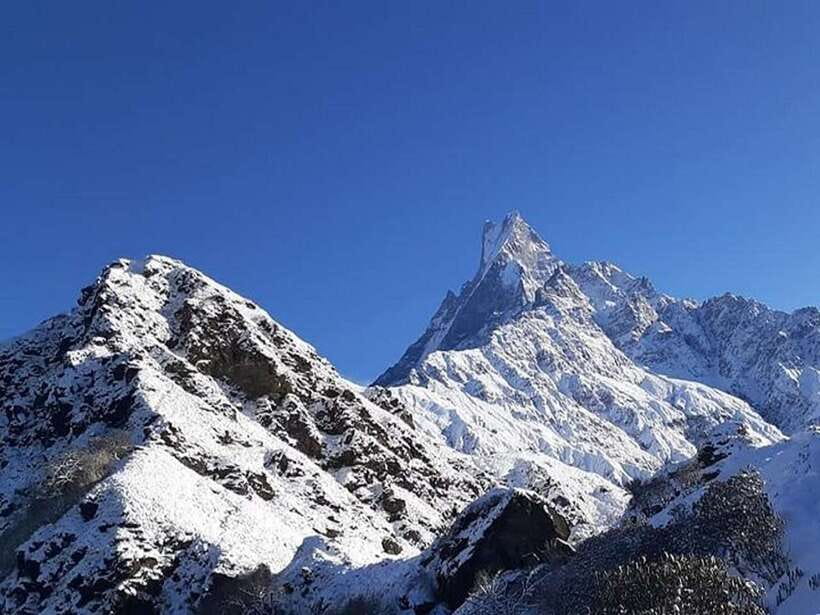
The trek’s selling point isn’t vague. It’s specific: rhododendron forests, quaint villages, and an intense set of views that bring you close to Mardi Himal and Machapuchre.
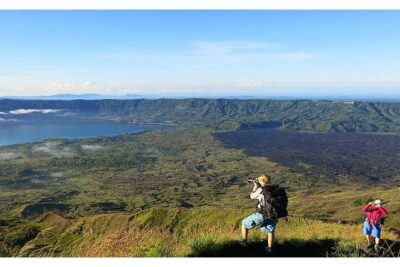
You’ll notice the view changes day to day. Early on, the mountain energy is more about framing and discovery as you move through forests and village paths. As you gain elevation—especially by High Camp—the angles get stronger and the sense of scale becomes hard to ignore.
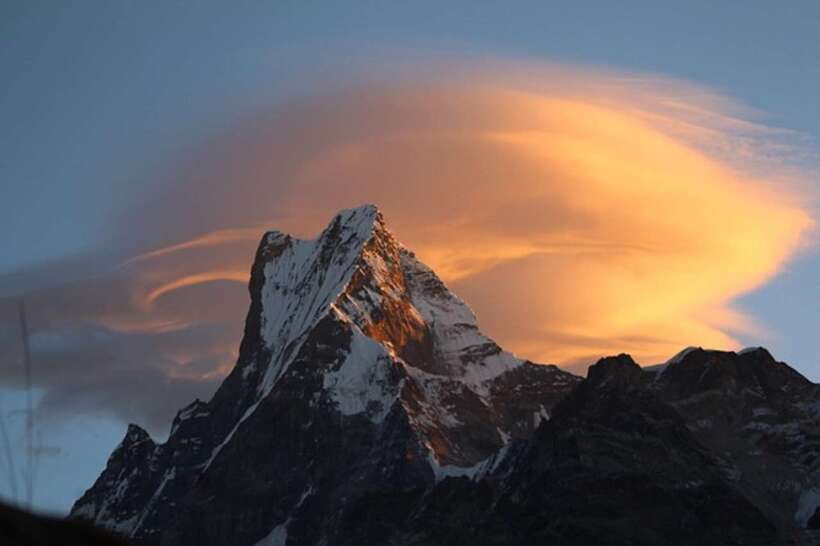
The sunrise angle is crucial. The itinerary calls out sunrise as part of the Base Camp experience, which is exactly what you want on a trek: a planned moment when the effort has a reward attached. It’s also when you can usually take the clearest photos, as long as the weather cooperates.
One extra detail that came through in real-world experience: with the right conditions, guides have been able to extend the day’s plan so you can see local life after your hike. For example, time after a successful early finish was used to visit Lwang village, including watching a volleyball tournament and sharing food with locals. Even if your timing differs, it shows the guide’s flexibility when the schedule allows.
Guides, Pace, and the Real-Life Help That Matters
This trek is built around a certified trekking guide with language support in English, Hindi, and Nepali. That’s not just comfort. On a mountain route, being able to ask questions, read trail conditions, and adjust pacing is a big deal.
Santosh, one of the guides mentioned in real feedback, is described as kind, helpful, and fluent in English. That kind of guide makes the trek feel less like a test and more like a guided learning experience: you understand what you’re seeing, you know what to expect next, and you feel less alone on the steeper parts.
Pace-wise, the trek gets described as challenging but reasonable: “not too easy, not too difficult.” A key detail from real advice: for first-time multi-day trekkers, hiking poles are recommended, and Diamox was specifically mentioned as something people discuss for altitude. I can’t tell you what’s medically right for you, but I’d treat that as a sign to talk to your doctor before you go and decide what’s appropriate.
Also, don’t ignore knee support. One account mentioned finishing with a knee problem, which suggests the route can be managed with the right pace, support gear, and patience.
Tea Houses, Comfort, and What to Bring (So You’re Not Miserable)
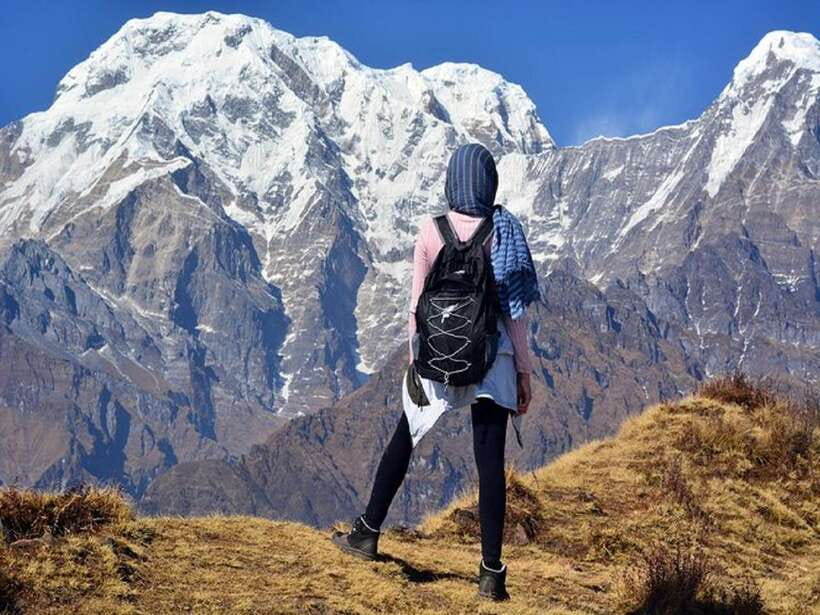
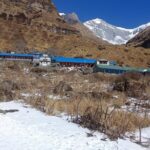
Accommodation is simple tea houses or lodges. That’s exactly what you want to plan around. You’re not signing up for luxury. You’re signing up for warm beds, basic facilities, and a good night’s sleep before the next climb.
Comfort is improved because some gear is included: trekking sticks and sleeping bags as needed. Still, you should bring your own basics and clothing strategy.
Bring:
- Comfortable shoes (broken in if possible)
- A jacket for cold mornings and night air
- A hat
- Comfortable clothes for layered movement
- Camera (you’ll want it)
- Cash for personal needs
- Hair tie if you need it
What’s also smart: pack light enough that you can move easily. Your trek includes luggage storage facilities in Pokhara, so you can leave most non-essentials behind.
One note for sensitive travelers: this trip is not suitable for people with motion sickness, and it’s not suitable for people with mobility impairments. The reason is practical: you’ll do travel time plus daily hikes on uneven ground.
Who Should Book This Mardi Himal Trek (and Who Should Consider Alternatives)
This trek fits best if you:
- Want a guided trek in the Annapurna region with clear daily structure
- Like rhododendron forests, village paths, and frequent mountain sightlines
- Are comfortable with a moderate trekking pace and elevation changes
- Appreciate sunrise-focused planning at Base Camp
It may be a tougher match if you:
- Have trouble with steep, uneven trails (especially with knee or leg limitations)
- Get motion sick during transport segments
- Need mobility accessibility accommodations
- Are older than the listed limit (not suitable for people over 95 years)
If you’re a first-time trekker, this route can still work. The feedback you have suggests the difficulty is balanced enough for many outdoor hikers—especially if you use poles and take it slow where needed.
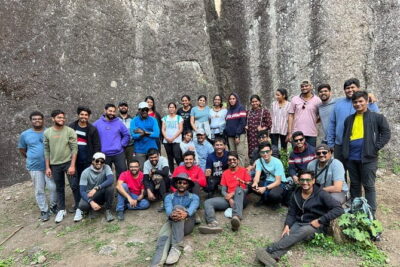
Also, it’s a private group, which is a major quality-of-life perk. You’re not negotiating around random pacing and random expectations. That makes it easier to keep the day comfortable and safe.
Should You Book the Pokhara Mardi Himal 5-Day Trek?
If your goal is a guided, value-packed trek that puts you close to Mardi Himal and Machapuchre, with sunrise on the calendar and rhododendron + village scenery along the way, I’d say this is a strong booking choice.
Book it if:
- You want practical support from a certified guide in languages you can use
- You’re okay with tea-house basics
- You’re comfortable managing a climb-and-descent day structure
- You want your logistics handled (permits, transport, meals depending on option, gear as needed, and luggage storage)
Skip or rethink it if:
- Motion sickness is a concern
- Mobility limits make uneven trail footing difficult
- You’re expecting a flat walk or a low-effort outing
FAQ
FAQ
How long is the Mardi Himal Base Camp trek?
The trek runs for 5 days.
What’s included in the price?
You get round-trip transportation between your hotel/airport and the trek starting point, meals throughout the trek (depending on the option selected), accommodation in simple tea houses or lodges, a certified trekking guide, all required permits and fees, and all expenses for the guide and porter. Trekking sticks and sleeping bags are included as needed, and there’s luggage storage in Pokhara.
Do I need travel insurance?
Yes. Travel insurance is not included, and it’s listed as mandatory for your safety and peace of mind.
What languages will the guide speak?
The live tour guide speaks English, Hindi, and Nepali.
Where are the pickup and drop-off points in Pokhara?
Pickup and drop-off are offered at options that include Lakeside Rd 6, Pokhara International Airport (PIA), and Pokhara Lakeside.
Are meals included each day?
Meals are included throughout the trek depending on the selected option.
Do I have to use a porter?
A porter isn’t required. If you want one, the option listed is $15 per day.
What should I bring for the trek?
Bring comfortable shoes, a hat, a camera, a jacket, comfortable clothes, cash, a hair tie, and trekking gear.
Is this trek suitable for everyone?
No. It’s not suitable for people with mobility impairments, people with motion sickness, and people over 95 years old.