REVIEW · KATHMANDU
Langtang Valley Trekking
Book on Viator →Operated by The Great Adventure Treks & Expedition - Private Day Tours · Bookable on Viator
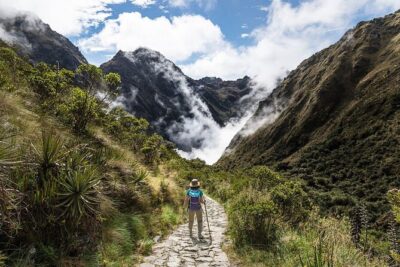
Langtang feels like Tibet, but greener. I love the Tamang culture you meet along the way, with gompas, mani walls, and prayer flags. I also love the mountain-and-nature variety inside Langtang National Park, from rhododendron and pine to animals like monkeys and even the Danphe. The trade-off is that altitude can hit hard, and tea-house life stays basic.
This is a private trek, so your group hikes together and you get organized help from pickup onward. You start at 9:15am and the logistics use private transportation, but lunch and dinner are not included, so you’ll budget meals on your own. One more thing to plan for: the trek depends on good weather, so conditions can affect dates.
In practice, the biggest difference comes from the guide/crew support. The names you’ll hear in this circuit include people like Mani, Ganesh, Pasang, Sundeep, Indra, Shubham, and porters who can keep pace even with heavy loads. It matters because Langtang is the kind of trek where you feel tired first, then start noticing details.
In This Review
- Key highlights you’ll care about before you go
- Why Langtang Valley feels different from other Nepal trekking routes
- The Kathmandu-to-trail start: private transportation and a 9:15am kickoff
- Entering Langtang National Park: plants, birds, and small wildlife moments
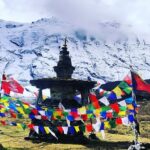
- Tamang culture along the trail: gompas, mani walls, and everyday life
- Tea houses, food, and the altitude reality check
- Tserko Ri and summit-day effort: when the mountains take over
- Value for money: what $2,102.57 buys in real life
- Who should book this Langtang Valley trek
- Quick tips to make the trek feel easier
- Should you book Langtang Valley Trekking?
- FAQ
- How long is the Langtang Valley Trekking experience?
- What does the tour cost?
- What is included in the price?
- Are lunch and dinner included?
- What time does the experience start?
- Is this a private tour?
- Where does the trek take place?
- What happens if weather is poor?
- Can most travelers join, and are service animals allowed?
Key highlights you’ll care about before you go
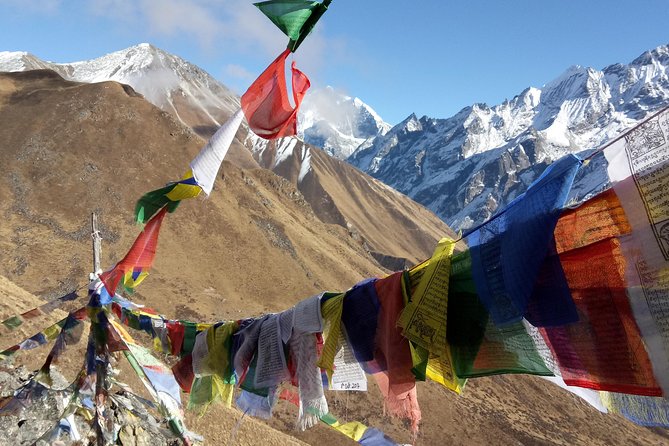
- Tamang villages and religious landmarks: gompas, mani dividers, and colorful prayer hails add meaning to every walking day.
- Langtang National Park ecology: rhododendron, orchids, and pine forests, plus wildlife like musk deer and pika.
- Big-altitude effort with real payoff: people specifically call out the altitude challenge, and also the satisfaction of mountain views.
- Tserko Ri is a standout day: at least some Langtang itineraries include reaching Tserko Ri’s summit for panoramic moments.
- Less-crowded trekking feel: Langtang is often quieter than other popular routes, which makes the trail calmer.
- Basic tea-house rhythm: simple food and straightforward lodging, traded for close-up scenery and culture.
Why Langtang Valley feels different from other Nepal trekking routes
Langtang Valley sits in Langtang National Park, about 150 kilometers north of Kathmandu. That puts you in a Himalayan pocket where you can feel two influences at once: the mountain realities of Nepal, and the Tibetan Buddhist imprint from the region’s closeness to Tibet.
What I like here is how quickly the trek becomes more than scenery. You’re walking through landscapes that support many vegetation types in a protected park system, and that variety shapes the whole experience: different plants, different birds, and different moods from one bend in the trail to the next. One review-style detail that keeps showing up in people’s write-ups is the sense of being surrounded by living things, not just peaks.
Then there’s the cultural side. Many locals in the valley are Tamang, a community with roots connected to Tibet and a strong cultural identity. Along the route you see gompas, mani dividers (stone or sculpted prayer engravings), and prayer flags. Even if you’re not a religion person, it changes the vibe of the hike. The trail feels used and cared for, not just scenic.
The biggest drawback for most first-timers is the altitude factor. Even when the trek is well planned, you still have to work with your body. Build in slower steps, hydrate early, and don’t treat summit days like a race.
You can also read our reviews of more tours and experiences in Kathmandu.
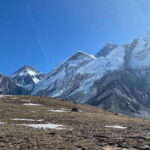
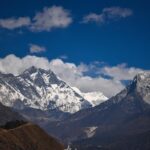
The Kathmandu-to-trail start: private transportation and a 9:15am kickoff
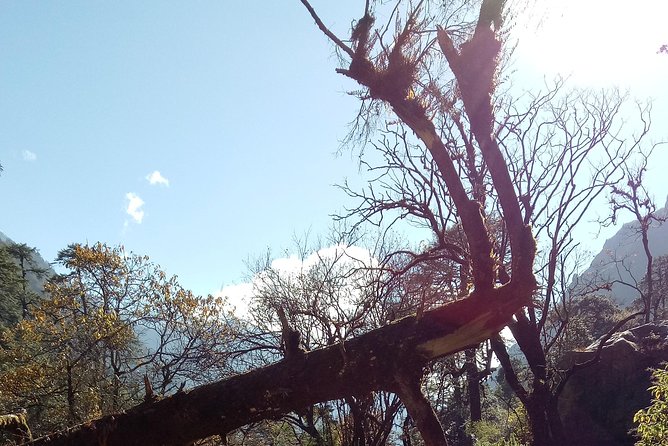
Your day begins with pickup offered and private transportation included. The start time listed is 9:15am, so you’re not sleeping in and wandering off at noon. If you like a clear plan, this helps.
A key practical detail: the road from Kathmandu toward Dhunche can feel a bit difficult. People flag this as rougher than they expected, so plan for motion sickness tolerance. If you’re the type who gets queasy in vans, pack what works for you and take it seriously on the ride out.
Why I think the private transport is valuable: Langtang is not a “grab a bus and go” area. Private logistics reduce stress when you’re trying to be on time for the trek and when weather can change the plan. You’re paying to remove friction.
Entering Langtang National Park: plants, birds, and small wildlife moments
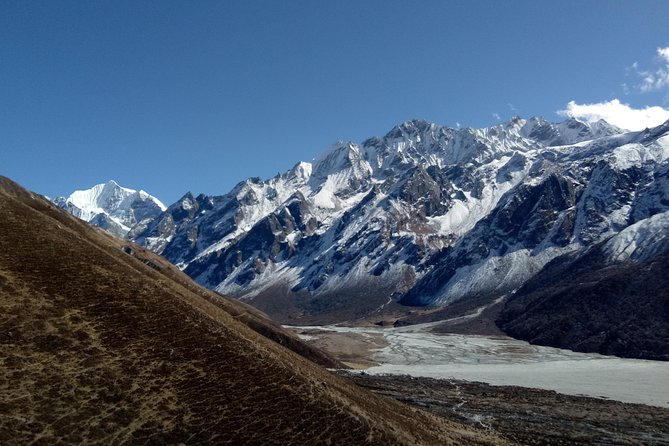
Once you’re in Langtang proper, the park becomes part of the story. The information you’ll hear about Langtang National Park includes 14 vegetation sorts and 18 biological system types, which is a fancy way of saying you don’t get one generic “mountain forest” view. You get variety.
Expect stretches that feel like:
- Rhododendron country when the season lines up
- Pine forest sections with a cooler, shaded feel
- Other mixed woodland areas where you might notice different bird activity
Wildlife is also part of the package, though nobody should count on guaranteed sightings. The park is described as home to animals like monkeys, musk deer, and pika, plus the Danphe, Nepal’s national bird. On treks, I treat these as bonus moments. The real win is that the park makes the trail feel alive even when you’re not “seeing something big.”
One thing I’d encourage you to do: pause more than you think you need. People sometimes walk past the plant details because they’re busy scanning for peaks. In Langtang, the vegetation is part of the reason you’re there, and the best sightings often happen when you slow down.
Tamang culture along the trail: gompas, mani walls, and everyday life
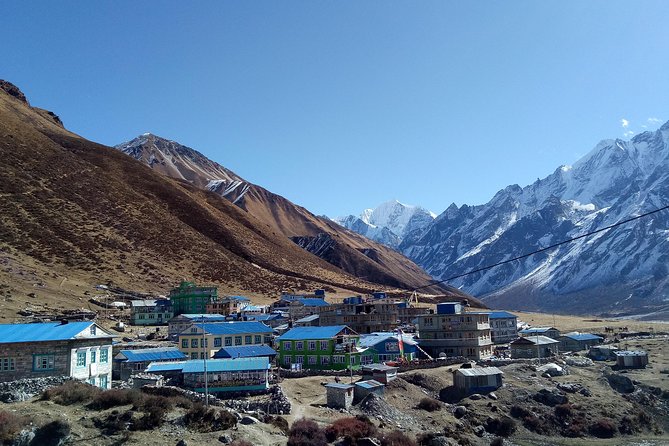
Langtang Valley is closely tied to Tamang culture, and that shows up in more than just names on signs. Along the route, people report seeing gompas, mani dividers, and prayer flags. These aren’t just photo stops. They mark spiritual and community spaces that locals move through as part of daily life.
I like that this trek doesn’t treat culture as an add-on. The religious markers sit alongside walking paths, which means you experience them in sequence with everything else: your breathing, the slope, the changing forest, the small village sounds.
You’ll also get a sense of community through how things are built and how people live near the trail. Even if your cultural knowledge is limited at the start, the route itself gives context: the way prayer sites align with movement through the valley is hard to ignore.
If you enjoy talking with guides and asking questions, this is a strong trek for that. In reviews tied to this region, guides like Pasang and Ganesh are described as attentive and helpful, including explaining local culture and mountain context. That kind of guidance can turn a long day of hiking into something you remember.
Tea houses, food, and the altitude reality check
This trek’s comfort level is more “survive gracefully” than “luxury hotel.” Tea houses are described as having a basic setup, and food is typically simple. That’s not necessarily a deal-breaker, but it changes how you should pack and how you manage energy.
Here’s what you can plan for:
- Your lodging is practical, not cushy
- Your meals are straightforward, so your appetite and hydration plan matter
- You may feel altitude fatigue, even with a good guide
People specifically call out that the altitude challenge is real, and that tea houses are part of the charm. I agree with the logic: basic lodging can still feel special if the mountain views and the sense of place are strong. Still, don’t ignore your body. If you feel too breathless, slow down. If you feel headaches or nausea building, treat that as a signal, not a test.
Pack like you’re expecting simple meals. If lunch and dinner aren’t included, you’ll likely choose from what’s available at each stop. That makes timing and flexibility important. Bring snacks you can trust, plus a water plan. Even without specific water guidance listed, I’d bet every trekper’s success comes down to hydration and steady pacing.
Tserko Ri and summit-day effort: when the mountains take over
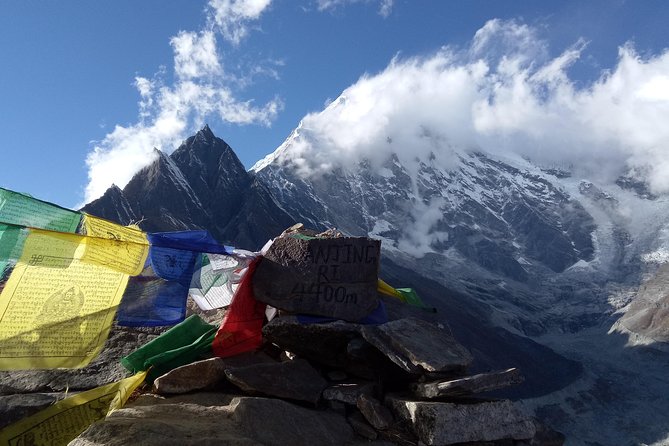
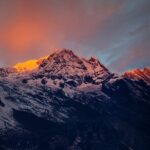
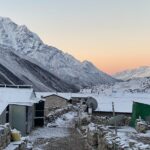
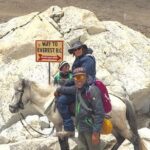
In some Langtang Valley treks, there’s a push toward Tserko Ri’s summit. Reviews tied to this experience mention that reaching Tserko Ri is an amazing moment, and it makes sense: sunrise or late-day light around Langtang mountains can be stunning, and that kind of viewpoint effort rewards you with a “now I get it” feeling.
What you should do with summit-day nerves:
- Start slower than you think you should
- Keep your breathing controlled
- Use your guide’s pace calls, because going fast tends to cost you later
Guides in this trekking network are often praised for being professional and caring. Names you’ll see connected to Langtang routes include Indra, Sundeep, and Pasang. One review notes a guide being energetic and introducing mountain context. That kind of explanation can help you understand what you’re looking at when your brain wants to focus only on your feet.
If your itinerary includes any side highlights beyond the core valley, you might see people mention other peaks and areas. For example, one longer route write-up references Kyangjin Ri and the Gosainkunda lake area. Since your tour is Langtang Valley trekking, treat those as optional extensions rather than assumptions.
Value for money: what $2,102.57 buys in real life
The price is $2,102.57 per person for the trek, listed as about 9 days. That number feels meaningful because trekking in Nepal is never just “pay and walk.” You’re paying for planning, staffing, and the private transportation element.
Here’s the straight talk on value:
- Included: private transportation
- Not included: lunch and dinner
So you’re not paying for every meal on every day. That’s normal for many treks, but it changes how you budget. If you hate menu uncertainty, you’ll want extra snacks and a plan for how you’ll handle meals during hiking days.
What also raises value is the private nature. You’re not sharing the trek with strangers. That can matter if you’re traveling as a family, if you move at a slower pace, or if you want your guide to tailor the experience. Reviews connected to this trek repeatedly highlight guide attention and porter support, including examples of very helpful porters who can handle heavy loads while keeping a steady walking rhythm.
I’d also think about the “weather requirement” factor. If conditions are poor, dates can shift. In those cases, the value of good organization rises, because you want a crew that can respond without leaving you guessing.
Who should book this Langtang Valley trek
You’ll probably love this trek if:
- You want Tamang culture integrated into the walking days
- You care about plant variety in a protected park, not just peak-bagging
- You like guided support and don’t want to worry about logistics
- You prefer a calmer trail feel over the most crowded Nepal routes
It also seems well suited for people who value a caring, patient guide. Reviews mention guides being attentive, sometimes adjusting pace for walkers who needed more time. One person mentioned trekking at age 75, and credited the organization and guidance for making the experience work smoothly.
If you want rugged adventure, go for it. If you’re expecting hotel comfort and fully included meals, you might end up disappointed. This trek works best when you treat it as a real hiking experience.
Quick tips to make the trek feel easier
- Go slower early. Altitude fatigue often sneaks in before you realize it.
- Plan for simple food. Bring snacks you know you’ll eat.
- Take time to look at the park’s plants, not only the mountains.
- Use your guide for context. Asking about gompas, mani walls, or what mountain you’re seeing makes the hike stick.
- If the road feels rough (especially toward Dhunche), be ready with motion-sickness support.
Should you book Langtang Valley Trekking?
If you want a trek where culture and nature are both front and center, Langtang Valley is a strong choice. The Tamang spiritual markers, the protected park ecology, and the chance for viewpoint days like Tserko Ri add up to a trek that feels grounded, not staged.
I’d skip it if you need guaranteed comfort, or if altitude is a deal-breaker for your health. And if you’re traveling when weather could be unstable, be flexible with dates, since good conditions matter here.
If you’re the kind of traveler who likes to slow down, notice details, and walk through places where locals actually live, then booking is an easy yes.
FAQ
How long is the Langtang Valley Trekking experience?
It’s listed as 9 days (approx.).
What does the tour cost?
The price is $2,102.57 per person.
What is included in the price?
The only listed inclusion is private transportation.
Are lunch and dinner included?
No. Lunch and dinner are not included.
What time does the experience start?
The start time is 9:15am.
Is this a private tour?
Yes. It’s private, meaning only your group will participate.
Where does the trek take place?
It takes place in Langtang National Park, and Langtang is around 150 kilometers north of Kathmandu.
What happens if weather is poor?
The experience requires good weather. If it’s canceled due to poor weather, you’ll be offered a different date or a full refund.
Can most travelers join, and are service animals allowed?
The info says most travelers can participate, and service animals are allowed.