REVIEW · POKHARA
Pokhara: 4-Day Beautiful Ghorepani Poon Hill & Ghandruk Trek
Book on GetYourGuide →Operated by Welcome Nepal Treks P.Ltd · Bookable on GetYourGuide
Sunrise over the Annapurnas hits different. This 4-day Ghorepani and Ghandruk trek pairs Poon Hill morning views of 15 peaks with the steady care of an English guide, Tanka, who keeps the hike comfortable and the planning tight.
I also like the way the route mixes climbing with real village moments in Magar country, then rewards you with tea-house nights and big panorama stops. One drawback to flag: there are uphill days and steps, and it’s not suitable for pregnant women or people with heart problems, so fitness matters before you go.
In This Review
- Key highlights worth knowing
- From Pokhara to Birethanti: the trek starts without fuss
- Day 1 Ulleri: Magar village life and a scenic climb
- Day 2 to Ghorepani: stone steps, alpine forest, and big views
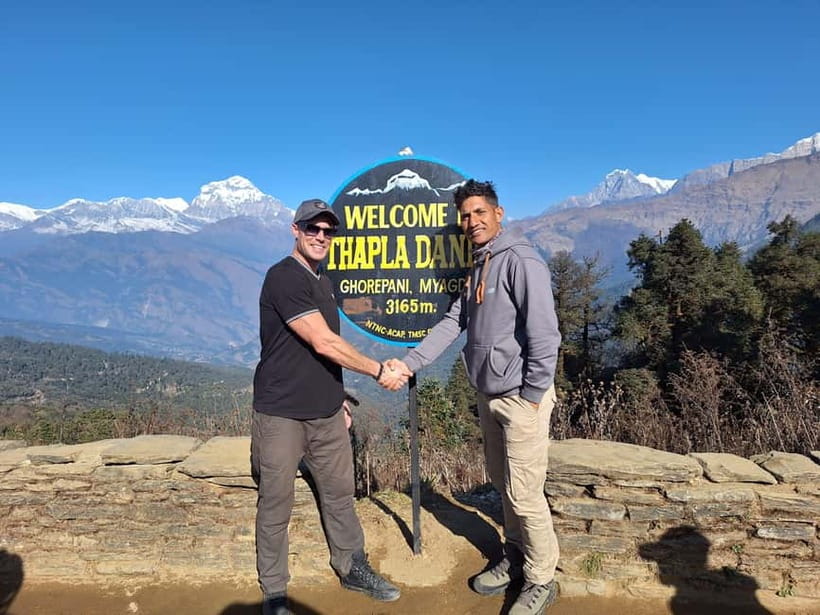
- Poon Hill sunrise: 15 peaks in one morning plan
- Tadapani: rhododendron forest, ridgelines, and a calmer night
- Day 4 Ghandruk: terraces, thatch roofs, and a slower finish
- Price and logistics: what $164 really buys you
- The guide difference: why Tanka’s approach matters
- Comfort and safety details that change your day-to-day
- What to pack: layers, sun protection, and small essentials
- Who this trek suits best (and who should reconsider)
- Should you book this 4-Day Ghorepani Poon Hill & Ghandruk Trek?
- FAQ
- How long is the trek?
- Where do you pick me up in Pokhara?
- What’s included in the price?
- Are meals included during the trek?
- Is there a porter service?
- What language is the guide?
- Who should not book this trek?
Key highlights worth knowing
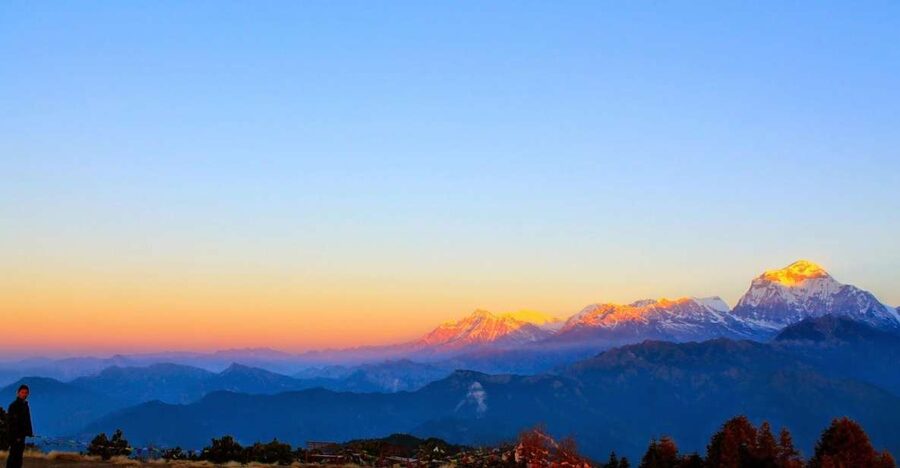
- Poon Hill sunrise over 15 peaks with early-morning trail time
- English-guided pacing that flexes to how you feel, not just a timetable
- Village-to-village trekking through rural Magar areas and classic tea-house towns
- Rhododendron forest walking and ridge views on the way to Tadapani
- Ghandruk’s stone-and-thatch village feel plus terrace farming scenery
- Warm meals and warm water at tea houses you sleep in, plus wifi availability in those lodges
From Pokhara to Birethanti: the trek starts without fuss
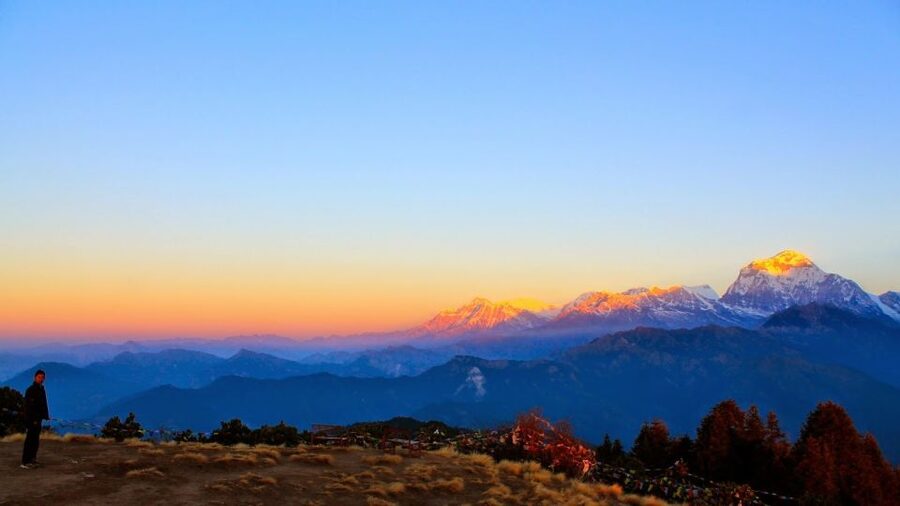
Pokhara is the easy on-ramp for this trek. You’re picked up from your hotel (or right by your apartment entrance) and taken about an hour to Birethanti, which is where the hiking truly begins. You don’t need to figure out permits or local logistics on your own. The guide handles the movement and the paperwork basics, so you can focus on walking and enjoying the views.
The trek also follows a sensible rhythm for a 4-day route. Each day has a main “climb and arrive” arc, then a village-teahouse evening where you can reset. Even if you’re not a fast trekker, this structure makes it easier to keep your energy steady.
You can also read our reviews of more tours and experiences in Pokhara.
Day 1 Ulleri: Magar village life and a scenic climb
On day one, you start in Birethanti and climb through a string of teahouses. This matters more than it sounds. Those stops mean you’re not forced into long stretches with no breaks, especially if you’re adjusting to trekking pace and air that feels a bit sharper than Pokhara.
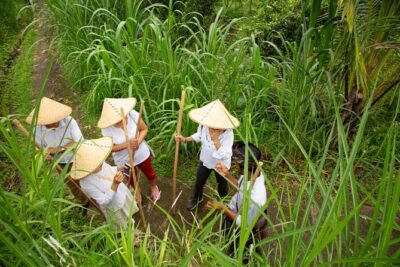
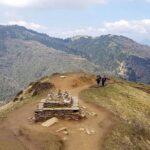
After about two hours of ascent, you reach Ulleri, described as a Magar village area where you spend the night. You’ll likely pass stone stairs and switchback-style uphill paths, and the air tends to feel more mountain-cool as you gain elevation. Ulleri is a classic first feel of the Annapurna trekking corridor: rural homes, small-scale farming life, and the sense that the trail is part of daily routines for local people, not a theme park for hikers.
What you’ll want to do tonight: take your time soaking in the evening view from your tea house, then pack for a cold early start tomorrow. If you’re thinking ahead, this is also the night to double-check you have a hat and sun protection for the next day’s stronger light.
Day 2 to Ghorepani: stone steps, alpine forest, and big views
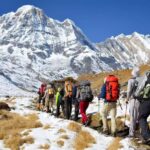
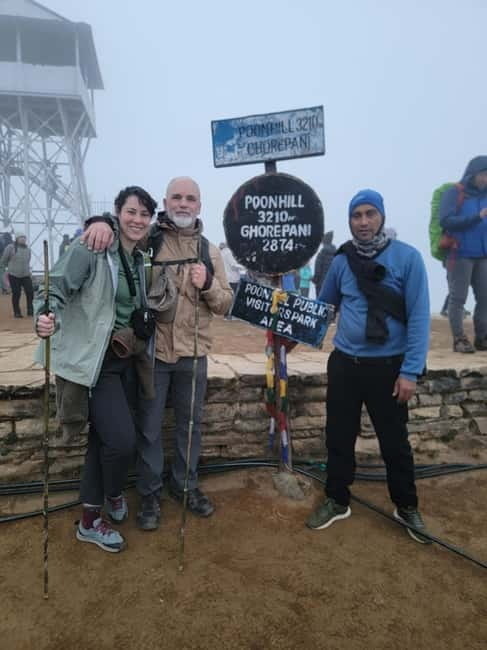
Day two is your “real trekking day.” You’ll walk for roughly six hours total, and one chunk of it includes about two hours on stone steps. Those steps can feel relentless when you first start, but they also give you an obvious rhythm. Take it slow and let your breathing settle.
As you ascend, you get panoramic views of Annapurna and Mt. Fishtail. The trail also shifts into an alpine forest stretch, which is a nice change from just open hillside walking. Forest sections can be quieter on the trail and feel cooler under the canopy, which helps if you overheat easily during climbs.
You’ll stop at teahouses along the way and then continue to Ghorepani for the night. Ghorepani is famous in its own right because it sits in a sweet spot for mountain viewing. After you arrive, you’ll have time to enjoy the tea-house atmosphere and the view outside your door. It’s also a good day to conserve energy and sleep early, because the real show starts very early the next morning.
Poon Hill sunrise: 15 peaks in one morning plan
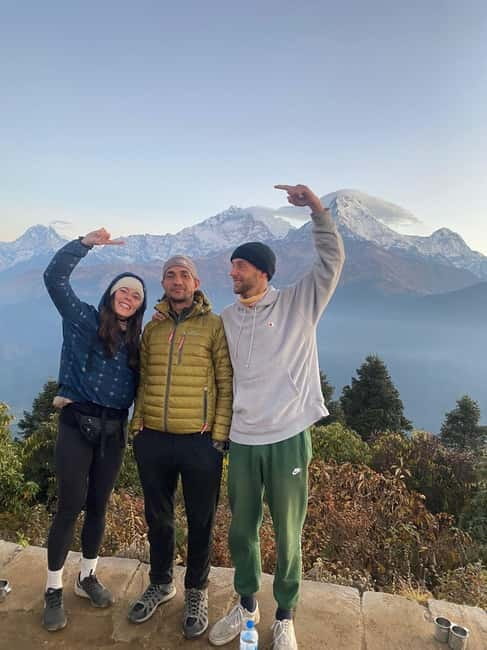
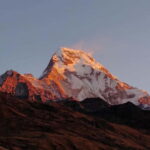
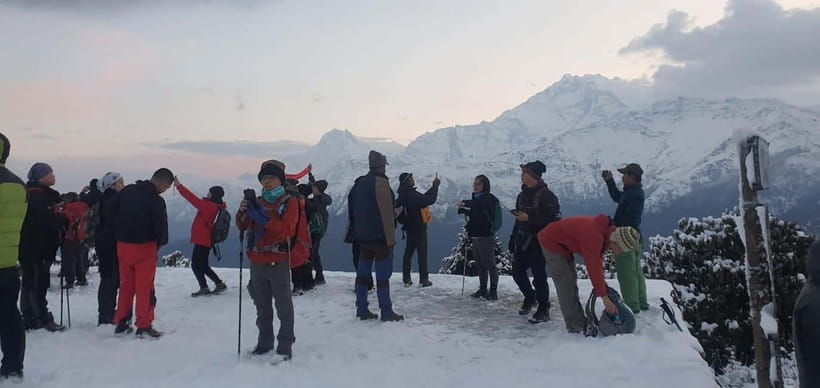
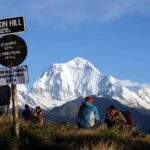
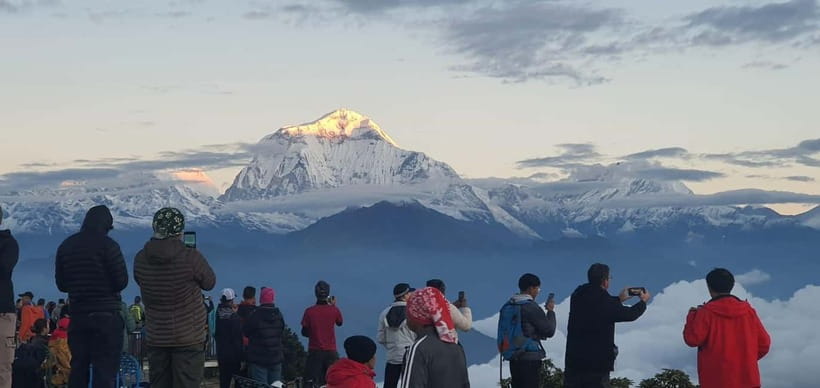
If you only care about one moment on this trek, make it the sunrise from Poon Hill. You start early and hike up with enough time to see the sky change color and the peaks light up.
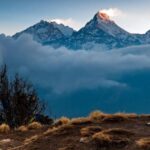
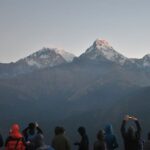
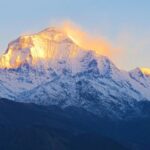
This is one of the most practical ways to experience the Annapurna region’s high-mountain drama without committing to a longer trek. The payoff is huge: you’re watching the sun rise over 15 mountain peaks, with Annapurna-area giants all around you. Even if you’ve seen mountain photos before, sunrise changes everything because the contrast grows fast and the valley shadow lines become clearer.
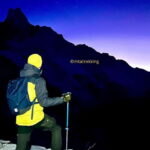
Here’s the thing to keep in mind: early starts can be rough if you don’t plan your clothing layers. Bring something warm enough for dawn because the temperature at the top can feel colder than you expected. Sunglasses also help after sunrise, when light bounces strongly off snow and rock.
After the sunrise, you descend back toward Ghorepani, then continue onward. In other words, this is not a one-and-done viewpoint. The morning spectacle is followed by more walking the same day.
Tadapani: rhododendron forest, ridgelines, and a calmer night
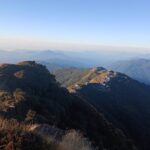
After sunrise, your route takes you through a rhododendron forest and over mountain ridges before you reach Tadapani for the night. This segment tends to feel less like a constant stair grind and more like steady trail travel through changing scenery.
Rhododendron forests are especially memorable when the trail moves under tree cover, and when the air cools and warms with the elevation shifts. Ridgelines bring back the wide views, too, and that helps you mentally reset after the early-morning push.
Tadapani is another tea-house stop where you’ll sleep. In the places you’ll stay on this trek, the food is typically warm and filling, and warm water is available. In some lodges, wifi may also be there, which is a nice sanity check if you want to send a quick message or just relax without feeling totally offline.
This is also a good night for a simple plan: eat early, keep your layers ready for the next day, and try to get a decent sleep. Tomorrow’s walk is shorter, but you’ll still want your legs feeling good for the downhill to Ghandruk.
Day 4 Ghandruk: terraces, thatch roofs, and a slower finish
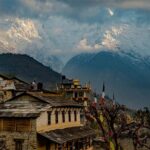
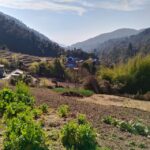
Day four focuses on descent and atmosphere. You trek down to Ghandruk, a charming mountain village where you can wander through streets lined with thatch and slate roof houses. The key vibe here is farming life: terraces step down the hillsides, and the village feels like a real home base for local families rather than a quick photo stop.
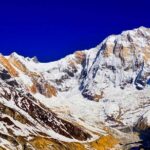
You’ll also stop for lunch at a viewpoint where you can admire Annapurna South and Huinchuli. That viewpoint break is more than a meal pause. It gives you a final moment to take in the big peaks you’ve been hiking toward, and it helps you appreciate how the trail connects those high views back to village life below.
After lunch, you continue trekking for about one more hour before you catch a ride back to Pokhara. The ride part matters because it helps you avoid the “one last long grind” feeling. When you get back, you can shower, eat properly, and let your body recover the way it should.
Price and logistics: what $164 really buys you
At $164 per person for a 4-day trek, the value here comes from what’s handled for you, not just the view. Included are hotel pickup and drop-off, 3 nights of accommodation during the trek, all ground transportation, permits and taxes, an English guide, a first-aid kit, and water purification tablets.
What’s not included is also important for planning: meals during trekking (breakfast, lunch, dinner), travel insurance, and no porter service. That means you’ll pay for food along the way, and you’ll carry your own daypack. The upside is you keep control of your load and you can manage your pacing based on what you need.
Is it cheap or pricey? It’s in the “reasonable for a guided classic trek” category. The guide component is especially valuable here because pacing and safety matter on stair-heavy segments and cold sunrise starts. If you want a straightforward route with support already built in, this price feels fair.
The guide difference: why Tanka’s approach matters
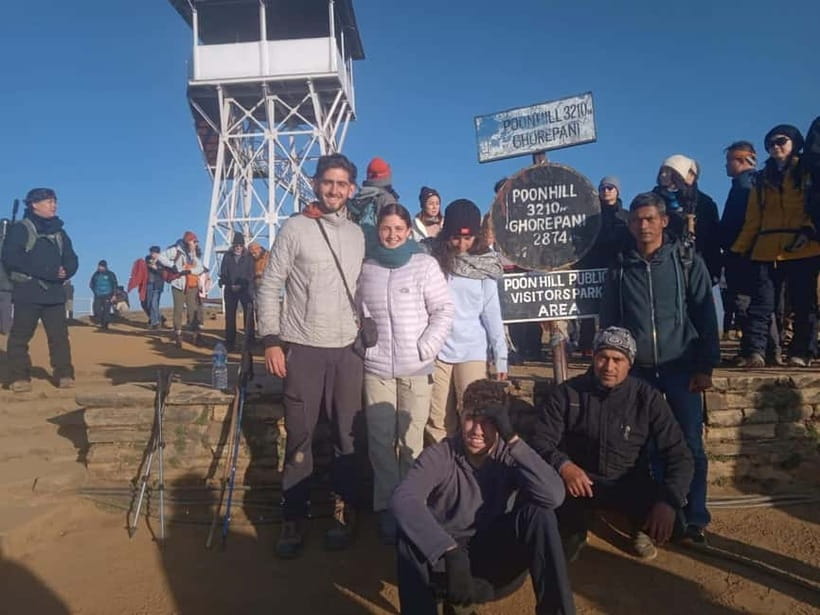
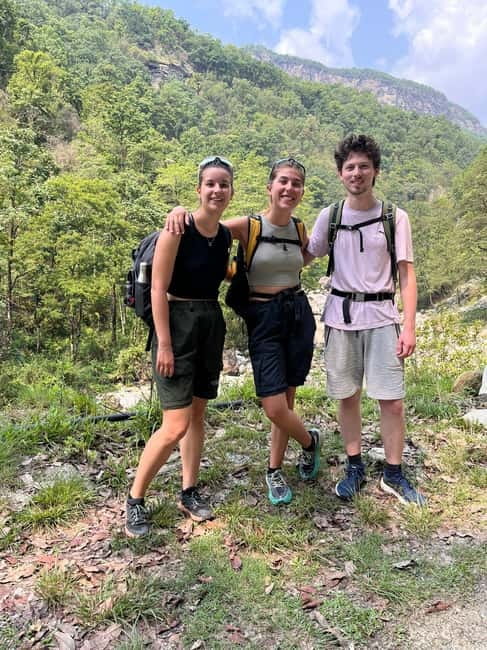
The standout pattern you’ll hear about this trek is the guide. Tanka is repeatedly praised for English that’s easy to follow, plus a caring, patient style that adapts to the group. That adaptation shows up in small things: walking at a pace that suits you, making sure you’re eating and drinking enough, and giving you time for photos without rushing you.
There’s also a practical social skill here. You’re walking in remote mountain areas, and it helps when your guide can explain what you’re seeing and answer questions with calm confidence. It’s a nice balance: you get conversation when you want it, and space when you want quiet.
And yes, you can benefit from the photo help. If you like taking pictures, you’ll appreciate that the guide can take good ones, which reduces the awkward “selfie stretching” problem in awkward angles.
Comfort and safety details that change your day-to-day
This trek includes a first-aid kit and water purification tablets. Those are small line items that actually matter when you’re hiking daily. Having a way to purify water helps you stay hydrated without turning every stop into a major decision.
Permits and taxes being included also keeps your workload low. In trekking country, delays and uncertainty can happen when documentation isn’t handled cleanly. This setup reduces that stress.
As for comfort: tea houses are part of the plan, and in the lodging used here, you can expect warm meals and warm water. Some places also have wifi, which is helpful if you want to check in with family or just decompress with something familiar after dinner.
What to pack: layers, sun protection, and small essentials
This route hits early mornings and mountain sun, so packing is not just about boots. Your goal is to be comfortable at dawn, protected during climbs, and ready for basic hygiene.
Bring:
- Passport or ID card, plus a scanned copy and a passport-sized photo (you must bring these)
- Comfortable trekking shoes and socks
- Sunglasses and a sun hat
- Sunscreen
- A jacket and warm layers for cold mornings
- A daypack (a light one)
- Change of clothes and toiletries
- Mosquito repellent and toilet paper
- Personal hygiene products
- A camera if you like photos
The extra clothing advice is specific: you’ll want at least two t-shirts, long pants, and shorts. That way you can rotate through sweat-heavy day walking and still feel clean enough at night.
Who this trek suits best (and who should reconsider)
This is a solid choice if you want classic Annapurna-range scenery in a short time, with real village stops and manageable daily distances. The biggest “fit test” is your legs and your ability to handle uphill and stair segments.
It’s not suitable for pregnant women or people with heart problems, based on the operator’s guidance. If you have any medical concerns, it’s smart to talk to your doctor before booking, because you’ll be trekking at altitude with sustained climbs.
It also suits you if you like structure. Pickup, route guidance, permits, tea-house lodging, and support are all included. You don’t have to spend time solving logistics while you’re tired and altitude is doing its thing.
Should you book this 4-Day Ghorepani Poon Hill & Ghandruk Trek?
I’d book this if you want a short, guided Annapurna experience with a clear highlight: Poon Hill sunrise. I also think it’s a good pick if you value a guide who adapts to your pace and makes the trek feel organized without turning it into a rushed conveyor belt.
Don’t book it if stairs and steep walking would be a problem for you, or if you fall into the categories the operator flags as not suitable. And if you hate carrying your own daypack, remember there’s no porter service included.
If you’re ready for early mornings, scenic village walking, and a finish in Ghandruk that feels like real mountain life, this is the kind of trek that can genuinely change how you remember Nepal.
FAQ
How long is the trek?
It runs for 4 days total.
Where do you pick me up in Pokhara?
You’re picked up from your hotel lobby or from the entrance of your residential apartment in Pokhara. Be ready 5–10 minutes before the scheduled pickup.
What’s included in the price?
The package includes hotel pickup and drop-off, 3 nights of accommodation during the trek, all ground transportation, permits and taxes, an English-speaking live guide, a first-aid kit, and water purification tablets.
Are meals included during the trek?
No. Meals and drinks during the trek (breakfast, lunch, and dinner) are not included.
Is there a porter service?
No. Porter service is not included.
What language is the guide?
The guide speaks English.
Who should not book this trek?
The trek is not suitable for pregnant women or for people with heart problems.