Morocco’s big moments fit in one trip. This 15-day circuit strings together imperial-city stops (Rabat, Fez, Marrakech) plus the iconic Djamaa el Fna area, then pushes you outward toward the mountains and the Sahara. I like how the route doesn’t just stack famous names; it gives you sharp contrasts, from Chefchaouen’s blue streets to the sand sea in Merzouga.
I also like the built-in mix of sightseeing days and time to walk, including Atlas Mountains hiking in a region known for real village life and mountain views. One possible drawback: you’ll spend a lot of the trip in the car, because the “best of Morocco” sites are spread far apart—so plan for long transfer days and bring snacks, water, and layers.
In This Review
- Key Highlights You’ll Actually Feel
- The Route: A “Best of Morocco” Trip That Moves With Purpose
- Casablanca Launch: Starting in a City You Can Read Quickly
- Rabat to Chefchaouen: Two Different Faces of Morocco
- Chefchaouen to Fez: From Blue Streets to a Living Historic Center
- Volubilis and Meknes: Roman Ruins and Royal Layouts
- Mid Atlas to Midelt, Then Ziz Gorges to Merzouga: The Scenery Clocks Itself
- Merzouga to Todgha Gorges and Roses Valley to Ouarzazate: Desert-to-Rock Transitions
- Ouarzazate and Ait Ben Haddou: Kasbahs and Film-Set Intrigue
- Taroudante to Agadir to Essaouira: Getting a Break at the Atlantic
- Marrakech Sightseeing, Plus a Second Free Day
- Atlas Mountains Hiking: Where the Trip Becomes More Than Photos
- Price and Value: What You’re Paying For, and What to Budget Separately
- Who Should Book This, and Who Might Want a Shorter Version
- Should You Book Atlas Trekking Morocco’s Best of Morocco Highlights Tour?
- FAQ
- Where does the Atlas Trekking Morocco tour start?
- How long is the tour?
- Does this tour operate as a private experience?
- Is private transportation included?
- Are alcoholic beverages included?
- What places are on the itinerary?
- Is the tour suitable for someone with moderate fitness?
- When do I get confirmation after booking?
- What is the cancellation policy?
Key Highlights You’ll Actually Feel
- Imperial-city sweep with Rabat, Fez, and Marrakech, plus the unforgettable Djamaa el Fna setting
- Chefchaouen + the Rif Mountains: a blue-town contrast to the rest of your route
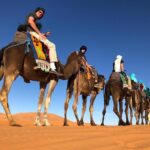
- Merzouga Sand Sea: time facing the scale of the Sahara dunes
- Gorges and Valleys: Dades gorges, Toudgha gorges, and Roses Valley built into the journey
- Ouarzazate film-country detour at the Atlas Film studios (CLA studios), then on to Ait Ben Haddou
The Route: A “Best of Morocco” Trip That Moves With Purpose
This experience is designed like a fast-but-not-rushed tour of the country’s headline regions. You start in Casablanca, then work your way through the classic historic cities, up into the mountain zone, across to the Sahara dunes around Merzouga, and out toward the Atlantic at Essaouira. It’s the kind of itinerary that helps you get a real feel for Morocco’s geography: coast, plains, mountains, desert, and back again.
Here’s the big value for you: the trip is built to keep you from bouncing between random highlights. Your days follow a storyline. You’ll see how Morocco changes as the land rises, dries out, and opens to ocean breezes. That’s harder to do on your own unless you have serious planning help.
Because it’s private, the pacing can feel more controlled than a join-group tour. That matters on a route like this, where travel time can be the “hidden cost” of doing Morocco in one sweep.
You can also read our reviews of more tours and experiences in Casablanca.
Casablanca Launch: Starting in a City You Can Read Quickly
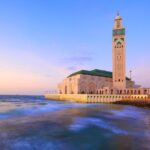
You begin in Casablanca, then head the same general trip arc toward Rabat and Chefchaouen. Casablanca isn’t presented here as a standalone deep-dive, which is probably smart. You get the benefit of arriving in Morocco’s main hub, getting your bearings, and then moving toward the older, more “story-rich” cities that define the rest of the itinerary.
Practical tip: Casablanca can feel big and modern, while places like Fez, Chefchaouen, and Marrakech feel more like time travel. If you’re the type who likes contrast, this setup works. If you’re the type who gets overwhelmed by fast changes, take it easy on day one and use that first transition to get comfortable with local rhythms.
Rabat to Chefchaouen: Two Different Faces of Morocco
The tour takes you from Casablanca to Rabat, then onward to Chefchaouen. Rabat is part of the imperial-city sweep, and Chefchaouen is one of the route’s emotional high points: the famous mountain-blue town, tied to the Rif Mountains.
Chefchaouen is a great “pressure valve.” After days of long-distance travel, the blue town gives you something visually calm to focus on. You’re not just passing through; the schedule includes morning sightseeing in Chefchaouen, which usually means you get to see more before the day fully warms up and energy rises.
Possible consideration: Chefchaouen is hilly. Even without a formal “trek,” expect uneven streets and a fair amount of walking if you want more than quick photo stops.
Chefchaouen to Fez: From Blue Streets to a Living Historic Center
After Chefchaouen, the route continues to Fez, where the tour includes additional sightseeing and exploration days. Fez is one of Morocco’s historic anchors, and this itinerary gives it real attention rather than treating it like a quick stop.
What you’ll appreciate here is how the tour doesn’t just name-drop. It positions Fez as a turning point between the mountain world and the more structured historic core. If you like wandering, Fez is the kind of place where you can lose track of time—especially if your guide points out the practical details, like what to look for and where to slow down.
A small balance point: because your route is packed, Fez might feel like one more “big city day.” If you want extra downtime, look for the moments between major sights to step aside, sip something, and let your brain reset.
Volubilis and Meknes: Roman Ruins and Royal Layouts
The tour includes a day to go to Volubilis and Meknes. This is one of those “how can one day include that much?” combos—Roman-era remains at Volubilis, then the more ordered, royal-feeling environment of Meknes.
Why it’s worth it: Volubilis helps you understand Morocco beyond the medieval story most tours stick to. Then Meknes brings you back into a different kind of historic logic. Together, they make the historic sweep feel less repetitive.
Practical reality: ruins usually mean uneven ground and lots of standing. If your feet are sensitive, plan for comfortable shoes early in the trip and don’t wait until day 8 to start protecting your soles.
Mid Atlas to Midelt, Then Ziz Gorges to Merzouga: The Scenery Clocks Itself
Next comes a full regional shift: Meknes to the Middle Atlas, then toward Midelt, the Ziz Gorges, and finally to Merzouga and the Sahara sand dunes. The “value” here is that you can feel Morocco getting drier and more open as you move south and east.
Ziz Gorges are a natural highlight on the road, and you’ll likely notice how the drive itself becomes part of the experience. This is the part of the trip where having private transportation helps—because you’re not timing your day around multiple departures or transfers. You can settle into the rhythm and enjoy the changing views.
Possible consideration: gorges and road days can be long with frequent stops. If you’re prone to motion sickness, this is the stretch to prepare for.
Merzouga to Todgha Gorges and Roses Valley to Ouarzazate: Desert-to-Rock Transitions
From Merzouga, the tour continues to Todgha gorges and the Roses Valley, ending in Ouarzazate. This is another “contrast day” cluster: Sahara dunes into dramatic stone features and then a valley known for roses.
Todgha gorges are the kind of sight that makes the whole day feel taller. The walls and narrow spaces create a different sense of scale than you get in the cities. If you like photos but also like walking, this stretch works well because it’s not only about views from a seat.
Roses Valley adds a seasonal angle (even if your timing doesn’t line up with peak bloom, the name alone tells you how the region’s identity connects to farming). It’s a nice reminder that Morocco’s natural beauty isn’t just desert and stone.
Ouarzazate and Ait Ben Haddou: Kasbahs and Film-Set Intrigue
You’ll reach Ouarzazate, including a stop at the Atlas Film studios (CLA studios), then visit Ait Ben Haddou Kasbah, a UNESCO World Heritage site. This is one of the tour’s smart “two stories in one place” setups.
Film studios (CLA) make Ouarzazate feel like a modern gateway to the same cinematic landscapes that travelers see in films. Then Ait Ben Haddou gives you the real-deal heritage setting—mud-brick architecture with a strong sense of place.
Why this combo matters: without the film reference, some UNESCO sites can feel abstract. The studio stop helps you connect what you’re seeing to how Morocco has been portrayed to the wider world, while Ait Ben Haddou grounds it back in history and architecture.
Practical tip: kasbah and studio stops often mean time in warm conditions and places with limited shade. Bring sun protection and a light layer for cool indoor spaces.
Taroudante to Agadir to Essaouira: Getting a Break at the Atlantic
After Ouarzazate, the tour heads through Taroudante and Agadir to Essaouira. This is a shift from “interior Morocco drama” to a coastal port town mood.
Essaouira stands out because it gives you a chance to reset. The itinerary even includes a free day to explore Essaouira, which is exactly what you need after gorges, desert, and historic cities. Use that free time for slow wandering, checking out the port atmosphere, and letting your schedule breathe.
Why I like this part of the itinerary for you: many highlight tours cram every day with “must-see” stops. Here, you get at least one day that’s not forced into a checklist. That’s when your trip starts to feel personal.
Marrakech Sightseeing, Plus a Second Free Day
The tour includes Marrakech sightseeing and then a free day in Marrakech. Marrakech is a perfect ending-city for a route like this because it concentrates Moroccan energy into one place: you get the big square atmosphere tied to Djamaa el Fna and all the surrounding city life.
Two things to keep in mind for your comfort:
- Marrakech can be intense for the senses, especially if your earlier days were already packed.
- A free day is not a throwaway. It’s your chance to pick what you missed, go back to what you liked, and pace yourself.
If you’re the kind of traveler who likes to pick a theme (food, craft shops, gardens, neighborhoods), the free day is your best tool to do it without turning the whole trip into a race.
Atlas Mountains Hiking: Where the Trip Becomes More Than Photos
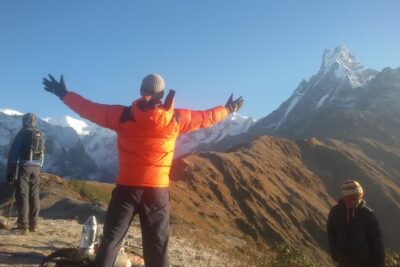
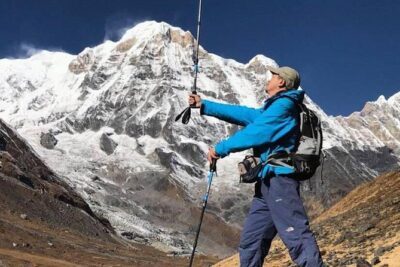
Even though this is a highlights tour, it includes Atlas Mountains hiking. That’s the part that can turn your trip from “I saw Morocco” into “I understand Morocco better.”
Moderate physical fitness is listed as the expectation. That matters because Atlas hiking can be uneven and can require endurance even when the hike isn’t described as extreme. It’s not the day to wear brand-new shoes or skip stretching.
The best sign of how the hiking part is handled shows up in the way Atlas Trekking’s trekking guides are praised in other Atlas hiking experiences. For example:
- Rashid led a hike up toward an Atlas waterfall with about a three-hour ascent, with views along the way.
- Guides like Hamza have been recognized for leading multi-day routes through Berber villages and arranging great meals (including mention of chef Yassine).
- Ayoub is praised for being patient and for explaining local culture during a multi-day hike.
You don’t need those specifics to enjoy this tour—but they do signal what you’re likely hoping for when you sign up: walking time with a guide who actually cares about your day, not just checklists.
Price and Value: What You’re Paying For, and What to Budget Separately
At $2,087.52 per person for an approx. 15-day private trip, the main value is coverage. You’re not only seeing a handful of famous places; you’re moving across Morocco’s major regions with private transportation built in.
That price can feel steep if you think like a DIY traveler. But think like this instead: the “hard part” of this itinerary is distance and coordination. Doing Casablanca → Chefchaouen → Fez → Volubilis/Meknes → Middle Atlas/Midelt/Ziz → Merzouga → Todgha/Roses Valley → Ouarzazate/Ait Ben Haddou → Taroudante/Agadir → Essaouira → Marrakech is a logistical machine. Paying for transportation and routing isn’t just convenience. It’s time saved, and less friction in a country where roads and timing can matter.
What’s not included: alcoholic beverages. The details on other costs (like meals, site entry fees, and any trekking-related items) aren’t specified here, so I’d treat those as add-on possibilities and budget accordingly.
One more “value” note from the reviews: the company’s guides are repeatedly praised by name (Khalid, Hamza, Rashid, Noureddine, Ayoub). Even if every guide isn’t the same person for every version of the trip, that pattern points to consistent human quality—which can be a big part of what you’re paying for.
Who Should Book This, and Who Might Want a Shorter Version
This tour fits you best if:
- You want a wide-ranging Morocco overview without needing to plan every hop.
- You enjoy variety: cities, mountains, desert dunes, gorges, and Atlantic downtime.
- You’re okay with long transfer days, because this is a “big loop” itinerary.
You might want to consider a shorter or more focused version if:
- You hate being in a vehicle for hours at a time.
- You prefer fewer cities with more time in each.
- You want maximum flexibility to change plans day by day (this itinerary is structured and highlight-driven).
Should You Book Atlas Trekking Morocco’s Best of Morocco Highlights Tour?
I’d book this if your goal is to see Morocco’s signature regions in one planned package, with private transportation and clear route flow from Casablanca through Marrakech. The combination of UNESCO heritage at Ait Ben Haddou, Sahara dunes near Merzouga, dramatic Todgha gorges, and a breather at Essaouira makes it feel like a complete story.
If you’re signing up, do two things: pack for road days (comfort, water, layers) and be honest about your hiking readiness for the Atlas Mountains segment. If you want the country’s highlights and you like moving, this is the kind of trip that delivers.
FAQ
Where does the Atlas Trekking Morocco tour start?
The tour starts in Casablanca, Morocco.
How long is the tour?
The duration is listed as 15 days (approx.).
Does this tour operate as a private experience?
Yes. It is a private tour/activity, so only your group will participate.
Is private transportation included?
Yes. Private transportation is included.
Are alcoholic beverages included?
No. Alcoholic beverages are not included.
What places are on the itinerary?
The tour includes stops such as Rabat, Chefchaouen, Fez, Volubilis, Meknes, Merzouga, Todgha gorges, Roses Valley, Ouarzazate (including Atlas Film studios), Ait Ben Haddou Kasbah, Taroudante, Agadir, Essaouira, and Marrakech.
Is the tour suitable for someone with moderate fitness?
Yes. The guidance says travelers should have moderate physical fitness level.
When do I get confirmation after booking?
Confirmation will be received at time of booking.
What is the cancellation policy?
There is free cancellation. You can cancel up to 24 hours in advance for a full refund; canceling less than 24 hours before the start time is not refundable.