REVIEW · CASABLANCA
8-Day Morocco Adventure: Imperial Cities & Sahara Desert Trek
Book on Viator →Operated by Morocco First Gate · Bookable on Viator
Blue cities and desert nights in one sweep. This 8-day Morocco adventure strings together imperial-city history with a real Sahara camp experience, plus guided time in Fez and Marrakech. You’ll be traveling by private A/C vehicle between regions, with breaks built in for lunches and sight stops along the way.
What I like most is the balance: big-name places, then the everyday texture of Morocco. I especially love the Sahara camp setup with private tents that include ensuite bathrooms and showers, and I also love the guided medina touring (Fez especially) where someone else helps you find the story behind the streets.
One drawback to plan for: you’ll pay extra on your own for monument entrance fees and for most lunches and dinners. It’s not a deal-breaker, but it does mean your final budget should include a bit of cash for sites once you’re on the ground.
In This Review
- Key Highlights to Expect
- Morocco’s Imperial Cities and Sahara Trek: The Big Idea
- Price and Value: What $825 Covers (and What You’ll Still Pay)
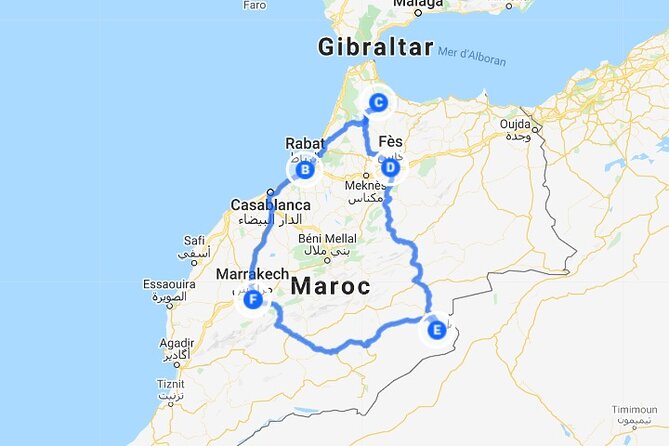
- Rabat Morning to Chefchaouen Blue Streets
- Volubilis Roman Ruins, Meknes Sights, and Arriving in Fez
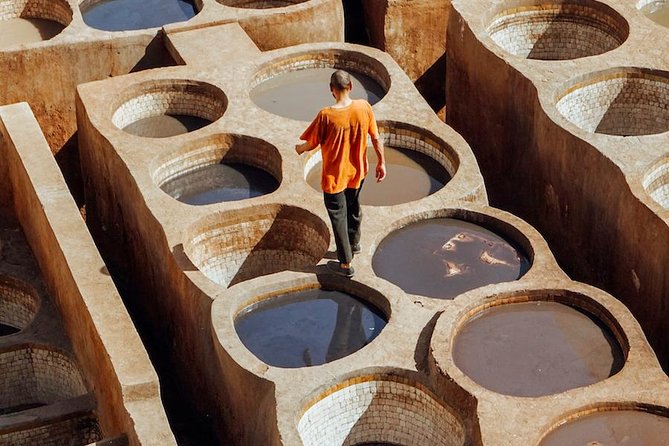
- Guided Fez Mellah Tour: Tanneries, Crafts, and the Right Kind of Lunch
- Atlas Drive to Erg Chebbi: Cedar Forests, Ifrane, and Fossil Country
- Your Erg Chebbi Camp Night: Private Tents and Staff-Fueled Desert Fun
- Todra Gorge, Dades Valley, and the Gorges Day That Breaks the Desert Spell
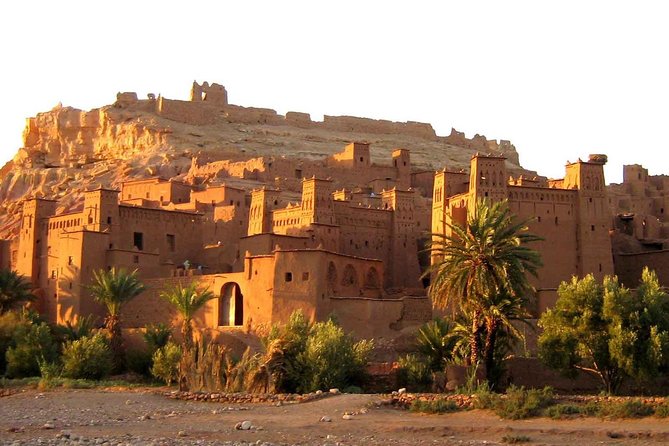
- Ait Ben Haddou and the Road to Marrakech via Tichka Pass
- Marrakech Guided Tour: Jamma el Fna, Koutoubia, Souks, and Gardens
- Casablanca Finale: Hassan II Mosque and the Corniche Reset
- Who This Tour Fits Best
- Should You Book This 8-Day Imperial Cities and Sahara Desert Trek?
- FAQ
- Where does this tour start?
- How long is the tour?
- Is pickup included?
- Does the Sahara part include a camel ride?
- What are the Sahara camp accommodations like?
- Are meals included?
- Are monument entrance fees included?
- Is there guided time in Fez and Marrakech?
- Is Hassan II Mosque included?
- What happens if weather affects the experience?
Key Highlights to Expect
- Rabat to Chefchaouen via the Rif Mountains: a long scenic drive, then time in the blue-city streets
- Roman Volubilis en route to Meknes and Fez: history stops that break up the drive days
- Guided Fez medina with Mellah and crafts: tanneries, potters, and a traditional lunch in the medina
- Erg Chebbi camel ride + sunset into the dunes: luggage handled, then you follow the light
- Sahara camp nights with private tents and ensuite facilities: fewer compromises than you might expect
- Marrakech highlights with a guide: Jamma el Fna, Koutoubia, souks, and gardens for pacing
Morocco’s Imperial Cities and Sahara Trek: The Big Idea
This trip works because it gives you both “how Morocco looks” and “how Morocco moves.” You start in Rabat, sweep to Chefchaouen, then work your way through Volubilis, Meknes, and Fez, before trading city walls for dunes and gorges. By the time you reach Marrakech and then Casablanca, you’ll feel like you’ve traveled across multiple Morocco personalities, not just checked boxes.
You also get structure without feeling locked in. The itinerary is set day-to-day, but you still have scheduled breaks for meals and time inside the places that matter, like Fez’s medina and Marrakech’s central square. And because it’s private—only your group—you avoid the awkward timing that comes with mixing strangers in a big bus.
Most of the “magic” here is practical, not just poetic. You’ll ride camels over sand dunes at Erg Chebbi, then sleep in a camp with proper facilities. That matters if you want the desert feeling without the roughing-it stress.
You can also read our reviews of more tours and experiences in Casablanca.
Price and Value: What $825 Covers (and What You’ll Still Pay)
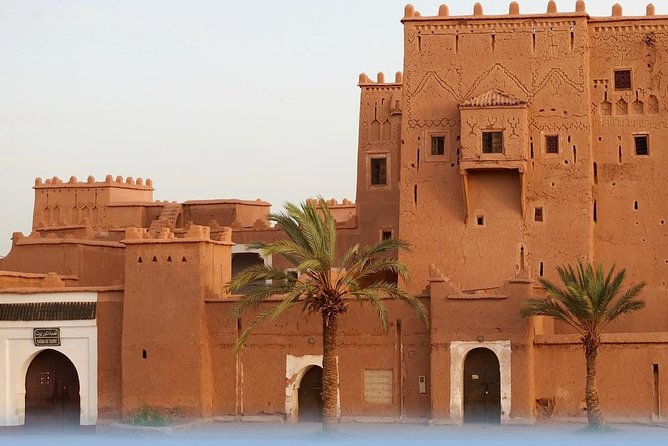
At $825 per person, you’re paying for a lot of the hard parts: private A/C transportation, hotels, a driver, and fuel/local taxes. You also get key included experiences like a camel ride and guided city time (including a city guide), plus 7 breakfasts and 2 dinners.
What’s not included is where your budget can quietly grow: entrance fees for monuments and the majority of lunches and dinners. If you’re the type who likes to go into every palace, mausoleum, or museum, plan extra cash from the start. If you’re selective, you can keep costs down without ruining the trip.
Also factor in time on the road. Some legs are long—like the 5–6 hour drive to Chefchaouen, and multiple Atlas crossings later. You’re traveling in comfort (private A/C), but you should still pack your patience for the schedule reality.
Rabat Morning to Chefchaouen Blue Streets
Day 1 starts in Rabat, Morocco’s capital, with a hotel breakfast and about 2 hours to explore the city. That morning pacing is smart. You get orientation without feeling rushed, and Rabat gives you a calmer start before the more chaotic medina energy later on.
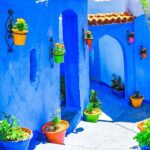
Then you shift into mountain scenery on the way to Chefchaouen. The drive takes about 5–6 hours, so you’ll spend a chunk of your day watching the Rif landscape change. When you arrive, you get another 2 hours to enjoy the famous blue streets—enough time for photos, wandering, and a quick sense of the town’s mood.
The practical tip here: Chefchaouen is best when you move slowly. There’s a temptation to sprint between viewpoints. Instead, treat those two hours as a walk—pick one street to “follow,” then loop back. You’ll get more of the town’s atmosphere and less of the stress.
Volubilis Roman Ruins, Meknes Sights, and Arriving in Fez
On the next big travel day, you’re crossing from city life toward history layered on history. After breakfast, the route goes through Wazan and the Rif Mountains before reaching Volubilis.
Volubilis is a strong way to break up the trip. You’re looking at Roman ruins and archaeological remains that connect Morocco’s past empires to the geography you’re currently traveling through. Even if you’re not a site encyclopedia type, ruins have a way of making the journey feel real.
From there, you continue to Meknes, a city known for its 17th-century heritage. You’ll enjoy lunch and then visit the medina, the grand Bab el-Mansour, and Moulay Ismail’s shrine. These are the kinds of stops that make the title “imperial cities” feel more than marketing.
Finally, you reach Fez in the evening for dinner and an overnight in a riad. This arrival timing is useful. It gives you a calm buffer before the medina tour the next day, when the streets can feel like information overload.
Guided Fez Mellah Tour: Tanneries, Crafts, and the Right Kind of Lunch
Fez is one of those places where a guide changes everything. Your day is structured for that: after breakfast, you get a guided tour focused on the Fez Mellah and the medina’s dense network.
The tour covers a lot of the visual language of Fez: narrow streets lined with fresh fruit, piles of spices, woven Berber carpets, and other Moroccan art objects. You’ll also visit high-interest stops like the Kings Palace, tanneries, and potters.
Then comes one of my favorite parts of this kind of tour: lunch inside the medina area. This itinerary doesn’t leave you guessing where to eat in a maze of streets. You’ll eat in a traditional restaurant, then wrap up the tour and return to your accommodation for the evening.
The only consideration: medinas mean lots of walking and turning corners. If you have mobility constraints, tell the operator before you go so they can set expectations. Otherwise, show up with good shoes, and plan to look with your eyes more than your phone—Fez rewards attention.
Atlas Drive to Erg Chebbi: Cedar Forests, Ifrane, and Fossil Country
The desert transition day is a whole mood shift. You leave after breakfast, head through the Atlas Mountains, and pass through cedar forests in the Middle Atlas region. Along the way, you’ll stop at Ifrane, a charming ski resort, and Azrou, known for cedar wood handicrafts.
Lunch arrives in Midelt, then you continue toward Erfoud, where the area is known for fossils. This matters because it gives you variety during the long movement days. Instead of a blank-road feeling, you’re seeing a sequence of different regional identities.
Then you head into the desert area and make the approach to Erg Chebbi. Once you reach the dunes, there’s an off-road transfer to the edge of the sand, where the camels are waiting. Luggage is loaded into a 4×4, then handled onward to camp—so you’re not juggling bags while trying to enjoy the ride.
This is one of the best-value parts of the trip: the camel ride comes with timing that builds the experience. You ride across the dunes and watch a majestic sunset before arriving at camp.
Your Erg Chebbi Camp Night: Private Tents and Staff-Fueled Desert Fun
Once you arrive, you’re greeted with tea and a warm welcome, then shown to comfortable private tents with ensuite bathrooms and showers. That’s a big deal if you’ve heard desert stories that sound like hard-core camping. Here, the desert is the star, not discomfort.
Dinner happens after you’ve had time to settle. Then the camp turns into a social event under the stars, with musical plays by the staff and cameleers. It’s the kind of evening that makes the desert feel like a place you’re visiting, not just passing through.
One practical tip: bring something warm for night. The itinerary doesn’t mention weather gear, but desert nights can cool fast. If you want the stargazing to feel good instead of chilly, pack a light layer.
And yes—save some cash for small extras. One helpful note from the experience feedback: tip the camel handler if you want the best sunset photos and a smooth, friendly ride. Those moments aren’t automatic; they’re part of how the camp works.
Todra Gorge, Dades Valley, and the Gorges Day That Breaks the Desert Spell
The next morning starts early with sunrise photos and breakfast at the camp. After that, you pack up and head back either by camel or 4×4—you pick based on what you prefer and what the day’s logistics allow.
Once you’re back on asphalt roads, you move toward Erfoud and then drive through palm groves and a more open desert-like landscape. Lunch is included at a stop along the way, and then you get a short walk in Todra Gorge.
Todra is one of those places that balances the desert’s silence with dramatic rock shapes. Then you head to Dades Gorge for dinner and overnight in a hotel. The shift from sand dunes to canyon walls helps you stay engaged instead of repeating the same scenery.
If you like photos, this is a good day to bring your patience. The gorge viewpoints can be busy depending on timing, but the actual walking paths reward you with closer perspectives than you’d get from the bus.
Ait Ben Haddou and the Road to Marrakech via Tichka Pass
Next is the long scenic drive toward Marrakech, with several “why this trip is worth it” stops. You begin with a short walk in the gorges, then continue along the Dades Valley through El Kelaa Magouna, known as the Valley of the Roses. You’ll also travel part of the road of a thousand kasbahs, which is exactly the kind of route that turns a transfer day into a sightseeing day.
You visit Ouarzazate and stop for lunch in Ait Benhadou village. Then comes one of the highlights: exploring the UNESCO protected site of Ait Benhaddou. It’s famous for film history, and even if you don’t watch those specific titles, the village fortification layout is the point. It’s easy to understand how this place became a set.
Finally, you drive via the Tichka pass into Marrakech. This is a classic Morocco routing move: higher passes often make the arrival feel like a sudden reward. By the time you reach the city, you’re ready for crowds, color, and food.
Marrakech Guided Tour: Jamma el Fna, Koutoubia, Souks, and Gardens
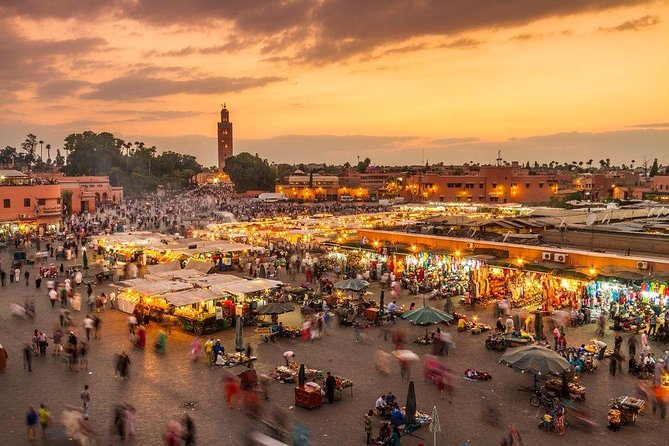
Marrakech day is guided, which makes a huge difference here. You explore the main attractions and monuments, including Jamma el Fna square, the Koutoubia mosque, souks, palaces, and museums.
You also cover parts of the city like Gueliz, plus Menara Garden and Marjol Garden. That garden time is not a random add-on. It’s a pressure valve. After hours of medina streets, you’ll want a break where your eyes can breathe and you can sit down.
The biggest practical tip for Marrakech: pace yourself. If you try to do everything in one day, you’ll end up collecting exhaustion instead of memories. Use the guide to prioritize the places you care about most, then let the rest be wandering.
If you’re lucky with your guide—names like Abdel, Mohamed, and others have come up in the positive experience feedback—you’ll also benefit from their shortcuts through the noise and their ability to explain what you’re looking at.
Casablanca Finale: Hassan II Mosque and the Corniche Reset
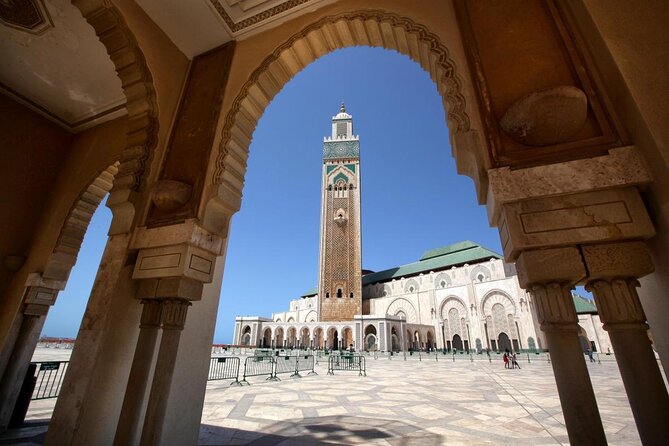
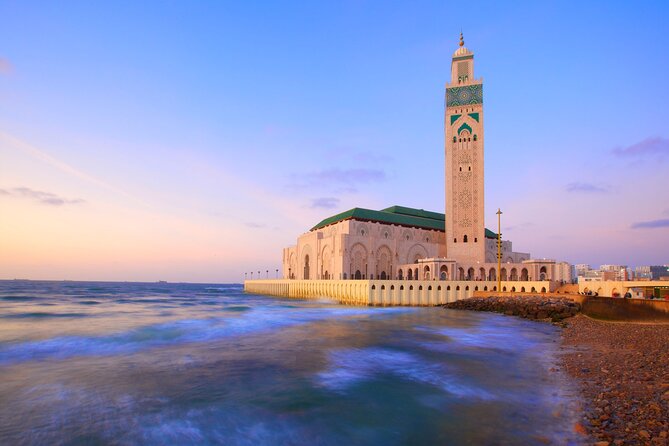
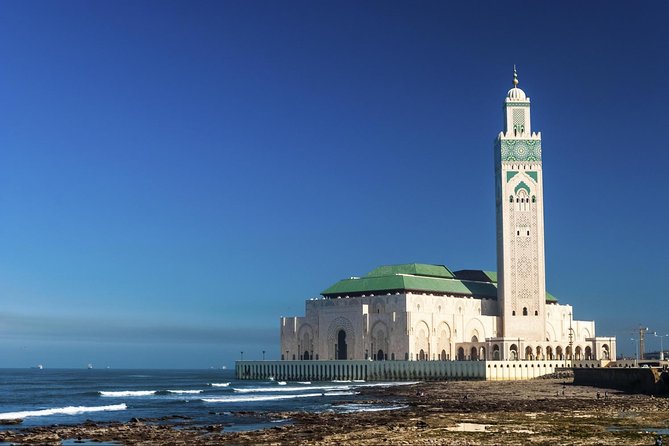
On the final day, you return to Casablanca. Your highlight is Hassan II Mosque, plus time at the corniche before you head back to your hotel to rest.
This is a smart ending. Casablanca can feel like a jolt after Marrakech, and the mosque visit gives you a strong cultural close. Then you get a decompression window to pack, reset, and avoid the feeling of being rushed out of the trip.
And because the service ends after the mosque and corniche time, you can decide how you want to handle your remaining hours—either with a simple meal nearby or a last walk before you head out.
Who This Tour Fits Best
This itinerary is ideal for you if you want classic Morocco highlights but you also care about how you experience them. If you like guided time in big historic centers, the Fez and Marrakech portions are built for that.
It’s also a great fit for people who want the desert night feeling without sacrificing comfort. Private tents with ensuite bathrooms and showers make a difference when you’re traveling through long distances.
If you hate long drives, this trip might feel like too much road time. But if you see each drive day as part of the scenery—Atlas passes, cedar forests, gorge walks—then the schedule will feel like a journey, not a chore.
Should You Book This 8-Day Imperial Cities and Sahara Desert Trek?
Yes, if your priority is a well-paced mix of imperial-city history, guided medina time, and a Sahara camp night that doesn’t force you into total roughing-it. The included camel ride, private tent facilities, and guided Fez/Marrakech blocks are the kind of value you feel on the ground.
I’d think twice if you know you’ll want every monument entrance and you don’t like budgeting on the fly—because entrance fees and most lunches/dinners aren’t included. Also consider whether you can handle long transfer days with patience, especially the mountain drive to Chefchaouen and the multi-region journey to the desert.
FAQ
Where does this tour start?
The tour is based around Casablanca, with pickup offered. Day 1 exploration begins in Rabat.
How long is the tour?
It runs for about 8 days.
Is pickup included?
Yes, pickup is offered.
Does the Sahara part include a camel ride?
Yes. You get a camel ride (one camel each) as part of the Erg Chebbi desert experience.
What are the Sahara camp accommodations like?
You sleep in private tents with ensuite bathrooms and showers.
Are meals included?
Breakfast is included for 7 days, and 2 dinners are included. Lunches and most dinners are not included.
Are monument entrance fees included?
No. Entrance fees to monuments are not included.
Is there guided time in Fez and Marrakech?
Yes. You get a guided tour in Fez (medina focus, including key stops) and a guided tour in Marrakech (major sights and neighborhoods).
Is Hassan II Mosque included?
Yes. On the final day you visit Hassan II Mosque in Casablanca, plus the corniche.
What happens if weather affects the experience?
The experience requires good weather. If it’s canceled due to poor weather, you’ll be offered a different date or a full refund.