REVIEW · CUSCO
Ausangate and Rainbow Mountain Trek – 3 Days / 2 Nights
Book on Viator →Operated by Salkantay Trekking · Bookable on Viator
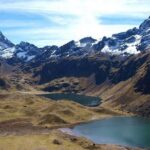
Cusco at dawn. Then the Andes take over. This trek pairs Ausangate’s crystal-lake country with two high passes and a sunrise-style run at Rainbow Mountain, all with hotel pickup and drop-off so you’re not wrangling logistics. What I like most is how much you get for the money: guides, entry fees, real camping gear, meals, and transfers are built in. The main consideration is the altitude and physical effort, so plan for strong fitness and real acclimatization time in Cusco.
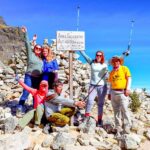
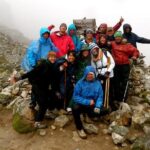
I also appreciate the human side of this trip. Guides such as Nestor, Marco, Fredy Apaza, Pabel, Darwin, Elisban, and Franklin are described as calm on the trail, focused on safety, and willing to adjust pacing for the group. The trek even includes an oxygen supply and first aid kit, which matters on these steep days when weather and breathing can change fast.
In This Review
- Key Highlights I’d Plan Around
- Why Ausangate and Rainbow Mountain Work as One Trek
- Price and what you get for $535
- Day 1: Upis, Ausangate views, and Arapa Pass to Hatun Pucacocha
- Day 2: Puca Pass, glacial lagoons, and Warmisaya’s 360-degree view
- Day 3: Vinicunca (Rainbow Mountain) early, then back to Cusco with lunch
- Camp comfort, luggage support, and why small details matter
- Your guide and the safety net on steep, high days
- Altitude reality: how to prep in Cusco and on the trail
- What Day 1 and Day 2 demand from your body
- What kind of traveler this suits best
- Tips to get the best experience (and better photos) at Vinicunca
- Should you book this trek?
- FAQ
- What’s the duration of the Ausangate and Rainbow Mountain trek?
- What time does the tour start?
- Do you get hotel pickup and drop-off in Cusco?
- Are transfers included from Cusco?
- What’s included for meals and drinks?
- What camping gear is provided?
- Is luggage carried for you?
- Are entry fees included for Ausangate and Rainbow Mountain?
- Is travel insurance included?
- What about canceling, and what causes a full refund?
- Can I bring a vegetarian or vegan diet?
- How many people are in a group?
Key Highlights I’d Plan Around
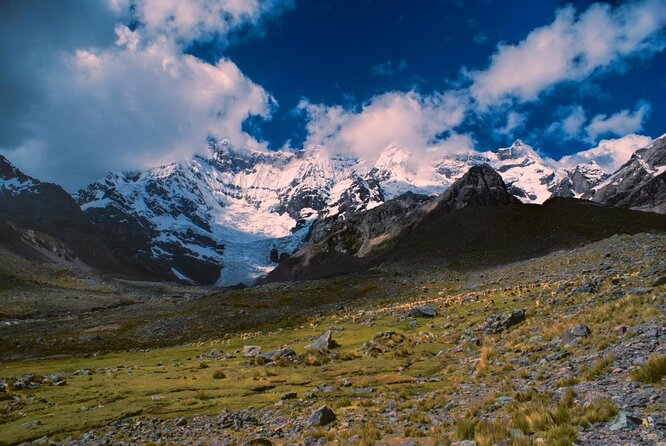
- Crystal lakes and alpine passes: You’re hiking through high-Andes scenery, not just a single viewpoint.
- Two passes on Day 2: Puca Pass and Warmisaya Pass stack the big views into one day.
- Rainbow Mountain before the crowd: You start early enough to reach Vinicunca with fewer people around.
- 2 nights of camp comfort (included): Sleeping tent plus sleeping bag and air mattress help you recover.
- Small group size: Max 12 travelers keeps things manageable at altitude.
- Safety gear included: First aid kit plus oxygen supply, along with hiking poles and rain ponchos.
Why Ausangate and Rainbow Mountain Work as One Trek
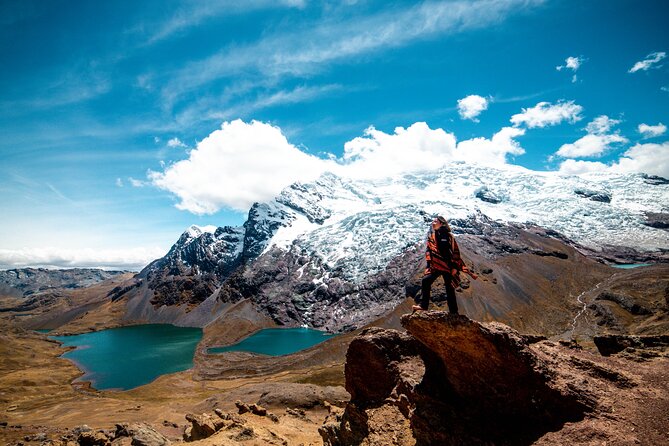
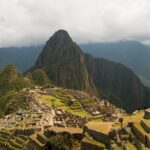
Most Rainbow Mountain trips are just a day trip plus a long van ride. This one gives you a broader feel for the region by starting with Nevado Ausangate and spending two nights out in the hills. That shift changes the mood: you’re walking through wide-open terrain, crossing passes, and watching the light move across glacial lagoons and peaks.
You still get Vinicunca, of course, but the payoff feels different. By the time you hike to Rainbow Mountain on Day 3, you’ve already earned the big “wow” moment. You’re not arriving as a tired tourist. You’re in mountain mode.
You can also read our reviews of more tours and experiences in Cusco.
Price and what you get for $535
At $535 per person for about 3 days / 2 nights, the price feels more reasonable than it sounds at first because the essentials are already included:
- Hotel pickup and drop-off in Cusco, plus round-trip transfers
- An experienced mountain guide
- Entry fees for Ausangate and Rainbow Mountain
- Camping equipment: sleeping tent, air mattress, sleeping bag, plus a dining setup
- Meals: breakfast (3), lunch (3), dinner (2)
- Hiking support: luggage transport for up to 7 kg and water/snacks
- Safety: first aid kit and oxygen supply
- Trail gear: hiking poles and a rain poncho
- Pre-departure briefing
What you’re not paying for (based on the package): optional horse assistance, travel insurance (recommended), and gratuities. If you already know you hate hunting for gear, paying extra for cabs, or adding “hidden” entry fees, this structure is a plus.
Day 1: Upis, Ausangate views, and Arapa Pass to Hatun Pucacocha
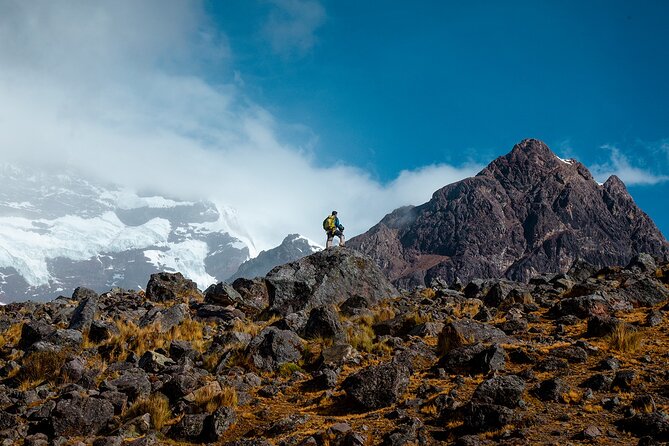
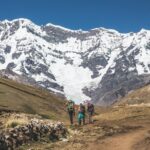
Day 1 starts early, with collection and the drive to Upis. Then you begin walking for about 3 hours toward your lunch spot. This stretch is about getting your rhythm and letting the scenery do the work. Ausangate is the star here, and you’ll get big views while you move.
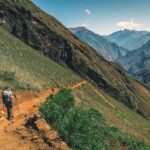
After lunch, you get a short rest and then continue with an uphill push toward Arapa Pass. That climb is where you’ll feel altitude the most, so pace matters. You’re not just “walking uphill,” you’re learning to breathe efficiently at height.
Later you descend to camp at Hatun Pucacocha. The day ends with hot drinks and dinner, and you sleep near the foot of Ausangate. That matters because Day 2 is another pass day. You’re setting yourself up for the “okay, keep going” mindset.
Possible drawback: Day 1 is long enough to be a wake-up call if you’re not ready for cold mornings and a steep rhythm on oxygen-poor air.
Day 2: Puca Pass, glacial lagoons, and Warmisaya’s 360-degree view
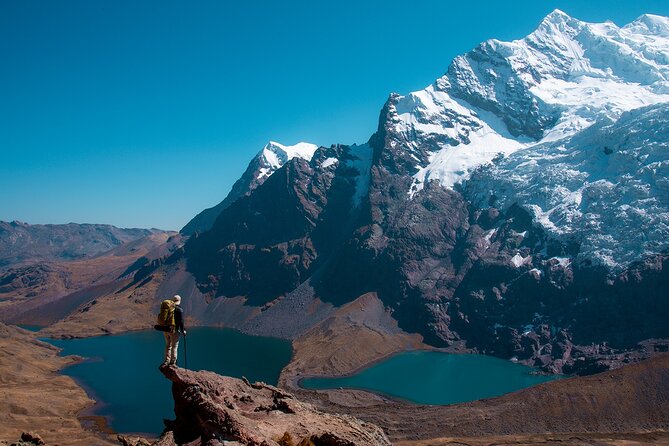
Day 2 begins with a hot coca tea and breakfast, which is a nice touch when the morning is chilly. Then you head up toward Puca Pass.
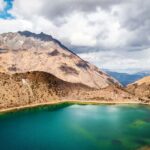
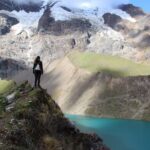
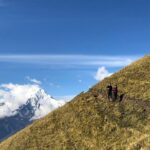
This is the day for visuals and photos. You’ll look for glacial lagoon views along the way, and there’s even a chance to spot wildlife in the air, like a condor. You also reach Anantapata for lunch, which gives you a proper break before the second big effort.
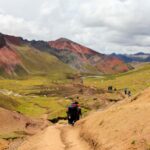
Next comes the second pass: Warmisaya Pass. This is where the trek delivers a 360-degree feel—wide, circular views across peaks and valleys—with Rainbow Mountain appearing in the distance for the first time. Even if Vinicunca is the headline, this moment is often the one that makes the day feel complete.
After that, you descend to camp at Surinecocha for dinner and rest. Two nights of camping mean you’ll be thinking about recovery each day, and this schedule gives you enough downtime to actually sleep.
Day 3: Vinicunca (Rainbow Mountain) early, then back to Cusco with lunch
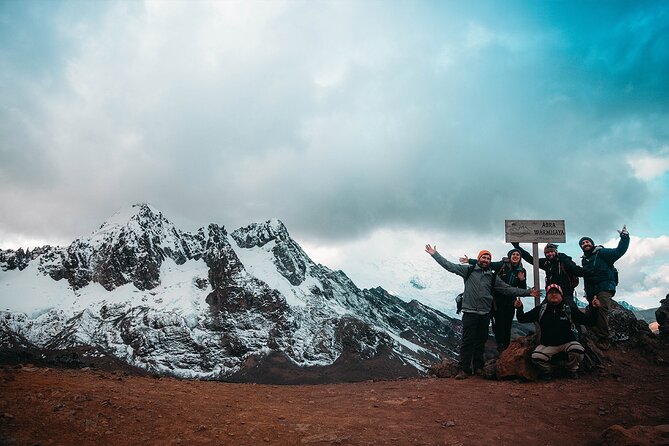
Day 3 is built around a single idea: see Vinicunca before the crush. You wake up early and head out to reach Rainbow Mountain ahead of other tourists arriving.
Along the first part of the route, you’ll stop for early views before you continue to the mountain itself. Then you spend time at the site, including learning about why this place matters. That context turns the climb from purely scenic into something more grounded—like you’re hiking to a living part of local life, not just a photo.
When you finish, you descend to private transport, have lunch, and then continue back to Cusco. You’re dropped off at your accommodation so you can recover without additional errands.
Practical note: Day 3 is short compared with the other days, but it can still feel intense because you’re going early. The altitude is still there, even if the walking hours are fewer.
Camp comfort, luggage support, and why small details matter
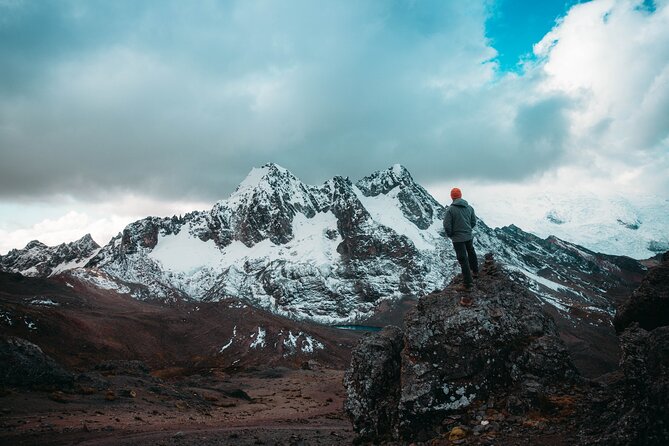
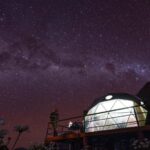
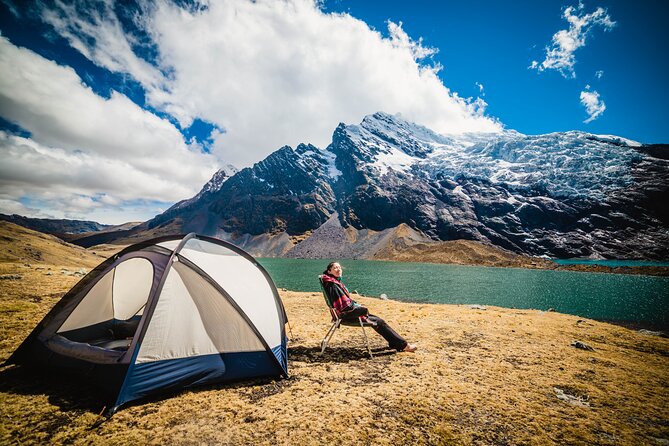
You’re camping for two nights, so comfort is not a “nice-to-have.” This tour includes the key items that make high-altitude camping possible:
- Sleeping tent
- Sleeping bag
- Air mattress
- Dining area with tables and chairs
You also get luggage transport for 7 kg, which is huge. It means you can carry the essentials you need for the hike while someone else handles the heavier pack. That reduces fatigue and lets you focus on footing on rocky sections.
Cold nights are part of the deal up here. The trek provides a sleeping bag, and you’ll want to use it fully. If you run cold, dress in layers early in the evening and don’t wait for the chill to force poor decisions.
Your guide and the safety net on steep, high days
This trek is run with an experienced guide, and the safety backup is explicit: first aid kit and oxygen supply are included. That’s not window dressing. On high passes, a bad headache, nausea, or panic can snowball quickly if you ignore it.
In recent experiences, guides like Nestor, Marco, and Franklin have been praised for staying patient and supportive, tailoring the route to the group, and keeping people safe. People also mention guides being willing to adjust timing for small viewpoint detours, especially when the group is moving well.
A good guide does two things on this trek:
- Manages pace so you don’t burn out early.
- Reads conditions and keeps the day doable, not just impressive.
If you’re the kind of traveler who hates being rushed, this style of guiding is a big reason to choose this trip.
Altitude reality: how to prep in Cusco and on the trail
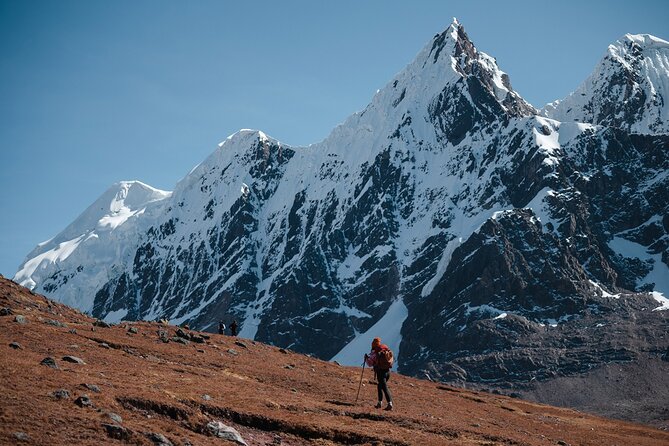
The tour recommends that you arrive in Cusco at least 2 days before the trek. That’s not a random rule. Cusco is already high, and then you go higher.
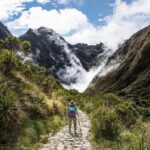
You should also treat the “challenging trek” note as serious. You’ll be hiking passes like Puca, Warmisaya, and Arapa, and you’re doing it over multiple days. Even if you’re a strong hiker, altitude changes effort in a way your normal training doesn’t always predict.
On the trail, keep it simple:
- Go slower than you think you need to
- Drink water as you’re walking
- Eat what’s offered (breakfast and lunches are timed for a reason)
- Tell your guide early if you feel off, not after you push through
If you tend to struggle with altitude, don’t tough it out. The oxygen supply is there because the mountains are unpredictable.
What Day 1 and Day 2 demand from your body
You’re looking at two longer hiking days with climbs to passes. Day 1 builds from an initial uphill to Arapa Pass, then down to camp. Day 2 stacks Puca Pass and Warmisaya Pass with lunch breaks in between.
So you’re not just checking a box. You’re learning how your breathing changes at height, and you’re doing it while carrying less weight than you would on a self-supported trek thanks to luggage transport.
If you’re someone who gets dizzy on steep hills, or you’re new to hiking at elevation, plan for a slower pace. This isn’t a race. The whole point is to get to the top and still enjoy what you see.
What kind of traveler this suits best
This is a strong pick if you want:
- A real high-altitude trek instead of a quick photo stop
- Camping experience with actual included gear
- A tour that handles transfers, entry fees, meals, and most logistics
- A smaller group size (max 12 travelers) for a more controlled pace
It’s also a good “first serious trek” candidate for some people because the structure is clear and the guiding is designed to support you through altitude and cold nights. You still need to be honest with yourself about fitness.
It might be less ideal if:
- You want a relaxed walk with minimal climbs
- You’re very sensitive to altitude and can’t spare time to acclimatize in Cusco
- You want to hire your own horses or pack your own full gear (horses are optional but not included, and the plan already uses luggage transport)
Tips to get the best experience (and better photos) at Vinicunca
Rainbow Mountain is famous for a reason, but the best part of the day is your ability to slow down and actually look. Since you reach it early, you’ll have more room to take photos and pause without feeling pushed by crowds.
A few practical moves help:
- Keep your camera reachable so you don’t waste time unpacking at height
- Go gentle on effort during the approach so you don’t run out of breath right when you reach the viewpoint
- Take a moment to enjoy the explanations about the place, not just the color in the rocks
If weather shifts fast, trust your guide. Mountain conditions can change the entire experience, and the trip is built around having a team that can adapt.
Should you book this trek?
I’d book it if you’re excited by the idea of a multi-day high-Andes walk, you want to avoid the usual day-trip feel at Rainbow Mountain, and you like having logistics handled. The value is strong because $535 covers guides, meals, camping gear, entry fees, transfers, and a safety setup that actually matches the altitude risk.
I’d think twice if you’re not ready for a challenging trek, you can’t plan an extra couple days in Cusco for acclimatization, or you’re expecting an easy stroll with minimal elevation gain.
If you’re on the fence, here’s the simplest decision rule: if you’re willing to train for steep hikes and respect altitude, this trek is the kind of Peru experience that sticks with you for the right reasons.
FAQ
What’s the duration of the Ausangate and Rainbow Mountain trek?
It runs for 3 days (about 2 nights), with hiking on each of the three days.
What time does the tour start?
The start time is 5:00 am.
Do you get hotel pickup and drop-off in Cusco?
Yes. The tour includes hotel pickup and drop-off for convenience.
Are transfers included from Cusco?
Yes. It includes round-trip transfers from Cusco and private transport during the tour.
What’s included for meals and drinks?
Breakfast is included for 3 mornings, lunch for 3 days, and dinner for 2 nights. Water and snacks are also included.
What camping gear is provided?
Camping equipment is included, including a sleeping tent, air mattress, sleeping bag, and a dining setup with tables and chairs.
Is luggage carried for you?
Yes. Luggage is transported on the hike for up to 7 kg.
Are entry fees included for Ausangate and Rainbow Mountain?
Yes. Entry fees are included for both Ausangate and Rainbow Mountain.
Is travel insurance included?
No. Travel insurance is recommended but not included.
What about canceling, and what causes a full refund?
This experience is non-refundable and cannot be changed. If it’s canceled due to poor weather, you’ll be offered a different date or a full refund. If the minimum traveler requirement isn’t met, you’ll be offered a different experience/date or a full refund.
Can I bring a vegetarian or vegan diet?
Yes. Vegetarian or vegan options are available if you tell the provider when booking.
How many people are in a group?
The trek has a maximum group size of 12 travelers.