REVIEW · CUSCO
4-Day Lares Trek to Machu Picchu
Book on Viator →Operated by Inkayni Peru Tours · Bookable on Viator
Want Machu Picchu without the crowds? This 4-day Lares Trek is built for travelers who prefer small Andean communities, mountain passes near 14,000 feet (4,400m), and a calmer route to the Inca citadel. You’ll end with an early visit to Machu Picchu so you can enjoy it before the biggest rush.
I love the way the trek blends cultural stops with real hiking, not just “look and leave.” Expect Quechua villages and an Inca site explanation day after day, plus a chance to visit Ollantaytambo’s ancient agricultural terraces along the way. I also love the Machu Picchu pacing: a guided tour followed by time to wander on your own, which keeps the experience from feeling like a checklist.
One consideration: the itinerary climbs to high passes and starts early (pickup around 5:00am), so the altitude and early days are real. Bring the right gear and plan for slower moments—especially if you’re not used to trekking at elevation.
In This Review
- Key Points to Know Before You Go
- Lares Trek vs. the Usual Machu Picchu Route
- Day 1: Cusco to Pumahuanca, Plus Your First Real Ascent
- Day 2: The Highest Pass Moment, Downhill Energy, and Yanacocha
- Day 3: A Quechua Family Visit, Alpaca Textiles, and Lares Hot Springs
- Day 4: Morning Machu Picchu Entry, Guided Highlights, and Optional Mountain Views
- What You’re Really Paying For: Value Breakdown at $656.42
- Altitude Reality Check: Gear, Pacing, and Practical Survival Stuff
- Crowds at Machu Picchu: Why This Schedule Feels Easier
- Who Should Book This Lares Trek?
- Should You Book the 4-Day Lares Trek to Machu Picchu?
- FAQ
- What’s included in the $656.42 per person price?
- Do I need to bring a sleeping bag?
- Is Huayna Picchu included?
- What time does the tour start each day?
- How fit do I need to be?
- Is vegetarian food available?
Key Points to Know Before You Go
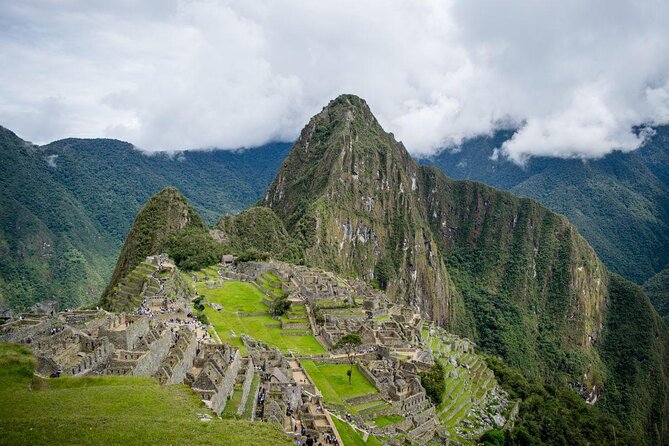
- Lares route for fewer crowds compared with the most popular approach to Machu Picchu
- Nearly 14,000 feet (4,400m) passes with dramatic views and clear “work for the payoff” hiking
- Pumahuanca Inca site stop at the start of Day 1 helps you understand what you’re walking through
- Yanacocha Black Water Lake appears during the high-pass descent, perfect for quiet photo breaks
- Lares hot springs on Day 3 offer recovery time before your Machu Picchu morning
- Small group size (max 15) plus a bilingual guide and support staff for smoother logistics
Lares Trek vs. the Usual Machu Picchu Route
If you’ve ever felt like Machu Picchu turns into a crowded stamp-collection exercise, the Lares trek approach is the antidote. This route takes you through a less-traveled stretch of the Andes, where the views are still huge, but the “in-your-face tourism” factor drops.
What makes it feel different is the mix of hiking difficulty and “why you’re here” context. You’re not just walking between landmarks. You’re moving through valleys and communities where you’ll learn how people live now—and how the Incas shaped agriculture and sacred spaces. And by the time you reach Machu Picchu, you’ve already earned it with days of effort.
This is also a strong choice if you like your travel days to include both calm and action. Morning starts, mountain passes, lakes, and hot springs all show up. Then you finish with a guided Machu Picchu tour plus some independent time.
You can also read our reviews of more tours and experiences in Cusco.
Day 1: Cusco to Pumahuanca, Plus Your First Real Ascent
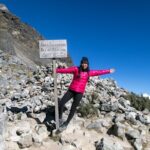
Your day starts with early pickup from your Cusco hotel and transport through the Sacred Valley. From Cusco (3,399 masl / 11,152 ft.), you’ll ride to the trek start point at Pumahuanca (2,950 masl / 9,678 ft.). The ride matters more than people think—it gives you a first look at snow-capped peaks and traditional Andean villages, and it sets the tone for the trek.
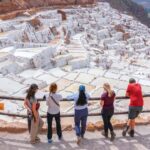
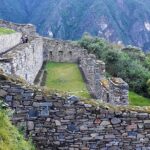
Along the way, there’s a good chance to visit Ollantaytambo and its ancient agricultural terraces, built for farming. Even if you only see part of the site, it’s an important reminder that this landscape is tied to Inca engineering, not just scenery.
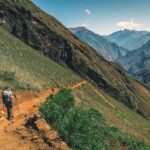
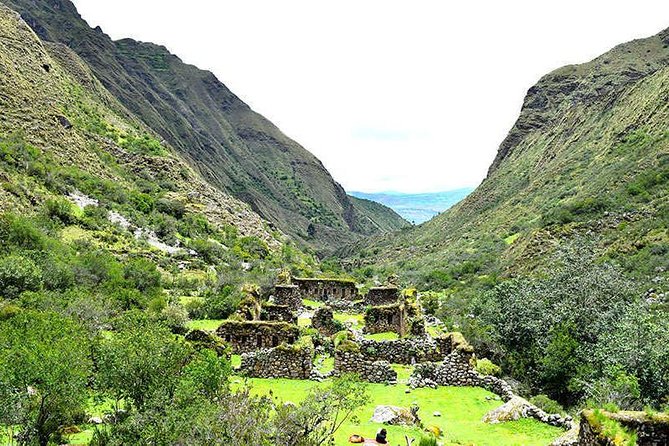
Then you hike. Day 1 is about a gradual ascent: 14 km (8.7 mi) and around 1,150 m of gain (3,773 ft). You’ll move through a valley with native forests and streams, which helps because you’re not grinding uphill the whole time. There’s also a stop at the Inca site of Pumahuanca, where your guide explains local history, flora, and birdlife. That kind of stop is more than “nice extras”—it helps you recognize what you’re seeing later.
What to expect (and watch for):
- Even though it’s called a gradual start, you’re gaining elevation and your body may feel it.
- You’ll want to pace yourself and take short breaks. The best strategy is steady, not fast.
Day 2: The Highest Pass Moment, Downhill Energy, and Yanacocha
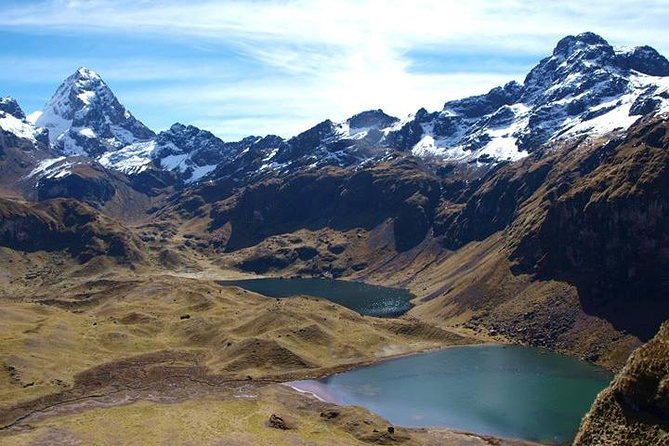
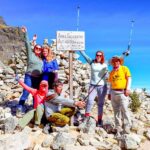
Day 2 is the day people remember. It starts from a high-altitude campsite at Puyoc, then heads toward Cuncani (3,900 masl / 12,795 ft.). The trek distance is about 13 km (8 mi), but the profile is what counts: a big climb to the highest pass, then mostly downhill as you head toward your next area.
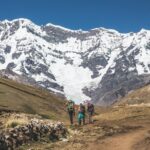
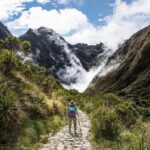
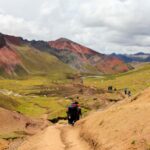
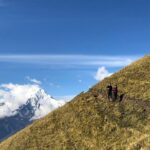
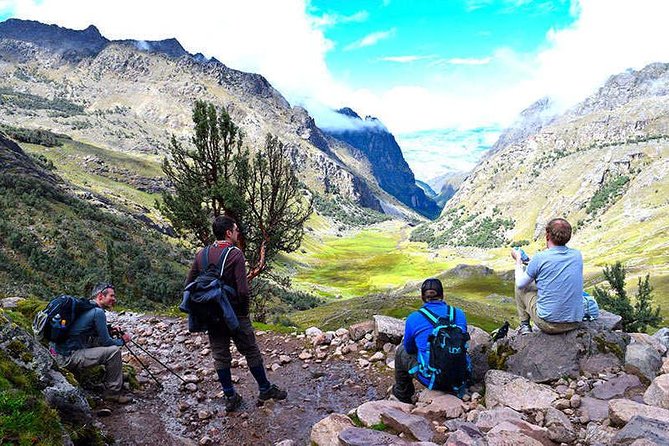
The day begins with about two hours of climbing to the highest pass. This is where the views become seriously dramatic: remote valleys, snow-capped peaks, and that feeling of being way out in the Andes. After that, you transition into descent, which is great for morale—your legs get a break, even if your altitude stress continues.
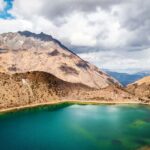
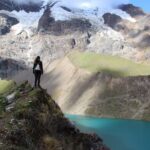
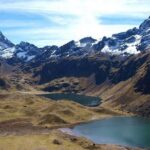
One of the standout natural moments here is the lake stop at Yanacocha, also described as Black Water Lake. It reflects the sky like a dark mirror, which makes for a calm pause. This is also the kind of place where you stop talking and just look. Then you keep moving.
Drawback to plan for:
Even on downhill, altitude can make your breathing work harder than you expect. Carrying less weight helps (mules handle cooking and camping gear, and they also carry up to 7 kg of your personal items), but your effort still goes into oxygen, not just muscles.
Day 3: A Quechua Family Visit, Alpaca Textiles, and Lares Hot Springs
Day 3 is the emotional center of the trip—human connection plus a classic recovery finish.
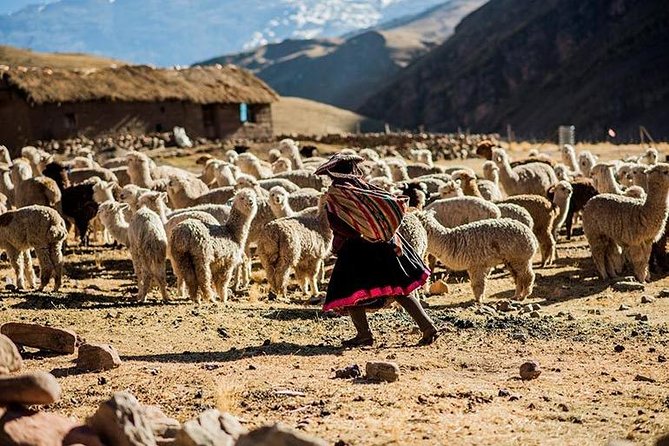
You wake up early, then your guide takes you to a local home where you meet an Andean family ready to share traditions. This is the part I like most about the Lares route: it treats culture like a living thing, not a staged performance. There’s also time for interaction and learning basic phrases—so even if your Quechua is limited, you’ll still get laughs, patience, and conversation.
After the visit, you can bring small gifts and browse alpaca textiles made by local artisans. These textiles are known for quality and craftsmanship, and the browsing feels more meaningful than shopping-from-a-stand because you’ve just met the people behind it.
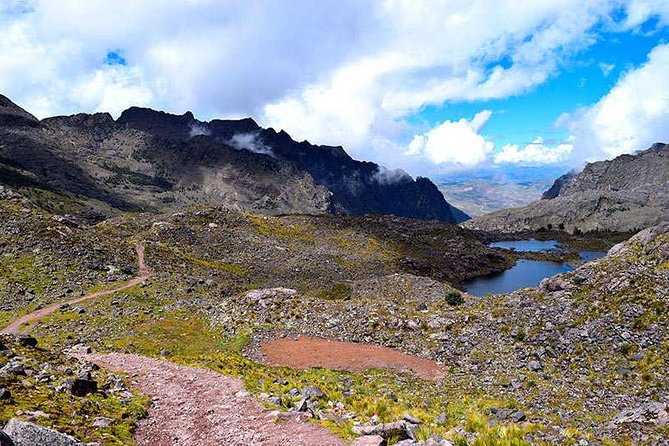
Then it’s back outside. Leaving Cuncani (3,900 masl / 12,795 ft.), you hike a shorter descent of about 6 km (3.7 mi) toward the Lares hot springs (3,150 masl / 10,334 ft.). Along the way you pass quinoa and tarwi fields. The air gets more forgiving as you drop in elevation, and you’ll feel that shift in your energy.
The hot springs are your reward: an actual chance to ease sore muscles before the final push toward Machu Picchu. And after the springs, you’ll have lodging in Aguas Calientes (the town below Machu Picchu). That matters because it sets you up for an early start the next morning.
Tip I’d follow: plan on taking your time soaking. This isn’t a quick dip-and-go. The value is recovery, so give your body the full benefit.
Day 4: Morning Machu Picchu Entry, Guided Highlights, and Optional Mountain Views
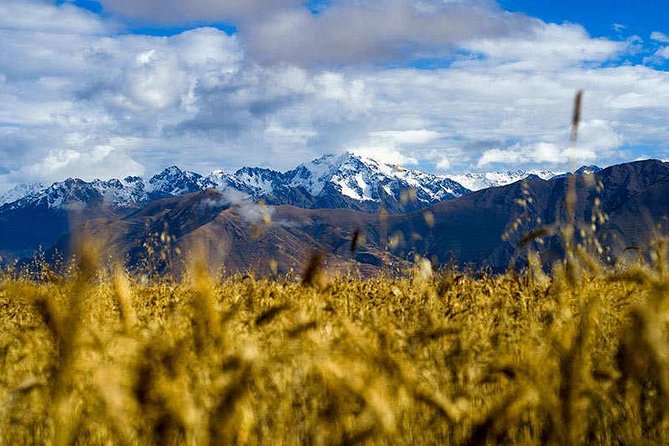
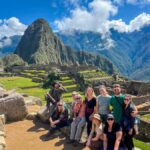
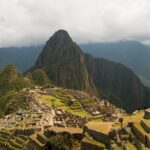
Day 4 starts early with breakfast, then you board a morning bus to Machu Picchu (2,430 meters / 7,972 feet). The timing is the point. You’re visiting early to help beat the crowds, which makes a huge difference for how the site feels.
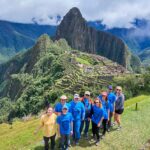
Inside the citadel, you get an in-depth guided tour. Your guide walks you through major zones like temples, ceremonial areas, terraces, and storage structures. If you’ve ever looked at ruins and thought, I don’t know what I’m seeing, this type of structured tour is a big help. It gives you a framework—what you’re looking at, why it matters, and how the site functioned.
After the guided portion, your group returns to Aguas Calientes and you’ll also have a bit of solo time to explore, so you can go slower and linger on the views that catch your eye.
There’s also an optional add-on if you booked it in advance: you can choose to go up either Huayna Picchu (2,720 meters / 8,924 feet) or Machu Picchu Mountain (3,082 meters / 10,111 feet). These add-ons aren’t included, but they can be worth it if you want a stronger “look back over the citadel” perspective.
What You’re Really Paying For: Value Breakdown at $656.42
At $656.42 per person for about four days, the price only makes sense if you look at what’s included—not just what you’re doing.
Here’s what you get:
- A professional bilingual guide (and an assistant guide for groups of 9+)
- A chef plus daily support for meals
- Mules to carry cooking and camping equipment, and up to 7 kg of your personal items
- Pickup from your Cusco hotel and transport to the trail start
- All meals during the trek (breakfasts, lunches, dinners listed as 3 each where applicable), plus 3 afternoon snacks
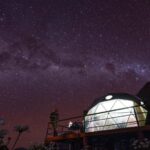
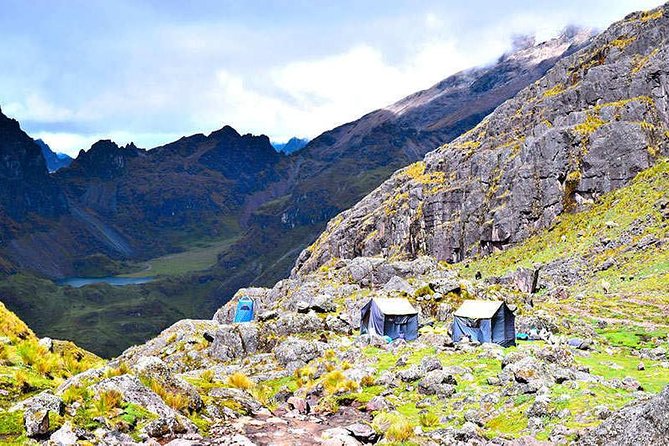
- Camping setup: 4-man tents for every 2 trekkers plus inflatable sleeping mattresses (Thermarest)
- An oxygen bottle and first aid kit for altitude safety
- A hotel in Aguas Calientes on Day 3
- Entry fees and key transfers, including the train ride to Aguas Calientes and bus round-trip up to Machu Picchu
- Water along the way, with the note that you’ll bring your own during the first 4 hours of the trek
That combination is the real value. Many “cheaper” trekking options cut corners on food quality, logistics, or how much support you get. Here, the structure is tight: you sleep, eat, and trek with minimal daily decision-making.
One extra human note: the guide support can make a noticeable difference at altitude. I saw an example of a guide named Edgar being praised for supportive encouragement when someone had trouble walking high. If you’re altitude-prone, having a guide who keeps you calm and moving at your pace matters.
Altitude Reality Check: Gear, Pacing, and Practical Survival Stuff
This trek climbs high enough that altitude is part of the deal. The itinerary points out passes near 14,000 feet (4,400m), and your start in Cusco doesn’t remove the issue—it just gives you a head start.
So what should you do?
- Use a steady pace from Day 1. The itinerary is active, but your job is not to “win” the hike.
- Expect slower breathing on climbs and plan longer breaks than you think you need.
Gear list is provided, and I’d treat it like a checklist, not suggestions:
- Walking boots
- Waterproof jacket or rain poncho
- Warm jacket, hat, and gloves
- T-shirts and comfortable trousers
- Sunscreen (factor 35 or higher)
- Insect repellent
- Toiletries and hand sanitizer
- Personal medication
- Camera, and torch with spare batteries
Also, bring your original passport. If you’re a student using ISIC for a discount, bring that card too.
Finally, make sure you think about food needs early. You can request vegetarian meals or special dietary requirements, and the company says there’s no extra cost. For allergies, the info has to be written on your trek voucher and reminded to both guide and cook, and they note they don’t accept life-threatening allergies.
Crowds at Machu Picchu: Why This Schedule Feels Easier
Machu Picchu can go from awe to stress in a hurry when you’re herded. The plan here uses the morning bus timing and early entry concept to help you see the site before the biggest crowd wave.
That’s not just comfort—it changes how you experience the place. When you’re not fighting foot traffic, you can actually notice details like terraces and storage layouts, and you can stop for the “wait, that’s incredible” moments without doing it while someone elbows past you.
You also get two modes:
- a structured guided tour (so you don’t miss the meaning)
- solo time after the tour (so you can make your own memories)
If you want fewer crowds and more breathing room, this is the kind of schedule I’d choose.
Who Should Book This Lares Trek?
This trek fits best if you:
- Want less-crowded hiking with a strong cultural component
- Like active travel, not just sightseeing from a bus window
- Can handle altitude passes and want a guided structure for safety and pacing
- Enjoy a mix of outdoors time and meaningful stops (Inca sites, Quechua family visit, textiles, hot springs)
It’s likely not a fit if you want a totally gentle walk. Even though parts of the route descend more than you climb, the trek is still high-altitude hiking across multiple days, and it starts early.
Minimum age is 6, but that doesn’t automatically mean it’s ideal for very young kids—so parents should judge based on the child’s stamina and comfort at elevation.
Should You Book the 4-Day Lares Trek to Machu Picchu?
I’d book this if your priority is a Machu Picchu experience that feels earned and human: fewer crowds, real hiking, and guided context that makes the ruins make sense. The value is strong because the price folds in meals, camping gear, support mules, an Aguas Calientes hotel, and key transfers.
If you’re sensitive to altitude, still consider it—but be honest about your fitness and pace. The trek includes an oxygen bottle and first aid kit, plus a bilingual guide and assistant support for bigger groups. That’s a meaningful safety net.
If you’d rather avoid early starts and big elevation, then you may want a different itinerary. This one asks you to show up ready.
FAQ
What’s included in the $656.42 per person price?
The price includes a professional bilingual guide, chef, mules to carry cooking and camping equipment and up to 7 kg of your items, hotel pickup in Cusco and transport to the trail start, train and bus transfers back to Cusco, water (excluding the first 4 hours), 3 afternoon snacks, dining tent setup, tent and inflatable sleeping mattress, oxygen bottle, first aid kit, Aguas Calientes hotel on Day 3, breakfast/lunch/dinner during the trek days, and bus round-trip from Aguas Calientes to Machu Picchu.
Do I need to bring a sleeping bag?
No, you do not need to bring one. Sleeping bag rental is available, and it’s listed as not included in the base price.
Is Huayna Picchu included?
Huayna Picchu Mountain entrance is not included. If you want to visit, you need to secure an additional ticket in advance. The same note applies to Machu Picchu Mountain.
What time does the tour start each day?
The meeting point start time is listed as 5:00am, with Day 4 also starting early with breakfast before the morning bus to Machu Picchu.
How fit do I need to be?
You should have a strong physical fitness level. The trek includes high-altitude passes reaching nearly 14,000 feet (4,400m), so you should be prepared for altitude and sustained hiking over multiple days.
Is vegetarian food available?
Yes. Vegetarian meals are available if you advise at booking, and you can also request special dietary needs. For allergies, the information must be written on your trek voucher and reminded to the guide and cook. The tour notes they do not accept bookings from clients with life-threatening allergies.