REVIEW · KATHMANDU
10 Days Manaslu Circuit Trek in Larke La Pass
Book on Viator →Operated by Himalayan Scenery Treks and Expedition - Private Day Tours · Bookable on Viator
Larke La at 5,160 m is the big prize. This 10-day Manaslu Circuit trek gives you a guided route through Gurung villages and high Himalayan passes, with Larke La panoramic views and safety support that includes an oximeter twice daily. You’ll also feel the difference of traveling in a small group (max 20) where your guide can actually manage the pace.
The main thing I like is that the trip is built for real trekkers, not just postcard sightseeing: an acclimatization day in Sama Gaon and a thoughtful high-pass plan. The one consideration is the altitude reality—especially on the long walking day (8–9 hours) and the pass itself—so you’ll want a moderate fitness level and the patience to go slow on purpose.
In This Review
- Quick Takeaways
- Why the Manaslu Circuit Feels Different in 10 Days
- Price and What You Actually Get for $1,049
- Lodges, Meals, and Carrying Comfort on the Manaslu Circuit
- Day-by-Day: From Machhakhola to Larke La and Back Down
- Day 1: Kathmandu to Machhakhola (long drive start)
- Day 2: Machha Khola to Jagat (river bank and Gurung villages)
- Day 3: Jagat to Deng (cross a river and reach Philim)
- Day 4: Deng to Namrung (suspension bridge climb)
- Day 5: Namrung to Sama Gaon (a longer mileage day)
- Day 6: Sama Gaon acclimatization day (Pungyen Gompa or Manaslu Base Camp)
- Day 7: Sama Gaon to Dharamsala (yak country feel)
- Day 8: Dharamsala to Bhimtang (longest walking day)
- Day 9: Bhimtang to Dharapani (descent through Karche)
- Day 10: Dharapani to Besisahar, then back to Kathmandu (or Pokhara)
- Acclimatization and the Reality of 5,160 Meters on Larke La
- Guides, Safety Gear, and Handling Weather and Timing Changes
- What to Pack (Without Guessing) for Tea-House Trekking
- Who This Trek Suits Best (and Who Might Struggle)
- Should You Book This 10-Day Manaslu Circuit with Larke La?
- FAQ
- What is the highest point on this trek?
- How long is the trek?
- Are permits included?
- What meals are included during the trek?
- Do you get a guide and a porter?
- Is safety equipment provided?
Quick Takeaways
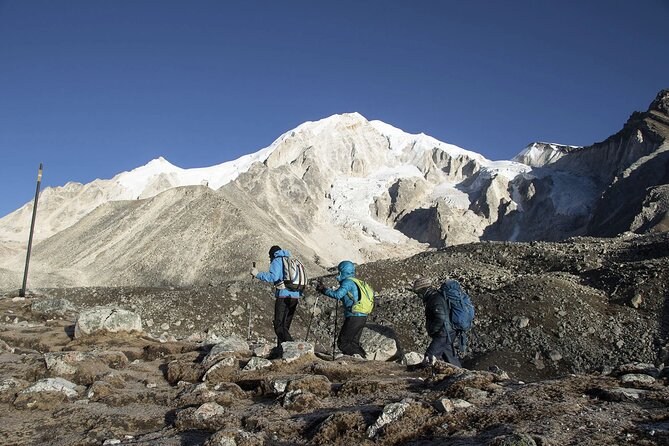
- Larke La Pass (5,160 m) is the highlight, with big views and a serious day of effort
- Permits are handled (ACAP, MCAP, and restricted area entry) so you don’t need to figure paperwork out on the fly
- Acclimatization in Sama Gaon with optional day trips (Pungyen Gompa or Manaslu Base Camp)
- Trek-day pacing is managed with a guide and porter support ratio of 1 porter for 2 trekkers
- Safety includes an oximeter check twice daily plus a medical kit and severe-case evacuation management
Why the Manaslu Circuit Feels Different in 10 Days
The Manaslu region is less about crowds and more about scale. In just 10 days, you’re moving through river valleys, crossing bridges, and climbing high enough that the air itself becomes part of the challenge. The route also has a good “story arc”: you start with a long drive to get you in the right place, then build day by day toward the pass, and finally spend your last day dropping back down toward easier terrain and heading to Kathmandu or Pokhara.
What makes this version of the trek especially appealing is the combination of a high summit moment (Larke La) and a built-in acclimatization break. Many people underestimate how much that matters. If you’re feeling fine in the morning, it’s easy to think you can keep the same pace forever. An acclimatization day gives you a chance to settle your breathing and adjust your rhythm before the higher sections.
Also, you’re not traveling solo. Your group is capped at 20, which usually means you’ll have enough people for shared energy, but not so many that you get lost in the shuffle. That’s a big deal when you’re managing timing, weather changes, and slowdowns from altitude.
You can also read our reviews of more tours and experiences in Kathmandu.
Price and What You Actually Get for $1,049
At $1,049 per person, this trek is priced like a guided package, and the value is mostly in what’s included up front—not just logistics, but the stuff that can quietly derail a trek if you don’t have it.
Here’s where the money tends to work in your favor:
- Permits are included: ACAP, MCAP, and restricted area entry permits. In Nepal trekking, permits aren’t glamorous, but they are essential, and they can be time-consuming to sort out yourself.
- Guide and porter support are included: a licensed guide with salary, food, drinks, accommodation, transport, and insurance; plus a porter with the same kinds of coverage. The porter ratio is 1 porter for 2 trekkers, which helps keep loads realistic—especially if you’re coming from a flat place.
- Safety items are included: an oximeter for pulse, oxygen saturation, and heart rate monitoring twice daily. There’s also a medical kit (with a first aid kit) and severe case evacuation management.
- Meals are covered on the trek: breakfast (10), lunch (9), dinner (9). That matters because you won’t be trying to guess where to eat or what will be open on a given day.
What you should budget for separately:
- Your Nepal entry visa (listed as $15–$125)
- Tipping for guide, porter, and driver
- Personal expenses
- Battery charging, internet, and hot shower
- Alcoholic and non-alcoholic drinks (not included)
So the price makes sense if you want less admin and more hiking time. If you were planning to self-organize permits and logistics, you might “save” money—but you’d also take on tasks the package already handles.
Lodges, Meals, and Carrying Comfort on the Manaslu Circuit
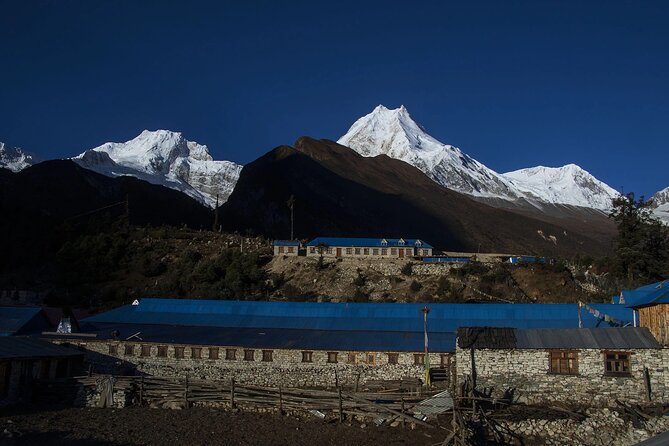
Most of your nights are in shared tea houses with other trekkers. That’s not luxury travel, but it’s the standard trade-off for getting deep into the mountains. The practical win is consistency: after a long day, you’re not hunting for a place to sleep. And because this is a guided trek, you’re also more likely to arrive at lodges that can handle a group.
Meals are scheduled and included on the trek days. You’ll get:
- 10 breakfasts
- 9 lunches
- 9 dinners
That coverage reduces decision-fatigue on the trail. It also means your energy planning is easier: you don’t have to wonder whether lunch will be available at the right time or whether your next meal will be delayed.
Then there’s the porter. I like that the package doesn’t treat “lightening your load” as optional. With 1 porter for 2 trekkers, you can keep your daypack manageable and save energy for walking. If you’ve never trekked with a porter before, you’ll still want to carry your personal essentials (and anything you’ll need quickly), but the heavy stuff is shared.
One more small but real comfort item: you’re provided a trekking hat, plus a duffel bag, and you’ll receive a trip achievement certificate. Those won’t change the mountain, but they do reduce what you must pack.
Day-by-Day: From Machhakhola to Larke La and Back Down
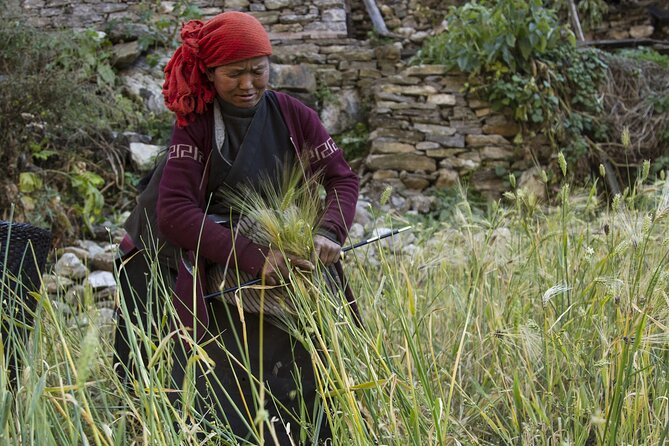
This itinerary is structured like a good trek should be: you start with a travel day, build walking steadily, add a real acclimatization day, then tackle the long and higher sections with a final descent and drive out.
Day 1: Kathmandu to Machhakhola (long drive start)
You travel from Kathmandu to Machha Khola in about 8 to 9 hours. That’s a big setup day, but it also means you don’t spend hours later wondering how you’ll get into position for the trek.
What to expect: a long day of transport, then your first tea-house night at the trailhead area. If you’re prone to getting stiff after sitting, do a quick walk after arrival and keep your evening light.
Potential drawback: you’ll already feel travel fatigue before you even start trekking.
Day 2: Machha Khola to Jagat (river bank and Gurung villages)
Trek about 6 hours to Jagat. You’ll follow the Budi Gandaki river bank and pass through Gurung villages. This is where Manaslu’s human side appears—teahouses, local life, and the sense that this isn’t just a hiking corridor.
What makes it special: the villages feel woven into the valley, not like “stops” on a route.
Day 3: Jagat to Deng (cross a river and reach Philim)
This day takes roughly 6 to 7 hours. You’ll cross a river and make your way onward toward Philim and the Deng area.
What to expect: mixed terrain and a continuing build toward higher altitudes. Trek days like this teach you something important: your legs might be fine, but your breathing might start acting differently as altitude creeps up.
Day 4: Deng to Namrung (suspension bridge climb)
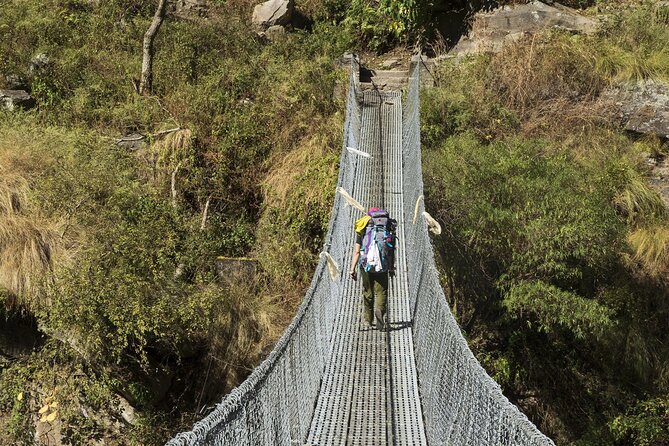
You’ll walk about 7 to 8 hours to Namrung. A suspension bridge is part of the route, followed by an ascent toward Rana and Bihi Phedi.
What makes it memorable: bridges in the mountains are never just “crossings.” They’re moments—wind, drop-offs, and the payoff of seeing the valley open up behind you.
Drawback to watch: this is the kind of day where you can accidentally push too hard if you feel good early. Let your guide set the pace.
Day 5: Namrung to Sama Gaon (a longer mileage day)
This leg covers about 15.5 km (9.63 miles) and takes 6 to 7 hours. You’ll reach Sama Gaon, a key base for acclimatization.
Why Sama Gaon matters: by the time you arrive, your body will likely be asking for slower steps. That sets you up perfectly for the next day.
Day 6: Sama Gaon acclimatization day (Pungyen Gompa or Manaslu Base Camp)
Today is about adjusting and staying healthy. You’ll have options for a day trip:
- Pungyen Gompa (east of the Nubri Valley), or
- Manaslu Base Camp (listed as included)
The trek time for this acclimatization day is around 5 hours (based on the provided outline).
What I like about having options: you can choose based on how you feel. If you’re feeling strong, you still get a fulfilling outing. If you’re feeling “off,” you keep the day at a manageable intensity.
Day 7: Sama Gaon to Dharamsala (yak country feel)
Trek about 6 to 7 hours to Dharamsala. This is where the region feels more “high-and-wild,” and the route enters land of yaks.
What to expect: fewer distractions and more focus on your breathing rhythm, especially if the air feels thin that day.
Day 8: Dharamsala to Bhimtang (longest walking day)
This is the longest walk on the route: 8 to 9 hours from Dharamshala to Bhimtang. It’s challenging, but it’s also the day that gets you emotionally ready for Larke La.
Practical advice: start slow. Even if you feel good, you don’t want your legs fried before the highest section.
Day 9: Bhimtang to Dharapani (descent through Karche)
You’ll walk about 8 hours. The trail gradually descends through Karche, and the surroundings start to open up more as you drop lower.
What it feels like: less altitude pressure, more relief in your breathing, and the steady satisfaction of progress.
Day 10: Dharapani to Besisahar, then back to Kathmandu (or Pokhara)
This final trekking day includes about 1 hour from Dharapani to Besisahar, then a drive of roughly 8 to 9 hours back toward Kathmandu or onward toward Pokhara depending on your plan.
What to plan for: this is where you’ll want a good night’s sleep right away once you get back, and you may be tired in a quiet, end-of-trek way.
Acclimatization and the Reality of 5,160 Meters on Larke La
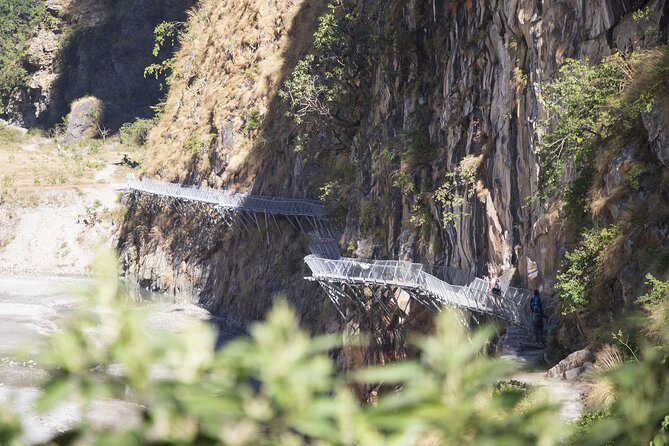
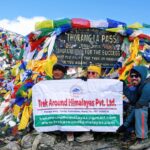
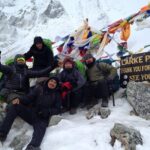
Larke La Pass at 5,160 meters is the headline, and it should be. It’s also the point where you stop treating this like a regular hike and start treating it like a body-coordination problem: oxygen, pacing, and staying calm when it’s harder to think.
This trek gives you two big supports:
- A dedicated acclimatization day in Sama Gaon
- Monitoring with an oximeter twice daily for pulse, oxygen saturation, and heart rate
That second part is important. Altitude affects people differently. Some feel rough; others feel “fine” but have oxygen numbers that suggest otherwise. By checking you twice daily, you’re more likely to catch problems early and adjust.
It’s also why your guide matters. In the experiences shared with me, guides like Narayan Ntc are described as considerate with fitness levels and focused on leading the group through the full trek successfully. Another guide, Gopal, is praised for motivation and support when altitude is wearing you down. When you’re tired, that kind of steady attention keeps you from making bad decisions.
Guides, Safety Gear, and Handling Weather and Timing Changes
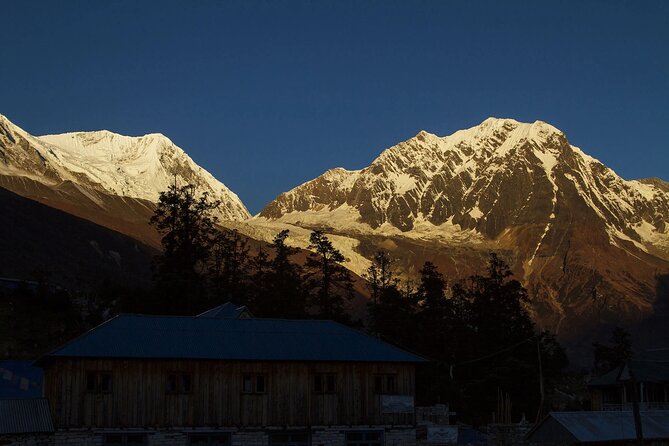
In the real mountains, weather and timing don’t always behave. The good sign here is that the package includes safety tools and a guide who’s actively managing the group, not just pointing uphill.
Safety and support included:
- Medical kit with first aid
- Oximeter monitoring twice daily
- Accident insurance for all staff
- Severe case Evacuation Management
Important note for you: the data here says accident insurance for staff, and evacuation management for severe cases, but it doesn’t spell out travel insurance for you. I’d treat your own travel insurance as a must when trekking high altitude.
What’s also worth noting is how the support system works. You’ll have a government licensed guide, and you’re also assigned a porter. In Kathmandu, there’s backup via staff mentioned in the shared experiences—like Naresh in Kathmandu—which helps when you need adjustments or clarification before you start walking.
And this is where I think this trek delivers real value: you’re not trying to solve problems alone. Even the best trekking plans can face road/weather issues, and having a local team to manage changes is the difference between a smooth day and a stressful one.
What to Pack (Without Guessing) for Tea-House Trekking
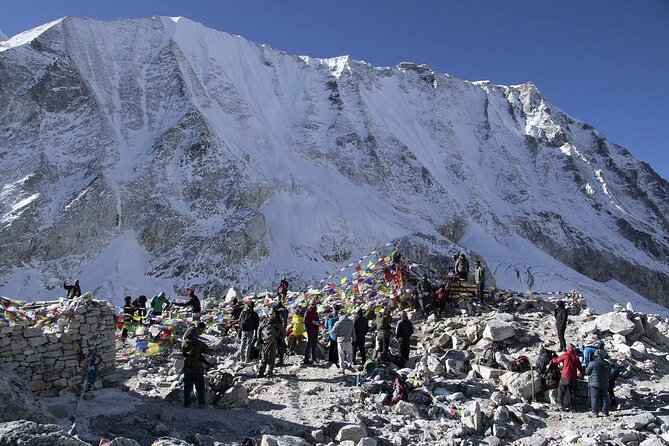
You’ll be in tea houses, with included meals on trek days, so your packing should focus on what keeps you comfortable while walking and sleeping.
Based on what the package provides (hat, duffel bag, trekking map), you still need your personal layers and comfort items. For Larke La and high days, your biggest enemy is usually temperature swings, not rain alone. So think in layers and focus on:
- warm mid-layer and proper outer layer for wind
- gloves and a hat (even if you get a trekking hat, you’ll likely want more than one option)
- a small daypack for water and essentials
Also, bring any personal medication and any blister prevention you trust. The itinerary gives you time to move and rest, but it doesn’t stop the trail from being rocky or the cold from sneaking in at altitude.
If you’re a first-timer, the oximeter checks mean you should also be honest with your guide about how you feel. Don’t “tough it out” on a high pass. If your breathing is getting worse, that’s information—not weakness.
Who This Trek Suits Best (and Who Might Struggle)
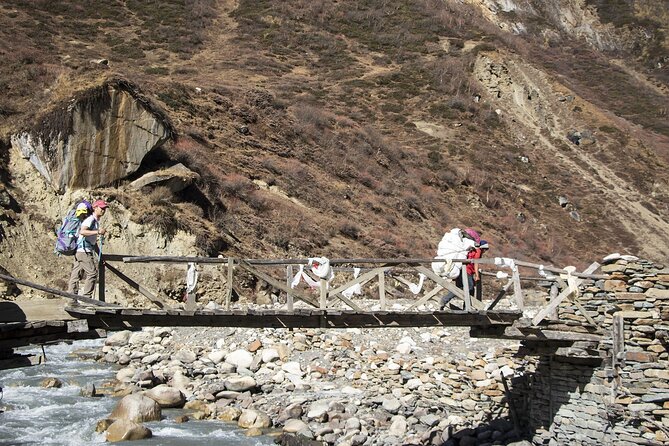
This trek is aimed at people with moderate physical fitness. That doesn’t mean “easy.” It means you can walk for several hours a day and handle a long day like 8 to 9 hours without breaking completely.
This is a strong fit if you:
- want a guided experience with permits handled
- care about safety planning (oximeter monitoring and medical kit)
- like a mix of village trekking and high pass drama
- don’t want the hassle of organizing meals, porter arrangements, and daily logistics
It might be tough for you if:
- you’re not used to altitude and you tend to rush pace when you feel good
- you dislike long travel days (Day 1 drive, and Day 10 drive back)
- you expect a light, casual hike rather than a real trek with high exposure
Should You Book This 10-Day Manaslu Circuit with Larke La?
I’d book it if you want a complete package that handles the most time-consuming and high-stakes parts: permits, licensed guide support, porter management, tea-house lodging structure, and safety monitoring. The inclusion of the oximeter checks twice daily is the sort of detail that can prevent a small issue from turning into a big one.
I’d hesitate if you’re aiming for an ultra-relaxed itinerary, because the pass and the longer walking day (plus the long drives) make this a serious commitment. Also, budget for what’s not included—visa, tipping, charging, and personal drinks—so you don’t get surprised late.
One last practical note: there’s free cancellation up to 24 hours in advance for a full refund. That flexibility can be helpful if your plans are still moving around.
If you want a reason to trust the experience, it’s the combination of safety gear and human support. Names like Narayan Ntc and Gopal show up as guides who care about pacing and keep the group on track, even when weather or roads force adjustments.
FAQ
What is the highest point on this trek?
The highlight is Larke La Pass at 5,160 meters.
How long is the trek?
The itinerary is listed as 10 days (approx.).
Are permits included?
Yes. The package includes all necessary permits, including ACAP, MCAP, and restricted area entry permits.
What meals are included during the trek?
The trek includes 10 breakfasts, 9 lunches, and 9 dinners.
Do you get a guide and a porter?
Yes. A government licensed guide is included, and there is a porter (1 porter for 2 trekkers) with food, accommodation, transport, insurance, and salary.
Is safety equipment provided?
Yes. The package includes a medical kit with a first aid kit and an oximeter for pulse, oxygen saturation, and heart rate monitoring twice daily, plus severe case evacuation management.