REVIEW · CUSCO
Trek to Choquequirao 4 days
Book on GetYourGuide →Operated by Exploor Trip E.R.L · Bookable on GetYourGuide
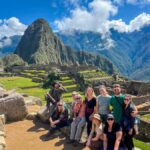
Choquequirao is what you chase when you want Machu Picchu energy without the crowds. This 4-day trek pairs hard trekking days with a real dose of archaeology and mystery at one of Peru’s most unforgettable sites.
I also like how the trip keeps you moving through lived-in places—small camps, mule support, and local interaction—so the experience feels grounded, not just scenic. The main drawback is that this is one of the hardest treks in the Cusco area, with long descents and uphill sections plus very early starts, so it rewards strong legs and smart pacing.
In This Review
- Key Highlights You’ll Care About
- Why Choquequirao Hits Different Than the Famous Name
- The Real Trek Profile: Hard, Long, and Very Timing-Driven
- Day 1: Cusco to Capuliyoc, Then Down to Santa Rosa
- Day 2: Santa Rosa to Maranpata and Into Choquequirao
- Day 3: Apurímac River Descent, Lunch by the Canyon, Then Chiquisca
- Day 4: The Very Early Climb Back to Capuliyoc and Cusco
- Meals, Camps, and the Support Team (Why You’ll Thank Them)
- Price and Value: Is $366 Worth It?
- What You Should Budget Extra (And What to Bring)
- Who This Trek Suits Best
- Should You Book This Choquequirao Trek?
- FAQ
- What is the duration of the Trek to Choquequirao?
- Where does the trek take place?
- How much does the trek cost?
- What’s included in the price?
- Are entrance tickets included?
- Is water included during the trek?
- What language is the tour guide?
- Is horseback riding included?
Key Highlights You’ll Care About
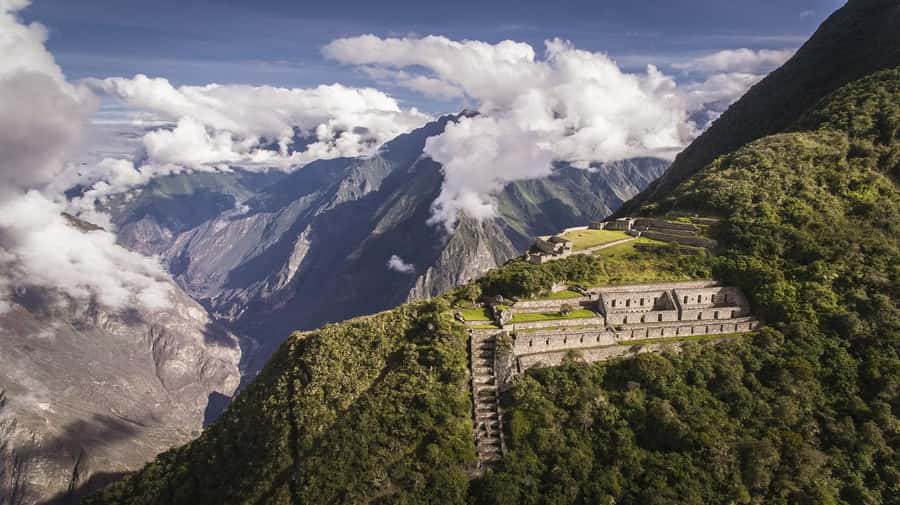
- Choquequirao feels like Machu Picchu’s “sister city”: same vibe, different setting, and a deeper sense of discovery.
- Camp life is built in with rural accommodation for 3 nights, plus dinner and breakfast rhythms you can count on.
- Your visit to Choquequirao happens before the big day ends—you reach the site in the morning and have time to explore.
- Trek support is real: muleteers, mules, and horses for extra luggage (not you, for free).
- You’ll spend time in the Apurímac canyon zone, which means big elevation changes and serious legs work.
- Small group (up to 15) helps the schedule stay human and the vibe stay friendly.
Why Choquequirao Hits Different Than the Famous Name
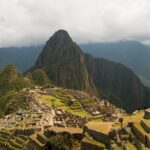
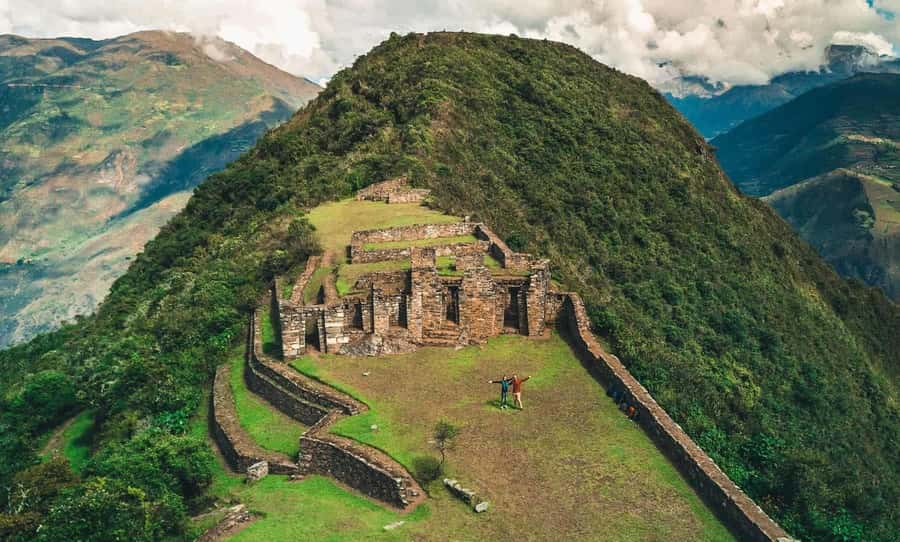
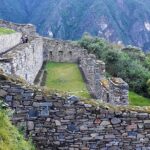
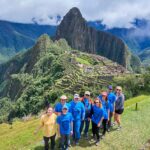
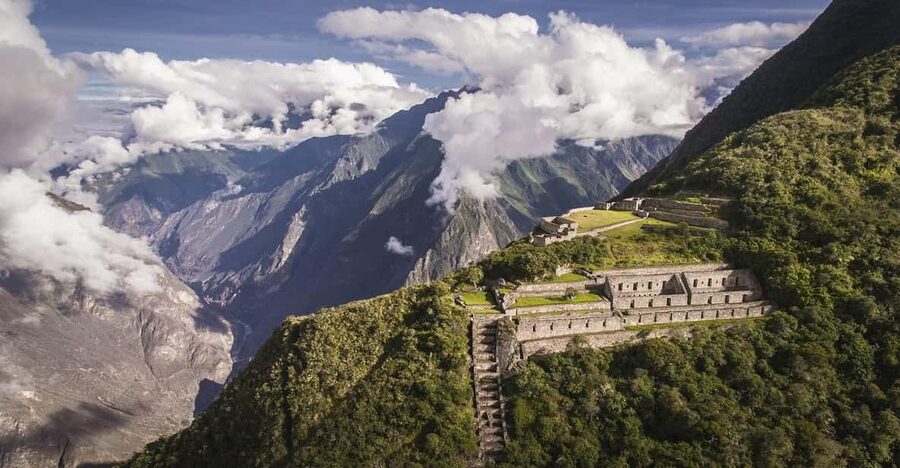
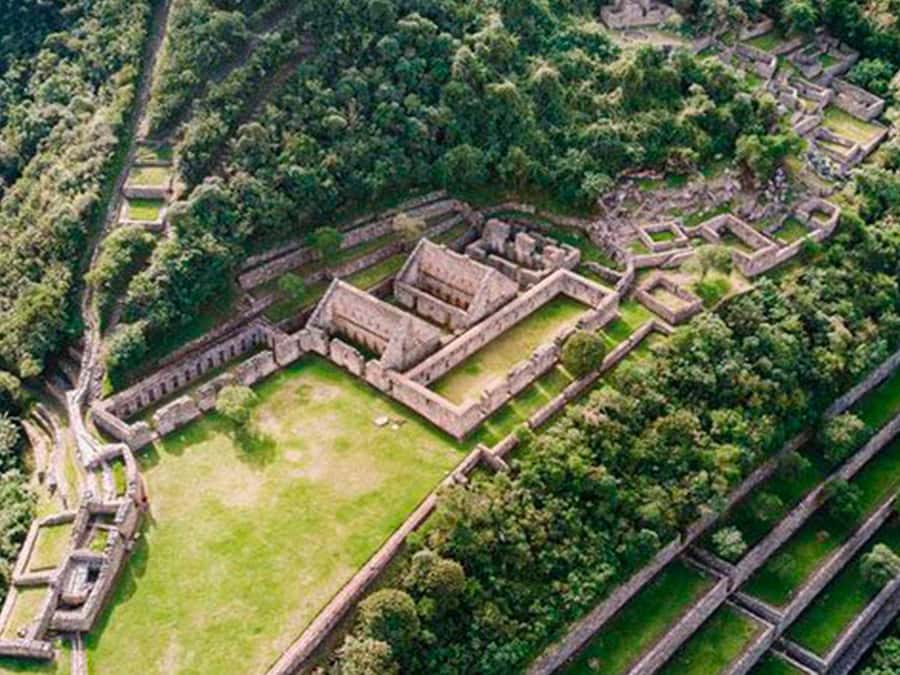
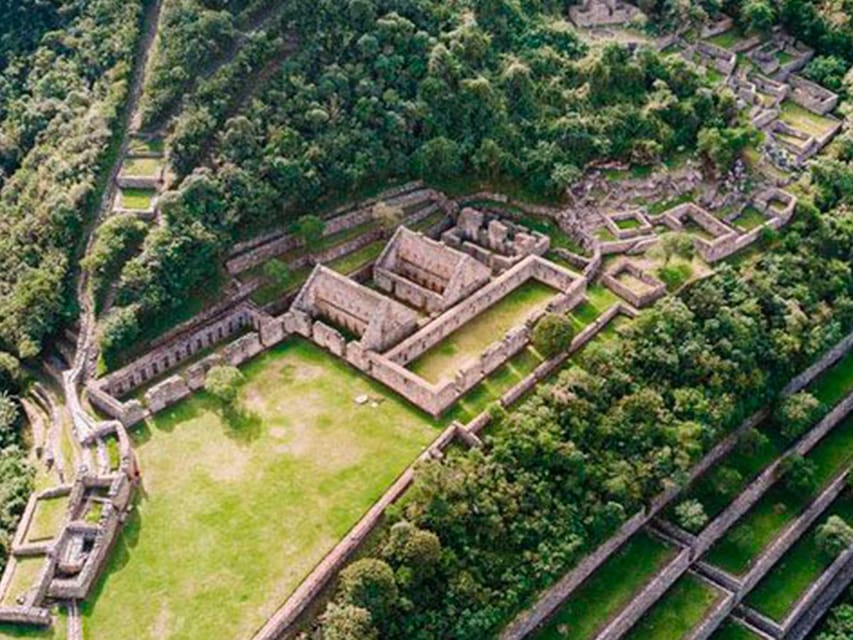
Machu Picchu is the headline, but Choquequirao is the reason you get that same “wait, people built this up here” feeling in a more rugged setting. The core payoff is the archaeological complex itself—history and mystery in stone, reached the hard way. You’re not just arriving at a viewpoint; you’re earning your way to a site with quiet gravity.
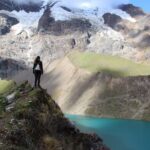
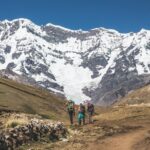
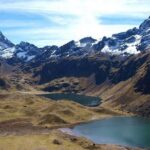
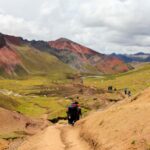
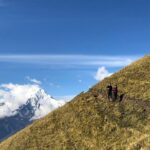
This trek also has a strong wilderness rhythm. You start in the Cusco region highlands, then you spend days moving through steep, canyon-linked terrain. That makes the views and weather changes feel like part of the story, not just background.
You can also read our reviews of more tours and experiences in Cusco.
The Real Trek Profile: Hard, Long, and Very Timing-Driven
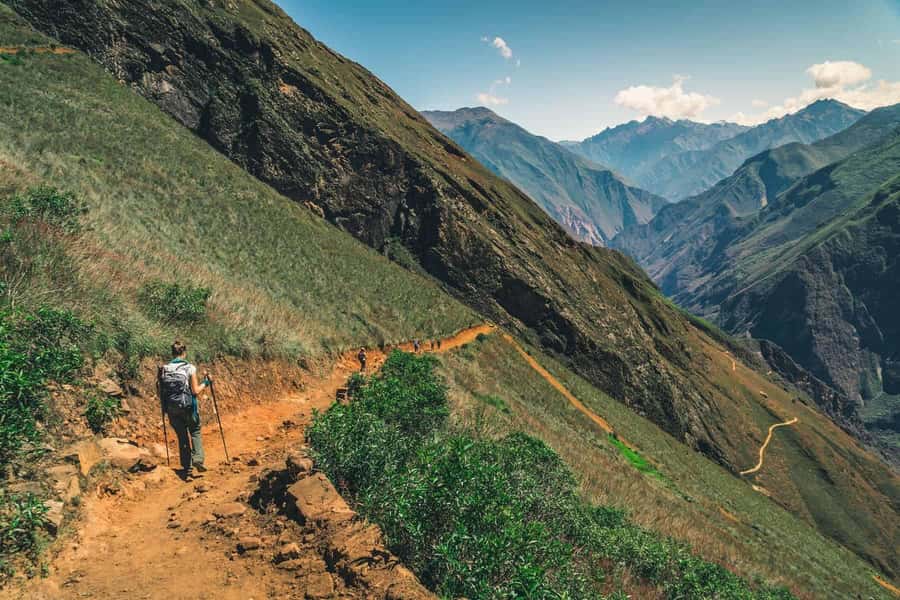
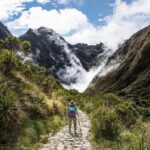
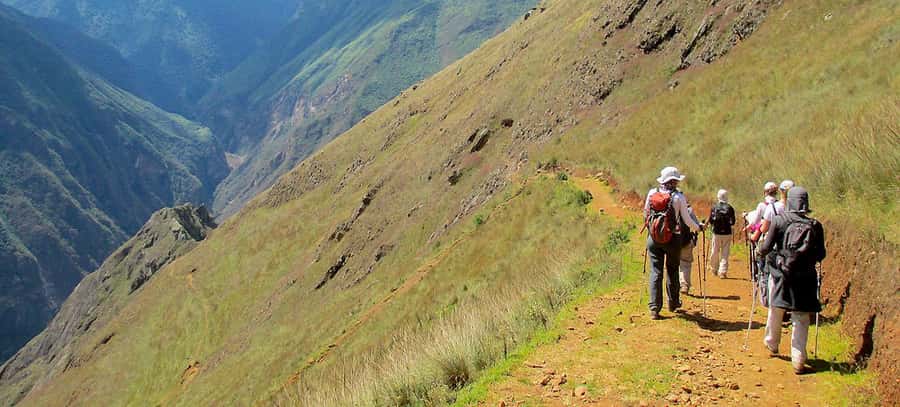
This is not a casual hike with optional photo stops. The route includes a major descent on Day 1, then uphill effort across multiple days. On Day 2, you climb from Santa Rosa toward Maranpata, and on Day 3 you descend for about three hours to the Apurímac River canyon before climbing back up again.
The schedule also tries to protect you from harsh sun. You’ll hike early on the last day specifically to avoid intense daytime heat, and that mindset fits a trek like this: you’re working with altitude, light, and fatigue. If you’re prone to burning out early, pace yourself from the start. The fastest way to ruin a tough trek is going out too hot on day one.
Day 1: Cusco to Capuliyoc, Then Down to Santa Rosa
Your day starts early—pickup at the meeting point at 5:00 am in Cusco. From there, you drive about three hours to Curawasi, stop briefly for breakfast, then continue about another hour to Capuliyoc Viewpoint to begin walking. That transition matters. You’re saving energy for the trail, and you’re also building acclimation time without calling it acclimation.
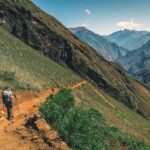
At Capuliyoc, the trek begins with a long descent that lasts about three hours to the lunch area in Chiquisca. This is one of those days where your legs do two different jobs: your thighs handle the downhills, while your balance and footing matter more than speed. Plan for a slow, controlled descent.
After lunch, you continue descending toward Playa Rosalinas, then you switch gears into a two-hour climb to Santa Rosa camp. Once there, you set up camp, eat dinner, and sleep in rural accommodation for the night. It’s a classic rhythm for Choquequirao treks: arrival, rest, dinner, sleep—repeat.
Day 2: Santa Rosa to Maranpata and Into Choquequirao
Day 2 begins around 6:00 am with a hot coca tea wake-up and breakfast in camp. That small ritual helps because you’re already working at altitude and cold can hit early in the mountains. If you’re the type who hates waking up without caffeine, coca tea might feel unusual at first—but it’s part of the experience here.
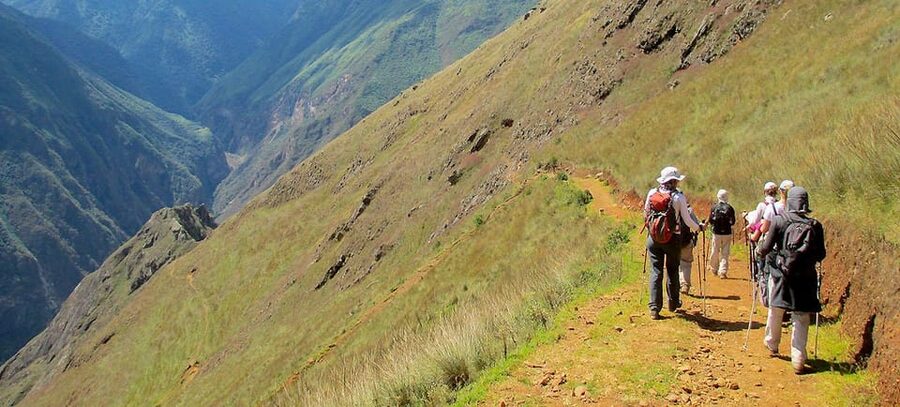
After breakfast, you walk uphill for about two hours to Maranpata. The camp team handles the logistics: cooks, muleteers, and horses stay behind to prepare and bring lunch to the group later at Choquequirao. In other words, while you’re climbing, the trail infrastructure is also working for you.
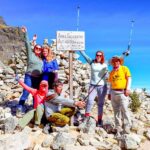
You arrive at Choquequirao around 9:30 am. This timing is smart. You’re reaching the site in the morning when you can explore with better light and less afternoon fatigue. Your guide explains Choquequirao, and you also have time to explore on your own. If you like archaeology, photography, or just wandering slowly and taking it in, you’ll appreciate the blend of guided context plus freedom.
In the afternoon, you head back to Maranpata for dinner and sleep again at camp. That return walk keeps your day from turning into an exhausting all-day roam. You get the site moment, then you shift back to trekking mode.
Day 3: Apurímac River Descent, Lunch by the Canyon, Then Chiquisca
By about 8:00 am, you’re up for breakfast and then start the walk back toward the Cusco side. This is where the trek gets physically demanding again, but in a different way. You descend to the Apurímac River canyon for around three hours. Long descents can mess with knees and calves, so good hiking form and steady steps matter.
Once you reach the river, you relax and have lunch prepared by the chefs. This pause is more than comfort—it’s how you recover enough to climb afterward. After lunch, there’s a climb of about two hours to the third camp in Chiquisca.
When you arrive in Chiquisca, you prepare for the evening and get a chance to interact with locals and taste a typical drink made from sugar cane. That’s the part of the trek that often becomes a memory you can’t reproduce at home. It’s not just the stones and the views; it’s the people who live along the route.
Dinner and overnight at camp follow. By this point, you’ll be settling into the daily routine: eat, walk, rest, repeat.
Day 4: The Very Early Climb Back to Capuliyoc and Cusco
Your final day starts very early again. The hike ends with a return to Mirador Capuliyoc, beginning around 5:00 am after breakfast. This early start is practical. The route plan is explicitly designed to avoid intense sun.
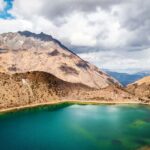
You hike uphill for about four hours to reach the viewpoint. Once you’re there, you wait for lunch while enjoying the surrounding mountain views and the Apurímac canyon below. It’s a “hold your breath, then exhale” moment after days of effort—less about conquest and more about perspective.
After lunch, you take the car back to Cusco and arrive around 4:30 pm. You’re not crawling into town at midnight. You get a real end-of-trek finish where your body can decompress.
Meals, Camps, and the Support Team (Why You’ll Thank Them)
One thing I genuinely value on tough treks is that the food and camp setup aren’t an afterthought. Here, meals are included, and camp cooking is built into the schedule. You’re not trying to figure out where to buy dinner while you’re exhausted.
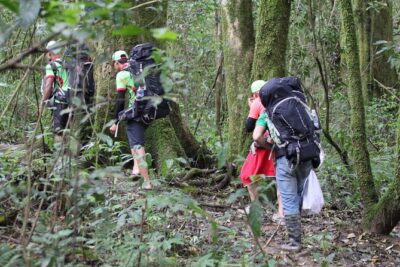
The itinerary also depends on a support team: muleteers, mules for extra luggage, and horses for that same job. You won’t be hauling everything yourself, and that difference matters when the trail is steep.
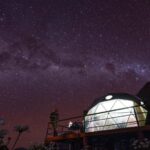
In camp, you’ll sleep in rural accommodation for three nights. That doesn’t mean hotel comfort, but it does mean the trek is designed for you to keep moving without carrying the entire logistics load on your back.
And yes, the guide matters. The provided reviews highlight the guide and the group vibe as standout parts of the experience. A good guide keeps pacing sensible, explains what you’re seeing, and makes the hard parts feel manageable.
Price and Value: Is $366 Worth It?
At $366 per person, this trek sits in the mid-to-upper range for a 4-day trek package in the Cusco region. The value comes less from luxury and more from what’s included: transportation from Cusco to the trail area and back, meals across multiple days, three nights of rural accommodation, a tour guide, and animal support for extra luggage.
What’s not included is where you should focus to avoid surprise costs: the entrance ticket for the archaeological site, rehydration water, first breakfast and last dinner, and several extras like hot shower/towels (40 soles per person) and trekking poles (30 soles per pair). Water for canteens is also not included.
So the honest way to think about value is this: you’re paying for a structured, guided, supported multi-day trek with food and camp rhythm. If you’re willing to handle a few add-ons yourself (tickets, drinks, basic gear), the price looks fair for the amount of guiding and support on a notoriously tough route.
What You Should Budget Extra (And What to Bring)
Before you pack, look at the not-included list and plan for it. Entrance ticket is 60 soles for adults or 30 soles for students. First breakfast and last dinner are not included, and you’ll also want to budget for rehydration water and water for canteens.
If you care about comfort, hot shower and towels cost 40 soles per person. If you want connectivity, Wi‑Fi is 20 soles—not something you should rely on mid-trek.
Gear can be rented or purchased locally: trekking poles cost 30 soles per pair. Horseback riding is listed as an extra (200 soles). The trek also includes a Dafort bag for extra luggage (5 kg), which is helpful if you’re trying to travel light with a daypack.
If you want to do well on a difficult trek, bring a practical approach to foot care and layers. You’re dealing with altitude, early starts, and long downhill segments where your feet and legs take a beating.
Who This Trek Suits Best
This trek is best for people who want a challenge and don’t mind early wake-ups. If you’re training for stamina, enjoy mountain walking, and care about visiting an archaeological site that feels less commercial, you’ll likely love it.
You should also be comfortable with a schedule that balances hiking, meals prepared by chefs, and camp life. You’re not going to have a long day of sightseeing and zero movement. This is a hike-first experience with culture and archaeology woven in.
If you’re a first-time trekker in the Cusco region, you may want to consider building up on a less intense route first. Choquequirao here is described as one of the hardest treks in the area, and the itinerary reflects that with major elevation changes.
Should You Book This Choquequirao Trek?
Book it if you want Choquequirao’s “sister city” energy, you’re excited by the archaeological complex, and you’re motivated by difficult trekking. The included meals, camp support, mule assistance, and guided explanation at Choquequirao make this a solid package for people who want effort to translate into payoff.
Don’t book it if you’re looking for an easy hike, lots of downtime, or hotel-level comfort. This trek is tough by design, and the costs for tickets, water, and a few comfort extras can add up. Also, plan your expectations around early mornings and long walking segments.
If your goal is an authentic multi-day trek that treats the site like the main event, this is a strong choice—especially given the emphasis in the reviews on guide quality, delicious camp food, and a group that keeps things upbeat even when the trail gets serious.
FAQ
What is the duration of the Trek to Choquequirao?
The trek lasts 4 days.
Where does the trek take place?
It’s in the Cusco Region of Peru.
How much does the trek cost?
The price is listed as $366 per person.
What’s included in the price?
Included items are transportation from Cusco to Cachora and back to Cusco, meals, 3 nights in rural accommodation, a tour guide, muleteer and mule support for extra luggage, and a Dafort bag for extra luggage (5 kg).
Are entrance tickets included?
No. The entrance ticket is listed as 60 soles for adults and 30 soles for students.
Is water included during the trek?
Rehydration water and water for canteens are not included.
What language is the tour guide?
The live tour guide is available in Spanish and English.
Is horseback riding included?
No. Horseback riding is listed as not included, and it’s priced at 200 soles (per the provided information).
(If you want, tell me your fitness level and when you’re going, and I’ll help you estimate realistic pacing and what to pack for a tough multi-day route like this.)