REVIEW · MARRAKESH
Marrakech: High Atlas Tedali Summit Guided Day Trek
Book on GetYourGuide →Operated by Atlas Mountains Day Trips from Marrakech · Bookable on GetYourGuide
This hike is a real change of scenery. You start in Marrakech, ride into the High Atlas, then spend hours walking through Berber villages and mountain paths with a guide—ending with a lunch at altitude that feels like the main event.
I like two things most: the traditional lunch in a Berber house at 2,500m, and the small-group feel with plenty of time to ask questions on the trail. The main drawback to consider is fitness: you need to be able to walk uphill for about 3 hours, and the day will feel tough if you’re not used to hiking.
In This Review
- Key things you’ll notice on this High Atlas trek
- From Marrakech to Imlil: the drive sets the mood
- Why this start matters for your comfort
- Tizi n’ Tamatert: your first break and first big views
- Practical tip I’d use here
- Guided hiking in the Atlas: pace, guide, and Berber village scenes
- The mule and the cook: why this matters
- The best part: lunch at 2,500m in a Berber house
- What makes this lunch a value add
- Imlil tea breaks: a slower window into village life
- Use the tea time well
- What the itinerary feels like hour by hour
- Fitness reality check: the uphill is the point
- How to prepare so the day feels enjoyable
- Price and value: what $27 buys you in the High Atlas
- Who should book this trek (and who shouldn’t)
- Weather matters more than you think
- Should you book the Marrakech High Atlas Tedali Summit Guided Day Trek?
- FAQ
- How long is the Marrakech High Atlas Tedali Summit guided day trek?
- Where does pickup happen for this tour?
- How long is the hike?
- Do Imlil and the tea stops happen during the hike?
- Where is lunch served, and at what altitude?
- Does the tour include a guide and lunch?
- What group size is this trek?
- What languages are spoken by the guide?
- What should I bring for the hike?
- Who is this tour not suitable for?
Key things you’ll notice on this High Atlas trek
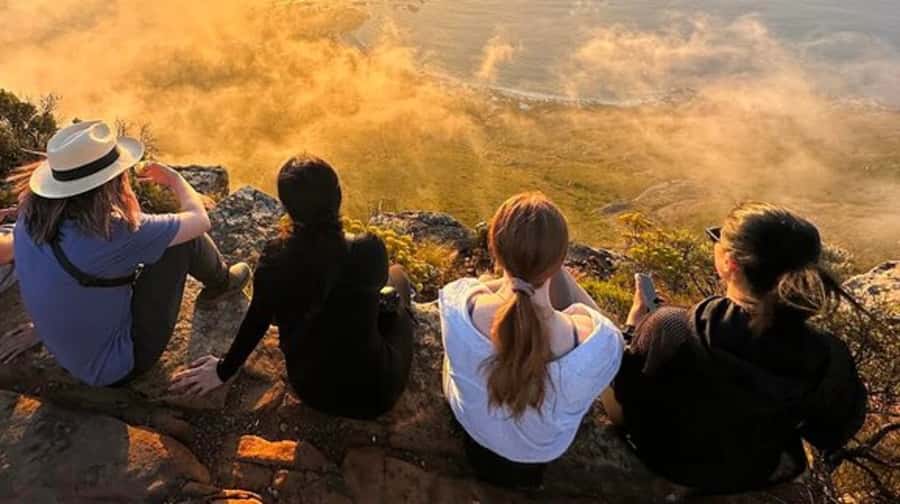
- Hotel pickup and drop-off in Marrakech means you lose less time to logistics.
- Imlil as a hub: you stop for tea and get a closer look at local mountain life.
- Mule support and a cook: you hike with less burden and still get a proper hot lunch.
- Tizi n’ Tamatert photo stop breaks up the ride and helps you read the terrain.
- Small group (max 8): easier pacing, more guide attention, and a calmer feel on the trail.
From Marrakech to Imlil: the drive sets the mood
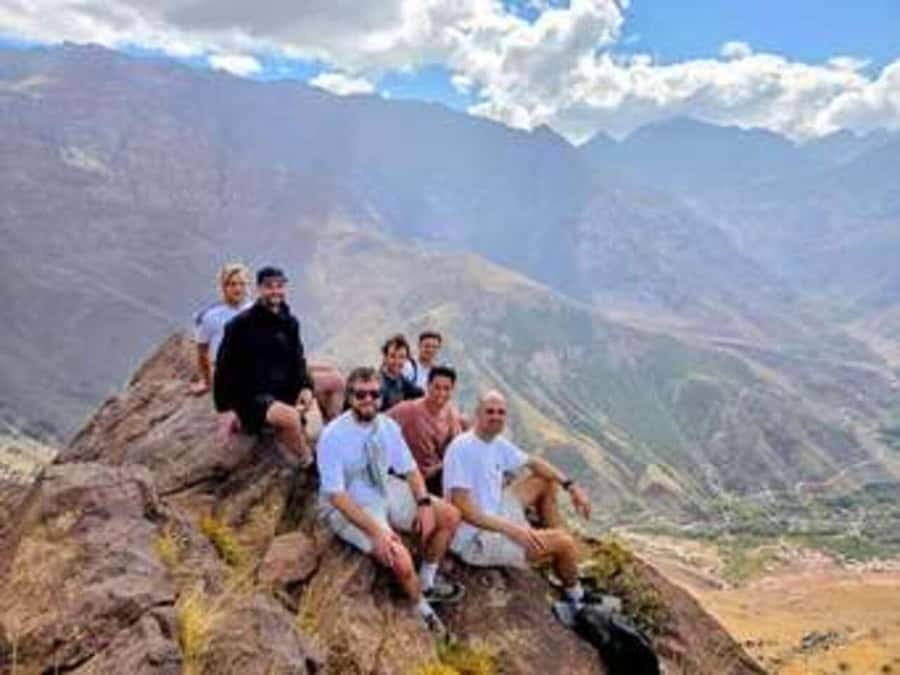
This day trip is built around one simple idea: trade a chunk of city time for mountain time. You’ll be picked up from your hotel in Marrakesh and transferred by air-conditioned van toward the Atlas Mountains. The ride takes about 1.5 hours each way, so you’re not spending the whole day cooped up.
On the way, keep an eye on how the terrain changes. Even before the hiking starts, you’ll see the clues that the High Atlas is serious—steeper ground ahead, more scattered homes, and viewpoints that get broader the higher you go. That makes the first stretch on foot feel less like a surprise and more like the natural next step.
Why this start matters for your comfort
You begin at sea level style conditions in the city, then gradually climb. That helps you avoid the all-at-once shock. When you finally start walking, you’re ready for the pace and the altitude lunch later on.
Tizi n’ Tamatert: your first break and first big views
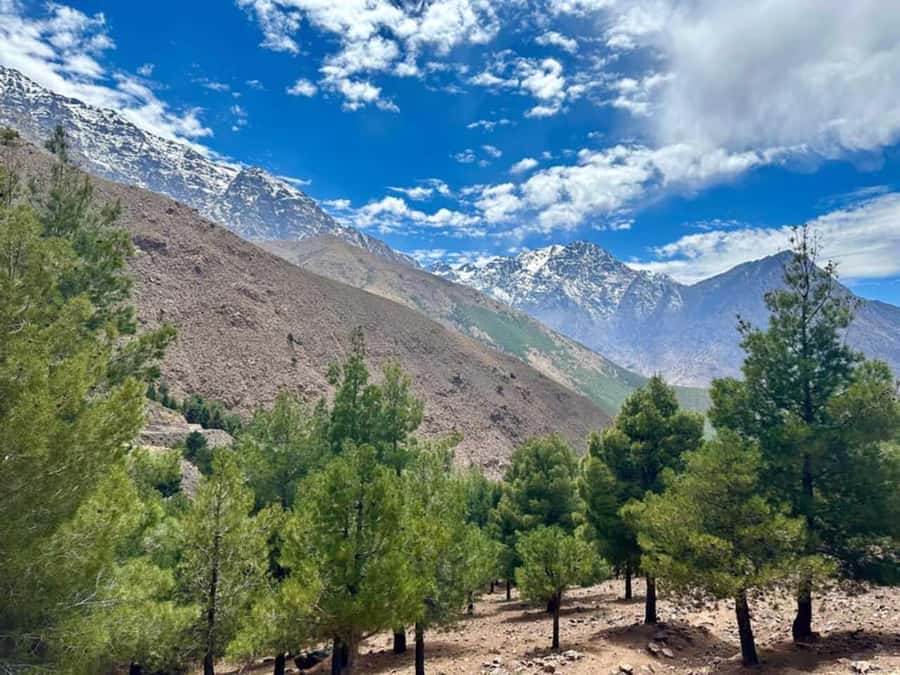
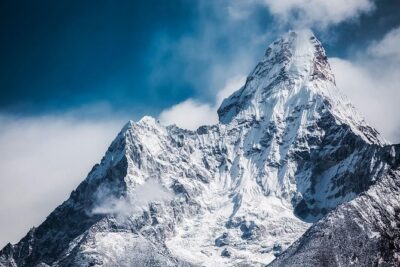
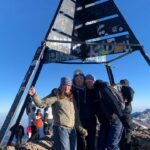
A little after you set out, you’ll stop at Tizi n’ Tamatert for a break and photos (about 20 minutes). This is the kind of stop that does more than stretch your legs. It’s your chance to understand the route you’re about to walk—where the valley opens, where the hills rise, and how the villages are spaced along the mountain edges.
Bring a hat for this part of the day. Sun can hit hard even when the air feels cool. If you’re sensitive to glare, sunglasses help too, because you’ll be looking at bright rock and wide distance views.
Practical tip I’d use here
Use the photo stop to check your gear before the uphill begins. Make sure your water is easy to reach, your sunscreen is on, and your shoes are properly tied.
Guided hiking in the Atlas: pace, guide, and Berber village scenes
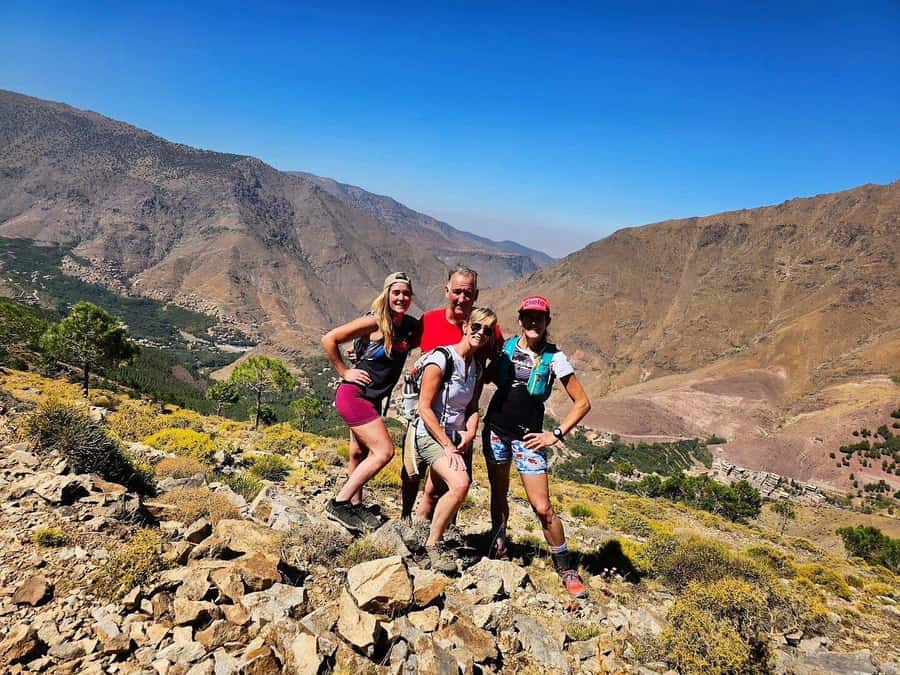
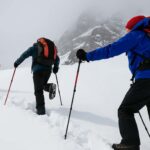
Once you reach the hiking area, the main walking portion kicks off with your live guide and a group stay small enough that you can actually hear instructions. The hike section listed is about 3.5 hours, with time built in for village viewpoints and walking turns that keep the day from feeling like one long grind.
This is not just about reaching a high point. The trail is your classroom. As you walk, you’ll see Berber villages and how homes connect to the mountain paths. Your guide helps you “read” what you’re seeing, not just pass through it.
If you’re lucky with your guide—someone like Abdou appears in recent experiences and is described as both gentle and available—then the trip feels smoother because you’ll get quick answers on the fly instead of feeling rushed.
The mule and the cook: why this matters
You’ll hike with a mule carrying supplies, and a cook who handles your lunch. That changes the whole vibe of the day. You’re hiking for the views and the experience, not for hauling your own heavy pack.
It also means the food part is planned. You’re not gambling on a snack situation at altitude—you’re heading toward a real meal prepared for the group.
The best part: lunch at 2,500m in a Berber house
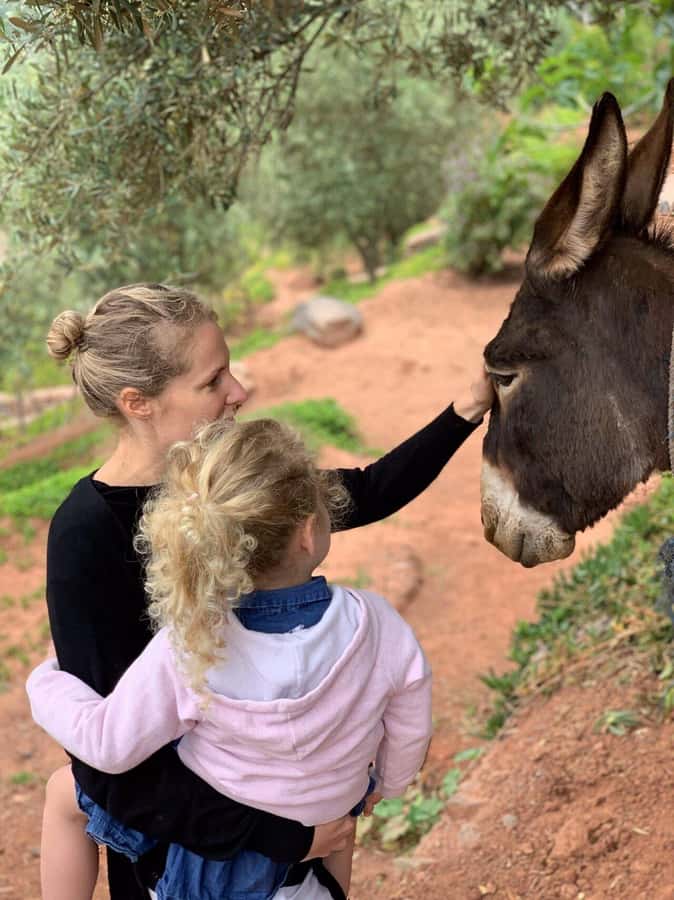
At around midday, you’ll stop for lunch at about 2,500 meters. This is served in a Berber house, and it’s traditional, not a tourist sandwich-style placeholder. You’ll sit with panoramic views of the mountains and valley area, so lunch feels like a reward you can taste and see.
Altitude can make hunger show up fast. After hours of uphill walking, you’ll likely feel ready for something warm and filling. That’s why lunch here works so well: it’s both practical and scenic.
What makes this lunch a value add
Even though the price is low, the day includes the pieces that usually cost extra on mountain tours: a guide, transport, bottled water, and a proper meal at altitude. The mule-and-cook setup also means you don’t have to carry everything yourself.
Imlil tea breaks: a slower window into village life
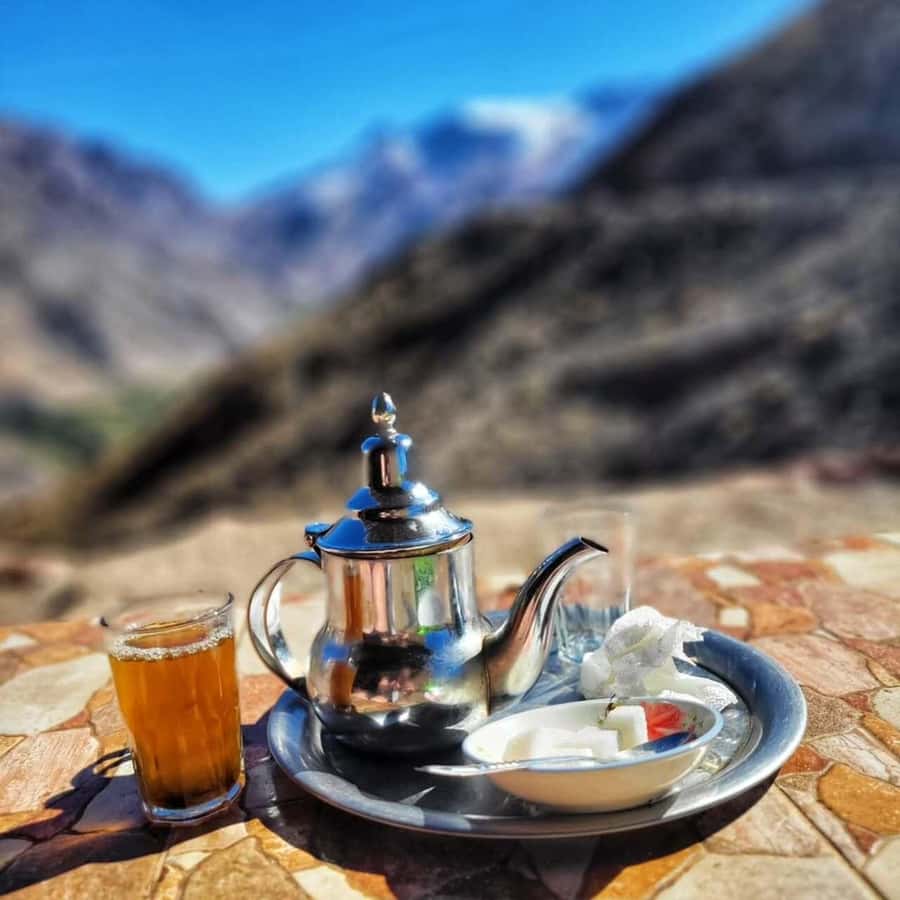
After the main walking stretch, you’ll reach Imlil and get a break with tea and photo time. There’s more than one pause in the Imlil area, including a tea stop and then time for lunch. This is helpful because the day isn’t only uphill effort—it has resets built in so you can breathe, rehydrate, and reset your energy.
Imlil is a practical choice as a base point: you can see how people live in a mountain setting, and you get a feel for the rhythm of the area without needing days of trekking.
Use the tea time well
If you want to learn, tea is your moment. Ask questions about what you’re seeing on the hike and what paths you’re likely to notice on future days. Even short conversations with a guide can turn background scenery into something meaningful.
What the itinerary feels like hour by hour
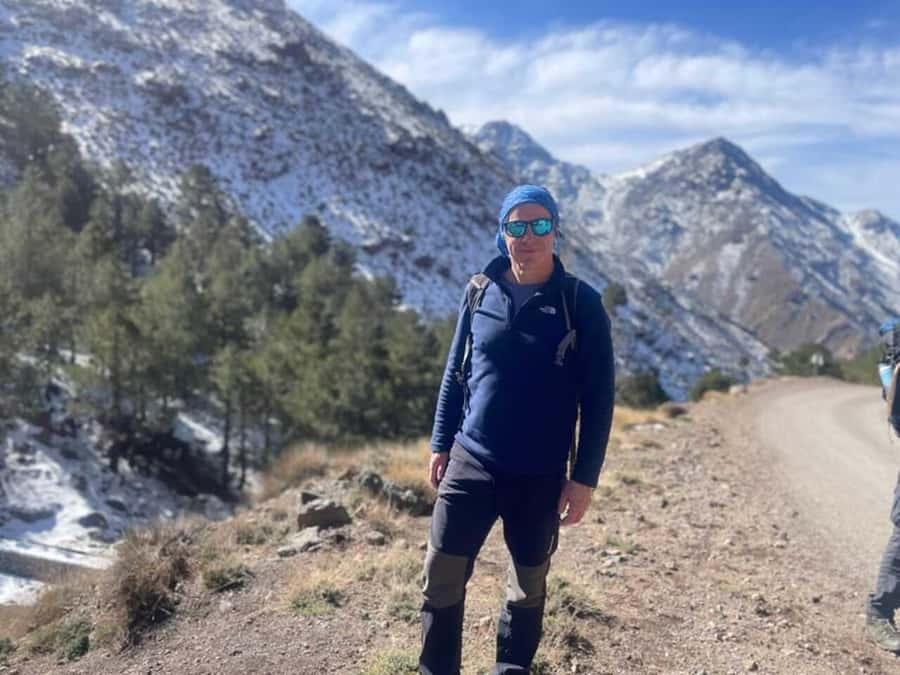
This trip runs about 8 hours total, built around a drive time of roughly 1.5 hours each way and a hiking day on top.
- Pickup in Marrakesh → van ride (about 1.5 hours)
- Tizi n’ Tamatert: break and photo stop (about 20 minutes)
- Guided walking through the Atlas Mountains (around 3.5 hours listed for the walking segment)
- Arrive Imlil: tea + short breaks and photo stops
- Lunch at altitude around 2,500m (about 1.5 hours listed for the lunch period)
- Return by van to Marrakesh (about 1.5 hours)
One more thing to keep in mind: the tour description also frames it as a day hike with about 7 hours of hiking overall. So expect the full experience to feel like a serious day in the mountains, even though the written segment times look broken into pieces.
Fitness reality check: the uphill is the point
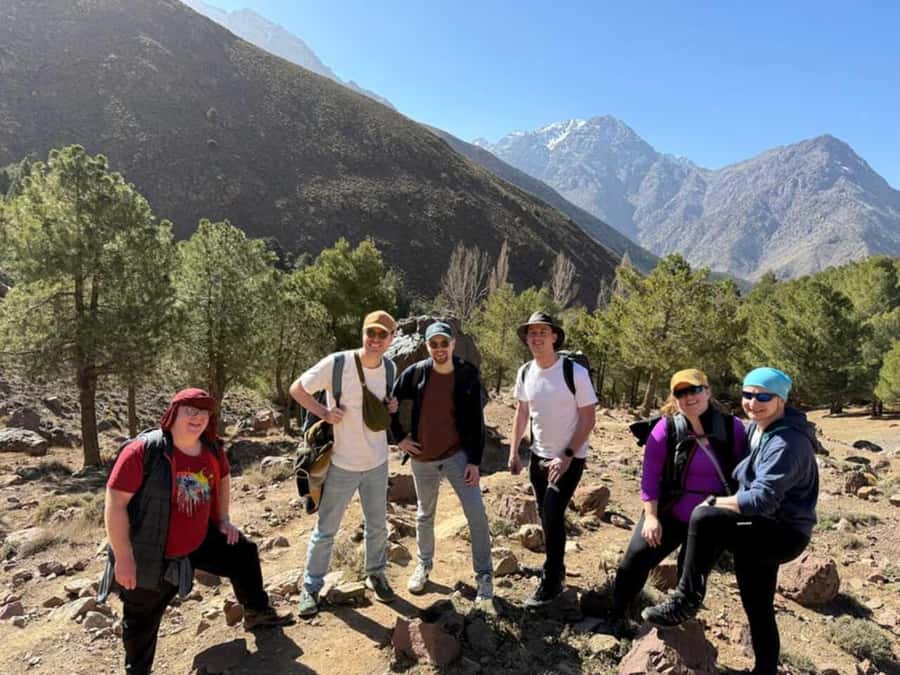
The key line you should not ignore: you need to be able to walk for 3 hours uphill. That’s a strong demand for a day tour, and it’s exactly why this hike is rated highly by people who are fit.
This doesn’t mean you need to be a mountain athlete. But you should be comfortable hiking on uneven ground and able to maintain effort without stopping every two minutes. If your fitness level is low, you’ll feel it.
Also, the tour isn’t suitable for people with back problems, and it’s not aimed at children under 8 or pregnant travelers. If you’re in that category, you’ll likely be better off with a gentler outing.
How to prepare so the day feels enjoyable
Pack layers. Bring warm clothing even if Marrakech feels warm in the morning. Wear comfortable shoes you trust on rocks and dirt. Bring a hat and sunscreen since the sun and glare can sneak up on you. And drink your bottled water steadily rather than waiting until you feel thirsty.
Price and value: what $27 buys you in the High Atlas
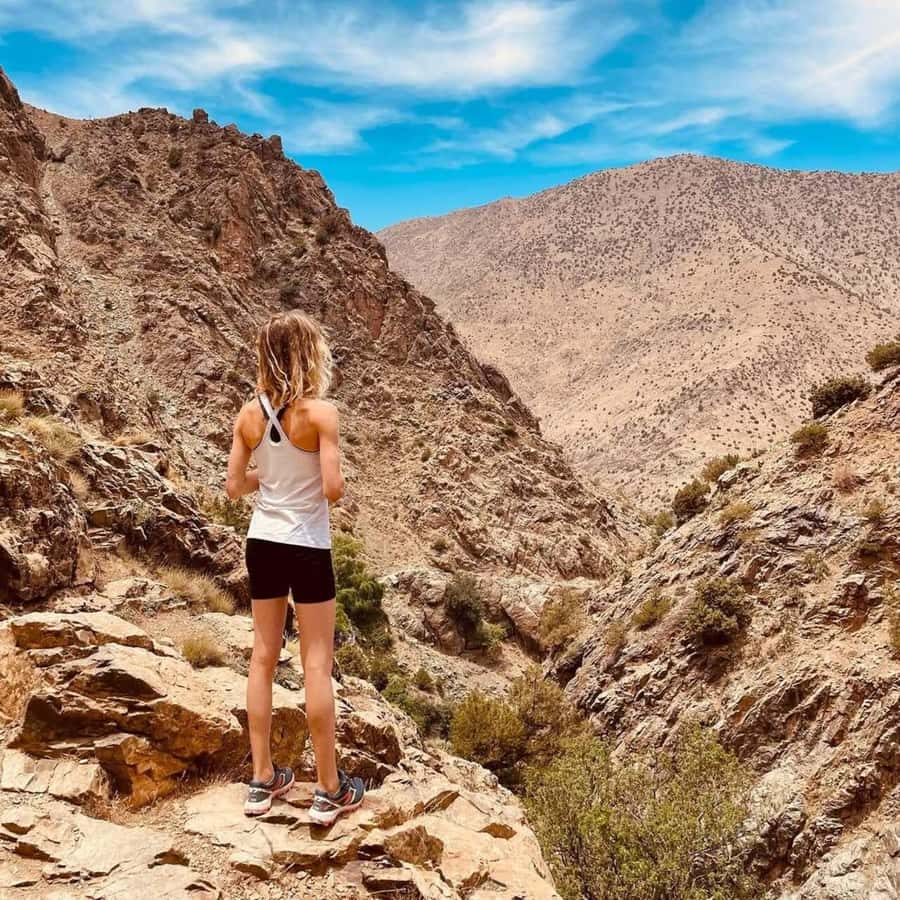
At $27 per person, this is one of those trips that feels like a bargain on paper and then makes sense once you look at what’s included. You’re getting:
- hotel pickup and drop-off in Marrakech
- air-conditioned transport
- an experienced guide
- bottled water
- lunch at 2,500m
- entry connected to the Atlas Mountains guided experience
- a small group with a cap (max 8)
Most day hikes around major tourist routes cost much more once you add transport and a real meal. Here, the price looks low because the tour is built to be efficient and practical—one vehicle, one route, and a planned lunch setup with mule support so everyone stays comfortable enough to enjoy the scenery.
Who should book this trek (and who shouldn’t)
This is best for you if:
- you want a guided mountain day that includes local culture and real food
- you’re comfortable hiking uphill for hours and you don’t mind a workout
- you like small groups and a calmer pace
- you want panoramic views without needing a multi-day trek
You should skip it (or pick a gentler option) if:
- you can’t walk uphill comfortably for 3 hours
- you have back problems
- you’re pregnant
- you’re traveling with kids under 8
Weather matters more than you think
This experience requires good weather. If conditions are poor, the tour can be canceled and you’ll be offered another date or a full refund. Since you’re walking and exposed to mountain conditions, this is smart planning rather than a warning to scare you off.
If you’re flexible, consider building the day hike into a portion of your trip where you can adjust plans. That gives you the best chance of catching clear skies and good visibility from lunch and the viewpoints.
Should you book the Marrakech High Atlas Tedali Summit Guided Day Trek?
If you’re fit enough for a full uphill day, I’d book this. The combination of a real Berber lunch at 2,500m, guided storytelling on the trail, and mule support makes it feel worth your time even if you’re only in Marrakech for a short visit.
I’d only hesitate if you know your stamina is limited or you dislike uphill hiking. For the right traveler, this is one of the more authentic-feeling ways to experience the High Atlas in a single day—without turning it into an exhausting scramble.
FAQ
How long is the Marrakech High Atlas Tedali Summit guided day trek?
The duration is 8 hours, with a mix of van time and a guided hike.
Where does pickup happen for this tour?
Pickup is from your location in Marrakech.
How long is the hike?
The itinerary includes a guided walking segment of about 3.5 hours, and the day is described as a 7-hour hike overall.
Do Imlil and the tea stops happen during the hike?
Yes. You’ll stop in Imlil for breaks that include photo time and tea, and you’ll also have lunch there.
Where is lunch served, and at what altitude?
Lunch is served in a Berber house at around 2,500 meters.
Does the tour include a guide and lunch?
Yes. The tour includes a live guide and lunch, plus bottled water.
What group size is this trek?
It’s a small group experience with a maximum of 8 travelers.
What languages are spoken by the guide?
The live guide offers French, English, and Arabic.
What should I bring for the hike?
Bring comfortable shoes, warm clothing, a hat, hiking shoes, sunscreen, water, and trekking gear.
Who is this tour not suitable for?
It’s not suitable for children under 8, pregnant women, people with back problems, or people with low fitness. You also need to be able to walk uphill for about 3 hours.