REVIEW · KATHMANDU
Helicopter Return Everest Base Camp Trek, KTM-LUKLA & Gorakshep-KTM by Heli
Book on Viator →Operated by Himalaya Holiday service Pvt. Ltd.(HHS) · Bookable on Viator
A route like this turns Everest from a poster into a schedule. This is a 9-day Everest Base Camp trek built around the fast intro from Kathmandu to Lukla, then classic high-altitude walking, plus a helicopter-style return option from the Gorakshep area to Kathmandu. You’ll also get a lot more than footpaths: prayer flags, monasteries, and Sherpa life show up every couple of hours.
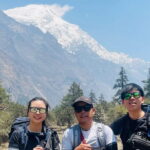
What I like most is the way the trip balances effort with pacing. You start with the famous Lukla jump, slow down for acclimatization in Namche Bazaar and Dingboche, and still reach the big hits like Kala Patthar (5545m) and Everest Base Camp (5364m). The second thing I really value is the human side of the operation—Buddhi’s communication and on-the-ground coordination, plus a mountain guide like Dipak who helps you make sense of what you’re seeing and why it matters.
One consideration: this is expensive, and the helicopter legs are listed as extra add-ons. Also, Lukla flights can be weather-sensitive, so you should expect schedule shuffles and plan to stay flexible.
In This Review
- Key things to know before you go
- Entering the Everest machine: what this trek actually is
- Price and logistics: where your $9,999 is going
- Kathmandu to Lukla: the altitude jump that sets the tone
- Namche Bazaar: where acclimatization stops being a chore
- Tengboche and Dingboche: monasteries, rituals, and cold air
- Lobuche, Gorakshep, and the push to Everest Base Camp
- Kala Patthar and Pheriche: the view tax you pay once
- Back down to Namche and Lukla: how you finish without feeling wrecked
- Helicopter return from Gorakshep: worth it, but confirm your deal
- Teahouse trekking: included breakfasts, real warmth, and smart habits
- What to pack: cold mornings, thin-air gloves, and clean layers
- Who this trek suits (and who should think twice)
- Should you book a helicopter return Everest Base Camp trek with HHS?
- FAQ
- How long is the Everest Base Camp trek?
- Where does the trip start and end?
- What’s the meeting time?
- What permits are included?
- What’s included for meals and lodging?
- Are helicopter flights included in the base price?
- What are the helicopter add-on prices given?
- What are the cancellation rules?
Key things to know before you go
- Acclimatization days are built in: you get a rest day in Namche Bazaar and another in Dingboche, not just a grind upward.
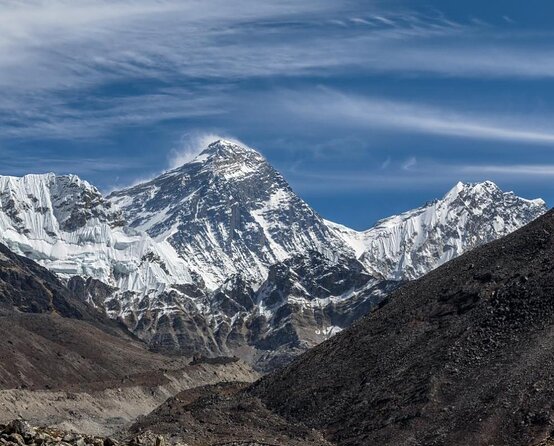
- Kala Patthar is the big viewpoint at 5545m, with views of Everest and surrounding peaks plus glacier scenery.
- Teahouse trekking is part of the package (tea house stays and 9 breakfasts included), which keeps the experience authentic and budget-transparent.
- Helicopter return can save fatigue, but the listed helicopter prices are seasonal add-ons—confirm what your total includes.
- Small group size (maximum 15 travelers) usually means less chaos at the busiest stops.
Entering the Everest machine: what this trek actually is
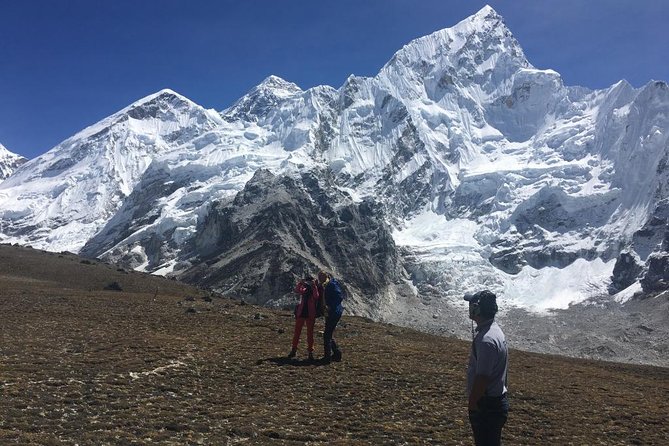
This isn’t a fly-in, snap-photos, fly-out plan. You’ll still walk through the Khumbu region, moving village to village with suspension bridges, prayer flags, and monastery stops that feel woven into daily life. The trekking rhythm matters here: you’ll spend enough time in the middle elevations to let your body adjust, then you push toward Gorakshep and Everest Base Camp.
If you’ve ever wondered what the Everest region feels like outside of summit dreams, you’ll get that here. Namche Bazaar isn’t just a waypoint. It’s a trading town where you can see how Sherpa families run shops, bakeries, and gear businesses for trekkers. And around the monasteries, you’ll notice prayer wheels and chortens that aren’t staged for tourists—they’re used.
At the same time, it’s good to keep your expectations grounded. The trek is designed to fit into about 9 days, so you’re moving on a schedule. You won’t have endless days at base camp. You’ll have the views, the experience, and then you’ll keep going.
You can also read our reviews of more tours and experiences in Kathmandu.
Price and logistics: where your $9,999 is going
Let’s talk value plainly, because this number is eye-catching. Your listed price is $9,999 per person, and included items are fairly specific: trekking guide, entry and trekking permits, tea house in the mountains, and breakfast (9). Lunch and dinner are pay-locally.
So what are you really paying for at this level?
- You’re paying for the planning and staffing that makes the logistics work: guides, permits, and teahouse-based trekking.
- You’re also paying for the convenience of a quick start and a high-altitude route that still fits a tight timeframe.
- And you’re paying for the helicopter option—except the key detail is that helicopter pricing is listed separately.
Here’s the big thing to verify before you commit: the helicopter legs are not listed under included. You’ll see these add-on rates:
- KTM to Lukla by sharing helicopter: USD 400 per person (listed for specific months).
- Gorakshep to KTM by sharing helicopter: USD 999 per person (listed for specific months).
- Private helicopter options are listed too (and priced higher).
If your trip truly includes helicopter legs in the total cost, that can be excellent value because helicopter travel can remove the longest, most exhausting “wasted time” days when flights don’t cooperate. If helicopter is not included, then the true all-in cost climbs quickly. Either way, it’s worth confirming what’s guaranteed in writing.
One more logistics note that matters: the meeting time is 5:45 am. Early mornings are normal in Nepal, but this one signals a structured start.
Kathmandu to Lukla: the altitude jump that sets the tone
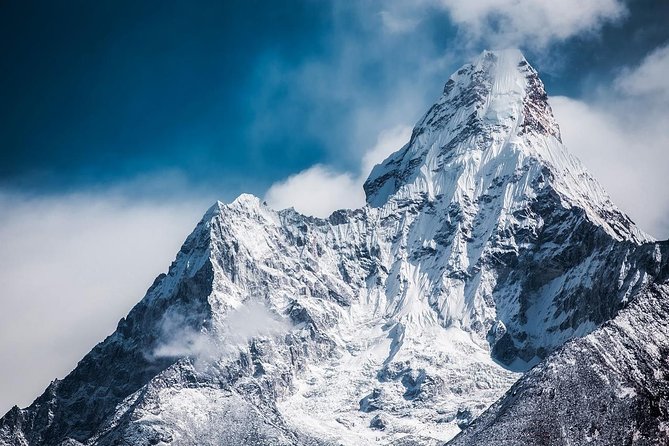
Day 1 is straight arrival in Kathmandu (1350m). Day 2 is the famous flight to Tenzing-Hillary Airport in Lukla (2828m) for a very short trek onward to Phakding (about 2780m). Even if you’re not a speed hiker, the first day’s win is psychological: you’re already in the mountains early, so the rest of the trip feels like it’s progressing.
Why this matters for your body: going from Kathmandu to Lukla is an immediate altitude step. That’s why the itinerary keeps walking days reasonable at the start. Your goal isn’t to “train hard” on Day 2. Your goal is to keep moving, stay warm, hydrate, and let the thin-air feeling settle in.
Phakding is a classic early stop because it’s a proper village base for acclimation. Expect teahouse trekking here: simple rooms, shared dining areas, and warm meals that keep you fueled. Breakfast is included, but plan to buy lunch and dinner locally.
Namche Bazaar: where acclimatization stops being a chore
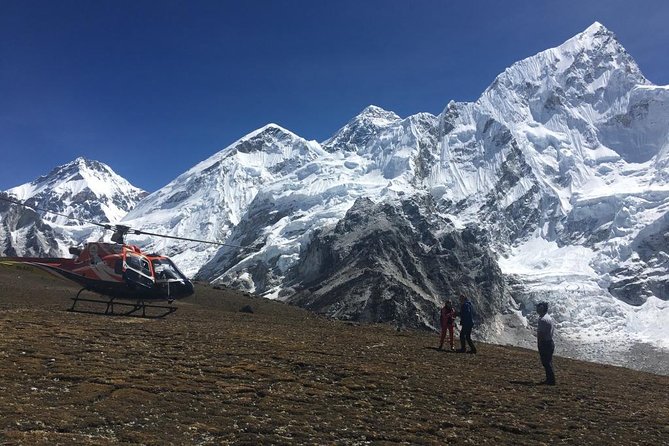
Day 3 brings you to Namche Bazaar (3440m) after a longer walking day. Day 4 is a rest day in Namche. This is one of the best design choices on the whole route.
Namche at 3440m is not “rest day boredom.” It’s a full Himalayan town experience:
- you get a break from elevation gains,
- you still move enough to stay loose,
- and you get to walk among shops and viewpoints that help you understand the Khumbu geography.
This is also the point where the trip starts feeling cultural, not just scenic. You’ll see monasteries nearby, plus everyday Sherpa life—gear repair, trekking supply runs, and local food. When you’ve got time to breathe, these details come into focus fast.
My advice: on the rest day, don’t treat it like a couch day. Take a slow walk and pick a lookout. Then eat well and sleep. Your future self will thank you when the days get steeper.
Tengboche and Dingboche: monasteries, rituals, and cold air
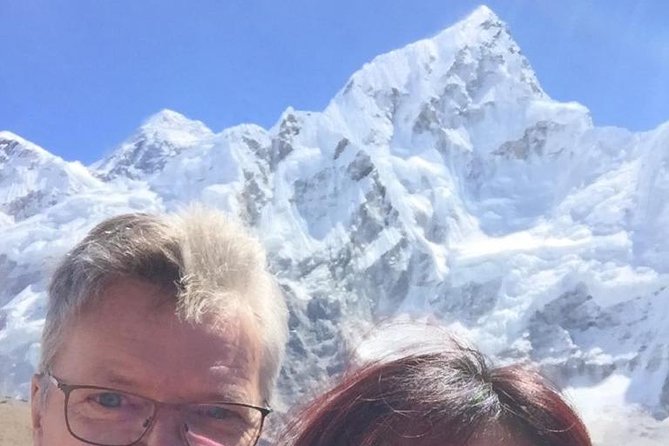
From Namche, Day 5 climbs toward Tengboche (3850m). Day 6 goes higher to Dingboche (4350m), and Day 7 is another rest day in Dingboche.
Tengboche is where many people feel the emotional shift. Monasteries and the sight of prayer flags in wind make the whole Everest region feel alive—like it has a rhythm that existed before trekkers arrived. Even if you’re tired, the air and the views push you to slow down and look around.
Dingboche is a different kind of setting. It’s higher, colder, and more exposed. The rest day matters because you’re climbing into more serious altitude territory. This is also where you’ll likely notice the common pattern of high-altitude trekking: breathing feels workmanlike, your appetite may change, and small pace adjustments make a big difference.
One practical tip: plan your effort so you arrive warm, not sweaty. Keeping your clothes dry at these temps saves you from getting chilled in the teahouse later.
Lobuche, Gorakshep, and the push to Everest Base Camp
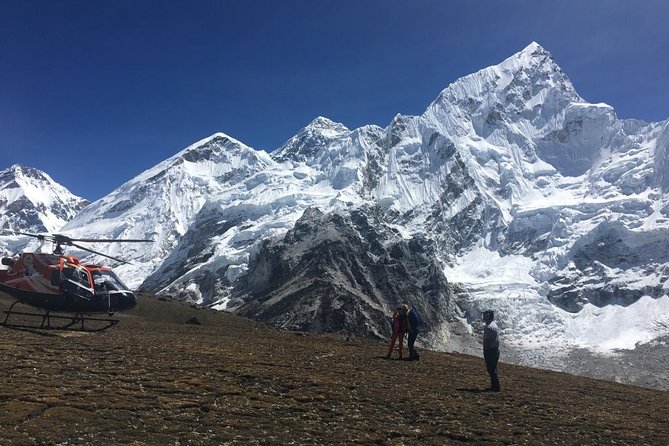
Day 8 hikes to Lobuche (4910m). Day 9 is the key day: trekking to Gorakshep (5180m) and then continuing to Everest Base Camp (5364m), plus more walking back.
This is where the trip shows its meaning. Everest Base Camp isn’t just a landmark—it’s the end-of-the-road feeling for the classic route. At this altitude, you’ll likely notice:
- slower movement,
- wind impacts,
- and cold that gets into your hands if you pause too long.
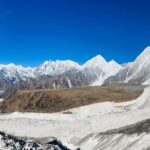
Gorakshep is the hinge point. You’ll typically fuel at the teahouse setting, then go for Base Camp. From Base Camp, you’re looking at the scale of the Khumbu Glacier and the surrounding peaks. The itinerary also aims you at the broader Everest region: Khumbu Icefall and glacier scenery are part of the view package here.
This is also the day to be honest with yourself. If weather is harsh or your body is struggling, pushing blindly is how people end up paying for one bad decision. Slow down early so you don’t get desperate later.
Kala Patthar and Pheriche: the view tax you pay once
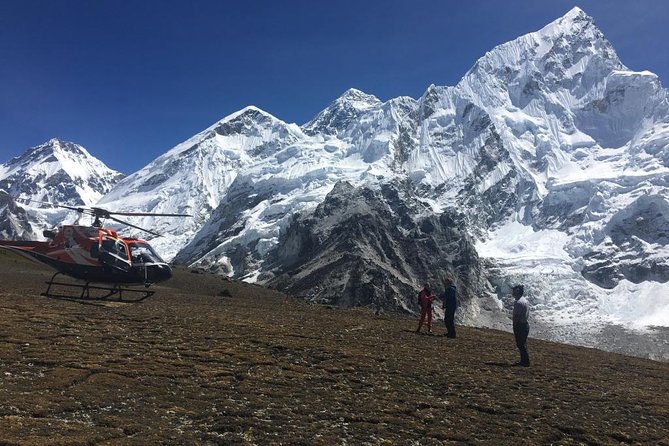
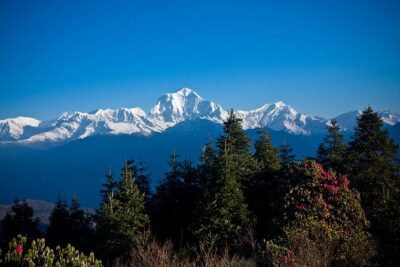
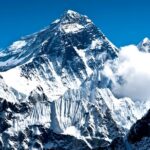
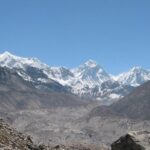
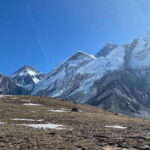
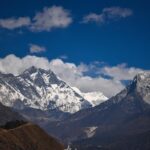
Day 10 is a long highlight: Kala Patthar (5545m) followed by trekking down to Pheriche (4280m). The Kala Patthar segment is famous for a reason—on a clear day, you can see Everest along with Nuptse, Pumori, Lhotse, and Changtse, plus glacier features and avalanche paths in the region.
This is also where timing and temperature matter. At 5545m, cold is not a vibe; it’s a real planning factor. Your clothing list isn’t optional. Bring the warm layers you packed for exactly this.
After Kala Patthar, the descent to Pheriche feels like a relief, but don’t treat it as a free-for-all. Your legs are still dealing with altitude effects, and the walk down can be hard on knees if you rush. Take it steady, keep hydrated, and let your body normalize.
Back down to Namche and Lukla: how you finish without feeling wrecked
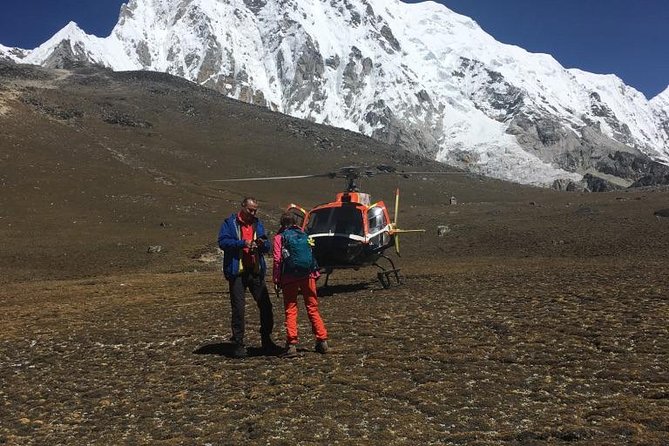
Day 11 returns you to Namche Bazaar (3440m). Day 12 goes back to Lukla (2828m). Day 13 flies back to Kathmandu (1350m), and Day 14 is your final departure.
This “return” phase is underrated. You’ve already reached the peak viewpoint day, so the remaining time feels like you’re traveling through the region again with fresh eyes. You can also take advantage of the teahouse stops to warm up properly.
One more reality check: flight schedules in Lukla can be weather-dependent. Even with careful planning, you might need backup options. In some cases, trips have involved swapping plans and splitting costs for a helicopter when flights don’t line up. That’s not something you can control, but you can reduce stress by keeping flexibility and understanding helicopter alternatives may be part of the solution.
Helicopter return from Gorakshep: worth it, but confirm your deal
This tour is framed as helicopter return from the Gorakshep to Kathmandu area. That can be a huge benefit if the alternative is a long travel day while you’re already tired at altitude.
But here’s the practical part: the helicopter prices are listed as add-ons. Sharing helicopter from Gorakshep to Kathmandu is shown as USD 999 per person in certain months, and private options cost more. That means you should treat helicopter return as:
- an energy saver,
- a schedule saver,
- and a cost-variable depending on your exact package terms.
Also, if you’re paying attention to how smooth things can be, note that pilots have been praised for smooth flights. Still, helicopter travel is not something you should view as guaranteed on demand. Weather and operational timing play a role.
My advice: decide in advance what you’re comfortable paying to reduce risk and fatigue, then confirm what’s guaranteed versus “subject to availability.”
Teahouse trekking: included breakfasts, real warmth, and smart habits
Tea house stays are included, and breakfast (9) is included too. Lunch and dinner are pay locally.
Teahouses are simple by design: small rooms, shared dining spaces, and food that varies by altitude and day. The most important thing you can do is treat the teahouse as your recovery station:
- eat enough breakfast to start strong,
- pace your walk so you arrive able to enjoy dinner,
- and use warm layers to avoid “overnight chill.”
At higher elevations, you’ll likely feel the difference between staying warm immediately and waiting until you’re already cold. When you’re at 5000m-plus, your comfort strategy should be proactive.
What to pack: cold mornings, thin-air gloves, and clean layers
The packing list provided is detailed, and it’s for good reason. At these altitudes, the cold sneaks in. Here’s what I’d treat as non-negotiable from the list:
- Down jacket (listed as a must for staying in a teahouse relaxed under 0C)
- Waterproof Gore-Tex layer
- Sun hat/cap, warm woolen cap, and gloves
- Warm fleece or puffy jacket layers
- Sunglasses (sun is intense at altitude)
- 4-season sleeping bag (optional from the operator, but if you rent/borrow, confirm return)
For footwear, stick to your best walking shoes or trekking boots. The difference between boots you trust and boots you’re breaking in is huge when you’re walking multiple days at altitude.
Also bring a day pack and a reliable water bottle. Hydration helps with altitude coping, and a simple routine makes a big difference.
Who this trek suits (and who should think twice)
This route fits “Most travelers can participate” in the sense that the walking days and acclimatization days are arranged to make it doable for many people. But Everest Base Camp is still high altitude and serious weather can happen at any time.
This is a good match if you:
- want the classic Everest experience with Sherpa culture and teahouses,
- like a guided plan with permits handled,
- and appreciate the value of acclimatization days in Namche and Dingboche.
This is not a good match if you:
- hate cold mornings and tough altitude days,
- want total flexibility without any chance of schedule changes,
- or balk at the cost once you factor in likely helicopter add-ons.
Should you book a helicopter return Everest Base Camp trek with HHS?
If you can afford it and you want the tradeoff—more comfort and less travel stress—the helicopter return concept can be a smart way to protect your energy. The itinerary design also makes sense: you climb, rest, climb, rest again, then hit Everest Base Camp and the Kala Patthar view day.
Before you book, do two things:
- Confirm exactly what parts of the helicopter are included versus add-on priced.
- Make sure you’re comfortable with the idea that Lukla travel can shift, and backup plans may involve helicopter costs.
If that all checks out, this is an excellent way to experience Everest without turning your trip into an endurance-only stunt.
FAQ
How long is the Everest Base Camp trek?
The trip is listed as about 9 days.
Where does the trip start and end?
It starts in Kathmandu and ends back in Kathmandu, with the trek route centered around Lukla and the Everest Base Camp region.
What’s the meeting time?
The meeting/start time is listed as 5:45 am.
What permits are included?
Entry permits and trekking permits are included.
What’s included for meals and lodging?
Tea house accommodations in the mountains are included, and breakfast is included for 9 breakfasts. Lunch and dinner are not included and are paid locally.
Are helicopter flights included in the base price?
Helicopter legs are listed as not included, with separate sharing and private helicopter prices. You should confirm what’s actually included for your dates.
What are the helicopter add-on prices given?
KTM to Lukla by sharing helicopter is listed at USD 400 per person for certain months. Gorakshep to Kathmandu by sharing helicopter is listed at USD 999 per person for certain months. Private helicopter options are also listed.
What are the cancellation rules?
Free cancellation is available up to 24 hours in advance for a full refund. If the experience is canceled due to poor weather, you’ll be offered a different date or a full refund.