REVIEW · HIMACHAL PRADESH AND UTTARAKHAND
Tirath Expedition: Trek to the Tirath Hans Kund & Saketi Top(4280m)
Book on Viator →Operated by Tek Singh- Trek with Tek · Bookable on Viator
The Himalayas do not do subtle. This 9-day Tirath expedition takes you from Gushaini into the Great Himalayan National Park, with camping gear, meals, guides, and even oxygen cylinders handled for you. I especially liked the wildlife-and-mountain focus (thanks to guide Tek Singh) and the fact that you’re not lugging your own tent setup, because porters and cooks run a 1:1 staff ratio. The main thing to consider is that this trek expects solid stamina and prior trekking experience, since the effort is described as moderate to difficult.
You’ll be walking in the same kind of wild country that makes the Great Himalayan National Park a UNESCO World Heritage Site. The hike routes you toward Tirath Hans Kund, tied to local pilgrimage, and then up to Saketi Top at 4,280m, where the views are the payoff. If you go in expecting an easy stroll with lots of comfort breaks, you’ll feel it—altitude climbs and long trekking days are part of the deal.
In This Review
- Quick Hits: What Makes This Trek Worth Your Time
- Entering GHNP from Gushaini: The Trek Starts with Real Wilderness
- Tirath Hans Kund: Where the River Begins and a Pilgrimage Adds Meaning
- Saketi Top at 4,280m: The View Day That Changes the Whole Trek
- How Tek Singh and Eknath Keep the Trek Running (and Keep You Safe)
- Porters and Cooks: The Not-So-Glorious MVPs
- Camp Setup: Dome Tents, Sleeping Bags, Mats, and a Toilet Tent
- Food and Water: More Than Calories, Less Risk
- Wildlife Watching and Mountain Views: Use the Telescope
- Price and Value: Is $359.96 Reasonable for This Setup?
- Who Should Book This Trek (and Who Should Reconsider)
- The Booking-to-Experience Reality: Pickup and Starting Near Public Transport
- Should You Book the Tirath Hans Kund & Saketi Top Trek?
- FAQ
- Where does the trek start and end?
- How high do you reach on the trek?
- Is this trek private?
- What trekking and camping gear is included?
- What meals are included, and what is not?
- Do I need prior trekking experience?
- Can I cancel for a refund?
Quick Hits: What Makes This Trek Worth Your Time
- Private trek for your group inside Great Himalayan National Park, so you’re not sharing the experience with random strangers.
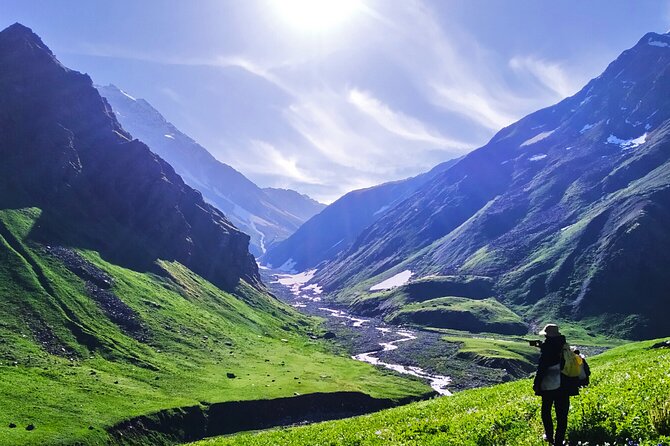
- Saketi Top at 4,280m for a big “earned it” view day.
- Tek Singh and the team bring wildlife knowledge and on-trail planning that keeps you moving safely.
- Staff support with porters and cooks (1:1 ratio), so you can travel lighter.
- Camping and gear are included: dome tents, sleeping bags, mats, pillows, and a toilet tent with toiletries.
- Safety tools included like a water purifier and oxygen cylinders for altitude risk management.
Entering GHNP from Gushaini: The Trek Starts with Real Wilderness
Most treks in the mountains give you a scenic start. This one starts in Gushaini and wastes little time putting you into genuine Himalayan terrain. The route is designed to carry you into untouched wilderness areas of the Great Himalayan National Park (GHNP), a UNESCO World Heritage Site known for its mix of habitats and animal life.
What I like for practical reasons: you’re not building your trip from scratch. The operator includes tents, sleeping gear, meals, and a guide, plus porters to handle your trekking load. That matters when the days are long and your brain would rather conserve energy than manage logistics.
The other practical point is that the trek is private and guided, which usually means pacing and safety decisions can be made on the spot. In this part of India, weather and trail conditions can change fast, and a guided approach is a plus.
You can also read our reviews of more tours and experiences in Himachal Pradesh and Uttarakhand.
Tirath Hans Kund: Where the River Begins and a Pilgrimage Adds Meaning
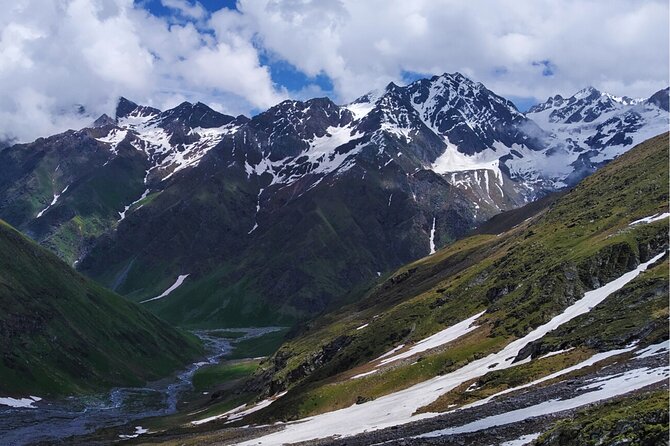
One of the most interesting parts of this trek is that Tirath Hans Kund is not just a scenery stop. It’s described as the origin of the Tirthan River and a pilgrimage site for local communities. That gives the day-to-day walking a little more weight than a pure sightseeing hike.
From a traveler perspective, it changes how you experience the place. Instead of seeing a remote spot as only “pretty,” you understand it as meaningful to people who know the area through tradition and daily life. If you like nature with context—plants, birds, and the rhythm of mountain life—this pilgrimage connection helps you slow down.
This also fits the trek’s character: it’s not framed as a short summit chase. It’s more like a journey into the heart of the GHNP, which is exactly where you want to be if you care about flora, fauna, and quiet observation.
Saketi Top at 4,280m: The View Day That Changes the Whole Trek
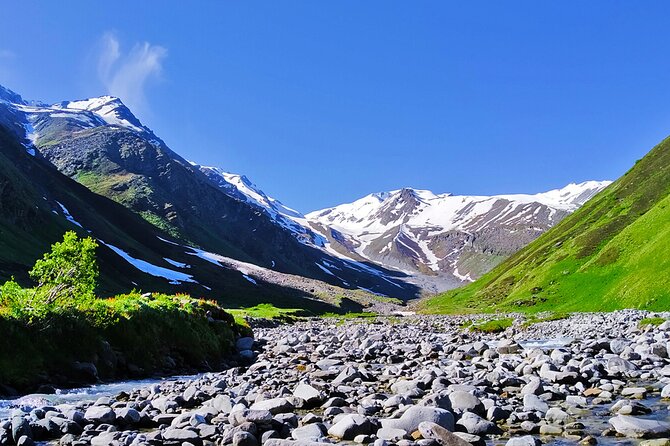
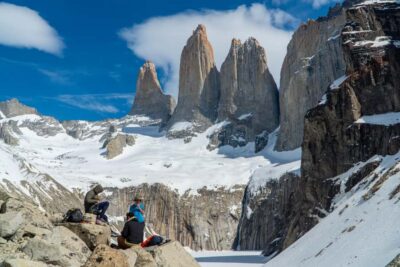
Then comes the high point: Saketi Top at 4,280m. The trek description calls the view from this altitude breathtaking, and that’s the kind of statement you only understand once you’re up there—when your perspective stretches and the air feels thinner.
Why 4,280m matters for you: it’s high enough that pace, rest, and hydration aren’t optional. That’s also why this trek is only recommended for people with good physical fitness and prior trekking experience. If you’ve never trekked in altitude conditions before, you might be surprised at how taxing the climb feels, even when the route is guided.
One detail I appreciate from the included list: oxygen cylinders are part of the package. That doesn’t mean you should ignore altitude realities. It just means the operator is thinking about risk management, which is comforting when you’re not carrying emergency equipment yourself.
How Tek Singh and Eknath Keep the Trek Running (and Keep You Safe)
A trek lives or dies on leadership. The feedback linked to this trek repeatedly highlights the guide team—especially Tek Singh and Eknath—for planning, friendliness, and knowledge.
Tek Singh is described as extremely knowledgeable and focused on safety, with a strong wildlife focus. You’ll also see multiple mentions of food quality connected to the same team. One of the nicest parts of having knowledgeable guides is not just facts—it’s decision-making. When the mountain asks for a slower pace, a good guide makes that call early.
Eknath shows up in the feedback as helpful and supportive, with a strong effort to make the trek memorable. In practical terms, that support often looks like quick answers, calm communication, and help staying on track when your legs are tired and your patience is thin (we’ve all been there).
Porters and Cooks: The Not-So-Glorious MVPs
This is a gear-heavy trek, and the operator makes a big point of the staff ratio: porters and cooks with a 1:1 ratio. That’s not a marketing line you can safely ignore. It’s the difference between hiking with a light pack and hiking with a “why did I do this to myself” pack.
Because porters help carry your gear, you can focus on trekking rhythm instead of shoulder pain. It’s also a more sustainable way to enjoy the route, especially in higher-altitude camping conditions where you want energy for climbing and breathing.
Camp Setup: Dome Tents, Sleeping Bags, Mats, and a Toilet Tent
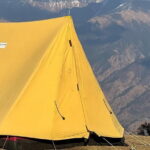
This trek leans toward comfort through preparation. You’re not trying to sleep under the stars with whatever you brought from home. High Mountain Dome Tents (4-man) are provided, along with sleeping bags (including a liner and blanket), sleeping mats, and pillows.
I like that the essentials are included. Many treks list “camping gear included” but leave out the parts that actually make the night tolerable. Here, you get enough bedding support to keep you warmer and less miserable—especially important if nights feel chilly at elevation.
There’s also a toilet tent with toiletries, plus restroom facility and breakfast on arrival. Again, not glamorous, but it turns your whole trip from rugged survival into real hiking.
One more included item that seems small until you need it: power-banks. If you’re using your phone for navigation or photos, that can be a lifesaver, especially when outlets are limited.
Food and Water: More Than Calories, Less Risk
Meals are handled as part of the trek plan. You’re provided breakfast, lunch, high-tea, and dinner on all days, with one important exception: dinner for the last day is not included. For planning, that means you should budget for a final-day meal when the trek ends back at the meeting point.
What I like about this structure is that trekking days become predictable. When food is included, you don’t spend time negotiating snacks mid-day. You eat when the schedule says, hydrate consistently, and keep your energy for the next climb.
Water is treated carefully too. A water purifier is included, and that matters in mountain areas where water sources can look clean but still carry health risks. When the operator provides purification, it’s one less thing for you to figure out.
Wildlife Watching and Mountain Views: Use the Telescope
This trek includes binoculars & a telescope, which is a strong hint about what kind of experience you’re buying. The GHNP is known for flora and fauna, and the trekking approach here is built for observation—not just reaching points on a map.
In the feedback tied to this trek, wildlife sightings show up: people describe spotting animals like a leopard cub and flying squirrels, plus birdlife and general animal activity. You can’t count on any one sighting, of course. But you can count on your guide and the included optics being there to help you look closely and identify what you’re seeing.
This is especially great if you enjoy photography, bird watching, or just standing quietly for a few minutes while the mountain does its thing.
Price and Value: Is $359.96 Reasonable for This Setup?
At $359.96 per person, the price is not a bargain compared with cheap multi-day hikes. But it also isn’t the kind of “pay more for nothing” tourism that doesn’t deliver.
Here’s the value math I’d use if I were deciding:
- You’re paying for guide service, plus porters and cooks with a 1:1 staff ratio.
- You’re getting tents, sleeping bags, mats, pillows, and a toilet tent, plus a water purifier.
- You’re getting binoculars and a telescope, and even oxygen cylinders.
- Meals are largely covered (with the one noted exception of the last day’s dinner).
When you add those, the price starts making sense. You’re not just paying for trail access; you’re paying for a full supported expedition style trek where someone else handles the heavy lifting and most camp logistics.
If you can already hike independently at altitude with your own gear and you want to keep costs low, you might find cheaper DIY options. But if you want a guided, well-supported experience in GHNP with camp comforts and safety tools included, this price looks fair.
Who Should Book This Trek (and Who Should Reconsider)
This trek requires strong physical fitness and prior trekking experience, and the effort is described as moderate to difficult. If you’ve done only casual walking tours, you might want to build experience first.
It’s a great fit if:
- You want a guided trek in GHNP and don’t want to manage camping logistics.
- You care about wildlife viewing, plants, and mountain understanding, not just a checklist hike.
- You’re okay with camping nights and want the reward of Saketi Top at 4,280m.
It’s a tougher fit if:
- You dislike altitude climbs or have not handled elevation before.
- You expect lots of comfort amenities beyond what’s included (dome tents, bedding, purifier, and toiletries do help, but this is still a mountain trek).
Also note this is private. If you’re traveling with friends and want to keep the group small and controlled, private format is usually worth it.
The Booking-to-Experience Reality: Pickup and Starting Near Public Transport
Pickup is offered, which helps reduce the stress of getting to the start area. The meeting point is Gushaini, and the trek notes that it’s near public transportation, so you should have workable options to reach the area.
The experience ends back at the meeting point, which keeps the logistics simpler than treks that end far away and require another travel day.
If you’re the type who likes to keep plans tidy, this format helps.
Should You Book the Tirath Hans Kund & Saketi Top Trek?
If you want a supported trek in a UNESCO World Heritage park and you’re ready for a real climb, I think you should strongly consider booking. The combination of Saketi Top at 4,280m, the pilgrimage connection at Tirath Hans Kund, and the fact that your gear, meals, and safety tools are included makes this a smart way to experience GHNP without turning the trip into a logistics project.
My only caution is straightforward: respect the fitness requirement. This isn’t designed for first-time altitude hikers or people hoping for an easy walk. If you train a bit beforehand, pack smart, and go in with a steady pace mindset, you’ll likely come away with mountain memories that feel earned.
FAQ
Where does the trek start and end?
The trek starts in Gushaini, Himachal Pradesh 175123, India and ends back at the same meeting point.
How high do you reach on the trek?
The trek includes a climb to Saketi Top at 4,280m (ASL).
Is this trek private?
Yes. It is listed as a private tour/activity, so only your group participates.
What trekking and camping gear is included?
Included items include 4-man high mountain dome tents, sleeping bags (with liner & blanket), sleeping mat and pillow, a toilet tent with toiletries, and other necessary trekking and camping equipment. A water purifier, oxygen cylinders, and power-banks are also included.
What meals are included, and what is not?
Meals include breakfast, lunch, high-tea, and dinner on all days, but dinner for the last day of the trek is not included.
Do I need prior trekking experience?
Yes. The trek notes that you should have strong physical fitness and prior trekking experience.
Can I cancel for a refund?
The experience offers free cancellation. You can cancel up to 24 hours in advance for a full refund, and changes made less than 24 hours before the start time are not accepted.