REVIEW · HIMACHAL PRADESH AND UTTARAKHAND
7-Day Kuari Pass Trek
Book on Viator →Operated by Mapping The Himalayas · Bookable on Viator
Kuari Pass is a serious view machine. This 7-day trek in Himachal Pradesh and Uttarakhand walks along the outer wall of the Nanda Devi Sanctuary and rises to Kuari Pass at 4265m, with big peak sightings like Nanda Devi, Hathi Ghodi, and Dronagiri. I especially like how the route mixes high-country scenery with village life and river crossings, so you’re not only staring uphill the whole time.
Two things I’d put at the top: the included trek gear and meals, and the way the itinerary builds toward the main pass moment with early mornings and changing terrain. From tents, sleeping bags, trekking poles, and head torches to breakfast and lunch on trekking days, the setup is designed for real comfort on hard days. The other big plus is the human side of the experience—people associated with the trek are known for hospitality and a calm, caring vibe.
One consideration: you’ll need a moderate fitness baseline and good balance, because parts of the trail get steep and loose (especially a moraine descent where poles are required). If you’re not steady on your feet, this is the trek where that matters.
In This Review
- Key points to know before you go
- Day 1: Ghat drive-in through Garhwal confluences
- Day 2: Selu Bagar jeep to ridges, Vinayak Pass, and Jhinjhi
- Day 3: Birahi Ganga suspension bridge and the climb to Pana
- Day 4: Sartoli meadow camp, Kuari views, and steep loose moraine
- Day 5: Early hike to Kuari Pass and the Dronagiri angle
- Day 6: Narrow ridge to Gorson meadows, then Auli and Joshimath
- Day 7: Drive to Rishikesh with Rudraprayag river meeting views
- What’s included: gear, tents, and meals that reduce stress
- Price and value: why $1,188.21 can make sense here
- Pace, fitness, and safety: where the trek gets real
- Who should choose Kuari Pass (and who should rethink it)
- Should you book this Kuari Pass Trek with Mapping The Himalayas?
- FAQ
- Where is the Kuari Pass Trek located?
- How many days is the trek?
- What altitude does the trek reach?
- Is pickup included?
- Does the price include trekking gear and camping setup?
- Are meals included?
- Is private transportation included?
- Is travel insurance included?
- What fitness level do you need?
- What happens if poor weather cancels the trek?
Key points to know before you go
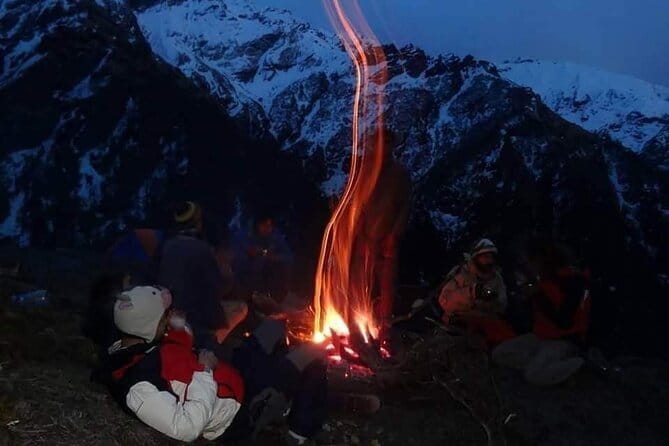
- Kuari Pass at altitude (4265m): expect cold air and big-scope views when conditions line up.
- Rhododendron forests + meadows: the trail keeps changing, from green tunnels to open pasture views.
- Suspension bridge over Birahi Ganga: a memorable, real river-crossing moment on Day 3.
- Steep loose-moraine section on Day 4: trekking poles aren’t optional there.
- Early Day 5 start for pass views: you’ll hike when the light is best.
- Private group experience: only your group participates, with pickup and private transportation included.
Day 1: Ghat drive-in through Garhwal confluences
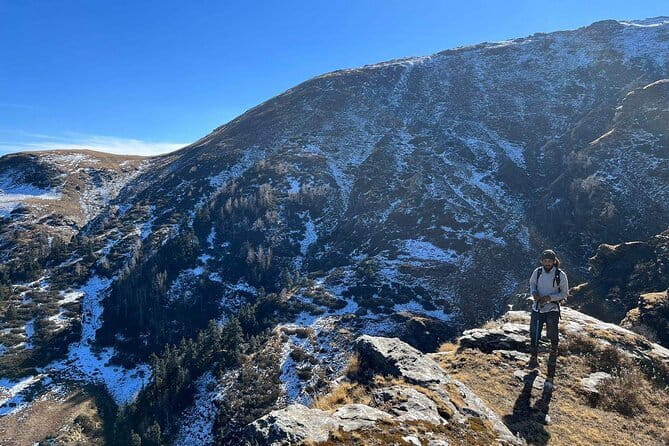
Day 1 starts with a drive to Ghat after breakfast. The route threads through Devprayag, Rudraprayag, Karnprayag, and Nandprayag—famous confluence points in Garhwal where rivers meet and the scenery shifts fast.
Ghat itself is not a tourist resort. It’s described as a sizable village with schools, government offices, and a market that serves nearby settlements. That matters because your trek doesn’t feel staged. You’re stepping into the local rhythm early.
You can also read our reviews of more tours and experiences in Himachal Pradesh and Uttarakhand.
Day 2: Selu Bagar jeep to ridges, Vinayak Pass, and Jhinjhi
Day 2 begins with a village trek from Selu Bagar. There are a few small shacks for basics along the way, which gives the day a grounded feel rather than a purely wilderness vibe.
You’ll board a typical village jeep to reach the area where ponies and porters join the route. Then the trail climbs toward a ridge with wide views of Ramni and Ghunni villages, followed by an open meadow with views toward Nanda Ghunti and Chaukhamba peaks. This is one of those days where you’ll want to slow down and take photos, because the viewpoints arrive before you’re too tired.
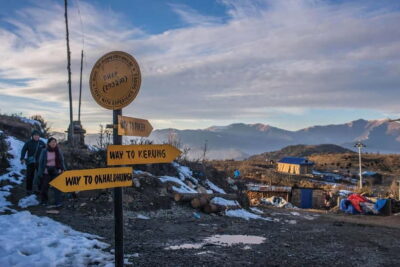
After that ridge, you move through rhododendron forests, pasture grasslands, and nomadic-style huts. The hike continues toward Vinayak Pass, marked by a Ganesha temple and prayer flags. The descent to Sem Kharak and down to the village of Jhinjhi finishes the day with color and community energy.
Day 3: Birahi Ganga suspension bridge and the climb to Pana
Day 3 starts with the trail moving through Jhinjhi and down toward the valley floor. You’ll eventually reach a high suspension bridge over river Birahi Ganga, and that crossing is one of the most striking “you’re really in the mountains” moments on the trek.
Once you cross, you get to the true right of the valley and start climbing steeply. The route uses zigzags, then introduces false summits before reaching a ridge. You may feel like you’re almost there, then the path keeps going—but the nearby settlements and Himalayan peaks visible from this stage make the grind feel worth it.
From the ridge, the trail becomes more gradual and runs through rhododendron forest. You pass Kaliagad and reach the settlement at Pana, with a final shorter ascent (less than a kilometer) to the campsite above the village. In other words: Day 3 gives you a classic “push up, settle in, admire from camp” pattern.
Day 4: Sartoli meadow camp, Kuari views, and steep loose moraine
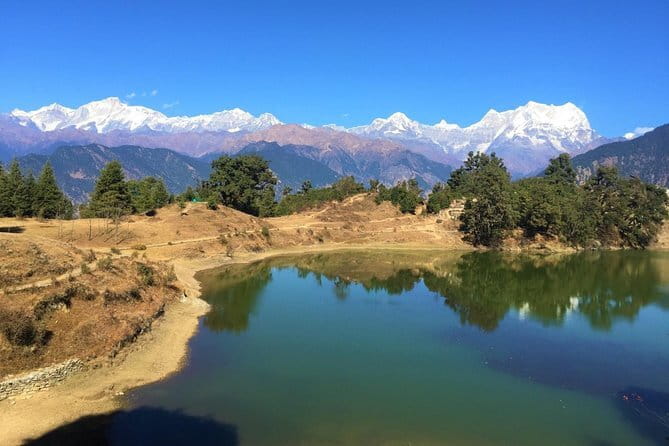
Day 4 begins above the campsite on a trail that’s distinctive, moving through rhododendrons with a couple of fall summits along the way. You head toward a ridge, then the day eases into a gradual walk through forest until you reach the open meadow of Sartoli.
Sartoli is both a campsite and pasture land for sheep and cattle. That simple detail is part of why it feels authentic. Kuari Pass dominates the horizon here, so this is a great day for planning your effort. If you’re smart, you’ll pace yourself on this section because later you’ll need legs for the steeper part.
At first, you descend gradually for a few kilometers from Sartoli. Then comes the part that makes trekking poles important: the final descent to a side stream is steep with loose moraine. You’re required to use trekking poles for this stretch, and I agree with that approach—this is where stability helps more than courage.
After crossing the side stream, you start a steep ascent with switchbacks to reach the ridge top. It’s demanding, but the payoff is clear: you’re positioning yourself for the big Kuari moment.
Day 5: Early hike to Kuari Pass and the Dronagiri angle
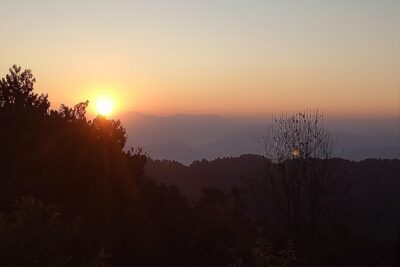
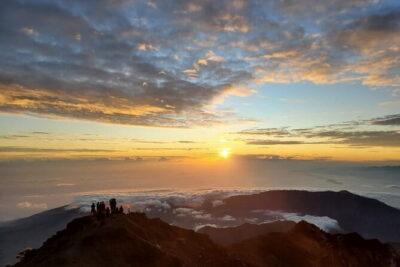
Day 5 is built around an early start. The idea is simple: when you reach the pass area, you’ll get magnificent views, and you’ll have time to take photos without rushing.
From Dhakwani, the trail climbs through forest until you cross the tree line. After that, you traverse under the pass area and move along switchbacks straight toward Kuari Pass. This under-the-pass trekking feel is a nice contrast to the earlier valley walking, because your perspective changes as the terrain opens.
At Kuari Pass itself, you spend time relaxing and photographing. Then the route slightly ascends to a hump, where there’s an excellent view of Dronagiri Peak. That Dronagiri sightline is one of the high points of the day and gives you a reason to look beyond the main pass plateau.
After the hump, you descend to a bifurcation for Tapovan & Tali. The route continues to Tali, reaching a ridge area where a temple is part of the setting. It’s a good “end of the day, slow down and absorb” location before you tackle the final walking day.
Day 6: Narrow ridge to Gorson meadows, then Auli and Joshimath
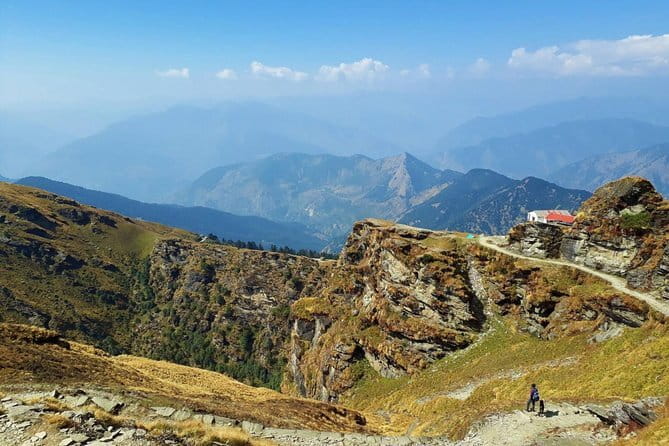
Day 6 is described as a morning at ease, but don’t treat that as a free day. From Tali, you climb gradually across a mountain ridge where the path is narrow and requires careful footing.
You reach Gorson meadows, and this is where the trek shifts into wide-open horizon mode. From here, it’s all Himalayas around you, with Nanda Devi dominating among the peaks mentioned. Crossing Gorson Meadow is described as fun, and that tracks: after days of forest and climbs, open space gives your mind a break.
Then the trek transitions out of high terrain. From a distance, you can see man-made concrete structures marking the village of Auli. You also say goodbye to the ponies and porters, which signals that your main trekking work is done.
You board a jeep for the 13 km drive to Joshimath. Joshimath is framed as a busy marketplace town and a supply hub for nearby villages. That’s practical: you end your long walking chapter with access to normal life again.
Day 7: Drive to Rishikesh with Rudraprayag river meeting views
Day 7 is travel time with one major cultural/nature stop. You drive early to Rishikesh, and on the way you visit Rudraprayag, where rivers Mandakini and Alaknanda meet.
You’ll have lunch en route, then arrive in Rishikesh by evening. If you like ending a trek with a real city feel, Rishikesh is a good choice because it’s active and full of movement right after days of footstep rhythm.
What’s included: gear, tents, and meals that reduce stress
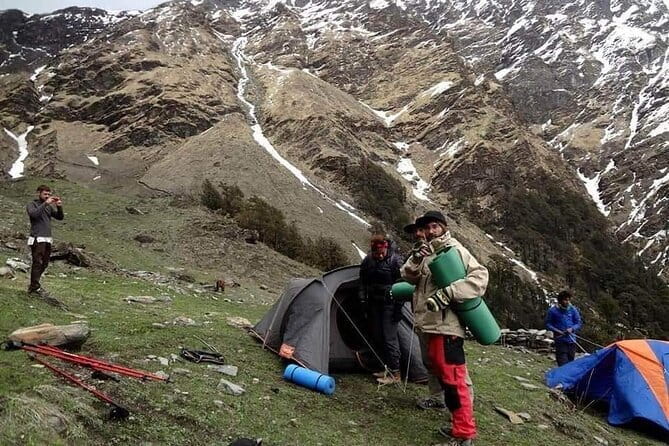
This trek includes private transportation, all fees and taxes, and a solid camping setup: trekking tents, sleeping bags, trekking poles, and a head torch. That matters because it removes the common “what if I forgot something?” anxiety that can turn a mountain trip into a last-minute scramble.
Meals are also included: breakfast (7), lunch (7), and dinner (6). In practical terms, that usually means you can focus on walking and staying warm rather than rationing money or hunting food in remote villages.
Also noted: mobile ticket and pickup are included. And there’s an option for service animals, plus the location is near public transportation. Those details are helpful for planning, especially if you’re traveling with a partner or small group.
Price and value: why $1,188.21 can make sense here
At $1,188.21 per person for a 7-day trek, you’re paying for more than walking views. You’re getting private transport, camping gear (including poles and head torch), and nearly all meals through the trek.
Value here comes from labor and logistics. Multi-day trekking in this region depends on tents, carrying systems, guides and support, and feeding people in remote areas. Including those pieces in the price helps you compare fairly against the cost of buying or renting gear plus paying for separate transfers.
If you’re budget-minded, the key comparison is this: you’re not just paying for a route. You’re paying for the practical running of a trekking operation—equipment, food, and transportation—so you can show up and move.
The main cost gap to note: insurance is not included. For a high-altitude trek, that’s not a minor detail. You’ll want your own coverage.
Pace, fitness, and safety: where the trek gets real
The trek asks for moderate physical fitness. That doesn’t mean it’s casual; it means the program is designed for people who can hike uphill and handle some steep sections without being a hardcore athlete.
The itinerary shows where the work lives:
- Day 3 includes steep climbing with zigzags and false summits before reaching a ridge.
- Day 4 has a steep loose moraine descent where you’re required to use trekking poles.
- Day 6 includes a narrow ridge walk where cautious steps matter.
On safety, the information you have points to an experienced team approach. You’re also given trekking poles and head torches, which are basic but important tools in the mountains.
My practical advice: train for steady uphill hiking, practice using poles if you haven’t, and don’t underestimate balance on narrow and loose sections. This trek rewards calm, consistent effort.
Who should choose Kuari Pass (and who should rethink it)
This is a great fit if you want a high-altitude pass experience without skipping the village texture. The route mixes rhododendron forests, meadows like Gorson and Sartoli, river crossings, and temple pass markers. If you like variety in a trek, you’ll probably enjoy this.
It also suits travelers who want support handled for them—gear is included and the group experience is private. And if you like meeting people along the way, villages like Jhinjhi and the stop towns provide that human layer.
You might rethink if you’re uncomfortable with steep, loose terrain or if you struggle with narrow ridge footing. The trekking-pole requirement on Day 4 is a clue: this route is scenic, but it’s not a flat hike.
Should you book this Kuari Pass Trek with Mapping The Himalayas?
If your idea of a dream trip includes big Himalayan views plus real village moments, this trek makes sense. The included gear and meals reduce day-to-day stress, and the itinerary is structured so you’re not rushing the best sight points—especially with early timing around Kuari Pass.
I’d book if you can handle moderate fitness and you’re okay with a couple of physically intense segments. I’d hesitate if narrow paths and loose steep slopes make you anxious.
FAQ
Where is the Kuari Pass Trek located?
The trek is in Himachal Pradesh and Uttarakhand, India, and it takes place around the Garhwal trekking Himalaya region in Chamoli District.
How many days is the trek?
It’s listed as a 7-day trek (approx.).
What altitude does the trek reach?
The Kuari Pass Trek is described at an altitude of 4265m.
Is pickup included?
Yes, pickup is offered.
Does the price include trekking gear and camping setup?
Yes. Trekking tents, sleeping bags, trekking poles, and a head torch are included.
Are meals included?
Yes. Breakfast is included for 7 days, lunch for 7 days, and dinner for 6 days.
Is private transportation included?
Yes, private transportation is included.
Is travel insurance included?
No. Any type of insurance is not included.
What fitness level do you need?
The tour notes that you should have a moderate physical fitness level.
What happens if poor weather cancels the trek?
The experience requires good weather. If it’s canceled due to poor weather, you’ll be offered a different date or a full refund.