REVIEW · KATHMANDU
4 Days Pikey Peak Trek : The Best View of Mt Everest
Book on GetYourGuide →Operated by Alpinist Club · Bookable on GetYourGuide
A sunrise over Everest feels close here. This 4-day Pikey Peak trek puts you in the Lower Khumbu for big views, peaceful trails, and Everest sunrise from Pikey Peak plus Lower Khumbu Sherpa village life. The main trade-off is the long drive out and back—expect a lot of road time before the hiking starts.
If you want Himalayan scenery without committing to a long trek, this one is built for your schedule. You’ll walk through alpine meadows, rhododendron forests, and Buddhist-monastery country while keeping the altitude at a manageable level. Still, it’s not a casual stroll: you’ll be at up to 4,065m, so you’ll want to move steady and take altitude seriously.
In This Review
- Key things I’d clock before you go
- Getting to Lower Khumbu: the Kathmandu–Dhap–Kathmandu rhythm
- Day 1: Sunkoshi River to Jhapre lodge in Kerung country
- Day 2: Pikey Base Camp at 3,640m for quiet Himalayan prep
- Day 3: Sunrise and the Pikey Peak viewpoint (Everest, Dhaulagiri, Kanchenjunga)
- Day 4 back to Dhap and into Kathmandu
- The guides and small group size that make it feel personal
- Price and value: what’s included in your $350 (and what you’ll pay extra)
- Trail and altitude: rhododendron forests, meadows, and 4,065m safety
- Lodges, food, and practicalities (cash, power, showers, and network)
- Cash and charging
- Water safety
- Your must-pack list (the practical version)
- Who this 4-day Pikey Peak trek suits best
- Should you book this 4-day Pikey Peak Trek for Everest views?
- FAQ
- Where does the Pikey Peak trek take place?
- How long is the trek?
- What’s the highest point on the trek?
- How many people are in the group?
- What is included in the $350 price?
- Are meals included?
- Is a porter included?
- Are hot showers available?
- What should I bring for the altitude and conditions?
- Is the trek suitable for pregnant women?
Key things I’d clock before you go
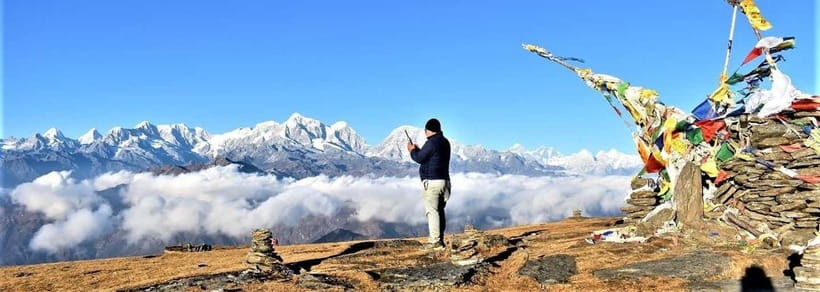
- Sunrise from Pikey Peak: the whole reason many people do this trek, and it’s one of the best payoff-to-effort moments.
- Lower Khumbu is quieter: ridgelines, stupas, and villages feel more local than mass-trek crowded.
- Scenery stretch across the Himalaya: from Kanchenjunga in the east to Dhaulagiri in the west, with Everest often in view.
- Simple lodge comfort: cozy teahouses with breakfast included, plus the option of hot showers in some places (extra cost).
- Small group, English guide: limited to 8 participants, so questions and pacing actually matter on the trail.
- Moderate altitude, real responsibility: mild AMS can happen even at “easy” heights, so hydration and slow walking aren’t optional.
Getting to Lower Khumbu: the Kathmandu–Dhap–Kathmandu rhythm
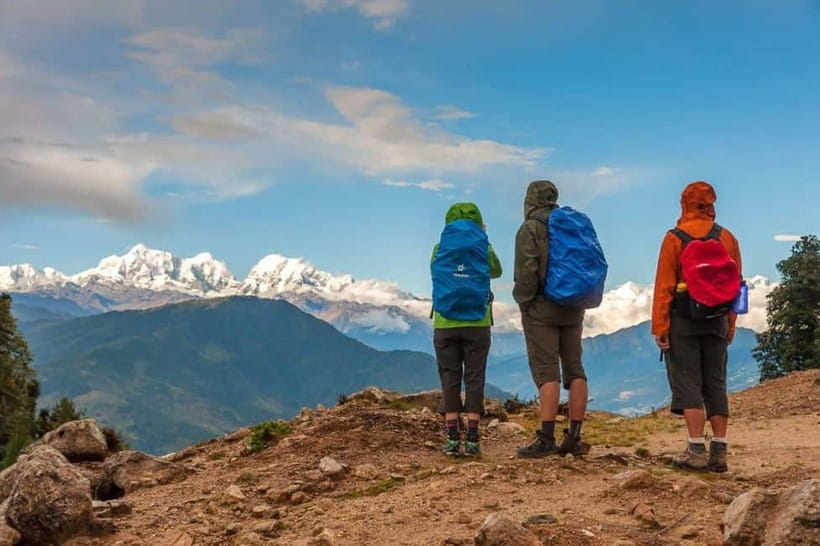
This trek is short on paper—4 days—but the experience starts earlier, with a big chunk of time in a jeep or van. You’ll be picked up in Thamel, then transferred toward Dhap (the drive is listed as about 7–9 hours, and your itinerary also notes 8 hours). Expect this to feel long. Plan to be patient. Read, sleep if you can, and treat it like part of the adventure. Nepal road time is real time.
Why I think that road time matters: it changes how the trek feels. By the time you step onto the trail, you’re primed for walking—not just bouncing from city to city. And once you’re hiking, you’re not constantly switching gears between transportation and trekking.
Also, this trek runs as a private jeep/van from Kathmandu to Dhap and back, which helps you avoid the worst “who knows when the bus leaves” stress. You still have a long ride. You just have a ride that’s arranged for you.
You can also read our reviews of more tours and experiences in Kathmandu.
Day 1: Sunkoshi River to Jhapre lodge in Kerung country
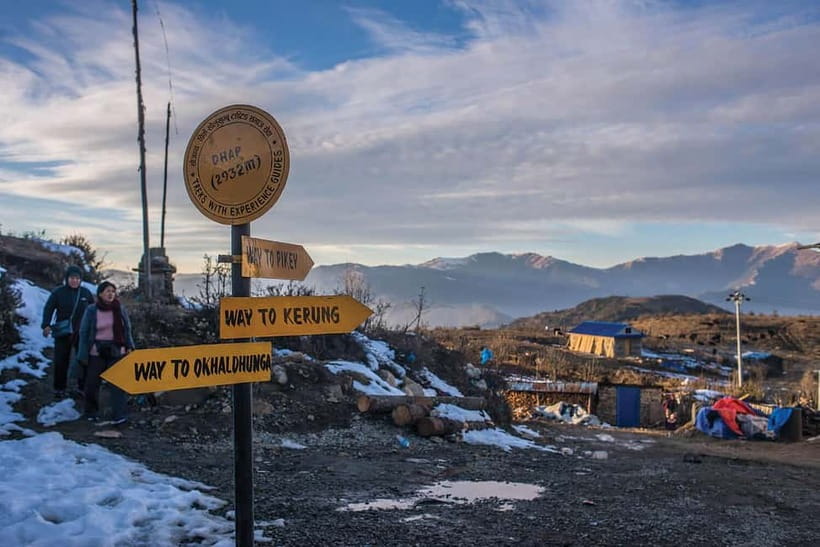
Day 1 is your entry day. First comes the scenic drive from Kathmandu toward Dhap Bazar, following the corridor of the Sunkoshi River. Along the way, you pass terraced rice fields, forested stretches, and the everyday Nepal you don’t always see when people focus only on the big trekking routes.
Once you reach Dhap Bazar, you start walking. The itinerary has about 2 hours of walking before you reach Jhapre (2,820m) for the night. That early walking is a nice on-ramp. You’re not climbing steeply right away, but your legs are awake, your breathing finds a rhythm, and you get your first taste of the mountain-region pace.
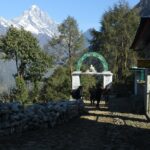
A highlight on this day is the stop in Kerung, described as a Tibetan-influenced village. You’ll also get to explore traditional Buddhist monasteries tucked into the landscape, and there’s mention of wild orchids adding color to the route. Even if you don’t know the names of every monastery detail, this is the kind of stop where you can slow down and watch how local life fits the terrain.
What to watch for on Day 1: your body clock. You’ll likely feel the long drive. Take your time during that first hike and don’t force the pace just because it feels “easy.” You’re saving energy for Pikey Peak.
Day 2: Pikey Base Camp at 3,640m for quiet Himalayan prep
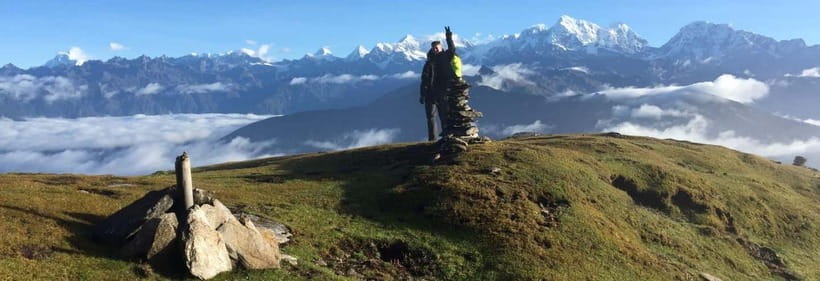
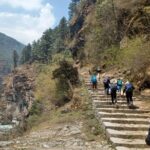
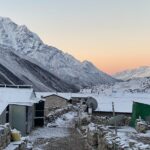
Day 2 climbs you to Pikey Base Camp (3,640m). The hiking time is listed at around 6 hours. This is the day where the trek starts feeling like a trek—less like a walk out of town, more like a focused climb through Buddhist and Himalayan scenery.
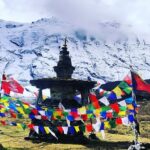
The trail features stone walls and ancient stupas, plus centuries-old monasteries you’ll see along the way. That matters because it gives you more than just mountain views. You’re moving through a lived-in corridor of culture and religion, where the path itself feels meaningful.
Base Camp on Day 2 isn’t a summit day. It’s a reset and acclimatization moment. The description calls it the second-highest point of the trek, so you’re already up where the air feels different. But you’re not jumping straight into a steep push.
My practical take: this is a good day to keep your pace controlled. If you start fast on Day 2, you might pay for it on the summit day. Drink water, eat simple food, and let the altitude settle. You’re not training for a race; you’re setting yourself up for a good sunrise and clean views the next morning.
Day 3: Sunrise and the Pikey Peak viewpoint (Everest, Dhaulagiri, Kanchenjunga)
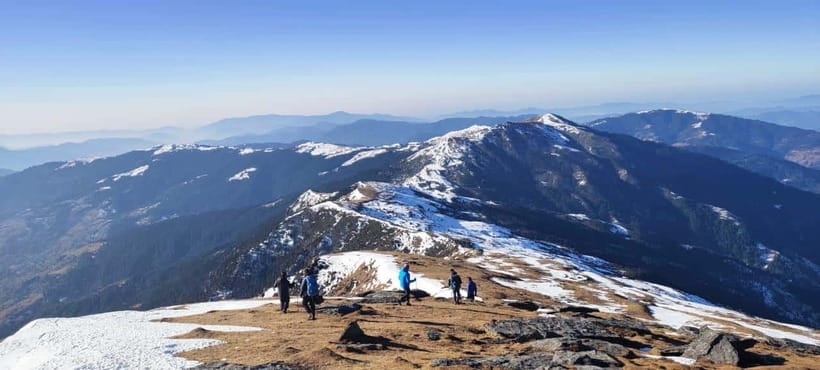
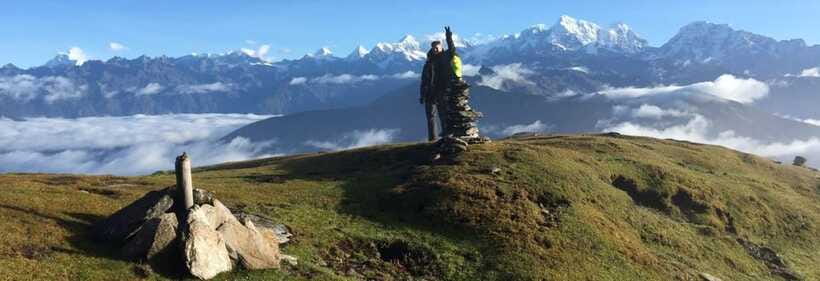
Day 3 is the money day. You hike from Pikey Base Camp to Pikey Peak (4,065m). The guide schedule notes about 1.5 hours to reach the summit. That’s shorter than many people expect—so the big question becomes not distance, but how you feel once you’re up there.
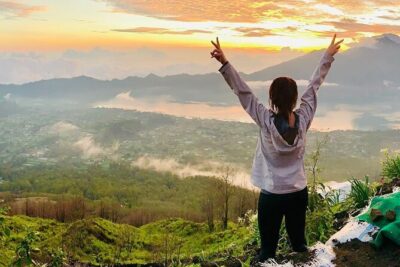
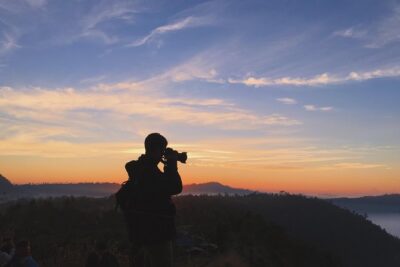
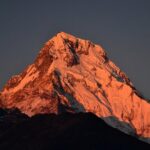
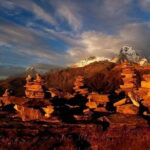
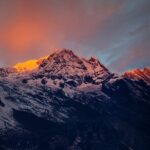
The trek’s signature is a magnificent sunrise over Pikey Peak. Sunrise on this kind of viewpoint usually means cold hands, early starts, and that first moment when the sky clears and the peaks start showing their shape. If weather cooperates, you’ll get an impressive span of views.
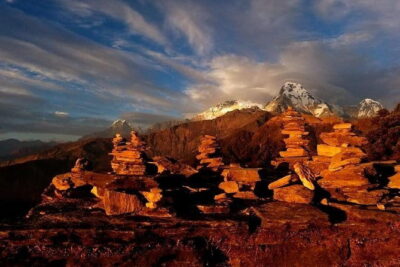
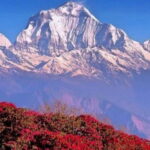
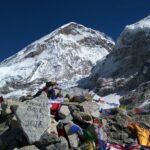
What makes Pikey Peak special is the coverage. You can catch panorama across major Himalaya names, including Kanchenjunga in the east and Dhaulagiri in the west, plus a glimpse of Mt. Everest (8,848m). That combination is why people do this instead of picking a random ridge hike. You’re seeing multiple “big targets” in one viewpoint.
After the summit time, you descend back toward Pikey Base Camp and then continue on to Jhapre. The day description says the return portion is about 6 hours of hiking.
Key consideration: this is the day where mild altitude symptoms can show up, even though the altitude is described as relatively moderate. “Mild” still feels miserable if you ignore it. If you get a headache, nausea, or unusual fatigue, slow down and communicate with your guide. You’re not stuck on a schedule where you must push through symptoms.
Also, the route can be affected by cloud and visibility. If you land in a clear-weather window, you’ll likely feel like you won the Himalayan lottery. If the sky is hazy, the trek still offers culture and trail beauty—but the summit views may be less dramatic.
Day 4 back to Dhap and into Kathmandu
Day 4 is a clean finish: you trek down to Dhap, then drive back to Kathmandu. The plan is straightforward—breakfast, walk, then the long road ride home.
If you’ve kept a steady pace all week, Day 4 feels like closure rather than punishment. You’re mostly returning along the established corridor, dropping from altitude and letting your breathing go back to normal.
Then comes the drive—again around 8 hours back to Kathmandu. You’ll be dropped off in Thamel near your hotel, so you don’t have to figure out transportation at the end of the trek. That’s a small detail, but it helps you recover faster instead of turning your last day into an extra puzzle.
What I like about this ending: you’re not arriving to Kathmandu at night with no plan. Your day ends with something simple—rest, shower if you want, and a meal that isn’t dal bhat for once.
The guides and small group size that make it feel personal
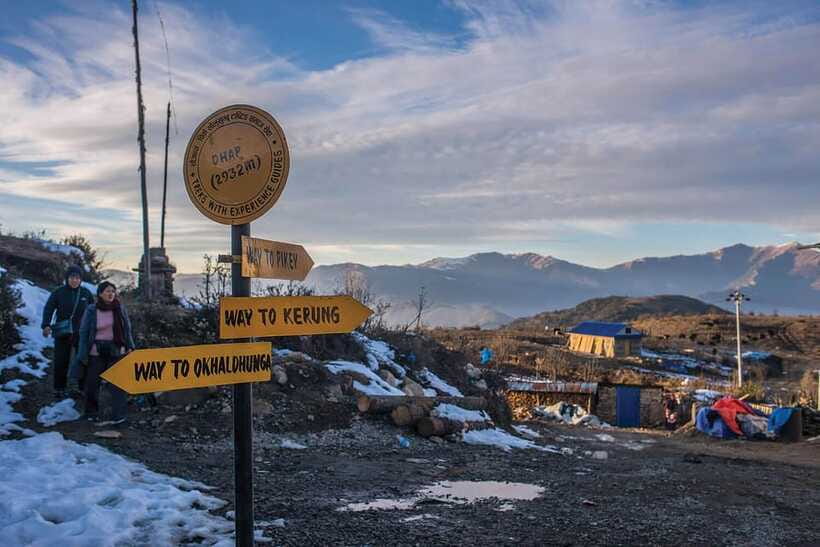
This trek runs with an English-speaking guide and a small group capped at 8 participants. That small number matters more than it sounds. In the Himalaya, you’re not just sightseeing—you’re managing breathing, pacing, and decision-making when weather changes.
In the feedback tied to this trek, I saw guide names like Pemba, Sukbir Tamang, and Ngima chhechi Sherpa. The common thread in the reviews is that these guides focus on helping you enjoy the hike and make the most of summit conditions. That usually means: setting expectations clearly, moving at a workable pace, and encouraging smart altitude habits rather than rushing toward a view.
If you’re a beginner, a photographer, or just someone who wants attention without feeling overwhelmed, the group size is a strong match. You still get the shared experience of hiking with others. You just don’t get swallowed by big-tour energy.
Price and value: what’s included in your $350 (and what you’ll pay extra)
The price is listed at $350 per person for 4 days. Here’s the value math based on what’s included:
Included
- Experienced English-speaking trekking guide
- Necessary permits and government taxes
- Private jeep/van transfer Kathmandu ↔ Dhap
- Hotel pickup and drop-off in Kathmandu
- Lodge accommodation during the trek, with breakfast
Not included
- Meals and beverages beyond what’s covered by lodge breakfast
- Porter (so you’ll likely carry your own day-to-day items)
- Personal expenses
So yes, you pay a fair chunk up front. But you’re also paying for real logistics: the long private vehicle ride, guide time, and permits. Many treks cost similar amounts and still leave you to sort transport and permits yourself. Here, a lot of the heavy lifting is handled.
Where costs can creep up: lunch and dinner. Lodges offer food like dal bhat, noodles, soup, eggs, potatoes, Tibetan bread, tea, and coffee, but you’ll want to budget for what you eat each day. Hot showers are also available in some lodges for an extra cost. If you choose to hire any support on the trail, remember that a porter isn’t included.
My advice: treat the listed price as the base for a guided trek with transport and breakfast. Then add a realistic daily amount for meals, drinks, and any comfort upgrades you want.
Trail and altitude: rhododendron forests, meadows, and 4,065m safety
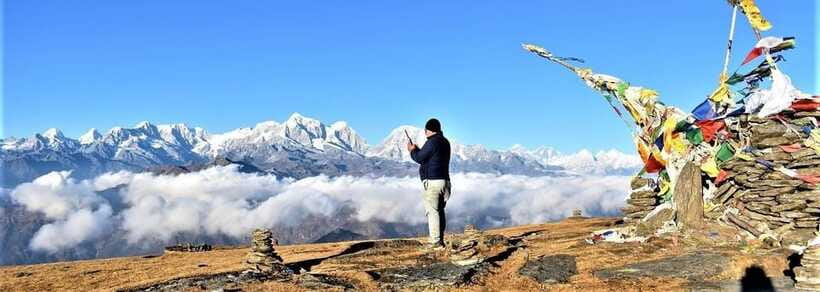
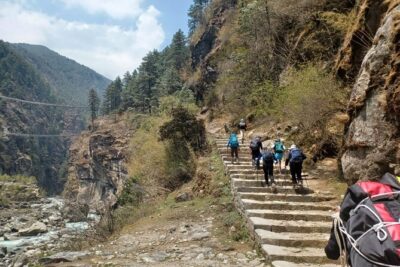
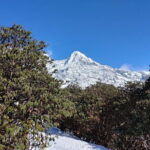
This trek is described as off-the-beaten-path in the Lower Khumbu. You’ll pass through alpine meadows and rhododendron forests, which is great if you want a variety of scenery without the big-stress feel of technical climbing.
On the summit day, you’ll be at 4,065m. That’s not Everest Base Camp altitude, but it’s not “ignore altitude” territory. The provided altitude note calls out mild AMS risks like headache, nausea, and fatigue.
Here’s what actually helps you manage that risk:
- Drink plenty of water
- Walk slowly (especially on ascent)
- Avoid alcohol
- Sleep lower after the summit day
You’ll also feel the difference in air even when you’re “fine.” That’s normal. The trick is to keep effort moderate and consistent.
A small practical note: your gear matters. Boots should be broken in, and layers are essential because early starts and morning air can be colder than you expect. If your clothing plan is sloppy, you’ll waste energy getting warm or cold instead of focusing on enjoying the views.
Lodges, food, and practicalities (cash, power, showers, and network)
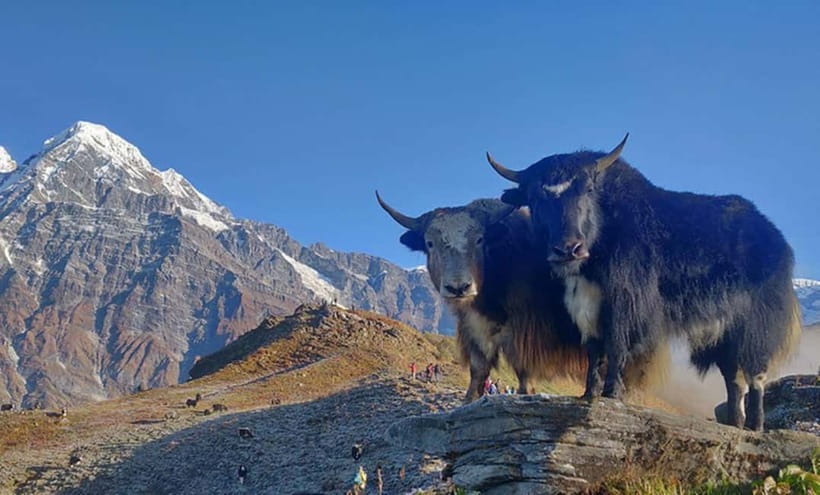
Expect teahouses/lodges that are basic but cozy. Rooms are listed as twin sharing with blankets. You’ll get breakfast with lodging, and you’ll eat other meals at the lodges too, commonly including dal bhat and simple sides.
Hot showers are available in some lodges, but they cost extra. That means you should not count on a hot shower every day. Plan to be comfortable without it, and treat a hot one as a bonus.
Cash and charging
This is one of those treks where you should plan like the trail is offline:
- Bring enough cash in Nepali rupees. No ATMs on the trail.
- Power is limited. Electricity may come from solar or small supply systems, so charge when you can.
- There’s mention that network works in most villages but can be patchy, with NTC and Ncell often functioning.
Water safety
You’ll want a purification method. The gear list explicitly recommends water purification tablets or a filter. Don’t wing this part.
Your must-pack list (the practical version)
- Layered clothing: base, fleece, down jacket, waterproof shell
- Gloves, hat, buff/scarf
- Sunglasses and sunscreen
- Headlamp
- Water purification tablets/filter
- Small first-aid kit including altitude and stomach medicine
- Power bank
- Trekking boots
- Sleeping bag if you prefer your own (lodges provide blankets)
Who this 4-day Pikey Peak trek suits best
This is a strong choice if you want:
- Big Everest-region views without a long expedition
- A short Himalayan adventure close to Kathmandu
- A trail that mixes nature with Sherpa cultural stops and village life
- A manageable altitude challenge with a guided plan
It’s also good for bird watchers and photographers, since the trek focuses on ridge views and viewpoint time. If you like mornings that start early and pay off visually, you’ll likely enjoy the structure.
It may not be ideal if:
- You’re not comfortable with long vehicle rides
- You can’t hike at least a few hours a day
- You’re pregnant (explicitly listed as not suitable)
Should you book this 4-day Pikey Peak Trek for Everest views?
If your dream is an Everest sunrise view with fewer days and less chaos than a mega-trek, I think this is worth booking. The combination of short duration, small group, and a summit viewpoint that stretches across multiple Himalaya giants makes the effort feel focused.
I’d book it if you:
- Want a beginner-friendly, guided route
- Prefer culture plus views, not only views
- Can handle a long drive and basic lodge life
I’d be cautious if you:
- Are sensitive to altitude and you don’t handle mild symptoms well
- Hate road time
- Expect full-on hotel comfort and guaranteed hot showers every day
One more nudge: if weather is clear, this trek can feel like a big win for a small time investment. If weather is rough, you still get a genuine Lower Khumbu trek with monasteries, villages, and ridgeline walking—just with fewer peak-perfect moments.
FAQ
Where does the Pikey Peak trek take place?
It’s in the Koshi Zone, Nepal, in the Lower Khumbu region, with the route starting from the Kathmandu area and reaching points like Jhapre, Pikey Base Camp, and Pikey Peak.
How long is the trek?
The total duration is 4 days.
What’s the highest point on the trek?
The trek reaches Pikey Peak at 4,065 meters.
How many people are in the group?
The group is small, limited to up to 8 participants.
What is included in the $350 price?
Included are an English-speaking trekking guide, necessary permits, government taxes, private jeep/van transfers Kathmandu to Dhap and back, hotel pickup/drop-off in Kathmandu, lodge accommodation during the trek with breakfast.
Are meals included?
Only breakfast is included with lodge accommodation. Meals and beverages are listed as not included.
Is a porter included?
No. Porter is not included.
Are hot showers available?
Hot showers are available in some lodges and cost extra.
What should I bring for the altitude and conditions?
Bring layered clothing, trekking boots, gloves/hat/scarf, sunglasses and sunscreen, a headlamp, and water purification. The gear list also recommends a small first-aid kit with altitude and stomach medicine.
Is the trek suitable for pregnant women?
No. It is listed as not suitable for pregnant women.