REVIEW · KATHMANDU
Everest Base Camp Trek – 14 Days
Book on Viator →Operated by Himalayan Partner Treks and Expedition · Bookable on Viator
Lukla to Everest Base Camp moves fast. This 14-day Khumbu trek mixes Sagarmatha National Park crossings with the classic high-point push to Kalapathhar (5,545m). I love the way logistics are handled for you—airport pickup in Kathmandu, domestic flights to Lukla, and lodge bookings that keep you from playing guessing games at high altitude. I also love the pacing, especially the acclimatization days that give you altitude work without the sprint-and-pray feeling.
The main drawback is the altitude and cold grind: you’ll reach a very high sleeping-and-staging pattern, and some walking days run 7–8 hours. If you don’t already hike comfortably for an entire day, you’ll feel it.
In This Review
- Quick Hits Before You Go
- Kathmandu, Then Straight Into Khumbu Reality
- The Lukla Flight: Where the Adventure Becomes Real
- Phakding to Namche Bazaar: Forests, Rivers, and First Everest-Scale Views
- Namche Rest Day: Get Your Bearings and Learn the Khumbu
- Tengboche and the Big Monastery Stop
- Dingboche Acclimatization: Choose a Peak or Keep It Light
- Toward Lobuche: Glacier Country and Memorial Prayer Flags
- Everest Base Camp Day: A Moment of Awe with Useful Reality Checks
- Gorakshep and Kalapathhar: The 5,545m Finale
- The Return: Getting Down Safely and Enjoying the Villages
- Kathmandu Again: Mountain Flight, Then a Real Break
- Price and Logistics: What $1,099.06 Buys You
- Support That Actually Feels Personal
- Should You Book This Everest Base Camp Trek?
- FAQ
- How long is the Everest Base Camp trek?
- What is the highest altitude you reach on this trek?
- Are flights to Lukla included?
- How many meals are included during the trek?
- Where do you meet for the tour and what time does it start?
- Is there free cancellation?
Quick Hits Before You Go
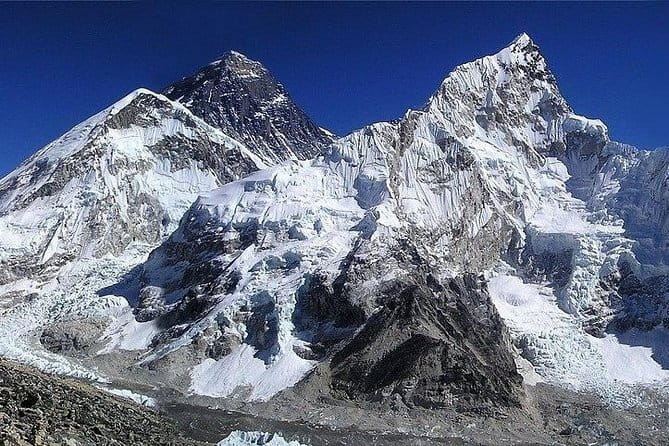
- Lukla flight views that kick the trip off the right way (early sunrise on the snowcapped mountains).
- Smart acclimatization rhythm in Namche Bazaar and Dingboche, with optional peak walks.
- Tengboche monastery visit to slow the pace and understand Khumbu spiritual life.
- Everest Base Camp day with real expectations: Everest isn’t directly visible from every stop.
- Kalapathhar push to 5,545m for wide Himalayan panorama at altitude.
Kathmandu, Then Straight Into Khumbu Reality
Your trek starts in Kathmandu, with an airport representative meeting you at Tribhuvan International Airport. You get a private tourist vehicle to your hotel, and you can either relax or stop by the office to get trek details sorted before the big travel day. I like that first-day setup because it gives you a buffer. Kathmandu is chaotic; a smooth handoff reduces stress before you’re breathing thin air.
You also get two nights in Kathmandu with breakfast at a 3-star hotel. That matters more than it sounds. When you’re about to walk 7–8 hours most days, you want a real chance to sleep, eat normally, and avoid doing last-minute planning.
And yes, you’ll have to start early. The meeting point is Himalayan Partner Treks & Expedition on Thamel Marg (3rd floor), with a start time of 5:00am. If you hate early mornings, this is your gentle reminder: Everest always starts before breakfast.
You can also read our reviews of more tours and experiences in Kathmandu.
The Lukla Flight: Where the Adventure Becomes Real
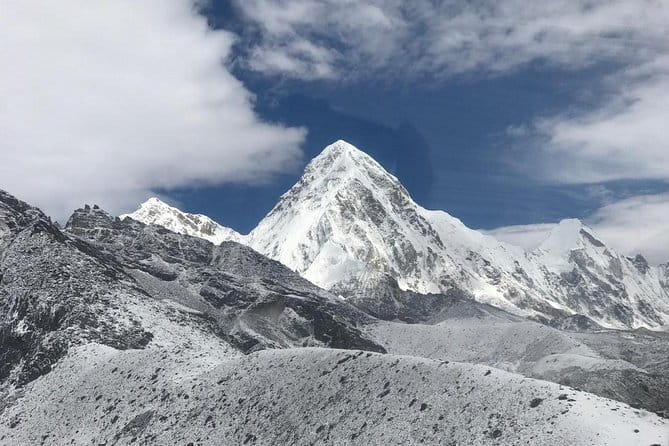
The transition from Kathmandu to the mountains is handled through a domestic flight to Lukla. After breakfast, you drive from your hotel to the domestic terminal, then fly for about 40 minutes. The best part is the timing: you’re set up to catch early sunrise views over the snowcapped peaks as you land at Tenzing-Hillary Airport in Lukla.
Then the trek begins almost immediately—right after meeting the crew at the airport. That “start on arrival” approach is great for people who don’t want extra waiting time. You’ll walk to Phakding as your first lodge night, which is a sensible move: you get into the trekking routine while your body is still fresh.
Practical note: routes here commonly use Ramechhpa for flight days (you’re included in the transfer, by sharing bus or car if you choose private). So don’t be surprised if your day includes a bit of extra transfer planning around the flight schedule.
Phakding to Namche Bazaar: Forests, Rivers, and First Everest-Scale Views
Day 2 takes you from Lukla to Phakding, staying in a lodge/tea house. It’s a first taste of the Khumbu walking rhythm: you’ll feel the pace, the terrain, and the altitude gradually.
Day 3 is where things sharpen. You start early and trek through pine forests, passing the Dudh Koshi River, and you’ll get views of Mt. Thamserku along the way. After settlements and a check post, you enter Sagarmatha National Park. This is one of those moments that helps the trek feel more than a series of climbs—it connects the hike to protected mountain landscapes and the people living within them.
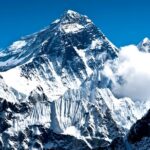
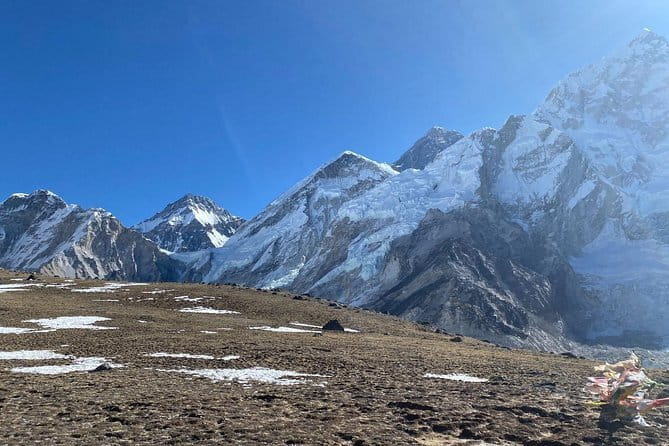
You also trek past the confluence of Dudh Koshi and Bhote Koshi, then climb steeply to Namche Bazaar. The payoff arrives as you enter town: you get the first major sight of Everest along with ridges of Lhotse and Nuptse.
One thing I appreciate here is how the day balances effort and reward. It’s not only about reaching a lodge. You’re walking with constant visual anchors, which helps when altitude starts to feel different.
Namche Rest Day: Get Your Bearings and Learn the Khumbu
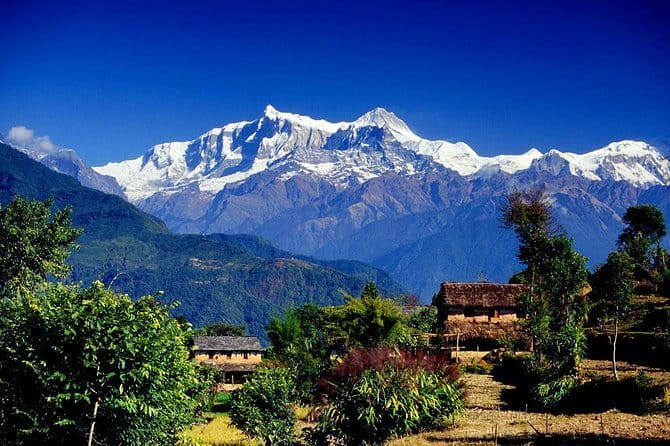
Day 4 is an acclimatization rest day in Namche Bazaar. Instead of forcing another long hike, you get a short option to a viewpoint such as Thame or Khunde. This kind of half-day outing is exactly what I want on a rest day: you move, you look around, and you give your body time to adjust.
You can also tour the Tourist Visitor Center, where you’ll learn information about Everest climbers, Sherpa people, and local flora and fauna. I’m a fan of this stop because it turns the trek into a cultural exchange, not just a height contest.
This is also where you’ll likely notice Namche’s conveniences—ATMs, internet cafes, restaurants, bakeries. That doesn’t make it less “real,” it just means you’re not totally cut off before you head deeper into the trekking corridor.
Tengboche and the Big Monastery Stop
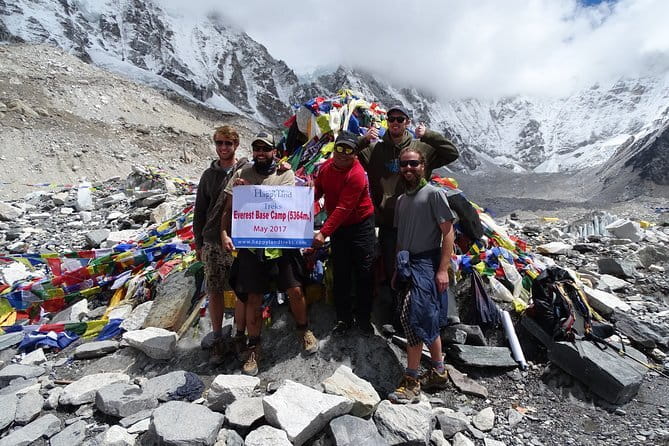
On Day 5 you leave Namche and trek onward toward Tengboche (spelled as Tyangboche in some materials). The route runs through juniper and rhododendron forests, with mountain views along the trail.
The highlight here is a visit to Tengboche Gompa, described as the biggest monastery in the Sagarmatha region. Even if you’re not into religious sites, this stop works. It breaks the day’s rhythm and gives you something to focus on besides breath and legs.
One small drawback: monastery visits can add a little time to a trekking day. In exchange, you get meaning. On Everest routes, I’d rather pause for a reason than rush for a photo.
Dingboche Acclimatization: Choose a Peak or Keep It Light
Day 6 brings you to Dingboche after trekking from Phorse or Tengboche (depending on route flow). The day is described as an 8-hour trek, moving through alpine forests and multiple villages including upper Pangboche, Shomare, Orsho, and Tsuro Wog.
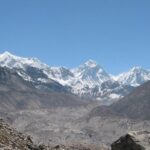
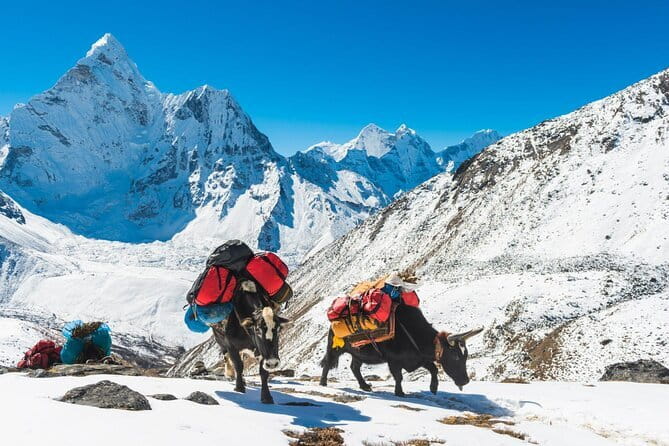
As you walk through the Khumbila Khola valley to ridge tops, you’ll see big names and big angles: Taboche, Ama Dablam, Nuptse, Cholatse, and Lhotse. Then you continue through Imja Khola and reach Dingboche.
Day 7 is the key acclimatization day. You have options to hike to Nangkartshang Peak (5,083m) or Chhukung Ri (5,546m). There are also shorter choices such as Nagarjun Hill (2,128m) and hikes around Chhukung and Imja.
I like this flexibility because it lets you match the day to how you feel. If you’re feeling great, you push a bit higher. If you’re not, you still get movement and views without taking on a too-aggressive step.
Toward Lobuche: Glacier Country and Memorial Prayer Flags
Day 8 takes you from Dingboche to Lobuche (again described as an 8-hour day). The trek includes walking up a steep terminal moraine of the Khumbu glacier, then ascending toward Chupki Lhara with bouldery terrain.
Here’s a unique detail that sticks: you’ll pass prayer flags set as memories to American mountaineer Scott Fischer and to Babu Chhiri Sherpa, noted as a 10-time Everest summiteer. It’s one of those trail moments that reminds you this region is full of lived experience, not just sightseeing.
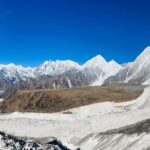
You’ll also see mountain views crossing the Khumbu glacier and directions that include Khumbutse, Mount Lingtse, Mount Pumori, and Mahalangur. The notes mention that you might experience little symptoms of altitude sickness around this time. That’s not meant to scare you—it’s meant to keep you honest. Take your pace seriously, hydrate, and don’t treat these cues like they can be ignored.
Everest Base Camp Day: A Moment of Awe with Useful Reality Checks
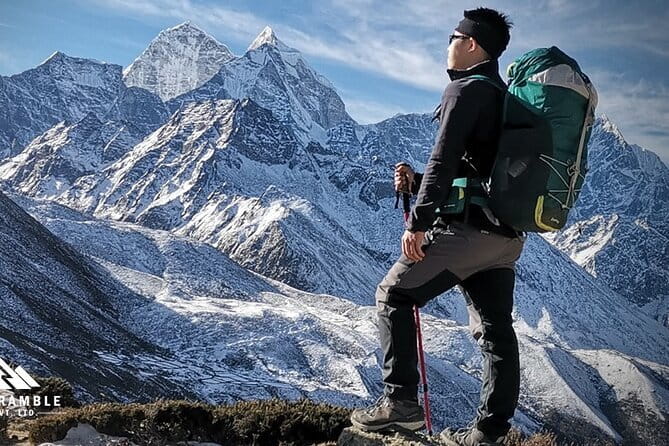
Day 9 is the most important “forward” day: trekkers go from Lobuche toward Everest Base Camp (5,364m), then back to Gorakshep. It’s listed as 7–8 hours.
One practical reality: from Thangma Riju you can experience 360-degree panoramic views, but it also notes that Mount Everest isn’t seen from there. Instead, you’ll get a very strong view of Nuptse and Pumori. Later, below Pumori, there’s a mention of Kalapathhar’s grey grassy land after climbing through steep terrain of the Changri glacier area.
So what does this mean for you? It means Everest Base Camp is still a huge emotional win, but it’s not a guarantee of a direct, perfect summit view every minute. Go for the moment, but also go with eyes open.
That’s also why I think this day feels meaningful. It’s not just about reaching the high number. It’s about understanding how mountain sightlines work and accepting that the best views can come from slightly different angles.
Gorakshep and Kalapathhar: The 5,545m Finale
Day 10 starts early for a reason: you’re going for the glimpse of Everest as dusk turns into bright morning. On the way up, you’ll see peaks like Lingtren, Khumbutse, and Changtse. Then you push to Kalapathhar, described as the top point of the trek at 5,545m.
This is one of the big reasons people do EBC routes. Even if you’ve seen photos, being at that altitude for sunrise-style views is a different category. You’ll want to pause for breath and photos when you can. The descent starts to Periche after lunch.
Two things to remember:
- “Early” here means you’ll feel rushed if you don’t dress and prepare calmly.
- Cold and thin air can make small delays feel big. Build in slow movement, not just fast effort.
The Return: Getting Down Safely and Enjoying the Villages
Days 11 and 12 are your descent and return days. Day 11 descends from the route back toward Namche via Duglha, passing villages including Pheriche, Orsho, and Shomare. You can explore an older monastery in the region, mentioned for a legend involving storing scalp and bones of Yeti. Then you cross a bridge above Dudh Koshi River and continue down through pine forests.
After lunch, you head toward Namche Bazaar, with views along the trail such as Ama Dablam, Lhotse, the tip of Everest, and Tengboche. Even on a downhill day, you’re not just moving for mileage. You’re still hiking with constant mountain sightlines.
Day 12 continues the steep downward trail toward Lukla. You’re advised to walk really slowly and controlled on rocky terrain. You pass a suspension bridge over Dudh Koshi, and walk through an open plain and rhododendron forest before reaching Lukla. It’s listed as about 7 hours.
This is also where you’ll appreciate the lodge setup. After multiple days of walking, having a pre-booked bed and a set meal rhythm helps your recovery stay consistent.
Kathmandu Again: Mountain Flight, Then a Real Break
Day 13 brings the mountain flight from Lukla to Kathmandu again. The trek ends with time in Kathmandu for shopping and walking around the city. There’s also an evening celebration for completing the Everest Base Camp trek.
I like that final pacing. You don’t go from 5,545m altitude straight into the airport grind without a landing period. You get space to decompress, eat normal food, and take care of any leftover admin.
Day 14 is the final buffer day: you can extend your tour, or your representative drops you at the airport for departure.
Price and Logistics: What $1,099.06 Buys You
At $1,099.06 per person, this package is priced around an included-heavy model. For you, that means less budgeting chaos and fewer surprises.
What’s included:
- 14 nights accommodation total, with 2 nights in Kathmandu and 12 days in the mountains
- Airport pick up and drop by private car in Kathmandu
- Breakfast in Kathmandu and a 3 meals per day setup during the trek (breakfast, lunch, dinner), including coffee and tea
- Both-way flights to Lukla (or from Ramechhpa, with transfer included)
- Taxes and fees, plus included meal and lodging handling
- A private tour setup where only your group participates
What’s not included:
- International airfare and Nepal visa fee
- Food in Kathmandu and extra days beyond the trek structure
- Tips for guides, porters, and drivers
Is the value good? For EBC treks, value usually comes down to two things: how much is truly organized for you and how much time you save. Here, the included flights, transfers, lodge nights, and daily meals reduce planning load. Add that to the reviews’ repeated praise for organization and support, plus the fact that lodges are pre-booked, and it’s the kind of structure that helps you focus on hiking instead of logistics.
The practical “who is this best for”:
- People who want a guided, structured trek with predictable meals and lodging
- Hikers who can handle 7–8 hour days with altitude progression
- First-time EBC trekkers who don’t want to piece together every connection themselves
Support That Actually Feels Personal
One standout theme from past trekkers: the help didn’t stop at the trailhead. Names that came up include Ghan (often managing Kathmandu support), and guides/porters like Santosh Tamang, Raju, Biru, and Lila.
You’ll feel that style in small ways: being met at the airport, quick responsiveness with questions, and an emphasis on safety and smooth operations. It’s also clear from the same feedback that acclimatization pacing and lodge choices were taken seriously—people specifically noted structured programs and good room/lodge arrangements.
Even if you’re an experienced hiker, that kind of support is useful. In the Khumbu, your time and energy are precious. When someone else handles bookings and timing, you get to spend your attention on breathing and enjoying the trail.
Should You Book This Everest Base Camp Trek?
I’d book it if you want an EBC experience that feels organized, supported, and paced. The biggest reasons are the included structure—Kathmandu hotel nights, flights to Lukla (or Ramechhpa connections), daily meals, and pre-booked lodge stays—plus the clear acclimatization strategy built into Namche and Dingboche.
I’d think twice if you’re planning to “wing it” physically. The walk days run long, the cold is real at high altitude, and you’ll go up to Kalapathhar (5,545m). This trek isn’t just for weekend walkers; it’s for people who can keep a steady hiking rhythm and follow pacing advice.
If that sounds like you, this is a strong, practical way to see Everest up close—without turning the trip into a logistics project.
FAQ
How long is the Everest Base Camp trek?
The tour runs for about 14 days, including 2 days in Kathmandu and about 12 days in the mountain trekking portion.
What is the highest altitude you reach on this trek?
The highest altitude listed is Kalapathhar at 5,545m.
Are flights to Lukla included?
Yes. The package includes both-way flights to Lukla (or from Ramechhpa), plus pickup/drop-off for the transfer to Ramechhap.
How many meals are included during the trek?
You get 3 meals per day during the trek (breakfast, lunch, and dinner), and it also includes coffee and tea.
Where do you meet for the tour and what time does it start?
You meet at Himalayan Partner Treks & Expedition in Thamel (3rd floor). The start time is 5:00am.
Is there free cancellation?
Yes. You can cancel up to 24 hours in advance for a full refund. Cancellation with less than 24 hours before the experience start time is not refunded.