REVIEW · SA PA
Sapa: Muong Hoa Mountain Views and Villages Trek with Lunch
Book on GetYourGuide →Operated by HELEN · Bookable on GetYourGuide
Rice terraces and mountain views in one hard day.
This Sapa day trip gives you Sa Seng Mountain panoramas with big Fansipan Mountain views, then switches gears to village life and Hmong marriage traditions in Black Hmong communities, usually led by an English-speaking guide like Su. I especially like how the walk is physical enough to feel like a real trek, but the stops stay human—people, stories, and food—so the day doesn’t turn into a photo-only sprint.
The only real catch is the effort: expect steep inclines and a route that can feel tough if you’re not steady on your feet. If you have vertigo, fear of heights, back issues, or limited mobility, this one may not be your match.
In This Review
- Key things you’ll love on this trek
- Climbing to Sa Seng Mountain: the payoff view is real
- Hang Da village stop: Black Hmong culture up close
- A family lunch in a small restaurant: simple, and honestly the best part to slow down
- Hau Thao village: daily fieldwork and hands-on explanations
- Giang Ta Chai and the ride back: wrap-up without feeling rushed
- Price and what you’re actually getting for about $18
- Who this trek suits (and who should skip it)
- Practical tips: what to bring and how to handle the effort
- Massage Lits 20% discount: a smart way to recover
- Should you book this Sapa trek?
- FAQ
- FAQ
- How long is the trek?
- Where does the tour start and end?
- What time does pickup happen?
- Is lunch included?
- What villages do you visit?
- How many people are in the group?
- What language is the guide?
- What should I bring?
- Is it suitable for everyone?
- Is there a cancellation option?
Key things you’ll love on this trek
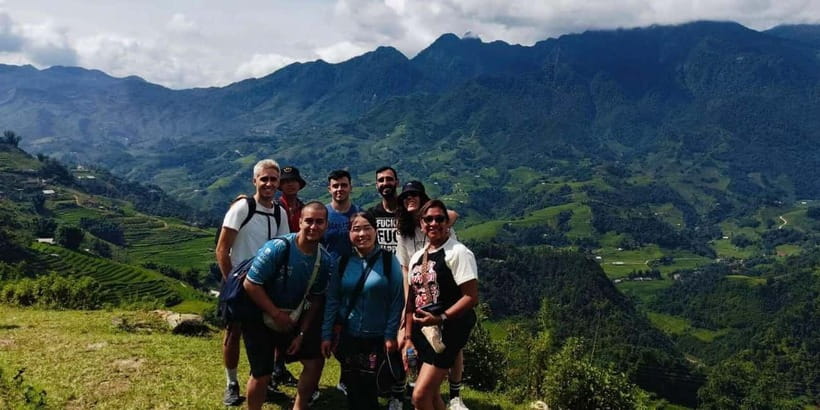
- Top-of-the-mountain views: Fansipan, Sapa town, and the Muong Hoa rice terraces laid out below
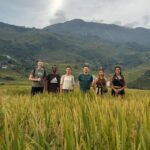
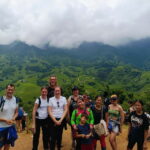
- Small-group pacing: limited to 10 people, so you get time for questions and photos
- Hang Da + Hau Thao contrast: two Black Hmong villages with different moments of daily life
- Clear cultural focus: Hmong marriage traditions, rice field work, and house-building techniques
- Lunch with a local family: a traditional meal served at a small neighborhood restaurant
- Massage discount after: 20% off at Massage Lits (01 Hoang Van Thu) once you finish
Climbing to Sa Seng Mountain: the payoff view is real
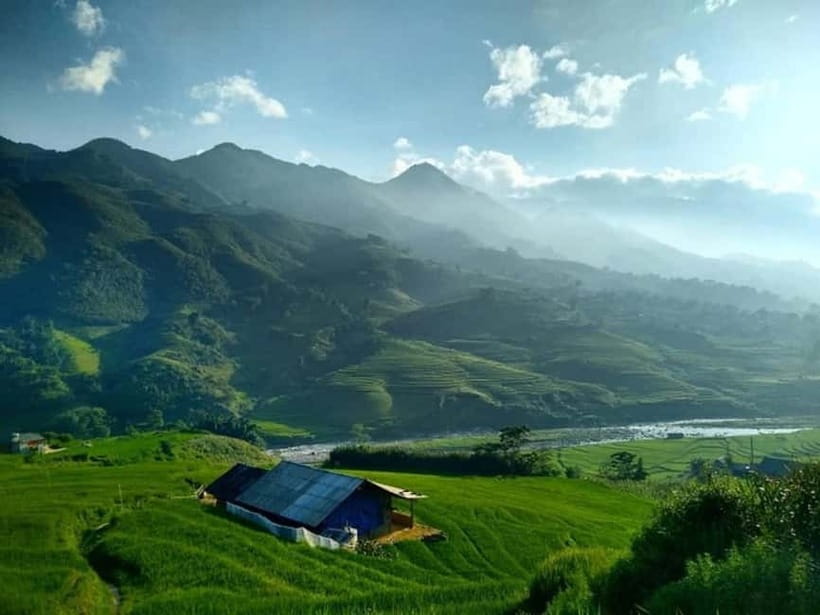
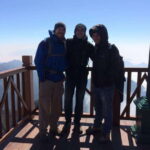
This trek earns its keep. You start with a van pickup at Massage Lits on Hoàng Văn Thụ in Sapa, then you drive to the trail area and do a short intro before heading uphill. The route begins with about 1km on a small trail, and then the day finds its legs: after roughly an hour of harder trekking, you reach the top of Sa Seng Mountain.
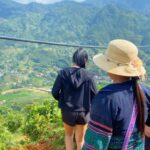
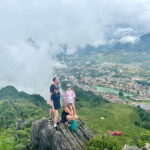
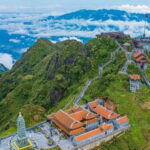
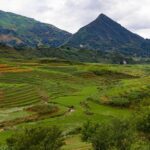
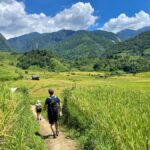
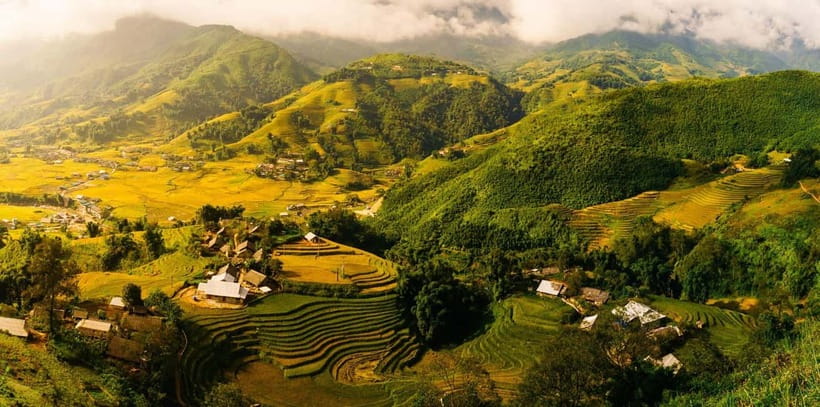
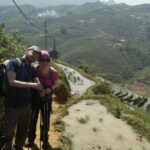
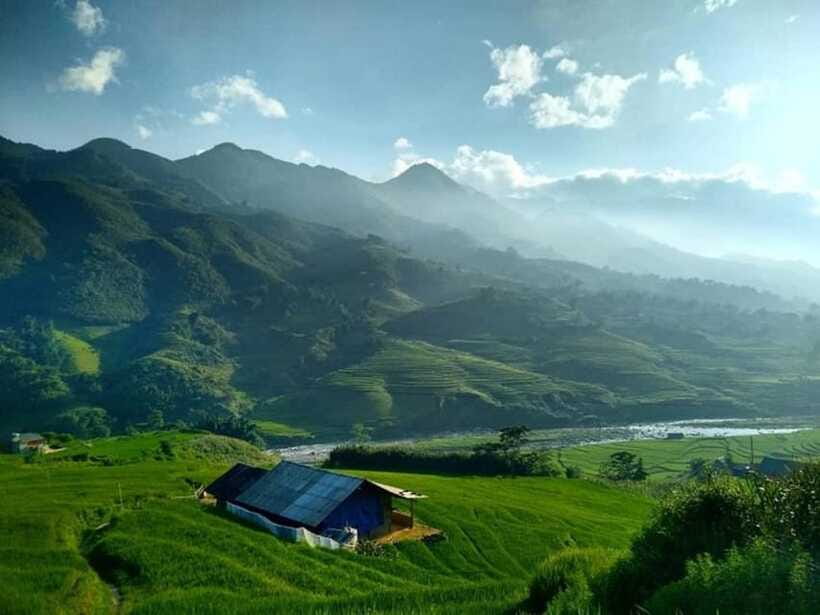
That top moment is the whole point. From here, you get sweeping views of Fansipan Mountain—listed at 3,143m, the highest in Indochina—plus sightlines across Sapa town. Then you look down and catch the Muong Hoa valley rice terraces, the kind of patchwork farming that looks unreal from far away and even better once your eyes adjust to the layers.
A practical note: weather matters in the north. Sapa often does mist and rain, and the day you go can change how crisp those views look. Either way, this route is structured so you still get value—if visibility is low, you’ll still walk through villages and learn the cultural parts in a way that doesn’t depend on perfect skies.
You can also read our reviews of more tours and experiences in Sa Pa.
Hang Da village stop: Black Hmong culture up close
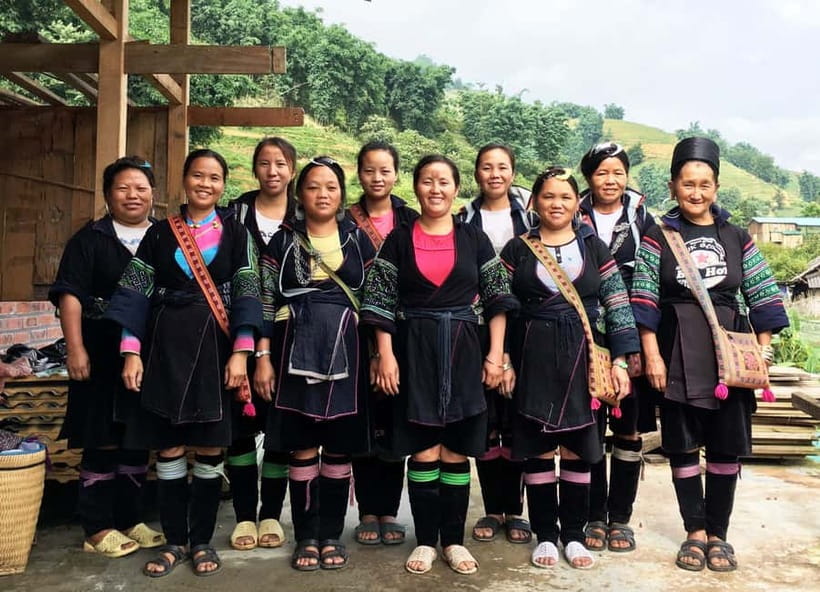
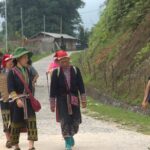
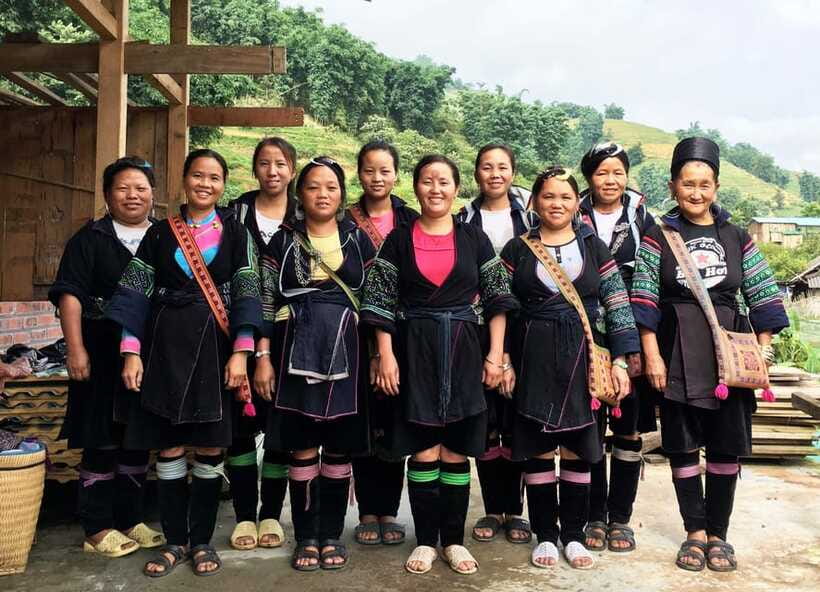
Once you’ve had your summit time, the trek continues downslope toward Hang Da village, home to the Black Hmong minority. This is where the day becomes less about big scenery and more about how people actually live.
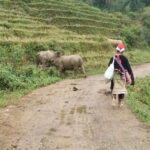
You’ll also make time for a few roadside moments along the way, including seeing local animals such as buffalos, cores, and pigs. These animals aren’t just scenery. They’re tied to everyday routines and local priorities, and your guide uses those sightings to explain what matters on the land.
In a small-group setting, you can usually ask more questions than you’d get on bigger buses. That matters here, because the culture stops aren’t meant to be a checklist. They’re meant to be conversations—about daily work, community rhythms, and how traditions shape life.
A family lunch in a small restaurant: simple, and honestly the best part to slow down
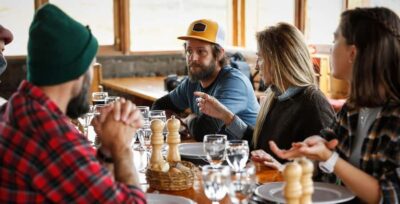
Lunch is one of the most underrated parts of this itinerary. You’ll eat at a small restaurant run by a local family. No fancy promise. Just a meal built around local routines.
Why I think this matters: when you trek for hours, your brain stops chasing novelty and starts wanting something real—warm food, a place to sit, and time to watch what’s going on around you. That’s what this kind of lunch tends to deliver on village days.
Also, you get lunch between two village sections, so it functions like a reset button. After the top climb and the Hang Da walk, you’ll be happy to cool down, rehydrate, and let your legs recover before you continue down toward Hau Thao.
Hau Thao village: daily fieldwork and hands-on explanations
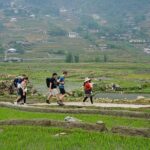
After lunch, you continue by a small road down to Hau Thao village. This is where the day can feel especially real. Your guide shows you daily life in the village, and if timing lines up, you may catch people working in the fields—harvesting or planting rice.
Even if you don’t see active fieldwork at that exact moment, you still get the context: why rice terraces matter, how labor shapes the rhythm of the year, and why the landscape is so carefully managed. The Muong Hoa valley views you saw from Sa Seng become easier to understand once you’re walking near the people who depend on that system.
This is also one of the best parts for cultural learning. Your guide shares stories about Hmong marriage traditions, rice field work, and house-building techniques. That blend is smart. It keeps the cultural talk from being abstract.
It also gives your brain something to hold onto as you walk: you start noticing details—how houses are made, how labor fits the terrain, and how traditions are part of long-term planning, not just celebrations.
Giang Ta Chai and the ride back: wrap-up without feeling rushed
After Hau Thao, you don’t just hop straight back into the van. You’ll do a short walking segment to Giang Ta Chai village, where the transport waits for you on the main road. Then you return to Sapa, back to the original meeting point at Massage Lits.
That last stretch matters because it prevents the day from ending abruptly. It also helps you connect the two village experiences—Hau Thao’s day-to-day routines with the broader network of settlements in the area.
Price and what you’re actually getting for about $18
At about $18 per person, this is good value if you want more than a quick drive-and-photos tour. You’re paying for:
- Round-trip van transportation
- A driver and live English-speaking guide
- Lunch at a local family restaurant
- The key cultural village time (Hang Da and Hau Thao)
- A 20% massage discount voucher at Massage Lits after the trip
What makes it feel worth it is the combination. A long trek plus village visits plus lunch is usually where costs add up. Here, the massage voucher also helps if you plan to do something restorative right after. (Your legs will likely vote for that plan.)
Small group size also boosts value. With a limit of 10 participants, it’s easier to move at a human pace and get your guide to explain things clearly.
Who this trek suits (and who should skip it)
This is best for you if you want a real walking day—one that mixes mountain views with village culture and a guided explanation that stays grounded in daily life.
It may not fit if you:
- Have back problems
- Have mobility impairments
- Are pregnant
- Fear heights or have vertigo
- Want a low-effort stroll (this includes steep inclines)
Also, if you’re not used to uphill trekking, the summit climb can feel demanding. The itinerary is built around that effort, so plan for it instead of hoping it stays easy.
Practical tips: what to bring and how to handle the effort
This trip gives you the essentials to succeed, but you still need to show up prepared. Bring:
- Comfortable shoes with good grip
- Trekking gear if you have it
- Water (don’t skimp)
- Sunscreen and a hat
- A camera for the top views
- Basic snacks if you tend to get hungry between stops
One more thing: plan your pace. The day starts with uphill walking and then continues with additional trekking between villages. Taking short, steady breaks helps you conserve energy for the summit.
And if the weather is wet or misty, don’t panic. It can still be a good day—just expect views to be softer and use your guide’s explanations to make the time feel full.
Massage Lits 20% discount: a smart way to recover
You end back at the meeting point at Massage Lits, 01 Hoàng Văn Thu. If you use their services after the trek, you’ll get a 20% discount.
It’s not just a perk. It’s a practical recovery tool, especially after a steep climb and long walking stretches. If you’re thinking about taking care of your legs that evening, this is a nice built-in nudge.
Should you book this Sapa trek?
Book it if you want a day in Sapa that balances effort and meaning: summit views of Fansipan and the Muong Hoa rice terraces, then real village time in Hang Da and Hau Thao with Hmong marriage traditions, rice work, and house-building explanations. The small group setup and English guide—often with Su leading—make it easier to connect the dots.
Skip it if you need an easy walk, or if you’re not comfortable with steep inclines, heights, or the specific physical demands listed for people with back issues, mobility limitations, vertigo, or pregnancy.
FAQ
FAQ
How long is the trek?
The tour lasts 9 hours.
Where does the tour start and end?
It starts at Massage Lits, 01 Hoang Van Thu in Sapa and ends back at the same meeting point.
What time does pickup happen?
Pickup is at 9:00.
Is lunch included?
Yes. Lunch is included at a small restaurant run by a local family.
What villages do you visit?
You visit Hang Da and Hau Thao villages, and you also walk to Giang Ta Chai village near the end.
How many people are in the group?
The group is small, limited to 10 participants.
What language is the guide?
The live tour guide speaks English.
What should I bring?
Bring comfortable shoes, a hat, a camera, sunscreen, water, and trekking gear.
Is it suitable for everyone?
It is not suitable for pregnant women, people with back problems, people with mobility impairments, people afraid of heights, or people with vertigo.
Is there a cancellation option?
Yes. Free cancellation is available up to 24 hours in advance for a full refund.