REVIEW · SA PA
From Sapa: Full-Day Fansipan Peak Trekking Tour
Book on GetYourGuide →Operated by Lantern Travel · Bookable on GetYourGuide
A hard climb pays off fast on Fansipan. I love the combination of primary forest hiking and the big summit payoff at 3,143 meters, where the views can reach 360 degrees over the Sapa hills.
My favorite part is that you’re not just being driven to a viewpoint. You’re walking through tall pine and bamboo areas with a local English-speaking guide—then you earn the top with your legs. The main consideration: this is a moderate-to-high fitness day, with about 25 km of trekking over 6–7 hours on steep ground.
In This Review
- Key Things I’d Plan Around
- Why Fansipan Trek Feels Like a Real Win, Not a Check-the-Box Day
- Getting from Sapa to the Trail: The 30-Minute Transfer That Sets Your Pace
- Primary Forest Walking for 6 Hours: Pines, Bamboo Groves, and a Steady Burn
- Breakfast Stop and Dressing for the Summit Push (Warm Clothes Matter)
- Reaching Fansipan’s Summit at 3,143m: The 360-Degree View Moment
- Lunch on the Mountain and the Descent Back to Sapa
- English Guide, Water, and Included Tickets: What Your $123 Covers
- Safety, Fitness, and Packing Tips That Actually Save the Day
- Should You Book This Fansipan Full-Day Trek?
- FAQ
- How long is the trek?
- What height do you reach on Fansipan?
- Does the tour include meals and water?
- Is the cable car ticket included?
- What fitness level do I need?
- Is there an English guide?
- Is pickup included from Sapa?
Key Things I’d Plan Around
- 3,143m summit: Expect real altitude effort and a lot of stair-like uphill
- Primary forest with giant pine trees: This is more than a quick walk to a photo spot
- About 25 km trekking time: Pace yourself from step one, not halfway up
- English live guide: Helpful explanations and steady route guidance
- Lunch is provided, but basic: I’d keep expectations modest for fuel
- Coordinator support in English: If Julie Nguyen is your coordinator, she can help smooth timing issues
Why Fansipan Trek Feels Like a Real Win, Not a Check-the-Box Day
Fansipan is Vietnam’s Roof of Indochina, and the tour is built for people who want the summit as an experience—not a shortcut. You’ll climb from Sapa area terrain up into thin-air views, then come back down with a guide and transport waiting.
What makes this day work for you is the structure. You get a local English guide to keep the route moving and help you read what’s around you. You also get enough time hiking (not just “walk a bit, then stop”) that the day feels earned when you finally reach the top.
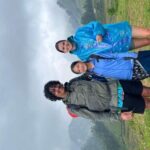
One more plus from how the day can run: the coordinator support can be strong. In one case, Julie Nguyen was credited for extending the trekking day and helping make things smoother, including cooking and leadership from the guide. That matters because Fansipan days can feel long and physical—having someone who keeps the group on track is a big deal.
You can also read our reviews of more tours and experiences in Sa Pa.
Getting from Sapa to the Trail: The 30-Minute Transfer That Sets Your Pace
You start in Sapa with pickup, then get in the car for about 30 minutes to reach the trekking area. That short transfer time is useful: it puts you on the path quickly without burning half the day before your legs even know what’s coming.
Plan to use this time smartly. I’d treat it like your gear check moment: shoes tied, warm layer accessible, sunscreen on, and water within reach. Since you’ll walk roughly 6 hours during the guided portion, arriving ready helps you avoid the classic early-day mistake—going out too fast because you feel fresh.
This tour is scheduled for about 12 hours total from start to finish, including transport and breaks. You should assume the day will feel like a full commitment, not a casual excursion.
Primary Forest Walking for 6 Hours: Pines, Bamboo Groves, and a Steady Burn
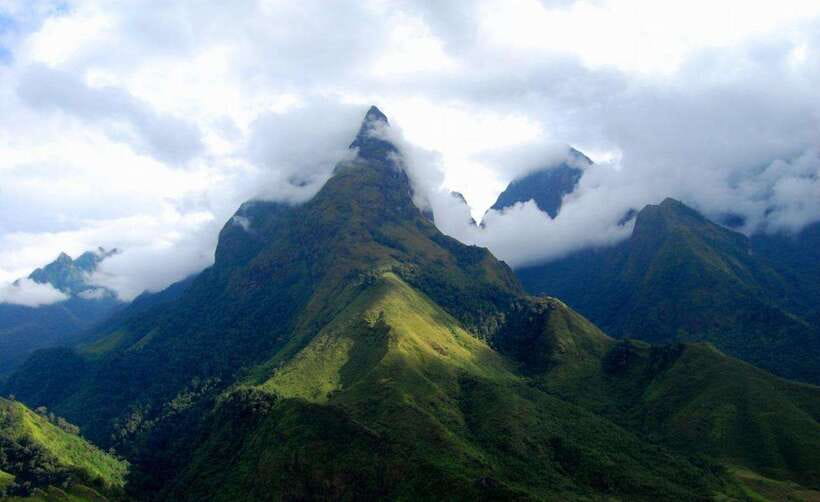
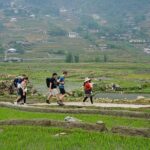
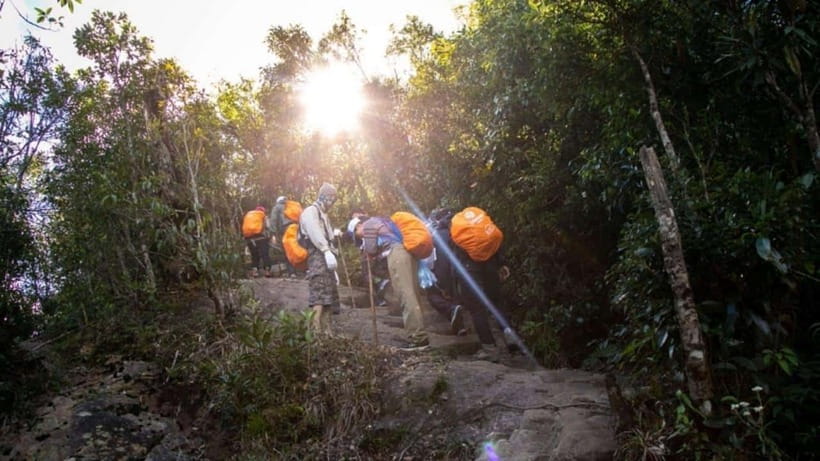
The trekking portion is guided sightseeing and walking for about 6 hours, covering around 25 km on foot (with additional driving time by car). This is where you get the best “I came for the mountains” feeling.
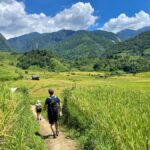
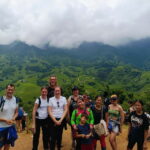
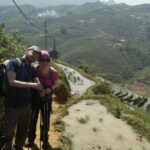
You’ll move through lush forest areas with bamboo groves and giant, centuries-old pine trees. That kind of old growth changes the vibe. The air feels cooler under taller trees, and the ground can feel more varied than a paved trail.
Here’s how I’d think about the walking:
- You’re not doing one flat incline. It’s a long climb with steeper sections that will ask for steady effort.
- Your job is consistency. If you sprint early, you’ll pay for it later on the steeper push.
If you like hiking in a “real forest” setting—where you’re surrounded by trees and the route feels purposeful—this day delivers. If you want an easy stroll with lots of sitting, it won’t match your expectations.
Breakfast Stop and Dressing for the Summit Push (Warm Clothes Matter)
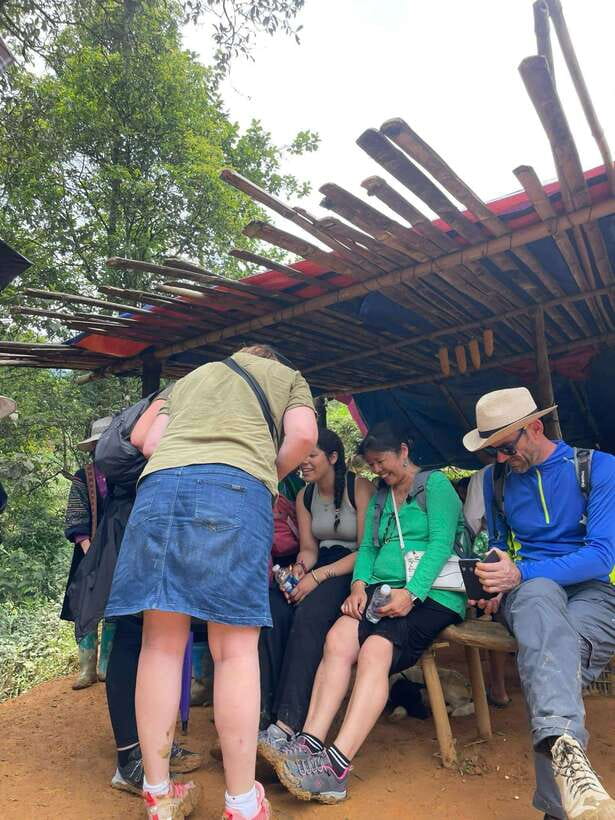
Along the way, you stop for breakfast in a quieter, nature-focused setting. It’s a needed reset before the harder uphill continues.
Then you start thinking about altitude and temperature differences. You’re climbing to 3,143 meters, and the tour guidance specifically calls for warm clothing, plus a hat, sunscreen, and insect repellent. That combination is a clue: you’ll likely deal with sun during clear stretches, and cooler air as you go higher.
I suggest dressing in layers you can adjust while you climb. Bring a hat to control sun, but also something warm enough for breaks. Your sweat can trick you early in the day; later, when you slow down or stop for photos, the cold can creep in.
Also, don’t treat this as a “just bring water and go” trek. Water is included (1.5 liters per person), but you should still sip regularly rather than chug only at the stops.
Reaching Fansipan’s Summit at 3,143m: The 360-Degree View Moment
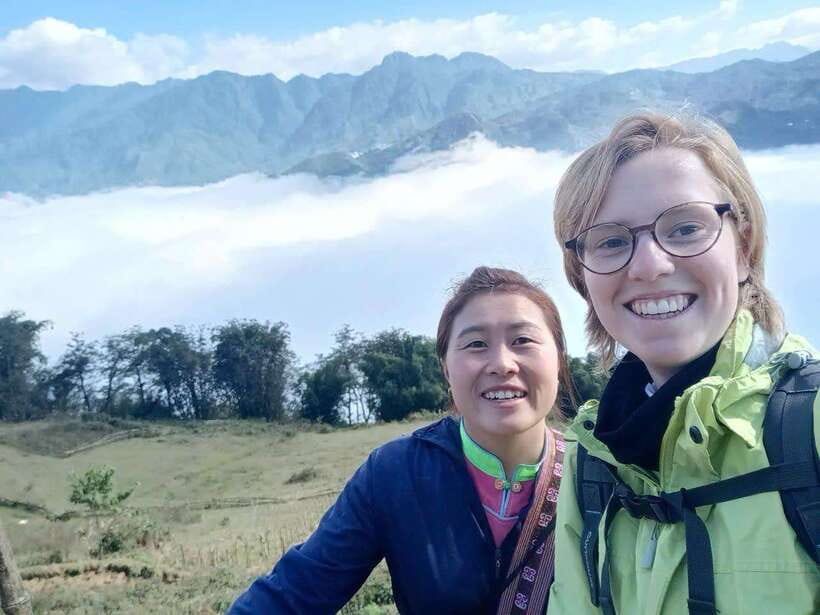
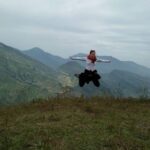
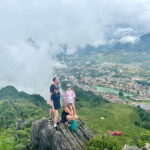
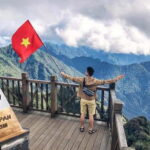
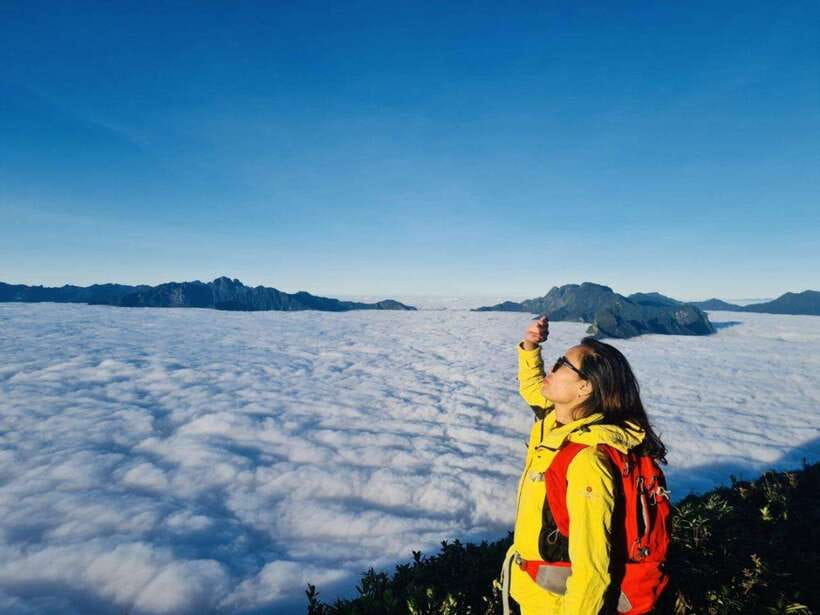
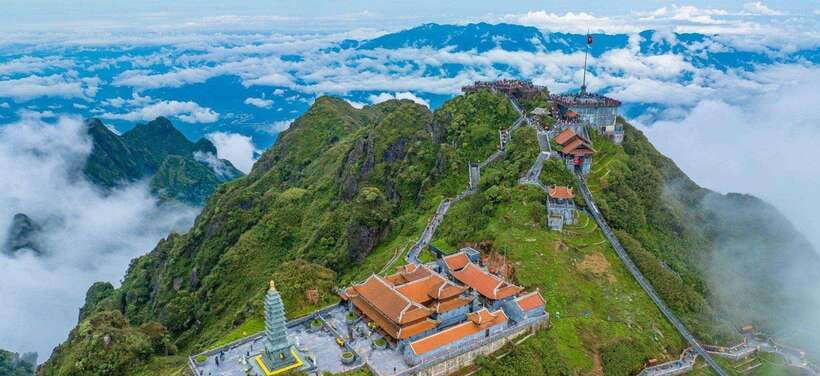
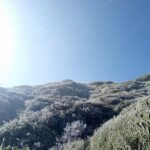
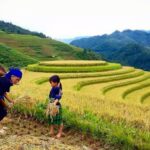
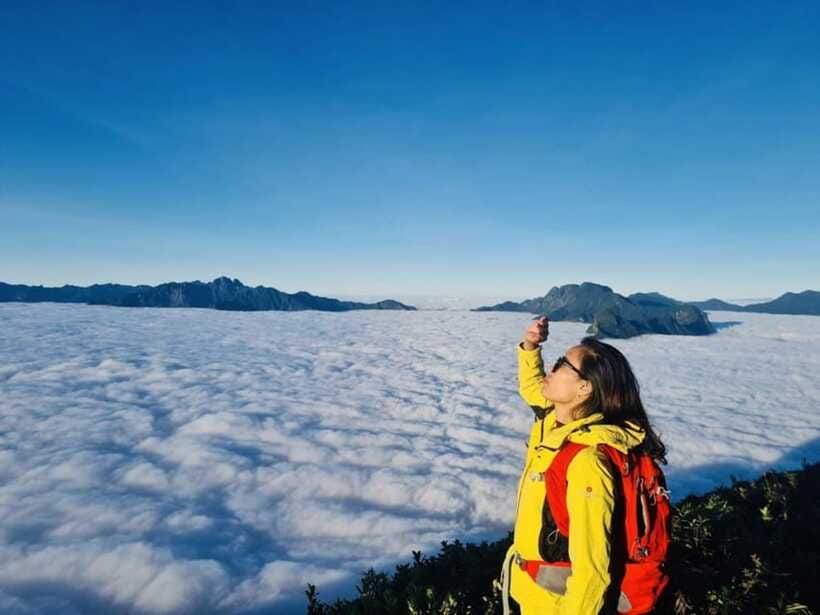
The goal is the top: Fansipan’s summit at 3,143 meters. Once you get there, you’re rewarded with 360-degree panoramic views over the Sapa region and surrounding mountainous horizon.
These views often appear above the clouds, which is where the day can feel almost surreal. The same mountain that looked demanding from below can become a wide, quiet stage once you’re at the height.
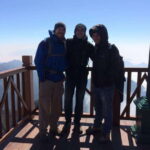
This is your photo moment. Take your shots, but also give yourself time to just look. The summit feeling isn’t only about scenery—it’s about the body memory of getting there. That “we actually did it” sense is the core value of a trek like this.
If the day timing works out, keep an eye out for night-sky moments at the base area. One guide tip specifically mentioned looking for the stars at the base camp, and honestly, if conditions are clear, that’s a great bonus payoff after a hard day.
Lunch on the Mountain and the Descent Back to Sapa
After the summit time, you enjoy lunch and then start descending. Lunch is about 40 minutes, and the tour includes a snack as well. That’s important because the descent uses different muscles—your quads will thank you for eating before the last long stretch.
Now, the balanced part: lunch can be basic. One person noted dehydrated noodles and a banana-type meal. I’d plan for simple, practical fuel rather than a “foodie” highlight. You’ll likely feel grateful for calories more than excited by the menu.
The descent is a little psychological trick. You may feel like you’re done once you’ve reached the summit, but the trail still needs care. Retracing your steps means steep segments can come back fast, especially if you’re tired and moving carefully isn’t your instinct.
At the end, you ride back to Sapa by car.
English Guide, Water, and Included Tickets: What Your $123 Covers
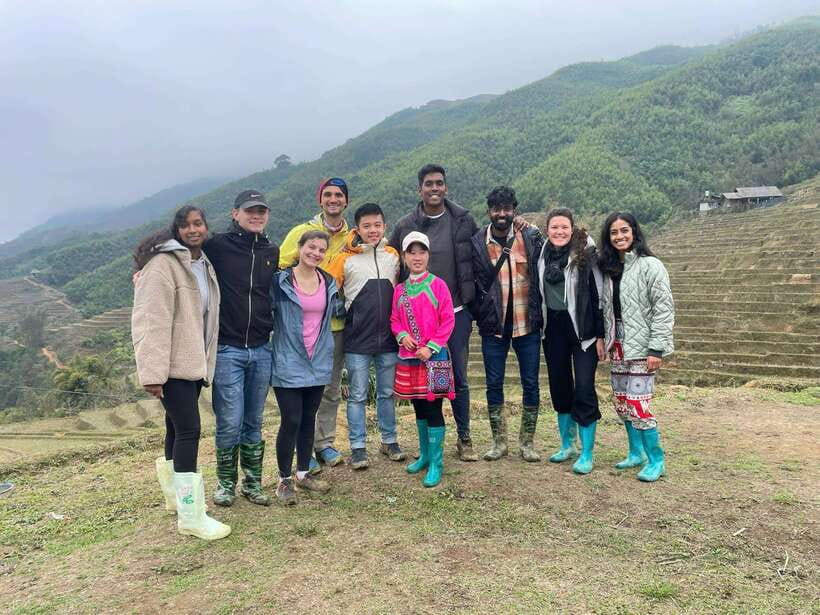
At $123 per person, this is priced like a guided, full-day mountain program. The value isn’t only the views—it’s the logistics and the support that lets you focus on walking.
Here’s what’s included:
- Local guide (English live guide)
- Lunch and snack
- 1.5 liters of water per person
- Car pickup and return from Sa Pa
- Insurance tickets to visit the tourist area
- About 25 km trekking plus about 30 km driving
What’s not included:
- Cable car ticket
- Holiday surcharge of 100,000 VND per person
So is $123 fair? In my view, yes—especially because transport, a guide, and meals are wrapped in. If you were doing this on your own, you’d be paying for a guide somehow and handling transport and food anyway. The only “watch it” factor is the cable car. If you’re planning any combination with cable car use, you’ll need to budget separately since it’s not included.
Also, the tour states the guide is English. That’s a real comfort factor on steep hikes because clear instructions reduce stress. You’ll spend more time moving and less time guessing.
Safety, Fitness, and Packing Tips That Actually Save the Day
Fansipan is not for casual hikers who get winded on hills. The tour calls for a moderate-to-high fitness level, specifically with 25 km trekking over 6–7 hours and steep climbing.
It’s also listed as not suitable for:
- People with mobility impairments
- People with heart problems
- People prone to seasickness (oddly listed, but it is explicitly stated)
That’s not “dramatic marketing.” On a steep trek, pacing and steady breathing matter. If heart conditions are part of your medical history, you should take the not-suitable warning seriously.
Packing list highlights (these are practical, not decorative):
- Comfortable shoes with real grip
- Warm clothing for the higher elevation and breaks
- Hat for sun
- Sunscreen
- Insect repellent
And a simple rule: no smoking and no littering. You’re in a forested environment, so treat it like it matters.
If you want one training tip that’s worth your time: practice long walks on uneven ground, and get used to sustained uphill effort. The climb can feel steeper than you expect because you keep gaining altitude for hours.
Should You Book This Fansipan Full-Day Trek?
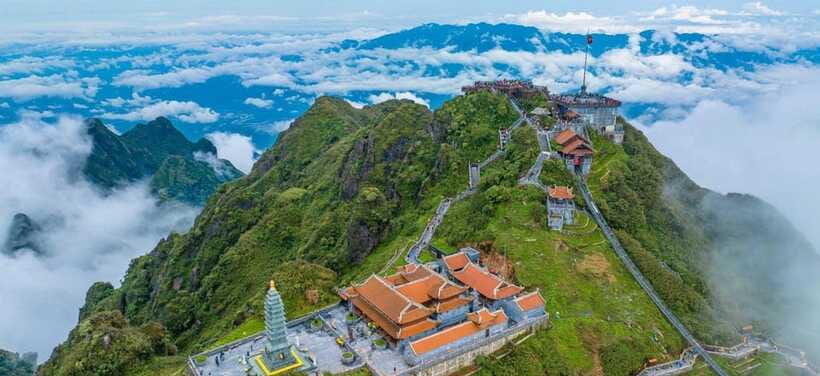
Book it if you want a true summit trek with a guided route, and you’re comfortable with the idea of walking around 25 km over 6–7 hours. This is best for active travelers who like forests, enjoy the discipline of pacing, and care about reaching the top at 3,143 meters.
Skip it (or plan a different approach) if you’re dealing with mobility limits or any heart concerns. Also consider skipping if your idea of a day trip is more relaxed and less physical. Even people who love the experience often say the climb is steep and you need to be in good condition.
One last thought: go in expecting simple, practical meals and bring layers that can handle temperature swings. If you do that, you’ll have exactly the kind of day where the summit view feels like earned bragging rights.
FAQ
How long is the trek?
The full-day tour runs about 12 hours, with guided walking and sightseeing for about 6 hours. You’ll trek roughly 25 km during that walking time.
What height do you reach on Fansipan?
The summit is at 3,143 meters.
Does the tour include meals and water?
Yes. Lunch and a snack are included, and you get 1.5 liters of water per person. There is also a breakfast stop during the trek.
Is the cable car ticket included?
No. Cable car tickets are not included.
What fitness level do I need?
The trek requires a moderate to high fitness level. Expect about 25 km of trekking over 6–7 hours, including steep climbing.
Is there an English guide?
Yes. The live tour guide is English.
Is pickup included from Sapa?
Yes. The tour includes car pickup and return from Sa Pa.