REVIEW · SA PA
Red Dao Village Trek and Herbal Bath
Book on GetYourGuide →Operated by Sapa Trekking Hiking Tours · Bookable on GetYourGuide
Fresh air and village stories, in one day. You’ll hike from Sapa into Red Dao and Black Hmong areas, with terraced views that unfold around every bend, and I love how the day turns culture into real conversation. You’ll also get a closer look at daily life and traditions like marriage customs, and a practical taste of how these communities live today. One thing to plan for: the walking can feel demanding, and the Red Dao herbal bath is paid separately.
You’ll start with pickup in Sapa center (or at Sapa Church), then follow a smaller road out of the tourist bustle. It’s led by a local English-speaking guide, and you’ll cover multiple village areas including Red Dao Ta Phin, plus Black Hmong villages along the way, with a local lunch in the mix. If you’re hoping for an easy stroll, be aware that part of the route can run longer—one common setup is around a 12 km walk through rice fields—so comfy shoes matter.
In This Review
- Key Highlights You’ll Actually Feel
- Getting Out of Crowded Sapa: The Real Start
- Suoi Ho: Black Hmong Houses, Indigo Cloth, and Hill Views
- Ma Tra: More Than One Black Hmong Story
- Lunch at Can Ho: Where the Day Gets a Little Easier
- Ta Phin Red Dao Village: Houses, Daily Life, and Marriage Customs
- The Herbal Bath Finale: Traditional Remedy, Paid Separately
- Price and What You’re Actually Paying For (Why $38 Can Be a Good Deal)
- Pace, Footing, and Fitness: The Part That Can Catch You
- What to Pack for a Comfortable Day in the Hills
- Who This Trek Is Best For (And Who Might Prefer Town Views)
- Should You Book Red Dao Village Trek and Herbal Bath?
- FAQ
- How long is the Red Dao Village Trek and Herbal Bath?
- Where is the pickup location?
- What’s included in the price?
- Is the herbal bath included?
- What should I bring?
- Is this tour wheelchair accessible?
- Is travel insurance included?
Key Highlights You’ll Actually Feel
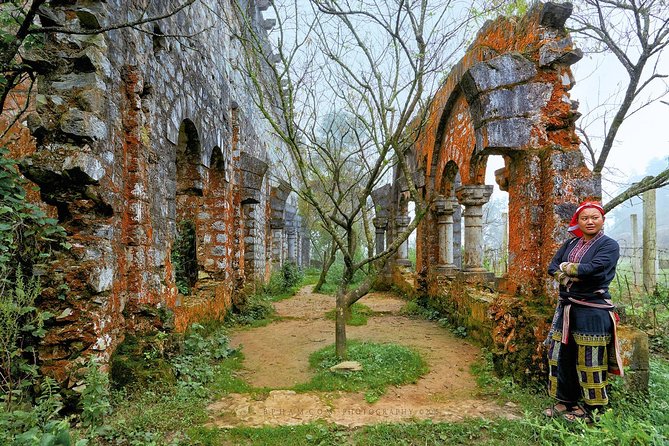
- Suoi Ho panorama stops: hill views over stream and rice fields from a Black Hmong village area
- Indigo and cloth work: see Hmong women embroider, dye indigo, and weave cloth in village settings
- Ma Tra traditions: learn how the Ma family community keeps its own customs even within the broader Black Hmong group
- Ta Phin Red Dao village learning: traditional houses, daily life, and marriage customs explained on the ground
- Herbal bath finale: a Red Dao shower/bath experience using their traditional remedy, usually extra pay
- Lunch with a mountain-view feel: eat at a local restaurant connected to the villages and scenery
Getting Out of Crowded Sapa: The Real Start
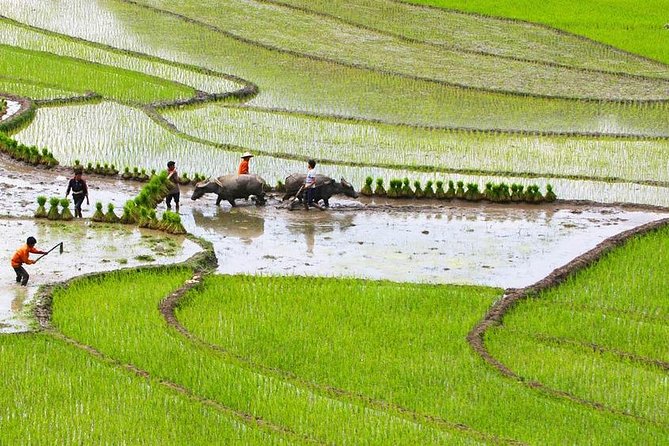
This tour is built around one simple idea: get you out of Sapa town and into the hills before the day gets noisy. After you meet your guide for a short briefing, you’ll head along a smaller road that leads away from the center’s traffic and tour groups.
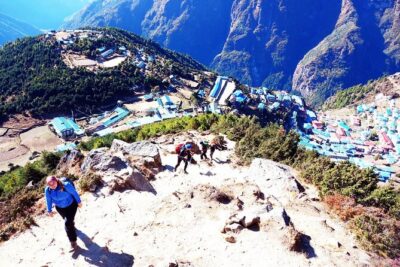
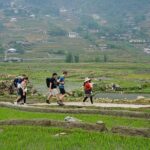
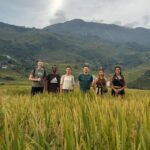
I like the way this format gives you a gradual change in scenery. You start with the familiar Sapa streets, then move toward narrower paths where bamboo and rice start to dominate. The best part is that the views don’t wait until the end. You’ll often see terraced fields and bamboo forest along the route, so the hike feels like travel through changing scenes rather than just moving from point A to B.
Because this is a private group, it also tends to feel less rushed than big join-in tours. You still follow the schedule, but you can ask questions and slow down when something catches your eye—like cloth dyeing processes or the way houses sit on slopes.
One practical note: the itinerary can include a longer stretch of walking through rice fields. A past group described it as a 12 km day and said the route felt demanding. That’s a helpful clue for your planning. If you’re not used to uphill or uneven paths, pack extra patience (and extra water habits).
You can also read our reviews of more tours and experiences in Sa Pa.

Suoi Ho: Black Hmong Houses, Indigo Cloth, and Hill Views
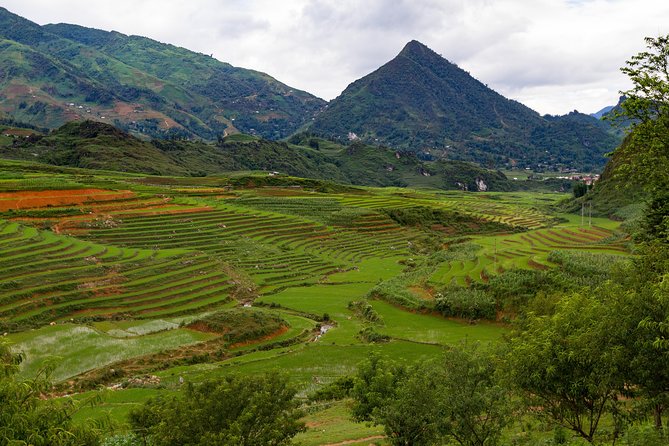
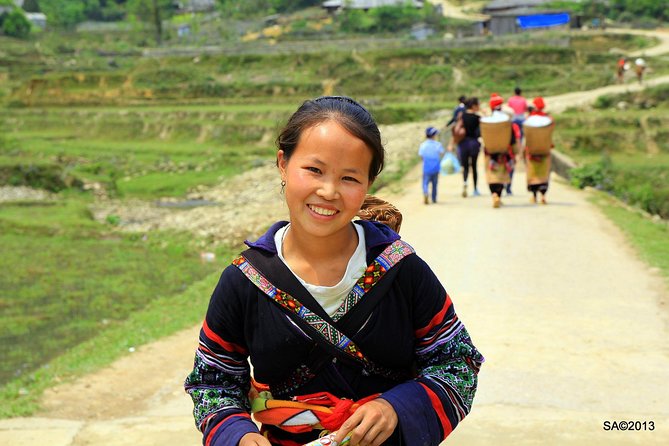
One of the first village areas you’ll visit is Suoi Ho, a Black Hmong community on a hill overlooking a stream and rice fields. This is where the day starts to feel “hands-on,” not just scenic.
You’ll see traditional houses arranged in a way that makes sense for hillside living. You can also observe Hmong women doing crafts like embroidering and weaving, plus dyeing with indigo. Even if you don’t understand every technical detail, watching the work happen in the village context makes it more meaningful than seeing crafts for sale in town.
What you’re really getting here is context. In a place like Suoi Ho, crafts aren’t just souvenirs; they’re part of daily identity. That’s why it’s worth spending a little time asking questions. Your guide is there to help you connect what you see—threads, dye, cloth patterns—to how people live.
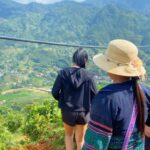
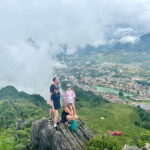
The view from the hill is also a big payoff. You’ll get panorama-style scenes over Suoi Ho valley, with terraces and a ribbon of water in the background. If the weather is clear, it’s the kind of view that makes you pause without anyone prompting you.
Ma Tra: More Than One Black Hmong Story
Next you’ll move to Ma Tra, another village area tied to the Black Hmong group. The key detail here is that Ma Tra has its own traditional practices through the Ma family community, even though they are also Black Hmong.
That distinction matters. It’s easy to lump ethnic groups into a single box when you’re only visiting for a short time. Ma Tra helps you see that “similar roots” can still mean different family traditions, housing styles, and everyday customs.
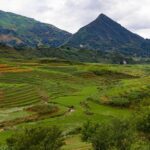
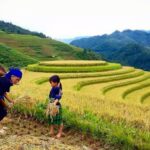
Expect to admire terraced fields and traditional houses in this area. From a photo angle, this can be one of the best segments because terraces create natural layers in the background. From a human angle, it’s a reminder that villagers are not performing a single uniform culture for tourists—they’re living their own local version of it.
The trade-off? Since this is still part of the walking day, you’ll want to pace yourself. Terraced slopes can look easy from a distance but can be tiring up close, especially after you’ve already walked through rice fields and road sections.
Lunch at Can Ho: Where the Day Gets a Little Easier
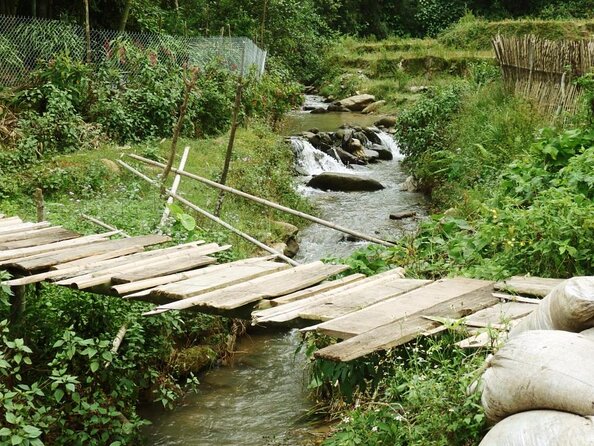
After the village visits, you’ll head to Can Ho, a smaller village along the way. This is where lunch fits in, and it’s not just a meal break—it’s also a viewpoint break.
Lunch is included at a local restaurant, and it’s described as a highlight by prior visitors because it comes with a great view. That’s exactly what I’d want from a mid-day stop: food plus a moment to breathe, sit, and let your legs recover.
What I like about this structure is that it prevents the classic trekking problem where you rush from one stop to the next without time to process what you’ve just learned. Lunch gives you a natural reset: you refuel, then keep trekking into the Red Dao portion of the day.
If you’re sensitive to hills, this is a good moment to ask your guide how the rest of the route feels. You’ll learn quickly whether your remaining walking segments should be treated as “steady pace” or “take it slow today.”
Ta Phin Red Dao Village: Houses, Daily Life, and Marriage Customs
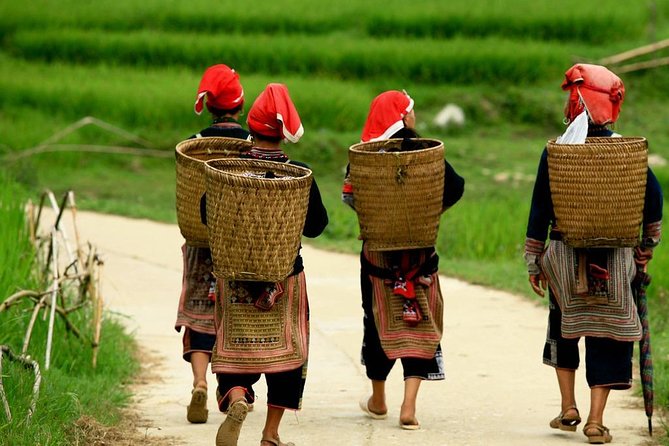
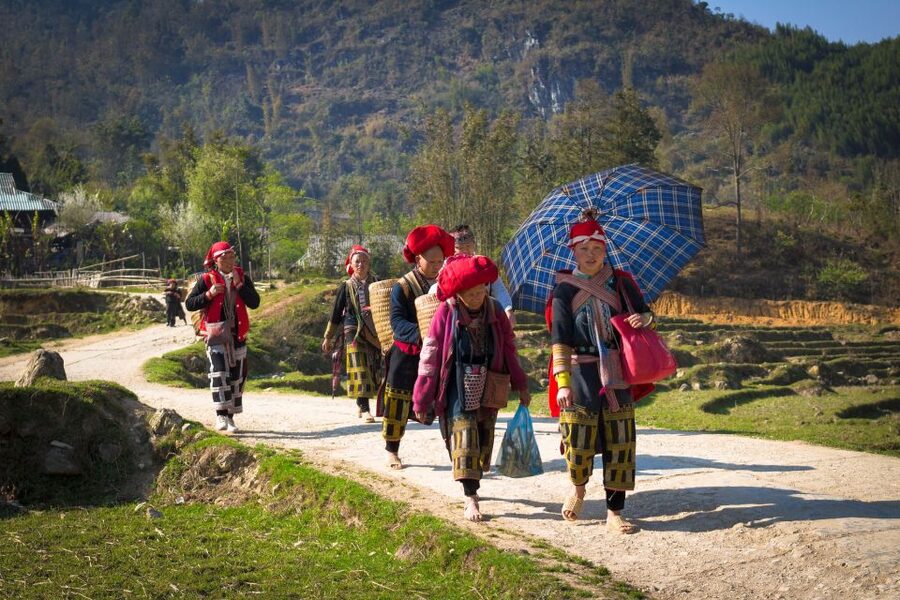
This is the heart of the day: Ta Phin, a Red Dao village area. It’s described as a colorful community and a residence of the Red Dao people, with Black Hmong also present in the area. You’ll spend time here learning about what makes the Red Dao traditions distinct.
You can expect to look at traditional houses and get explanations about living arrangements and daily life. The tour also focuses on cultural topics that visitors often remember long after the photos—especially marriage customs.
This is where I think the tour’s value shows up most. Instead of just sightseeing, you’re getting guided interpretation: why homes look the way they do, what traditions are tied to community life, and how marriage customs reflect social structure. Even if you’ve read general things about ethnic minorities before, a local guide’s explanations help you connect the dots in plain language.
One practical reality: depending on when you go, some village areas can feel quiet. A past group noted that the villages were pretty deserted during their visit. That doesn’t automatically mean you won’t have a meaningful experience—it might just mean fewer people are out and about. In that case, your guide’s role becomes even more important for making the time feel informative rather than awkwardly silent.


The Herbal Bath Finale: Traditional Remedy, Paid Separately
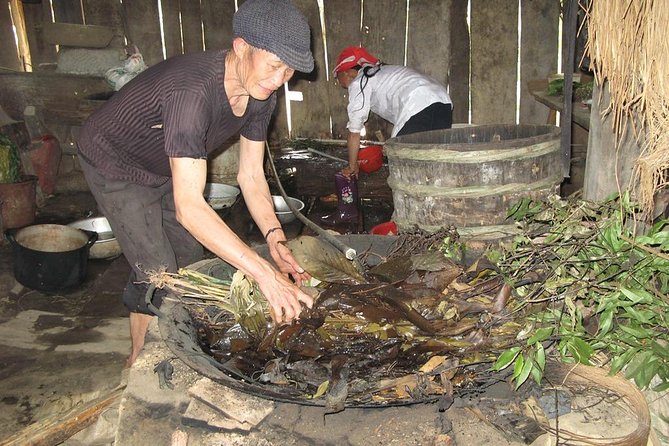
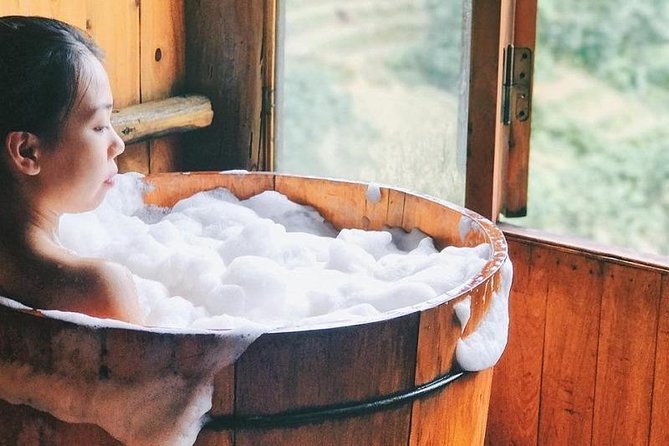
After the village learning, the tour ends with a shower-style herbal bath using a Red Dao traditional remedy at a Red Dao house. This part is the most “unique experience” segment of the day, and it also has a key practical detail:
The herbal bath is not included in the main price. You pay separately for it.
So plan your budget accordingly if you want to do it. Bring the right mindset too. This isn’t a spa day with a luxury menu; it’s a cultural practice. If you treat it as a learning moment—what it’s used for and how it works in traditional thinking—you’ll likely enjoy it more.
Also bring a change of clothes. The tour specifically recommends it, and it makes sense once you’re showering with herbal bath treatment. You’ll also want comfortable clothes you don’t mind getting slightly damp.
Price and What You’re Actually Paying For (Why $38 Can Be a Good Deal)
The stated price is $38 per person for about 6 hours. For Sapa trekking, that’s in the “reasonable value” range, mostly because several things are bundled rather than charged separately.
Included items you should care about:
- Hotel pickup and drop-off within Sapa center
- Village entry fees
- An English-speaking local guide
- Lunch at a local restaurant
- 1.5L water per person
- A raincoat per person
- Transportation back to Sapa from the last village
When I look at value, it’s rarely just the final number—it’s the friction cost. Here, pickup, guide, lunch, and key logistics are already handled. That’s time you don’t spend figuring out transport between villages.
What’s not included:
- The herbal bath
- Personal travel insurance
- Extra drinks along the way
- Tips for guide and driver
Tips are always a personal decision, but if you’ve enjoyed the guide’s explanations, you’ll likely want to set aside a little extra.
If your goal is to learn culture and get a guided, structured route, this price can make sense. If your goal is mainly casual scenery with minimal walking, you might feel the cost doesn’t match your comfort level—because the day can be physically demanding.
Pace, Footing, and Fitness: The Part That Can Catch You

Even though the tour is listed as about 6 hours, the real time pressure often comes from hiking conditions. You’ll walk through corn fields, bamboo forests, and terraced fields. That’s scenic, but it also means uneven ground, uphill sections, and steps that aren’t made for flip-flops.
One past experience described the route as demanding and not suitable for people not physically fit. That lines up with what you’d expect from terraced terrain plus a longer walking day.
So here’s my honest planning advice:
- If you can comfortably walk 60–90 minutes on uneven ground, you’re in a better position
- If you tire easily on slopes, plan to slow down and take breaks as needed
- Bring good grip shoes, not just stylish shoes
The tour also isn’t suitable for wheelchair users or people with mobility impairments. That’s not a “maybe”—it’s an important heads-up because the route involves trekking paths out in the hills.
What to Pack for a Comfortable Day in the Hills
Your tour provider suggests bringing:
- Comfortable shoes
- Comfortable clothes
- Cash
- Hat
- Change of clothes
- Sunscreen
I’d treat those as minimum kit, not optional extras. A hat and sunscreen matter because the terraced paths can leave you exposed between shaded bamboo patches. Cash matters because the herbal bath is paid separately.
Also, think about how you’ll carry essentials. The tour notes oversize luggage isn’t allowed, which means you should travel light. If you can, keep your day bag small so your hands are free when trails get narrow.
One small thing that makes a big difference: you’ll receive a raincoat per person, but you still might get damp from misty air or wet grass. That’s one more reason a change of clothes is smart.
Who This Trek Is Best For (And Who Might Prefer Town Views)
This tour is a strong fit if you want:
- A guided day focused on Red Dao and Black Hmong culture, not just photos
- Real explanations about traditions like marriage customs
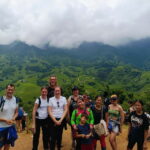
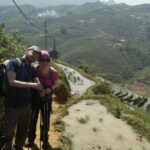
- Scenic trekking through terraced fields, bamboo forest, and rice landscapes
- A structure that includes pickup, lunch, water, and a local guide
It’s less ideal if you:
- Need very gentle walking and flat ground
- Have mobility limitations
- Want a fully included herbal bath experience (because it’s pay-as-you-go)
If you’re traveling with people who are nervous about hikes, you might still choose this tour, but you should manage expectations. Plan on taking breaks and pacing yourself. The payoff is worth it for many people, but your legs should be on board.
Should You Book Red Dao Village Trek and Herbal Bath?
Book it if you want a culture-and-views trek with a local guide and a meaningful village focus. The $38 price feels fair because you’re getting pickup, entry fees, lunch, water, and rain gear handled, plus guided time in Ta Phin for Red Dao culture and customs. If you’re curious about how people live and how traditions—like marriage customs—are explained directly by local guides, this day has the right ingredients.
Skip it or consider a gentler alternative if you want an easy walk, if you’re not confident on uneven hillside paths, or if you hate the idea of paying extra for the herbal bath. Also, if you prefer busy village energy, note that some areas can feel quiet depending on the day.
If you’re flexible and willing to work a little for the views, this is a memorable Sapa day with a genuinely local-feeling ending.
FAQ
How long is the Red Dao Village Trek and Herbal Bath?
The tour duration is listed as 6 hours.
Where is the pickup location?
Pickup is included at Sapa center, and the guide can also meet you at Sapa Church if your hotel or homestay is not in Sapa center.
What’s included in the price?
Included are hotel pickup and drop-off (Sapa center), villages entry fees, an English-speaking local guide, lunch at a local restaurant, 1.5L water per person, a raincoat per person, and transportation back to Sapa from the last village.
Is the herbal bath included?
No. The herbal bath at a Red Dao house is not included, and you pay for it yourself.
What should I bring?
Bring comfortable shoes and clothes, cash, a hat, a change of clothes, and sunscreen.
Is this tour wheelchair accessible?
No. It is not suitable for wheelchair users or people with mobility impairments.
Is travel insurance included?
No. Personal travel insurance is not included.