REVIEW · SA PA
Sapa: Mountain Trail And Villages Trekking
Book on GetYourGuide →Operated by Sapa Local Trekking & Home · Bookable on GetYourGuide
Dragon Jaw Mountain delivers big views early, before the serious walking starts, and that alone sets the tone for the whole day. I also like that you get Hang Đá lunch in a real village setting, plus a stop at the Ban Bo museum where the culture isn’t just background noise. One thing to think about: this is a moderate-to-challenging trek with steep, sometimes slippery sections, so you’ll want solid shoes and a calm pace.
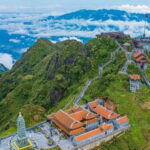
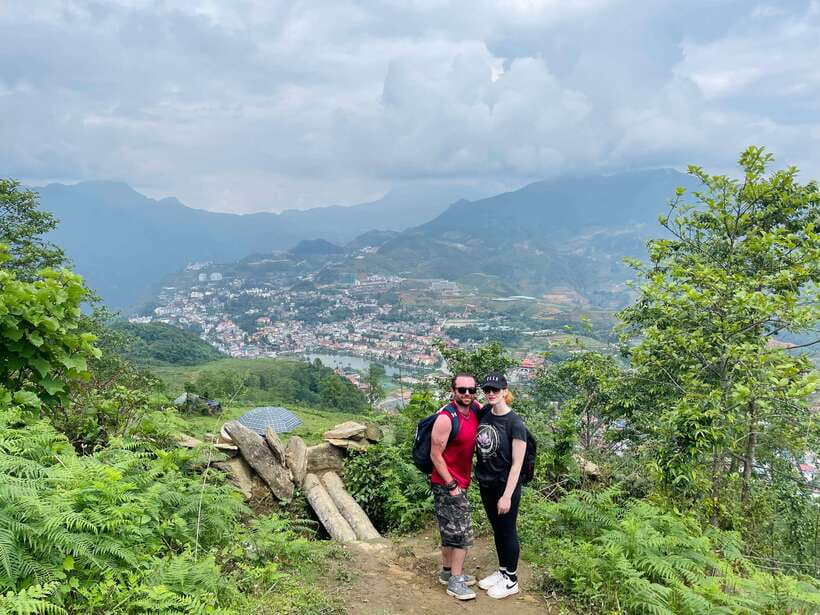
If the weather cooperates, you’ll have a real shot at seeing the Muong Hoa rice valley and even the top of Fansipang in the distance. I’m a fan of this itinerary because it mixes viewpoint time, village life, and a short museum visit without turning the day into a race. The main drawback for some people is simple: it’s not suitable for wheelchair users, and it’s not a good idea if you have heart problems.
In This Review
- Key Highlights You’ll Care About
- Dragon Jaw Mountain Viewpoint: The First Big Payoff
- Trail Time Through Hills and Bamboo: What the Walking Really Feels Like
- Hang Đá Village and Lunch: Culture You Can Taste
- Hau Chu Ngái and Bamboo Paths: The Middle of the Trek Has Surprise Views
- Ban Bo Village Museum: Learning Without Turning It Into a Classroom
- Difficulty, Time, and What to Pack for a Smooth Day
- Guides and the Difference They Make
- Price and Value: Is $30 a Fair Deal?
- Who This Trek Suits Best (and Who Should Skip It)
- Should You Book This Sapa Trek?
- FAQ
- FAQ
- Where is the pickup location for this Sapa trek?
- What time does the tour start?
- How long is the trek?
- What are the main stops on the route?
- Is lunch included?
- What does the price include?
- Do I need to pay entrance fees for the museum?
- What should I bring?
- Is this tour suitable for wheelchair users or people with heart problems?
- Is free cancellation available?
Key Highlights You’ll Care About
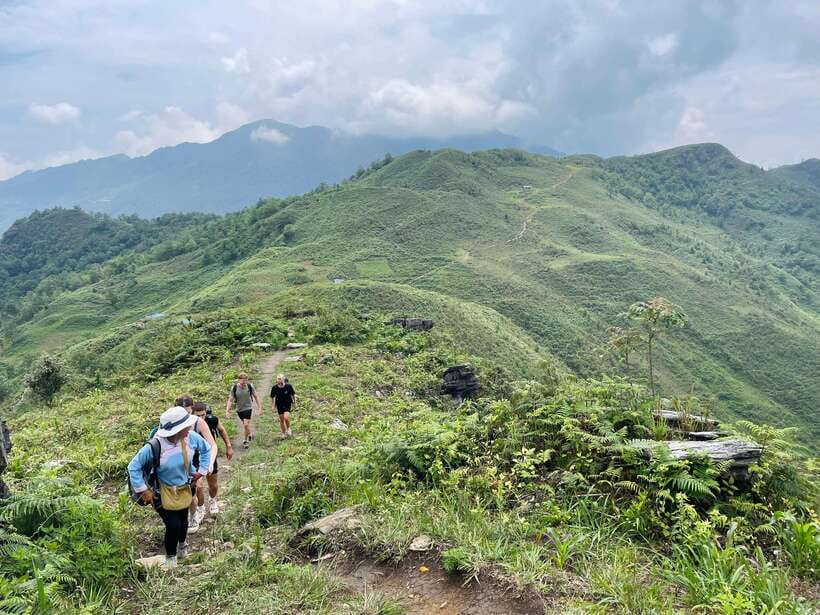
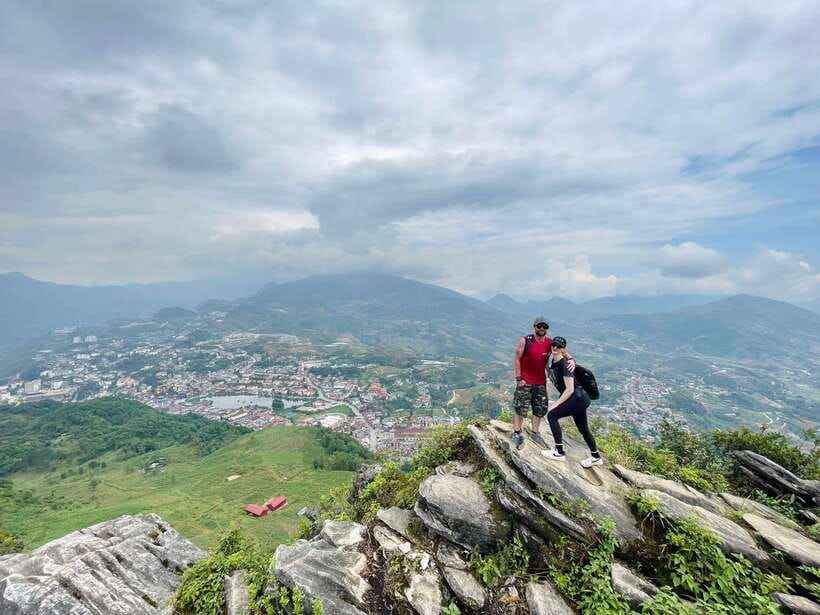
- Dragon Jaw Mountain viewpoint at about 1,900m for town, Muong Hoa rice valley, and possible Fansipang views
- Hang Đá village lunch of local dishes (often simple, like noodles/rice), with time to pause and recharge
- Ban Bo village museum visit to learn about traditional clothes, customs, and culture
- Bamboo forests and high trails that feel remote, with chances for sea-of-cloud moments
- Steep trail segments where grip matters, especially if it has rained
- Pickup + return transport back to Sapa center or your accommodation, plus a bottle of water
Dragon Jaw Mountain Viewpoint: The First Big Payoff
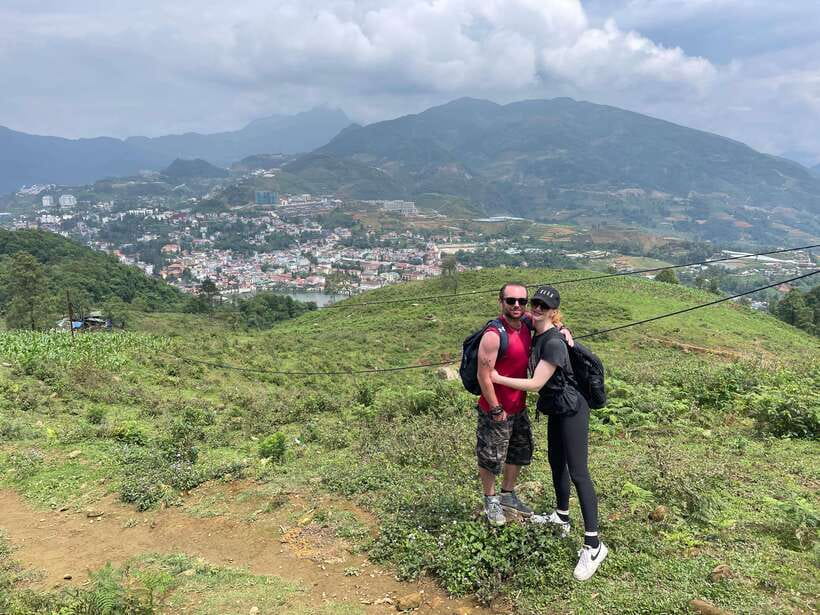
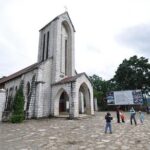
Your day starts in Sapa, usually at 9:00am. Your guide will pick you up around Sapa center, or you can meet at Sapa Church, the main church in town. Either way, you’ll get a quick program briefing before you hit the trails. I like this start because you’re not guessing what to do or where to go—you’re walking within minutes of the meet-up.
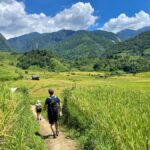
The hike begins with a small trail uphill, passing through corn farms and working your way toward the mountain viewpoint. It’s not just a warm-up stretch. These early sections help you gradually acclimate to Sapa’s cooler air while giving you changing glimpses over the valley.
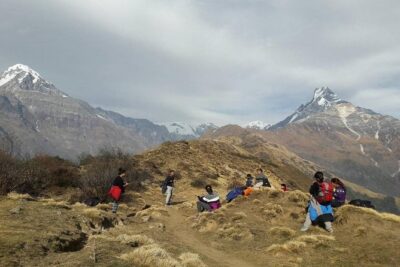
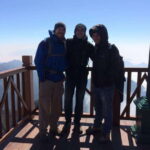
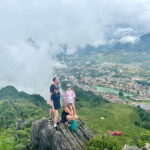
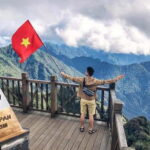
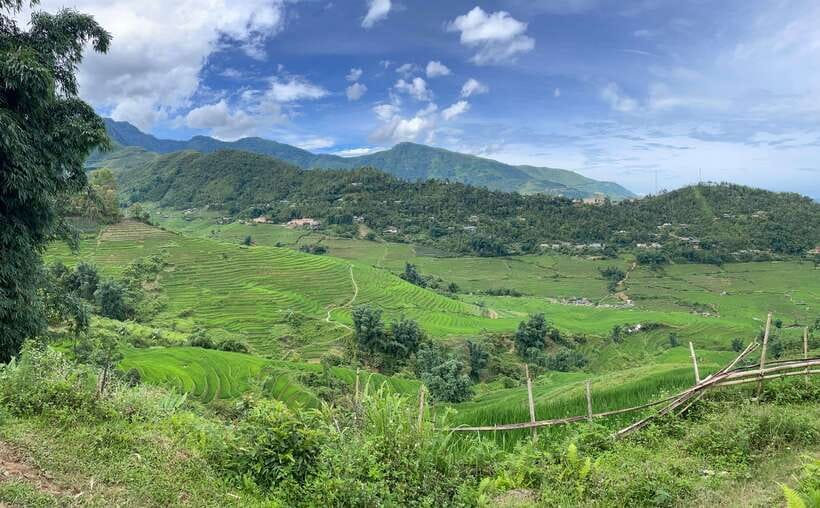
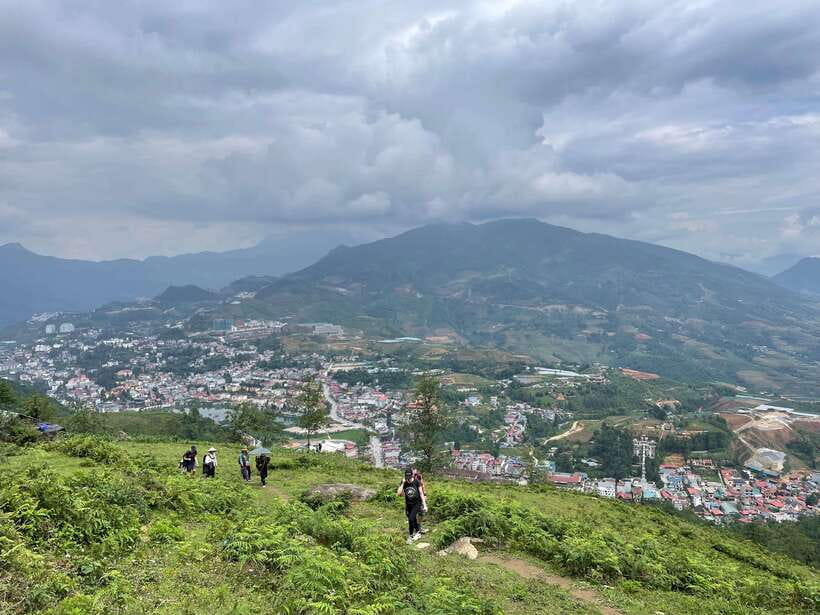
After about 1.5 hours, you reach Dragon Jaw Mountain at roughly 1,900m above sea level. This is where the itinerary earns its keep. From here, you can take in Sapa town and the Muong Hoa rice valley, and if visibility is good, you can also spot Fansipang, the highest mountain in Indochina. Even if you only catch part of it through clouds, the viewpoint still feels like a reward you can actually digest: you stop, look, take photos, and then you keep going.
Practical note: the experience description hints that sea-of-clouds can happen when the weather is nice. That means your best “window” is likely early-to-mid trek time at the viewpoint, when the sky is still moving but not fully burned off by afternoon changes. Come prepared for cold wind at elevation—even if Sapa town feels mild in the morning.
You can also read our reviews of more tours and experiences in Sa Pa.
Trail Time Through Hills and Bamboo: What the Walking Really Feels Like
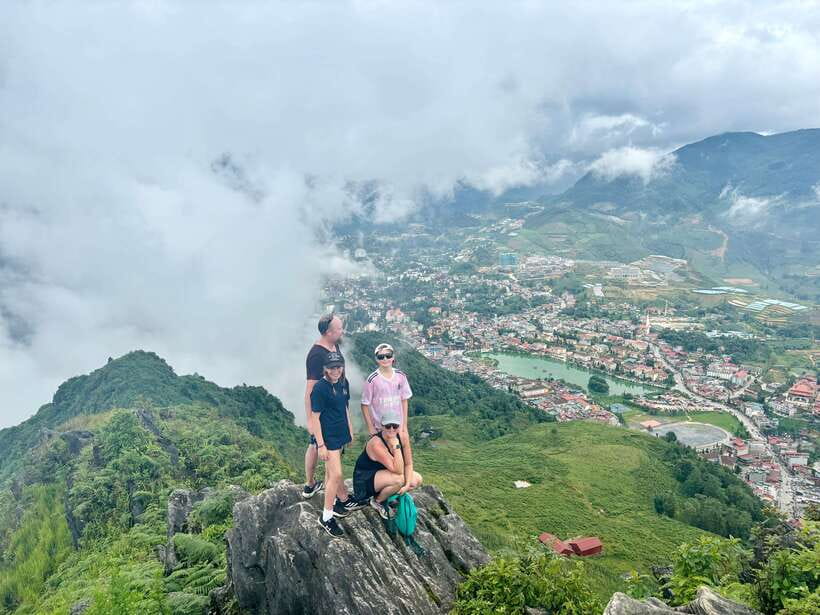
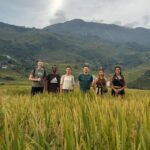
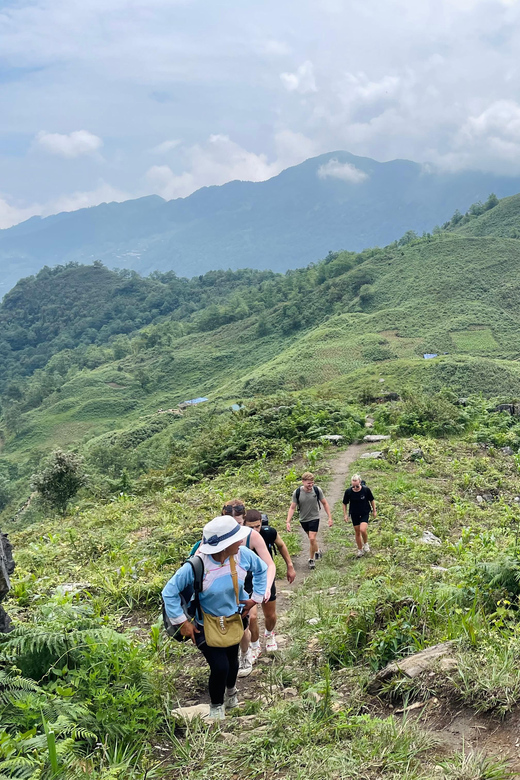
Once you leave Dragon Jaw, the route continues along high trails through small forests and hills. The walking style here is the reason this trek feels more like a journey than a quick sightseeing loop. Instead of staying in one main road, you’re moving across paths that feel more “local” and less like a packaged hike.
You’ll also hear the route described as having sections that feel like a dinosaur spine when you keep moving along the ridge-like trail toward the next village. Translation: expect uneven footing and a trail that doesn’t always feel forgiving. The goal isn’t technical climbing, but the day can feel more intense than you might expect on paper.
A few things to plan for:
- Grip matters. If it has rained, slopes can get slippery. Good tread is the difference between relaxed trekking and constant caution.
- Weather changes fast. Bring warm layers even if you’re wearing a light jacket at pickup.
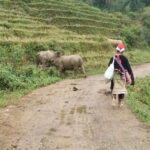
- You might share the trail with animals. The route passes areas where you could see buffalo, cows, horses, and pigs, plus local village life along the way.
One of the best parts of these hidden trails is how they slow you down. You’ll naturally spend more time looking at the hillside and less time thinking about the next photo. If you enjoy that “walk and notice” rhythm, you’ll love this section.
Hang Đá Village and Lunch: Culture You Can Taste
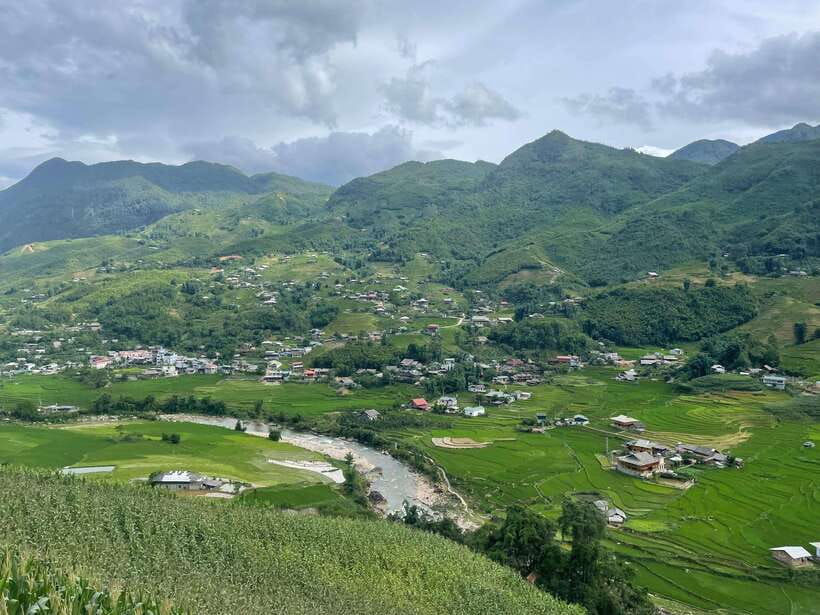
After a break and photos at Dragon Jaw, you continue walking toward Hang Đá village, associated with Black H’Mong culture. The route down toward the village works like a transition from wide views to closer, human-scale details.
On the way down, you may see animals—again, the day isn’t just scenery. It’s countryside where people raise livestock and build daily routines around the terrain. You’ll also pass through areas with homes and traditional structures, so you can observe how the valley is lived in rather than simply looked at.
Then it’s time for lunch in Hang Đá, with about 1 hour for eating. The tour description frames the meal as local dishes, and one past guide experience also mentions simple fried noodles or rice as part of the lunch spread. Either way, the important point is that you get a real mid-trek pause. This keeps the day from turning into a long grind where you forget to refuel.
What to do during the lunch window:
- Use the hour to rest your legs, not just to eat.
- Drink water if provided (you’ll have bottle water included).
- Take a few slow photos of the village setting from the spot the group stops at—those views tend to look better with a little perspective.
If you have dietary restrictions, plan to mention them in advance. The tour info specifically asks you to inform the operator about restrictions ahead of time, so you’re not stuck guessing on the day.
Hau Chu Ngái and Bamboo Paths: The Middle of the Trek Has Surprise Views
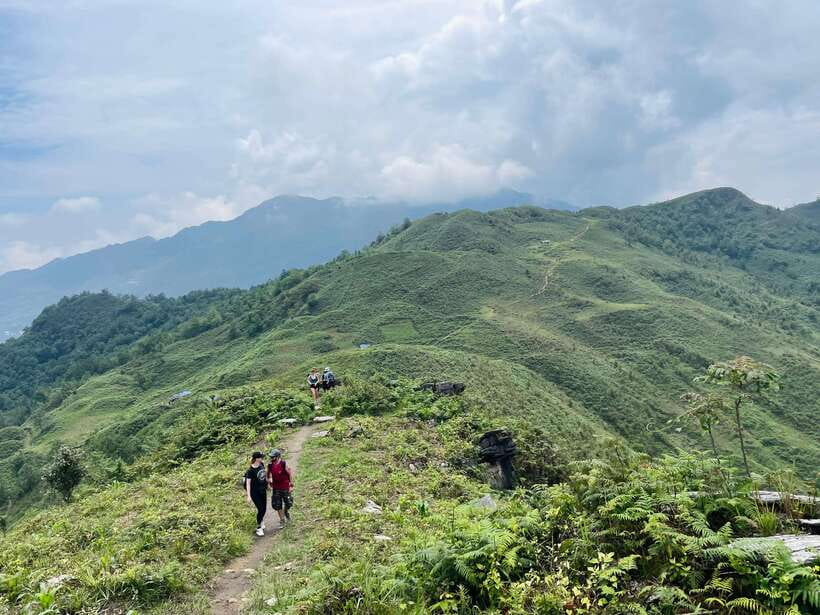
After lunch, the trek continues toward Hậu Chu Ngái village, along roads described as exceptionally beautiful and through short bamboo forest trails to descend toward Bản Phố (Ban Pho).
This part of the itinerary can feel like the “in-between” leg, but it’s often where you catch the most interesting changes in view. As you move down, you get a better look at:
- Houses scattered around the valley
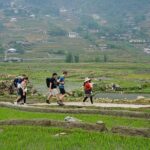
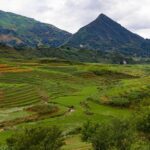
- Terraced fields seen from above
Those terraces matter because they’re not just pretty. They’re a living system built to work with slope and water. Even from a distance, you start to understand why Sapa’s valleys look the way they do.
Bamboo sections also help reset the pace. The paths feel narrower and calmer than wide ridge paths, which can make you feel like you’re stepping into a quieter pocket of the mountains. If the sky has cleared, this mid-afternoon light can also be great for photos—just expect temperature changes if clouds roll in again.
Ban Bo Village Museum: Learning Without Turning It Into a Classroom
The final cultural stop is at Ban Bo village, where you visit a museum. The guide explains traditional clothes, local customs, and cultural context—basically, the “why” behind what you’ve been walking past all day.
This stop is valuable because trekking in Sapa can otherwise feel like you’re only chasing views and walking scenery. The museum visit gives you a chance to connect the dots: what you saw on the trail—houses, clothing styles, everyday routines—has a deeper cultural meaning.
Plan for a short, guided visit rather than a long, self-paced museum wander. The museum is part of the one-day flow, so you’re not expected to spend hours reading every display. Instead, the guide’s explanation helps you interpret what you saw earlier.
After the museum, the trek ends. You’ll then take a car back to Sapa town or your accommodation, so you’re not stuck hauling yourself uphill again just to get home.


Difficulty, Time, and What to Pack for a Smooth Day
This trek is listed as 6 hours total. That doesn’t mean you’ll only walk for 6 hours—there are breaks, a photo moment, and lunch time. Still, it’s best to think of it as a full morning/early afternoon active outing, not a casual stroll.
Also, it’s described as moderate to challenging and not suitable for wheelchair users. It’s also not recommended if you have heart problems. If you’re in doubt, choose the easiest route with your guide if that option is offered, especially if weather is changing.
What you should bring is simple and very practical:
- Comfortable shoes with strong grip
- Warm clothing (Sapa weather shifts)
- A camera for viewpoint shots
- Hiking shoes if you have them
And one more tip from real-world trek logic: if your footwear is borderline, fix it before you arrive. One day on steep, slippery slopes can be enough to turn “scenic hike” into “ankle drama.”
Guides and the Difference They Make
This kind of trek lives or dies on pacing and communication. You’ll have a professional English-speaking guide, and pickup/meeting is handled so you aren’t left trying to coordinate alone.
Two past guides’ names show up with different strengths:
- Tung Jacob is described as checking in on trekking preference and offering either easier or more difficult routes depending on conditions like rain. That flexibility matters because it helps you match the day to your comfort level.
- Keyni is praised for being experienced, physically fit, and encouraging, especially on a challenging course.
There’s also mention of additional information from a H’Mong lady who followed along in the mountains, offering small pockets of detail. That kind of input can turn a viewpoint trek into something more human.
The best mindset for your expectations: if you want deeper cultural history, bring curiosity and ask your guide questions during natural pauses. The route includes viewpoint breaks and village stops, which are perfect times to ask what you’re seeing and what it means.
Price and Value: Is $30 a Fair Deal?
At about $30 per person, this trek is priced in the budget-to-mid range for Sapa. The value isn’t just the trail—it’s what’s bundled in.
Here’s what you get included:
- Professional English-speaking guide
- Lunch
- Entrance fees
- Transport back to Sapa town or your accommodation
- Bottle water
When you compare that to the cost of piecing together guide help, a museum entry, and separate transport, the price starts to make sense. Also, the day is structured: you’re not only walking; you’re also getting a cultural stop and a meal timed into the route.
The only “hidden cost” you might feel is personal: if you need proper footwear or warm layers, those aren’t included. If you’re already equipped, you’ll likely feel like you’re getting a lot of mountain time for the money.
Who This Trek Suits Best (and Who Should Skip It)
This tour makes sense if you want:
- Big Sapa and valley views from Dragon Jaw
- A village lunch experience in Hang Đá
- A cultural stop at the Ban Bo museum
- A trail that feels less like a city walk and more like real mountain travel
It may not be for you if you:
- Need wheelchair access (it’s not suitable)
- Have heart problems (not recommended)
- Want only flat, easy paths
If you’re the type who enjoys walking with a purpose—stopping for views, noticing details, and learning while you go—this day will feel well-paced.
Should You Book This Sapa Trek?
Yes, I’d book it if you’re aiming for a single-day Sapa experience that actually balances viewpoints, village life, and cultural context. The Dragon Jaw start is strong, and the museum stop keeps the day from becoming only about photos.
Hold off or be extra cautious if you’re sensitive to steep, slippery terrain or if cold weather makes you miserable. This trek can be moderate to challenging, and good shoes aren’t optional.
If you do book, come with warm layers, check your footwear grip, and ask your guide about route difficulty if rain or conditions change. That one decision can dramatically shape how enjoyable the day feels.
FAQ
FAQ
Where is the pickup location for this Sapa trek?
Pickup is available around Sapa Center around 9:00am, or you can meet the guide at Sapa Church, the main church in Sapa.
What time does the tour start?
The program is listed with a 9:00am pickup. Starting times may vary, so it’s best to check availability for the exact slot.
How long is the trek?
The total duration is about 6 hours.
What are the main stops on the route?
The day includes Dragon Jaw Mountain, Hang Đá village for lunch, and a museum visit in Ban Bo village, then you return to Sapa by car.
Is lunch included?
Yes. Lunch is included, served during the stop in Hang Đá village.
What does the price include?
The price includes an English-speaking guide, lunch, entrance fees, bottle water, and transport back to Sapa town or your accommodation.
Do I need to pay entrance fees for the museum?
Entrance fees are included, so you typically don’t need to pay separately for the museum visit.
What should I bring?
Bring comfortable shoes or hiking shoes, warm clothing, and a camera. Weather can change quickly in Sapa.
Is this tour suitable for wheelchair users or people with heart problems?
No. It’s listed as not suitable for wheelchair users and not suitable for people with heart problems.
Is free cancellation available?
Yes. You can cancel up to 24 hours in advance for a full refund.