REVIEW · SA PA
Sapa: Full-Day Trekking Tour to Lao Chai and Ta Van Village
Book on GetYourGuide →Operated by HKTRAVEL · Bookable on GetYourGuide
One day in the hills changes your sense of pace. This trek threads Muong Hoa Stream rice terraces toward Lao Chai and then climbs up to Ta Van for a close look at the daily life of northern Vietnam’s minority groups. Two parts I really like are the walk along the terraces with Hoang Lien Son mountain scenery and the chance to see the color-coded clothing of the Black H’mong and the Zay as you move between villages. One consideration: the hike is active but not endless, so if you want hours right up next to every rice plot, you may feel the time is tighter than you’d like.
I also like that the day has a clear rhythm. You start with village time near Y Linh Ho, then you’re hiking, then you settle into lunch in Ta Van before heading back to Sapa Town by car. An English-speaking guide helps you connect what you’re seeing to how people live, and that makes the stops more meaningful than just passing by.
Finally, plan this as a real climb, not a casual stroll. The route includes a 1,200-meter ascent up to Ta Van, and the tour is not suitable for people with mobility issues, so comfy shoes and a steady pace matter. If you’re ready for effort and for meeting locals who may sell small items, you’ll enjoy this far more.
In This Review
- Key highlights to look forward to
- Getting to Lao Chai and Ta Van from Sapa in one 6-hour day
- Y Linh Ho start: setting your expectations for what you’ll see
- Muong Hoa Stream rice terraces to Lao Chai village
- Passing Black H’mong, Dzao, and Dzay villages: the value of guided context
- Ta Van climb: 1,200 meters for Zay village color and daily life
- Lunch in Ta Van: rest, refuel, and watch village time at human scale
- Return to Sapa Town: how to keep the day from feeling rushed
- Price and value: is $22 a fair deal for this 6-hour experience?
- Who this trekking tour suits best (and who should skip it)
- Practical tips for your comfort: shoes, layers, and water
- Should you book this Sapa trek to Lao Chai and Ta Van?
- FAQ
- How long is the trekking tour?
- Which villages are visited during the tour?
- Is lunch included?
- Is pickup included, and where do I meet the tour?
- What language is the guide?
- What should I bring?
- Is the tour suitable for people with mobility issues?
- Are there any extra charges on public holidays?
Key highlights to look forward to
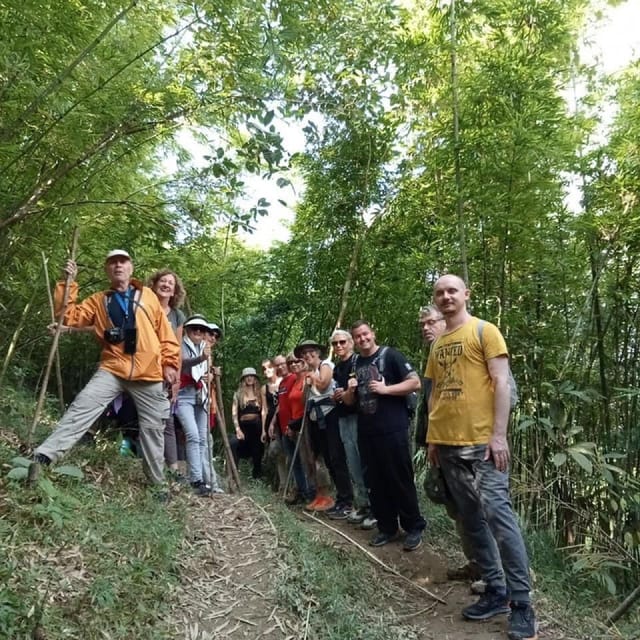
- Muong Hoa Stream rice terraces: a classic Sapa walk that keeps views moving the whole way
- Lao Chai village time: a Black H’mong community stop with everyday life in focus
- Multiple tribal villages: you pass through places tied to Black H’mong, Dzao, and Dzay peoples
- A serious climb to Ta Van: 1,200 meters up, with the Zay people and distinctive clothing
- Lunch in Ta Van: you pause at the village, not on the road
- English-speaking guide: helpful explanations so the route makes sense
Getting to Lao Chai and Ta Van from Sapa in one 6-hour day
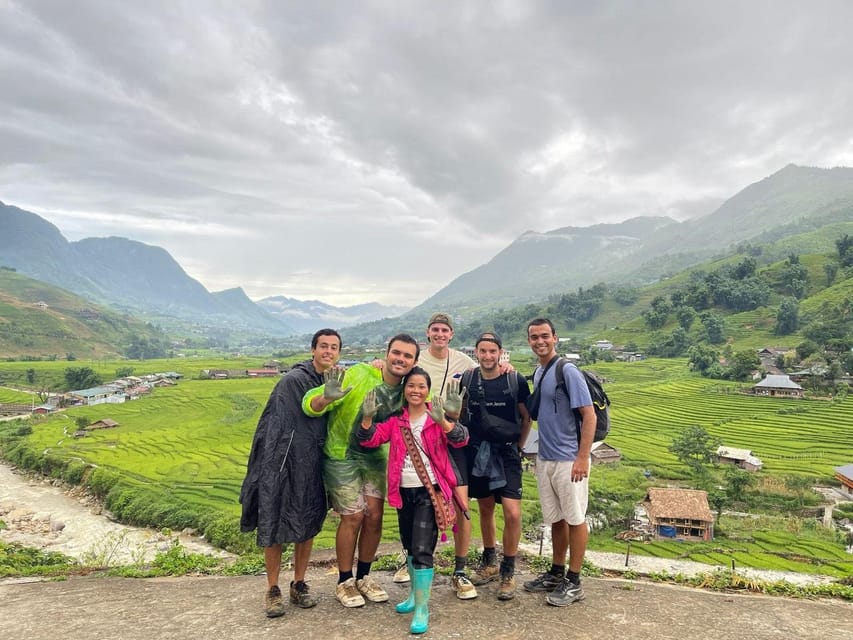
This is a 6-hour trek experience built around the classic villages around Sapa. Your day starts with pickup in Sapa Town between 8:00 AM and 8:30 AM (timing varies by where you’re staying), and you return to Sapa Town by car after lunch. That means you’re spending more of the day walking than thinking about logistics.
If you’re staying outside Sapa Town, the meeting point is at the front of Delta Sapa Hotel at 8:00 AM. It’s a small detail, but it affects how smoothly your morning goes, especially if your hotel is up the road and you have to be early.
The biggest “how it feels” factor is the mix of hiking and village stops. The route is short enough to fit in one morning-to-afternoon window, but the climb up to Ta Van still makes it a workout. If you like short but satisfying trips, this hits the sweet spot.
You can also read our reviews of more tours and experiences in Sa Pa.

Y Linh Ho start: setting your expectations for what you’ll see
After pickup, you head toward Y Linh Ho, a key village area that helps you begin the day with context. This is where the trek stops feeling like transport and starts feeling like you’re actually entering the region people live in.
What you’ll get here is the first shift in pace: from city street energy to mountain-village rhythm. You’ll be ready for the rice terraces later, but you also get a chance to orient yourself before the longer stretch begins.
One practical note: start thinking about layers early. Even if the morning begins comfortable, the climb toward higher ground can change how warm you feel, and cool air can sneak in fast when you slow down.
Muong Hoa Stream rice terraces to Lao Chai village
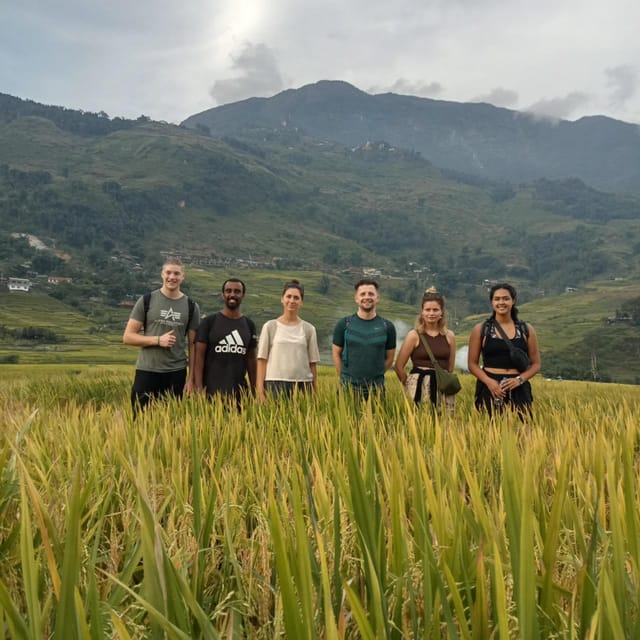
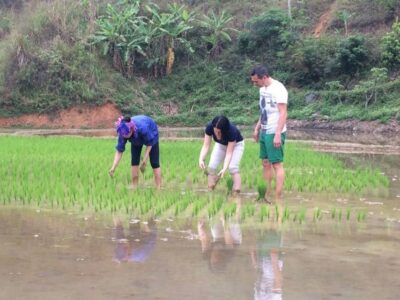
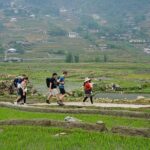
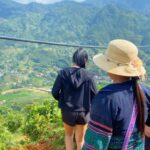
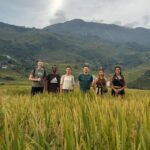
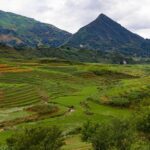
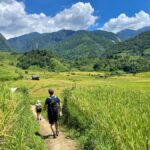
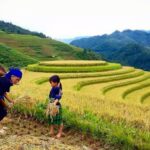
The heart of the trek is the walk along rice terraces fed by the Muong Hoa Stream. This is the stretch that gives you those strong, moving views: a path that keeps revealing new angles on terraced fields, with mountains in the background.
I like this part because it’s not just scenic. The terraces show how people shape steep land into something workable, and the stream acts like a thread connecting fields and villages. When your guide points out what you’re seeing, it turns into more than a photo stop.
At Lao Chai, you shift from walking through farmland to meeting a community in the Black H’mong minority tradition. You’ll see daily life at a village scale rather than just viewing it from a distance, which is the real reason to choose a guided trek instead of a bus ride.
A consideration from my perspective: the terraces and the village stops happen on a schedule. If you want to press close to every rice plot for long stretches, this day may feel more like a carefully routed highlights walk than a slow, lingering wander.
Passing Black H’mong, Dzao, and Dzay villages: the value of guided context
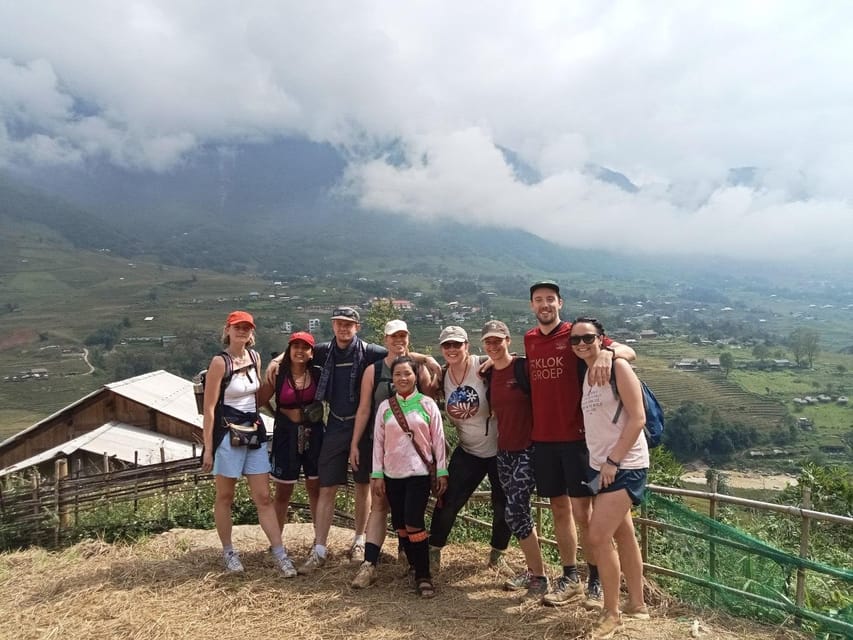
As you move between villages, you’ll pass through multiple tribal communities linked to the Black H’mong, Dzao, and Dzay peoples. In a place like this, your eyes need help. Without context, it’s easy to see clothing and houses but miss how everyday choices connect to terrain and farming life.
A good English-speaking guide makes a difference here. In particular, kindness and clarity matter on a trek like this because the day includes several village names, and it’s easy to get turned around. If you’re the type who likes to understand what you’re seeing before you move on, this is where you’ll get your money’s worth.
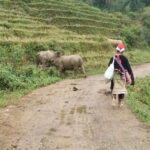
Also, be mentally prepared for the reality of village tourism. Some locals may try to sell items, and that can interrupt a quiet moment. If you’re focused on the bigger picture—walking, meeting people, observing daily life—you’ll likely find the day still feels worth it.
Ta Van climb: 1,200 meters for Zay village color and daily life
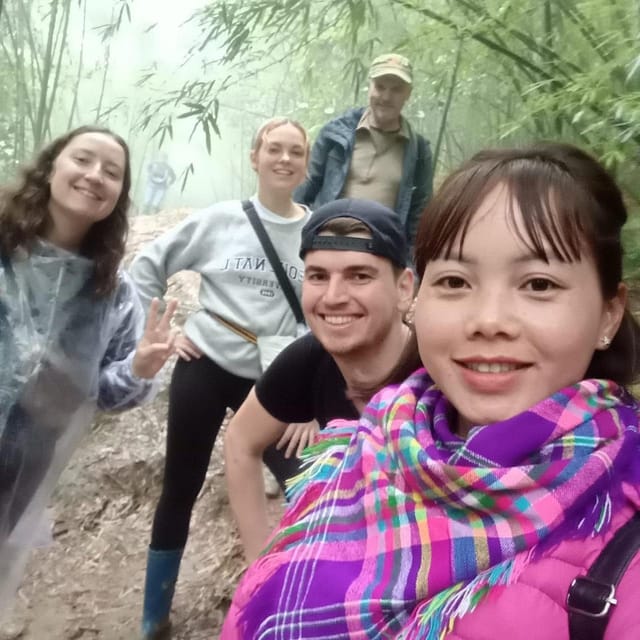
The climb to Ta Van is the part that separates an easy hike from a real trekking day. You go up about 1,200 meters to reach Ta Van Village to visit the Zay people, a smaller minority living in the mountains of northwestern Vietnam. This is where your legs feel it, and where the views and village atmosphere reward that effort.
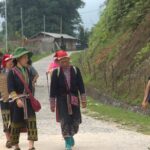
One of the most memorable details is the clothing. You’ll see Zay attire in purple, blue, and green tones—color that reads instantly against the mountain setting. It’s one of those things that’s easier to notice on foot and at close range than from a distance.
As you enter the village area, look at the way houses are built and lived in. You’ll see homes made of wood and bamboo with clay floors, which gives you a tactile sense of how people adapt materials to the environment. It’s not about exoticism—it’s about practical building choices that match the local setting.
This climb is also where pacing becomes the difference between enjoying the day and rushing it. If you start fast, you’ll pay later. I’d rather arrive a little slower and stay calm for the village moments than push and end up tired and cranky for lunch.


Lunch in Ta Van: rest, refuel, and watch village time at human scale
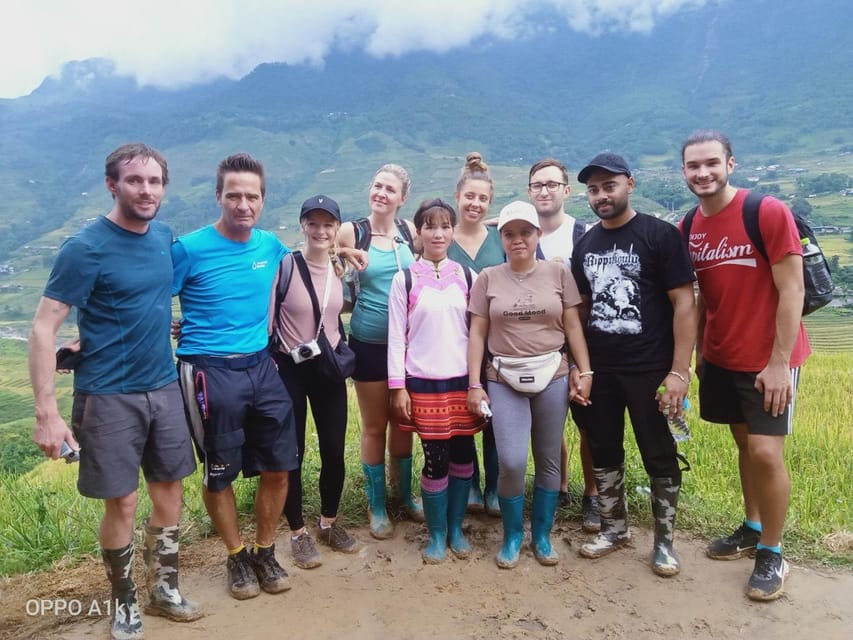
Lunch is served at Ta Van Village and counts as the included main meal. This matters because it keeps the stop from feeling like a quick roadside break. You get time to sit, rest, and reset before the return to Sapa Town.
During lunch, take a moment to look around without turning it into a constant photo mission. The most rewarding part of a village meal is the slower pacing it creates. You’re not just eating; you’re recovering from the climb while seeing how the village holds its daily routine.
Remember to treat this meal as part of the trek, not a separate event. Bring a plan for your hydration and comfort before you reach lunch, because after the meal you still have to walk back down and transition to car transport.
Return to Sapa Town: how to keep the day from feeling rushed
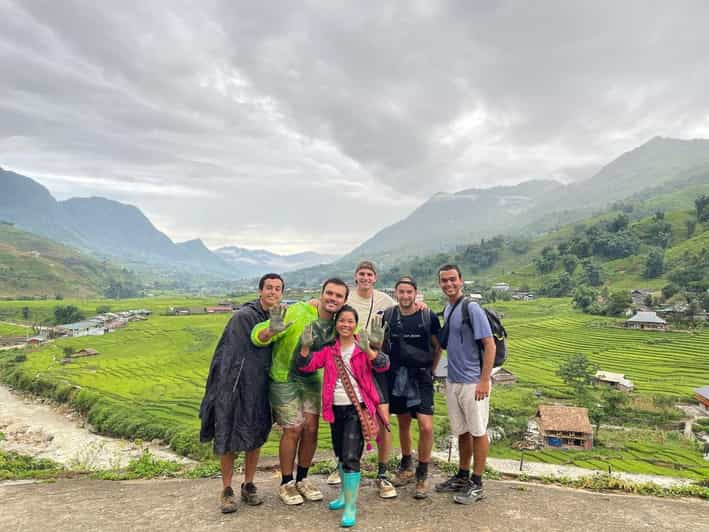
After lunch, you head back to Sapa Town by car. That handoff is important: it protects you from turning the day into an all-day leg grinder. You still get hiking time, but you don’t lose everything after the effort.
This is also a good moment to think about your day’s energy. If you’re tempted to book something right after, consider how you’ll feel after the climb and the walking. Even if you manage it well, 6 hours with a major elevation gain can leave you tired.
If you’re staying in Sapa, plan an unhurried afternoon after you return. A slower rest period helps you absorb what you saw rather than just mentally tagging it as another checkbox.
Price and value: is $22 a fair deal for this 6-hour experience?
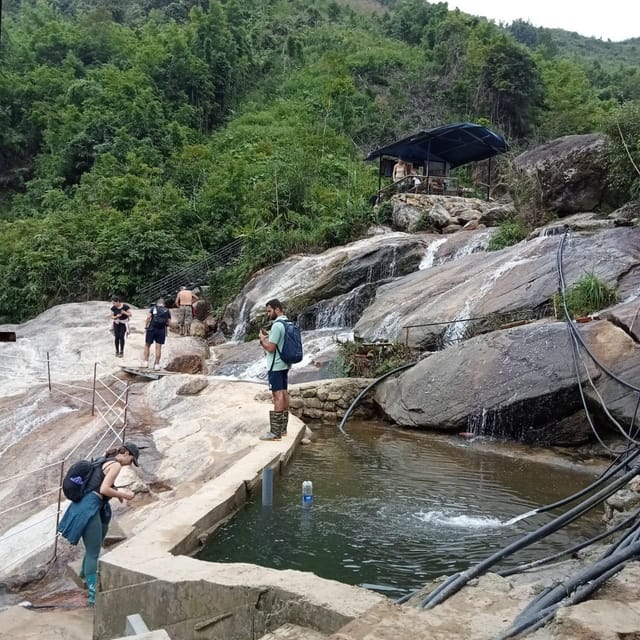
At about $22 per person for a 6-hour trek with an included main meal, a guide, and scheduled sightseeing tickets, this is priced like a value-focused guided day. You’re paying for three things: guided navigation across multiple village areas, access to planned stops, and the meal that keeps you from spending extra money on food mid-trek.
The real question is whether the hike style matches your expectations. If you want a structured route with village stops at set times, you’ll likely feel it’s a good deal. If what you want most is long, quiet time close to the rice terraces with zero interruptions, you might judge the pacing more harshly.
You should also factor in what’s not included: insurance, visas, and personal expenses like drinks and tips. If you want water or extra snacks beyond what’s provided in your plan, budget for it. You also should bring your own camera, warm layers, and good shoes, because the tour’s success depends heavily on your comfort.
Who this trekking tour suits best (and who should skip it)
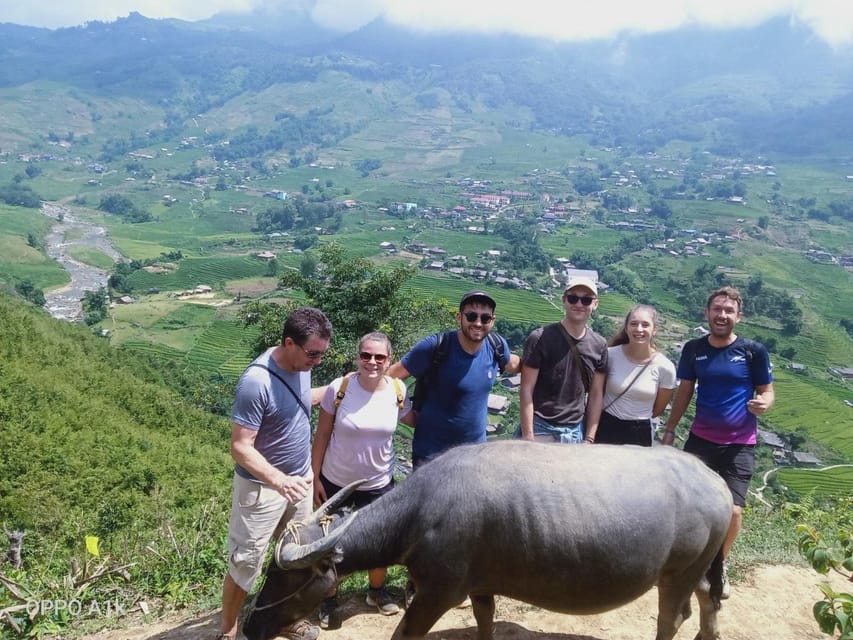
I’d book this if you like structured hiking with cultural stops and you’re comfortable walking for hours with real elevation gain. It’s especially good for first-timers who want to see how rice terraces connect to village life and how minority communities are positioned across the mountain terrain.
You’ll also enjoy it if you like specific details—clothing colors, village building materials, and the logic behind how communities use the land. The day is designed so you can make sense of the region by moving through several village environments rather than staying in one place.
Skip it if you have mobility limitations. The tour is not suitable for people with mobility issues, mainly because of the active trek and the climb to Ta Van.
Also, if you get stressed by vendors or frequent interruptions, consider your mindset. Small sales moments can happen in village tourism, and the best defense is staying focused on observing and learning, not negotiating your way through the day.
Practical tips for your comfort: shoes, layers, and water
The tour asks you to bring comfortable shoes and warm clothing, and I strongly agree. Even in the daytime, mountain air and shade can cool you down, and the climb can make you sweat. Layers help you manage that swing.
Bring water. The day includes walking and a major ascent, so you’ll want to sip regularly rather than waiting until you’re already tired.
A camera is a good idea, but plan how you’ll use it. If you’re constantly stopping to frame shots, you’ll lose energy and rhythm. Quick photos while moving are often better than frequent long stops.
If you’re worried about pace, set your goal as steadiness. The best days on this kind of trek are the ones where you arrive at village stops still curious, not out of breath and rushing.
Should you book this Sapa trek to Lao Chai and Ta Van?
Yes, I’d recommend booking if you want a short, guided mountain day that combines rice terraces, village visits, and a serious climb up to Ta Van. The included meal, English-speaking guide, and planned sightseeing access make it feel like a complete experience rather than a DIY plan you have to assemble.
I’d think twice if you’re chasing a long, slow walk right beside every rice terrace plot or if you dislike village tourism sales pressure. This tour is structured, so you get the highlights and the key community stops, but you don’t get unlimited wandering time.
If you go in expecting a real hike with multiple village moments—and you come dressed for both cool air and uphill effort—you’ll likely feel it was good value and memorable.
FAQ
How long is the trekking tour?
The duration is 6 hours.
Which villages are visited during the tour?
You’ll go to Y Linh Ho, then hike to Lao Chai, and you’ll reach Ta Van Village. The day also includes passing through several tribal villages.
Is lunch included?
Yes. There is one main meal included at lunch.
Is pickup included, and where do I meet the tour?
Pickup is available in Sapa Town accommodations between 8:00 AM and 8:30 AM depending on your location. If you stay outside Sapa Town, you should go to the front Delta Sapa Hotel at 8:00 AM.
What language is the guide?
The tour provides an English-speaking guide in Sapa.
What should I bring?
Bring comfortable shoes, warm clothing, a camera, and water.
Is the tour suitable for people with mobility issues?
No. The tour is not suitable for people with mobility issues.
Are there any extra charges on public holidays?
Yes. On public holidays (31 Dec–2 Jan, 29 April, 30 April, 1 May, 2 Sep), there is an extra charge of 100,000 VND per person.