REVIEW · CHIVAY
From Arequipa Trek : 2-Days of Hiking in the Colca Canyon
Book on GetYourGuide →Operated by AREQUIPA EXPLORER Y ACTIVIDADES TURISTICAS · Bookable on GetYourGuide
A long walk, big canyon views, and condors overhead. This two-day trek takes you down to the bottom of the Colca Canyon and back up again, with a night at Sangalle Oasis plus a swim in the pools. I especially liked pairing the iconic Cruz del Cóndor stop with real hiking time, so you’re seeing the canyon from several angles, not just one viewpoint.
The second thing I like is the human scale of the day: a lunch with a local family in San Juan de Chuccho and a small group capped at 18 people. The only real drawback is that this trek is tough—steep, uneven, and at altitude—so you’ll want to plan for discomfort and bring the right gear, not just a camera.
In This Review
- Key things that make this trek worth your time
- Entering Colca Canyon: what this trek is really like
- Day 1: 03:00 pickup, condors at Cruz del Cóndor, then down to Sangalle
- Sangalle Oasis: pools, dinner, and the kind of rest you earn
- Day 2: early rise, the canyon climb back up, then Chivay hot springs
- Price and logistics: the part you need to budget for up front
- How hard is it, really? Altitude, heat, and your footing
- Guides and group size: pacing, communication, and what to watch for
- What to pack (and what actually helps on a trek this long)
- Who this trek is best for (and who should skip it)
- Should you book the 2-Days of Hiking in the Colca Canyon?
- FAQ
- What is the meeting time and where does the tour pick me up?
- How long and how far is the hiking?
- Is food and lodging included in the price?
- Do I need to pay extra for the hot springs?
- What should I bring for the trek?
- Can I cancel and get a full refund?
Key things that make this trek worth your time
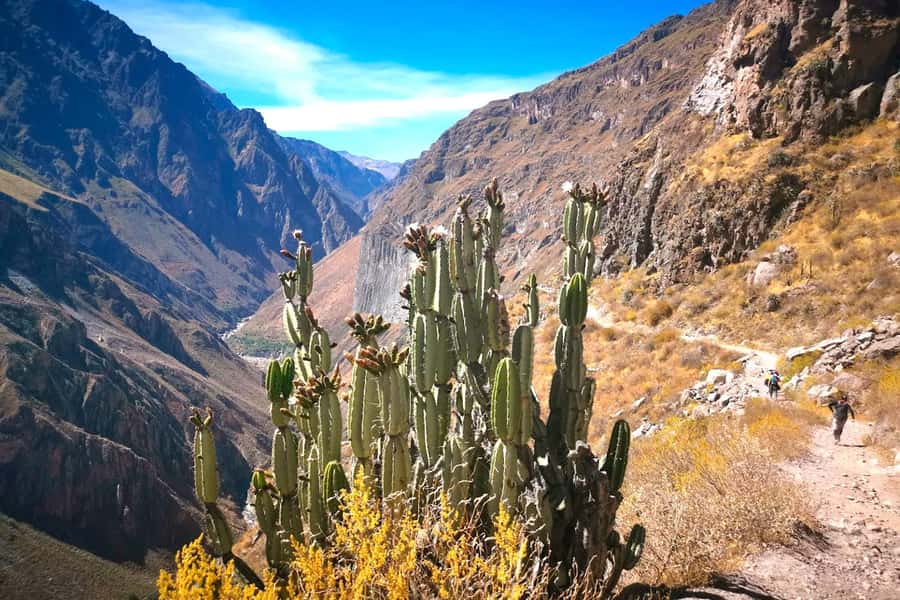
- Cruz del Cóndor at 3,600 m: timed for condor spotting and photos with the canyon spread out below you
- Sangalle Oasis overnight: pools to cool off and a real break in the middle of the hiking grind
- A local-family lunch in San Juan de Chuccho: it adds meaning to the miles you’re walking
- A sunrise-style climb: day two starts very early so you see light shift across the canyon
- Hot springs relief in Chivay: a practical reward after two hard days on your feet
- Small group (up to 18): easier pacing, fewer bottlenecks on the trail
Entering Colca Canyon: what this trek is really like
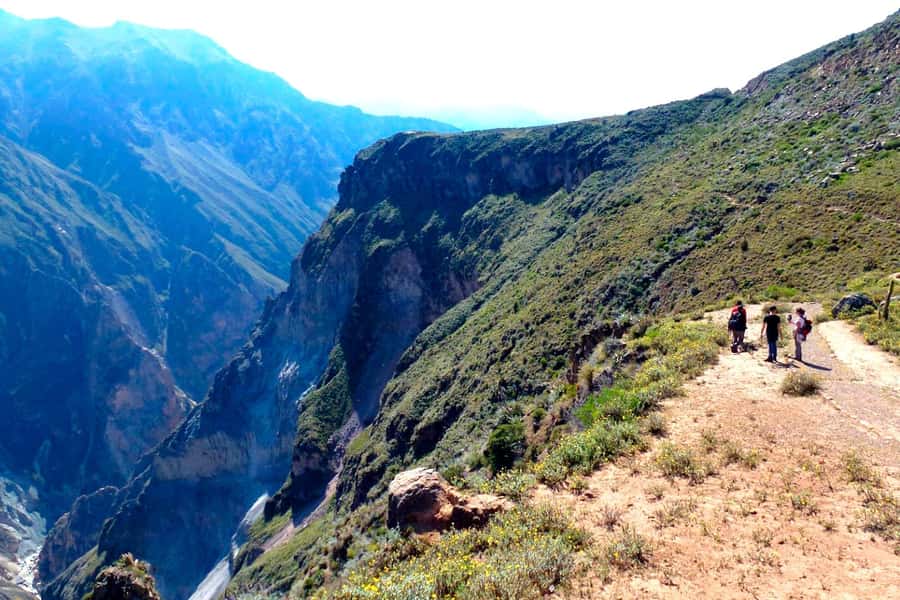
The Colca Canyon is huge. And this itinerary is built around that reality: you’re not doing a short walk to a scenic spot. You’re doing a proper through-trek with a long descent on day one, an early climb on day two, and enough stops along the way to break up the effort.
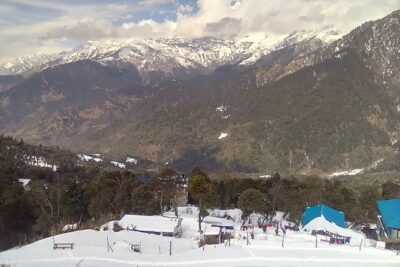
I like the way the route gives you variety. You go from high viewpoints (around 3,200–3,600 m early on) to the lower canyon zone (down around 1,900 m at Sangalle). That altitude swing isn’t just a number. It changes how your legs feel, how the air supports you, and how the canyon looks as you go from rim to floor.
You should also take the difficulty seriously. The trek involves steep and uneven paths, and at least a few sections can feel exposed. If you’re the type who hates slippery footing or you get anxious near drops, think twice.
You can also read our reviews of more tours and experiences in Chivay.
Day 1: 03:00 pickup, condors at Cruz del Cóndor, then down to Sangalle
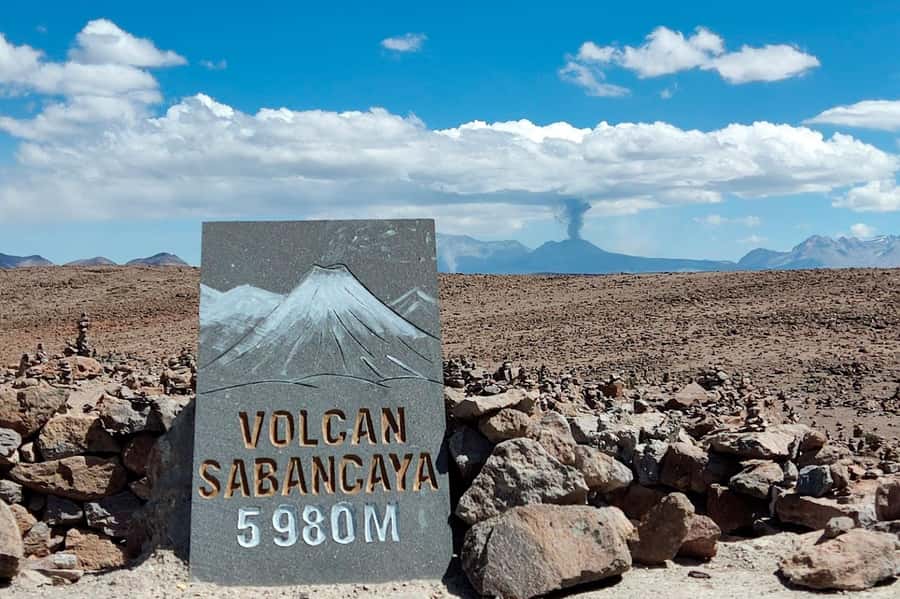
Your day starts early. You’ll be picked up in Arequipa at 03:00, then ride to Chivay (about 3 hours) for breakfast. From there, you’ll go to Mirador Cruz del Cóndor, located at about 3,600 m. Expect roughly 40–50 minutes at the viewpoint for guided time plus free time to look for condors and take pictures.
This is one of the smartest parts of the schedule. Condors are a “real Peru” moment, and the canyon’s sheer scale makes you understand why they matter here. Even if condors aren’t soaring the whole time, the viewpoint itself is worth it: you’re facing a massive geological drop where the canyon keeps revealing itself as you move your gaze.
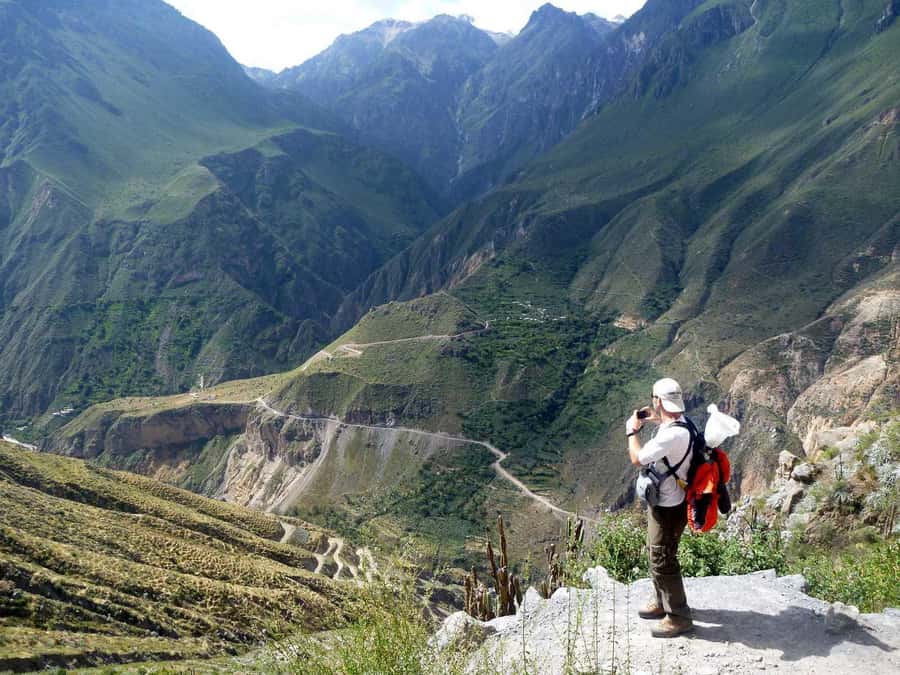
Next, the tour drives you to San Miguel (about 3,200 m). You’ll get a few minutes to organize your backpack before you start the descent. Day one is the long one. You descend for about 3 hours, then cross a bridge into the community of San Juan de Chuccho (around 2,230 m). You’ll eat lunch at a local family home, then walk about 3 more hours onward to Sangalle Oasis (around 1,900 m).
What makes the descent feel worthwhile is the variety of what you pass. You’re not just staring at rocks. You’ll see canyon depth, plus flora and fauna along the trail, as you shift from higher terrain toward the oasis zone. That change helps your brain survive a tough day of walking.
Sangalle Oasis: pools, dinner, and the kind of rest you earn
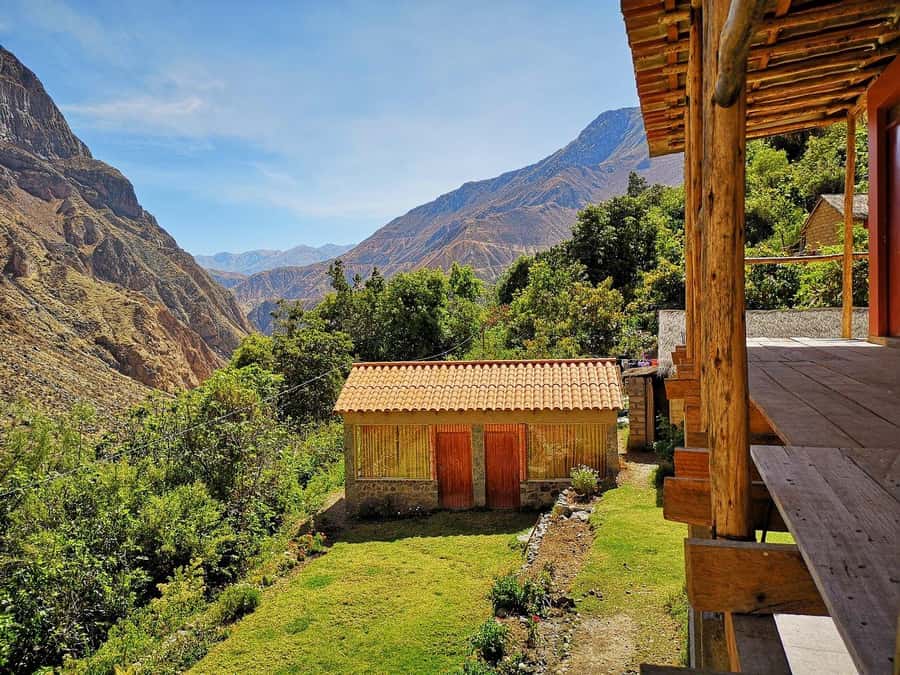
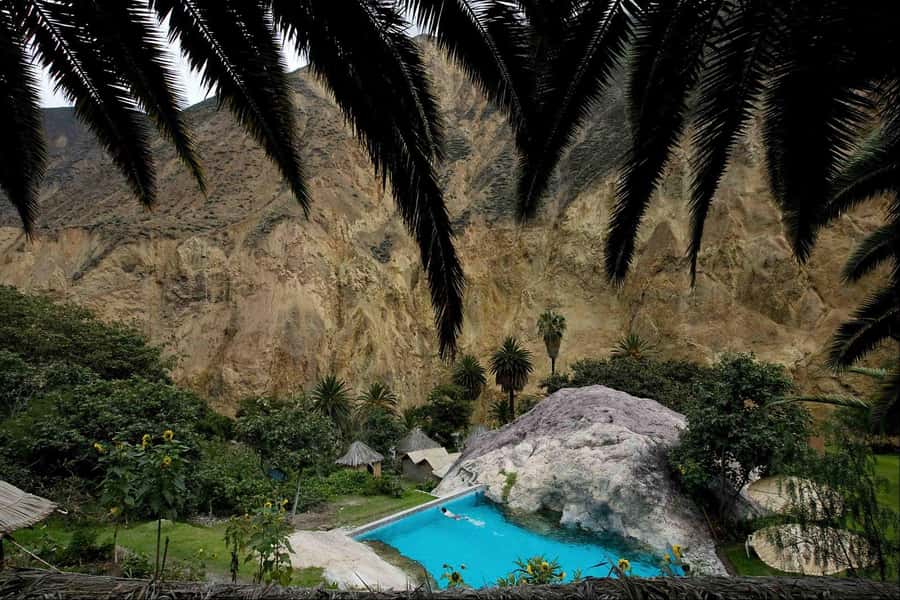
You reach Sangalle Oasis after a day that’s about 15 km and roughly 7 hours of hiking. Once you’re there, the tone shifts from motion to recovery. You get a break, some visitation time (around 50 minutes), and you can use the pools to cool off.
This is where the trek becomes more than a workout. Having a real place to stop matters when you’ll be waking up early again the next day. Even a short swim can reset your body, especially if you’ve been dealing with sun and heat.
The rest setup is also something to watch. One downside that showed up in real feedback: the lodging at this price level may be basic, with limited room amenities (for example, missing toilets/bathrooms or fewer electrical conveniences in some rooms). So I’d treat Sangalle as functional recovery, not a hotel upgrade.
Dinner and the overnight stay are included, and you’ll sleep through the night at the oasis before the day-two climb begins.
Day 2: early rise, the canyon climb back up, then Chivay hot springs
Day two starts with a very early wake-up because the main hike goes up. You’ll climb for roughly 3 to 4 hours to reach the highest part of the canyon where, if timing works, you can see sunrise as you walk. That’s a big deal for the experience. Early light changes the canyon’s colors and helps the climb feel less like pure suffering.
At the top, you’ll pause to rest and take in what you just did. Then you continue on to Cabanaconde (around 3,300 m) for breakfast. Only after that do you start thinking about your day as “sights” instead of “legs.”
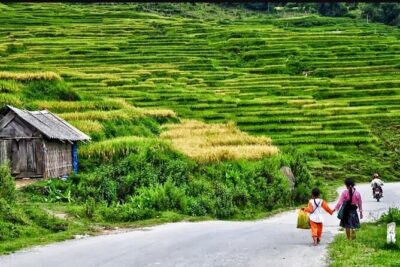
After breakfast, you’ll transfer by vehicle and pass by the Antahuilque viewpoints, where you can see cultivation terraces built by the Collaguas. This is a great contrast moment. You’ve spent day one and day two moving through the canyon. Now you’re seeing how people shaped the slopes and turned harsh terrain into farms.
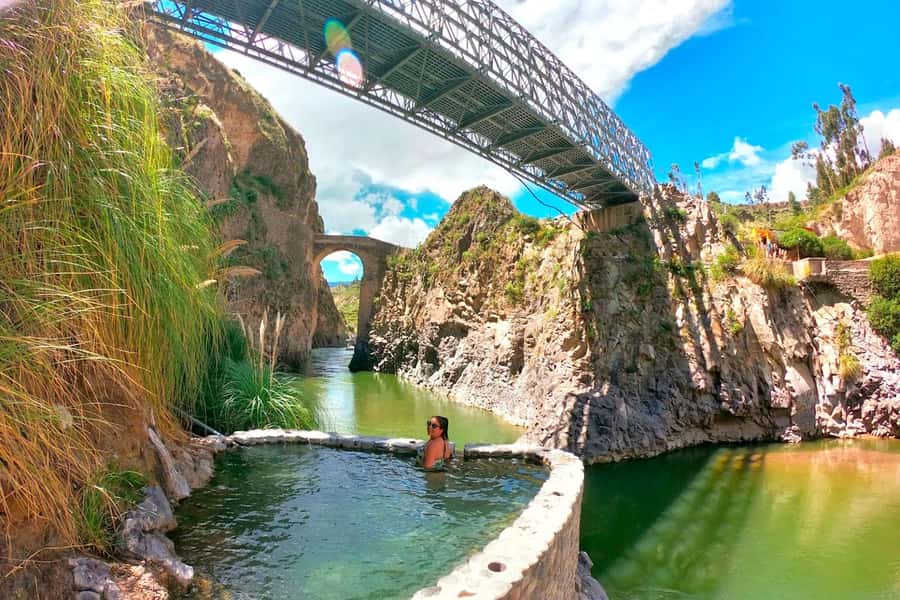
Then comes one of the best practical rewards: the stop for thermal baths near Chivay. The itinerary calls it thermal bathing time, and it’s a true recovery tool after two long days. Even if you don’t fully soak, you’ll feel the difference in your muscles.
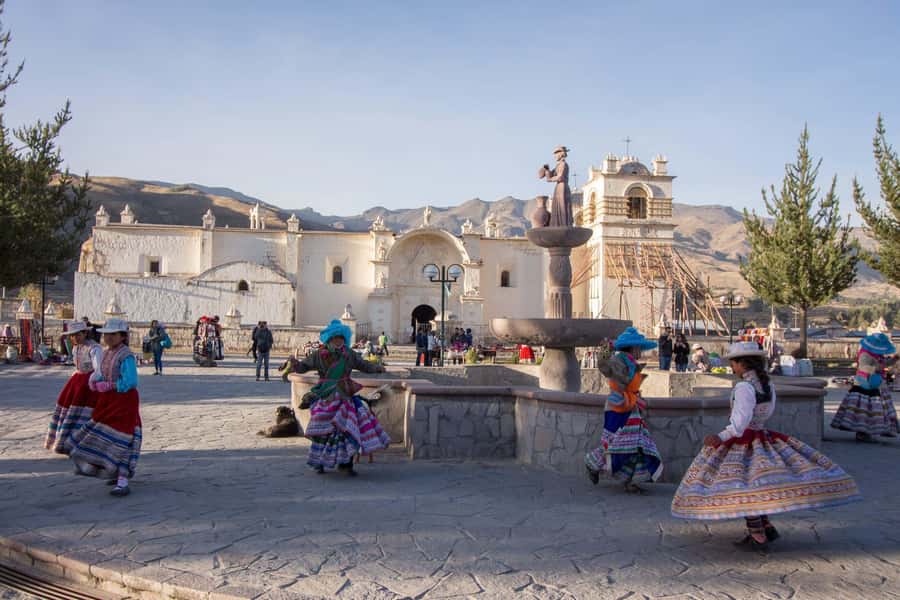
You’ll have lunch in Chivay, then begin the return to Arequipa. Along the way, there’s a photo stop at a volcano viewpoint around 4,190 m, plus a stop at a traditional village for a short break and guided visit. The tour ends back in Arequipa around 17:30 (with the finish point listed at Av La Marina).
Price and logistics: the part you need to budget for up front
The advertised price is $21 per person, and that makes it easy to think, “Nice, this is affordable.” But there’s a key reality check: you must pay $90 (or 320 soles) in cash at the start of the tour to cover food, lodging, and entrance tickets.
So the real value isn’t just the $21. It’s what you’re paying for overall: round-trip transportation from Arequipa, a professional guide in English and Spanish, the hiking structure across two days, and the included overnight at Sangalle Oasis. That $90 portion basically funds the ground truth parts of the trek—where you eat and sleep, and what you enter along the way.
Optional note: hot spring entrance can cost extra (listed as about $5 or 15 soles if you want it). If you care about squeezing every bit of recovery time out of the thermal baths, bring that money so you aren’t stuck deciding on the spot.
If you’re a budget traveler, this still can be a strong deal, because you’re paying for a real guide-led trek with transport and overnight logistics. If you hate cash payments or you don’t like “two-part pricing,” then the upfront cash requirement may feel annoying.
How hard is it, really? Altitude, heat, and your footing
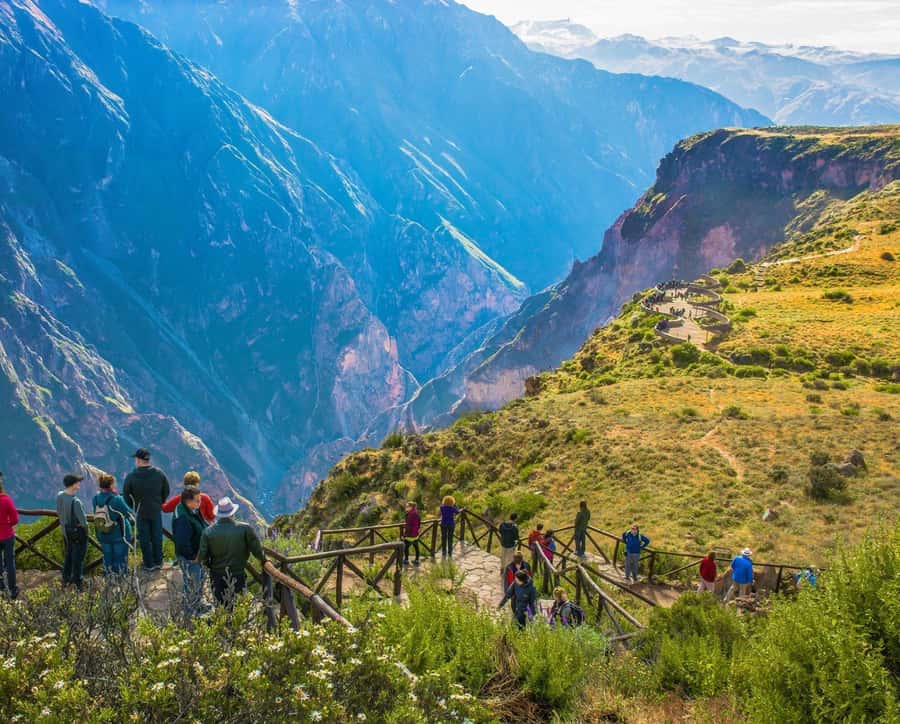
This trek is for people with a decent fitness base and no fear of physical work. The tour itself flags steep, uneven trails, and it’s not suitable for certain situations like back problems, mobility impairments, vertigo, or low fitness.
In practice, you’ll want to plan for two specific challenges:
First is altitude. You start highish, then go down, then you climb again. Altitude acclimatization is recommended, which means you shouldn’t arrive in the region and jump straight into maximum effort without giving your body time to adjust.
Second is temperature and trail conditions. One of the most consistent warnings from real feedback: the hike can get hot, especially on day two when the second-day climb is the hardest part. If you’re not used to walking uphill in sun, it can feel brutal fast.
Also, pack for your feet and your head. One suggestion that makes a lot of sense here: bring a headlight for early starts and carry toilet paper. If you’re used to full-service conditions, don’t assume you’ll always have them on the trail.
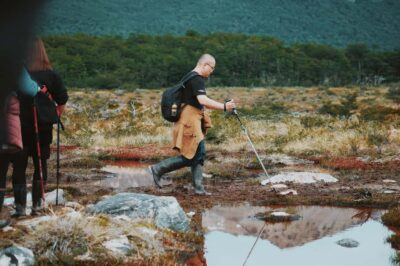
Finally, don’t treat the trek like a single long photo session. There are moments where the route can be demanding, including places that feel exposed. I’d choose trekking shoes that actually grip and keep your laces tied.
Guides and group size: pacing, communication, and what to watch for
This is a small group experience, limited to 18 participants, and that matters on a trek like this. Smaller groups spread out naturally, and you’re less likely to have constant waiting on narrow parts of trail.
Guides are listed as English and Spanish professionals. I like that because Colca Canyon is the kind of place where having context makes stops better, especially at viewpoints.
That said, guide style and communication can vary. One piece of feedback referenced a guide named Fernando and mentioned that introductions and safety-style communication weren’t as prompt as people expected. So here’s what I’d do: ask quick questions at pickup—what time you’ll depart from each stop, what the hardest sections are, and where to focus your hydration. A good guide will answer clearly.
If you’re the type who needs confidence before a steep descent or a long uphill, don’t stay quiet. Ask.
What to pack (and what actually helps on a trek this long)
The tour provides a basic packing list: comfortable shoes, a hat, camera, snacks, sunscreen, and water. That’s a great start.
I’d add a few practical upgrades based on real conditions from this style of hike:
- Bring extra snacks for the second day. Day two’s biggest climb happens before breakfast timing that can feel delayed for hungry trekkers.
- Use a headlight for early hours.
- Bring toilet paper.
- Carry water you can manage realistically. The advice isn’t to chug wildly; it’s to stay comfortable and hydrated through heat.
And one more boring but crucial thing: your shoes. This route is uneven, steep, and long. Bad footwear turns a challenging trek into a dangerous one.
Who this trek is best for (and who should skip it)
You’ll enjoy this trek if you want:
- A true two-day walking experience, not a short scenic walk
- Condor viewing plus canyon hiking, with a real overnight at Sangalle
- A guided route with transport and food/lodging logistics handled
You may struggle if you have:
- Low fitness or you’re not comfortable with uphill effort in heat
- Back issues, mobility limitations, vertigo, or a strong fear of exposed terrain
- A “minimal pain, maximum comfort” travel style
If you’re unsure, be honest with yourself about the uphill portion on day two. That climb is the emotional test of the whole trip.
Should you book the 2-Days of Hiking in the Colca Canyon?
I’d book it if you want the full Colca Canyon experience: condors at Cruz del Cóndor, terrace views, a night at Sangalle Oasis, and a real soak at Chivay. The small group size and the guide-led pacing help make it feel organized, even when the trek is physically demanding.
Skip it if you’re hoping for an easy hike or you want upscale lodging comforts. The itinerary does deliver unforgettable canyon moments, but the trek is the main event. Bring proper gear, plan for heat and altitude, and budget the additional $90 cash at the start.
FAQ
What is the meeting time and where does the tour pick me up?
You’ll be picked up in Arequipa at 03:00. The tour also lists the end location back in Arequipa at Av La Marina, with the activity ending around 17:30 on day two.
How long and how far is the hiking?
Day 1 is about 15 km and around 7 hours of hiking (Cabanaconde to San Juan de Chuccho to Sangalle Oasis). Day 2 is about 7 km and takes roughly 3 to 4 hours for the main hike portion, plus additional transfers and stops.
Is food and lodging included in the price?
The tour includes the trek logistics and transport, but you must pay an additional $90 cash (320 soles) at the start of the tour to cover food, lodging, and entrance tickets.
Do I need to pay extra for the hot springs?
Hot spring entrance is not included. The tour notes an optional ticket cost of about $5 (15 soles) if you want to enter.
What should I bring for the trek?
Bring comfortable shoes, a hat, camera, snacks, sunscreen, and water. The trek is steep and uneven, so proper shoes matter a lot.
Can I cancel and get a full refund?
The tour offers free cancellation up to 24 hours in advance for a full refund.