REVIEW · CHIVAY
Arequipa: 2-day Colca Canyon Trekking, Ending in Puno
Book on GetYourGuide →Operated by AREQUIPA EXPLORER Y ACTIVIDADES TURISTICAS · Bookable on GetYourGuide
A canyon this deep forces you to pay attention. This 2-day walk from Arequipa down into the Colca Valley hits all the big moments: condors, steep footwork, and a calm night at Sangalle. I also like how the route mixes views with real walking, so you don’t just sit and stare. One thing to keep in mind: it’s a true hike with early starts, and you’ll want the right gear.
The biggest “consider” is gear and timing for the next morning. You’ll start climbing again around 4:30 a.m., and if you’re counting on daylight, you might be in for a surprise. A headlamp and walking poles are the kind of small items that turn stressful into doable.
In This Review
- Key things to know before you go
- From Arequipa pickup to Chivay breakfast: why the schedule feels tight
- Cruz del Cóndor: where the canyon depth becomes real
- The Colca descent: long steps, suspension bridges, and a river rest
- San Juan de Chuccho, Malata, Cosñirhua, and the long road toward Sangalle
- Sangalle to Cabanaconde: the steep climb that starts early
- Hot springs near Chivay: Chacapi/Chacapi option and when it makes sense
- Chivay to Puno: finishing in Titicaca Lake City
- Price and what you actually get for $139
- What to pack: the gear the trek actually asks for
- Who this Colca Canyon trek is best for
- Should you book this Arequipa to Puno Colca trek?
- FAQ
- What time does the pickup in Arequipa happen?
- How long is the tour total?
- Is the Colca Canyon entrance ticket included?
- Is the hot spring included?
- Where do you sleep on the first night?
- What meals are included?
- Is lunch on the second day included?
- Is there a condor viewing stop?
- What’s the group size?
- What language is the guide?
- FAQ
- When do you start hiking on day 2?
- Where do you end the tour in Puno?
- Is free cancellation available?
- Is there a pay later option?
Key things to know before you go
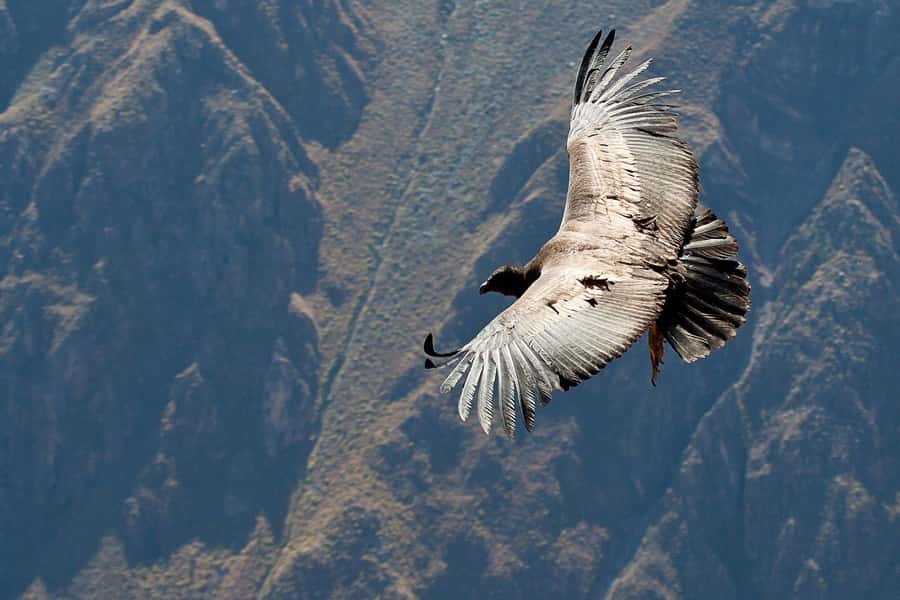
- Cruz del Cóndor timing matters: you get about 40 minutes to watch condors over a canyon dropping more than 3,400 meters.
- You’re walking both days: one long descent to the Colca River area, then a steep climb back up after sunrise.
- Sangalle Oasis is the reset: pools, palm trees, and an adobe-bungalow night to recover.
- Optional hot springs can break up the drive: you may stop at Chacapi/Chacapi Hot Spring (or a similar Yanque hot spring option).
- Small group size: limited to 18 people, which helps with pacing and attention from your guide.
- You’ll finish in Puno: drop-off is around the Plaza de Armas area, ideal if you’re chaining on Titicaca plans.
From Arequipa pickup to Chivay breakfast: why the schedule feels tight
Your day starts with pickup from hotels near Arequipa’s historic center, usually between 3:00 and 3:30 a.m. Then you’re on the road toward the Colca Canyon area for about three hours.
The first real goal is getting to Chivay in time for breakfast, around 6:30 a.m. This matters because the canyon viewpoints and the descent are time-sensitive. If you’ve ever tried to “sleep in” your way through the Andes, this itinerary does not care. It’s built around early light and animal activity.
Practical take: treat breakfast as fuel, not as a leisurely meal. After that, you’re heading straight into the condor viewpoint, and the schedule doesn’t linger.
You can also read our reviews of more tours and experiences in Chivay.
Cruz del Cóndor: where the canyon depth becomes real
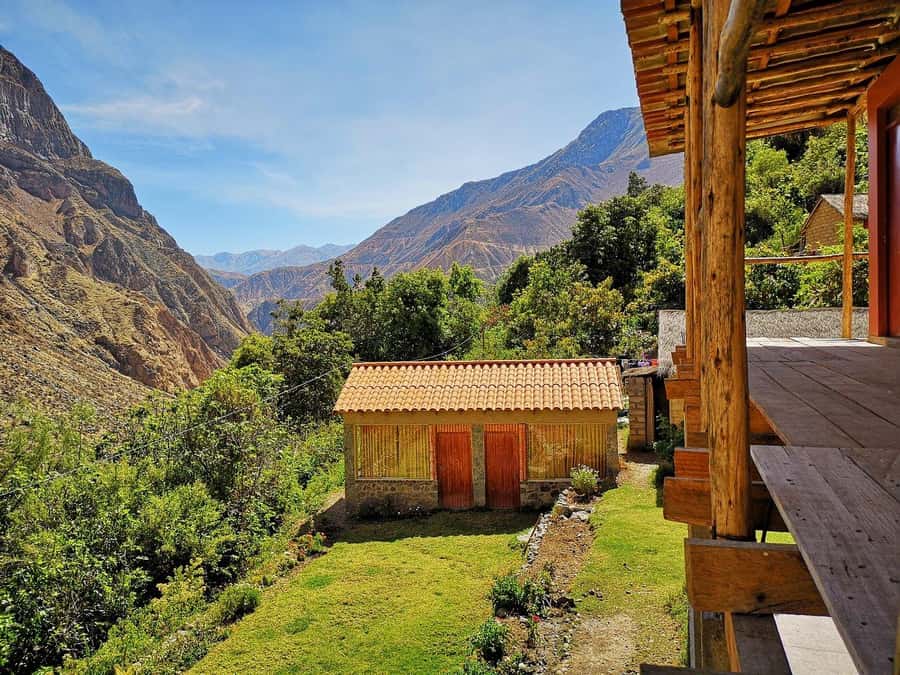
After breakfast, it’s about an hour to the Cruz del Cóndor viewpoint. You’ll have roughly 40 minutes here—long enough to settle in, but not long enough to drift into “standing around.”
This stop is the headline for good reason. You’re looking over one of the deepest canyons on Earth, and it’s a prime place for condors to circle. In the best moments, you’ll feel the scale fast: not through a brochure, but through the way the birds work the air above the drop.
Tip that makes a difference: bring something warm. Even when Arequipa feels mild, early mountain air can bite, especially while you’re waiting for the birds to rise.
The Colca descent: long steps, suspension bridges, and a river rest
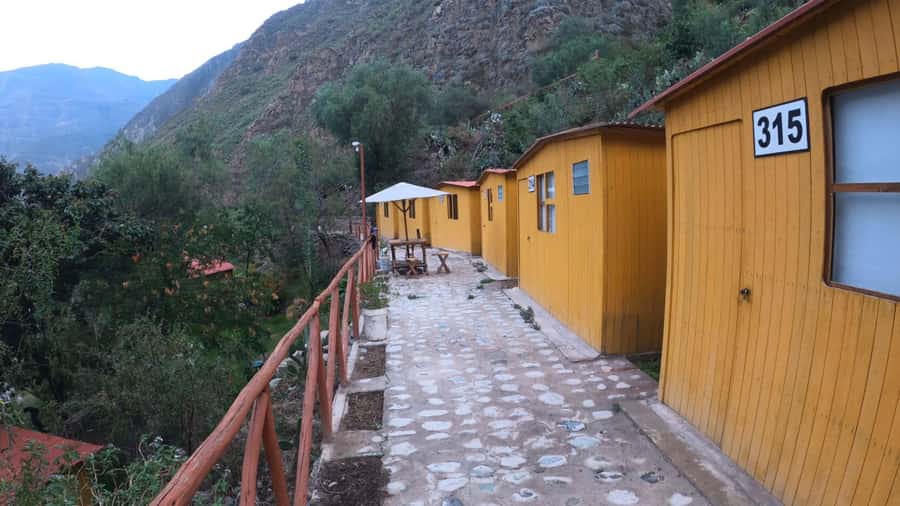
From the viewpoint, the itinerary heads toward the hiking start near Cabanaconde (including a stop at Pampas de San Miguel). Then you begin the main descent into the canyon.
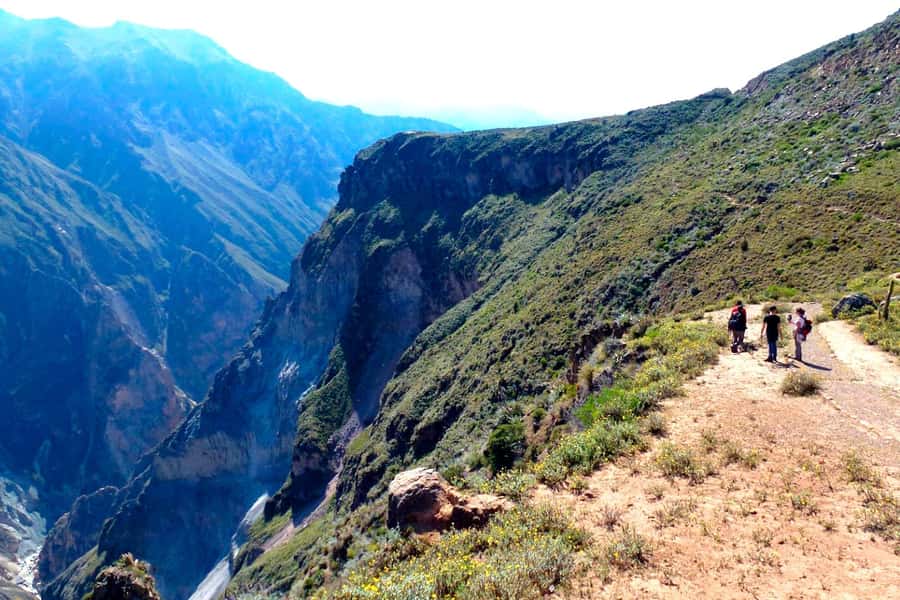
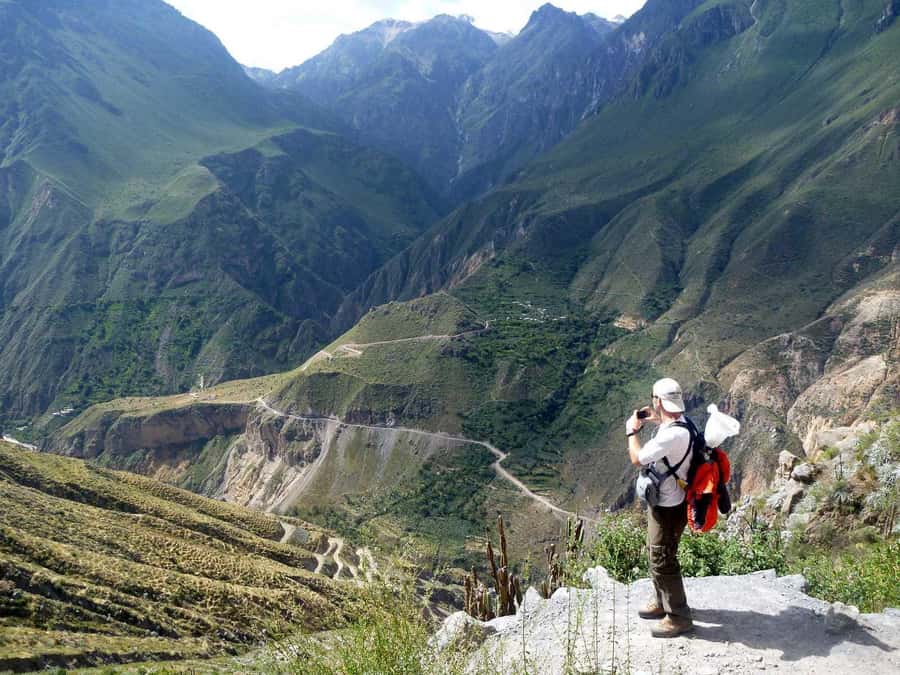
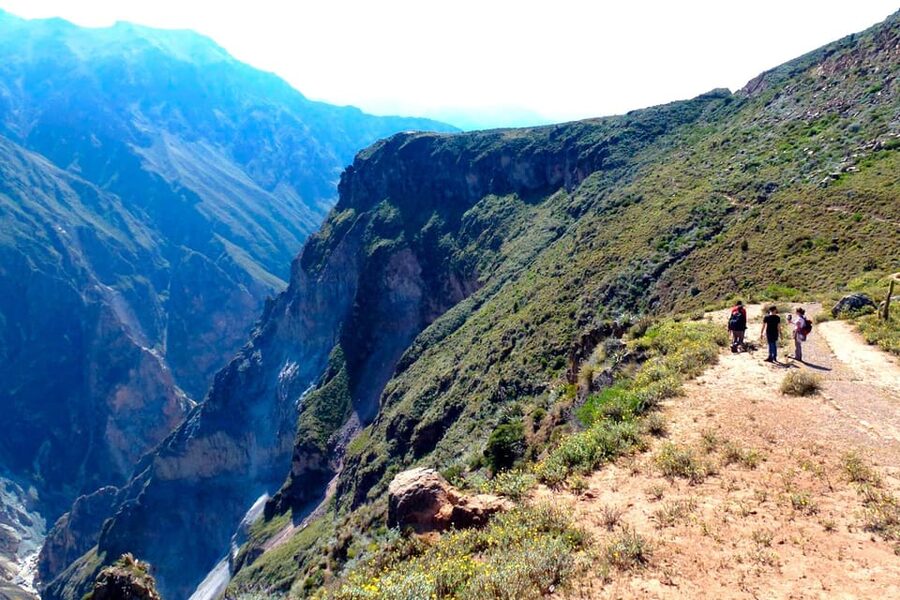
You’ll go down for about 3.5 hours until you reach the Colca River area, where you can rest. This is the part of the trip that separates casual “scenery walks” from an actual trekking experience. Expect steep sections and a steady need for foot placement. Your guide’s pace matters here, so don’t try to outrun the group on the first stretch.
You’ll also cross at least the first suspension bridge in the area. It’s the kind of moment that looks simple until you’re standing on it with a canyon yawning nearby. Take it slow, keep your balance, and focus on where your next step lands.
Why the descent setup works: you’re not just hiking to hike. The day is structured so you rest, then continue deeper into the valley toward lunch and the next small towns.
San Juan de Chuccho, Malata, Cosñirhua, and the long road toward Sangalle
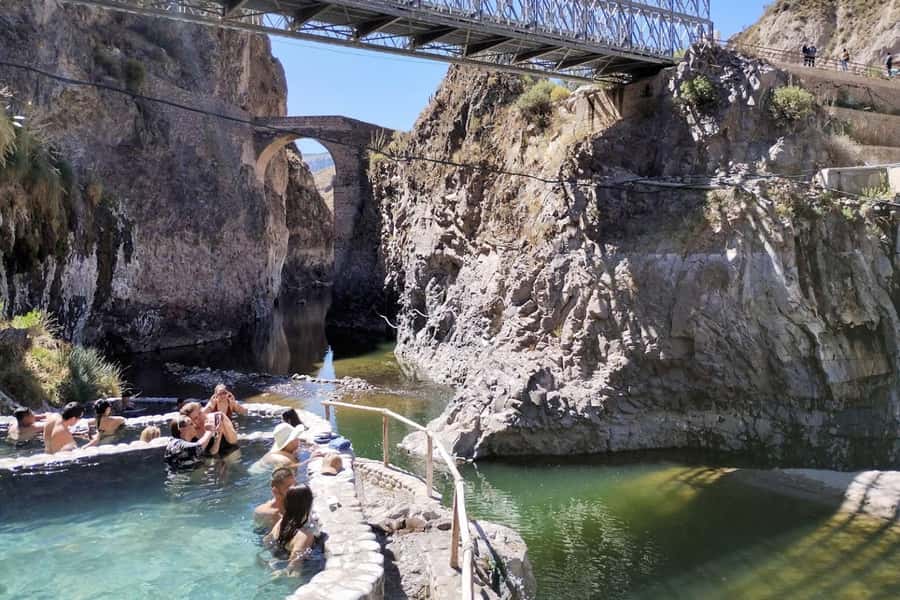
After descending, the itinerary includes arrival and lunch around San Juan de Chuccho. This is a welcome break. You’re eating after a long drop, so give your body time to reset before continuing.
Then you continue by foot and/or short transfers through the towns of Malata and Cosñirhua. These aren’t just “photo stops.” They help you understand how people live in the canyon zone—how the valley breaks up space into small, practical communities.
The day ends at Sangalle Oasis around 5:00 p.m. Expect pools, palm trees, and a peaceful vibe. You’ll also enter the waterpools in the Oasis, which is the most literal version of “recovery time.”
One helpful detail from real-world experience: the oasis area can have wifi, and showers may be on the colder side. Translation: bring a small towel plan and don’t expect hotel warmth.
You’ll sleep in a private room in adobe bungalows for one night. This is not a resort, but it’s the right place for recharging before the next morning’s climb.
Sangalle to Cabanaconde: the steep climb that starts early
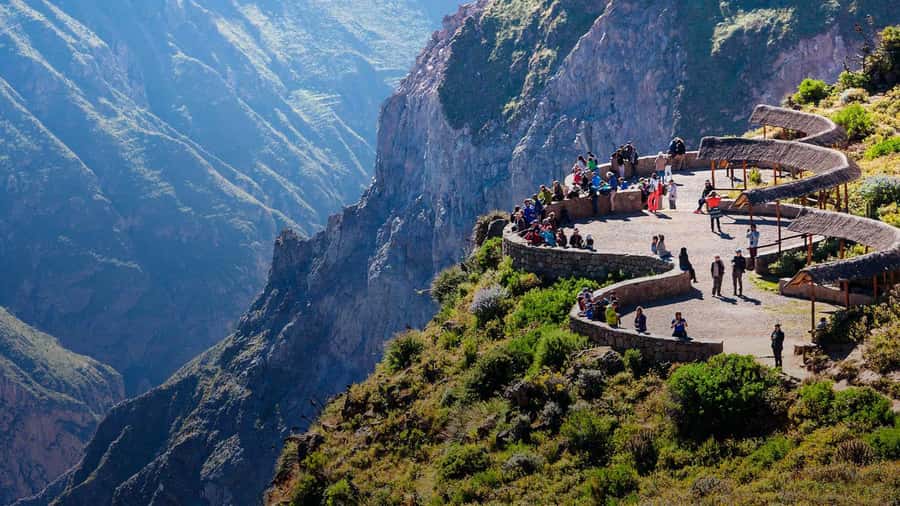
At about 4:30 a.m., you start the second day’s hike. Then you’re climbing for around 3 hours from Sangalle up to Cabanaconde.
This is where the trekking becomes serious. The descent already did the damage to your legs; the ascent is what teaches you humility. The good news is that it’s shorter than the first day’s downhill, and you’re starting with fresh morning energy and breakfast waiting in town.
Breakfast is in Cabanaconde, then you transition back to vehicles. During the return trip toward Chivay, you’ll make a few tourism stops with a second guide included along the way.
These stops are built to keep the long drive from feeling like punishment:
- A viewpoint where you can see pre-Inca terraces
- A visit to the traditional village of Maca
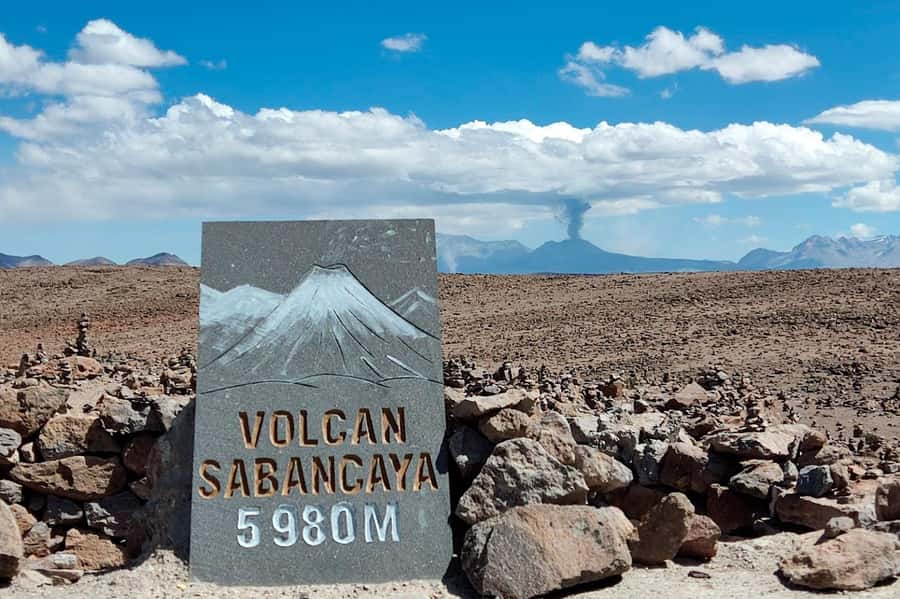
- A viewpoint for volcano views
- A stop to see a variety of llamas
- A final stop at Lagunillas, where you can spot Andean birds and enjoy the wider valley scenery
Hot springs near Chivay: Chacapi/Chacapi option and when it makes sense
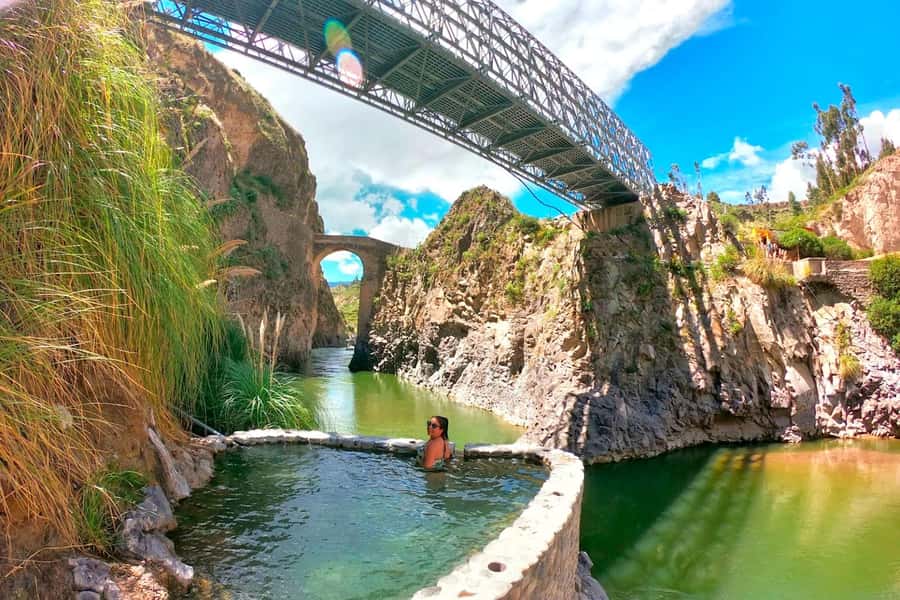
Around 11:00 a.m., there’s an optional hot spring stop, generally in Yanque (it could be Chacapi Hot Spring). You’ll typically get about one hour.
This is a smart add-on if:
- your legs still feel tight
- you want a more gentle reset before the long transport toward Puno
- you don’t mind that the hot spring is optional, meaning you need to time your recovery
Hot spring tickets are not included, so if you care about this, budget the 15 soles extra. If you skip it, you’ll still get to Chivay for lunch time.
Lunch in Chivay is also optional (buffet lunch is available, but not included). This part is mostly about having time to eat without rushing.
Chivay to Puno: finishing in Titicaca Lake City
After you finish in Chivay (around 12:00 p.m.), transport changes and coordination for onward travel is handled by your guide for the ride to Puno.
You’ll reach Puno around 7:30 p.m. and be dropped off around one block from the Plaza de Armas in the main square area. That’s a convenient place to base yourself if your next day involves Titicaca sightseeing.
The value here is more than the transfer. Those added stops—volcano views, llamas, terraces, Lagunillas—turn an otherwise long ride into a string of quick, meaningful breaks.
Price and what you actually get for $139
At $139 per person for 2 days, this tour is priced like a real, organized trekking package, not a cheap day trip.
Here’s what’s included:
- Hotel pickup near Arequipa’s historic center
- Professional guide (English and Spanish)
- Touristic transport for the driving segments
- 1 night in adobe bungalows at Sangalle (private room)
- Meals: 2 breakfasts, 1 lunch, 1 dinner
- Entry to the waterpools at the Oasis
- Chivay to Puno transport
- Small-group structure (max 18 participants)
What’s not included:
- The mandatory Colca Canyon entrance ticket (prices vary by nationality: 20 soles for Peruvian, 40 for South Americans, 70 for others)
- Optional hot spring ticket (15 soles)
- Lunch on the second day in Chivay
So is it a good deal? For me, the “yes” depends on whether you value three things: a guide who keeps the hike moving, meals and lodging handled for you, and a direct finish in Puno so you don’t scramble for last-minute transport. If you’d otherwise pay separately for those pieces, this price starts making sense fast.
What to pack: the gear the trek actually asks for
The tour description doesn’t go deep on packing, but the hike itself does. And real-life experience with this route points to a couple essentials:
- Walking poles (or sturdy trekking sticks): they help on steep downhills and protect your knees.
- A headlamp: since you start the second day around 4:30 a.m., it’s easy to find yourself climbing before full daylight.
- Layers: it can be cool early at viewpoints and while you wait for condors.
- Comfortable trekking shoes: the canyon terrain is not for flip-flops-with-ambition.
- A small daypack for water/snacks during the walking sections.
You can also plan for “oasis logic.” When you arrive at Sangalle, you’ll want something to dry off with after the pools and time to cool down before dinner.
Who this Colca Canyon trek is best for
This tour fits you best if you:
- want two active days with canyon highlights rather than a slow sightseeing circuit
- can handle early mornings and steep walking
- like structured guidance but still want the payoff of walking through the valley
- want to end in Puno with a straightforward drop-off near the main square
It’s also a good match if you’re traveling in a small group and prefer a more personal guide dynamic. With a max of 18 people, the pace is usually easier to manage than on big buses.
If you’re looking for a fully flat, low-effort outing, this isn’t that. Think legs, not lounging.
Should you book this Arequipa to Puno Colca trek?
Book it if you want the classic Colca Canyon experience with condors, suspension bridges, and a real night in the canyon zone—plus a guided push into Puno so your next steps are easy.
Skip it or reconsider if:
- you hate early starts and don’t want a steep climb back up
- you’re not willing to bring basic trekking gear like poles and a headlamp
- you’d rather build your own route and skip paid transport segments
My practical advice: read your own comfort level honestly. This trek rewards effort. If you show up prepared, you’ll be able to enjoy the canyon rather than just survive it.
FAQ
What time does the pickup in Arequipa happen?
Pickup from hotels near Arequipa’s historic center is typically between 3:00 and 3:30 a.m.
How long is the tour total?
The tour lasts 2 days.
Is the Colca Canyon entrance ticket included?
No. The ticket is mandatory and must be paid separately (20 soles for Peruvian, 40 soles for South Americans, 70 soles for others).
Is the hot spring included?
The hot spring is optional. It’s usually around 11:00 a.m. and the ticket is not included (15 soles).
Where do you sleep on the first night?
You stay one night in a private room in bungalows in the Sangalle Oasis area.
What meals are included?
You get 2 breakfasts, 1 lunch, and 1 dinner.
Is lunch on the second day included?
No. Lunch on the second day in Chivay is not included.
Is there a condor viewing stop?
Yes. You visit Cruz del Cóndor viewpoint and have about 40 minutes to appreciate the condors.
What’s the group size?
It’s a small group with a maximum of 18 participants.
What language is the guide?
The guide operates in English and Spanish.
FAQ
When do you start hiking on day 2?
Day 2 starts at about 4:30 a.m. with an uphill hike from Sangalle to Cabanaconde.
Where do you end the tour in Puno?
You finish around 7:30 p.m. with a drop-off in the main square area near the Plaza de Armas (generally about one block away).
Is free cancellation available?
Yes. You can cancel up to 24 hours in advance for a full refund.
Is there a pay later option?
Yes. You can reserve now and pay later, keeping travel plans flexible.