REVIEW · KATHMANDU
Everest Base Camp trek in 14 days
Book on Viator →Operated by Asian Heritage Treks and Travels · Bookable on Viator
Everest Base Camp changes your pace fast. This 14-day trek through Solukhumbu takes you from Kathmandu to Lukla and up into Sherpa country, with an English-speaking government-licensed trek leader and a small group (up to 12). I like the Namche acclimatization day, and I also like how the route stays locked onto the main Everest Base Camp goal instead of getting distracted. One real consideration: altitude hits early (Lukla), and the hiking days are long, so you should expect effort, not comfort.
I also like that the trek mixes big milestones with workable pacing—especially around Tengboche, Dingboche, and your Kala Patthar sunset option. The one thing to plan for upfront: porters are not included, so if you want help carrying gear, you’ll need to budget for that.
In This Review
- Key highlights to know before you go
- Everest Base Camp in 14 days: what you’re really signing up for
- Kathmandu warm-up: temples, royal relics, and setting expectations
- The Lukla flight and why it feels like the gateway to Everest
- Dudh Koshi to Namche Bazaar: rhododendrons, suspension bridges, first Everest peeks
- Namche acclimatization day: market mornings and mountain views from Sagarmatha National Park
- Tengboche to Dingboche: monastery energy and Ama Dablam in the distance
- Lobuche, Gorak Shep, and the Memorial Park pull: where your legs learn the route
- Everest Base Camp day: Kala Patthar, the base camp, and then the long exhale
- Downhill return via Namche: prayer wheels, pine woods, and peeking walls of Lhotse-Nuptse
- On-the-ground logistics: lodge nights, group size, and flight timing
- Price and value: what $1,450 covers, and what you still need to budget
- A quick note on staff support (and why it matters at altitude)
- Should you book Everest Base Camp with Asian Heritage Treks and Travels?
- FAQ
- How long is the Everest Base Camp trek?
- What is the start time for the experience?
- How does the trek get from Kathmandu to the trekking area?
- Is accommodation included?
- Are permits included for the route?
- Is a trek leader included?
- Do you include meals during the trek?
- Are porters included?
- What group size is used?
- Is an international flight included?
Key highlights to know before you go
- A Lukla airport flight that feels like a movie scene: Everest gets closer as you land, and the altitude shock is part of the experience.
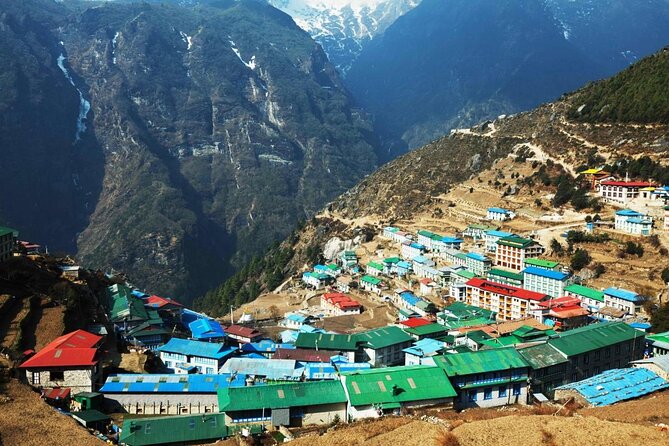
- Namche Bazaar acclimatization with real Sherpa life: markets, morning mountain views, and time to adjust before higher villages.
- Iconic monasteries and Sherpa towns: Tengboche’s monastery stop and village nights that feel human-scale.
- The hardest push through Thukla to Memorial Park: long, steep segments that test you in a good way.
- Gorak Shep + Kala Patthar for big-peak views: sparse, high-altitude trekking with a famous viewpoint option.
- Structured return downhill via water-powered prayer wheels: spiritual details appear again on the way back through pine and cedar.
Everest Base Camp in 14 days: what you’re really signing up for
This trek is built around one mission: reach Everest Base Camp, then come back down the standard route. That makes it easier to judge your effort. You’re not bouncing around a dozen “maybe we’ll stop here” side trails. You’ll hike a lot of days in a row, with lodge nights and breaks that are mostly about altitude management.
The biggest driver of your experience is how your body handles height. Even though the itinerary includes an acclimatization day in Namche, you still begin feeling the change fast—starting the moment you step off the Lukla flight. If you’re the type who loves a daily rhythm (walk, eat, sleep, repeat), this works well. If you’re hoping for a gentle nature stroll, this isn’t that.
The good part? Every hard day buys you a bigger view and a stronger sense of place. By the time you stand near Gorakshep and Kala Patthar, the whole trek starts to feel like it was building toward that exact moment.
You can also read our reviews of more tours and experiences in Kathmandu.
Kathmandu warm-up: temples, royal relics, and setting expectations
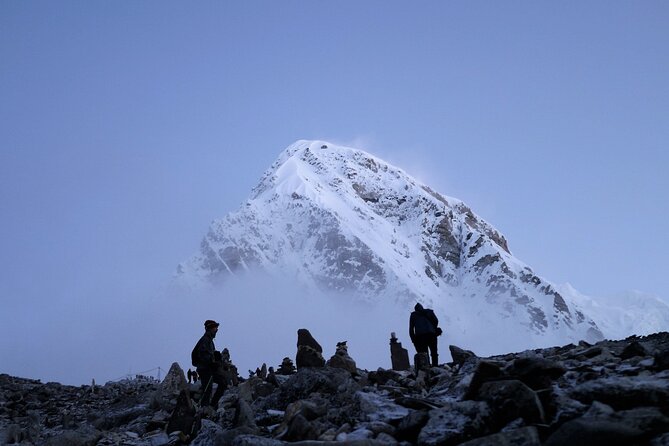
Your first day is a classic Kathmandu start: you land, you get picked up in a private vehicle, and a representative meets you with a sign. Then you transfer to your hotel and get a plan briefing. After that, you’re free to explore nearby on your own.
Even the “from the outside” sightseeing matters here. Seeing Pashupatinath Temple, the Royal Palace Museum (Narayanhity), and the Garden of Dreams from the road gives you grounding fast. Kathmandu can feel intense—traffic, color, noise—and having a low-pressure day helps your mind adjust before trekking logistics take over.
Also, this is where you’ll want to focus on the basics: rest, hydrate, and get your gear organized so you’re not scrambling later. The trek starts early-ish the next day, and you’ll appreciate any time you spend walking around with a purpose rather than wandering lost.
The Lukla flight and why it feels like the gateway to Everest
Day 2 begins with the domestic flight from Kathmandu to Lukla, one of the world’s most talked-about trekking gateways. This is not just transportation. The itinerary highlights that the flight offers sweeping views across the Himalayas, with Mt. Everest growing on you as you approach.
When you land, altitude hits right away. You get that immediate “wait, am I already at height?” sensation. That’s why the afternoon in Lukla isn’t just filler—it’s a chance to get your bearings in a real starting village for the Everest region. Lukla is also where you can observe how trekking life works: gear, smiles, and the steady stream of people heading deeper.
Practical tip: treat this day like a gentle warm-up. Don’t race your pulse just because the views are unreal. Save your energy for the first trek day along the Dudh Koshi.
Dudh Koshi to Namche Bazaar: rhododendrons, suspension bridges, first Everest peeks
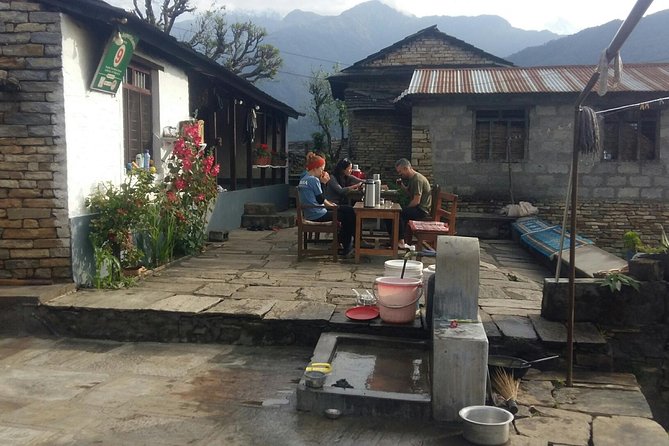
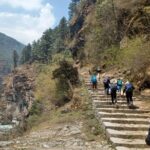
Days 3 and 4 are all about moving from “getting there” to “living there.” You start trekking along the Dudh Koshi (Milky River), so you’re constantly in that river valley atmosphere—snow-fed water, changing weather, and trails that follow the shape of the gorge.
Day 3 includes a rhododendron forest experience with strong evergreen oak aroma, plus suspension bridge crossings and Buddhist stupas. These details keep the walk from feeling like one long plank of uphill. By the time you reach Mongo and continue through the afternoon, you’re building both rhythm and confidence.
Day 4 aims for Namche Bazaar. The trail begins more manageable and then gets steeper, with altitude creeping up as you push toward Namche. Importantly, you get your first clearer Everest glimpse while crossing the Dudh Koshi. That moment matters psychologically. It’s the point where the trek stops being hypothetical.
If you’re prone to rushing, this is where you should practice the opposite. The itinerary itself stresses slow and steady progress. I’d take that advice literally. Short steps beat heroic suffering every time.
Namche acclimatization day: market mornings and mountain views from Sagarmatha National Park
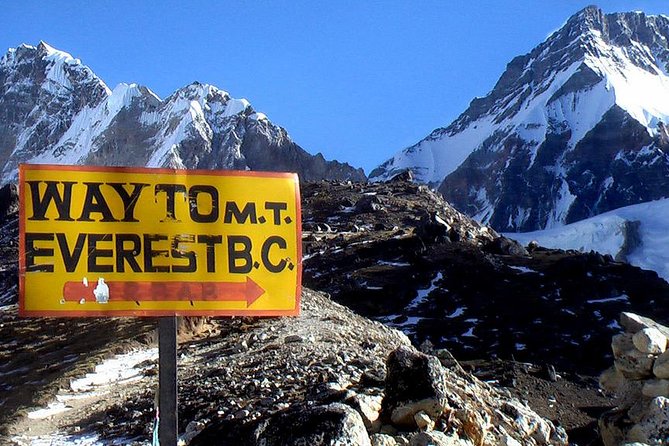
Namche Bazaar is the Sherpa capital in practice—shops, tea houses, porters, and everyone moving with purpose. Your acclimatization day here isn’t just rest. It’s time to help your body adjust before higher villages.
The plan also points you toward early-morning views. The idea is to rise before sunrise and catch Everest and other big peaks from the Sagarmatha National Park area. You might notice patterns in cloud shadows too—mountains projecting onto the clouds in a way that makes the scale feel real.
Food and local comfort matter on this day. You’ll find salt-butter tea and Champa (barley) mentioned as energy staples Sherpa people use in the region. Even if you don’t go all-in on trying everything, having the option reminds you this is living culture, not just a trek checklist.
And yes, the Saturday market is a highlight if your dates line up. Trading, bargaining, and conversation make the town feel alive. This is also where you’ll likely get a sense of how your group meshes—especially since the trek leader is with you throughout and can steer your pacing.
Tengboche to Dingboche: monastery energy and Ama Dablam in the distance
Day 6 moves from Namche to Tengboche, and it’s flagged as a tougher elevation gain day (around 4,000 feet / 1,200 meters). That sounds intimidating on paper, but it’s also what makes it rewarding. You’re going upward into that big-mountain amphitheater feel, and the Everest range views become more frequent and more dramatic.
Tengboche is also a monastery stop. In practical terms, it gives you a natural place to slow down, step out of the physical grind, and take in the culture. Those small pauses matter at altitude. They reduce stress and help you notice weather changes.
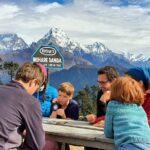
Day 7 continues toward Dingboche, passing Pangboche and heading into a valley with a glacier river running below. The itinerary calls out Ama Dablam as a memorable presence along the way, and that’s exactly the kind of peak that makes your brain go quiet for a minute.
If you’re thinking about your camera habits: this is a stretch where you’ll want both quick shots and slower moments. The air can make everything look sharp, but your body will decide when you can stand still comfortably.
Lobuche, Gorak Shep, and the Memorial Park pull: where your legs learn the route
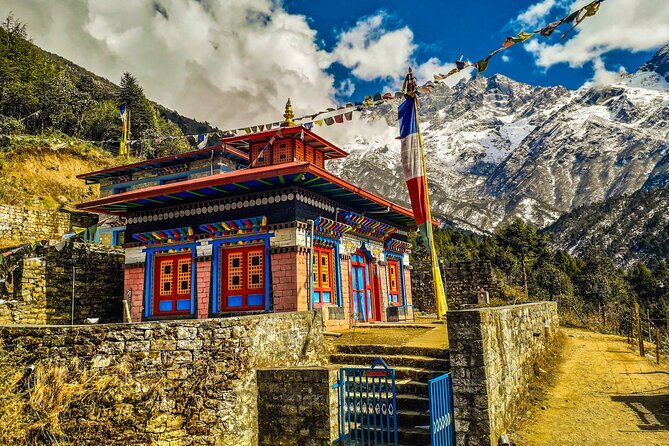
This is the “big effort” block. Day 8 heads to Lobuche, describing a steep section from Thukla to Memorial Park as the most difficult stretch on the Everest Base Camp trail. That matches what most first-timers feel: this is where the trek starts testing mental toughness, not just physical strength.
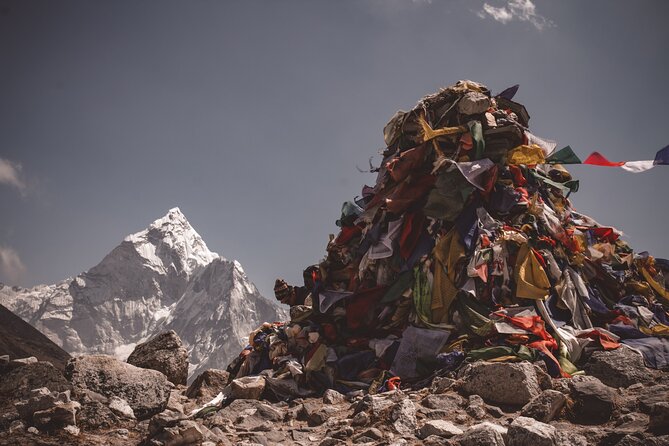
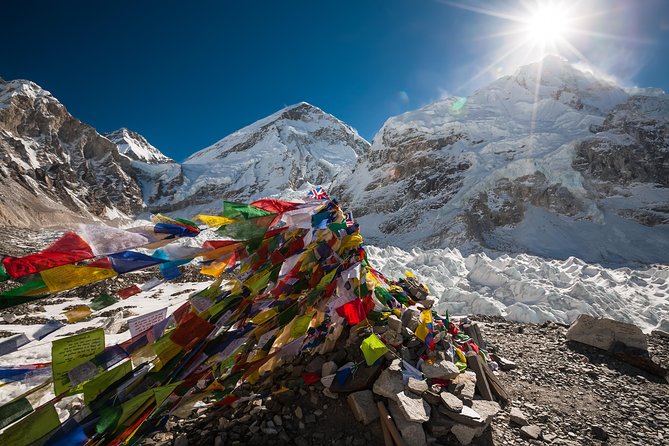
You’ll also encounter prayer flags linked to mountaineers, and you’ll likely notice how the terrain changes as you climb. Views become more spare but more intense. When the landscape gets simple, the peaks feel louder.
Then on Day 9, you push to Gorak Shep. The trail is described as sparse, with possible snow along the way. The reward is a high vantage point with unbelievable panoramic views of Mt. Everest and neighboring peaks.
Rest is planned after you arrive. If you still have energy, the itinerary includes an option to visit Kala Patthar the same day for a sunset view. That’s worth thinking about in the moment. If you feel steady, it can be magical. If you feel drained, taking the next day to do Kala Patthar might be the smarter move.
Everest Base Camp day: Kala Patthar, the base camp, and then the long exhale
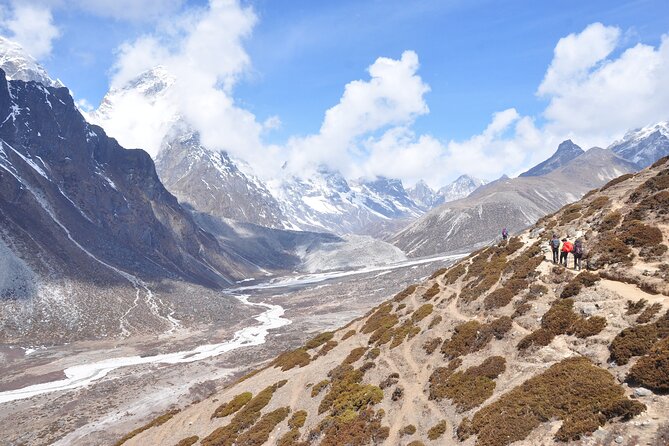
Day 10 is your peak day sequence. First, Kala Patthar at 5,450m. Then the itinerary continues to Everest Base Camp, followed by a trek back down to Gorakshep.
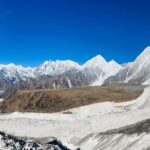
Kala Patthar is a hard-won viewpoint. The itinerary uses the translation clue (black rock) and frames it as a raw nature experience with views over Mount Everest and the Khumbu Glacier Valley. That “raw” word is accurate in feel even if you’ve seen photos before. At altitude, everything looks sharper and colder, and your sense of distance changes.
Reaching Everest Base Camp itself is a finish line and a reality check. You’re finally at the starting point for all Everest expeditions—the iconic base camp area where mountains stop being a map and start being a wall. Then comes the part people forget: you still have to go back down to recover. Meals at Gorakshep and a warm sleep (warm in Himalayan lodge terms) become the immediate priorities.
The biggest advice here is patience. Your body will want to rush because you’re excited. Let excitement be fuel, not a reason to overdo it.
Downhill return via Namche: prayer wheels, pine woods, and peeking walls of Lhotse-Nuptse
Days 11 and 12 bring the return hike. This isn’t a victory lap; downhill still demands control. Your legs get tired differently, and your balance matters on rocky paths.
Day 11 heads from Lobuche to Namche Bazaar. The trail follows down the Dudh Kosi with water-driven prayer wheels, plus paths through pine and cedar woods. It’s a useful reminder that the trek is more than altitude drama. There’s living forest down low, and it can make the whole return feel less severe.
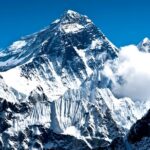
You also get a surreal peek at the Lhotse-Nuptse Wall behind Everest. That’s one of those views that feels like the mountain’s secret architecture. It can be brief, but it sticks.
On Day 12, the trek continues down toward Lukla, crossing the Dudh Kosi again and continuing through cedar and pine sections. The itinerary mentions Chumoa village for lunch and a riverside route until Phakding. After so many days of height, those river corridors can feel strangely soothing.
On-the-ground logistics: lodge nights, group size, and flight timing
This trek runs with a maximum group size of 12, which is a sweet spot for Everest-region trekking. Too small can mean you lose social energy; too big can turn into traffic on narrow paths. With 12 or fewer, you’re more likely to hike at a shared pace instead of constantly waiting.
Accommodation is practical rather than fancy. In Kathmandu you get 2 nights in a 4 Yatri Suites & Spa (or similar) on breakfast basis. Then throughout the trek you have 11 nights in local lodges on a room-only basis. That means you should plan for most meals to be extra, and you should budget for things like hot water and drinking water as personal expenses.
Breakfast is listed as included twice, not every morning on trek days. So don’t assume a full meal plan is baked in.
Flights also deserve respect. The Lukla-to-Kathmandu and Kathmandu-to-Lukla legs are part of the package, but the return flight time can change due to weather. The itinerary also notes the return flight leaves before 10:00am, with adjustments possible. Plan to treat those hours as flexible rather than rigid.
Price and value: what $1,450 covers, and what you still need to budget
At $1,450.19 per person, you’re paying for the hard-to-organize pieces: private land transfers, 2 Kathmandu nights with breakfast, domestic flights (Kathmandu–Lukla–Kathmandu), Sagarmatha National Park permits, TIMS and other necessary permits, and an experienced English-speaking government-licensed trek leader.
You’re also paying for coordination. The trek company offers pickup, group discounts, and a mobile ticket. None of that matters when you’re at home. It matters a lot on the ground when you’d rather be hiking than figuring out paperwork.
What you’ll likely still pay out of pocket:
- Meals and drinks (food and beverages are not included)
- Tipping (tips are not included)
- Donations at schools/monasteries (not included)
- International flights
- Personal costs like hot water and drinking water, phone use, laundry
- Emergency rescue evacuation insurance (not included)
- Porters (not included), though one porter can carry 20 kilo of luggage and can share between different clients
About porters: the itinerary says porters are not included. That doesn’t mean you must travel totally unassisted. It means you should decide your load strategy early. If you’re carrying heavy gear, fatigue adds up fast at height.
If you’re wondering who this is best for: this trek suits people with moderate fitness who want a focused Everest goal and are okay with lodge nights and long days. It’s also a strong fit for first-timers to Nepal who want structure and clear leadership rather than DIY uncertainty.
A quick note on staff support (and why it matters at altitude)
The human side is real on this trek. In one set of experiences shared with the company, staff members like Devi and Nilam handled coordination smoothly in Kathmandu, and a trek guide named Rohit was highlighted for responsible, organized pacing and keeping hikers in good health.
That’s what you want from leadership at height: steady pacing, calm decision-making, and the sense that you’re not left to improvise your way through altitude fatigue.
Also, your first Kathmandu day includes a detailed travel plan discussion. That’s a small detail that prevents big confusion later. You know what’s next, so you can focus on walking, not guessing.
Should you book Everest Base Camp with Asian Heritage Treks and Travels?
If your #1 goal is getting to Everest Base Camp on the standard route, this package fits well. You get the key permits, domestic flights, a licensed guide, and a time-tested schedule with Namche acclimatization and the Kala Patthar/EBC peak sequence.
I’d book it if:
- you want a clear 14-day Everest arc without constant route changes
- you prefer a small group pace (up to 12)
- you’re willing to carry your share of gear or budget for a porter
I’d pause before booking if:
- you’re expecting meals to be included every day
- you want a porter plan already included in the price
- you’re not comfortable with a trekking format where altitude starts early and hiking days are long
If you’re mentally ready for effort and you take the slow-and-steady approach seriously, this trek can be one of those trips that rewires how you understand big mountains.
FAQ
How long is the Everest Base Camp trek?
The trek duration is about 14 days.
What is the start time for the experience?
The meeting start time is 8:30 am.
How does the trek get from Kathmandu to the trekking area?
You fly domestically from Kathmandu to Lukla and later fly back from Lukla to Kathmandu.
Is accommodation included?
Yes. The package includes 2 nights in Kathmandu in a 4 hotel (Yatri Suites & Spa or similar) on a breakfast basis, plus 11 nights in local lodges on a room-only basis during the trek.
Are permits included for the route?
Yes. Sagarmatha National Park permits, TIMS, and other necessary permits are included.
Is a trek leader included?
Yes. An experienced, English-speaking, government-licensed trek leader is included.
Do you include meals during the trek?
Food and drinks are not included. Breakfast is listed as included for 2 breakfasts, while other meals are extra.
Are porters included?
No. Porters are not included. One porter can carry 20 kilo of luggage, and it can be shared between clients.
What group size is used?
The trek has a maximum of 12 travelers.
Is an international flight included?
No. International flights are not included. The package includes domestic flights only (Kathmandu–Lukla–Kathmandu).