REVIEW · TASHKENT
3-Day Chimgan Trekking Tour
Book on Viator →Operated by Nuratau Travel · Bookable on Viator
Three days, and the mountains take over. This guided trek out of Tashkent puts you into the Tian Shan fast, with tent camping, three-meals-a-day support, and a real chance to spot Stone Age-era petroglyphs along the way. Two things I really like: the door-to-door transfers that handle the long road for you, and the way the route builds in culture, not just walking.
One thing to keep in mind: this is mid-altitude hiking and it can feel challenging if you’re used to flatter or forest-only trails, especially with the highest section topping out around 2550m.
In This Review
- Key things to know before you go
- From Tashkent to Chimgan: transfers, timing, and how the day starts
- Day 1 from Melovoy (1796m) toward Takhta-Jaylov and the Marble River
- Day 2 Chetkumbel to Kubmel Pass (around 2550m) plus the petroglyph stop
- Day 3 down the Nurekata Valley to Shuldak (1050m) and the ride back to Tashkent
- Camping, meals, and the porter system that saves your back
- Guide, safety, and how route changes can affect your expectations
- Price and value: what you’re really paying for
- Who this trek suits best (and who should rethink it)
- Should you book the 3-Day Chimgan Trek?
- FAQ
- How long is the Chimgan trekking tour?
- Where does the tour start in Tashkent?
- What time does the tour start?
- Is transport included?
- What kind of fitness level do I need?
- What’s the highest point on the trek?
- What gear is provided for camping?
- Are meals included?
- How does luggage carrying work?
- What happens if the route needs to change due to weather or safety?
Key things to know before you go
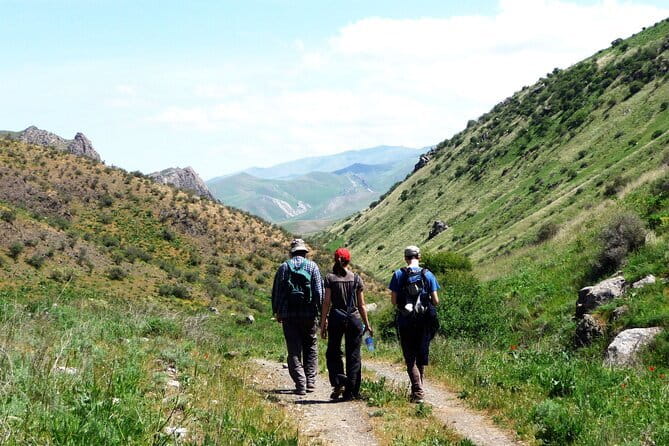
- Door-to-door transfers: round-trip transport ties the trekking days to Tashkent and keeps logistics simple.
- Tian Shan passes with a high point: Day 2 pushes toward Kubmel Pass (about 2550m) after you pass a petroglyph site around 2400m.
- Camping setup is included: two-person tents, sleeping bags, and mattresses are part of the package.
- Porter help for your load: horses/donkeys carry camping gear and food; you cap personal luggage at 13kg.
- Route changes are possible: the guide may adjust the route due to safety and bad weather.
From Tashkent to Chimgan: transfers, timing, and how the day starts
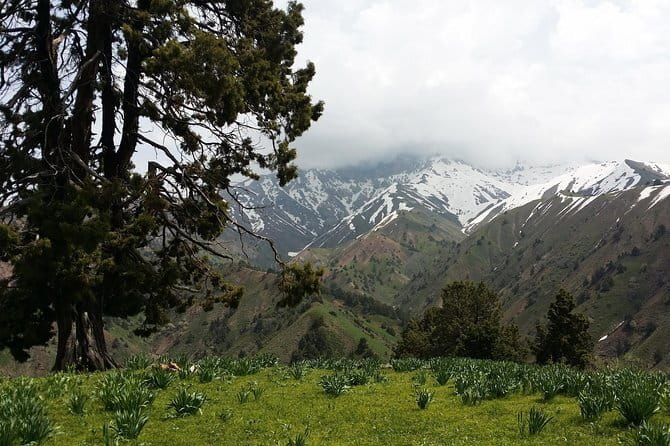
This trek is designed for people who want mountains without turning the trip into a logistics project. You start from Taraqqiyot ko‘chasi 45 in Tashkent at 9:00am, and you don’t have to figure out how to get everyone to the trailhead. The drive to Chimgan covers about 98km and usually takes 1.5–2 hours, so you’re not wasting half a day just reaching higher ground.
On the first day, you’re dropped into the trekking area and start from Melovoy (1796m). That matters: you’re not spending day one easing into altitude from sea level. The trek is mid-altitude right away, so pace and breathing feel important, especially if you’re coming from a flat city environment.
Also, plan for real “mountain hours.” The hiking time listed for the days runs roughly 4 hours (Day 1), 8 hours (Day 2), and 7 hours (Day 3). Even if you’re fit, you’ll want a calm rhythm and room for short breaks, because the trail isn’t about sprinting to a summit—it’s about walking the terrain and taking in the views.
And yes, it’s a group trip, but the format is private for your group—so you won’t be blended into a huge crowd. That usually makes the experience feel more relaxed and lets the guide manage the tempo with the group’s needs.
Day 1 from Melovoy (1796m) toward Takhta-Jaylov and the Marble River
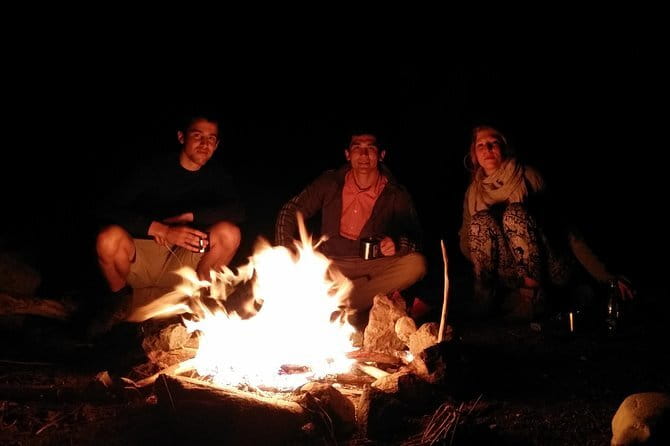
Day 1 is a strong warm-up day, but don’t misread “warm-up.” You start at 1796m and climb up to Takhta-Jaylov saddle (around 2000m). That climb isn’t enormous on paper, but the air can feel different once you’re up in the Tian Shan.
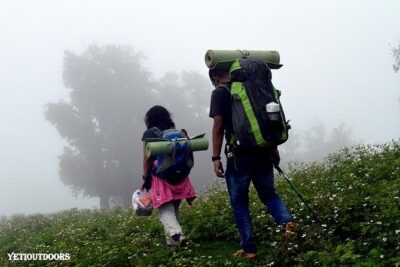
After reaching the saddle, you descend toward the Marble River. This kind of up-then-down day is a good first taste of mountain hiking because you learn how your legs respond to altitude and footing. It also sets your gear expectations: you’ll want sturdy trekking shoes and a daypack you can comfortably wear for several hours.
The itinerary also notes an included entry ticket on Day 1, which signals that you’re not only hiking through open countryside—you’re operating within protected or managed areas around the Chimgan region and the broader mountain system (including Ugam Chatkal National Park in the overall program). In practical terms, that means you should expect a guided experience with attention to where you walk and what you’re seeing.
What I’d call the “win” of Day 1 is that it gets you moving fast into mountain scenery without asking you to conquer the highest terrain on the first try. If you like trips that feel active but not reckless, this day is a good match.
A possible drawback: because your day begins with transport and then immediate trekking, it’s not the kind of tour where you can sleep in and then casually stroll. If you’re the type who likes to linger in bed on vacation, you’ll want to adjust your morning.
Day 2 Chetkumbel to Kubmel Pass (around 2550m) plus the petroglyph stop
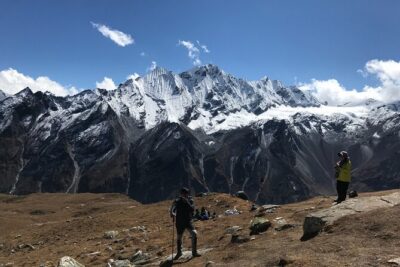
Day 2 is the big one. You ascend from the Beldersay valley via Chetkumbel Pass (about 1800m) toward Kubmel Pass (around 2550m). The hike is listed at about 8 hours, so this is where you’ll feel the full day’s effort.
Here’s why Day 2 is special beyond the physical challenge: you also get a built-in culture stop. On the route, you visit a petroglyph site at about 2400m. The tour notes these are Stone Age-era markings, and they’re a reminder that this mountain world isn’t just scenery—it’s part of a human landscape too.
That petroglyph stop is also useful for pacing. Long climbs can blur together. A meaningful stop breaks the monotony, and it gives you a reason to slow down, look around, and take photos without feeling like you’re just stopping to catch your breath. (And since you’re at altitude, it’s smart to do both.)
Also note: the program highlights this as the highest point in the three days, which means if you’re prone to feeling altitude effects—slower breathing, light headaches, that kind of thing—Day 2 is the day to take extra care. Bring sun protection (sunglasses and sunscreen are explicitly recommended), and keep your layers ready because spring and autumn weather can swing.
The other practical angle: Day 2 is long enough that you’ll benefit from choosing a steady pace over a heroic one. If you start fast, you might pay for it later when the trail keeps rolling. Your guide’s job is to manage the route and the group’s speed; your job is to listen to your body and stay consistent.
Day 3 down the Nurekata Valley to Shuldak (1050m) and the ride back to Tashkent
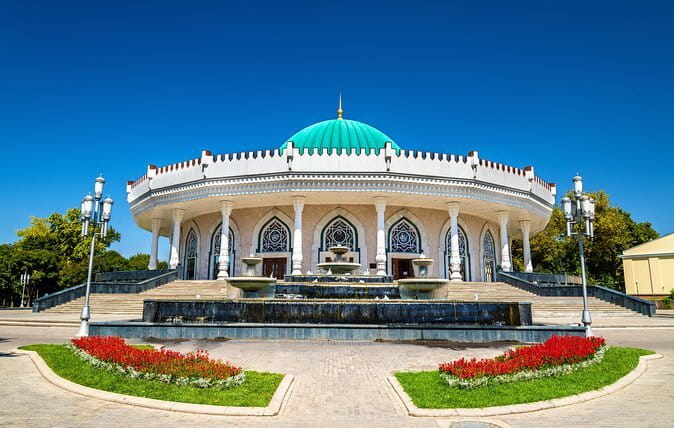
Day 3 is the payoff day—more downhill and more “we made it” energy. You continue descending in the Nurekata valley until you reach the junction of the Nurekata and Aksakata rivers. Then the trek continues toward Shuldak village (around 1050m).
The itinerary lists about 7 hours walking, so this isn’t a short scenic stroll. Expect steady time on your feet, even if the elevation pressure is less than Day 2’s high-point work. Descents can still be tough on knees and calves, so good footwear and trekking technique matter. If you tend to get sore on downhills, take your time on rocky sections and use your pole strategy if you bring one.
Once you reach Shuldak, you meet the driver and head back toward Tashkent. The tour ends back at the starting meeting point area, so you’re not left hunting for a ride or trying to coordinate public transport at the end of the trek.
Day 3 also tends to feel rewarding because you’re moving through valleys where the mountain features open up and the scenery “reads” differently than during the upward climb. After two active days, this is where you usually appreciate the terrain more—how the valleys guide the eye, how the river junctions make navigation easier, and how the whole three-day arc comes together.
Camping, meals, and the porter system that saves your back
This tour is built around comfortable-enough mountain camping, not “survival trekking.” You sleep in a two-person tent, and the package includes sleeping bags and mattresses. That may sound basic, but in mountain tours it’s a big deal. It usually means you don’t need to rent gear or buy a bunch of items you’ll never use again.
Food is also handled for you: the program includes breakfast (2), lunch (3), and dinner (2), plus bottled water. There’s a gas stove and tableware too, so you’re not just eating cold food unless the guide decides otherwise for practical reasons.
One of the most valuable pieces of this trek is the way luggage is managed. The tour includes horses/donkeys with handlers for luggage transportation. That means you’re not carrying everything on your back all day. The itinerary explicitly notes that all food, kitchen, and camping equipment are transported by animals, which can be a lifesaver if you’re traveling light or you don’t want your hike to turn into a pack-hauling event.
There’s still a personal limit: the maximum allowed luggage weight is 13kg per person. Practically, that tells you how to pack smart—bring essentials, avoid overstuffing, and keep your day necessities in your backpack.
Also, the guide reserves the right to act as cook for groups smaller than 5 people. So yes, you’ll deal with a working-guide who’s also running camp rhythm. That can be a plus if you like a more hands-on, do-it-together feel.
The only “real” drawback on this front is that tent camping means you’re away from normal comforts. You should expect the outdoors to set the temperature, and you’ll want warm clothing for spring or autumn conditions (plus a head-dress, sunglasses, sunblock, and even a flashlight are recommended). Plan like you’re sleeping under the sky, not in a hotel.
Guide, safety, and how route changes can affect your expectations
You’ll hike with an English-speaking mountain guide who is also a representative of the company. The program notes that the guide may change the route due to known safety issues and bad weather. That’s not a red flag—it’s standard responsible mountain behavior—but it does mean you shouldn’t lock your expectations to a single photo angle or exact path.
What you can take from that: the tour is meant to be flexible, and you’re traveling with someone who has the authority to protect the group. That’s a comfort if conditions change. It’s also a reminder to bring the right clothing layers so you don’t get miserable if the weather shifts.
The itinerary emphasizes that police registration is done for the duration of the trekking. That’s a quiet but important detail in regions where official registration supports smoother oversight.
There’s also a first aid kit included. It won’t replace good decisions like pacing yourself and staying hydrated, but it signals that this isn’t a bare-bones hike with no safety planning.
If you like tours where you can ask questions and get real-world guidance, this format tends to work well. You’re not just following a route on your own. You’re walking with a leader who manages both the hiking and camp needs.
Price and value: what you’re really paying for

At $370 per person, this is not a “cheap” day-trip price. But it’s also not just you renting a guide and hiking. You’re paying for a complete mountain package: transport from Tashkent to Chimgan and back, an English-speaking guide, camping equipment (tents, sleeping bags, mattresses), and the meal plan (breakfast, lunch, dinner across multiple days).
You’re also paying for the porter system—horses/donkeys with handlers—and the fact that the tour includes gas stove setup and tableware. That’s cost and labor built into the price, and it’s why you don’t need to show up like a camper who brought everything from home.
Add in the operational pieces: police registration during the trek, a first aid kit, bottled water, and the fact that the guide may coordinate route adjustments for safety. Those are the kinds of details that don’t show up in the brochure photos, but they matter when you’re in the mountains.
Booking pace is another value signal. The tour is commonly booked about 72 days in advance, so if you want your dates, plan ahead rather than assuming last-minute availability.
Who gets the best value? If you want an active mid-altitude hiking experience, you’re okay with tent camping, and you prefer a guided structure that handles the heavy logistics, this trek makes sense. If you only want a gentle nature walk with minimal effort, you might find Day 2 too long and demanding.
Who this trek suits best (and who should rethink it)
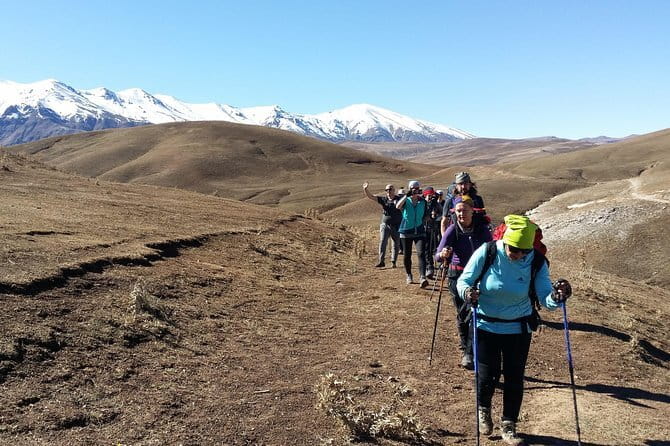
This experience is aimed at people with moderate physical fitness. The hiking days are long enough (4, 8, 7 hours) and the elevations climb up to around 2550m on Day 2. You don’t need to be an ultra-athlete, but you do need basic stamina and comfort hiking for hours with some elevation.
You’ll likely enjoy it most if:
- you want to escape Tashkent and see the Tian Shan on foot
- you like guided routes where you learn what you’re seeing (including the petroglyph culture stop)
- you appreciate help with luggage so you can focus on the hike
- you’re fine with camping in two-person tents
You might rethink it if:
- you have low tolerance for long hiking days or downhill strain
- you dislike altitude effects and don’t handle it well
- you prefer hotel comforts and don’t want a tent-camping routine
Should you book the 3-Day Chimgan Trek?
Yes, if your goal is a structured Tian Shan hike with real mountain time, included camping comfort, and a route that mixes scenery with Stone Age petroglyphs. The price feels fair when you factor in transportation, meals, and the luggage porter system, and the overall satisfaction rate is very high.
No, if you want an easy, short hike with minimal time on foot. The combination of long Day 2 hiking and altitude up near 2550m is the core reality of this tour.
If you’re the type who likes getting out of the city fast, walking through valleys and passes, and returning tired in a good way, this is the kind of trek that delivers.
FAQ
How long is the Chimgan trekking tour?
It’s a 3-day trek (approximately), with hiking time of about 4 hours on Day 1, 8 hours on Day 2, and 7 hours on Day 3.
Where does the tour start in Tashkent?
The meeting point is Taraqqiyot ko‘chasi 45, Tashkent, Uzbekistan.
What time does the tour start?
The start time is 9:00am.
Is transport included?
Yes. Door-to-door ground transfers are included, including Tashkent to Chimgan Resort and Shuldak back to Tashkent.
What kind of fitness level do I need?
The tour is described as suitable for moderate fitness levels, and it includes a mid-altitude hiking itinerary.
What’s the highest point on the trek?
The program notes that the petroglyph site around 2400m is on the way and that the route reaches the highest point in the three days, with terrain up toward Kubmel Pass (2550m).
What gear is provided for camping?
Camping equipment is included: two-person tents, sleeping bags, and mattresses.
Are meals included?
Yes. You get breakfast (2), lunch (3), and dinner (2).
How does luggage carrying work?
Horses/donkeys with handlers transport luggage. Food, kitchen, and camping equipment are transported by animals, and the maximum allowed personal luggage weight is 13kg per person.
What happens if the route needs to change due to weather or safety?
Your guide may change the route due to safety issues or bad weather conditions. This is part of how the trek is managed.