REVIEW · KATHMANDU
Private 8 – Day Langtang Trekking
Book on Viator →Operated by Nepal Alternative Treks & Expeditions Pvt. Ltd. · Bookable on Viator
Langtang Valley feels close to the clouds. This private Langtang National Park trek from Kathmandu has you moving from hill-forest trails toward Kyanjin Gompa, the oldest monastery in the valley. It also blends culture with scenery as you pass through Tamang and ancient Tibetan ethnic settlements.
What I like most is the practical safety-touch built in: a government-authorized guide and porters plus daily oxygen saturation checks. You’ll also get real time at Kyanjin to explore the village and attempt Kyanjin Ri (4884m) for big views. One consideration: the trek requires good weather, and the higher walking near 4884m means you’ll want to take it slow and stay warm on cooler nights.
In This Review
- Quick hits for this Langtang trek
- Day 1 to Syafru Bensi: the Kathmandu-to-trek warm-up drive
- Day 2 to Lama Hotel: subtropical forest walking that sets the tone
- Day 3 to Langtang Village: the steepening route and village atmosphere
- Day 4 to Kyanjin Gompa: prayer flags, stone villages, and a big milestone
- Day 5 in Kyanjin: Kyanjin Gompa and the option to hike to 4884m
- Day 6 retracing to Lama Hotel: easier schedule, still meaningful down-valley scenery
- Day 7 down to Syafrubensi: finishing the valley section with a forest descent
- Day 8 return to Kathmandu: a long ride, a final sense of closure
- Price and what $584.22 covers (and what it doesn’t)
- Guides, porters, and the safety details that reduce stress
- What type of traveler this private Langtang trek fits best
- Should you book this Private 8 – Day Langtang Trekking?
- FAQ
- Where does the trek start and where does it end?
- What time does the experience start?
- How long is the Private 8-Day Langtang Trekking?
- Is pickup offered?
- What permits are included?
- Are lodge accommodations included?
- What meals are included in the price?
- Is free cancellation available?
Quick hits for this Langtang trek
- Private group: your group only, not a mixed tour.
- Park fees and TIMS permits included: you don’t have to chase paperwork.
- Daily oxygen saturation checks: extra attention at altitude.
- A full Kyanjin day: Kyanjin Gompa plus the option to hike to Kyanjin Ri (4884m).
- Guide-led with porters: lodge stays, route, and daily logistics handled.
Day 1 to Syafru Bensi: the Kathmandu-to-trek warm-up drive
The trek starts with an early push out of Kathmandu at 7:15am, with a bus ride that takes about 6 hours to Syafrubensi. You’re not in a hurry; the timing matters because you’ll be on foot the next day. The road route is part of the fun, too, with rolling hills and green forest scenery as you head toward the trekking foothills.
Syafrubensi is a practical staging spot. It gives you a base to begin the trail system that feeds the Langtang Valley route, without jumping straight into steep climbing from the capital. If you’re the type who likes to get your bearings, arriving the day before serious hiking is a nice rhythm.
One small reality check: this is a long travel day even before your first step on the trail. If you’re prone to stiff legs or travel fatigue, plan a slower start in your hotel room in Kathmandu and get plenty of rest the night before pickup.
You can also read our reviews of more tours and experiences in Kathmandu.
Day 2 to Lama Hotel: subtropical forest walking that sets the tone
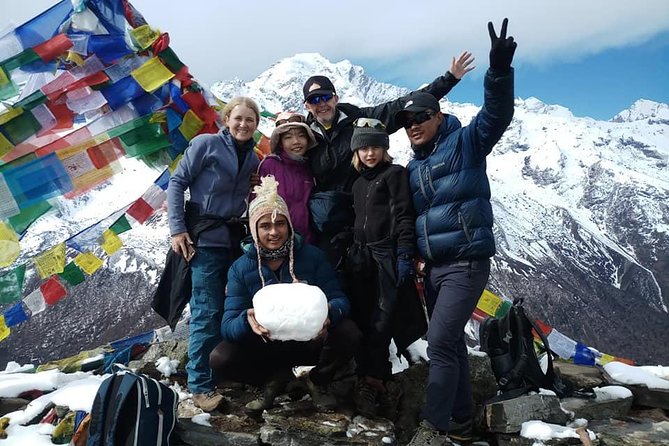
On day two, you trek toward Lama Hotel, with the schedule calling for about 5 hours of walking. The route is through dense subtropical forest, which is exactly what you want early in the trip: cover distance, get your hiking legs working, and enjoy shade before higher, colder zones.
Along the way you reach Bamboo, a popular stop for trekkers. That matters because it’s not just scenery—it’s part of the rhythm of the trail: sit, refuel, and reset before the next leg. A forest day also tends to feel forgiving underfoot if you’re careful with footing, compared with rockier higher paths.
The practical value here is acclimatization-by-effort. Even though it’s still a day of work, it’s not the hardest day on the plan. I like that the trek ramps up gradually rather than throwing you into the deep end immediately.
Day 3 to Langtang Village: the steepening route and village atmosphere
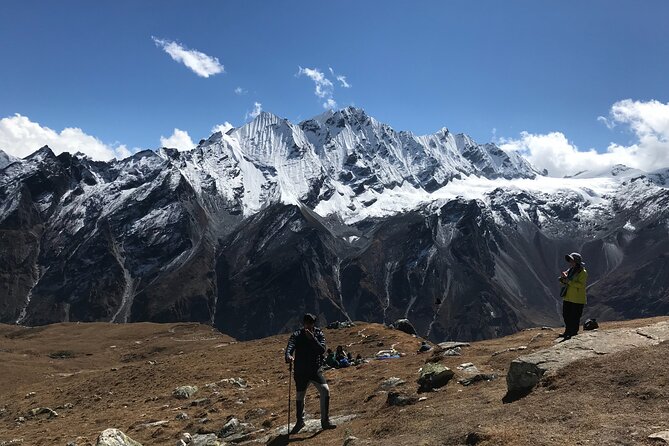
Day three is where the trail asks more of you. After breakfast in Lama Hotel, you trek about 5 hours to Langtang Village, starting with a slightly steep section that gradually turns steeper and tougher.
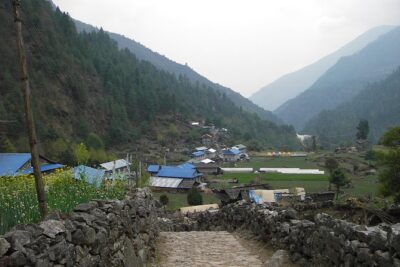
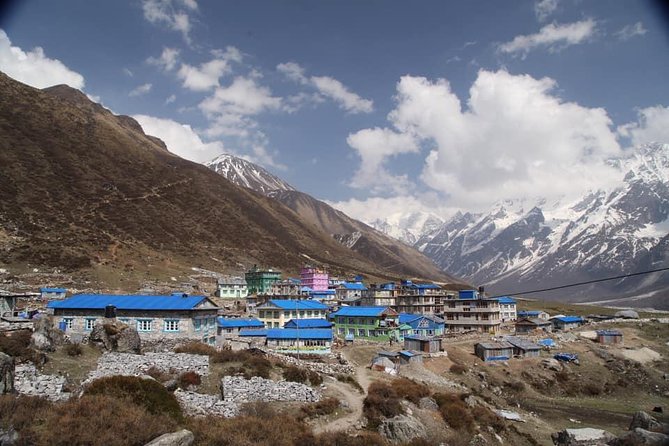
The path keeps running through dense forest early on, but the “feel” changes as you get closer to village life. Langtang Valley isn’t just a glacier playground; it’s also home territory. This is where the Tamang and Tibetan-influenced communities start to feel more present, and you’ll see stone walls and the everyday texture of a Himalayan valley settlement.
The main drawback is simple: this is a day you can’t rush. If you try to power-walk, you’ll feel it later at altitude. The upside is that the gradual steepening helps you settle into a pace that works—especially important because the itinerary later pushes toward viewpoints around 4884m.
Day 4 to Kyanjin Gompa: prayer flags, stone villages, and a big milestone
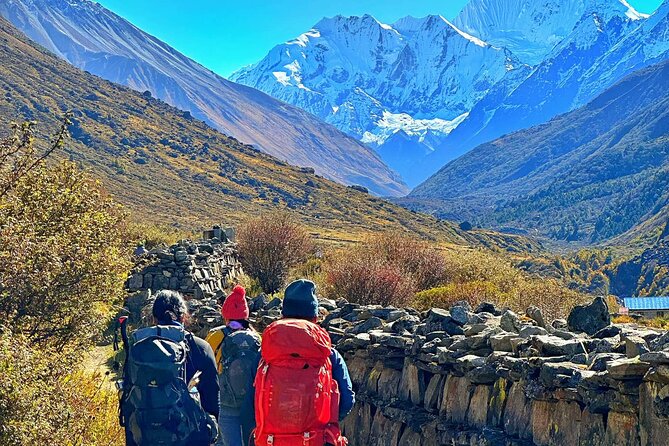
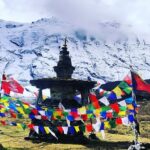
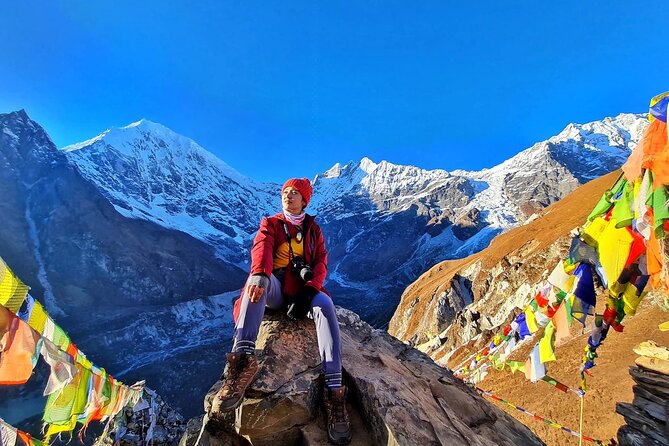
Day four is a shorter trek on paper—about 3 hours—but it ends with a major emotional finish line: Kyanjin Gompa. After breakfast in Langtang Village, you ascend through a small village with stone walls and prayer flags as you move toward the monastery area.
Why this day matters: Kyanjin Gompa is described as the oldest monastery in the valley. That’s not just a date fact. It helps you understand why this part of the route became a destination. You’re arriving at a place that’s both religious and community-centered, not just a viewpoint stop.
Also, the shorter walking time can be a gift. When the day’s effort is lighter, you can actually enjoy the place you’ve reached instead of arriving already exhausted. In the context of a trekking trip, that’s good design.
Day 5 in Kyanjin: Kyanjin Gompa and the option to hike to 4884m
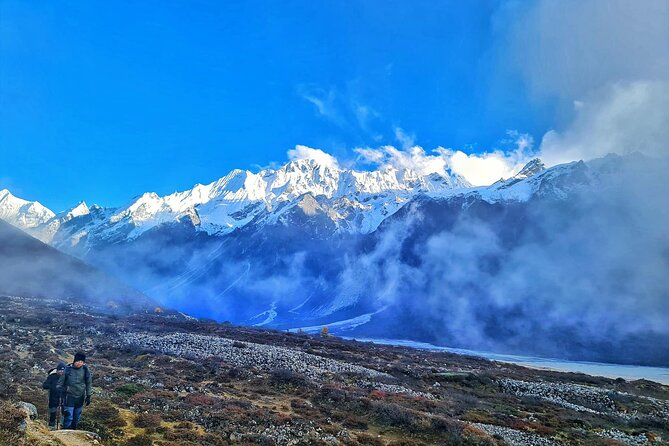
Day five is a full day devoted to Kyanjin and the surrounding Langtang area, with about 4 hours set aside for exploring. This is where the trek shifts from “moving through” to “spending time.”
You’ll explore Kyanjin village and visit Kyanjin Gompa again in the spirit of actually seeing it, not just ticking a box. The itinerary also offers a hike to Kyanjin Ri (4884m). That altitude is high enough that you’ll feel the air thinning, so it’s smart to treat this as a planned effort, not a race.
This is also where the best trekking style shows up in the details: the company includes daily oxygen saturation checks, and that’s the kind of support that can make a big difference when you’re choosing whether to go higher or take it slower. I also appreciate that this day is flexible in spirit. A viewpoint attempt should feel like an option based on how you’re doing that morning.
If you want a reason to pick this trek over a shorter alternative, it’s this day. You’re not just passing through Kyanjin—you’re living there for a while.
Day 6 retracing to Lama Hotel: easier schedule, still meaningful down-valley scenery
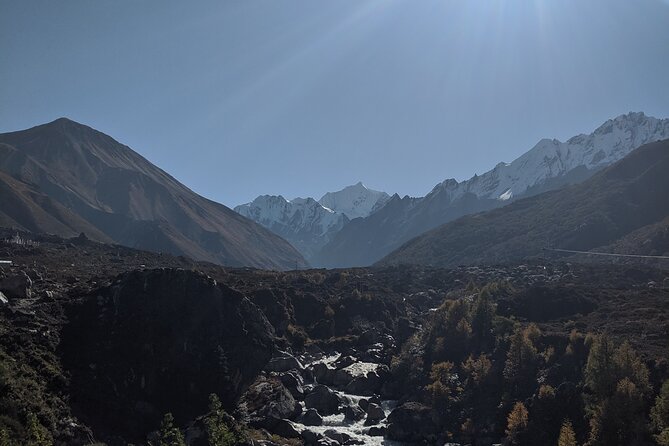
On day six you retrace the route back toward Lama Hotel. The walking time is about 6 hours, but the plan calls it relatively easier than the earlier days. You descend through rhododendron forests, and the direction helps your legs recover while still keeping you moving.
Descending can be tricky too. Even when it feels easier, you still need good technique on the way down—short steps, controlled pace, and attention to footing. But compared with the steepest upward days, it’s typically more manageable.
This is a good day for appreciating the valley as a whole. When you’re going out, you focus on reaching the next village. On the return, you get a different perspective on what you walked through.
Day 7 down to Syafrubensi: finishing the valley section with a forest descent
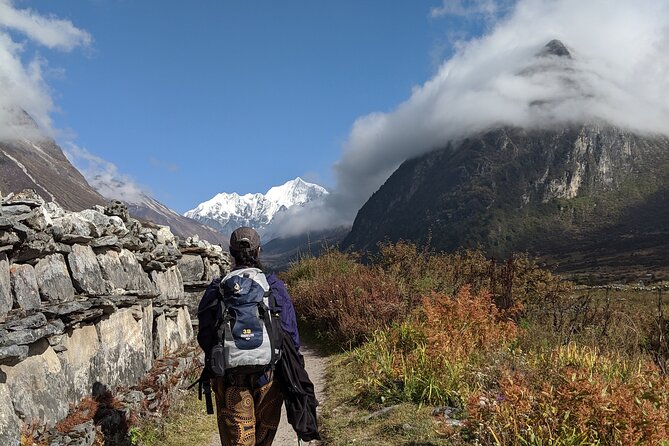
Day seven takes you back to Syafrubensi with about 5 hours of trekking. After breakfast, you start a descent through dense forests, again with that steady mix of shade and trail rhythm.
This is often a “quiet win” day. Your muscles have memory now, and you know what sort of effort each section demands. It’s also a day where you can reflect on how quickly Langtang becomes a lived-in place rather than a map route.
And if you’ve been aiming for safety and comfort, the included structure shows up again. Lodge stays are part of the plan, so you’re not hunting for places at the end of a long day. That matters when you’re tired.
Day 8 return to Kathmandu: a long ride, a final sense of closure
Day eight is a drive back to Kathmandu, again about 6 hours. You’ll pass terraced fields and small settlements, and you’ll travel along major highway sections as you head back toward the capital.
It’s a full finish day, not a half-day. That means you’ll probably feel a mix of satisfaction and travel fatigue. The good news is that the trek itself is complete, and your remaining tasks are simpler: get to the meeting point and unwind.
One advantage of this structure is closure. Ending back at the starting meeting location keeps the experience clean and reduces mental overhead on the final day.
Price and what $584.22 covers (and what it doesn’t)
At $584.22 per person, the value here comes from what’s bundled. In the included list, you get overland transportation as described, one government authorized trekking guide and porters, all lodge accommodation during the trek, and a trekking map plus completion certificate.
You also get a lot of the “paper and park admin” costs handled: Langtang National Park fee and necessary permits (TIMS). For many trekkers, that’s the part that turns into stress if you try to DIY it. Here, it’s part of the package.
Meals are also included in a structured way: dinner (7), breakfast (7), and lunch (8) as listed. That’s a big deal on a multi-day trek, because it protects your budget from daily decision-making and keeps you fueled.
What’s not included is equally important. Hotel accommodation and meals in Kathmandu are not included, and you’ll also pay for things like tea/coffee, boiled water, alcoholic drinks, laundry, and phone or bar bills. Tips for guide and porters are also not included.
My take: the price looks fair for a private 8-day trek that includes permits, national park fees, lodging, and daily support at altitude. If you already know you’ll be buying bottled extras, tip budget, and travel insurance, then you’ll be able to plan your real trip cost without surprises.
Guides, porters, and the safety details that reduce stress
This trek runs on people. The feedback you provided highlights a pattern: good communication, reliability, and caring guides and porters.
The guide names that stand out in the reviews include Dhan, Amar, Tek, Ritika (a female guide), Kumar, Don, and Laxman, with porters such as Ajay, Sanjay, Ram, Sonjay, and Ramesh. That tells me the company puts effort into matching the right team to the trek, not just assigning a random schedule.
Safety-wise, the included oxygen saturation check everyday is a meaningful support detail. It doesn’t replace common sense or pacing, but it signals that the operator is watching altitude effects rather than hoping for the best.
Also included is assistance for emergency rescue evacuation, public liability insurance, and government tax and service charge. You hope you won’t need those items. Still, it’s comforting that they’re part of the base package rather than add-ons you discover later.
What type of traveler this private Langtang trek fits best
This is a good fit if you want:
- a private experience (your group only)
- a well-defined route from Kathmandu into Langtang and back
- a trek that mixes forest days, village atmosphere, and a monastery finish at Kyanjin
- included permits and park fees, so you don’t spend vacation time on paperwork
It’s not the best match if:
- you only want flat, easy walking (the plan includes steeper sections)
- you’re not comfortable with altitude near 4884m
- you’re hoping to avoid all extra costs beyond the main price (boiled water, tea/coffee, and tips are not included)
If you’re traveling with family or you like having a guide handle logistics, a private trek usually feels calmer. You also get a team that can adjust pacing to your group’s needs, which came up in the reviews as well.
Should you book this Private 8 – Day Langtang Trekking?
I’d book it if you want a classic Langtang Valley experience with the comfort of included permits, lodge stays, most trek meals, and daily oxygen checks. The itinerary is built around key moments—Langtang Village, the monastery area at Kyanjin, and the chance to hike to Kyanjin Ri (4884m)—without dragging you through a never-ending grind.
Don’t book it if you’re sensitive to steep days or altitude, or if you’re planning around an extremely tight schedule when weather could be a factor. If you can travel with a bit of flexibility and you’re ready for high, cold air near 4884m, this private format is a strong value.
FAQ
Where does the trek start and where does it end?
The trek starts at Nepal Alternative Treks & Expeditions Post Box No: 8169, House, Raniban Marg 136/205, Nagarjun, Kathmandu, and it ends back at the same meeting point.
What time does the experience start?
The start time is 7:15 am.
How long is the Private 8-Day Langtang Trekking?
It is listed as 8 days (approximately).
Is pickup offered?
Pickup is offered.
What permits are included?
Langtang National Park fees and necessary permits (TIMS) are included.
Are lodge accommodations included?
Yes. Lodge accommodation during the trek is included.
What meals are included in the price?
Dinner is included for 7 days, breakfast for 7 days, and lunch for 8 days, as stated.
Is free cancellation available?
Yes, free cancellation is available. You can cancel up to 24 hours in advance for a full refund.