REVIEW · KATHMANDU
Upper Mustang Trek 14 Days
Book on Viator →Operated by Trek Mania Nepal · Bookable on Viator
Upper Mustang feels like stepping into a hidden kingdom. What makes this trek special is the old-world feel of Tibetan-influenced Upper Mustang, especially the walled city of Lo Manthang, plus the quiet, cave-like stop near town. I also like the practical rhythm here—handpicked teahouses and a route built around steady days rather than a sprint. One caution: you’re on a full 14-day schedule with long trekking days, and trek lodging, meals, and drinks aren’t included.
The best part for me is how the trip is run day to day, not just where you go. You get a government license holder English-speaking trekking guide, and the operator’s communication includes Devaraj (with support from his daughter), which makes planning feel smooth. Since the itinerary is designed with acclimatization and careful pacing, you should feel less like you’re guessing at altitude and more like you’re following a real plan.
In This Review
- Key Highlights You’ll Actually Feel
- Upper Mustang 14 Days: What You’re Really Buying
- Kathmandu Setup at Hotel Chhimeki and Thamel Time
- Pokhara Buffer Days: Lakeside Walking and Tal Barahi Temple
- Flight to Jomsom: The Gateway, the Wind, and the Real Start
- Kagbeni to Chele: Mud-Brick Culture and Desert-Edge Trails
- High-Altitude Desert Days: Syanboche and Ghami
- Tsarang and the Fort Feel: Getting Closer to the Capital
- Lo Manthang: Walled Capital, Tibetan-Influenced Streets, and That Big Cultural Moment
- Thubchen Gompa and Chhoser Cave: Spiritual Stops and Historic Caves
- Dhakmar Backtrack and Kagbeni Return: Seeing Mustang from Another Angle
- Jomsom to Pokhara and the Kathmandu Finish
- Price and Logistics: What’s Included, What’s on You
- Packing, Fitness, and Altitude Notes That Actually Matter
- Who This Trek Suits Best (and Who Should Reconsider)
- Should You Book Trek Mania Nepal’s Upper Mustang Trek?
- FAQ
- How long is the Upper Mustang Trek?
- What does it cost per person?
- Where is the meeting point in Kathmandu?
- Is this tour private?
- Are meals and drinks included?
- How far in advance can I cancel for a full refund?
Key Highlights You’ll Actually Feel
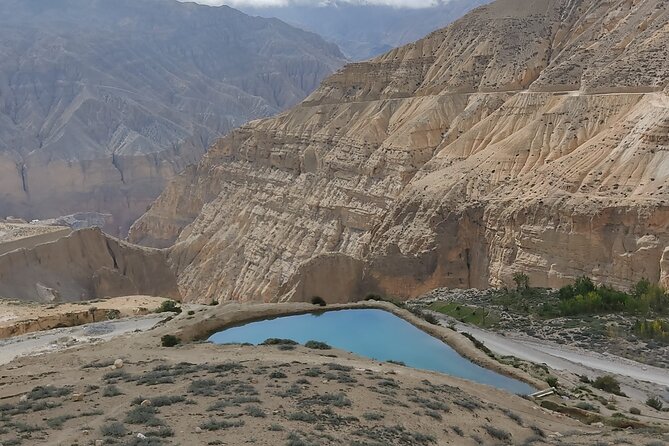
- Lo Manthang’s walled streets: narrow alleys and mud-brick buildings with a strong Tibetan-influenced vibe
- Thubchen Gompa: one of the oldest monasteries in Lo Manthang, with a calm, serious atmosphere
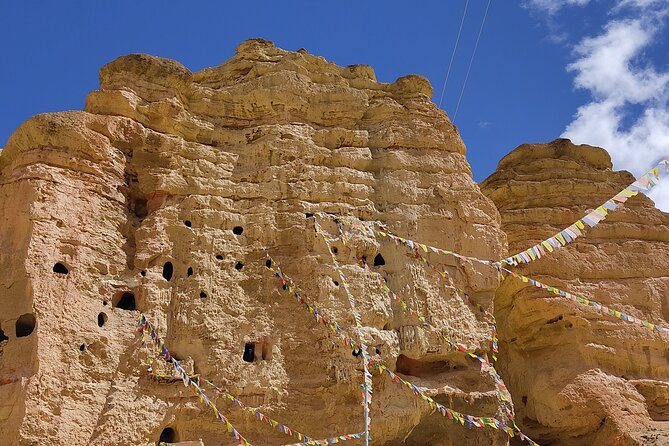
- Chhoser Cave: a historic cave stop near Lo Manthang that adds a “sky cave” feel to the route
- Restricted Area Permit included (10 days only): helps you access the core Upper Mustang experience legally
- Flying in and out via Jomsom: saves time compared with driving the whole way, but you should expect wind
Upper Mustang 14 Days: What You’re Really Buying
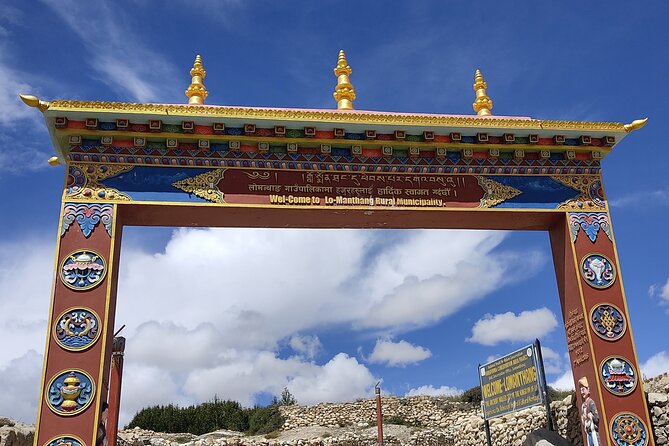
This is a trek that mixes serious altitude terrain with a culture-first route. You’re not just chasing views; you’re moving through places that still function with old-world rules—mud-brick architecture, monastery life, and a landscape shaped by wind and dryness.
The price is $1,212 per person, and the value comes from what’s wrapped into that number: an English-speaking licensed guide, transportation for the route, Kathmandu lodging (2 nights at Hotel Chhimeki), and key permits. What’s not wrapped in: trek meals and drinks, trek accommodation, and porters—so you’ll need to budget for daily basics once you’re on the trail.
If you want maximum comfort with minimum stress, this trip is built to feel “organized but not soft.” It’s adventure, but with enough structure—pickup, guides, pacing, and a first-aid kit—that you’re not left on your own.
You can also read our reviews of more tours and experiences in Kathmandu.



Kathmandu Setup at Hotel Chhimeki and Thamel Time
You start in Kathmandu with an airport pickup and drop included. Your Kathmandu base is Hotel Chhimeki for 2 nights, which matters because it gives you a real landing spot before you start traveling toward higher terrain.
Day 1 is mostly about getting your bearings. You’ll have time to wander Thamel, the lively area known for shops and easy access to food and supplies. This is where you can handle practical things—charging devices, grabbing a few last snacks, or sorting out layers for colder evenings.
A small but important point: this experience is a private tour/activity, so you’ll be moving with only your group. That usually helps with pacing and makes it easier to ask questions without feeling like you’re on a conveyor belt.
Pokhara Buffer Days: Lakeside Walking and Tal Barahi Temple
Next comes the drive from Kathmandu to Pokhara, a scenic change from the city grind. Pokhara is also a good breathing space before you head into the harsher, drier country around Upper Mustang.
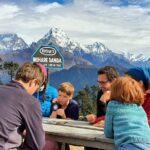
You spend time around Phewa Tal (Phewa Lake), including a walk along the shore and the option to take a boat for close-up views of peaks like Annapurna and Machapuchare. The day also includes Tal Barahi Temple, a revered Hindu shrine on a small island reached by short boat ride.
In terms of trekking reality, this buffer day is valuable. You get an easier sightseeing day, then you’re ready for a short flight into Mustang territory without feeling like you’ve only traveled and traveled.
Flight to Jomsom: The Gateway, the Wind, and the Real Start
On Day 3, you fly from Pokhara to Jomsom. Jomsom sits in the Kali Gandaki Valley and is the common gateway for Upper Mustang treks.
Here’s the thing you should keep in mind: Jomsom is known for strong winds. The itinerary doesn’t promise calm weather, so plan to dress for wind chill and expect that flight days can feel more intense than road days.
Once you land, the trekking part truly begins with Jomsom to Kagbeni. Kagbeni is where the architecture and culture start shifting from general Nepal travel into Upper Mustang territory—mud-brick buildings, narrow alleys, and a strong monastery presence.
Kagbeni to Chele: Mud-Brick Culture and Desert-Edge Trails
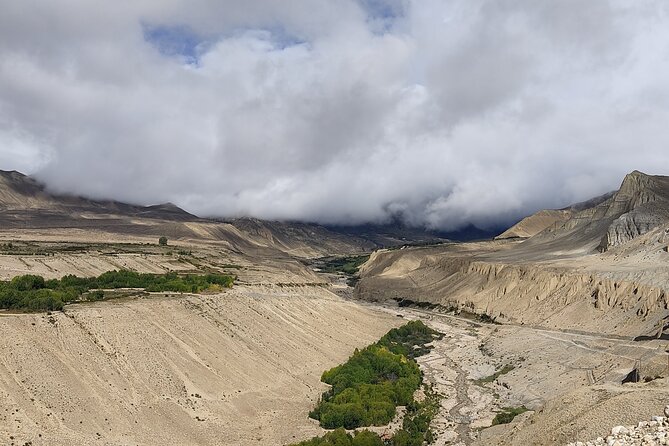
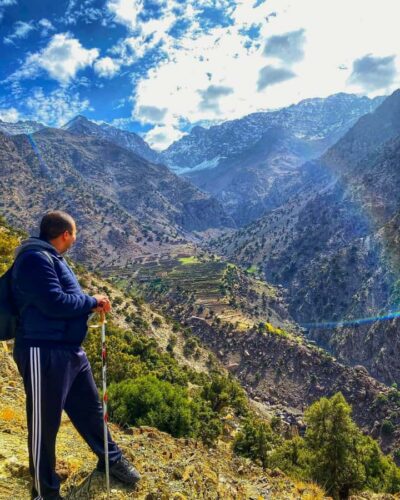
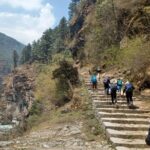
Your first full trek day is Kagbeni to Chele, and the route takes you through arid terrain and traditional villages. This is one of those segments where the scenery feels raw: less greenery, more rock, and more of that Mustang “high desert” look.
Chele is a good early landing point because it helps you adapt to the rhythm of trekking while you’re still close enough to the start. You’ll feel the days get longer, and you’ll notice how quickly the air turns dry and sharp—especially once you’re away from river-level humidity.
One practical thought: in places like these, comfort is mostly about routine—steady meals, steady hydration, and dressing in layers. Your guide’s job is to keep you moving at a pace that supports acclimatization, not just checking boxes.




High-Altitude Desert Days: Syanboche and Ghami
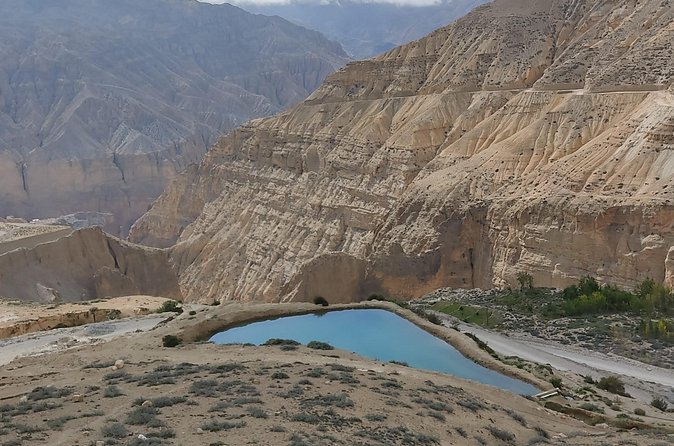
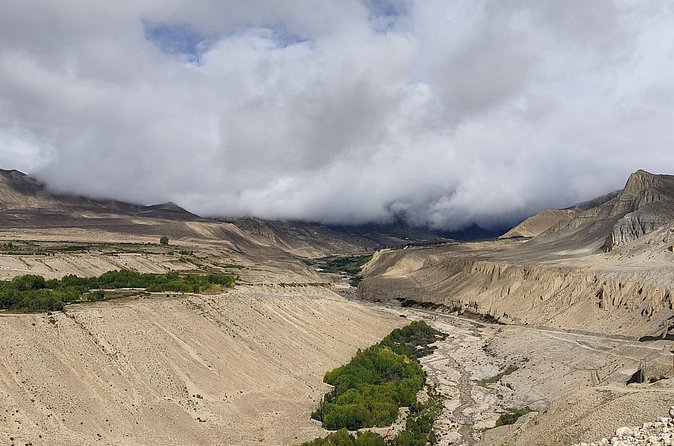
From Chele, the trek continues across high-altitude desert and rugged, barren terrain to Syanboche. This part of the route is often why people choose Upper Mustang instead of more crowded trails: it feels more remote, and you spend real time in silence between villages.
You then trek toward Ghami, described as a larger and more vibrant village in the Mustang region. The key change here is that Ghami gives you more “settlement life”—you’re still in the high dry world, but you feel the village flow around you more than on the earlier, emptier stretches.
If you’re thinking about fitness, this is where you’ll notice the difference between being able to hike and being able to hike well for many hours. If you’re aiming for an enjoyable trip, keep your effort controlled—especially in the early part of the day—so you don’t spend the afternoon paying for it.
Tsarang and the Fort Feel: Getting Closer to the Capital
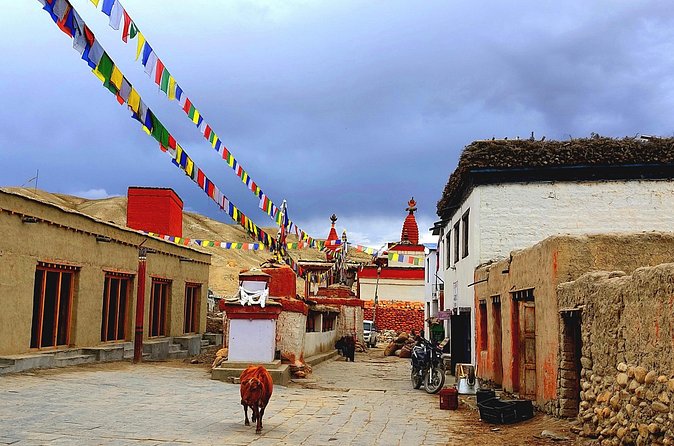
Next comes Ghami to Tsarang, with Tsarang known for an ancient monastery and the imposing Tsarang Fort. Forts in Upper Mustang don’t feel like tourist props. They feel like they belong to the landscape—built to watch the valley, built for a world where routes mattered.
Tsarang is also the kind of village where you can feel the shift toward Lo Manthang energy: more focus on Tibetan Buddhist influence, more stone and sky, and more of that “walled-city approach” feeling building in your mind.
This is a good time to watch your acclimatization habits. Drink regularly, don’t ignore headaches or fatigue, and trust your guide’s pacing. The itinerary design includes acclimatization support, but it still works only if you do your part.
Lo Manthang: Walled Capital, Tibetan-Influenced Streets, and That Big Cultural Moment
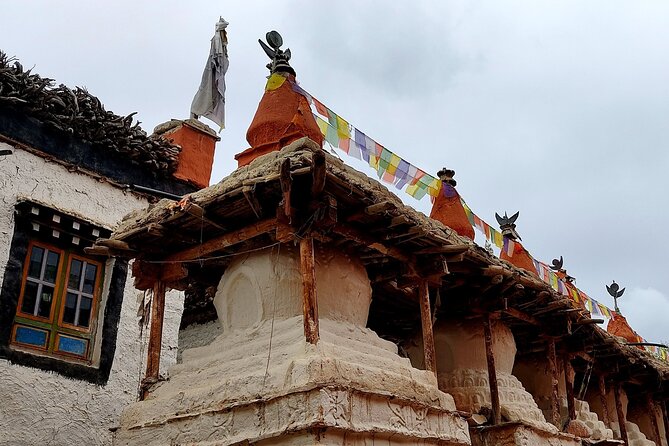
From Tsarang, you head to Lo Manthang, the capital of Upper Mustang. Lo Manthang is known for its walled city structure and Tibetan-influenced culture—think narrow streets, traditional mud-brick homes, and a layout that feels both protected and deliberately slow.
This is the day you’ll likely remember most clearly. Not because everything is dramatic all the time, but because the environment feels like it has held its shape through centuries. Even simple walking around town becomes part of the experience, especially if you take your time instead of rushing for photos.
Also, since this is a restricted area experience, the permit coverage matters. Your plan includes the Upper Mustang Restricted Area Permit (10 days only), which aligns with the time you spend in the core zone around Lo Manthang and nearby stops.
Thubchen Gompa and Chhoser Cave: Spiritual Stops and Historic Caves
On the Lo Manthang day, you visit Thubchen Gompa, described as one of the oldest and most significant monasteries in the walled city. This stop works because it’s not just architecture—it’s atmosphere. Monastery spaces tend to slow your thinking down fast, and that makes the rest of town feel even more meaningful.
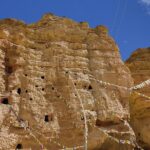
Then you go to Chhoser Cave, located near Lo Manthang. This cave is listed as historically significant and connected to centuries of use, with a setting that’s both striking and quiet.
You’ll feel a difference between walking village streets and standing near older cave spaces. In caves, time gets strange—you hear less, you look more, and you become more aware of how humans adapted to this dry high world.
Dhakmar Backtrack and Kagbeni Return: Seeing Mustang from Another Angle
After the Lo Manthang highlights, the trek turns into a return route: Lo Manthang to Dhakmar and then Dhakmar to Kagbeni. This kind of backtrack isn’t filler. It’s how you get perspective—your eyes learn the terrain, and you stop seeing it as a checklist.
Dhakmar is mentioned with its own appeal—unique rock formations and expansive valleys. By the time you reach this phase, you’re less impressed by big views on day one and more impressed by how the whole place fits together.
When you end back at Kagbeni, you’re back in the mud-brick zone that helped launch the experience. That gives your trip a satisfying loop: same towns, but a very different way of noticing them.
Jomsom to Pokhara and the Kathmandu Finish
You fly from Jomsom back to Pokhara, then have time to relax and reflect. Pokhara gives you an easy landing after days of dust, wind, and high skies. Even a simple meal and a slow walk in town feels like a reward.
Next comes the drive back to Kathmandu. On your final day, you head to Tribhuvan International Airport for departure, with the trip ending at the meeting point.
This wrap-up matters because Upper Mustang can hit you with a mix of awe and fatigue. You don’t want your last moments to be chaotic.
Price and Logistics: What’s Included, What’s on You
Here’s the clean way to think about the $1,212 price.
What you’re paying for (included):
- Airport pickup and drop
- Hotel Chhimeki in Kathmandu for 2 nights
- Transportation as per itinerary (drives and flights)
- A government license holder English-speaking trekking guide
- Upper Mustang Restricted Area Permit (10 days only)
- Annapurna Conservation Area Permit
- First aid medical box
- T-shirt, duffel bag, and trekking map with company logo
- All taxes
- Dinner (but see below)
What you should budget separately (not included):
- All drinks
- Visa fee to enter Nepal
- International flights
- Extra nights in Kathmandu if itinerary changes
- Travel insurance/Rescue operation costs
- Accommodation during the trek
- Porters
- Tips for guides and porters
- Meals (all meals)
That meals line is the part to double-check with the operator, since the included list also mentions dinner. Practically, plan your budget as if you’ll pay for most food and all drinks while trekking, then confirm the exact meal plan before you go.
Packing, Fitness, and Altitude Notes That Actually Matter
The trek is listed for moderate physical fitness. Translation: you don’t need to be a mountaineer, but you should be able to hike for long days on uneven ground.
A good rule for this kind of route is layers. You’ll likely move from warmer daytime sun to colder evenings, especially as you gain altitude and spend time in open, windy areas near Jomsom and across the desert-like stretches.
Also, don’t underestimate dryness. Plan to drink regularly even when you don’t feel thirsty. Your guide should be planning pacing and acclimatization, but your comfort on the trail depends a lot on basics like water and warm clothes.
Finally, since the itinerary includes a restricted-area permit, your schedule can’t just be rearranged casually. Keep your energy steady and follow the guide’s timing.
Who This Trek Suits Best (and Who Should Reconsider)
You’ll likely love this if you want:
- A trek focused on Tibetan-influenced culture and places like Lo Manthang
- A route that balances adventure with planning—pickup, a licensed guide, permits, and careful pacing
- A non-rushed feel that still covers real trekking distance day after day
You might want to think twice if:
- You hate long trekking days or would struggle with basic high-desert hiking
- You want everything fully covered, including meals, drinks, and trek accommodation (those are listed as not included)
- You’d rather avoid wind and flight days (Jomsom is known for strong winds)
If you’re the type who enjoys learning how a place works—monastery life, village rhythms, and why routes matter—this trip will feel rewarding fast.
Should You Book Trek Mania Nepal’s Upper Mustang Trek?
My take: book it if Upper Mustang’s mix of culture and high-desert trekking sounds like your kind of travel. The biggest reason is the structure: licensed English guide, permits handled (including the restricted area permit for 10 days), and a route that uses flights and pacing so you spend less time stressed and more time noticing.
Before you commit, do two quick checks:
- Confirm the exact meal situation (the package lists dinner as included, but also lists meals as not included).
- Budget for what isn’t included: trek accommodation, drinks, tips, and insurance.
If you like organized travel with room for real moments—monastery silence, walled city streets, and cave history—this is a strong choice.
FAQ
How long is the Upper Mustang Trek?
The trip is listed as 14 days (approx.).
What does it cost per person?
The price is $1,212.00 per person.
Where is the meeting point in Kathmandu?
The meeting point is Hotel Chhimeki, 17 Purano Dhalko Marga, Kathmandu 44600, Nepal.
Is this tour private?
Yes. It’s a private tour/activity, and only your group will participate.
Are meals and drinks included?
Drinks are not included. The package lists meals as not included, though dinner is listed under included items—so it’s smart to confirm the exact meal plan before you go.
How far in advance can I cancel for a full refund?
You can cancel up to 3 days in advance for a full refund. The policy says you must cancel at least 3 full days before the experience start time.