REVIEW · KATHMANDU
14 Days Everest Base Camp Trek
Book on Viator →Operated by Master Himalaya Treks and Expedition · Bookable on Viator
Everest starts with a wild flight. This 14-day trek through the Khumbu Valley pairs big Himalayan views with practical, altitude-aware pacing, plus Sherpa towns and monasteries along the way. I like the Lukla flight views and how the plan builds in acclimatization days. The main drawback to plan for is altitude risk—some people may not make it to the highest stops due to sickness.
You also get “less guessing, more trekking.” I like that this is a private tour with a government-certified guide and porter support, and that meals are handled for you during the trek. Still, the route is demanding, and you’ll want to be honest about your fitness before you go.
In This Review
- Key things I’d zero in on
- Everest Base Camp Trek: The Route That Balances Big Views and Real Altitude
- A quick reality check on difficulty
- Kathmandu to Lukla: Why Day 2 Feels Like the Start of Something Serious
- Phakding: small trail day, big acclimatization value
- Namche Bazaar and the Hillary Suspension Bridge: The Altitude Test With a Reward
- How I’d use your Namche day
- Tengboche Gompa: Spiritual Stop, Great Pause From Straight Climbing
- What to expect
- Dingboche Acclimatization: Stone Walls, High-Air Breathing, and a Rest That Matters
- Why that rest day changes everything
- Lobuche, Gorak Shep, and Everest Base Camp: The Big Day (With Real Effort)
- What you should plan mentally for day nine
- Kala Patthar: The View Hike That Pays Off Fast
- Khumjung and the Return Toward Lukla: Finishing Strong
- Price and Value: What $1,600 Buys You Here
- Who This Trek Fits Best (and Who Should Think Twice)
- Private-group format: less waiting, more control
- Should You Book This Everest Base Camp Trek?
- FAQ
- Where does this trek start and end?
- How long is the Everest Base Camp trek?
- What is the pickup and drop-off like?
- Are flights to Lukla included?
- What meals are included?
- Do I need to bring trekking equipment?
- Is insurance included?
- What kind of guide and porter support do you get?
- Is this a private tour?
- Can I cancel for a full refund?
Key things I’d zero in on
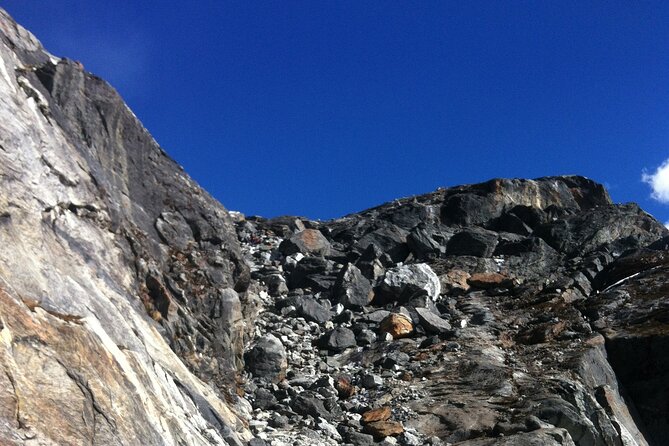
- Lukla flight plus downhill treks early on: big views right away, then a controlled start.
- Built-in acclimatization days in Namche Bazaar and Dingboche.
- Tengboche Gompa visit: a major Khumbu spiritual stop, not just trekking scenery.
- Everest Base Camp day plus Gorak Shep: a high-effort outing where timing matters.
- Kala Patthar for Everest views: the classic sunrise-style viewpoint hike (weather permitting).
- Support logistics included: guide, porter (1 for 2 trekkers), first aid, and all trek meals.
Everest Base Camp Trek: The Route That Balances Big Views and Real Altitude
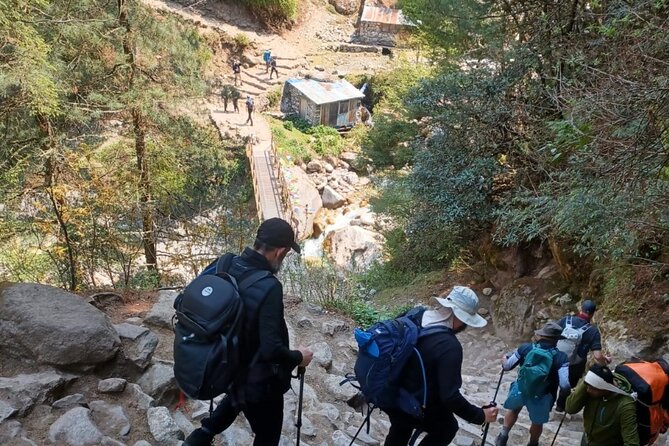
This trek is built around one simple idea: you don’t just “go up.” You move through the Khumbu in stages, with time for your body to adjust. You start in Kathmandu, but the real story begins as soon as you fly to Lukla and start walking through Sherpa country.
What makes the itinerary feel workable is that the high points aren’t thrown at you all at once. You’ll get Sherpa towns (Namche Bazaar and Khumjung), monasteries (Tengboche Gompa), and high-altitude villages (Dingboche, Lobuche), with rest and acclimatization days where they count. And because the program includes meals, a certified guide, and porter help, you spend your energy on the trek instead of logistics.
You can also read our reviews of more tours and experiences in Kathmandu.



A quick reality check on difficulty
Even with good pacing, this is not a casual hike. You’ll gain significant elevation, sleep at altitude, and spend long hours on your feet. Kala Patthar and the day leading into Everest Base Camp are the moments where people feel it most. If you want this trip to feel good, start training early and treat every acclimatization day as part of the plan—not free time to rush ahead.
Kathmandu to Lukla: Why Day 2 Feels Like the Start of Something Serious
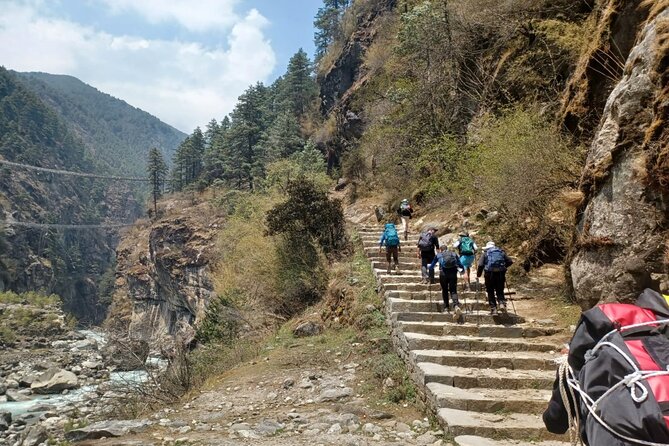
On day one, you arrive at Tribhuvan International Airport in Kathmandu and transfer to your hotel. Then the next day you fly from Kathmandu to Lukla (about a 40-minute flight). The flight itself is part of the experience: on a clear day, you get dramatic mountain views across ranges like Langtang and the Annapurna Himalaya area.
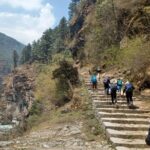
After landing around 2,850 meters, you start trekking downhill from Lukla to Phakding. This is a great way to begin because it gets you moving without immediately maxing out your breathing. You cross a few suspension bridges along the way, which also helps you settle into the trail rhythm. Bridges in Nepal are more than scenery—they break up long stretches and make it easier to gauge your pace.
Phakding: small trail day, big acclimatization value
Phakding is your first overnight stop. It’s not about “doing a lot” here; it’s about getting your legs used to altitude. If you’ve never trekked in thin air before, this is where you learn what your body prefers: slower steps, shorter pauses, and lots of water.
Namche Bazaar and the Hillary Suspension Bridge: The Altitude Test With a Reward
Days three and four focus on the Khumbu’s best-known Sherpa town: Namche Bazaar. You trek from Phakding along the Dudh Koshi River, crossing suspension bridges, including the Hillary Suspension Bridge. That river corridor matters because it keeps the route readable and helps you build confidence before the higher villages.
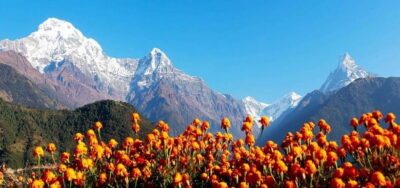
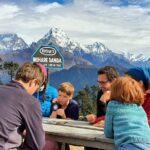
Namche Bazaar itself is a real world base for trekkers. You’ll find coffee shops and trekking equipment shops, and you’ll get a feeling for Sherpa daily life rather than only seeing “mountain” from the trail. On day four, you also spend time exploring and acclimatizing—plus you can view a panoramic mountain scene from Everest View Point.




How I’d use your Namche day
Treat Namche like your altitude homework session. You don’t need to sprint around town. Walk a bit, hydrate well, eat normally, and let your body catch up. The goal is to wake up the next morning feeling stronger, not wiped out.
Tengboche Gompa: Spiritual Stop, Great Pause From Straight Climbing
Your trek continues to Tengboche on day five. Tengboche is known for its spiritual significance and for its large Gompa in the Khumbu region. You’ll have time to visit and see Lama-led rituals if you’re there during appropriate moments, and the itinerary includes time specifically for the Tengboche Gompa visit.
This day is valuable because it slows the whole trip down—mentally and physically. Even if your legs are tired, a monastery stop gives you perspective. It’s not just “another village.” It’s a key place where you see how the Sherpa communities relate to the mountains beyond tourism.
What to expect
You’ll spend time walking between villages, then shift into a quieter tempo once you reach Tengboche. It’s a good contrast day before you head toward higher, drier zones.
Dingboche Acclimatization: Stone Walls, High-Air Breathing, and a Rest That Matters
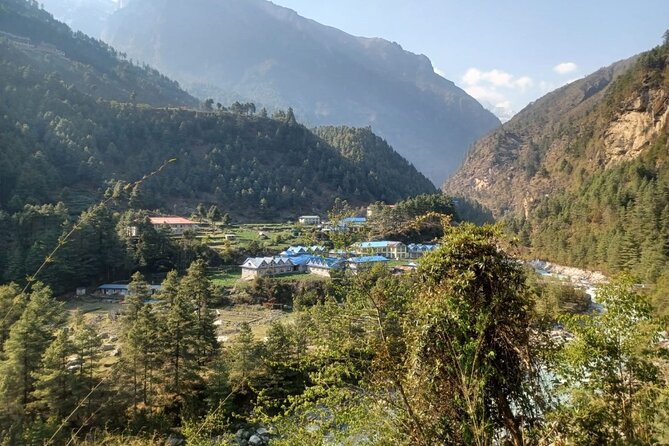
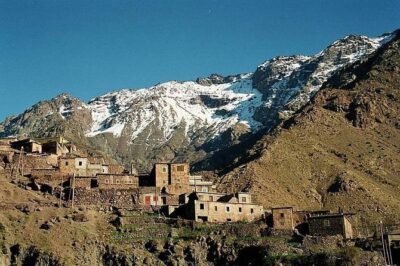
On day six, you move to Dingboche. The trek continues your gradual altitude gain, with views of the Imja valley and the striking sight of stone walls built from stones of different sizes across the valley.
Day seven is a real acclimatization day. You rest in Dingboche, preparing for the push toward Everest Base Camp. This matters because the route continues into higher terrain where your body’s oxygen use becomes a bigger deal.
Why that rest day changes everything
When altitude is involved, the difference between “fine” and “sick” can be hours—not days. A scheduled rest day helps you avoid the classic mistake: feeling good and moving too fast because you’re excited. Let the plan do the work for you.
Lobuche, Gorak Shep, and Everest Base Camp: The Big Day (With Real Effort)
Day eight brings you to Lobuche, getting you closer to the Everest region’s high-hill atmosphere. The itinerary includes passing through Thukla, ascending to Dughla Pass, and reaching Lobuche. Along the way, you’ll witness peaks like Tabuchi and Arakam peaks. Lobuche sits in a dramatic high-altitude setting with hills and valleys around you.
Then day nine is the core highlight: you trek to Everest Base Camp, then head back to Gorak Shep. The walk can be challenging due to altitude and because you’re pushing for the moment you’ve been planning for. The itinerary keeps this day focused—reach the place, then return—so you don’t keep stacking effort on effort.
What you should plan mentally for day nine
Expect the air to feel heavier. Keep your pace conservative. Don’t treat it like a “race.” If you feel yourself slowing, that can be normal. If you feel nauseous, dizzy, or worse, that’s the moment to take it seriously and follow your guide’s advice fast.
Kala Patthar: The View Hike That Pays Off Fast
On day ten, you start with a hike to Kala Patthar from Gorak Shep. The payoff is breathtaking views of Mount Everest, then you trek down to Pheriche. The itinerary notes that while the climb and thin air make this day tough, once you start descending, the trek gets easier and you can cover more distance in less time.
This is the day where many people remember the trip most clearly—not because it’s the only “big moment,” but because it combines effort with visible reward. You’ll likely want to keep an eye on weather here, because clouds can make or break how much you actually see.
Khumjung and the Return Toward Lukla: Finishing Strong
Day eleven takes you to Khumjung, with the itinerary mentioning Dudhkoshi River, an Everest view, and a stop at Ruler market. It’s a satisfying change after the harsher high-altitude villages, since you’re moving through a more culturally familiar Sherpa settlement.
On day twelve, you trek back to Lukla and get a final look at the famous airport area. The itinerary frames it as dramatic and even a bit intimidating—so think of this as part of the storyline of the trip: you came in by air, and now you’re leaving the mountains the same way you entered—through Lukla.
Then day thirteen you fly back to Kathmandu. Day fourteen is a drop-off to Tribhuvan International Airport by a team member.
Price and Value: What $1,600 Buys You Here
At $1,600 per person, this isn’t a budget “DIY trek.” But it also isn’t just selling a walking route. The price connects to the biggest cost and risk items in Nepal trekking:
- Flight from and to Lukla (a major logistical hurdle on your own)
- Government-certified guide (critical when weather and altitude turn unpredictable)
- Porter support with a clear ratio (1 porter for 2 trekkers), which reduces the load you carry
- All meals during the trek
- First aid service
- Farewell dinner
- Pickup and drop-off at the airport
What you still need to plan yourself is the non-trek side of travel. International flights and visa fees are not included, and travel insurance is also not included. Trekking shoes and sticks are not included either, so you’ll want to pack those well before you go.
Who This Trek Fits Best (and Who Should Think Twice)
This trek suits anyone with moderate physical fitness who wants a guided, well-structured Everest Base Camp route. It’s also a good fit for people who want less decision fatigue—meals, staffing, flights to Lukla, and key stops are handled.
It may not be a good fit if you’re looking for something casual or if you’re unsure about your altitude tolerance. Even on a properly planned route, altitude sickness can happen. The safer approach is to be realistic: train, hydrate, and treat acclimatization days as part of the summit plan.
Private-group format: less waiting, more control
This is a private tour/activity, meaning only your group participates. Practically, that usually means the pacing and choices feel more tailored than with huge mixed groups. It also helps if you have dietary needs or want to move at a pace that feels safer for you.
Should You Book This Everest Base Camp Trek?
If you want Everest Base Camp without turning the trip into a self-managed logistics project, this is a strong match. The standout value is the combination of Lukla flights, certified guide + porter support, and all meals, paired with a route that uses acclimatization stops instead of pretending altitude is optional.
Before you book, do two things:
1) Be honest about your fitness and altitude experience.
2) Pack the gear you’ll need (at least trekking shoes; hiking sticks are also on you).
If you do those, you’ll likely get the thing most people come for: a guided, meaningful route where the big Everest moments are reached in a way your body can handle.
FAQ
Where does this trek start and end?
It starts at the meeting point in Thamel, Kathmandu (44600, Nepal) and ends back at the same meeting point.
How long is the Everest Base Camp trek?
The duration is 14 days (approx.).
What is the pickup and drop-off like?
Pickup and drop-off at the airport are included, and on the final day a team member will drop you at Tribhuvan International Airport.
Are flights to Lukla included?
Yes. The itinerary includes a flight from Kathmandu to Lukla and a return flight back to Kathmandu from Lukla.
What meals are included?
All meals during the trek are included, including breakfast and dinner, plus lunch. A farewell dinner is also included.
Do I need to bring trekking equipment?
Trekking equipment like hiking sticks and trekking shoes is not included, so plan to bring your own.
Is insurance included?
No. Travel insurance is not included.
What kind of guide and porter support do you get?
A government-certified guide is included. There’s also porter support, with 1 porter for 2 trekkers.
Is this a private tour?
Yes. It’s listed as a private tour/activity, and only your group will participate.
Can I cancel for a full refund?
Yes. You can cancel up to 24 hours in advance for a full refund, as long as you cancel at least 24 hours before the experience’s start time.