REVIEW · KATHMANDU
Mohare Danda Trek
Book on Viator →Operated by Asian Heritage Treks and Travels · Bookable on Viator
A short trek can still feel big. Mohare Danda is built for that: you get off the main Annapurna tracks, stay in eco-community lodges, and reach Mohare hill for close-up views of the Annapurna and Dhaulagiri ranges at about 3300m. I also like how the days are paced with a real sense of place, from Kali Gandaki gorge crossings to village walks that make the scenery feel earned. One thing to consider: this is still a trekking itinerary, so you’ll want moderate fitness and you shouldn’t assume every transfer day means an easy stroll.
My second favorite part is the way the trip pairs mountain time with Kathmandu Valley culture without wasting your daylight. You start with Swayambhunath and Boudhanath, see Pashupatinath and Guhyeshwori, then finish with Bhaktapur, Pottery Square, and Patan’s UNESCO sites. The practical bonus is that the package includes most of what people end up scrambling for (permits, guide, porter support, and trek meals), which keeps your planning stress low even when your schedule is full.
In This Review
- Key Points at a Glance
- Eco-Community Trek in Annapurna Foothills: What You’re Signing Up For
- Kathmandu Setup Days: Temples, Thamel, and Easy Orientation
- The Drive to Pokhara and the Start of Trekking Near Kali Gandaki
- Days Through Villages: Bans Kharka to Naangi and the Organic Farm Stop
- Mohare Danda Day: Oak, Rhododendron, and the Best Mountain Light
- Ghorepani and Poon Hill: The Sunrise Double Play
- Ghandruk to Nayapul and Back to Pokhara: When the Trail Finally Slows
- Finishing in Kathmandu Valley: Bhaktapur, Pottery Square, and Patan
- Price and What You Actually Get for $1,375.33
- Who This Trek Fits Best, and Who Should Rethink It
- Should You Book Mohare Danda Trek?
- FAQ
- How long is the Mohare Danda Trek?
- Where does the tour start, and what is the start time?
- Is airport or city pickup included?
- What trekking support is included for porters?
- What permits are included?
- What about meals during the trek?
- Can I cancel for a full refund?
- What’s not included in the price?
Key Points at a Glance
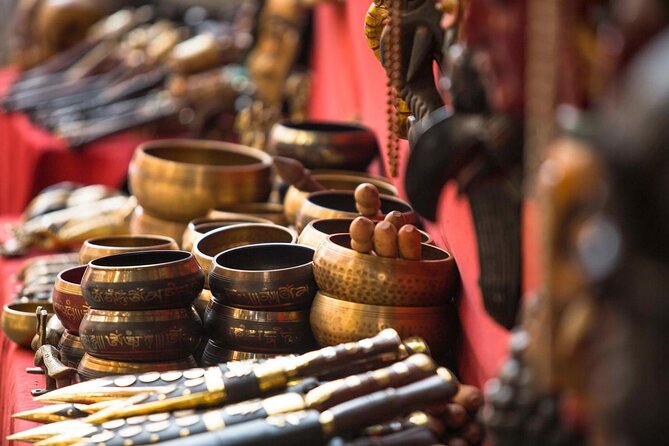
- Eco-community lodges: You stay with a lodge model tied to local community projects, not just a standard teahouse circuit.
- Big-range views from Mohare hill: Expect strong sightlines to Annapurna and Dhaulagiri country around 3300m.
- Small group size: Max 12 travelers, which usually makes logistics and pacing calmer.
- Guide + porter coverage: Porter service is included with a 2 trekkers to 1 porter setup.
- Sunrise timing is built in: You’ll get early starts for mountain light at key points like Poon Hill.
Eco-Community Trek in Annapurna Foothills: What You’re Signing Up For
Mohare Danda sits in Annapurna’s foothills, with a trail that’s often described as the quieter, less crowded side of the region. The pitch here is not just scenery. It’s the eco-community approach: the route exists partly to support sustainable tourism and local community projects tied to the places you sleep and eat.
That matters for you because the trek doesn’t feel like you’re passing through random scenery. Instead, you’re walking through working rural areas—forests, farm edges, and small settlements—then returning each day to lodges run with local involvement.
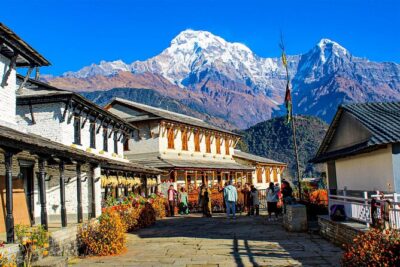
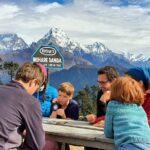
The route also targets mountain views in a very specific way. From Mohare hill station (about 3300m), you’re set up for one of the closer looks at the Annapurna and Dhaulagiri massifs in this part of Nepal. And later, the itinerary keeps the classic sunrise payoff, when you head up toward Poon Hill (3210m) for that first light over Annapurna country.
If you like a trek that feels grounded—forests of oak and rhododendron, village paths, and viewpoint stops—this one fits. If you’re only chasing the biggest altitude numbers, you may find the walking days more about rhythm and experience than “highest point bragging rights.”
You can also read our reviews of more tours and experiences in Kathmandu.



Kathmandu Setup Days: Temples, Thamel, and Easy Orientation
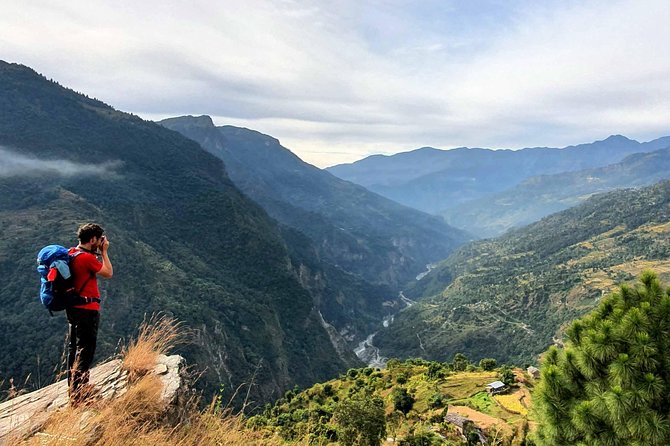
You don’t drop straight into the mountains. You get a Kathmandu welcome day plus a full culture block that helps you understand what you’re seeing when you later walk through Nepal’s villages.
Day 1 is mostly orientation and comfort: pick-up at Tribhuvan Airport with a representative holding a nameplate, then a transfer to a downtown hotel around Thamel. On the drive, you pass major landmarks like Pashupatinath Temple, the Royal Palace Museum (Narayanhity), and Garden of Dreams before you land in Thamel, the area you’ll likely use for last-minute shopping and orientation.
Day 2 then focuses on three big spiritual stops:
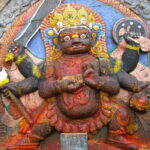
- Swayambhunath (Monkey Temple), where you also get panoramic Kathmandu views from the hilltop viewpoint.
- Boudhanath Stupa, dating back to around 600 A.D., with a calm atmosphere that’s very different from Thamel’s street energy.
- Pashupatinath Temple and the adjacent Guhyeshwori Temple, with time to see the temple grounds and the rituals along the Bagmati River.
You finish with time in Thamel to handle basics: snacks, gifts, trekking socks, and that one souvenir you suddenly remember you want.
The practical value of this Kathmandu timing is simple: you arrive, you get your bearings fast, and you’re not trying to learn Nepal navigation while your legs are already exhausted from Day 1 of hiking.
The Drive to Pokhara and the Start of Trekking Near Kali Gandaki
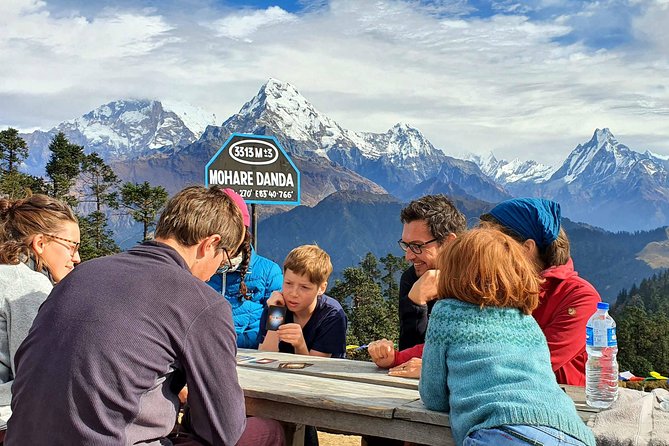
The trip’s mountain phase begins with a drive from Kathmandu to Pokhara. The route gives you a visual shift—green hills, valley scenery, and the sense that the city days are behind you. Pokhara is also where you’ll reset your mindset, because the walking days follow quickly.
Then comes the trekking launch:
- You’re picked up from your hotel and transferred to Galeshwor along the Kali Gandaki River (about 3 hours).
- From Galeshwor, you trek to Bans Kharka for about 3 hours.
What I like about this Day 4 start is that it feels transitional without being too gentle. You get a suspension bridge moment over the Kali Gandaki gorge, described as the deepest gorge. Even if you’re not a bridge-hanger, those crossings help you judge wind, footing, and the general “feel” of trail conditions early.
You also move through lush forest. Even though you’re only walking a few hours that day, the forest context helps you understand what makes this trek different from purely open-ridgeline routes.
Days Through Villages: Bans Kharka to Naangi and the Organic Farm Stop
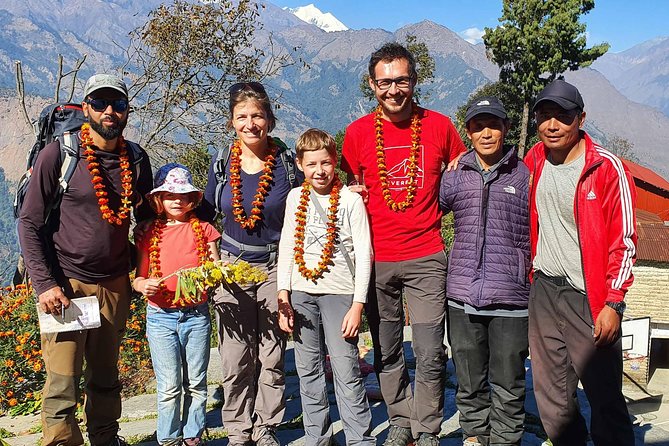
Day 5 stretches longer—about 6 to 7 hours—and that longer walking block is part of what makes Mohare Danda feel like a real trek rather than a string of short hops.
The route goes from Bans Kharka to Naangi. Along the way you’ll pass:
- villages
- mountain views
- landscapes shaped by everyday rural life
Two stops add real texture here. You visit an organic farm school, and you also spend time with a Magar settlement. This is the kind of inclusion that makes your trek feel more than a photo tour. Instead of only seeing people in passing, you get a small window into how communities are organized and how farming is taught and practiced.
A quick consideration: when you add cultural stops into a long day, your pace can feel steadier but less flexible. If you’re the type who likes to linger at views, plan for the guide to keep moving so you still reach Naangi on time.
Mohare Danda Day: Oak, Rhododendron, and the Best Mountain Light
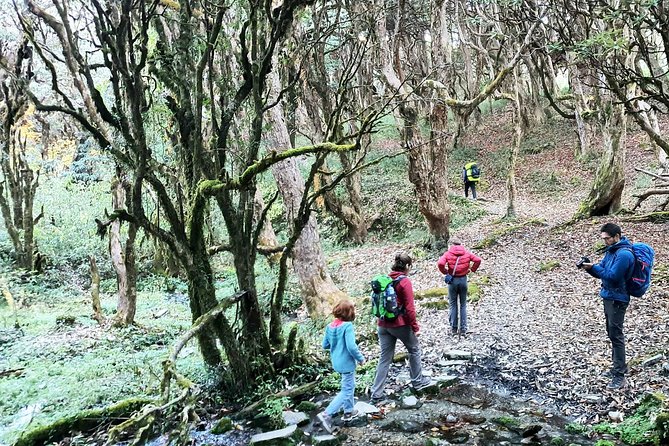
This is the day the trek earns its name.
Day 6 is a full trekking block from Naangi to Mohare Danda, around 7 hours. The trail runs through forests—specifically oak and rhododendrons—and the mountain backdrop is central to the experience, with views of peaks and ranges including Mt. Fishtail, South Annapurna, Dhaulagiri, and Tukche.
What makes Mohare Danda special is the combination of:
1) the forest walking experience on the way up, and
2) the viewpoint moment when the day settles down.
You reach Mohare Danda and then, in the evening, you watch a glorious sunset view from Mohare Danda station. After sightseeing, you return to the eco-community management lodge.
This is also where the eco-community element becomes tangible. You’re not just sleeping in a place with a bed. You’re returning to a lodge system tied to local efforts, which changes the vibe of the night. The atmosphere tends to feel more “community” than “tour stop.”
One practical thought: sunset can bring cooler temperatures, and your body will already be tired. Bring layers you can manage easily after hiking so you’re not rummaging through your pack at the worst time.




Ghorepani and Poon Hill: The Sunrise Double Play
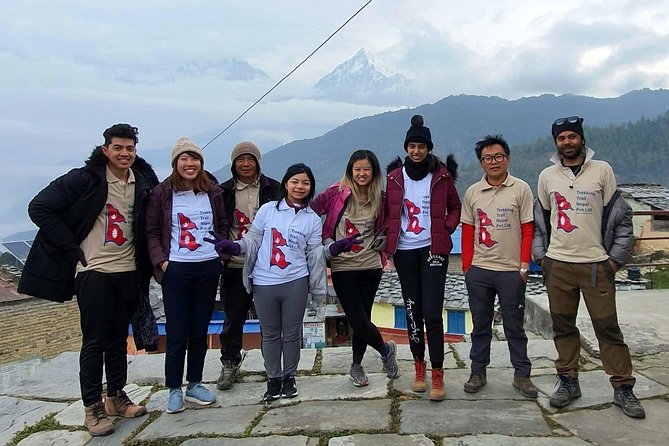
Day 7 shifts the trek to an early-morning rhythm. You wake up early for sunrise views, with a wide list of mountain names visible in the morning light, including Mount Fishtail, Dhaulagiri I and II, Tukche, South Annapurna, and Nilgiri.
Then you trek toward Deurali and continue on to Ghorepani. The walking time is around 5 hours, and when you arrive you check in at the lodge and rest.
Day 8 then follows a classic pattern but in this circuit’s context:
- In the early morning, you head to Poon Hill (3210m) for the first ray of sunlight.
- You pass through villages with cultural texture, then return for breakfast at Ghorepani.
- After that, you trek on to Ghandruk, around 7 hours.
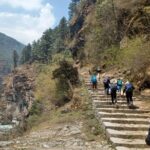
Ghandruk is reached via a route that includes flatlands, forests, cultivated lands, and another suspension bridge crossing over Khumbu Khola. It’s a longer day, but it also feels like you’re moving through more varied terrain and community settings.
The payoff is that you get two sunrise opportunities in close succession. If you’re willing to wake up early twice, you’ll be rewarded with multiple mountain-light moments rather than just one.
If you’re not a morning-person, at least you’ll have two sunrise chances so you can aim for the better one—just follow the guide’s timing so you don’t get rushed on steep sections.
Ghandruk to Nayapul and Back to Pokhara: When the Trail Finally Slows
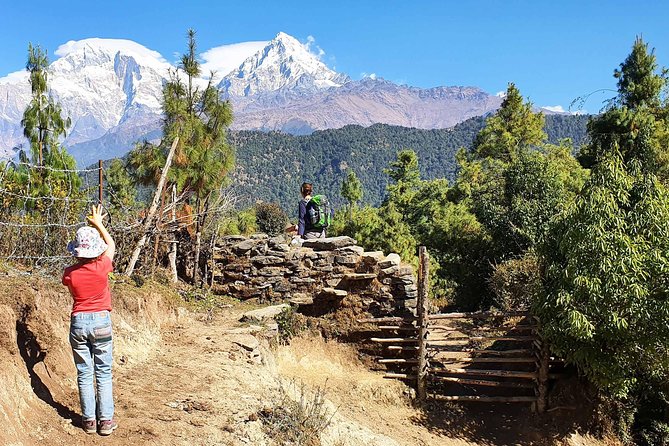
Day 9 is the start of the “wrap-up” trek. You descend to Nayapul for about 5 hours. The route includes:
- stone-paved walking
- villages
- terrace framing
- crossing Modi Khola
- passing Birethanti
- reaching Nayapul, where a private vehicle meets you
Then it’s back to Pokhara and into a more relaxed pace. You transfer to your Pokhara hotel after the trek day.
What I like about this structure is that it lets you finish strong. You’re not immediately facing a long drive right after a steep, gnarly day. Instead, you get a defined ending: descent, villages, then vehicles and a bed.
Finishing in Kathmandu Valley: Bhaktapur, Pottery Square, and Patan
After Pokhara, Day 10 returns you to Kathmandu by car (about 6 hours). You also get time for a relaxed Thamel stroll and shopping again, which is handy because trekking days often make it hard to buy gifts you’ll want later.
Day 11 is your Kathmandu Valley grand finale:
- Bhaktapur Durbar Square with time for sightseeing and a chance to eat at Nepali or international cuisine based on preference.
- Pottery Square, with a workshop included where a local craftsman teaches you to make traditional clay pots.
- Patan Durbar Square and other UNESCO sites including Krishna Temple and Patan Museum, plus stops at the Golden Temple and Banglamukhi Temple.
This is one of those days where the “culture” part isn’t just looking. The pottery workshop is the type of activity that helps you remember your trip in a hands-on way.
Day 12 then ends gently: you’re transferred to Tribhuvan International Airport in time for your flight (about 3 hours before departure), and you’re done.
Price and What You Actually Get for $1,375.33
At $1,375.33 per person, Mohare Danda is not a budget trekking deal, but it also isn’t priced like a luxury private guide-only expedition. The value sits in what the package covers for you and how it handles the hard parts of planning.
Here’s what you’re getting that would cost you money or time if you booked separately:
- Private vehicle land transport throughout (Kathmandu↔Pokhara, Pokhara↔Kathmandu, plus trek start/end logistics)
- a professional English-speaking local guide
- trekking permits including ACAP, TIMS, and other necessary permits
- porter service: 2 trekkers share 1 porter
- trekking accommodations for 5 nights in eco-community lodges on a full board basis
- Kathmandu hotel nights (4 nights at a 4-star Yatri Suites & Spa or similar) and Pokhara nights (2 nights at Batika Classic Hotel or similar)
- trek meals: breakfast, lunch, and dinner counts are included for the trekking days
What’s not included is also clear, and that affects your real-world budget. Entrance fees for heritage sites are estimated around USD 50 per person, and tipping is not included. Food and drinks in Kathmandu and Pokhara are also on you.
So the right way to judge price is this: you’re paying for a smooth ride between regions, paperwork handled, and the trek structure already built. If you hate coordinating permits, guides, and lodging, the price starts to look fair fast.
One more value note: the group size is capped at 12 travelers. That’s small enough that you usually get a more personal rhythm, while still keeping costs under control.
Who This Trek Fits Best, and Who Should Rethink It
This trek is a strong fit if you want:
- a shorter-feeling Annapurna foothills trek (12 days total) with real walking time
- a mountain view target that includes Mohare Danda and Poon Hill
- an eco-community lodge style that ties stays to local involvement
- Kathmandu culture that isn’t tacked on at the last minute
It may not be ideal if:
- you need very light hiking with minimal long days (you do have longer stretches, like the 6–7 hour Day 5 and the 7 hour Day 8)
- you want total freedom to set your own pace every hour (this is a guided, structured itinerary)
A practical note from past experiences in this program: guide support matters a lot on multi-day treks. One shared highlight named Norris as the guide and Melan as the porter, with praise for careful support and local knowledge. That’s the kind of staffing you want to show up for, because it often decides whether the trek feels calm or stressful.
Should You Book Mohare Danda Trek?
I’d book this trek if your ideal Nepal trip is equal parts walking, viewpoints, and culture. The itinerary gives you enough Kathmandu heritage to feel connected to the country, then returns you to the mountains long enough to appreciate the Annapurna foothills properly.
I’d think twice if you’re chasing only the steepest climbs or you’re not ready for early mornings and longer hiking days. The route is moderate fitness friendly, but it’s still trekking, not a stroll.
If you want a guided trek that keeps the logistics handled—permits, transport, lodge nights, and porter support—this one’s built for you. And if you care about where tourism money goes, the eco-community lodge approach gives your trip a reason beyond scenery.
FAQ
How long is the Mohare Danda Trek?
The program is about 12 days.
Where does the tour start, and what is the start time?
It starts at Tribhuvan Airport in Kathmandu, Nepal, with a start time of 9:00 am.
Is airport or city pickup included?
Yes, pickup is offered. You also receive transfer services during the program between Kathmandu, Pokhara, and trek start/end points by private vehicle.
What trekking support is included for porters?
Porter service is included, with a ratio of 2 trekkers to 1 porter.
What permits are included?
The tour includes permits such as ACAP and TIMS and other necessary permits.
What about meals during the trek?
Accommodation throughout the trek is on a full board basis, and breakfast, lunch, and dinner are included for the trekking days as listed in the package.
Can I cancel for a full refund?
Yes. You can cancel up to 24 hours in advance of the experience for a full refund. If you cancel less than 24 hours before the start time, the amount paid is not refunded.
What’s not included in the price?
Food and drinks in Kathmandu and Pokhara, entrance fees for heritage sites (approx. USD 50 per person), tipping, travel insurance, international flights, extra costs for hotel upgrades, donations, personal hiking gear, emergency rescue evacuation insurance, and Nepal Visa fee are not included.