REVIEW · PHERICHE
Everest Base Camp Trek: A short EBC Trek to Iconic Himalaya
Book on GetYourGuide →Operated by Bold Himalaya Treks and Travels · Bookable on GetYourGuide
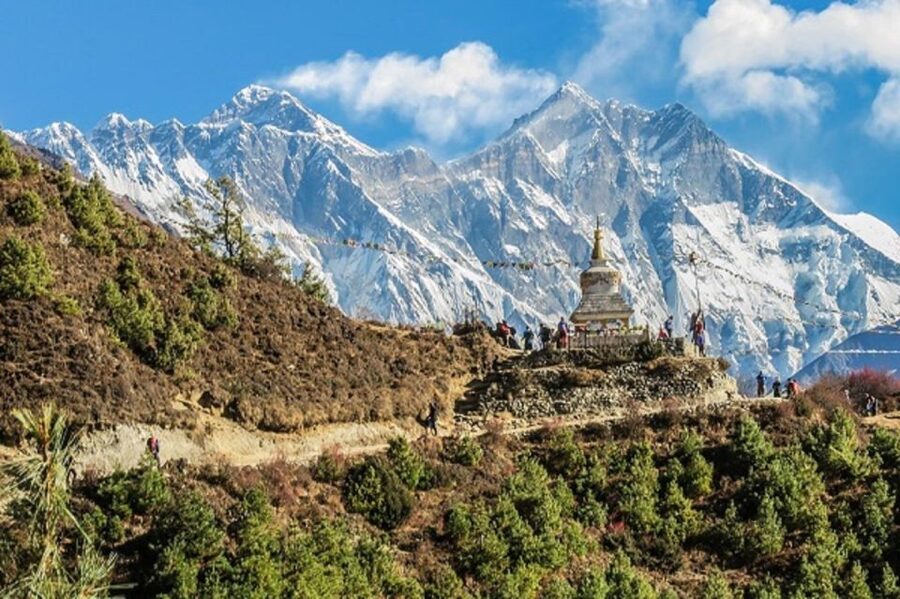
Lukla to Everest Base Camp moves fast. What makes this trek interesting is the tight, high-impact route: you fly first into Lukla, stack key acclimatization stops, and still reach Everest Base Camp and the famous Khumbu Icefall within 9 days. I love the panoramic Himalayan viewpoints (Everest, Lhotse, Nuptse show up in your line of sight more than once), and I also love how the trip weaves in Sherpa life through places like Namche Bazaar and Tengboche. One real consideration: flights to Lukla are weather-driven, and you may route via Ramechhap, so plan a buffer before any international departure.
What helps the experience feel smooth is the human side. In the past, this operator’s team has used guides like Ramesh and Palden, with coordinators such as Sobit helping in Kathmandu, plus porter support when you request it. That matters on the EBC route because altitude and timing are unforgiving. The trek includes a guide throughout and covers key permits/fees, but you should still budget for personal gear and drinks on the trail.
In This Review
- Key highlights I’d put on your must-do list
- A short Everest Base Camp trek that still feels epic
- Lukla flights and the Ramechhap contingency plan
- Day 1: Lukla to Phakding at altitude (the first reality check)
- Day 2: Phakding to Namche Bazaar, plus an acclimatization day
- Day 3: Namche to Tengboche and a monastery stop
- Day 4: Tengboche to Dingboche, then another acclimatization reset
- Day 5: Dingboche to Lobuche and the approach to harsher air
- Day 6: Gorak Shep to Everest Base Camp (and the Khumbu Icefall)
- Day 7: Kala Patthar sunrise hike to Pheriche
- Day 8: Pheriche back to Namche Bazaar
- Day 9: Namche to Lukla, then Kathmandu
- Price and what $681 really buys you
- What the included sleeping bag and down jacket means for comfort
- Gear checklist I’d follow (based on what the trek expects)
- Fitness reality: what 4–5 hours a day really means
- Who should book this 9-day Everest Base Camp trek
- Should you book this Everest Base Camp short trek?
- FAQ
- How long is the Everest Base Camp trek?
- What is the highest point on this trek?
- What stops are included on the route?
- Is Kathmandu to Lukla included in the price?
- What meals and lodging are included during the trek?
- What should I bring for high-altitude conditions?
Key highlights I’d put on your must-do list
- Fast, focused Everest Base Camp goal in a 9-day plan without skipping the best acclimatization rhythm
- Sherpa culture stops at Namche Bazaar and Tengboche, including a monastery visit
- Khumbu Icefall views from the approach zone near Everest Base Camp
- Kala Patthar sunrise option for the classic early-morning big panorama
- Acclimatization checkpoints at Dingboche and Namche Bazaar built into the schedule
- A guide and coordinator team with proven English support and real on-the-ground help
A short Everest Base Camp trek that still feels epic
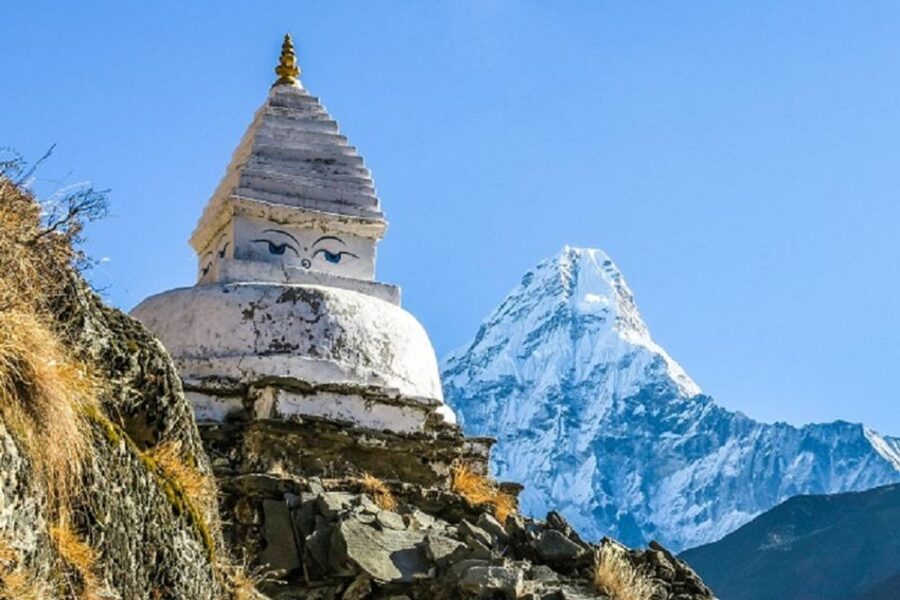
This is a classic Everest Base Camp trek, but it’s compressed into a short timeframe: 9 days, about 130 km round trip, with a maximum elevation of 5,364 m. The “short” part is the point. You get to the places most people dream about—Lukla, Namche Bazaar, Tengboche, Dingboche, Lobuche, Gorak Shep, Everest Base Camp, and Kala Patthar—without turning it into a multi-week project.
I like that the route doesn’t just rush forward. It includes rest and acclimatization days at the right times. Namche Bazaar and Dingboche aren’t treated like quick stops; they’re where you adjust your body to thinner air. That’s how you keep the trek feeling like a challenge you can handle, rather than a punishment.
You can also read our reviews of more tours and experiences in Pheriche.
Lukla flights and the Ramechhap contingency plan
Your journey starts with a flight from Kathmandu to Lukla, and that’s both the fun and the risk. Lukla flights depend on weather and air traffic, so you should expect some uncertainty. The practical detail I’d plan around: sometimes the flight departs from Ramechhap instead of Kathmandu. In that case, you drive about 4 hours to Ramechhap first.
This is also why your schedule needs slack. The trek guidance specifically asks you to allow at least one buffer day before your international departure, because mountain weather can cause delays. I treat this as non-negotiable. If you build your whole trip around a strict flight home, EBC can turn into stress instead of adventure.
If you land and depart on time, the payoff is huge: Lukla is high enough to feel the altitude immediately, which makes the trail experience faster and more intense than lower-altitude hikes.
Day 1: Lukla to Phakding at altitude (the first reality check)
After your early flight to Lukla, you trek to Phakding at about 2,610 m. The walking time is around 3 hours, so it’s not long, but it’s your first chance to feel altitude in your legs and lungs.
Phakding is a good landing pad. It gives you a low-pressure start so you can get into trekking mode: steady steps, quick meal rhythms, and early bedtimes. If you tend to overdo it on day one, this stage is where you should resist the urge. Save energy. The mountains are just getting warmed up.
Day 2: Phakding to Namche Bazaar, plus an acclimatization day
Day 2 climbs to Namche Bazaar (about 3,440 m) in roughly 6–7 hours. This is where you start seeing the Khumbu region’s full personality: busy village life, frequent viewpoints, and that gradual feeling of elevation stacking up.
Then you get an acclimatization day in Namche Bazaar. I like this because it’s not just a “sit around” break. It’s a chance to walk a bit, eat well, and let your body catch up before going higher. Namche is also one of the best places to spot big mountain views in clearer conditions—Everest region giants tend to show up more often than you might expect at this stage.
A practical note: if you’re not fully confident with high altitude, you can add 1–2 extra days (the plan recommends extra time in Namche and Dingboche). That flexibility is valuable for comfort.
Day 3: Namche to Tengboche and a monastery stop
You move to Tengboche (about 3,860 m) in roughly 5–6 hours. The walking is steady, and the big benefit here is cultural plus scenic. Tengboche is known for its monastery, and visiting it gives the trek a spiritual, human layer that a purely physical hike wouldn’t have.
I also like Tengboche as a checkpoint. It’s high enough to feel serious, but not so high that everything becomes survival-focused. That balance helps you enjoy the day rather than just endure it.
Day 4: Tengboche to Dingboche, then another acclimatization reset
Dingboche sits around 4,410 m, reached in about 5–6 hours. This is a meaningful jump, so pacing matters. Dingboche also comes with an acclimatization day, which is exactly what I want if I’m trying to keep the trek safe and enjoyable.
This is the point where trekking feels more like “management” than “grind.” You still walk uphill, but you also pay attention to hydration, breathing, and how your appetite changes with altitude. In plain terms: your body starts talking back. That’s normal, but you want your plan to give you time to respond.
Day 5: Dingboche to Lobuche and the approach to harsher air
Day 5 takes you to Lobuche (about 4,910 m) in around 5–6 hours. The air is thinner now, and the trek starts to feel more exposed. You’re moving toward the area where the Everest Base Camp route becomes visually dramatic—less forest, more open glacier-adjacent terrain.
This is one of those days where trekking partners either bond hard or get grumpy. Keep it simple: slow pace, frequent breaks, and consistent fuel. If you’re the type who pushes to “make up time,” this is where that habit can backfire.
Day 6: Gorak Shep to Everest Base Camp (and the Khumbu Icefall)
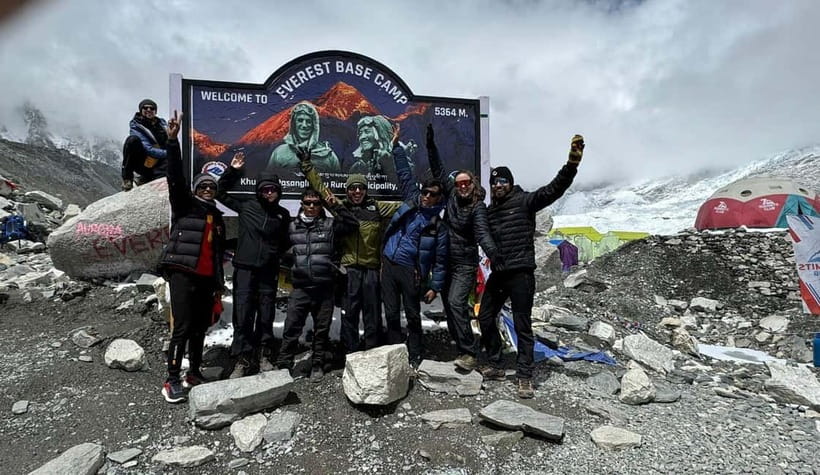
Day 6 is long and important. You go to Gorak Shep (about 5,140 m), then continue onward to Everest Base Camp at about 5,364 m. Expect around 7–8 hours total, depending on conditions and how long you linger.
This is where the trek earns its legend. You’re near the Khumbu Glacier and the famed Khumbu Icefall. Seeing it in real life is different than photos: the scale hits you, and it feels both engineered by nature and wildly unpredictable. You may also notice that the route environment changes—conditions become colder, and the light can turn sharp fast.
I love that this day is built around reaching the goal, not just passing through. You’re not rushed immediately off the mountain; you sleep in Gorak Shep so you can recover for Kala Patthar.
Day 7: Kala Patthar sunrise hike to Pheriche
You wake early for Kala Patthar (about 5,545 m) for sunrise, then descend to Pheriche (about 4,371 m) in around 7–8 hours.
This day is the classic “big picture” payoff. Kala Patthar is one of the best viewpoints for a sweeping panorama of the Everest region. Sunrise also brings colder temperatures and higher effort, so you want to be ready: warm layers, gloves, and a steady breathing rhythm.
Then comes the long descent. This is where your trekking poles earn their keep. Downhill can still stress your knees, even though it feels like relief. I treat this day like two hikes: a powerful early climb, then a careful recovery-focused descent.
Day 8: Pheriche back to Namche Bazaar
On Day 8, you trek back to Namche Bazaar in about 6–7 hours. This is a relief day, but don’t treat it as a casual stroll. You’re still at meaningful altitude, and the goal is to keep moving steadily without burning out.
Going back also helps you connect the dots. You’re re-walking sections of the route you already saw, but now your body feels the change in altitude differently. It’s like reading the same page twice—this time you understand the plot.
Day 9: Namche to Lukla, then Kathmandu
Day 9 takes you from Namche Bazaar back to Lukla (about 6–7 hours). Then you fly to Kathmandu.
This final day can feel oddly emotional. You’ve spent days paying attention to elevation cues, trail rhythm, and village routines. When you’re close to the end, the effort shifts from survival-mode to closure-mode. Just remember: even though you’re descending, your plan still has to line up with your flight.
Price and what $681 really buys you
The listed price is $681 per person for 9 days. That’s a reasonable figure for a short Everest Base Camp trek, but it’s not the whole cost of the trip.
Here’s the value picture based on what’s included:
- Guiding and on-trail support: well-experienced trekking guide throughout
- Lodging on trek: guesthouse or trekking lodge standard stays
- Meals on the trek: all breakfast, lunch, dinner, with one item each time
- Permits and fees: Sagarmatha National Park entrance fee, TIMS, and Pasang Lhamu Rural Municipality entrance fee
- Some high-altitude clothing support: sleeping bag, down jacket, and duffle bag are provided
- Trek equipment support if needed: trekking pole provided if you need it
- A cultural send-off in Kathmandu: a special cultural show and farewell dinner program
- A flight arrangement option: an airplane (or helicopter upon request) ticket from Kathmandu to Lukla to Kathmandu is mentioned as an arrangement
What’s not included (and you should budget for):
- Kathmandu to Lukla flights are listed as not included, so confirm whether they’re covered in your final quote
- Personal gear and any personal expenses, plus drinks like tea/coffee and water
- Kathmandu hotels are listed as not included in the base exclusions, even though arrangement is mentioned—so ask directly what your package includes before you pay
Bottom line: the $681 price looks strongest if you already have most personal gear and you’re comfortable handling the flight piece separately. If you still need to add flights, it may feel less of a bargain. Ask for a clear “total trip cost” worksheet.
What the included sleeping bag and down jacket means for comfort
At Everest Base Camp altitude, comfort comes from layers and warmth, not luxury. Providing a sleeping bag and down jacket can make a big difference, especially if you’re traveling light from home.
I like that you don’t have to source everything locally. It also reduces rental hassle. Still, you’ll want your own essentials: warm clothing, hiking shoes, gloves, socks, hiking pants, and thermal layers. If you show up unprepared, no jacket in Nepal will fix poor base-layer choices.
Gear checklist I’d follow (based on what the trek expects)
Plan for cold, not just altitude. The guidance emphasizes:
- Warm clothing and a jacket
- Gloves and socks
- Hiking shoes and hiking pants
- Thermal clothing
And for summit-day conditions, bring what keeps your hands and core warm. Sunrise on Kala Patthar can feel brutally cold. The trek provides some gear, but not everything you personally prefer.
Fitness reality: what 4–5 hours a day really means
This trek is designed for physically fit travelers who can walk about 4–5 hours a day, even at high altitude. That doesn’t mean you need to be a marathoner. It does mean you should be comfortable with steady movement, frequent breaks, and uphill effort.
If you’re a beginner or you’re returning from a long break, you’ll want extra days. The plan itself recommends adding 1–2 days in Namche Bazaar and Dingboche to make the experience more comfortable and to help with acclimatization.
Also, pace matters. The route is often done quickly by strong trekkers, but quick doesn’t have to mean rushed. I’d rather see you finish feeling proud than finish exhausted.
Who should book this 9-day Everest Base Camp trek
This trip fits best if you:
- Want the classic Everest Base Camp experience without a multi-week commitment
- Can handle trekking days around 5–8 hours, including a big day to Everest Base Camp
- Value Sherpa culture stops like Tengboche and the rhythm of Namche Bazaar and Dingboche
- Want a guided plan with permits handled and a team supporting you throughout
It may not suit you if you’re very new to hiking or if altitude worries you. You can still consider it, but only if you can add acclimatization days and keep a conservative pace.
Should you book this Everest Base Camp short trek?
If you’re set on Everest Base Camp and want a well-paced shortcut, I think this is a strong option. The included guiding, permits, and on-trail food remove a lot of friction. The highlight days—Everest Base Camp near the Khumbu Icefall and the Kala Patthar sunrise—are built into the schedule rather than treated as optional extras.
I’d book only if you can handle the altitude commitment and you’re willing to plan around flight uncertainty by using a buffer day. If your flights are tight and your schedule is inflexible, this route can punish that. But if you’re ready for a real mountain challenge with Sherpa culture and serious scenery, it’s an excellent way to experience the Khumbu in under two weeks.
FAQ
How long is the Everest Base Camp trek?
It’s 9 days total.
What is the highest point on this trek?
The trek reaches a maximum elevation of 5,364 meters, and the Kala Patthar hike goes to about 5,545 meters.
What stops are included on the route?
You’ll pass through key Sherpa towns and checkpoints such as Namche Bazaar, Tengboche, Dingboche, Lobuche, Gorak Shep, Everest Base Camp, and Kala Patthar. The route also includes Pheriche on the return side.
Is Kathmandu to Lukla included in the price?
Kathmandu to Lukla to Kathmandu flights are listed as not included. The provider states they can arrange flights (or helicopter on request), so you should confirm what’s in your final quote.
What meals and lodging are included during the trek?
You get trekking standard guesthouse or trekking lodge stays, and all food (breakfast, lunch, dinner) during the trek is included.
What should I bring for high-altitude conditions?
Bring warm clothing, a jacket, gloves, socks, hiking shoes, hiking pants, and thermal clothing. The trek also provides items like a sleeping bag and down jacket.