REVIEW · BUKIT LAWANG
From Medan: Magnificent View & Jungle Trekking in Sumatra
Book on GetYourGuide →Operated by Orangutan Trip · Bookable on GetYourGuide
Orangutans meet you on the path. I love the chance to spot wild Sumatran orangutans in the jungle and I love the overnight stay in the tropical rainforest. The one drawback to plan for: some days can feel shorter or more water-focused than pure trekking, so wildlife sightings aren’t guaranteed on every leg.
This 4-day adventure runs out of Bukit Lawang, a small jungle village about 86 km northwest of Medan in North Sumatra. It’s a small group (max 7) with a live English/French guide, plus English/Chinese audio support—helpful when the forest goes loud and fast.
Expect real “work” in the best way: walking up and down narrow trails, swimming in cool mountain water, and sleeping close to the sights and sounds of the rainforest. It’s not built for folks who want a relaxed, comfortable schedule every day.
In This Review
- Key Things That Make This Sumatra Trek Worth Considering
- Bukit Lawang to Mount Leuser: What You’re Really Signing Up For
- Day-by-Day: Four Days of Trails, Falls, and Rainforest Nights
- Day 1: Getting into the jungle and the first wildlife chances
- Day 2: Shorter trekking, then cooling water and river scenery
- Day 3: Longer trekking and the best orangutan odds
- Day 4: Mostly water back to Bukit Lawang (tubing downriver)
- Orangutans and Jungle Wildlife: How to Manage the Real Odds
- Bahorok River Swims and River Tubing: The Water Part You’ll Feel
- The Trail Reality: Narrow Paths, Big Steps, and Rainforest Sleep
- Price and Value: Why $287 Can Work (or Not) for You
- Small-Group Pacing: When You’ll Be Happy You Didn’t Book Big Tours
- Who This Trek Fits Best (and Who Should Reconsider)
- Should You Book This 4-Day Mount Leuser Jungle Trek?
- FAQ
- Where does this trek start?
- How long is the experience?
- Is it a small group?
- What’s included in the trek days?
- What about meals at the hostel?
- What languages do you get for the tour?
- What should I bring for the trek?
Key Things That Make This Sumatra Trek Worth Considering
- Mount Leuser National Park access from Bukit Lawang: you’re not just sightseeing; you’re going into the jungle corridor.
- Small group of up to 7: easier pace, more guide attention, and better odds of spotting wildlife.
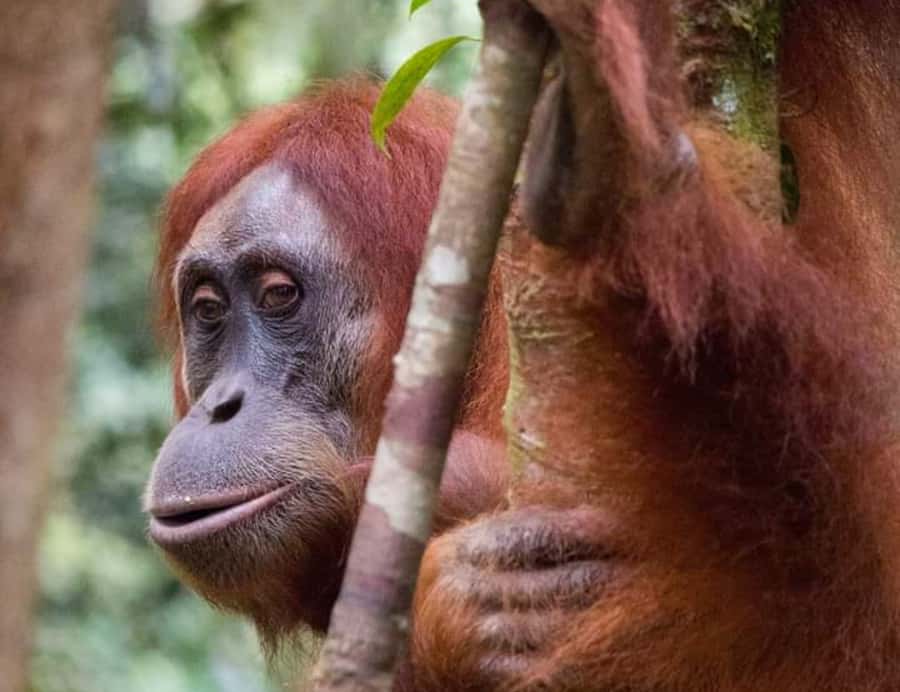
- Orangutans in their habitat (not a zoo): you may see mother-and-child pairs and hear the canopy come alive.
- Water time is part of the story: Bahorok River swimming plus downstream tubing back to Bukit Lawang.
- Jungle meals and a rainforest hostel night: fewer logistics for you, more time with the forest.
Bukit Lawang to Mount Leuser: What You’re Really Signing Up For
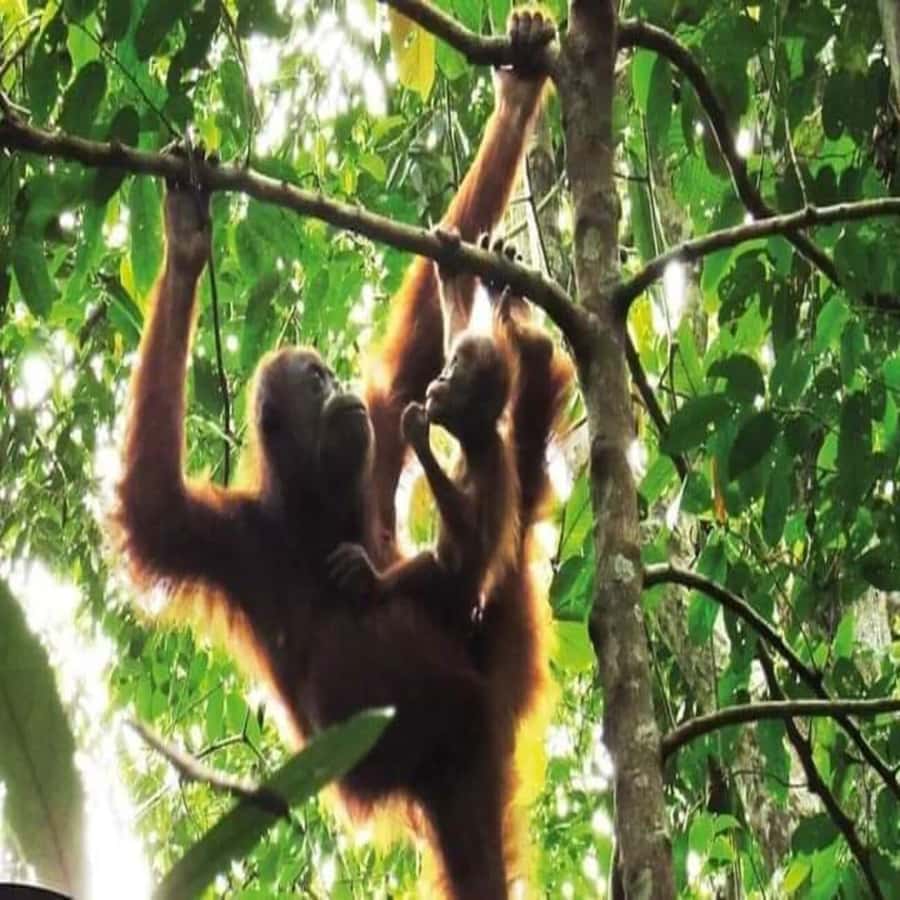
This is a classic Sumatra jungle experience built around the Mount Leuser area—one of the better-known entry points for wildlife watching on the island. You start in/near Bukit Lawang, a village known for its orangutan sanctuary area (around 5,000 orangutans in the region) and for being a main access point to the national park from the east side.
You’re paying for three big things:
- Transportation and basics (airport pickup, transfer to your Bukit Lawang hostel, plus hostel for your nights).
- National park entry and guided jungle trekking (including a live guide).
- Food and time in the jungle (breakfast, lunch, dinner while you’re in the trek).
If your main goal is orangutans, monkeys, and jungle animals, this trip makes sense because the itinerary is designed around being out on trails and in the right habitat windows—not just looking from a viewpoint. Still, it’s rainforest. Even with the best guide, wildlife timing is nature’s call.
One detail worth flagging: the offer lists the location as Riau, Indonesia, but the description clearly places the activity in North Sumatra (Bukit Lawang and Mount Leuser). Practically, your trip departs from Medan, and your action centers on Bukit Lawang, so it should still be straightforward—just keep an eye on the official wording in your confirmation.
You can also read our reviews of more tours and experiences in Bukit Lawang.
Day-by-Day: Four Days of Trails, Falls, and Rainforest Nights

Day 1: Getting into the jungle and the first wildlife chances
Your day starts with the airport pickup from Kualanamu and transfer into Bukit Lawang, where you’re greeted and taken to your accommodation. Then you transition into jungle time quickly—there can be wildlife encounters soon after you start walking.
I like how this structure respects the reality of jungle watching: you don’t spend the whole day indoors waiting. Even early on, you may see an orangutan mother with her child, along with monkeys, as the group heads deeper along trails.
What to watch for on day 1: some departures include an early short walk option. If you’re traveling specifically for animals and don’t want a slow start, ask your guide about the walking pace before you commit.
Day 2: Shorter trekking, then cooling water and river scenery
Day 2 can be more variable. A common pattern is a later start and a finish just after lunch, with a highlight like a swim in a waterfall after you eat.
This is a great day if you want to cool off and enjoy a calmer rhythm. It’s also the day where your wildlife luck might be different: it can be less focused on animal sightings if the trek window is shorter.
If you came here mainly for orangutans in particular, don’t panic if day 2 feels more about scenery and water. The trip is designed as a multi-day experience, and day 3 is often where the pacing shifts back toward stronger wildlife odds.
Day 3: Longer trekking and the best orangutan odds
Day 3 tends to be the “this is why we came” day. Expect a decent trekking day, enough time for the guide to work the area and enough walking energy to get your eyes trained.
This is also the day that can deliver an up-close orangutan sighting with your small group. In a small group setting, you’re less likely to be shoved around by big-tour traffic, and you’ll have more flexibility to stop, scan, and wait for movement in the canopy.
Tip: keep your expectations open. Orangutans can stay high and quiet before they decide to move. The best thing you can do is stay patient, keep still when the guide signals, and listen for calls from above.

Day 4: Mostly water back to Bukit Lawang (tubing downriver)
Day 4 can be a switch from trekking to water. In some runs, there’s no trekking and no wildlife-focused block—instead, you tube downstream out of camp for roughly 45 minutes to reach Bukit Lawang.
I actually think this is a smart way to end. After days of walking and rainforest nights, your legs get a break. You also get a different view of the river corridor as you return. Still, if you’re chasing one last animal encounter, plan for the possibility that day 4 is more about relaxation and movement than another wildlife strike.
Orangutans and Jungle Wildlife: How to Manage the Real Odds
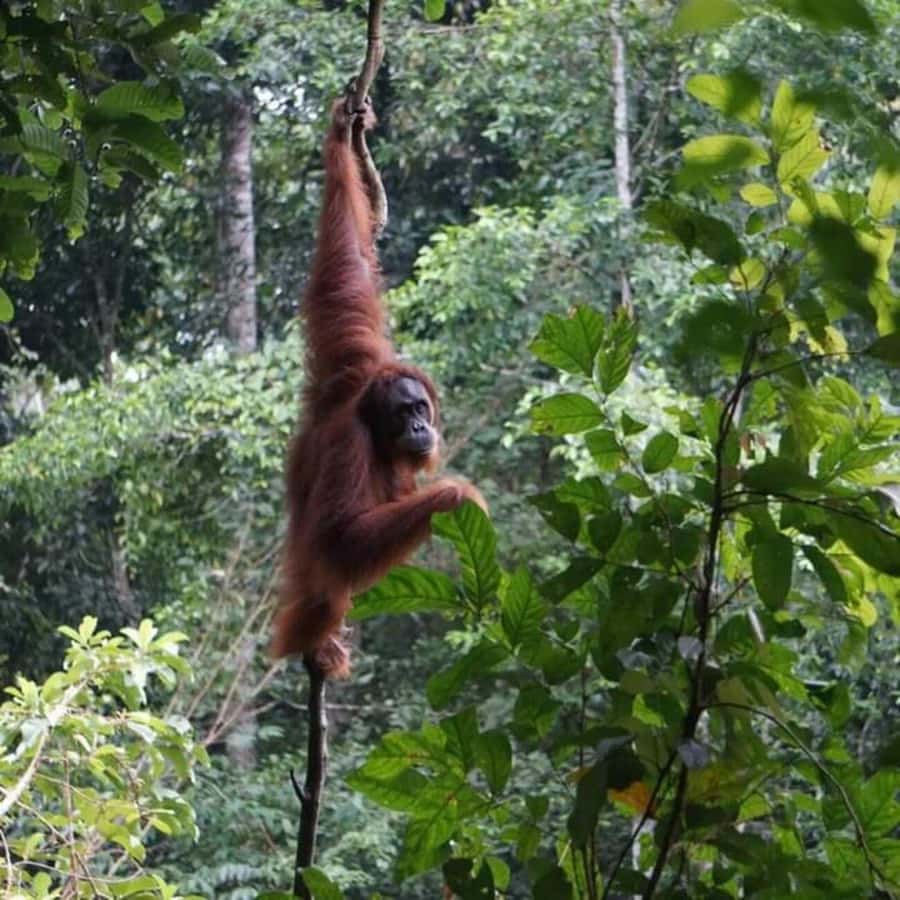
Let’s be honest: rainforest wildlife is never a guarantee. But this trip is built to maximize chances, and the guides know how to read the terrain.
Here’s what’s specifically on your side:
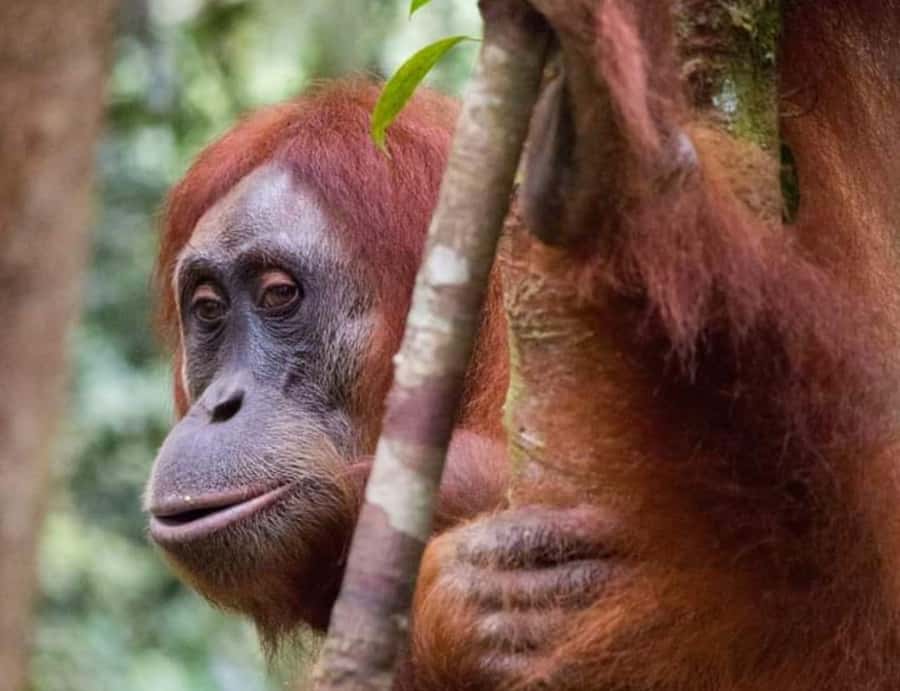
- Orangutans are a core target of this Bukit Lawang access route, with the area supporting thousands of individuals.
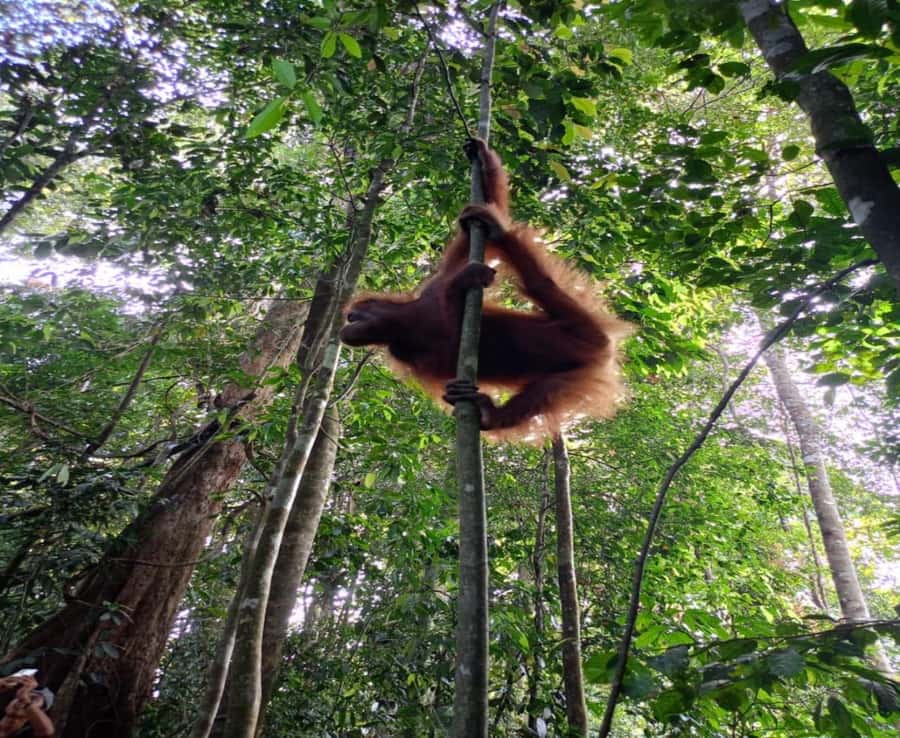
- Orangutans can move fast through the canopy and can make surprisingly high jumps over short distances (described up to about 50 feet). That matters because quick movement is common, not rare.
- Your group stays small, so you’re not competing with dozens of people for the same sighting window.
For monkeys and birds, you might see them on many segments—especially when the trail opens a line of sight and the forest is active around feeding times. The important thing is to treat every stop as a scan moment, not a certainty.
Also, if you’re nervous about predators: the description frames orangutan behavior as helping them escape predators like tigers, bears, and snakes. You don’t need to panic—just remember that this is wild habitat. Follow the guide’s directions for where to stand, where not to go, and how to move along narrow sections.
Bahorok River Swims and River Tubing: The Water Part You’ll Feel
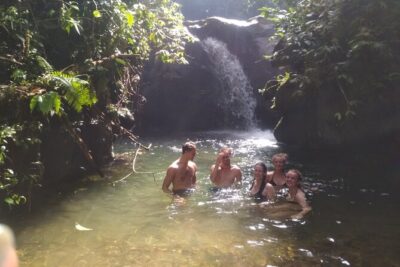
Swimming in Sumatra can be cold, then suddenly perfect once you’re in. This itinerary includes swimming in pure mountain-stream water during the trek, plus Bahorok River time, and ends with downstream tubing back to Bukit Lawang in some departures.
Water time does three things for the trip:
- It breaks up the trekking rhythm (and gives you sore muscles a chance).
- It refreshes you in humid weather.
- It puts you near the river corridor, where animal activity can be different from upland jungle trails.
Practical advice: bring a towel and expect to get wet more than once. Pack change of clothes even if you think you’ll only swim once. Flip-flops are useful for the wet areas, but comfortable shoes are still your main footwear for the trails.
The Trail Reality: Narrow Paths, Big Steps, and Rainforest Sleep
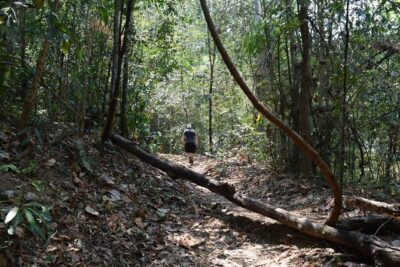
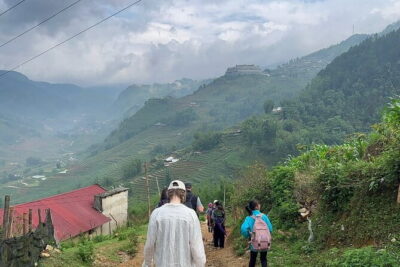
The jungle trekking here is described as lots of walking up and down in hills, on narrow trails. That combination means you need stable footing more than “athletic” fitness.
What I’d prioritize:
- Long pants to protect your legs from brush and insects.
- Biodegradable insect repellent (explicitly recommended).
- A towel and flip-flops for water use.
- A change of clothes kept dry enough for when you need it.
For the overnight portion: you’re sleeping in the tropical rainforest, which should be exciting if you like the idea of close-to-nature sounds and weather. It also means you should pack a calm, flexible mindset. Rain happens. Bugs happen. Your job is to be prepared and keep your gear sensible.
If you’re the type who needs perfectly controlled comfort every night, this may feel less “vacation” and more “adventure with sleeping arrangements.” But if you’re here for jungle life, the rainforest sleep is part of the magic.
Price and Value: Why $287 Can Work (or Not) for You
The price is listed at $287 per person for 4 days. You’ll usually get better value when a package includes the stuff that’s annoying to organize: airport pickup, entry tickets, jungle meals, and a guide.
Based on what’s included here, you’re getting:
- Airport-to-Bukit Lawang transfer (pickup from Kualanamu and transfer to your hostel)
- National park entry ticket
- Jungle trekking activities with a live English/French guide
- Jungle meals: breakfast, lunch, dinner while you’re in the program
- Hostel in Bukit Lawang
Not included:
- Souvenirs (like orangutan t-shirts)
- Hostel food: the info says no food will be served at a hostel
That last point matters. If you arrive hungry and you need meals outside the jungle meal plan, you’ll need to plan for that yourself. If your schedule includes time in town around breakfast or dinner windows that aren’t covered, budgeting for extra meals is smart.
So is it good value? For wildlife-focused trips from Medan with park tickets and guided trekking, yes—especially if you like the small-group setup and want the convenience of having meals and transfers handled. If you’re mostly interested in a gentle walk and pure relaxation, you might feel the price more than you’d like.
Small-Group Pacing: When You’ll Be Happy You Didn’t Book Big Tours
This trip limits the group to 7 participants. That changes your experience in noticeable ways:
- You can hear the guide more easily and move with the group without getting lost.
- Wildlife moments are less chaotic. When orangutans show up, the group has a better chance to stay calm and look up instead of crowding.
- You get a better sense of jungle rhythm—stop, scan, wait, move.
The guide support matters too. You’re listed with English and French live guidance, plus an audio guide available in English and Chinese. That’s especially helpful if you want to understand what you’re seeing while you’re walking.
If you enjoy meeting other backpackers or traveling with a few like-minded people, you’ll likely appreciate the social but not overwhelming feel.
Who This Trek Fits Best (and Who Should Reconsider)

You’ll be happiest on this trip if you:
- Want wildlife-first travel near Mount Leuser
- Don’t mind a couple days that may focus more on water or pacing than long hikes
- Like a small-group vibe and are okay with rainforest sleeping conditions
- Bring proper footwear, insect protection, and a change of clothes
You might reconsider if you:
- Need long daily trekking hours with guaranteed animal sightings
- Get frustrated by schedule variation (shorter day, later start, water-focused day)
- Don’t like the idea of sleeping in the rainforest, even with included lodging
One more fit factor: you’re told it’s not suitable for babies under 1 year and people over 95 years. If you’re near the upper end of the age range, check with the operator for confirmation of suitability for the trekking and overnight portions.
Should You Book This 4-Day Mount Leuser Jungle Trek?
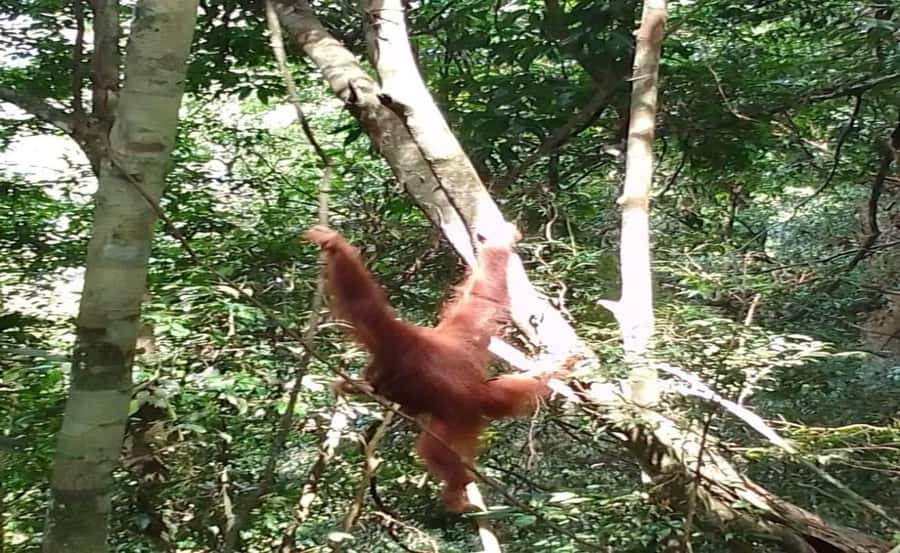
I’d book it if your top priority is orangutan chance plus real jungle time, and you want a setup that handles transfers, park entry, guides, and jungle meals. The small group size is a big plus, and the combination of trails, river swims, and rainforest sleep is exactly what people mean when they say “Sumatra jungle adventure.”
I’d think twice if your whole trip depends on one “perfect day” of nonstop trekking and wildlife. This program can include shorter trekking days and a day that ends with tubing instead of another wildlife-focused walk.
If you’re flexible—if you’re okay with the jungle being unpredictable and you still want to be out there when the forest turns active—this is a strong choice for a memorable 4 days.
FAQ
Where does this trek start?
It starts from Bukit Lawang, which is about 86 km northwest of Medan in North Sumatra. The tour also includes pickup from Kualanamu and transfer to your Bukit Lawang hostel.
How long is the experience?
The program lasts 4 days.
Is it a small group?
Yes. It’s limited to 7 participants in a small group format.
What’s included in the trek days?
You get national park entry, jungle trekking activities, and breakfast, lunch, and dinner in the jungle, plus a hostel in Bukit Lawang.
What about meals at the hostel?
The info says that no food will be served at a hostel, so plan for meals outside the included jungle meal times.
What languages do you get for the tour?
The live tour guide is available in English and French. An audio guide is included in English and Chinese.
What should I bring for the trek?
Bring comfortable shoes, a change of clothes, a towel, flip-flops, long pants, and biodegradable insect repellent.