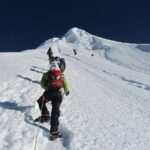
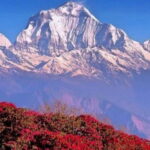
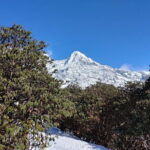
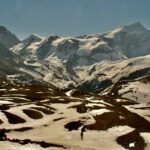
A sunrise that feels like a reward. The Ghorepani Poon Hill Trek is one of the easiest ways into the Annapurna region, with huge mountain views that pop up again and again without needing technical climbing. I especially like the big Annapurna-and-Dhaulagiri panorama that happens at Poon Hill early in the morning, plus the way this trip keeps things comfortable with modern lodges and heating in the dining areas.
One thing to keep in mind: the best views depend on clear weather. If clouds roll in, the mountain drama can be reduced, even when the trek itself is still enjoyable.
In This Review
- Key points worth knowing before you go
- Why this Poon Hill trek works so well for most people
- Day 1: Kathmandu to Pokhara and a low-pressure start
- Day 2: Nayapul to Ulleri, suspension bridge to steep stairs
- Day 3: Rhododendron steps to Banthanti, Nangge Thanti, and Ghorepani
- Day 4: Poon Hill before sunrise, then Deurali Pass to Tadapani
- Day 5: Rhododendron to Ghandruk, then stone descents to Kyumi and the bus to Pokhara
- Day 6: Pokhara back to Kathmandu by private van
- Price and value: what $590 covers (and what it doesn’t)
- Lodges, meals, and the comfort factor in mountain villages
- Gear provided: pack lighter, think smarter
- Guides and people: organization shows up in small moments
- Weather reality: why your sunrise depends on the sky
- Who this trek fits best
- Should you book this 6-day Ghorepani Poon Hill trek?
- FAQ
- What time does the trek start?
- Is the tour private?
- What’s included for accommodation and meals?
- Do I need to bring my own sleeping bag and down jacket?
- Are permits included?
- Is travel insurance included?
- What happens if the trek can’t run because of weather?
Key points worth knowing before you go
- Early-morning hike to Poon Hill so you can catch the sunrise effects on Annapurna and Dhaulagiri while the trail is quiet.
- Modern lodge comforts for an Annapurna trek, including heated dining rooms that make evenings easier.
- Licensed English-speaking guidance plus a reputation for practical flexibility, like adjusting plans when someone gets sick.
- A classic route mix: steep stone stairs, rhododendron forests, Gurung villages, and pass-country at Deurali (3090m).
- Well-timed village-to-village days that give you strong scenery without extreme daily mileage.
- Included trekking gear to travel lighter, including a down jacket and sleeping bag (returned after the trek).
Why this Poon Hill trek works so well for most people
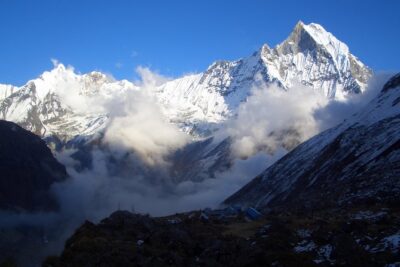
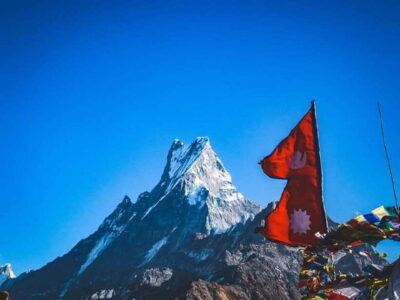
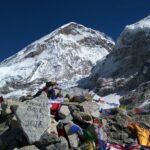
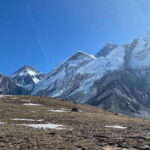
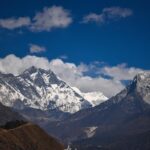
This is the “short trek” route in the Annapurna region that still feels like a real journey. You get mountains. Lots of them. Annapurna South (7219m), Hiunchuli (6441m), Machhapuchhre (6993m), and Patal Hiunchuli (6441m) are specifically highlighted along the way, and the views don’t just show up once.
I like that the itinerary is built around steady walking and frequent payoff moments. Even if you’re not a hardcore hiker, you still get the sense of crossing into mountain country. The climbs do include steep stone stairs (you will feel them), but the pacing is set up so that most age groups can complete it.
There’s also an adult-friendly comfort factor. The trek uses well-prepared guesthouses and lodges, and the dining rooms are described as having good heating. That matters because Nepal mountain nights can bite, and you’ll be happier if you can warm up without improvising.
You can also read our reviews of more tours and experiences in Kathmandu.
Day 1: Kathmandu to Pokhara and a low-pressure start
Your trek begins with a transfer from Kathmandu, with the provided start time listed as 6:15am. On Day 1 you drive to Pokhara, enjoying the green scenery and passing villages along the highway. Then you arrive in Lakeside Pokhara and have time to relax.
This day is not about suffering. It’s about setting up your legs for what’s next. Pokhara also gives you a real taste of Nepal’s travel rhythm before you shift into village trails and guesthouse mornings.
If you want to make Day 1 useful, keep it simple: eat well, get an early night, and set out your smaller essentials (headlamp if you have one, a light rain layer, and a way to keep your phone charged).
Day 2: Nayapul to Ulleri, suspension bridge to steep stairs
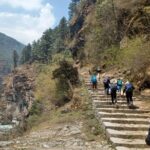
Day 2 is where the trek starts to feel like a trek. You head to Nayapul, then cross a suspension bridge over Modi Khola before the route begins climbing via steep stone stairs toward Ulleri.
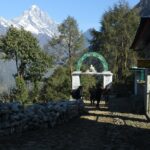
The Ulleri area is your first major viewpoint stop. You can look toward Annapurna South (7219m) and Hiunchuli (6441m), plus other peaks in the region. It’s a good reminder that even early in the hike, the Annapurna theater is already running.
Practical note: with stone stairs, your knees will notice the difference if you’re not used to descending later. I’d take careful steps, especially when you’re tired. This is one of those days where “slow and steady” is not a slogan, it’s survival.
Day 3: Rhododendron steps to Banthanti, Nangge Thanti, and Ghorepani
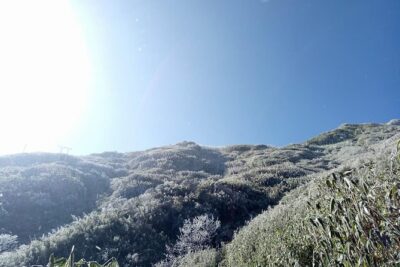
On Day 3 you leave Ulleri and move through rhododendron forest using carefully placed stone steps. If the season is right, rhododendron can add color and texture to the trail. Even when the flowers aren’t the star, the forest still softens the hike and helps break up long sightlines.
The route also passes villages including Banthanti and Nangge Thanti on the bank of Bhurungdi Khola, before you continue alongside Bhurungdi Khola toward Ghorepani. Ghorepani is the key base-area for the next day’s Poon Hill sunrise hike, so you’re basically positioning yourself for a big payoff.
This is also where you start to understand the trek’s rhythm: you’re walking in short segments, getting framed mountain views between trees, and then arriving in a lodge village with everything you need for the night.
Day 4: Poon Hill before sunrise, then Deurali Pass to Tadapani
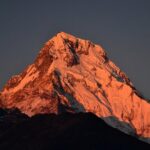
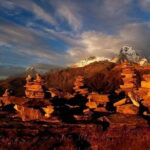
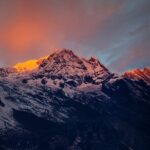
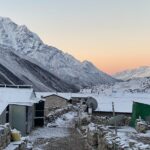
This is the signature day. Before sunrise, you hike up to Poon Hill to experience the sunrise and how it changes the mountains. The itinerary calls out views that include Annapurna and Dhaulagiri massifs, plus Machhapuchhre (6993m) and Patal Hiunchuli (6441m).
Two things make this moment worth it:
- You’re moving early when the air is usually clearer and calmer.
- When the clouds cooperate, the change in light can make the peaks look almost close enough to touch.
After the sunrise hike, you return to Ghorepani and continue on to Tadapani via Deurali Pass (3090m). Tadapani also has standout mountain views, including Annapurna South (7219m) and Machhapuchhre (6993m), plus the valleys around you.
Energy tip: treat the sunrise hike as the main event. Afterward, keep your pace steady and don’t try to “power through” just because you’ve already earned the best views.
Day 5: Rhododendron to Ghandruk, then stone descents to Kyumi and the bus to Pokhara
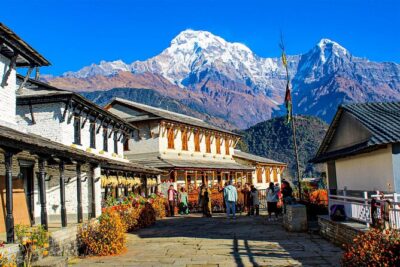
Day 5 shifts from pass-and-panorama to village-and-walk. You go through lush rhododendron forest to reach Ghandruk. After lunch in Ghandruk, you descend on stone staircases to Kyumi, then take the bus back to Pokhara.
This combination is efficient. You get mountain and forest walking in the morning, then a more direct path to recovery and a proper town evening. It also helps with logistics: you’re not spending Day 5 camping in rough conditions before returning to Kathmandu.
In the evening, you can relax around Pokhara’s pubs and restaurants. I’d use that time to re-wash, re-pack, and enjoy an actual meal without scrambling.
Day 6: Pokhara back to Kathmandu by private van
On Day 6 you leave Pokhara and head back to Kathmandu by private van, then get dropped at your hotel. The itinerary notes a cool breeze and green scenery on the drive, which is a nice mental transition after days of walking.
This is also your moment to slow down. You’ve earned it. If you’re catching a later flight, I’d keep the day flexible, because once you’re back in Kathmandu traffic, schedules can get wobbly.
Price and value: what $590 covers (and what it doesn’t)
At $590 per person, the value here comes from what’s included rather than what’s excluded.
Included items that reduce your personal packing load:
- Best available lodges/guesthouses on the trek (mostly twin sharing)
- A local government-licensed English-speaking guide
- Trek entry permits and fees
- Down jacket, sleeping bag, and duffel/kit bag (returned after the trek)
- First aid medical kits
- Surface transfers from and back to Kathmandu
- Meals: breakfast (5), lunch (4), dinner (3)
Not included:
- Travel insurance (listed as compulsory)
- Alcohol and drinks, laundry
- Tips for trekking staff
- Personal trekking equipment
Here’s how I’d judge the deal: you’re paying for organized guiding, lodging at practical trail villages, and gear support. If you were to self-arrange, the “hidden” costs would include guide time, permits, and sorting equipment. Even with private touring, you’re still getting a structured, low-stress setup.
Lodges, meals, and the comfort factor in mountain villages
The overall tone for lodging is modern enough to feel comfortable. The overview specifically mentions good heating in the dining room, which is one of those small details that becomes big when nights are cold.
Accommodation is described as “best available lodges and guesthouses,” mostly in twin sharing. That’s helpful for cost control and makes it easier to keep the route consistent.
Meals are included across most days: breakfast, lunch, and dinner in the counts listed above. This matters because it reduces the number of decisions you need to make mid-trek. You can focus on walking and enjoy the food when you’re hungry instead of guessing what you’ll find at each stop.
Gear provided: pack lighter, think smarter
One of the biggest practical wins is that you don’t have to show up with everything. The included list covers:
- Down jacket
- Sleeping bag
- Duffel/kit bag (returned after the trek)
You’ll still need to bring personal trekking items, and you should keep it realistic. Mountain trekking is about layers and small comfort items, not turning your luggage into a warehouse.
If you want the simplest system, I’d pack light layers you can adjust, a small daypack, and a reliable water plan. Since the trek includes many stone stairs, wear footwear you trust.
Guides and people: organization shows up in small moments
The biggest compliment that comes through is guidance that’s both organized and people-minded. The names you’ll hear around this company include Shree (owner), plus guides such as Shiva, Prakash, and Navaraji.
I like that the operation shows flexibility when life happens. One example from their service style: Shree has made the itinerary flexible based on fitness levels, and Navaraji has adjusted a trekking plan after a participant became sick. That kind of responsiveness is not glamour, but it’s what keeps a trek from going off the rails.
Porters and staff also get credit for kindness. A porter named Saha is mentioned as being especially good with children and always smiling. That matters because families often judge a trek by how staff handle the hard parts, not just the perfect weather day.
Weather reality: why your sunrise depends on the sky
This experience explicitly requires good weather. If it gets canceled due to poor weather, you’ll be offered a different date or a full refund.
So what should you do with that information? Don’t build your whole personality around one magic moment. Yes, aim for Poon Hill sunrise. But also treat the other viewpoints and the village walking as part of the reward package. If skies are cloudy, you might still get mountain shapes and atmospheric views, and the trek itself remains a strong Annapurna introduction.
Who this trek fits best
This is a smart choice if you:
- Want a short Annapurna trek that still gives major mountain views
- Prefer a guided trip with permits, lodges, and transfers handled
- Are traveling with kids or older adults (the trek is positioned as achievable across age groups)
- Want a balance of walking, viewpoints, and lodge comfort
It’s also a solid “first trek” option because the pacing is built around regular village stops and frequent scenic rewards.
Should you book this 6-day Ghorepani Poon Hill trek?
If your goal is classic Annapurna views without a long commitment, I think it’s a strong match. The combo of Poon Hill sunrise, warm lodge dining rooms, licensed guiding, and the fact that key gear is included makes it feel like more than just a route on a map.
Book it if you value structure and you want the sunrise moment with less stress than DIY planning. Pass if you’re the type who needs perfect weather to feel satisfied, since the mountains will not always cooperate.
If you want my simple decision rule: if you can handle a cold early start and you’re excited about Annapurna and Dhaulagiri views, this is an easy yes.
FAQ
What time does the trek start?
The listed start time is 6:15am, starting from Kathmandu.
Is the tour private?
Yes. This is a private tour/activity, meaning only your group participates.
What’s included for accommodation and meals?
Lodges and guesthouses are included during the trek, mostly in twin sharing. Meals are included as breakfast (5), lunch (4), and dinner (3).
Do I need to bring my own sleeping bag and down jacket?
No. A down jacket, a sleeping bag, and a duffel/kit bag are included, and the items are returned after the trek.
Are permits included?
Yes. All necessary trek entry permits and fees are included.
Is travel insurance included?
No. Travel insurance is not included, and it is listed as compulsory.
What happens if the trek can’t run because of weather?
If it’s canceled due to poor weather, you’ll be offered a different date or a full refund.