REVIEW · KATHMANDU
Everest Base Camp Trek 14 days
Book on Viator →Operated by Happyland Treks · Bookable on Viator
Mountains above 5,000m have a way of changing you. This 14-day Everest Base Camp trek routes you through the classic high Himalaya circuit, with guided pacing and real acclimatization breaks along the way. I especially like the inclusion of Kathmandu airport pickup plus two nights with breakfast, because it makes day one feel calm instead of chaotic. I also like that you get structured acclimatization days at Namche Bazaar and Dingboche, not just a big grind uphill. One consideration: you’re sleeping high and trekking near 5364m and higher, so you’ll need moderate fitness and good self-care around altitude.
The trip runs as a private group with an English-speaking guide, and you’ll have a porter arranged on a 1 porter between 2 people basis. In Kathmandu, the operator (Bimal Dahal, also known as Happy Bimal) is known for clear pre-trek communication, including sending lodging options and photos so you can picture what’s coming. The trek includes tea-house stays and standard meals, plus a medical kit for the group, but you’ll still want travel insurance because evacuation costs are not included.
In This Review
- Key Highlights You’ll Actually Feel on the Trek
- Why Everest Base Camp Feels Like a Real Adventure (Not a Checklist)
- Getting There the Day It Matters: Kathmandu to Lukla
- Day-by-Day: What Each Stage Gives You (and What to Watch For)
- Day 1: Kathmandu Setup Day (Don’t Rush This One)
- Day 2: Lukla to Phakding (First Steps into the Region)
- Day 3: Phakding to Namche Bazaar (Where the Trek Starts to Feel Serious)
- Day 4: Namche Bazaar Acclimatization (Rest with Purpose)
- Day 5: Namche Bazaar to Tengboche (Continuing Upward)
- Day 6: Tengboche to Dingboche (Higher Air, Bigger Rewards)
- Day 7: Dingboche Acclimatization (The Second Big Safety Net)
- Day 8: Dingboche to Lobuche (Approaching the High Zone)
- Day 9: Lobuche to Gorakshep, Then Everest Base Camp (The Day You Came For)
- Day 10: Kalapathar Sunrise Hike to See Everest, Then Down to Pangboche
- Day 11: Pangboche to Namche (Recovery Through Motion)
- Day 12: Namche to Lukla (Finishing the Loop)
- Day 13: Lukla Back to Kathmandu (Altitude Off, City On)
- Day 14: Kathmandu Departure or Extra Time
- What the Included Stuff Means for Your Budget and Comfort
- Price and Logistics: Is $1,897 Good Value Here?
- The Human Factor: Guide Style and Pre-Trek Confidence
- Training and Fitness: What You Should Be Able to Handle
- What to Pack and What to Budget for (Based on What’s Not Included)
- Should You Book This Everest Base Camp Trek?
- FAQ
- What’s included in the Kathmandu part of the trip?
- How do you travel to Everest region start points?
- Does the trek include a guide and porter service?
- Are trekking permits covered?
- Are meals included during the trek?
- What costs should I plan for that are not included?
Key Highlights You’ll Actually Feel on the Trek
- Acclimatization built in at Namche Bazaar and Dingboche, with a full rest day each.
- Lukla flights included (Kathmandu–Lukla–Kathmandu), reducing the long approach hike.
- Meals and tea/coffee included during the trek, which helps with budgeting at altitude.
- Everest National Park permit + TIMS covered, so you’re not scrambling for paperwork.
- Private group + English-speaking guide, with porter support to ease the load.
- Useful pre-trip guidance from Happy Bimal (Bimal Dahal) based on guest feedback.
Why Everest Base Camp Feels Like a Real Adventure (Not a Checklist)
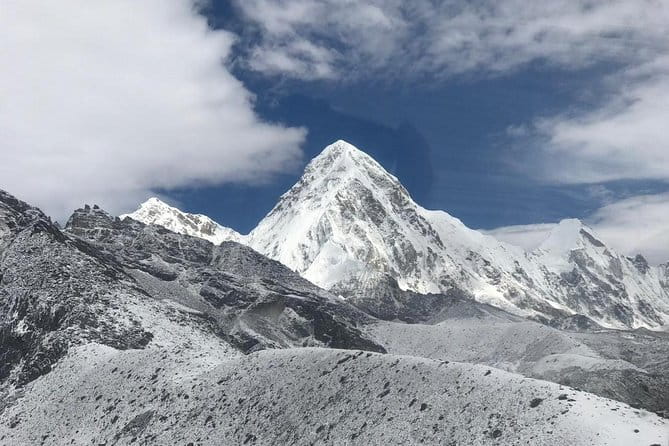
Everest Base Camp is popular for a reason: you’re walking through changing altitude, changing weather feel, and increasingly dramatic mountain scenery. This trek goes beyond sightseeing because it has a sensible rhythm. You fly in, hike steadily, and then pause on purpose—especially around Namche Bazaar and Dingboche—to let your body adjust.
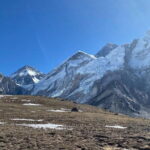
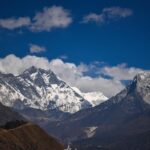
The practical win here is that the itinerary isn’t only about reaching the landmark. It’s also about how you get there. You’ll start in Lukla at 2840m and gradually work upward toward Gorakshep (5180m) and Everest Base Camp (5364m). That gradual climb is what keeps the trek doable for people with the right fitness and mindset.
You can also read our reviews of more tours and experiences in Kathmandu.
Getting There the Day It Matters: Kathmandu to Lukla
Day 1 is a proper reset: you arrive in Kathmandu, get transferred to your hotel, and sleep in Kathmandu. Two nights in Kathmandu with breakfast are included, which helps if you need time to recover from travel and get your gear in order.
On Day 2 you fly from Kathmandu to Lukla (about 40 minutes). Then you trek onward to Phakding at 2610m. This flight is a big deal for value. It saves you the long approach while still placing you in the Everest region right away.
One more real-world point: flights to Lukla can be weather-sensitive. The operator includes the domestic flights in the package, and at least one guest specifically praised the priority flight arrangement. Still, keep your expectations flexible. If the schedule shifts, your trekking days may shuffle a bit, even with a well-run plan.
Day-by-Day: What Each Stage Gives You (and What to Watch For)
Day 1: Kathmandu Setup Day (Don’t Rush This One)
You get pickup, hotel stay, and preparation time. This is when you’ll handle last-minute questions, confirm logistics, and get used to Nepal time. With altitude trekking ahead, I like having this breathing room instead of trying to cram sightseeing and early hikes right away.
Also note: lunch and dinner in Kathmandu during your stay are not included. So budget a little extra for meals while you’re in the city, especially if you plan to taste local spots.
Day 2: Lukla to Phakding (First Steps into the Region)
After landing in Lukla at 2840m, you trek to Phakding at 2610m. That slight drop in elevation helps you feel grounded after the flight day. It’s a first “read the terrain” day: uneven trails, morning air that feels cooler, and the start of tea-house routine.
Day 3: Phakding to Namche Bazaar (Where the Trek Starts to Feel Serious)
You hike to Namche Bazaar (3440m). This is the day where the altitude starts to climb more noticeably. You’ll want to keep your pace steady and boring. Short steps, consistent breathing, and no sprinting up switchbacks.
Day 4: Namche Bazaar Acclimatization (Rest with Purpose)
This is a full acclimatization day: rest, chilling, light exploration, and enjoying the view. The reason this matters is simple: altitude doesn’t care about your schedule. A rest day here lowers the odds of your body falling behind later in the trek.
It also gives you a mental break. By the time you’re in Namche, you’ve already moved from city life into mountain life. That reset day helps you enjoy the experience rather than just survive it.
Day 5: Namche Bazaar to Tengboche (Continuing Upward)
You move to Tengboche at 3868m. This section keeps the climb going, so expect longer feeling days as altitude tightens your breathing. I recommend treating this like a “work day” pace: steady effort, frequent breaks, and early attention to hydration.
Day 6: Tengboche to Dingboche (Higher Air, Bigger Rewards)
You trek to Dingboche at 4410m. By now, the views start feeling more expansive, and the cold can sharpen quickly. Your body may still feel like it’s adjusting. That’s normal—don’t interpret discomfort as a sign you did something wrong.
Day 7: Dingboche Acclimatization (The Second Big Safety Net)
Another full acclimatization day at Dingboche. You can explore around and take it easy. This is the itinerary doing you a favor: two acclimatization pauses gives your body a better chance to handle the jump toward higher camps.
Day 8: Dingboche to Lobuche (Approaching the High Zone)
You hike to Lobuche at 4910m. This is where the trek starts shifting from “comfortable hiking” into “mountain hiking,” meaning the air is thinner and every effort costs more. If you’re prone to altitude headaches, this is where you’ll want to be extra consistent with pace and fluids.
Day 9: Lobuche to Gorakshep, Then Everest Base Camp (The Day You Came For)
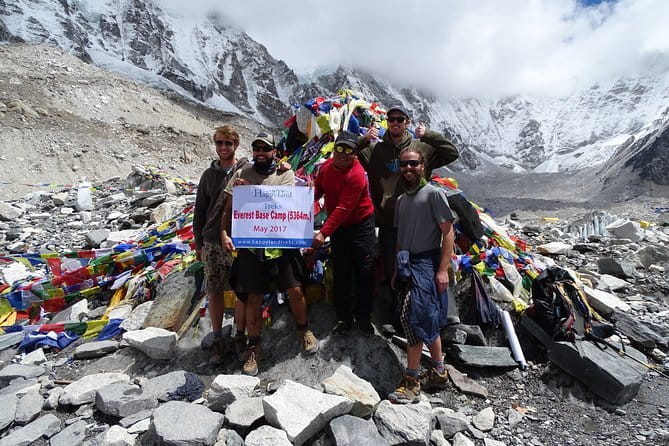
You trek to Gorakshep (5180m), then to Everest Base Camp (5364m), with an overnight in Gorakshep. This day is physically demanding, even if the walking distances are manageable, because altitude does the heavy lifting on your body.
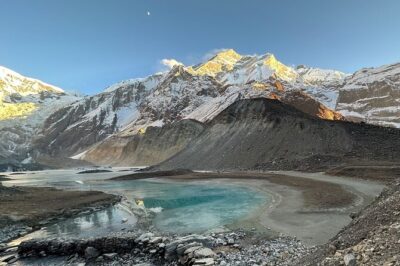
When you’re near Base Camp, the main value isn’t just the moment of arrival. It’s how all the earlier days add up into one big sense of arrival. You’ll also feel the atmosphere: colder air, thinner breathing, and the strong sense you’re in the world’s most famous high-altitude theater.
Tea-house stays continue here, so the comfort level depends on weather and which tea house you end up in. Plan for basic facilities and focus on warm drinks and rest.
Day 10: Kalapathar Sunrise Hike to See Everest, Then Down to Pangboche
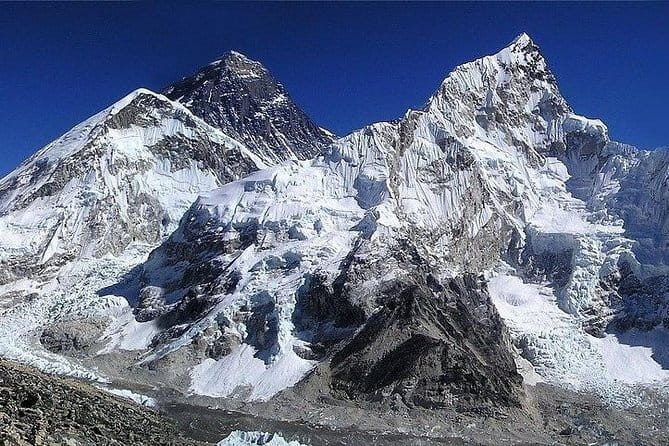
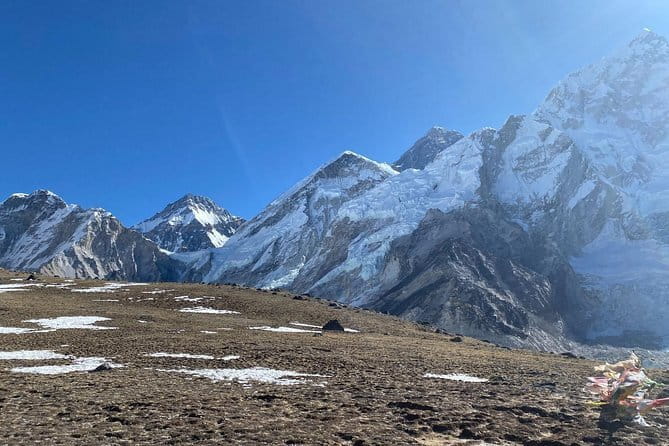
You wake early for a hike up to Kalapathar (5550m) for sunrise, with mountain range views that include Mount Everest. Then you back to Gorakshep, breakfast, and trek to Pangboche (3990m).
This is a smart design: you get the highest-view payoff (Kalapathar) and then you descend to a lower elevation for the night. That descent helps recovery before your return toward lower trekking zones.
Day 11: Pangboche to Namche (Recovery Through Motion)
You trek back to Namche Bazaar (3440m). After two high points (Base Camp and Kalapathar), this day’s value is recovery. Keep your pace controlled. Descending can be tough on knees and shins even when altitude is lower.
Day 12: Namche to Lukla (Finishing the Loop)
You head to Lukla (2840m). Even when you’re tired, this is a satisfying day because you can feel the trek loosening its grip. Still, don’t turn it into a race. Save your energy for the flight days that matter.
Day 13: Lukla Back to Kathmandu (Altitude Off, City On)
You fly from Lukla to Kathmandu (1336m). You’ll feel a big difference in air quality almost right away. This is a good day for easy meals, short walks, and a shower if you choose to pay for one (hot shower is listed as a personal expense).
Day 14: Kathmandu Departure or Extra Time
Your trip ends back at the meeting point. If you have extra days, you can chill, do shopping, and sightseeing. Since lunch and dinner in Kathmandu aren’t included during your stay, this extra time is worth planning around your budget.
What the Included Stuff Means for Your Budget and Comfort
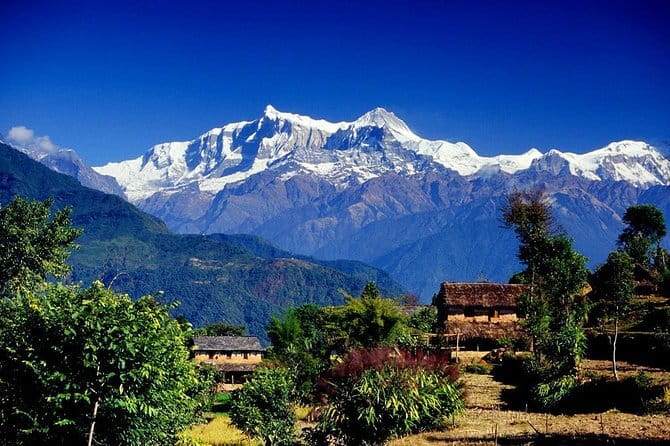
Let’s translate the inclusions into real-life value.
Meals and drinks during the trek: Standard breakfasts, lunches, and dinners are included, plus three cups of tea or coffee per day. That matters because at altitude, buying food and drinks becomes expensive quickly. You can budget one set amount and focus on enjoying the trek instead of counting every rupee.
Tea-house accommodation: You stay in tea houses throughout the trekking portion. This is the typical Everest region experience, and it’s practical. You’re not paying for luxury, but you are paying for warmth, a bed, and an operational plan.
Permits and key admin: TIMS card and the Everest National Park trekking entry permit are included. That’s less paperwork and less stress at the start.
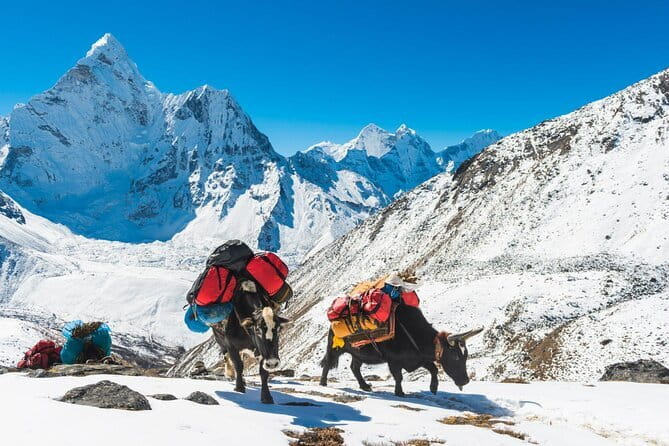
Guide and porter support: An English-speaking guide is included. Porter service is included as 1 porter between 2 people. That’s the difference between carrying everything because you have to, and carrying enough because you choose to.
Kathmandu stays and transfers: Two nights in Kathmandu with breakfast plus airport pickup and drop by car/van/bus are included. That’s a real value add because Kathmandu arrival days can otherwise feel messy.
Not included items are just as important. Travel medical insurance and emergency evacuation cost are not included. Nepal entry visa fee and international airfare are not included either. Also, personal expenses like hot shower, water bottle, battery charging, cold drinks, and hot water aren’t included—so don’t assume you’ll spend $0 extra beyond tips.
Price and Logistics: Is $1,897 Good Value Here?
At $1,897 per person, you’re paying for a full, guided, supported trek rather than just a route. What makes it feel fair is that many costly “essentials” are bundled: domestic flights Kathmandu–Lukla–Kathmandu, tea-house meals, permits, guide, porter support, and Kathmandu hotel nights.
If you priced this out on your own, you’d likely spend heavily on transport, permits, and coordination. The biggest cost you’d still need to cover separately is personal travel insurance plus any personal spending (extra hot showers, charging, and beverages). And of course you’ll pay tips.
So my take: this is good value if you want a plan you can follow and support that reduces decision fatigue. It’s less value if you already have deep trekking experience, know exactly how you’ll organize everything yourself, and prefer to manage logistics solo.
The Human Factor: Guide Style and Pre-Trek Confidence
One of the most praised parts of this operator is communication and guidance. Bimal Dahal, called Happy Bimal, is highlighted for clear, detailed explanation before the trek. Guests talked about how he shared trek details over the phone and even sent lodging options and pictures so they could get a realistic sense of what to expect.
That kind of prep matters. When you know what the days look like, you pack smarter. You also arrive with fewer questions and less uncertainty, which helps when you’re about to spend days at high altitude.
The guide is English-speaking, and staff care is included as part of the package (accommodation, food, salary, insurance, and medicine for all staff). You’ll feel that in how smoothly the trek runs day-to-day.
Training and Fitness: What You Should Be Able to Handle
The trip asks for moderate physical fitness. That’s the right phrasing. This trek includes steep breathing and uneven footing, plus long walking days at altitude.
Here’s how to think about it practically:
- You’ll spend a lot of your time between about 2,600m and 5,500m.
- You’ll do early mornings, especially for sunrise at Kalapathar.
- You’ll hike higher and then descend, which is great for altitude management but still taxing on legs.
If you’re nervous about altitude, it helps to treat pacing as your main strategy. Go slower than you think you should. Keep stops frequent. Take your body seriously, because altitude is not impressed by determination.
What to Pack and What to Budget for (Based on What’s Not Included)
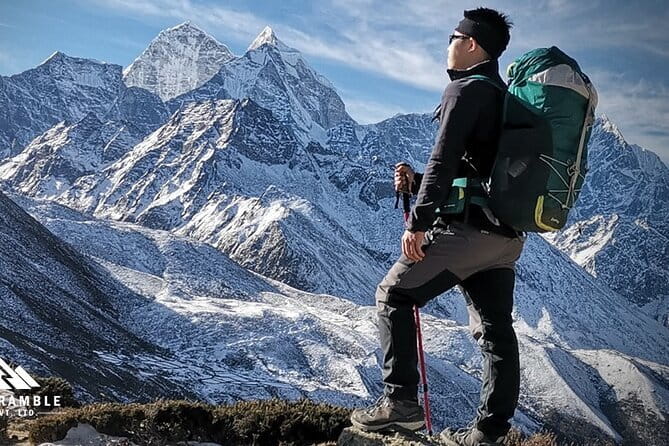
The trip lists personal equipment as not included, and it also lists common “extras” as personal expenses: alcoholic beverages, hot shower, water bottle, cold drinks, hot water, battery charge, donations.
So plan on bringing:
- layered clothes for cold mornings and nights
- rain protection
- a basic trekking setup for comfort and foot safety
- any charging needs you prefer to handle yourself (battery charge may cost)
For money, set aside cash for tips and small purchases. Also plan for the fact that you may want to buy extra beverages or comfort items at tea houses, depending on your preferences and weather.
Should You Book This Everest Base Camp Trek?
If you want a supported EBC trek with an organized plan, included meals, guided pacing, and porter help, this one makes a lot of sense. I’d especially recommend it if you like clarity and you value pre-trek communication, because the operator’s approach to explaining the journey before you arrive comes through strongly in guest feedback.
If you’re a solo logistics planner with high trekking experience and you’re confident arranging permits, tea-house bookings, and flights without support, you might be able to do it cheaper. But then you’re trading convenience and structure for control.
My practical bottom line: book this if you want the Everest Base Camp experience without turning the trip into project management.
FAQ
What’s included in the Kathmandu part of the trip?
Two nights of accommodation in Kathmandu with breakfast are included, plus airport pickup and drop by car/van/bus. Lunch and dinner during your Kathmandu stay are not included.
How do you travel to Everest region start points?
You fly from Kathmandu to Lukla (about 40 minutes). The trip also includes domestic flight ticket and airport tax for Kathmandu–Lukla–Kathmandu.
Does the trek include a guide and porter service?
Yes. An English-speaking guide is included. Porter service is included as 1 porter between 2 people basis.
Are trekking permits covered?
Yes. You get a TIMS card and an Everest National park trekking entry permit included.
Are meals included during the trek?
Yes. Standard meals while trekking are included (breakfast/lunch/dinner). The package also includes three cups of tea or coffee a day.
What costs should I plan for that are not included?
Travel medical insurance and emergency evacuation cost are not included, and you’ll also pay Nepal entry visa fee and international airfare. Personal equipment, tips for guide and porter, and personal expenses such as hot shower, water bottle, battery charge, cold drinks, and hot water are not included.