REVIEW · KATHMANDU
Kathmandu: 10-Day Adventurous Annapurna Circuit Trek
Book on GetYourGuide →Operated by Himalayan Nomad Treks Pvt. Ltd. · Bookable on GetYourGuide
A high mountain pass in 10 days is a gamble. This Annapurna Circuit trek turns that gamble into a clear, day-by-day plan, with big scenery, village life, and a real payoff: crossing Thorong La at 5,416m.
What I like most is how the days are structured for mountain reality, not just a map line. You gain altitude gradually from Dharapani to Chame and Upper Pisang, then you get the important pause in Manang before the higher stretches begin.
One consideration: the pass day is long and serious. Day 8 is a 12-hour push through thin air, with an altitude high point at 5,416m, so you’ll want solid fitness and a smart pace.
In This Review
- Key things to know before you go
- Annapurna Circuit in 10 Days: what you’re really signing up for
- Getting into trek mode fast: Kathmandu to Dharapani
- Chame to Upper Pisang: forests, bridges, and first serious views
- Manang: the acclimatization day that makes the pass possible
- From Yak Kharka to Thorong Phedi: the high Himalaya feel kicks in
- Crossing Thorong La Pass at 5,416m: the day you’ll remember
- Muktinath to Jomsom: the terrain turns arid and the wind shows up
- Pokhara recovery: where you decompress and plan your next move
- Price and what’s included: where your money goes
- Guides and pacing: the difference between a hard trek and a smart one
- Accommodation, food, and the tea house reality
- What to bring for a high pass and cold nights
- Who should do this Annapurna Circuit trek (and who shouldn’t)
- Should you book it?
- FAQ
- How long is the Annapurna Circuit trek?
- What is the highest altitude on this trek?
- What kind of guide do I get?
- Are meals included?
- What transportation is included?
- Do I need travel or rescue insurance?
- Is the itinerary customizable?
Key things to know before you go
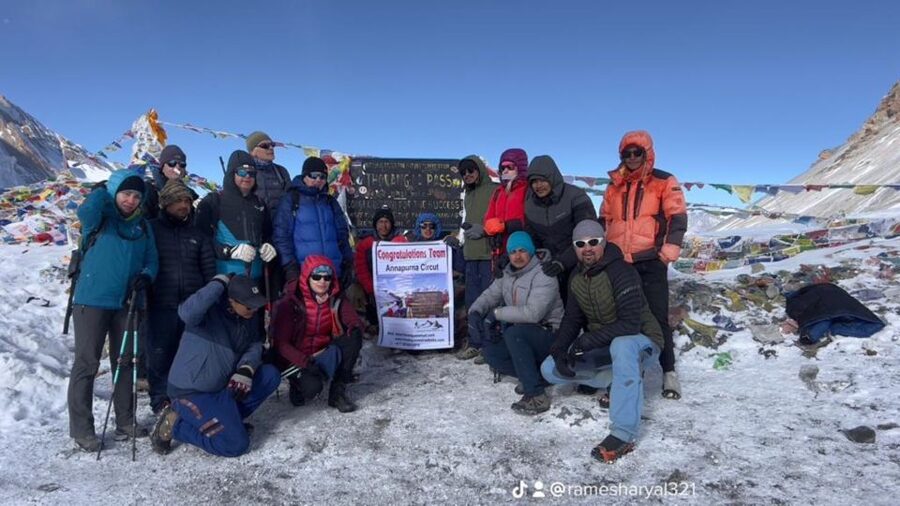
- Thorong La Pass at 5,416m is the main event, with an early start and a full day to summit and descend
- Manang acclimatization day helps you adjust before higher camps like Yak Kharka and Thorong Phedi
- Village-to-guesthouse rhythm: you’ll sleep in tea house/guesthouse style places with basic comforts
- A big scenery shift in Jomsom: greener trekking country gives way to windier, more arid Mustang-like terrain
- Guides make or break altitude days: teams like Keshab, Bipin, Suresh, Prakash, Mahesh, Milani, Jeet, and Silwal are repeatedly praised for pacing and organization
Annapurna Circuit in 10 Days: what you’re really signing up for
This trek is for people who want the Annapurnas to feel real, not just Instagram-friendly. In 10 days, you’ll move through several altitude zones, changing both climate and the way trails feel underfoot. It’s not a luxury spa vacation. It’s also not a roughman survival story. It sits in that sweet spot where you’re active every day, but you’re not alone in the process.
You’re also paying for more than walking hours. The package covers permits, trekking paperwork, your main transport legs, and 9 nights of accommodation during the trek, plus meals on the trek portion (if you book the full package). That matters because on a trek, logistics can eat your energy faster than the trail does.
Value-wise, the price listed ($467 per person) is reasonable for a supported, multi-day high-altitude route with transport and required paperwork included. What you should watch is what’s not included: drinks, travel/rescue insurance, and any porter costs (porters are mentioned as extra). Also, your own spending will mostly show up as bottled/boiled water, phone charging, and snacks you’ll want when you see bakery stuff up high.
You can also read our reviews of more tours and experiences in Kathmandu.
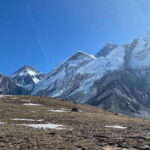
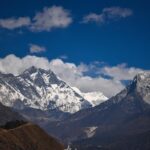
Getting into trek mode fast: Kathmandu to Dharapani
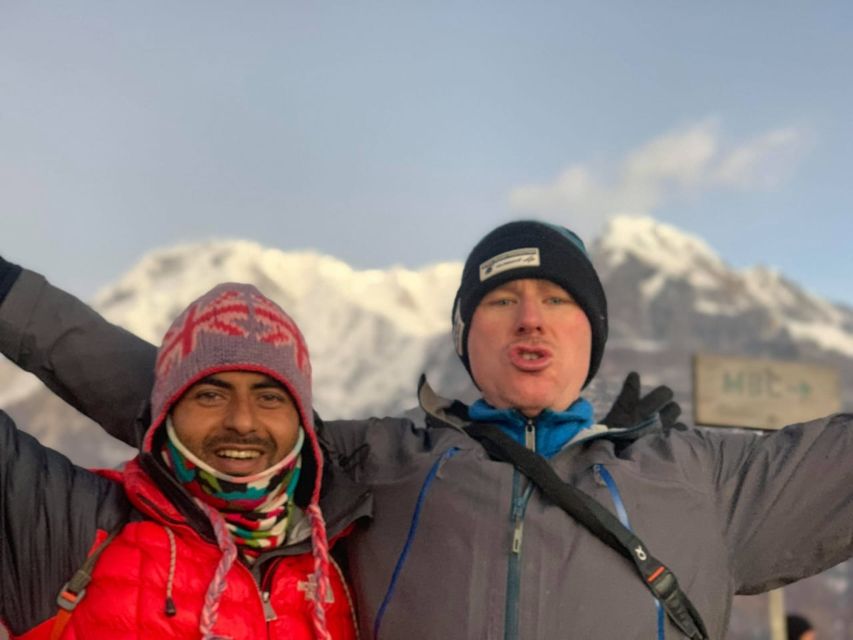
Your day starts with travel, not a trail. You’ll go from Kathmandu to Besisahar by bus, then from Besisahar to Dharapani on a shared Jeep, with long, scenic time in between. This matters because it sets expectations: you’ll already be tired when the hiking begins on Day 2.
Dharapani at about 1,800m (5,905 ft) is a smart launch point. It’s high enough to start feeling like the mountains are close, but not so high that you’re immediately fighting altitude. Expect village energy, tea house routines, and that classic shift from city noise to mountain quiet.
If you’re prone to motion sickness, this is where you plan ahead. Jeep roads can be bumpy, and early fatigue can make the first trekking day feel harder than it needs to.
Chame to Upper Pisang: forests, bridges, and first serious views
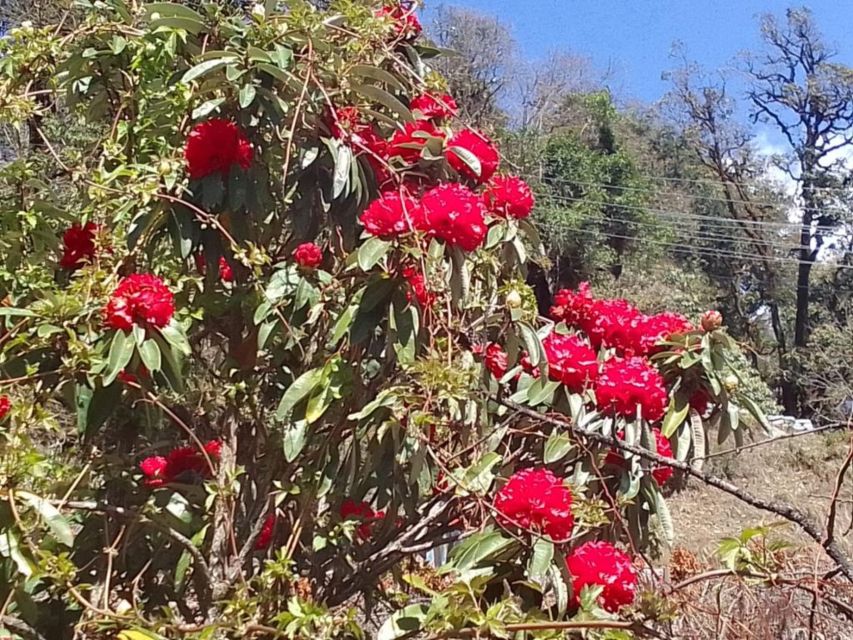
Day 2 hikes from Dharapani to Chame at about 2,670m (8,760 ft). Day 3 continues from Chame to Upper Pisang around 3,300m (10,826 ft). This stretch is where you feel the Annapurna Circuit “escalator” effect: the air gets cooler, the villages get higher and more stone-built, and the trail keeps gaining.
On the way, you’ll pass through lush forest sections, then start moving into areas where you see more of the rocky, high-mountain world. You also cross suspension bridges, which can feel thrilling and a bit wobbly (hold the handrail, take a steady pace, and don’t do the balancing act).
Upper Pisang is also a useful stop because it gives you that early taste of big mountain visuals. You’ll have time to settle in, walk around, and get a feel for the local culture in a smaller, higher village setting.
Practical note: pack layers that are easy to add/remove. This part of the trek changes temperature as you climb and as the sun moves.
Manang: the acclimatization day that makes the pass possible
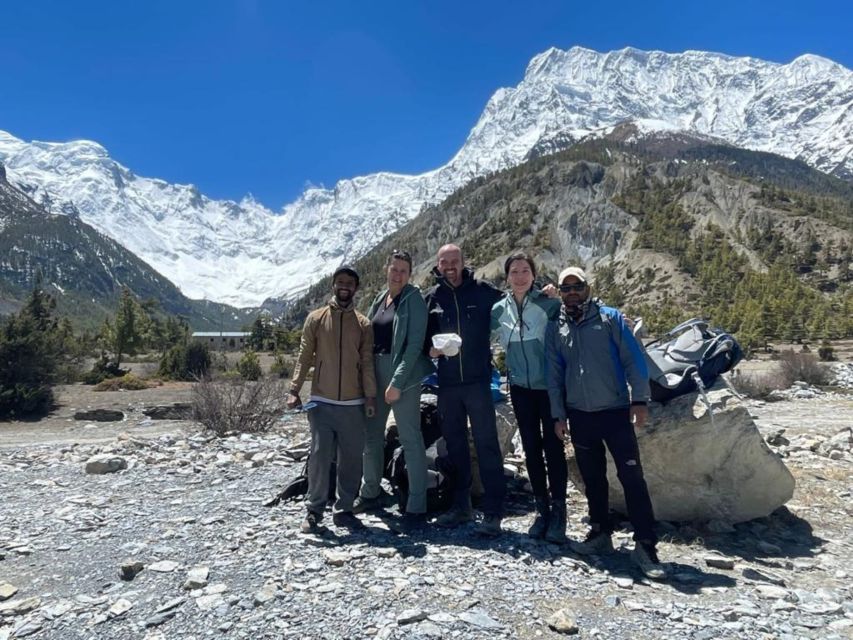
Day 4 takes you to Manang (about 3,540m / 11,614 ft), and then Day 5 is your acclimatization day. This is the part many people underestimate, even though it’s the most important day in the whole “climb higher” sequence.
Here’s the logic that keeps you safer: you don’t just shoot up. You pause at Manang, explore the village, and take in panoramic views of peaks like Annapurna II, Annapurna III, and Gangapurna. The goal isn’t to do a huge hike. The goal is to give your body time to adapt before the altitude climbs again.
If you want the best outcome, listen to your guide about pacing. In multiple past treks, guides such as Keshab and Mahesh have been praised for managing altitude risk by keeping the group from rushing. That’s not a vibe thing. It’s a performance and safety thing.
How to use your acclimatization day:
- Keep movement moderate. A short walk is fine. Exhaustion is not the point.
- Hydrate steadily.
- Eat normal meals, then stop when you’re comfortably full.
- Save your big energy for Thorong La day.
From Yak Kharka to Thorong Phedi: the high Himalaya feel kicks in
Day 6 goes from Manang to Yak Kharka (about 4,050m / 13,287 ft). Day 7 then takes you to Thorong Phedi (about 4,450m / 14,600 ft), the base area for the pass crossing.
This is where the trek starts feeling more like true high-country hiking. You’ll move through alpine terrain and reach grazing pasture country. Yak Kharka gets its name for a reason, and that means fewer trees, more open views, and a colder night setup.
Thorong Phedi is key because it’s not just another overnight. It’s the staging point where you set yourself up for the next day. Expect early preparations, a careful routine with water and layers, and the mental shift from daytime hiking to an all-day pass mission.
If you’re someone who gets anxious in the dark or in cold conditions, be ready for that feeling here. The pass plan depends on an early start, and the night before is when you should organize everything.
Crossing Thorong La Pass at 5,416m: the day you’ll remember
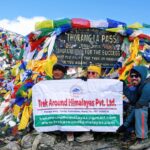
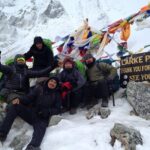
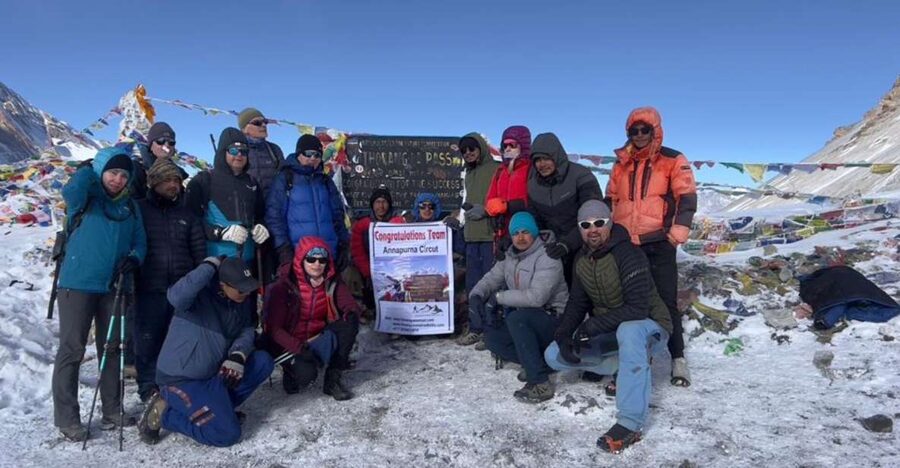
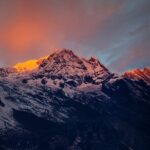
Day 8 is the big one: Thorong Phedi to Muktinath via Thorong La Pass (5,416m / 17,769 ft), then you descend to about 3,800m (12,467 ft). This is listed as a 12-hour trek, so think of it as a long, demanding workday, not a casual hike.
What makes it rewarding is also what makes it tiring: the altitude and the effort. You start early, climb into thin air, cross the pass, then spend the afternoon coming down toward Muktinath. Even if your fitness is good, your breathing will tell you the truth.
The payoff is panoramic views at altitude and the relief of reaching Muktinath afterward. Muktinath isn’t just a sightseeing stop. It’s a spiritual place for Hindus and Buddhists, and the town around it has that pilgrim energy you can feel even in the way people move.
A smart strategy:
- Start slowly. Your first 30–60 minutes sets the tone.
- Drink, but don’t chug.
- Let your guide manage group pace. This is where experienced guidance helps you avoid altitude mistakes.
- Keep your focus on steady steps. Save sprinting for later life.
If weather turns (fog, snow, wind), your guide may adjust timing based on conditions. That’s part of the real trekking bargain at high altitude.
Muktinath to Jomsom: the terrain turns arid and the wind shows up
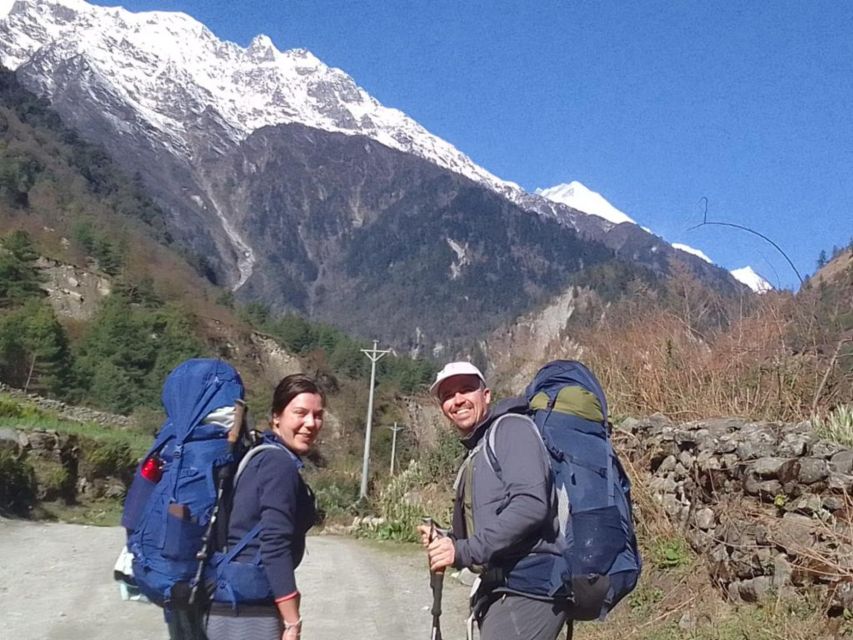
Day 9 takes you from Muktinath to Jomsom (about 2,720m / 8,923 ft) over around 5 hours of trekking. This is a noticeable drop in altitude, and it changes what you notice: the air feels warmer, the scenery looks more arid, and the vibe gets windier.
Jomsom is described as a windy town in the Mustang region, and that matches how this part of the circuit often feels: more exposed, more open terrain, less forest. You’ll explore the town, but the real experience is the transition—watching how the Annapurna environment shifts as you move west.
If you’re sensitive to cold, you might still feel chilly in the morning and late afternoon even as you drop in altitude. Bring a warm layer you can still use while you’re moving around town.
Pokhara recovery: where you decompress and plan your next move
Day 10 is mainly transport: Jomsom to Pokhara by bus (about 8 hours), then you unwind. It’s your reset day, and that matters. After a pass crossing, your body needs normal time: warm meals, a comfortable bed, and a slower pace.
In Pokhara, you’ll stay at Hotel Orchid (tourist standard luxury hotel) for the last night. You also get a farewell Nepalese typical dinner in Lakeside Pokhara, which is a nice closure ritual. It helps you shift from survival-mode logistics into memories-mode.
This ending is also practical because it puts you in a better position if you’re doing extra activities afterward. Pokhara is built for that.
Price and what’s included: where your money goes
Let’s break down the value in plain terms.
Included highlights:
- Hotel pickup and drop-off
- Trek permits and required paperwork (including the TIMS/Trekkers’ Information Management System fee(s))
- An authorized English-speaking guide (note: porter charge is extra)
- Accommodation for 9 nights during the trek
- Meals during the trek for the full package (breakfast, lunch, dinner)
- Transportation: Kathmandu to Besisahar (bus), Besisahar to Dharapani (shared Jeep), Jomsom to Pokhara (bus)
- Luxury sofa seater tourist AC bus from Pokhara to Kathmandu
- Luggage storage facility
- Staff expenses covered
Not included:
- Travel and rescue insurance, plus you’re advised to get high-altitude coverage
- Drinks and personal expenses
- Soft/hard drinks, phone charging, extra items
- Anything you add due to schedule changes outside the planned itinerary
So is $467 good value? For many people, yes, because the trek is expensive to run behind the scenes. Permits, paperwork, accommodation arrangements, and the transport legs aren’t small. You’re also getting a guide team and support structure.
Where you might spend extra anyway:
- You may hire a porter (porter charge extra)
- You’ll likely buy drinks and snacks
- You’ll need to budget for water and charging
- If you need rentals like a sleeping bag, that’s an additional cost (one traveler reported renting sleeping bags in Kathmandu and having them transported back)
Guides and pacing: the difference between a hard trek and a smart one
This route lives or dies by pacing. The altitude isn’t forgiving, and the pass day is long. In guides like Keshab, Bipin, Suresh, Prakash, Mahesh, Milani, Jeet, and Silwal, the common praise is practical: they keep a good balance between explaining and letting you enjoy silence in nature, and they organize accommodation, meals, and route details so you’re not constantly managing problems.
That organization shows up in small ways:
- Choosing where you’ll stay each night
- Making sure you have a comfortable sleeping place
- Adjusting for route conditions and sometimes even itinerary requests
- Paying attention to altitude sickness risk and timing
Even when complications show up in travel plans, coordination matters. Past groups have credited the coordinator (names like Ramesh) for handling behind-the-scenes fixes smoothly, including transport of unnecessary baggage while on the trek.
This is why a good guide is more than a hiking buddy. They manage your day structure, and that directly affects how you feel at Thorong La.
Accommodation, food, and the tea house reality
During the trek, expect guesthouse/tea house style accommodation with basic comforts. That’s part of the charm: you’re staying in village life, not floating in a bubble. You’ll get meals included for the trek portion in the full package, and you’ll fuel with local food like dal bhat.
A few practical expectations:
- Hot meals matter more than fancy meals. Eat what’s offered and what you can digest comfortably.
- Don’t overdo heavy, greasy food on cold mornings. It can sit in your stomach when you’re hiking uphill.
- Water and hot drinks will be a constant topic. Your guide will guide you, but you should bring your own mindset: steady hydration, not panic drinking.
If you’re worried about sleeping comfort, consider renting or bringing a proper sleeping bag. One traveler described renting sleeping bags in Kathmandu and having them handled through the trek logistics, which suggests it’s common to plan for that comfort piece rather than relying on “whatever you find.”
What to bring for a high pass and cold nights
The gear list provided is solid. I’ll translate it into what actually matters on this trek:
- Layering jacket and warm hat: cold starts and windy passes are real
- Hiking shoes: not fashion shoes, not sandals
- Sunscreen and sunglasses: high altitude sun can surprise you
- Trekking poles: helpful on steep climbs and especially on descents
- Sleeping bag: pack or rent one depending on your plan
- Headlamp/flashlight: early mornings mean you’ll move before full daylight
- Socks and a first aid kit: basics that save you hassle
- Cash: personal expenses happen
- Water bottle: bring your own system and fill when your guide advises
Also bring a daypack that you can keep organized. You don’t want to be digging around when you’re tired at altitude.
Who should do this Annapurna Circuit trek (and who shouldn’t)
This trek is best for people who:
- Have decent hiking fitness and can handle long days
- Are comfortable with changing weather and cold nights
- Want a supported route with permits and logistics handled
- Appreciate village culture and a real mountain rhythm
It’s also important to be realistic: the pass day is long, and altitude is part of the job.
And one clear caution from the provided info: it’s not suitable for pregnant women.
If you have medical concerns, ask a professional before committing, and make sure your travel insurance covers high-altitude trekking.
Should you book it?
I’d book this trek if you want the Annapurna Circuit experience with strong structure: a gradual climb, a proper Manang acclimatization day, and a guided Thorong La crossing plan. The guide-driven pacing and the way the logistics are arranged (transport, permits, accommodations, and meals during the trek for the full package) make it feel like a “high mountain route done the smart way.”
I would hesitate if you’re not ready for a 12-hour pass day or if your altitude tolerance is untested. In that case, focus on building fitness and doing serious altitude planning before you commit.
If your goal is to walk through real villages, cross a major pass at 5,416m, and end with a well-earned Pokhara reset, this 10-day version is a strong fit.
FAQ
How long is the Annapurna Circuit trek?
The duration is 10 days.
What is the highest altitude on this trek?
The highest point is Thorong La Pass at 5,416m (17,769 ft).
What kind of guide do I get?
You’ll have an authorized English-speaking guide.
Are meals included?
All meals (breakfast, lunch, dinner) during the trek are included for the full package. Soft and hard drinks are not included.
What transportation is included?
Transportation is included for the main route legs: Kathmandu to Besisahar by bus, Besisahar to Dharapani by shared Jeep, and Jomsom to Pokhara by bus. A luxury sofa seater tourist AC bus from Pokhara to Kathmandu is also included.
Do I need travel or rescue insurance?
Travel and rescue insurance is not included, and you’re advised to arrange insurance with high-altitude coverage.
Is the itinerary customizable?
Yes. The trek duration and itinerary can be customized based on individual preferences and trekking pace.