REVIEW · POKHARA
From Pokhara: 5-Day Mardi Himal Base Camp Trek
Book on GetYourGuide →Operated by Snow Peak Tours and Travels pvt. ltd. · Bookable on GetYourGuide
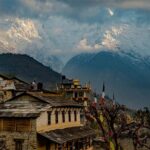
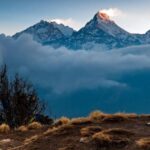
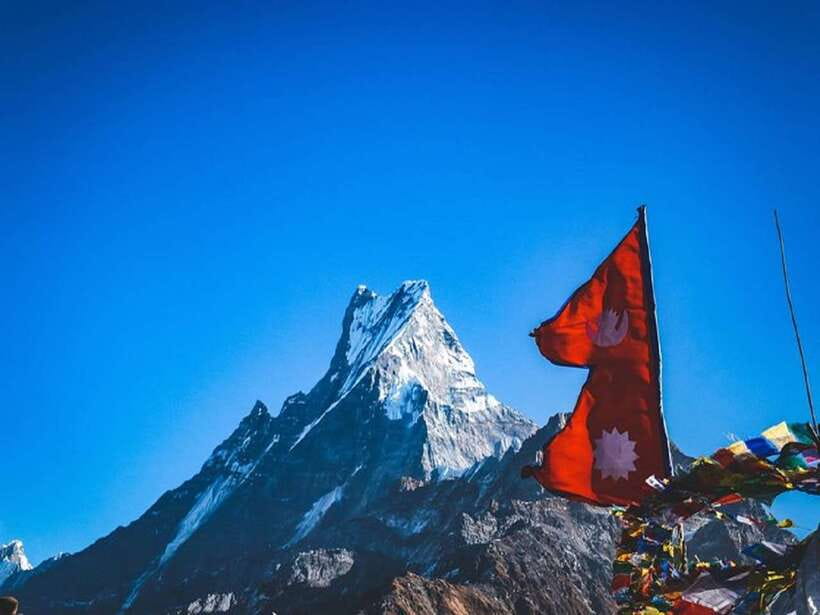
Mardi Himal is small on the map, big in the sky. This 5-day trek from Pokhara brings you close to Mardi Himal and even Machapuchre, with serious mountain moments like early sunrise views.
I like that the walk is built around real trail days, not just transfers. You’ll spend time threading through rhododendron forests and local settlements, then settle into simple tea houses with mountain air in your lungs.
One thing to plan for: the first days feel tougher than the later ones, and higher altitudes can get very cold. If you’re not used to multi-day trekking, you’ll want to pace carefully and be ready for changing weather.
In This Review
- Key highlights worth your attention
- Why a 5-day Mardi Himal trek feels so good from Pokhara
- Getting to the trail: Pokhara pickups and the road reality
- Day 1: Pokhara to Pitam Deurali, plus a rhododendron-forest first impression
- Day 2: Low Camp through settlements and rhododendrons
- Day 3: High Camp day, where the air starts to feel different
- Day 4: Mardi Himal Base Camp, panoramic views, and sunrise time
- Day 5: Lumre and Lwang Ghalel canyons, then back to Pokhara
- Price and value: what $181 covers, and what you’ll likely add
- Tea houses and meals: plan your budget like a trekker, not a tourist
- Guides on this route: the difference between a trek and a good trip
- Altitude, cold, and smart packing that you can actually use
- Who this trek suits best
- Should you book this Mardi Himal Base Camp trek?
- FAQ
- How long is the Mardi Himal Base Camp trek from Pokhara?
- Where are the pickup and drop-off locations in Pokhara?
- Is a guide included, and what languages do they speak?
- Are trekking permits and TIMS fees included?
- Are meals included during the trek?
- What trekking accommodation will I stay in?
- What personal items should I bring?
- Can I hire a porter, and what does it cost?
Key highlights worth your attention
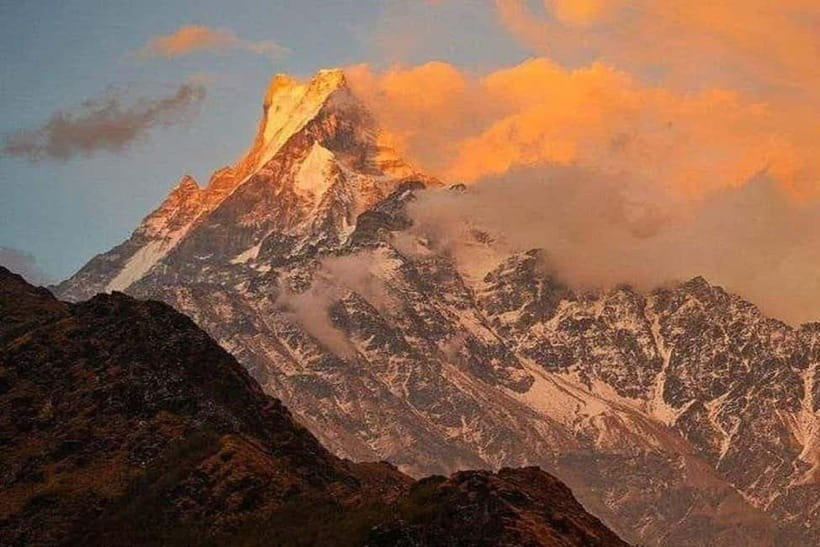
- Close views of Mardi Himal and Machapuchre from the ridge
- Rhododendron forests and village sections that keep the trail interesting
- Sunrise time at the base-camp area when clouds cooperate
- Tea-house nights in straightforward lodge settings along the route
- English-speaking, certified guides who handle the details and the safety side
- An optional extra cultural stop around the Lumre and Lwang Ghalel area if timing allows
Why a 5-day Mardi Himal trek feels so good from Pokhara
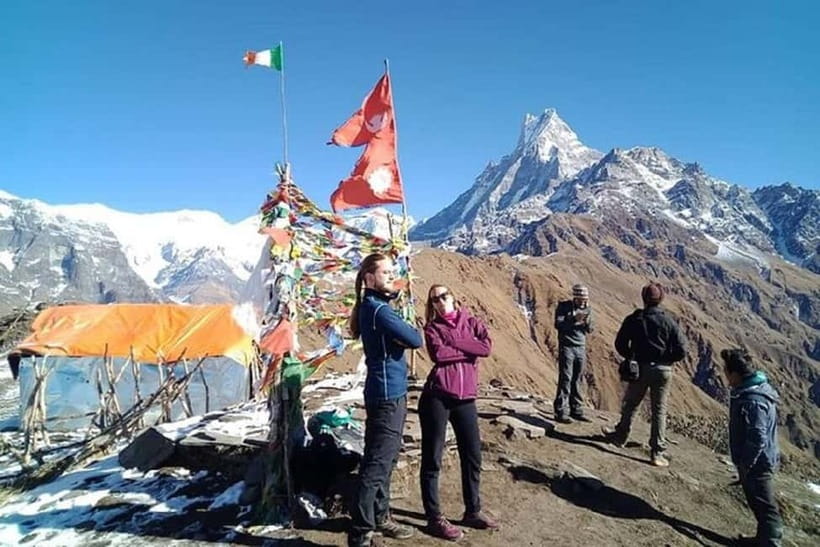
This route hits a sweet spot for people who want genuine trek days without committing to a long expedition. You’ll start from Pokhara and walk into the Annapurna region with an off-the-beaten-path feel, then end with an easier descent back toward civilization.
I also like the pacing structure. The trail gives you a couple of tougher pushes early on, then shifts toward shorter hiking windows and more time to recover after lunch.
Finally, the viewpoint potential here is hard to beat. When visibility is good, the Annapurna mountain panorama can look suddenly close, not distant. That’s the kind of magic that makes people talk about the trek long after they’re back in Pokhara.
You can also read our reviews of more tours and experiences in Pokhara.
Getting to the trail: Pokhara pickups and the road reality
The trek includes round-trip transport between your hotel, Pokhara International Airport (PIA), and the starting point area. You can also choose pickup at Pokhara Lakeside, PIA, or Lakeside Rd 6.
The last road segments into trailheads can be bumpy, and it’s one of those practical things you’ll appreciate planning for. If you’re sensitive to rough rides, you might prefer traveling in a vehicle that’s set up for off-road conditions.
A smart extra detail: luggage storage in Pokhara is included. That means you can keep your main bags in town and only carry what you need for the trail days.
Day 1: Pokhara to Pitam Deurali, plus a rhododendron-forest first impression
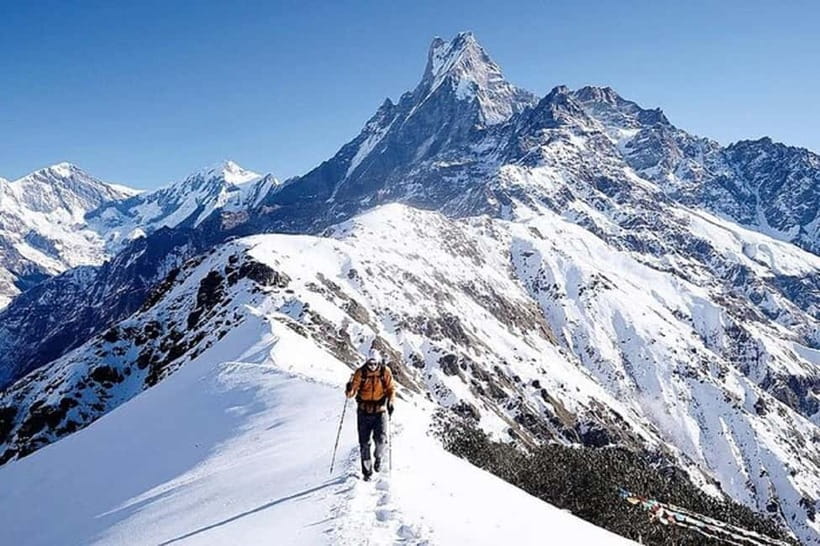
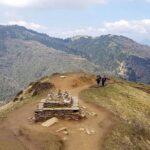
Your day starts with breakfast, then a scenic drive that includes a stop at Kande. From there, the trekking portion leads you via Australian Camp and Pothana, then onward to Pitam Deurali View Point.
Pitam Deurali is a great first-night anchor because it sets the tone quickly. You’re not just stretching your legs; you’re moving into a mountain-world rhythm with views and trail scenery that feel different from the lakeside.
If you like forests and gradual altitude gain, day 1 delivers. You’ll also have lunch along the way in the rhododendron-forest zone, which helps break up the walking into something more pleasant than a straight grind.
Day 2: Low Camp through settlements and rhododendrons
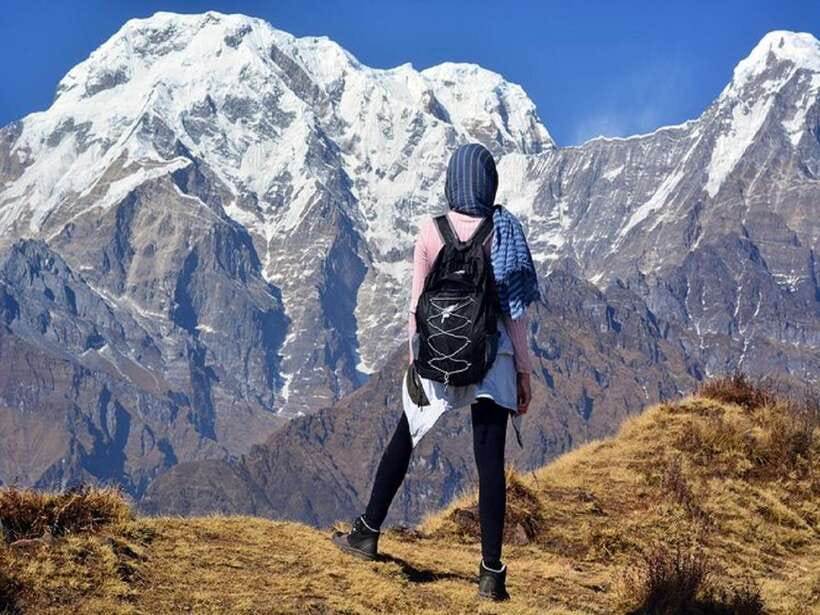
After breakfast, day 2 focuses on charm plus steady progress. You’ll move through settlements and enchanting rhododendron forests until you reach Low Camp for the night.
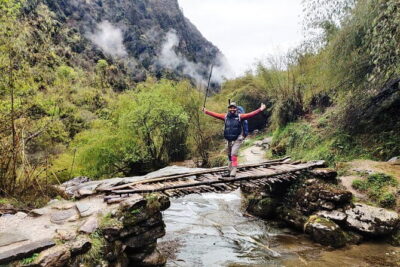
This is the day where you’ll likely notice how the trail changes from open views to greener, thicker sections. Rhododendron forests can make the route feel more shaded and alive, and they also give you visual variety when the mountain views pause behind the trees.
You’ll stop for lunch during the hike, then settle into Low Camp for the night. In plain terms: day 2 helps you build trust with the trail and your pace before the higher push.
Day 3: High Camp day, where the air starts to feel different
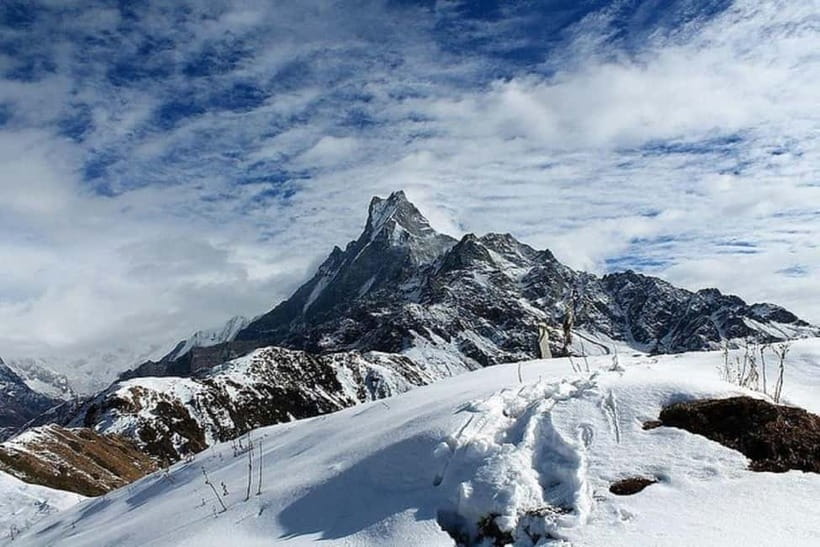
Day 3 is where the elevation story becomes real. You’ll start with breakfast and continue ascending to High Camp, with lunch on the way as you soak in scenery.
High Camp is the final settlement area on this route, so it’s a key “step-change” moment. You’re not just walking up; you’re transitioning into the zone where weather, cold, and wind can become more noticeable.
This day is also where the trekking style matters. Reviews and trip feedback consistently point to early days feeling more challenging, and day 3 is typically part of that tougher stretch. Keep your pace controlled, and plan to take breaks before you feel out of breath.
Day 4: Mardi Himal Base Camp, panoramic views, and sunrise time
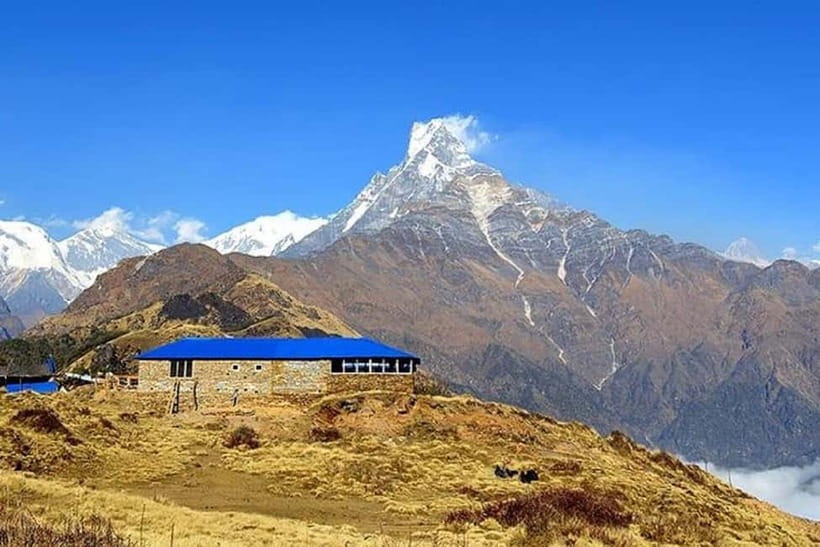
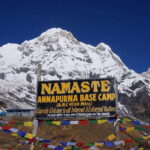
Day 4 is the payoff day. You’ll trek to Mardi Himal Base Camp, with time set aside for exploring once you arrive.
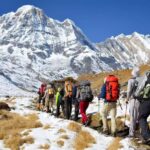
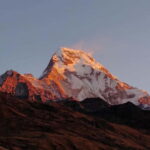
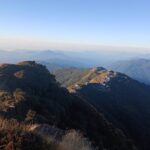
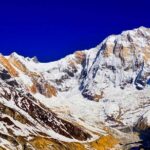
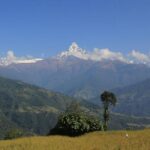
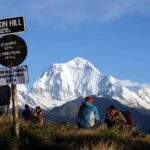
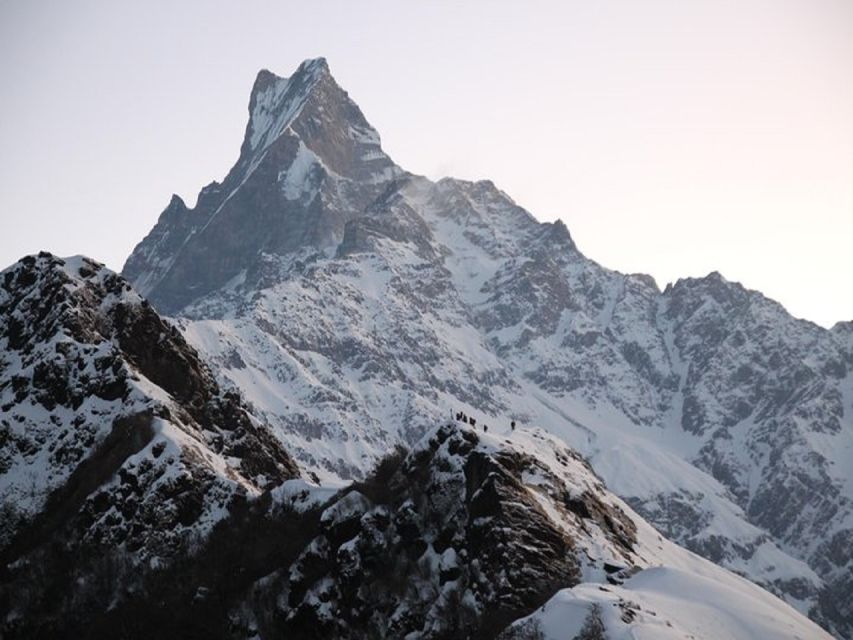
The route is described as offering panoramic views of the Annapurna Himalayan range. When the sky is clear, the feeling is that the peaks are suddenly close, and the trail becomes about absorbing angles and scale rather than counting steps.
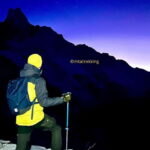
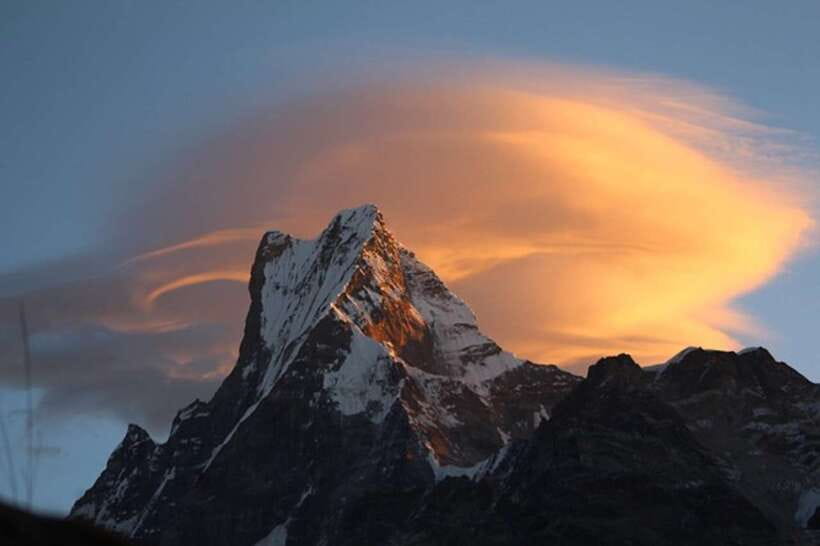
Sunrise is part of the base-camp experience here, and it’s one of the most compelling reasons to choose this specific schedule. Of course, clouds can shift the view, so treat sunrise as your best chance, not a guaranteed photo.
After spending time at base camp, you’ll retrace your steps back to Low Camp. That return leg is useful because it keeps the final day from turning into a full marathon, while still giving you another chance to take in the ridge scenery.
Day 5: Lumre and Lwang Ghalel canyons, then back to Pokhara
Your final day is a descent with a bit of scenic focus. After breakfast, you’ll head down toward Sidding for lunch, then continue onward to Lumre, where your vehicle meets you back to Pokhara.
Lumre and the Lwang Ghalel area are included as part of the trekking-to-vehicle transition, which makes day 5 feel like a real wrap-up hike, not just a straight drop. It’s also a chance to see how the trail environment changes as you leave the higher zones behind.
The ride back to your hotel is included, so you’re not left scrambling for transport after five days of walking.
Price and value: what $181 covers, and what you’ll likely add
At $181 per person for a 5-day trek, the value is strongest when you look at what’s included beyond a simple guide. Your package covers round-trip transport from your hotel and includes permits, paperwork, and TIMS fees.
You also get accommodation in simple tea houses or lodges along the route, plus meals “depending on option selected.” That’s a key detail to double-check when you book, because your total day-to-day spending can swing based on whether meals are included or you’re buying at the lodges.
Here’s what else can add cost:
- Meals not included in your option mean you’ll purchase food on available days.
- A porter is optional at $20 per day if you want extra help with weight.
What you probably won’t need to worry about: the guide’s certification and safety fundamentals. You’ll have a professional, English-speaking trekking guide certified by the Nepal Government, plus a first aid kit and guide insurance and expenses covered.
Also, this is listed as a private group. That matters for value because it can translate to a more flexible pace and fewer friction points if your group walks slower or wants more time for photos.
Tea houses and meals: plan your budget like a trekker, not a tourist
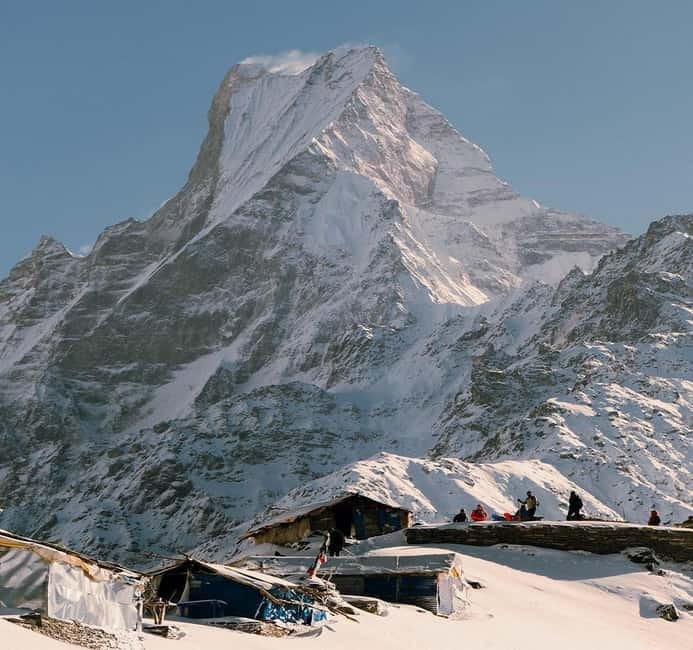
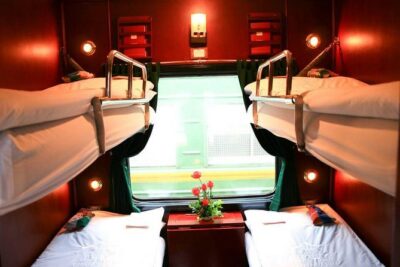
The trekking route uses simple tea houses or lodges, and that’s what makes this kind of trek possible without big gear logistics. Your comfort level will come from layering and pacing more than from luxury.
Meals are the area where people often feel surprised. One trip account points out that if you’re paying for meals yourself, the practical daily meal cost might land around the equivalent of roughly £16 per day, depending on what you order and how often you snack.
If you want to keep the budget predictable, you can choose a meal-included option when available. If not, bring enough cash for teas, snacks, and the meals you plan to buy, because you’ll be in remote settings where convenience is limited.
For me, the big takeaway is simple: tea house food is part of the trek experience, but it shouldn’t wreck your plan. Decide early whether you’re choosing meals included or you’re budgeting for purchases.
Guides on this route: the difference between a trek and a good trip
A lot of trek listings say you’ll have a guide. This one adds a useful layer: the guide is professional, English-speaking, and certified, and the package includes their insurance and expenses.
You’ll also see a strong pattern of guide support in trip feedback. Guides like Santosh have been described as helpful and kind, with small touches such as bringing fruit during the trek. Another highlight was being invited for Dal Bhat at the guide’s house after the trek, which adds a personal local connection beyond the trail.
There are also examples of family-style guiding support, like Sun-Bahadur Nepali and Niva Nepali, who were praised for being patient, enthusiastic, and extremely helpful with food, backpacks, and even trail choices. Even the porter side matters here; people noted that porters carried day packs downhill, which can make the last part of a day feel way easier.
If you’re new to multi-day trekking, that human support is not a small detail. You’ll get help with pacing, safety, and practical decisions like which way to manage your energy.
Altitude, cold, and smart packing that you can actually use
This trek can be physically demanding for some people, and higher altitudes can be very cold. Temperatures can swing, so you’ll want clothing for both warmth and cold rather than assuming one layer will work all day.
The basics in the packing list are solid: comfortable shoes, hat, jacket, and comfortable clothes. Add a camera and cash because tea house purchases are real out here.
Also, this trek strongly emphasizes permits and paperwork. You’ll need to submit a copy of your passport at least one day before the trek so Nepal government permits can be arranged. That’s one of those administrative steps that’s easy to forget until the last minute.
Finally, travel insurance is mandatory in the information provided. Rescue services are listed as available if required, but having insurance keeps you from turning an emergency into a financial nightmare.
One more practical note: trekking poles and altitude medication came up as recommendations in trip feedback. For example, hiking poles were suggested for knee comfort, and Diamox was mentioned as a helpful option by someone who used it. If you’re considering Diamox, talk to a medical professional before you travel, especially if you have health conditions.
Who this trek suits best
This plan fits well if you want:
- A short, focused trek with real mountain views
- Trail days that are challenging early and calmer later
- A guided experience with permits handled and safety support built in
- A route that doesn’t require a long time away from Pokhara
It may not be the best choice if you want a fully easy hike from start to finish. Even people who manage okay often describe the first two days as more demanding, and day 3 has the typical “final push” feel.
Should you book this Mardi Himal Base Camp trek?
You should book if you want a 5-day trek that feels focused on views, culture, and practical mountain guidance, without requiring a huge time commitment. The combination of included permits, certified guide, tea house nights, and transport from Pokhara makes it good value at $181.
Skip it or at least think hard if you’re not prepared for physical exertion early on or if cold weather will be a problem for you. If you book, pack for wind and cold, pace yourself the first couple of days, and confirm whether meals are included in your selected option so your budget doesn’t get a surprise.
If you want a trek where the guide’s experience really matters, this one has the right ingredients. Names like Santosh, plus family guiding teams like Sun-Bahadur Nepali and Niva Nepali, show up in trip feedback as the difference between just walking and getting meaningful local support.
FAQ
How long is the Mardi Himal Base Camp trek from Pokhara?
The duration is 5 days.
Where are the pickup and drop-off locations in Pokhara?
Pickup and drop-off are available at Pokhara Lakeside, Pokhara International Airport (PIA), and Lakeside Rd 6.
Is a guide included, and what languages do they speak?
Yes. A professional English-speaking trekking guide is included, and guides can also speak Hindi and Nepali.
Are trekking permits and TIMS fees included?
Yes. Required permits, paperwork, and TIMS fees are included.
Are meals included during the trek?
Meals are listed as included depending on the option selected. If your option does not include meals, you purchase food on available days.
What trekking accommodation will I stay in?
You’ll stay in simple tea houses or lodges along the trekking route.
What personal items should I bring?
Bring comfortable shoes, a hat, a jacket, comfortable trekking clothes, cash, and a camera. A hair tie is also listed. Trekking gear may be provided as needed, but you should still be prepared.
Can I hire a porter, and what does it cost?
A porter is optional. The listed cost is $20 per day if you want extra help with carrying.