REVIEW · MHAMID
From Zagora: 3-Desert Tour to Erg Chigaga Dunes & Caml Trek
Book on GetYourGuide →Operated by Caravane Du Grand Erg Desert Tours · Bookable on GetYourGuide
A sea of sand, then a quiet camp. This 3-day route from Zagora to Erg Chigaga mixes serious dunes with real people time, from a camel trek to tea with nomads. I especially like the built-in rhythm of two dune mornings and two dune evenings, because the desert never looks the same twice. I also like that the camp is set up as a private tent with dinner plus campfire music, so it feels like more than a quick stopover.
One possible drawback to factor in: desert life runs on timing, and if you crave very specific meal portions or a tightly communicated schedule, it’s worth asking ahead how day-to-day timing works and what the camp meal style is like. In at least one past booking account, food portions and communication were reported as disappointing.
If you go in ready to trade comfort for authenticity, you’ll have a strong trip. And if you’re picky about tents feeling truly nomad-made, confirm what the camp setup is like in practice, since tent descriptions can vary a lot.
In This Review
- Key Things to Know Before You Go
- Zagora to Erg Chigaga: The Off-Road Intro
- Private Desert Camp Nights: Tents, Drum Music, and Meal Reality
- Day Two Camel Trek Around Erg Chigaga: The Sunrise That Changes the Color
- Tamares Tree, Nomad Tea, and the Kind of Lunch You’ll Remember
- Day Three to Zagora: Tamagroute Koranic Library and Green Pottery
- Price and Value: What You’re Paying For (and What to Check)
- Guide and Camp Service: Why It Can Make or Break the Mood
- Who This 3-Day Erg Chigaga Tour Is Best For
- Should You Book This Zagora to Erg Chigaga 3-Day Tour?
- FAQ
- How long is the tour, and where do you start and end?
- What meals are included during the desert camp nights?
- Do I ride a camel, or can I do the trek in a 4×4 instead?
- Is pickup in Zagora included, and what vehicle do you use?
- What cultural stop do you make on day three?
- Is the tour wheelchair accessible, and is there a cancellation option?
Key Things to Know Before You Go
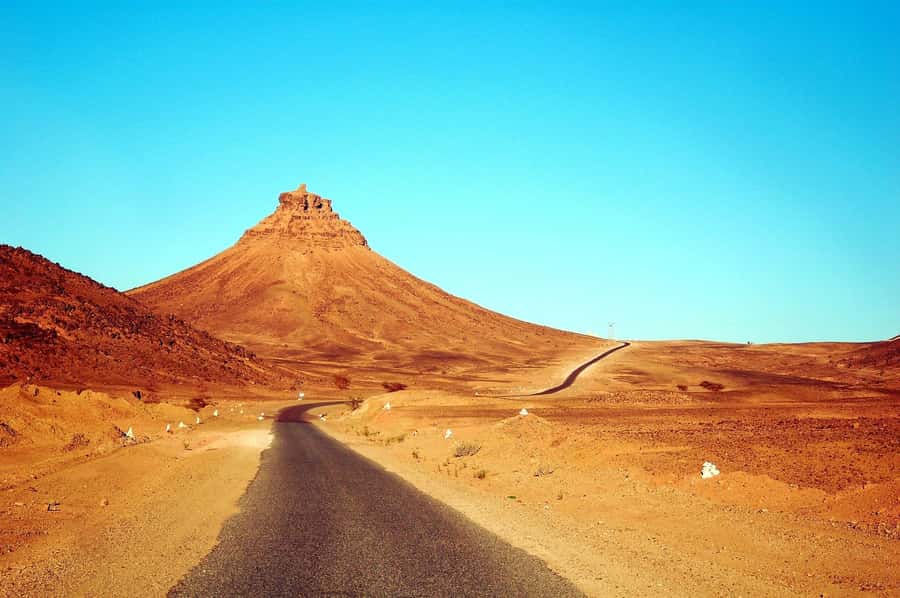
- Erg Chigaga timing for photos: you’ll reach the dunes before sunset and return for a second sunset on day two.
- Camel trekking with camel each: the full-day trek is designed so you ride your own camel.
- Tamares tree lunch stop: lunch is described as a nomad-style break after a couple hours on the dunes.
- Nomad family camp tea time: you’ll pause to hang out and drink tea as part of the day-two trek.
- Tamegroute cultural stop: you finish day three with a Koranic library visit and the area’s green pottery makers.
- Sandboarding is listed: it’s included as part of the experience plan, so ask when it fits relative to the camel trek.
Zagora to Erg Chigaga: The Off-Road Intro
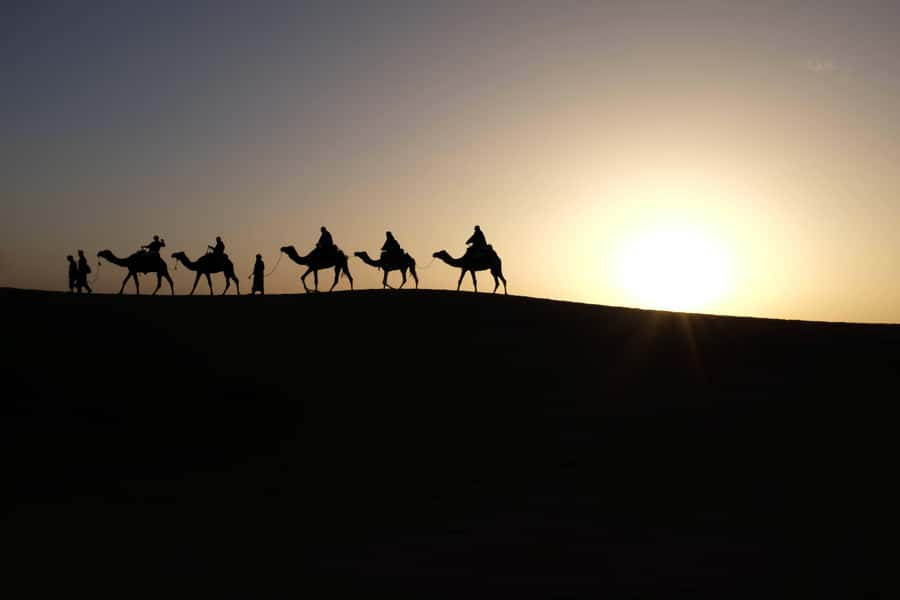
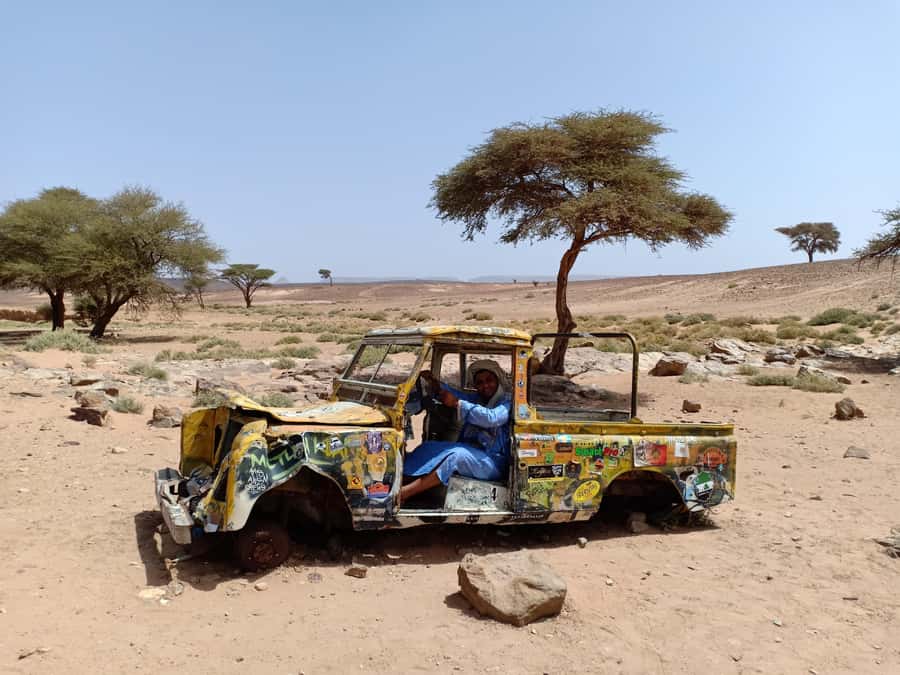
Day one starts with a 1 pm departure from Zagora, and the real switch happens when you leave the tarmac behind. You’ll head toward M’Hamid through Tizi Anagame and Ben Selman Mountain, then trade paved roads for an off-road mix: rocky tracks, a Stones River-style stretch, and sand dunes.
Why I think this matters: the drive isn’t just transport. It’s the warm-up for how the desert actually feels. In the rocky stretches you’ll bounce and brace, and in the sandy bits you’ll feel the vehicle fight for traction. That makes the later dune climbing feel earned, not random.
You’ll also stop at oases along the way for photos. The tour plan calls out multiple picture opportunities, but how long you spend at each oasis can vary depending on conditions and timing. Once you reach Erg Chigaga, you’ve got sunset ahead, and that’s where the dunes start doing their best lighting trick: the sand turns red against the sky, and you’ll want to climb up for the view.
Practical tip: bring a light layer for the evening and keep your phone or camera ready. Sunset at Erg Chigaga can mean quick climbs, and you don’t want to be rummaging through your bag while everyone else already has the shot.
You can also read our reviews of more tours and experiences in Mhamid.
Private Desert Camp Nights: Tents, Drum Music, and Meal Reality
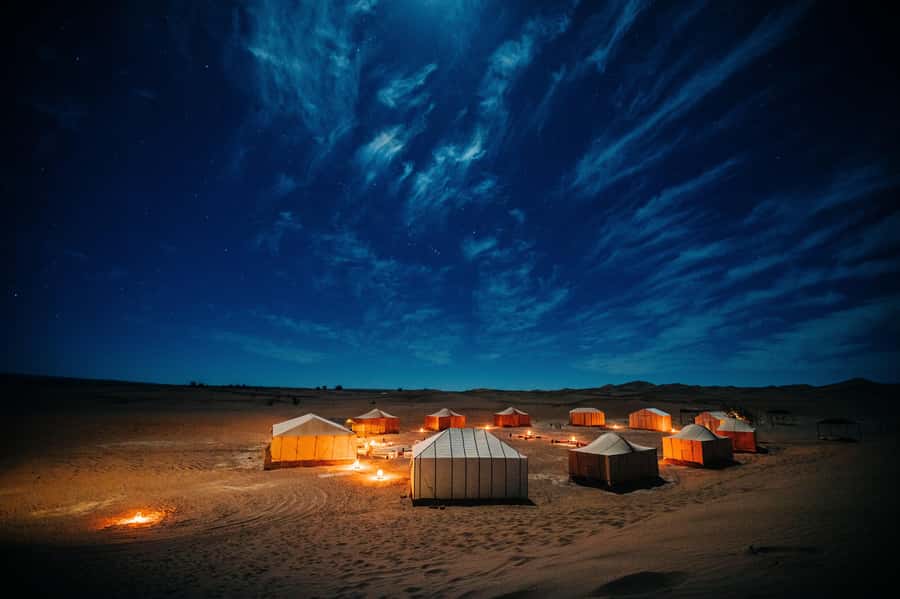
You’re spending two nights in a desert camp at Erg Chigaga, with dinner and breakfast included as half-board. After you arrive on day one, you’ll check in to your private tent and settle in for a classic desert-camp evening: dinner, then a campfire with drum players and Berber music.
I like this setup because it gives you time to actually be in the desert after the action. The dunes are the headline, but camp time is where the trip becomes memorable. You can watch the sky cool down, relax for a bit, and then let the music carry the evening.
Now the careful part: camp setup and food expectations can be personal. One past booking account described the tents as more like stone-house structures with windows than the airy, tent-only image some people expect. Another account mentioned a second-day dinner with cold spaghetti and portions that felt too small, plus a lack of clear communication about when things happen (breakfast, camel time, and so on).
That doesn’t mean every night is like that. But it does mean you should manage expectations and ask questions before you go, especially if you’re paying for a premium “full experience” and you want consistent, well-signposted meal service.
What I’d do before booking if I cared about this: message the provider and ask what the camp tent setup looks like in real terms, and confirm the meal style and portioning (tagine vs kebabs, typical lunch timing, and whether dinner is served hot and plated or buffet-style).
Day Two Camel Trek Around Erg Chigaga: The Sunrise That Changes the Color
Day two begins with an early wake-up for sunrise, with you climbing to the top of the dunes for that first light. It’s the same “sand and sky contrast” idea as day one sunset, just flipped. One moment the dunes look almost flat, and the next they’re sculpted and dramatic because the light hits from a low angle.
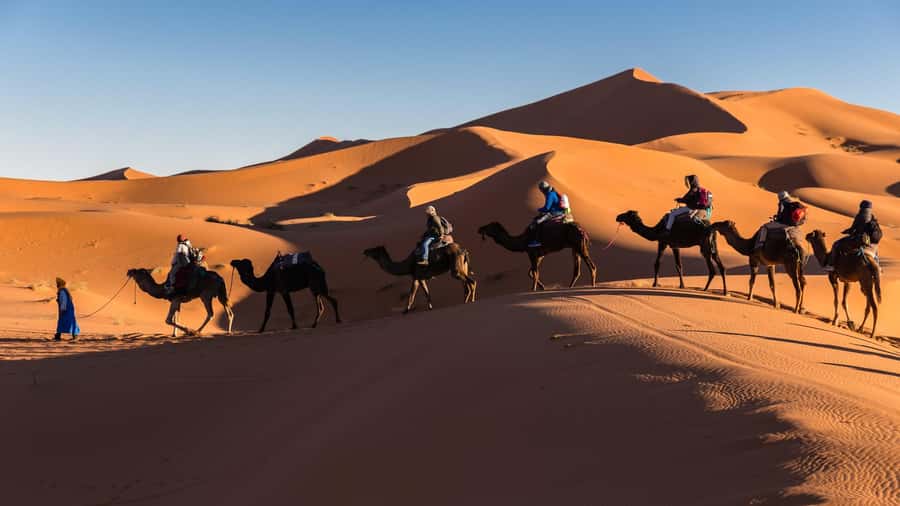
After sunrise, you’ll have breakfast. Then comes the main event: camel trekking for the full day around the Erg Chigaga sand dunes.
The tour plan says camel each, meaning you ride your own camel rather than one camel per group where you share or swap. Your guide takes you along the dunes, and after about two hours you reach the Tamares tree area. That’s where lunch is planned: kebabs and freshly baked bread made locally, described in the style nomads would do.
From there you’ll explore, then stop at a nomad family camp for tea. This is one of those moments that sounds simple until you’re there, because you get to slow down. Instead of rushing past the desert as scenery, you treat it as a home landscape.
Then you return to the main camp and get another chance at sunset. That second sunset matters because by evening two, you’re not just “watching dunes.” You’re recognizing them. You know where the climb is harder, where the soft sand gives way faster, and which direction the light will hit.
Sandboarding note: the experience is listed as having SandBording. The itinerary you have doesn’t spell out exactly which hour that happens, so I’d ask your guide when the board time fits in. It may be slotted into the day’s dune breaks rather than the camel trek itself.
Tamares Tree, Nomad Tea, and the Kind of Lunch You’ll Remember
Lunch is a key part of day two, and it’s more than a break on paper. You reach the Tamares tree after about two hours of trekking, which means you’re not just eating because you’re hungry—you’re eating because the day has a rhythm.
The plan says kebabs and freshly baked bread, made locally. That’s the kind of food that tastes different when you eat it at the point in the dunes where your guide chose to stop. It’s also a nice contrast to what you might expect in Marrakech or Casablanca, where you’d likely see restaurant-style plating.
Then comes tea with a nomad family. The tour description frames it as hang out time and tea with them, and in practice that’s where you’ll notice how relationships, hospitality, and everyday life show up even in a remote setting. If you like talking with people and learning simple, practical things (how they move, how they plan, what they focus on season to season), this stop is often the highlight.
One more reason I think day two feels special: you get both action and quiet within the same day. Camel trekking is movement, but tea and lunch are still moments.
Day Three to Zagora: Tamagroute Koranic Library and Green Pottery
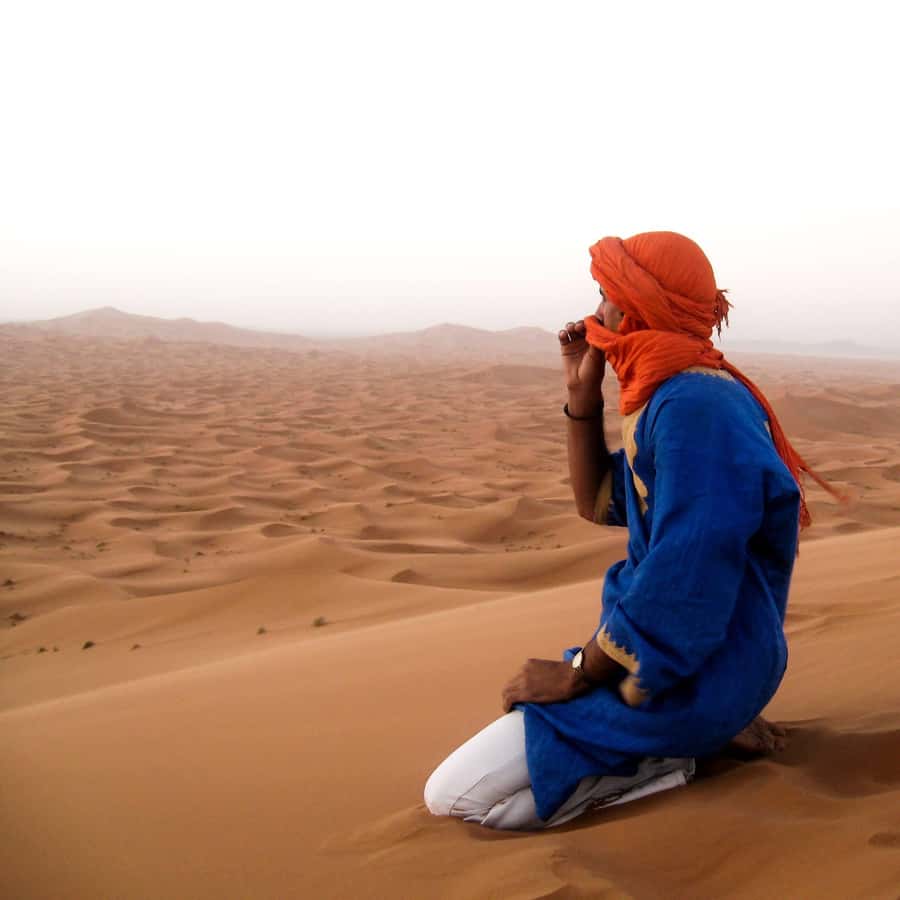
Day three keeps the sunrise theme going. You’ll wake up early again, climb the dunes for sunrise, then eat breakfast. After that, you travel back toward Zagora, heading in the direction of the last village in the Draa Valley.
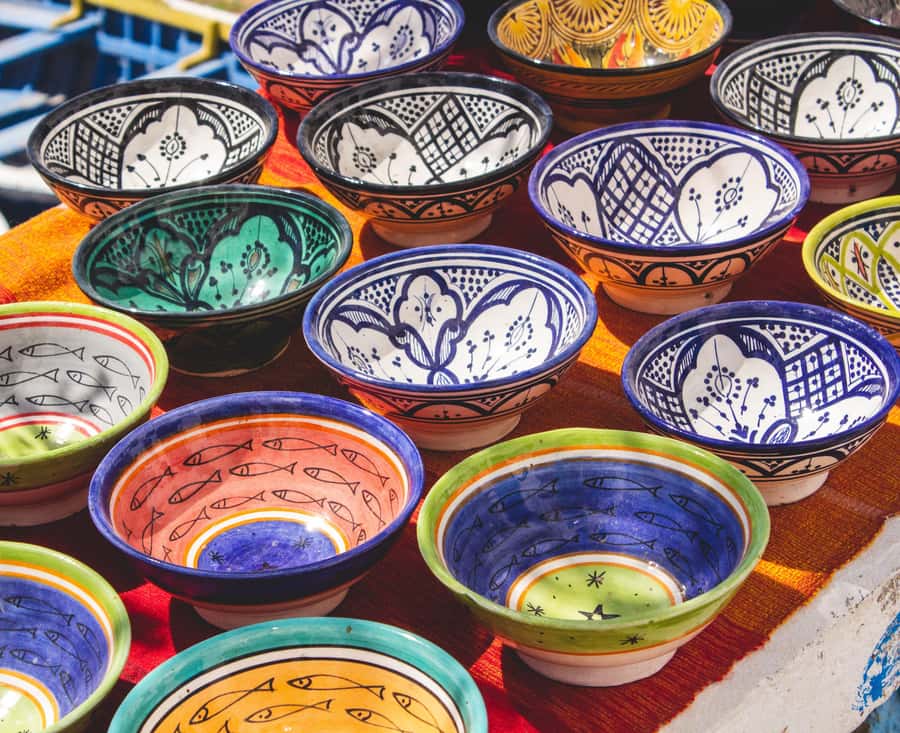
Then you hit Tamagroute, where the tour plan calls out a stop at a Koranic library and the area’s green pottery makers. This is a good palate cleanser after two straight days of sand. The desert is all motion and color changes; Tamagroute is about craft and learning—quiet details you notice slower.
Finishing at noon means you avoid the long, exhausting last-day feel where you’re constantly “just driving.” You still get time for the cultural stop, but you’re not trapped in a 10-hour travel slog afterward.
Practical tip: on day three, keep small bills and a reusable water bottle. Even if everything is included, it helps when you want a snack or drink during breaks.

Price and Value: What You’re Paying For (and What to Check)
The price is $448 per person for a 3-day desert tour. Whether that feels like value depends on what you expect from the package.
Here’s what’s included, in plain terms:
- Private 4×4/SUV with A/C plus fuel
- English-speaking driver/guide (with additional languages offered)
- Hotel pickup and drop-off in Zagora
- Camel trekking with camel each
- Two nights in a private tent at the Erg Chigaga desert camp (half-board: dinner and breakfast)
- Lunches on day two
- Full day Sahara trek and included desert-time activities (with Sandboarding listed in the highlights)
What’s not included:
- Drinks
- Any private expenses
So what are you really buying?
You’re paying for the combination of distance (Zagora to Erg Chigaga and back), time (two nights to spread the desert across two full days), and activities (camel trek + dunes at sunrise/sunset + camp evening with drums and music + Tamagroute stop).
The biggest value limiter is the same thing that can make any desert tour feel expensive: execution. Some accounts described meal portions and communication issues, including confusion about when things happen and whether certain planned sights or landmarks were reached. That’s why I’d treat this as a “do your homework” booking.
If you’re comparing options, the two-night camp length is usually what turns a short desert trip into a real experience. One positive booking account specifically recommended spending two nights at the camp because it gives you more time to enjoy the place.
Guide and Camp Service: Why It Can Make or Break the Mood
A desert tour lives and dies by people who manage the details while you’re busy looking at dunes.
In one positive account, a guide named Rashid was credited with making the desert trip enjoyable, with special mention of doing two nights for more time in the camp setting. Another positive account highlighted Mohammed as exceptionally informed, helpful, and a careful driver. Those are the traits you want: clear explanations, calm driving, and smooth pacing so you feel safe and not rushed.
On the camp side, one positive booking account said camp personnel were on top of things. That matters because camp staff controls the flow of meal service, readiness of tents, and how quickly you get settled after long drives or camel time.
If you want the “smooth” version of this trip, your best move is to confirm with your provider who your guide will be and whether the camp team is set for early mornings. The itinerary requires early wake-ups twice, and that only works well when the handoffs are tight.
Who This 3-Day Erg Chigaga Tour Is Best For
This is a great fit if you want:
- Real desert time, not a quick photo stop
- Camel trekking with your own camel (camel each)
- Sunrise and sunset experiences built into the itinerary
- A cultural stop in Tamagroute after two sand-heavy days
- A camp evening with Berber music and drum players
It’s less ideal if:
- You want very predictable, restaurant-style meal portions
- You’re extremely sensitive to tent comfort details and want the most “authentic-looking” nomad setup possible
- You hate uncertainty about daily timing (because the itinerary needs early mornings and smooth coordination)
The good news: if you’re flexible and interested in the way people live and travel through this region, the day two nomad tea and day three Tamagroute stop can make the trip feel human, not just scenic.
Should You Book This Zagora to Erg Chigaga 3-Day Tour?
I’d book it if you’re drawn to the full Erg Chigaga experience: sunrise climbs, a full-day camel trek, two desert nights, and a Tamagroute cultural stop on the way back. The private transport, the private tent setup, and the inclusion of meals give it the bones of a true desert trip.
Before you commit, I’d do one quick sanity check:
- Ask when Sandboarding is done relative to camel trekking.
- Ask how the camp meals are served and whether portions are consistent.
- Ask for clarity on timing (breakfast, pickup for camel trek, and when you’ll return).
- Confirm that the Tamares tree stop and oasis photo stops are part of your planned route.
If those boxes are clear, this tour can be a memorable, value-heavy way to see Erg Chigaga without feeling like you’re sprinting through the desert.
FAQ
How long is the tour, and where do you start and end?
The tour runs 3 days. It starts from Zagora at 1 pm and returns to Zagora at noon on the third day.
What meals are included during the desert camp nights?
You get overnight in a traditional nomad desert camp in Erg Chigaga with dinner and breakfast for 2 nights, and you also get lunch on day 2 in the desert.
Do I ride a camel, or can I do the trek in a 4×4 instead?
Camel trekking is included, and it’s described as camel each. The full-day trek is doable on a camel and 4×4, or only on 4×4 for those who want it.
Is pickup in Zagora included, and what vehicle do you use?
Yes. The tour includes pick up and drop off at your hotel in Zagora. It’s in a private 4×4/SUV with A/C and fuel.
What cultural stop do you make on day three?
On day three you visit Tamagroute to see a Koranic library, and the area is also associated with green pottery makers.
Is the tour wheelchair accessible, and is there a cancellation option?
The tour is listed as wheelchair accessible. It also offers free cancellation up to 24 hours in advance for a full refund, plus a reserve now & pay later option.