REVIEW · KATHMANDU
Everest Base Camp Trekking
Book on Viator →Operated by Nepal Guide Treks and Expedition P. Ltd. · Bookable on Viator
Everest feels close on this trek. You’ll hike to Everest Base Camp (5,380m) and then go higher to Kala Patthar (5,545m) for big Himalayan viewpoints, with Sherpa villages and Sagarmatha National Park scenery along the way.
I especially like the built-in Namche Bazaar acclimatization day, where you hike up to Khumjung (about 300m) and visit local monasteries and schools.
A key part of why this works is that it gives you time to adjust, not just rush upward. Still, you should know two realities up front: you’ll be walking 5–6 hours most days at altitude, and tea-house rooms can be simple (attached toilets aren’t guaranteed), so plan for basic comfort.
In This Review
- Key highlights worth prioritizing
- Why this Everest Base Camp trek works (and who it fits)
- Kathmandu start: hotel comfort, welcome dinner, and getting oriented
- Lukla flight reality: the trek’s first big step
- Sagarmatha National Park entry and Namche acclimatization (the smart middle step)
- Namche to Tyangboche: pass crossing and monastery momentum
- Alpine forest and ridgelines: pushing toward Dingboche
- Lobuche and the memorial hill: the Everest story becomes personal
- Everest Base Camp day: Gorakshep, glaciers, and the slow finish
- Kala Patthar at 5,545m: your best Everest-range payoff
- The return route: Tyangboche, Dudh Koshi bridges, and back to Namche
- Wrap-up in Kathmandu: flight back, Thamel time, and a proper farewell dinner
- Price and what you’re actually paying for (at $1,700 per person)
- Accommodation reality: tea houses, room types, and bathroom expectations
- Guides and support: what to look for when you arrive in Nepal
- Best season: spring and autumn for clearer skies
- Should you book this Everest Base Camp trek?
- FAQ
- Where does this Everest Base Camp trek start?
- How long is the trek?
- What is the meeting time?
- What is included in the price?
- What is not included?
- What kind of accommodation should I expect?
- Do you help with transportation from the airport?
- How hard is the trek?
- What months are best for this trek?
- Is there free cancellation?
Key highlights worth prioritizing
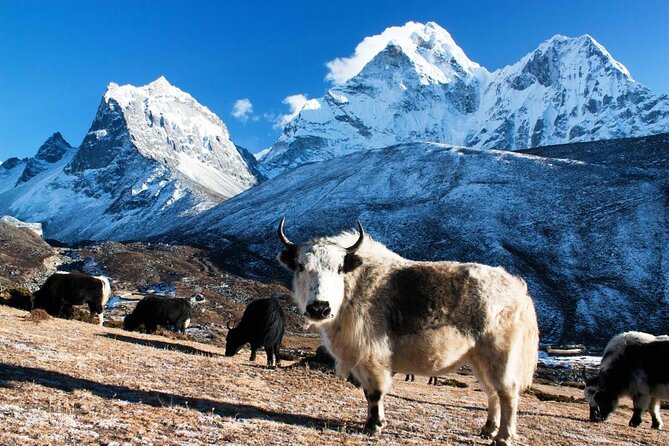
- Namche acclimatization with Khumjung visits so you hike high and sleep low instead of guessing
- Kala Patthar at 5,545m for one of the best panoramic viewpoints in the Khumbu region
- Everest Base Camp over the Khumbu Glacier with early starts and slow, steady walking
- Sagarmatha National Park registration day to properly enter the protected Everest zone
- Teahouse food structure with breakfast and dinner in the same lodge and lunch on the trail
- Small group size (up to 15) which usually keeps the pace and logistics easier
Why this Everest Base Camp trek works (and who it fits)
This is a classic Everest Base Camp plan, but it’s built around the two things you actually need at altitude: sensible pacing and time to adjust. You’ll walk up and down constantly through the Khumbu region, and the schedule gives you a real rest day in Namche Bazaar before things get tougher.
I also like that the experience keeps the focus on the actual trail. There’s no technical climbing here. The route is described as moderate, adventurous trekking that demands the ability to walk around 5–6 hours per day, with trails that rise above 5,000 meters.
Where you need to be honest with yourself: you’re dealing with thin air. High altitude sickness can hit anyone, so the trek asks you to move slow and steady. If you want a true Everest experience without mountaineering skills, this is the right idea. If you want an easy vacation with lots of downtime, this isn’t that.
You can also read our reviews of more tours and experiences in Kathmandu.
Kathmandu start: hotel comfort, welcome dinner, and getting oriented
You begin in Kathmandu, meeting your representative at the airport exit area. They’ll help with check-in at a hotel in the city center, and you can rest or swing by the Nepal Guide office if you want to confirm details.
Included meals matter here. You get a welcome dinner on Day 1, and during your time in Kathmandu you’re on a bed and breakfast plan. That’s a good setup if you’re trying to land, eat something normal, and sleep before the Lukla jump.
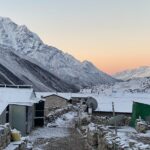
One small practical note: your Kathmandu hotel is described as three-star, and upgrades may be possible depending on preferences and availability. During the trek itself, you’ll stay in tea houses, where rooms can be shared (single, double, triple, or twin sharing). You should expect that not every place has attached toilets, so you’ll use public facilities.
Lukla flight reality: the trek’s first big step
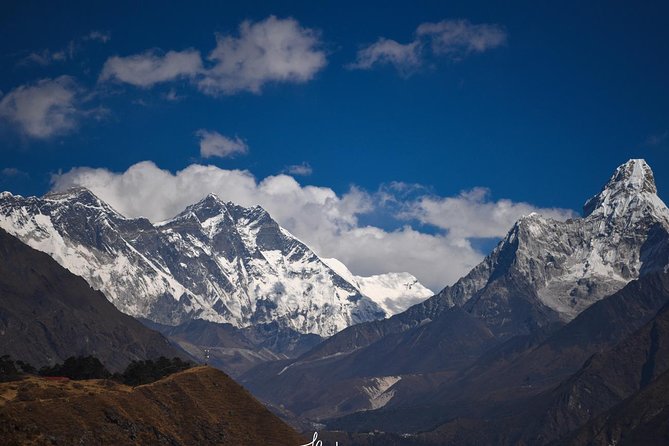
After breakfast on Day 2, you head to Tribhuvan International Airport for an early flight to Lukla. Lukla is the gateway into the Everest region, and the flight cost is included.
From there, your walking begins right away. The trail follows the left bank of the Dudh Koshi River, passing Mani walls along the way. You’ll then reach Ghat and continue toward Phakding, with a mix of gradual uphill and some downhill.
Here’s what you should plan for: Lukla weather can be unpredictable. In guide feedback shared from past trips, flights have sometimes been delayed and the itinerary adjusted to keep people safe and moving. The good part is that the operator appears used to working around that kind of disruption. Still, if your vacation has zero flexibility, think twice about locking your schedule too tightly.
Sagarmatha National Park entry and Namche acclimatization (the smart middle step)
Day 3 starts with a climb from Phakding toward Bengar, including both up and down sections. You then enter Sagarmatha (Everest) National Park with a registration stop and pay the entry fee as part of the process.
Then comes the big day: steady climb to Namche Bazaar, which the plan calls the Sherpa capital. You spend the next day exploring and acclimatizing.
This is where I really like the design. Instead of just telling you to take it easy, the schedule spells out the concept: hike high and sleep low. On the acclimatization day, you’ll hike about 300m to Khumjung and visit monasteries and schools.
That hike isn’t only for altitude adjustment. It also gives you a chance to understand how Sherpa communities live and how Buddhism shapes daily life here. Even if you don’t consider yourself a culture traveler, this part helps you connect the mountain to the people.
Namche to Tyangboche: pass crossing and monastery momentum
After your second Namche day, you head toward Tyangboche. The trail rises to Mongla pass (3,975m), and the day includes some of the more dramatic viewpoint moments early in the trek, when you start seeing more of the upper peaks.
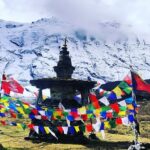
You’ll arrive at Tyangboche, described as home to the largest monastery in the region. This matters because Tyangboche isn’t just a waypoint. It’s where the trek becomes more than walking. You’ll get that spiritual pause that high-altitude trekking is famous for: people gather, talk, and recharge.
If you like photos, this is a good moment in the itinerary. But if you’re sensitive to crowds or noise, you may want to treat this as a “walk in, soak up the calm, then keep moving” stop rather than lingering too long.
Alpine forest and ridgelines: pushing toward Dingboche
Day 6 shifts into a lush alpine forest section. You’ll pass small villages and get to see mountain life beyond the main towns.
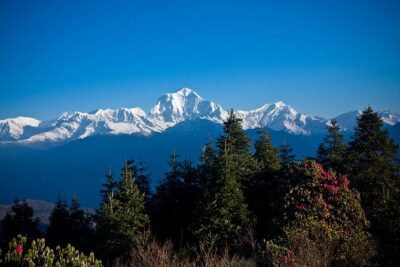
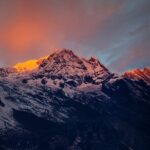
The walking route described includes Khumbila Khola Valley and a climb toward a ridgeline. Then the trail toward Dingboche brings jaw-dropping views of peaks such as Mt. Nuptse and Mt. Cholaste.
This is a good day to practice your altitude routines:
- keep your pace slow
- take short breaks before you feel wiped out
- drink water regularly, even if you don’t feel like it
You also start feeling how weather changes in the upper region. You’ll often hear the mountain before you fully see it—wind rising, temperature dropping, and clouds moving faster than you expect.
Lobuche and the memorial hill: the Everest story becomes personal
Day 7 brings you to Lobuche via a steep section up to the terminal moraine left by the Khumbu Glacier. The walking can feel difficult uphill, but the view is there to keep you motivated.
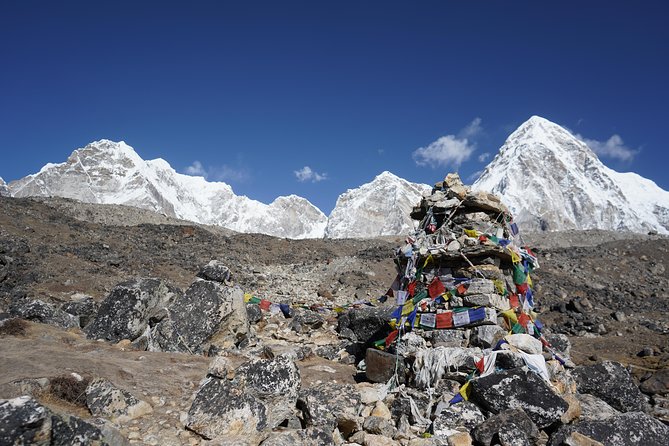
At the top, you’ll find numerous memorials for climbers who lost their lives on the Everest route. This isn’t just a stop for photos. It’s a reminder that Everest is serious business and that safe trekking is about planning, pacing, and respecting conditions.
If you’re traveling with a friend, this can also be a moment to check in: how does each person feel? Are you keeping a steady rhythm? Are you drinking and eating?
Everest Base Camp day: Gorakshep, glaciers, and the slow finish
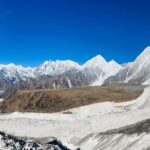
Day 8 is the big one: the trek goes to Everest Base Camp (5,380m). You leave early and head for Gorakshep, and on the trail you’ll see the Khumbu Glacier.
As you near Gorakshep, the route gets harder. After a bit of time there, you continue onward to Base Camp slowly. You’ll be moving near Khumbu Ice-fall, then finally reach the EBC area.
One detail that matters for expectations: the plan notes that Mt. Everest cannot be seen from Base Camp because Mt. Lhotse blocks the view. The day is still extremely meaningful because you’re on the Khumbu glacier system, inside the Everest zone, and standing where expeditions historically set up life at the edge of altitude.
After Base Camp, you descend down the lateral moraine back to Gorakshep for the overnight.
Kala Patthar at 5,545m: your best Everest-range payoff
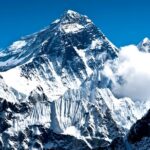
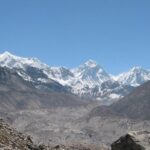
Day 9 is your highest push: Kala Patthar at 5,545m. The plan calls it one of the best viewpoints in the entire Khumbu region, mainly because the angle lets you see a wide range of peaks.
From the top, you’ll get views including:
- Everest (8,848m)
- Mt. Lhotse (8,516m)
- Mt. Makalu (8,481m)
- Mt. Cho Oyu (8,201m)
- and many other surrounding high snow-capped peaks
This is the day I think most people remember most clearly. You’ll probably feel tired. That’s normal. The best strategy is to move with patience, take short breaks, and save your energy for the summit effort.
When you descend to Pheriche, you’ll feel a different kind of relief. It’s not only physical. It’s mental too: you’ve done the hard altitude work and earned your best views.
The return route: Tyangboche, Dudh Koshi bridges, and back to Namche
You’ll spend Day 10 heading down toward Tyangboche. The trail is described as easy downhill until Pangboche Village, then continues through a riverside section where you cross a bridge over Imja Khola and climb up again to Tyangboche.
Day 11 is another “tough but manageable” day. You take a steep descent to the Dudh Koshi River, cross a suspension bridge, and pass villages such as Tashinga and Sansa before reaching Namche Bazaar for the night.
Here’s a practical tip you should take seriously if you get knee pain: one of the advice points shared from prior trekking feedback is to train your hamstrings before your trip, since descending can stress knees. If your body tends to complain on downhill days, start your pre-trek routine early and include strength work, not just cardio.
Day 12 continues the descent toward Lukla, moving through forested areas and crossing Bhote Koshi River thrice, with a final uphill climb about 45 minutes to reach Lukla.
Wrap-up in Kathmandu: flight back, Thamel time, and a proper farewell dinner
On Day 13, you’ll take an early scenic flight from Lukla to Kathmandu. Then you’re transferred to the hotel.
If you want an easy culture add-on, you can spend time around Thamel in the evening. It’s described as busy, and that’s part of its appeal: you can find gear, snacks, and street-level Kathmandu energy after days of trekking.
Day 13 ends with a farewell dinner, where you celebrate completing the trek successfully with your team.
Day 14 is simple: final goodbyes and airport drop based on your flight schedule. The plan notes you should reach the airport about 3 hours prior to your flight.
Price and what you’re actually paying for (at $1,700 per person)
At $1,700 per person for about 14 days, the value here comes from what’s included, not from what’s missing.
Your package includes:
- Experienced guide and required number of porters
- All meals (breakfast, lunch, dinner) plus accommodation during the trekking days in tea houses
- Trekking permits and government taxes/paperwork
- Airport pickup/drop in Kathmandu and KTM–Lukla / Lukla–KTM flights
- Staff food, accommodation, salary, and insurance
- First aid kits
- Welcome and farewell dinners
- Mobile ticket is offered
Two big value items for most people: the Lukla flight cost and the permit/paperwork handling. Those are the parts that can cause stress when you DIY. Also, having an experienced guide helps you keep a steady altitude approach on the days that matter most.
What’s not included is also clear: personal expenses and alcoholic beverages. So if you want to control costs, decide early what spending you’ll allow for snacks, tips, and souvenirs.
Accommodation reality: tea houses, room types, and bathroom expectations
Tea houses are part of the charm, but they’re also where expectations must be adjusted. Your trek lodging is described as tea-house lodges with room arrangements based on your group size: single, double, triple, or twin sharing.
You might share rooms with other trekkers in twin sharing. In that case, the plan says security and safety for belongings are handled.
Also, attached toilets may not be available in every tea house. That means you should be comfortable using public toilets in some locations. Pack accordingly (small personal hygiene items matter more at altitude, because you’ll care about comfort).
Guides and support: what to look for when you arrive in Nepal
The package is built around having guide support and porters, and the trekking guidance is described as high-altitude aware. Guides are also praised for being helpful and for adjusting when conditions change. Names that show up in past trip feedback include Krishna, Sonam, Dandi Sherpa, Pradip, and others tied to Kathmandu prep and the trek itself.
You should use that information in a practical way: ask who will be leading your walk, confirm English comfort, and make sure you’re aligned on altitude pacing. Even on a “moderate” trek, your guide’s decisions help you keep the body working instead of getting punished.
Best season: spring and autumn for clearer skies
The plan calls spring (March, April, May) and autumn (September, October, November) the best season for Everest Base Camp trekking. Clearer weather usually means better mountain views and more enjoyable hiking conditions.
If you want less crowding, December, January, and February are suggested as the quieter option. Monsoon months (June, July, August) are described as negatively impacted by rain.
Even in the best season, weather can shift fast in the Everest region. So your day-to-day comfort will depend on cloud cover, wind, and how your body responds to cold.
Should you book this Everest Base Camp trek?
I’d book this trek if you want:
- a guided Everest Base Camp route with acclimatization built in
- the push to Kala Patthar for wide Himalayan views
- a package that handles permits, meals, and Lukla flights so you can focus on hiking
I’d think twice if:
- you need a super-comfortable hotel experience every night (tea houses are basic and toilets can be shared/public)
- you have knee issues and you haven’t trained for downhill stress
- you can’t handle schedule changes if Lukla flights get delayed by weather
If you’re physically ready for 5–6 hours of daily walking at altitude, this trip is a solid value. You’re paying for logistics, meals, and guidance in a region where details matter. And when the view finally opens on Kala Patthar, that effort has a clear payoff.
FAQ
Where does this Everest Base Camp trek start?
It starts in Kathmandu, Nepal, with meeting at Tribhuvan Airport Kathmandu Nepal.
How long is the trek?
The duration is listed as 14 days, approximately.
What is the meeting time?
The start time is 9:45 am.
What is included in the price?
Included items are an experienced guide and required porters, meals (breakfast, lunch, dinner), accommodation during the trip, trekking permits and government taxes/paperwork, airport pickup/drop, KTM–Lukla and Lukla–KTM flight costs, staff food/accommodation/salary/insurance, first aid kits, and welcome and farewell dinners.
What is not included?
Personal expenses and alcoholic beverages are not included.
What kind of accommodation should I expect?
Kathmandu uses a three-star hotel under the plan (with possible upgrades). During trekking days you stay in available tea houses, with room types arranged as single, double, triple, or twin sharing; attached toilets may not be available in every tea house.
Do you help with transportation from the airport?
Yes. Airport pickup and drop are included, and there are flights between Kathmandu and Lukla included in the package.
How hard is the trek?
It’s described as moderate and requires the ability to walk about 5–6 hours per day. High altitude can trigger sickness, so trekking slow and steady is recommended.
What months are best for this trek?
The best season is listed as spring (March, April, May) and autumn (September, October, November). December to February is suggested for less crowded trekking, while June to August is considered monsoon season and affected by rain.
Is there free cancellation?
Yes. Free cancellation is available up to 24 hours in advance for a full refund.