REVIEW · HOKKAIDO
3hours Primeval Forest and Stunning Views of Cliff Trekking Tour
Book on Viator →Operated by Picchio Shiretoko · Bookable on Viator
Bear-country steps, plus 100-meter cliff views. This 3.5-hour walk in Shiretoko National Park is built around primeval forest tracking and the payoff is a towering cliff (over 100 m) with a waterfall. I love how the route feels hands-on and real, following animal tracks rather than just sightseeing. I also love the moment the trail opens up to big, cliffline views—often with sea glimpses. One consideration: this is a 3-hour walk on uneven ground, so plan for moderate fitness and the possibility of slippery/muddy stretches.
The tour runs with a small cap (up to 8), so you’re not lost in a crowd. The guide style is practical, too: they point out signs you’d miss on your own and help you stay confident in bear country. Guides you may meet include Mak (Makoto), Yuki, Yusuke, Yuriko, Kato-san, Ako, and Mark-san, and multiple people note strong English.
If you want a quick photo stop, this won’t be it. If you want a guided nature walk that actually teaches you how to read the forest, you’ll likely enjoy it a lot.
In This Review
- Key Things I’d Plan for on This Shiretoko Trek
- Shiretoko Primeval Forest and Cliff Views: Why This Combo Feels Special
- The 3.5-Hour Flow: From Nature Center to Tracks, Then the 100m Cliff
- 1) Meeting at the Nature Center and getting set up
- 2) Primeval forest walking focused on animal tracks
- 3) Reaching the cliff viewpoint with waterfall views
- 4) Heading back to the Nature Center
- Gear That Actually Helps: Rainwear, Rubber Boots, and Binoculars
- Wildlife Encounters and Bear-Country Reality: What the Guide Makes Easier
- Reading the forest like a map
- Real-time safety and quick decisions
- English support that makes the explanations usable
- The Cliffline and Waterfall Stop: How to Get More Out of the Views
- Price and Value: What $53.73 Buys in Hokkaido
- Who This Tour Suits Best (and Who Might Skip It)
- Weather, Mud, and the Most Common “Real Life” Issue
- Should You Book This Shiretoko Primeval Forest and Cliff Trek?
- FAQ
- How long is the walking part of the tour?
- Where does the tour start and end?
- What gear is included?
- How big is the group?
- What fitness level do I need?
- What happens if the weather is poor?
- Can I cancel and get a full refund?
Key Things I’d Plan for on This Shiretoko Trek
- Primeval forest route you walk, not just look at: the focus is on animal tracks and signs.
- A cliff objective with waterfall views: you get a dramatic endpoint, not a loop-and-forget hike.
- Small group size (max 8): easier questions, better pacing, and more time with the guide.
- Rental rainwear, rubber boots, and binoculars included: you can travel lighter and stay comfortable on wet ground.
- Bear-country guidance: safety talk and quick adjustments if wildlife appears.
- English-speaking guides reported: names like Yuki and Makoto come up often in the guide notes.
Shiretoko Primeval Forest and Cliff Views: Why This Combo Feels Special
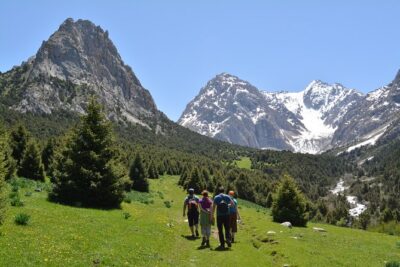
This isn’t a “walk until you get tired, then take a few pictures” kind of tour. It’s a structured nature trek in Shiretoko National Park, where you spend the walk learning how animals use the forest—by reading the tracks and trail patterns that they leave behind.
The value is in the pairing. Primeval forest walks can feel similar across parks, but here you also get a cliff component with a waterfall and (depending on conditions) wide views toward the sea. That mix of “close-up forest signs” and “big vertical scenery” is why the tour stays popular.
The other practical reason I like it: you get gear that matches the environment. In this part of Hokkaido, rain and mud can turn ordinary shoes into a problem. With rubber boots and rainwear provided, you’re less likely to cut the hike short because your feet are soaked or your footing is sketchy.
The 3.5-Hour Flow: From Nature Center to Tracks, Then the 100m Cliff
The walking time is about 3 hours, with the full tour around 3 hours 30 minutes. You start and end at the same place: Shiretoko National Park Nature Center (531 Onnebetsu, Shari, Shari District, Hokkaido 099-4356, Japan). If pickup is offered for your group and time slot, that’s a plus for easing travel stress.
Here’s how the experience typically unfolds, and what to watch for:
1) Meeting at the Nature Center and getting set up
Before you move, you’ll handle the basics: meeting the guide, getting fitted with the rental rubber boots and rainwear, and receiving the “how we walk safely” guidance. This matters because you’ll be traveling on natural ground, and the guide’s safety rhythm is part of the experience.
If you’re the type who likes to ask questions early, this is the moment. You’ll get a better walk if you understand how they want you to move and what kind of wildlife signs they’re looking for.
2) Primeval forest walking focused on animal tracks
The core of the tour is a walk through Shiretoko’s primeval forest. The whole point is that you’re not just passing scenery. You’re tracing the paths animals leave behind—tracks, movement patterns, and the kinds of clues that turn a “normal” forest trail into wildlife country.
This is where having a guide really pays off. Even if you know wildlife basics, you might not know what to look for in the mud, where animals like to funnel, or how to interpret signs without over-guessing. The guides are also reported to spot wildlife more quickly and guide you in real time.
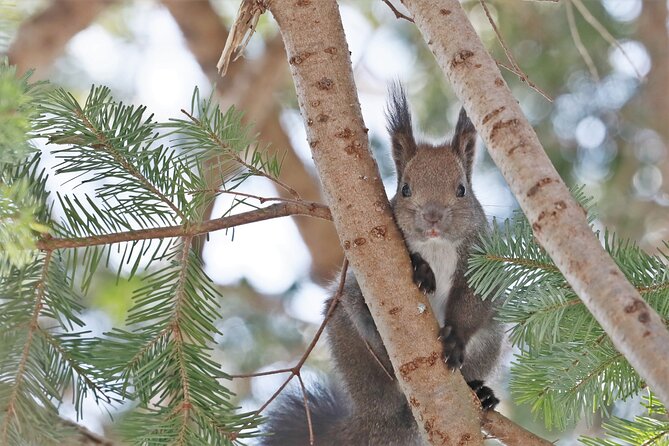
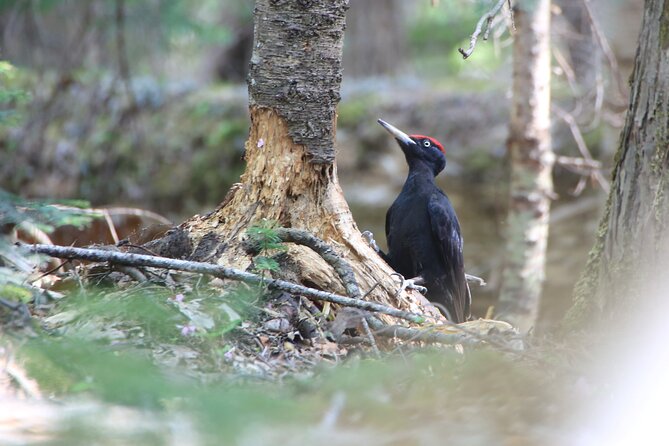
You may see deer and birds, based on multiple guide accounts. On some days, people also report quick bear-related moments, with the guide guiding everyone to safety fast when needed. That’s not something to hype; it’s simply a reminder this tour is designed for the reality of this ecosystem.
3) Reaching the cliff viewpoint with waterfall views
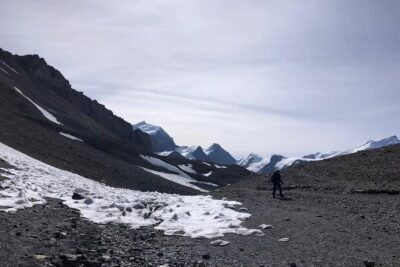
The hike includes a major scenery break: a cliffline standing over 100 meters tall and associated waterfall views. This is the “pause and look” part of the tour, where you stop thinking only about footing and start taking in scale.
Several people highlight that the views can be breathtaking, and some mention sea views from the cliff area. If the weather is clear, that’s your chance for wide photos. If it’s cloudy or misty, focus on textures—wet rock, waterfall movement, and the way the forest meets the edge.
4) Heading back to the Nature Center
After the cliff and waterfall segment, you return to the meeting point. Keep a little energy in reserve. On the way back, your brain may want to hurry, but footing can still be uneven—especially if it rained earlier.
Gear That Actually Helps: Rainwear, Rubber Boots, and Binoculars
I love tours that hand you the right tools instead of sending you into the weather hoping for the best. Here, the included gear list is clear:
- Complimentary rental rainwear
- Rubber boots
- Binoculars
That’s a big deal for two reasons.
First, it reduces the “what if I pack wrong?” stress. You can show up with normal shoes and still expect the tour to work for you.
Second, it improves your actual wildlife viewing. Binoculars aren’t just a gimmick here. Wildlife signs and sightings are part of the experience, and having binoculars makes it easier to check movement and distant forms without constantly stopping to squint.
One small practical note based on what people reported: muddy terrain is a real possibility. Some folks felt the boots weren’t always essential if conditions were dry the day before or right before the tour, but it’s safer to assume the ground may be wet. In bear-country forest, comfort and stable steps aren’t optional.
Wildlife Encounters and Bear-Country Reality: What the Guide Makes Easier
This tour is known for a high chance of wildlife encounters, and the structure supports that. You’re walking where animals travel, and you’re doing it with someone who can read the forest faster than you can.
Here’s what the best guides do on this kind of route, and what you should expect from yours:
Reading the forest like a map
Instead of treating tracks as a lucky bonus, the guide turns them into a lesson. You follow clues through the forest, so the walk stays interesting even when you don’t see a big animal immediately.
This is why the tour is more satisfying than a generic hike. A guided track-reading route keeps your attention on what’s happening on the ground.
Real-time safety and quick decisions
You’ll be in bear country. That means your guide’s job includes not panicking and not guessing. Some groups report that guides spotted bears quickly and guided everyone to safety in time, which is exactly what you want from a competent nature guide.
Even if you don’t see bears, the safety mindset shapes the walk. You’ll likely be reminded to move as directed, keep your group together, and follow instructions if anything wildlife-related happens.
English support that makes the explanations usable
Multiple guide names come up with notes about English strength—Yuki, Makoto, Yuriko, Mark-san, and others. For you, that means the talk about forest ecology and animal behavior isn’t just background noise. You can actually connect the signs you see to the bigger picture.
If you want to understand what you’re walking through, this is a strong fit.
The Cliffline and Waterfall Stop: How to Get More Out of the Views
The cliff component is not just a quick picture moment. It’s a key piece of why the tour feels like a full experience rather than “only forest walking.”
When you reach the cliffline (over 100 m), slow down. Look for three things:
1) Waterfall movement and spray
On rainy or windy days, waterfall views can be dramatic. If visibility drops, the sound and wet-rock texture become part of the experience.
2) Scale
From the forest, you’re used to a certain “human scale.” On the cliffline, the height shift is what hits. People describe the cliffline views as breathtaking, and I get it. It changes how you understand the park.
3) Sea glimpses if conditions allow
Some accounts mention sea views. If you get even partial visibility, treat it as a bonus. If not, focus on the cliff and waterfall themselves.
Also, keep your camera ready but don’t rush the whole stop. The best moments often come after you stand still for a minute and let your eyes adjust.
Price and Value: What $53.73 Buys in Hokkaido
At about $53.73 per person, this is not a budget-bargain you ignore. It’s a practical spend that adds up in value if you care about guided nature learning and you don’t want to source gear.
Here’s the value math that matters:
- You get included gear (rainwear, rubber boots, binoculars). That can be a real cost saver if you’re traveling light.
- You’re paying for expertise and safety in bear country. Even if you’re comfortable hiking, the guide’s role is still the difference between a normal walk and a track-reading wildlife route.
- Small group size (max 8). You’re more likely to get real answers, not just a short speech and a long stretch of silence.
- A real endpoint (cliffline over 100 m with waterfall), not just “we walked to a nicer trail segment.”
It’s also helpful that this tour is typically booked about a month ahead on average. If your dates matter, don’t wait until the last minute.
Who This Tour Suits Best (and Who Might Skip It)
This trek fits best if you like nature walks and you’re okay with moderate physical activity. The tour notes moderate fitness, and the experience is built around about 3 hours of walking on natural ground.
You’ll likely enjoy it if you:
- want wildlife sign tracking rather than a photo-only hike
- like learning from a guide, including forest ecology basics
- appreciate small groups and clear safety guidance
- plan to be comfortable in rain or mud (thanks to the included boots and rainwear)
You might think twice if you:
- want an easy flat stroll with minimal uneven terrain
- dislike wet, cold conditions even with provided gear
- expect short stops and lots of “sit down” time
Good news: the guided pacing helps a lot. Even so, you should treat it as a hike, not a casual walk.
Weather, Mud, and the Most Common “Real Life” Issue
This experience requires good weather. That matters because the park environment can change quickly. If conditions aren’t right, you’ll be offered a different date or a full refund.
In practice, what that means for you:
- Pack with the assumption that the ground could be wet.
- Take the provided rainwear seriously; it’s not just for comfort, it helps keep you warm and focused.
- Build a buffer into your schedule. If weather causes changes, you’ll want flexibility to take the alternative date.
One more realism check: even on a good day, forest trails can be muddy. Some people didn’t feel boots were always necessary after dry spells, but the safest approach is to use what’s provided and keep your footing steady.
Should You Book This Shiretoko Primeval Forest and Cliff Trek?
I’d book it if you want a guided wildlife-focused walk in Shiretoko National Park, and you don’t mind spending a half-day outdoors on uneven ground. The combination of primeval forest tracking, a cliffline over 100 m, and waterfall views is a strong reason to choose this tour instead of a generic hike.
Book it sooner if your travel dates are fixed, since it often fills about a month in advance. And if weather might be an issue, be ready to shift plans because the tour is weather-dependent.
If you’re the type who loves learning how to read a forest, and you want the payoff of big cliff views at the end, this is a solid choice.
FAQ
How long is the walking part of the tour?
The tour includes about 3 hours of walking, and the total duration is approximately 3 hours 30 minutes.
Where does the tour start and end?
It starts at Shiretoko National Park Nature Center (531 Onnebetsumura, Shari, Shari District, Hokkaido 099-4356, Japan) and ends back at the same meeting point.
What gear is included?
The tour provides complimentary rainwear, rubber boots, and binoculars.
How big is the group?
This activity has a maximum of 8 travelers.
What fitness level do I need?
You should have a moderate physical fitness level for this trek.
What happens if the weather is poor?
This experience requires good weather. If it’s canceled due to poor weather, you’ll be offered a different date or a full refund.
Can I cancel and get a full refund?
Yes. You can cancel up to 24 hours in advance for a full refund. If you cancel less than 24 hours before the start time, the amount paid is not refunded.