REVIEW · KATHMANDU
Conquer the Himalayas: The Ultimate 16-Day Annapurna Circuit Trek
Book on Viator →Operated by Vyas Treks & Expedition · Bookable on Viator
A sunrise pass at 3 a.m. changes everything. This Annapurna Circuit trek builds toward Thorong La with strong cultural days in Kathmandu and village walking through Gurung and Manang country. You also get the high-altitude rhythm that helps you cope with big altitude swings.
I especially like the focus on personalized acclimatization so your day-by-day plan actually supports your body, not just your schedule. I also love that the trip comes with an experienced, English-speaking government-licensed leader team plus permits handled for you.
The main consideration is simple: this is high-altitude trekking with long hike days and a very early pass objective, so you’ll want moderate fitness and realistic expectations for pace and rest.
In This Review
- Key Things You’ll Notice on This Annapurna Circuit Trek
- Why Thorong La on the Annapurna Circuit Is a Real Benchmark
- Kathmandu Setup: UNESCO Sights Plus a Trek Briefing That Actually Helps
- Into the Hills from Khudi: River Walks, Bridges, and Your First Big Mountain Sense
- From Khudi to Jagat and Dharapani: Subtropical Forests, River Valley Cliffs, and Bridge-Hopping
- Chame and Yak Kharka: When the Manang District Scenery Gets Serious
- Manang Country: Dry Air, Barge Monastery, and Choosing the Right Recovery Hike
- Thorong Phedi to Thorong La: The 3 a.m. Push and the Views That Make It Worth It
- Downhill Beats the Deadline: Ghandruk, Pokhara, and the Teahouse-to-Lakeside Shift
- Tatopani Hot Springs and Muktinath Valley: Relief and Spiritual Focus
- Price and Logistics: Is $1,492.27 Good Value Here?
- Safety, Guides, and the One Thing You Should Verify Before You Go
- Who This Annapurna Circuit Trek Suits Best (and Who Should Rethink It)
- Should You Book This Annapurna Circuit Experience?
- FAQ
- How long is the Annapurna Circuit trek on this itinerary?
- What’s included in the tour price?
- Are meals included?
- What permits are covered?
- Do I need travel and rescue insurance?
- What happens if weather is bad or plans must change?
Key Things You’ll Notice on This Annapurna Circuit Trek
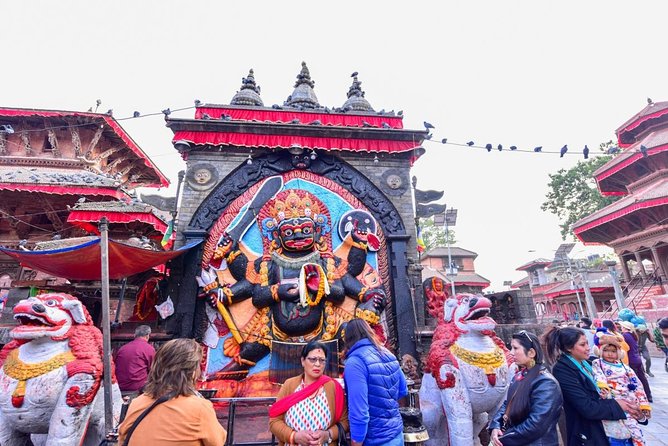
- Thorong La Pass timing and direction: the plan crosses from east to west, described as the safest and easiest direction.
- Manang acclimatization tools: you even get an option to visit the Himalayan Rescue Association to learn about AMS.
- Teahouse trekking with guided support: nights are in teahouses, and you’re not left to figure it out alone.
- Permits and paperwork included: ACAP and TIMS are handled as part of the trip.
- Hot springs and monasteries in the mix: Chame and Tatopani are built in, and you’ll visit places like Barge monastery.
- Real village culture: Gurung, Manang, and Thakali communities show up through actual settlements and daily life.
Why Thorong La on the Annapurna Circuit Is a Real Benchmark
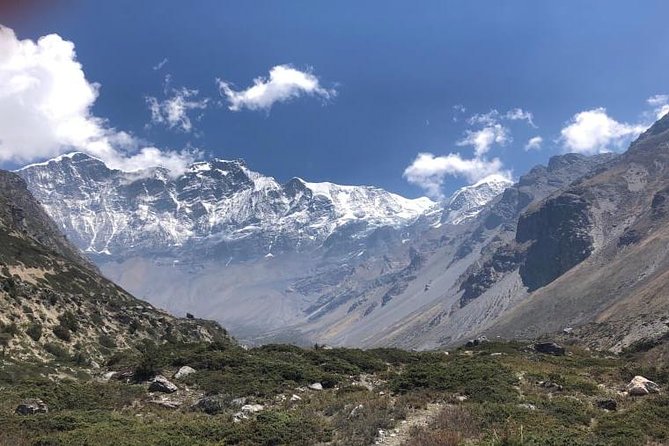
On paper, Thorong La Pass is just a dot on a map. On the ground, it’s a moment. You start around 3 a.m., walk up to the top, then take a few photos before heading into the Muktinath Valley at the foot of the pass. That early push is part of what makes this trek feel like a true accomplishment.
What I like most is that the itinerary doesn’t treat altitude like an afterthought. It repeatedly builds you up through terrain and air changes, including a dedicated day around Manang with shorter hikes meant to keep you moving while still adapting. You’re also told to cross Thorong La from east to west because it’s described as the easiest and safest direction—important when you’re planning timing on a high pass.
And yes, the scenery is the big headline: Annapurna peaks, dramatic cliffs, and huge views that change hour by hour. But what makes this trip feel “ultimate” is how it blends the visual payoff with cultural stops and careful pacing.
You can also read our reviews of more tours and experiences in Kathmandu.



Kathmandu Setup: UNESCO Sights Plus a Trek Briefing That Actually Helps
Your tour begins in Kathmandu, with an airport pickup and transfer to your hotel. You get a day to arrive, rest, and even do a short city walk if you feel steady enough. That matters on day one. Nepal hits your senses fast, so easing in helps.
The next day is full-day sightseeing around Kathmandu’s UNESCO world heritage sites. In the evening, there’s a dinner and trek briefing. I like this structure because it gives you context before you start walking hills all day. You also get to meet your trek leadership team and get an idea of how the plan will feel day to day.
If you’re arriving with jet lag, treat the Kathmandu days as your buffer. Use that time to sort out gear, charge devices, and plan how you’ll handle cold mornings later.
Into the Hills from Khudi: River Walks, Bridges, and Your First Big Mountain Sense
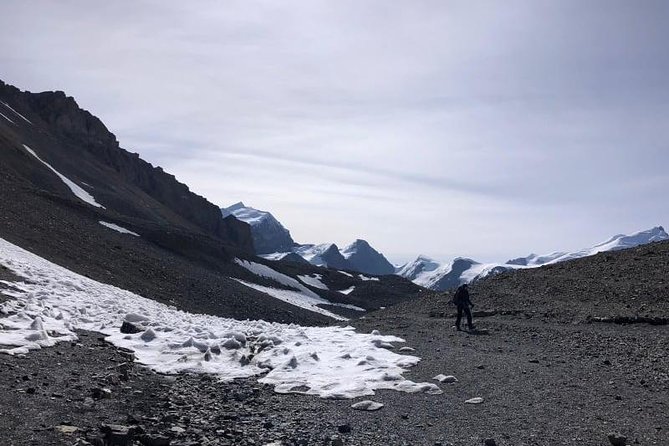
The trek kicks off as you travel into the hills and follow the Trishuli River route by winding road. On the way you’ll pass terraced farms and local huts, then continue toward Pokhara area logistics and up to Besisahar, then on to Khudi, the trek’s starting point.
Khudi is your first real taste of the Annapurna-adjacent world. You get an early glimpse of the Manaslu range, and that alone is worth the effort of getting here. You also have an optional approach option described as getting off at Besisahar and trekking for about an hour to Khudi, if that fits how your transfer lands.
The first day’s walking style (rice paddies, suspension bridges, waterfalls, gradual to steeper trails) is the classic Annapurna Circuit “warm-up that isn’t totally easy.” You’ll cross multiple bridges and see Nadi Chuli and Manaslu mountains close up from Sirung. It’s a good reminder: even early, you’re earning those views.
From Khudi to Jagat and Dharapani: Subtropical Forests, River Valley Cliffs, and Bridge-Hopping
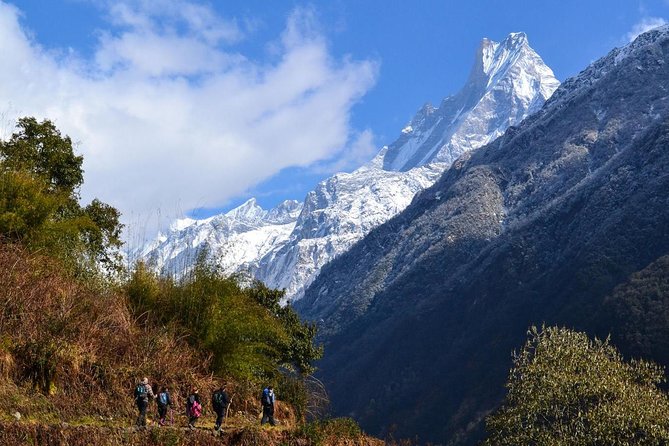
After the first day, you move into the Marshyangdi River corridor in stages.
- Khudi → Jagat (via Sirung) is about contrast: you leave terraces behind and enter forest with ferns and woodland. You’ll pass small villages and temples, then cross suspension bridges over Sangu Khola (at Mipra) and over the Marshyangdi River (at Syange). There’s even a nearby waterfall by the bridge area. This part is scenic, but it’s also busy—bridges and repeated crossings become normal fast.
- Khudi Bazaar / Day 2 style walking leans into ascents and descents across paddies and subtropical forest. You pass a Tamang settlement of Taranche, then get close views of peaks from Sirung. This is also where you’ll feel how quickly altitude affects energy, even if you’re not high yet.
Then comes Jagat → Dharapani, a day with real physical moments. The trail descends to the river, runs through lush forest, then pushes you toward a sharp-edged riverbank cliff. You’ll climb on a slippery, physically challenging section to Sattale—not a place to rush. Then you descend again along rugged winding trails, ending with waterfalls and cliffs as you reach Dharapani.
Practical tip: on days like this, you want steady footsteps, not hero mode. Your legs get more respect if you move slower on the steep/rocky bits.
Chame and Yak Kharka: When the Manang District Scenery Gets Serious
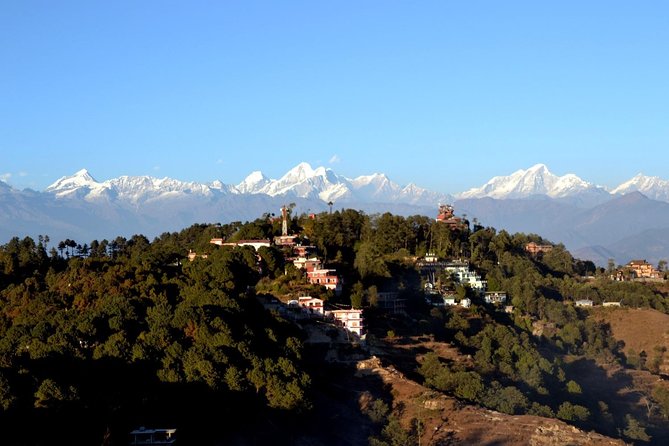
From Dharapani → Chame, the route moves through forested ridges toward Chame, headquarters of the Manang District. This is a key step because the views sharpen: you can admire Lamjung Himal, Annapurna II, and Annapurna IV (7,525m / 24,688ft). There’s also a small hot spring stop in the area—exactly the kind of relief you’ll crave after a solid day.
Next is Yak Kharka. This is where the trekking “feel” changes from lush valley to high pasture living. The trail climbs out of the Marshyangdi Valley into Jarsang Khola, follows a northward path, and passes meadows where horses and yaks graze. You’ll see an old Mani wall in a meadow, which adds that sense of time depth that makes Himalayan walks more than just hiking.
Yak Kharka also sets you up psychologically for Manang. Even when you’re still moving through valleys, you start to feel the bigger air and wider horizons coming.




Manang Country: Dry Air, Barge Monastery, and Choosing the Right Recovery Hike
Your Manang-area days are built for two things: altitude adaptation and “you’re not just walking through”—you’re seeing how people live here.
On the route to Manang / Upper Pisang you go via Geru, with excellent views of Annapurna and Pisang. Vegetation shifts too: you’ll notice a contrast from earlier days, and it gets cold and dry. The trip includes a short visit to Barge monastery, described as the largest monastery in the district of Manang. This kind of stop breaks the rhythm and gives your mind a rest from pure footing work.
There’s also a specific recovery-and-learning option day around Manang: you can hike to Bhojo Gumba or Gangapurna Lake to keep fit for the trails that follow. If you have more energy, there’s an additional option to Vraga Village and visit the Himalayan Rescue Association, which gives you some idea about acute mountain sickness (AMS).
I like that the itinerary doesn’t pretend AMS is a mystery you can “push through.” Knowledge helps. Even if you feel strong, understanding what symptoms to watch for keeps you safer.
Thorong Phedi to Thorong La: The 3 a.m. Push and the Views That Make It Worth It
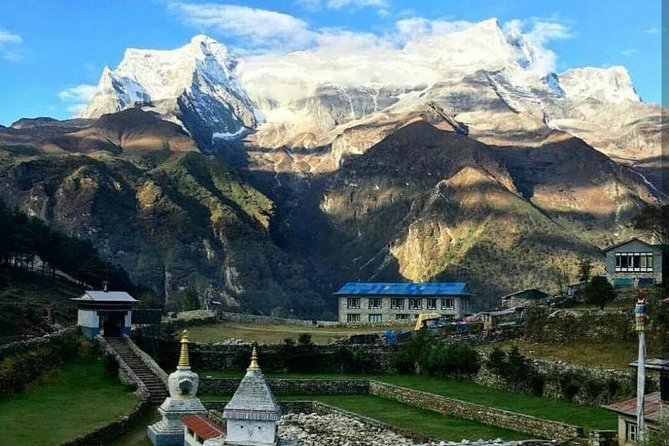
The Thorong segment starts with the uphill walk to Thorang Phedi, described as the foot of the pass area. You cross a suspension bridge, pass Ledar village, and continue through towering cliffs before reaching Thorang Phedi, the last village before the pass.
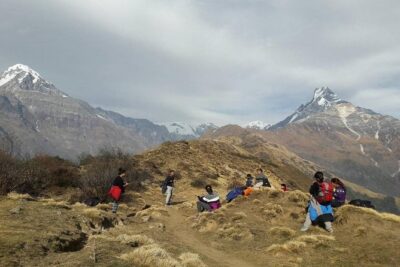
This is where you’ll be rewarded with some of the most dramatic viewpoints—Mt. Gundang, Mt. Syagang, Thorung Peak, and Mt. Khatungkan. You’re high enough to feel the cold bite, and the cliffs make the world feel bigger and louder even when the air is still.
Then comes the objective day: you get up around three in the morning and walk up to Thorong La. The itinerary frames the pass crossing direction as east to west and described as easier and safer. Once you reach the top, you can take photos, then head down toward Muktinath Valley.
A reality check: mornings like this are not about comfort. Pack layers you can actually adjust quickly. And if you feel off—headache, nausea, odd exhaustion—don’t try to out-stubborn the mountain. Let your trek leader guide decisions.
Downhill Beats the Deadline: Ghandruk, Pokhara, and the Teahouse-to-Lakeside Shift
After the high point, the trek moves into classic “descend and breathe” territory. One key section is the move toward Pokhara Lakeside. From the Tatopani area, you take a steep descent through thick, dark forest of old rhododendron trees. When rhododendrons bloom, these forests turn into something like a living garden. (Even outside peak bloom, it’s still cool shade and a break from wind exposure.)
You may also catch seasonal flowering like cherry blossoms on slopes across a ravine, depending on when you go. Then the route enters Ghandruk, a slope settlement with stone houses largely inhabited by Gurung people. The views here are close and dramatic—Fishtail, Annapurna South, and Hiunchuli.
From Ghandruk, you continue toward Nayapul and then drive to Pokhara. This part is what I call the reset button: you stop living by switchbacks and start living by dinner, lakeside air, and the chance to dry out.
Tatopani Hot Springs and Muktinath Valley: Relief and Spiritual Focus
You’ll also spend time around Tatopani Hot Spring, which is described as mostly downhill from the Muktinath side. The day starts with crossings like a bridge at Ghasa, then continues through subtropical forests that feel lush again as you drop in elevation. That contrast is one of the quiet rewards of the Annapurna Circuit: you’re switching ecosystems without leaving the same general route corridor.
The itinerary also includes a trek along Rupse Chahara (waterfall) and stops where you pass local villages and infrastructure, including a mention of a powerhouse at Narchyang Besi supplying electricity. You finish by reaching Tatopani and relaxing with a hot spring bath, which is a practical piece of recovery after weeks of walking.
Finally, you arrive at Muktinath Temple as the pass objective. The plan frames it as the ultimate objective after crossing Thorong La. You reach the top around three in the morning, take photos, then continue into Muktinath Valley at the foot of the pass.
If you’re the type who loves meaning as much as scenery, this pairing works: you get summit effort and then a place to orient yourself spiritually and mentally.
Price and Logistics: Is $1,492.27 Good Value Here?
At $1,492.27 per person, this trek isn’t cheap. But it can be fair value if you compare what’s handled for you and what’s already included.
What you get includes:
- teahouse accommodation during the trek
- a guided Kathmandu city tour by private vehicle
- airport pickups and drops in a private vehicle
- an experienced, English-speaking government-licensed trek leader and assistant
- all necessary paperwork and permits (ACAP and TIMS)
- all fees and taxes
What you pay separately includes:
- Nepal visa fee
- international flights to and from Kathmandu
- travel and rescue insurance
- alcohol and personal expenses
- tips for guide(s), porter(s), and driver
Here’s how I’d judge the value for you: if you want fewer unknowns—permits, licensed leadership, city logistics, and a clear acclimatization approach—this price supports that. If you already have permits sorted, your own transport worked out, and you’re hiring guides independently, you might find lower-cost ways. But most people doing Thorong La on a tight schedule prefer buying certainty, not scavenging it day by day.
Also note the trip mentions group discounts, while it says the activity is private and only your group participates. Either way, ask your operator about group size so you can gauge how much flexibility you’ll have.
Safety, Guides, and the One Thing You Should Verify Before You Go
I love a trek with good leadership. The tour includes a government-licensed leader team, which is a strong baseline.
One guide name that shows up in past feedback for a similar routing experience is Rajesh, praised for being steady and helpful when plans shifted. That’s exactly what you want: a leader who can adjust when trail or route realities change.
Still, do your homework. There’s also a complaint surfaced about an individual named Dipsun Kunwar and Vyas Trek in online feedback. I can’t confirm what happened from a snippet, but it’s enough to justify one simple action: before paying, confirm your guide assignment, route plan, and written inclusions directly with Vyas Treks & Expedition. Get it in writing.
Your mountain doesn’t care who’s right online. Your job is choosing the team you trust on the ground.
Who This Annapurna Circuit Trek Suits Best (and Who Should Rethink It)
This trek fits best if you:
- have moderate physical fitness and can handle long walking days
- want a mix of big-pass challenge and real village culture
- like structured acclimatization and don’t want to guess on altitude
- prefer teahouse trekking rather than camping
You might rethink it if you:
- hate very early starts (Thorong La is a 3 a.m. kind of day)
- are uncomfortable with steep, rocky, slippery trails
- don’t plan for cold mornings at altitude
Also, this is described as a private activity for your group. That’s great for coordination, but it also means you’ll want to communicate clearly about your pace and any health concerns early on.
Should You Book This Annapurna Circuit Experience?
If you want Thorong La plus a plan that treats acclimatization seriously, this is a strong match. The included ACAP/TIMS permits, licensed guide team, Kathmandu briefing, and built-in recovery touches like hot springs and optional Manang learning make it feel like you’re paying for structure, not just miles.
Before you book, do two checks:
- Confirm your trek leader details (and don’t accept vague promises).
- Make sure you have appropriate travel and rescue insurance, since it’s not included.
If those boxes are checked, you’re setting yourself up for a classic Annapurna Circuit experience with one huge reward day at the top of Thorong La.
FAQ
How long is the Annapurna Circuit trek on this itinerary?
The duration is listed as about 21 days. The outline includes 16 stops covering Kathmandu, the trekking route through the Annapurna region, and the end points around Pokhara and Muktinath.
What’s included in the tour price?
The tour includes all fees and taxes, airport pickups and drops in a private vehicle, teahouse accommodation during the trek, a guided Kathmandu city tour by private vehicle, an English-speaking government-licensed trek leader and assistant trek leader, and permits paperwork including ACAP and TIMS.
Are meals included?
The information provided lists teahouse accommodation, but it does not specify meals. You should plan on meals not being included unless clarified by the provider.
What permits are covered?
The tour says it handles the necessary trekking permits including ACAP and TIMS.
Do I need travel and rescue insurance?
Travel and rescue insurance is listed as not included, so you should arrange it separately.
What happens if weather is bad or plans must change?
The experience requires good weather. If it’s canceled due to poor weather, you’re offered a different date or a full refund. Cancellation is free up to 24 hours in advance for a full refund, and within 24 hours there’s no refund.