REVIEW · SA PA
Ha Noi-Sapa Authentic Trek & Homestay wih hmong women (2D1N)
Book on GetYourGuide →Operated by Dinh Sapa Trekking Adventures · Bookable on GetYourGuide
You walk into a real Hmong homestay world. I love the bamboo forest trekking and the chance for a local homestay dinner with the family, plus a cooking class that feels like you’re part of the day. You’ll cover classic Sapa village routes through terraces and forests, with real moments of daily life along the way.
This is not a gentle stroll. The route is about 18 km over two days, and some sections can get steep and uneven, so it needs a basic fitness buffer—also, the waterfall might not be swim-ready in every season.
In This Review
- Key highlights
- Why this Sapa trek feels personal with Hmong women guides
- Getting from Hanoi to Sapa: early pickup, no loose ends
- Day 1: Sapa to Ta Van through Y Linh Ho and Lao Chai
- The cooking class evening: food, stories, and kids’ culture time
- Day 2: Ta Van to Giang Ta Chai waterfall and back to Sapa
- Return to Hanoi: finish early enough to sleep
- Homestay reality check: cozy, simple, and “bring the right vibe”
- The trek math: what moderate really means for your legs
- What to bring (so you don’t suffer the small stuff)
- Meals and culture: cooking class plus shared table time
- Waterfall conditions and souvenir pressure: quick tips
- Price and value: does $78 make sense here?
- Should you book this Hmong homestay trek?
- FAQ
- What time is pickup in Hanoi?
- How long does it take to get from Hanoi to Sapa?
- What time does the tour start trekking on day one?
- How far do you walk on the trek?
- What meals are included?
- Do you stay in a homestay overnight?
- What can I expect from the homestay?
- Is swimming at the waterfall included?
- What language will the guide use?
- What is not included in the tour price?
Key highlights
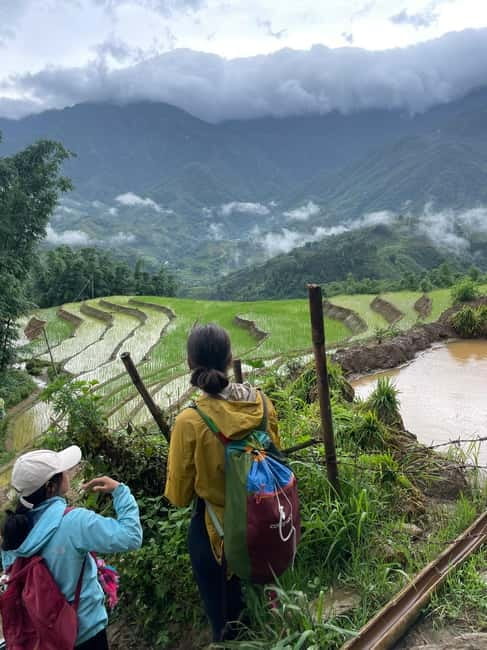
- Hmong women guides: Dinh leads, and your group may also be supported by an English-speaking guide like Do
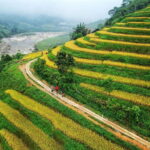
- 2 full trekking days: 9–11 km day one, 8–11 km day two through rice terraces and bamboo
- Homestay with a Hmong family: simple, authentic, and cozy, with meals included
- Cooking class + family dinner: you’ll help prepare food, then eat together
- Giang Ta Chai waterfall option: cool-off time if water conditions allow
Why this Sapa trek feels personal with Hmong women guides
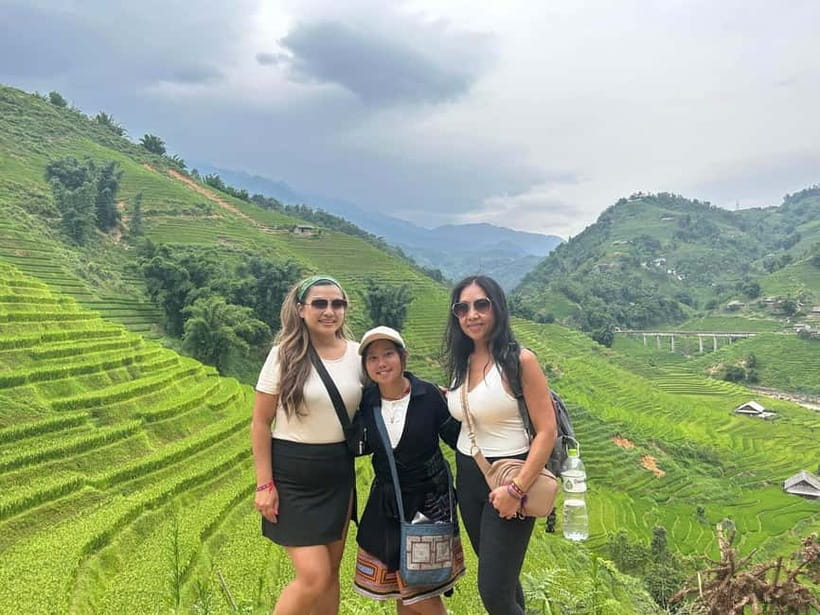
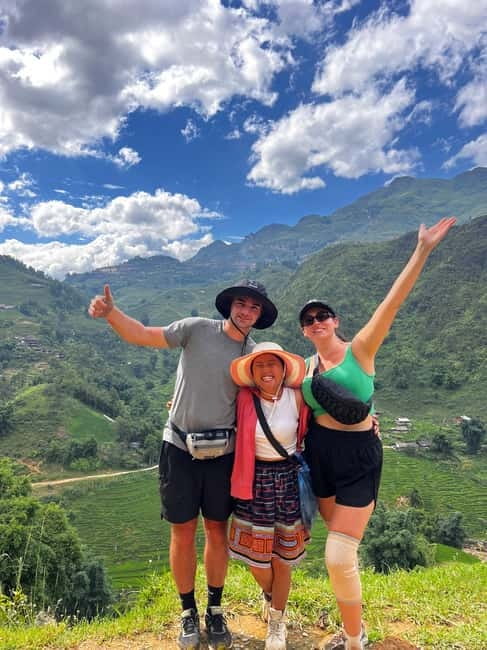
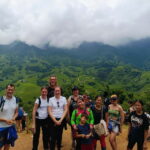
This tour is built around a village rhythm, not a checklist. Dinh, a local Hmong guide, and her sister pick you up, guide you through the routes, and help translate what you’re seeing into something you actually understand. That matters in Sapa, where it’s easy to get stuck watching the same postcard scenes without learning the people behind them.
Two things I really like here. First, the tour’s focus on Hmong culture comes through in small, everyday details as you walk between villages. Second, the evening plan is family-centered: you’re not just dropped at a homestay and left to figure it out.
The tone is also supportive. During dinner, you share the meal with the hosts, and the evening includes a cultural welcome like a traditional dance from their students, plus fun group moments with Happy Water (local rice wine). That’s the kind of human connection that turns a trek into a story you’ll remember.
You can also read our reviews of more tours and experiences in Sa Pa.
Getting from Hanoi to Sapa: early pickup, no loose ends
Your day starts early in Hanoi Old Quarter. Pickup runs from 6:00 to 6:45 AM, using either a comfortable limousine van or a sleeper bus. The ride to Sapa takes about 5–6 hours, and you arrive around 12:00–12:30 PM.
What makes this logistics work is that you don’t land and hunt for lunch. You get a picnic lunch prepared for you, so you can eat, reset your energy, and start the next stretch without time-wasting stops. For a short tour, that efficiency is big value.
Once you arrive, Dinh meets you right at the bus stop or your hotel in Sapa and you begin the trek right away. That removes the usual uncertainty of figuring out where your group meets, and it keeps the day moving.
Day 1: Sapa to Ta Van through Y Linh Ho and Lao Chai
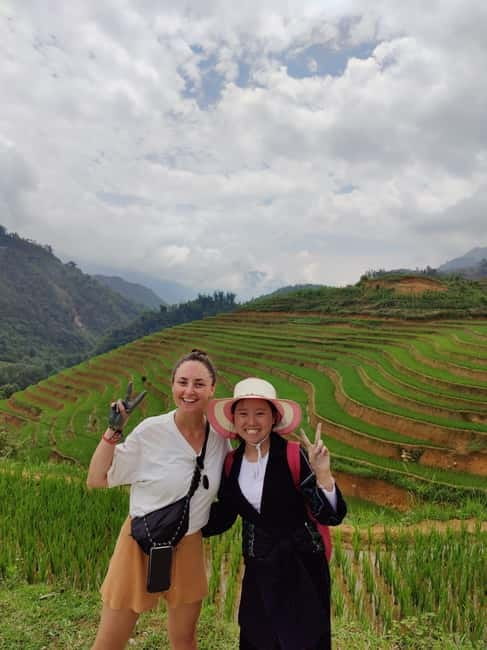
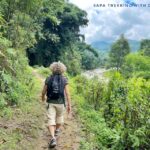
After your picnic lunch, you head into the villages along a downhill trek toward Y Linh Ho. This is one of the better “first day” set-ups because you’re walking into the scenery right away, not just climbing until your legs revolt.
From there, you continue on to Lao Chai, one of the older and larger Hmong villages in the area. Along the way, your guide explains daily life and culture, so the terrace patterns and footpaths stop looking random. You’re not just passing homes; you’re learning what people do and why they do it.
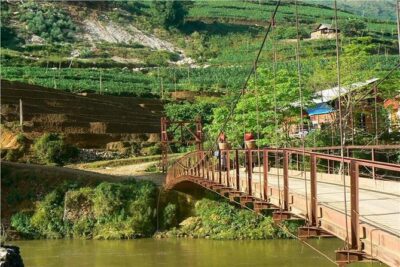
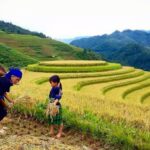
Next comes the route from Lao Chai to Ta Van Village, where you’ll meet people from the Giay and Hmong ethnic minorities. In the right season, you may see locals planting or harvesting rice, which gives you a practical sense of how the landscape connects to work and food—not just views.
You finish day one at the homestay with Dinh’s family. Expect a simple setup, but with the basics you need to reset: you can relax, and you’ll have a hot shower on arrival. In the evening, the tour shifts from walking to cooking.
The cooking class evening: food, stories, and kids’ culture time
The cooking class is informal, family-led, and built around sharing dinner together. You’ll prepare traditional dishes with the hosts, then sit down for the meal afterward. If you’re the type who remembers trips through food more than photos, this part hits.
There’s also a human story attached to the evening. During dinner, Dinh shares how they support 10 local children’s education, and their students perform a traditional dance to welcome you. Add the playful drinking games with Happy Water, and the whole thing feels like a shared community night rather than a staged “show.”
Day 2: Ta Van to Giang Ta Chai waterfall and back to Sapa
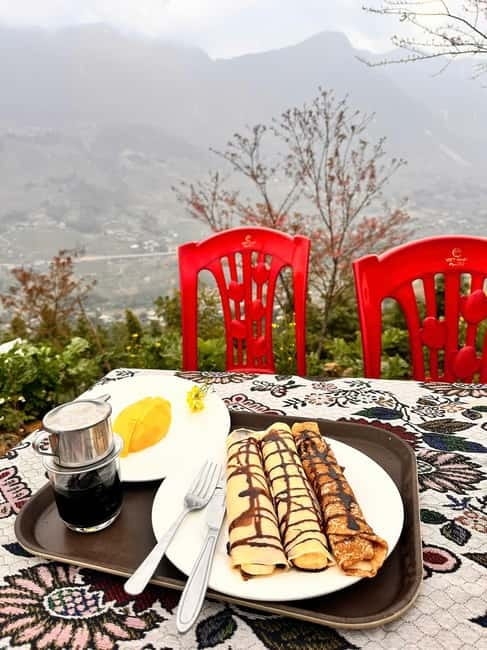
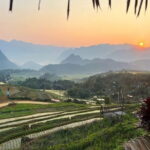
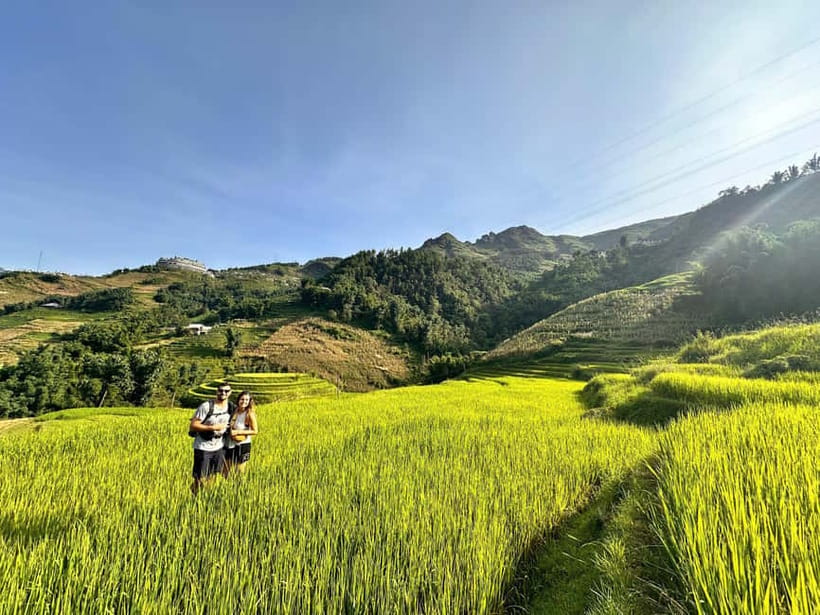
Day two starts peacefully. You’ll begin with hot coffee or tea in the homestay, then breakfast before you set off again. The morning trek follows through bamboo forest sections and terraced rice fields, so you get a mix of shade, open views, and that classic Sapa rhythm of footpaths between valley communities.
The highlight on day two is the Giang Ta Chai waterfall. You trek into the area that leads to the falls, and if conditions allow, you can cool off and swim in the cool mountain stream. The catch: water volume can vary, and if the waterfall is dry, the “swim option” won’t deliver. Build your plans around the walk and the views first, with water play as a bonus.
After the waterfall, you enter the Red Dao ethnic area before returning toward the main road. Then you share a final lunch together before heading back to Sapa.
The trek tour ends in Sapa Town between 2:00 and 3:30 PM, which gives you time to shower, reorganize your daypack, and actually enjoy your return before the longer ride back to Hanoi.


Return to Hanoi: finish early enough to sleep
From late afternoon onward, Dinh helps you catch a limousine van or sleeper bus back to Hanoi. You typically arrive around 9:00 to 10:00 PM, depending on traffic.
That return timing is good for two reasons. One, you’re not stuck late with nothing to do after a full walking day. Two, you can still sleep in Hanoi without feeling like the trip swallowed your whole night.
Homestay reality check: cozy, simple, and “bring the right vibe”
This is a homestay, so think cozy and practical, not hotel-comfort. The accommodation is described as simple, authentic, and cozy, with basic amenities. You may also be able to share your preference when booking.
You should assume:
- you’ll sleep in a home-style setting
- bathrooms and comfort levels are basic
- you’ll need to bring what you need (especially for warmth, rain, and mosquito protection)
The good news is that the tour is mindful about comfort for the trek. You get a hot shower after arriving day one, and the included meals keep you from trying to find food late or far from the group.
Also, homestay nights work best when you’re flexible. You’re not only visiting; you’re joining family time. That’s the whole point, and it’s why this tour can feel warmer than a typical “tour bus + short hike” day.
The trek math: what moderate really means for your legs
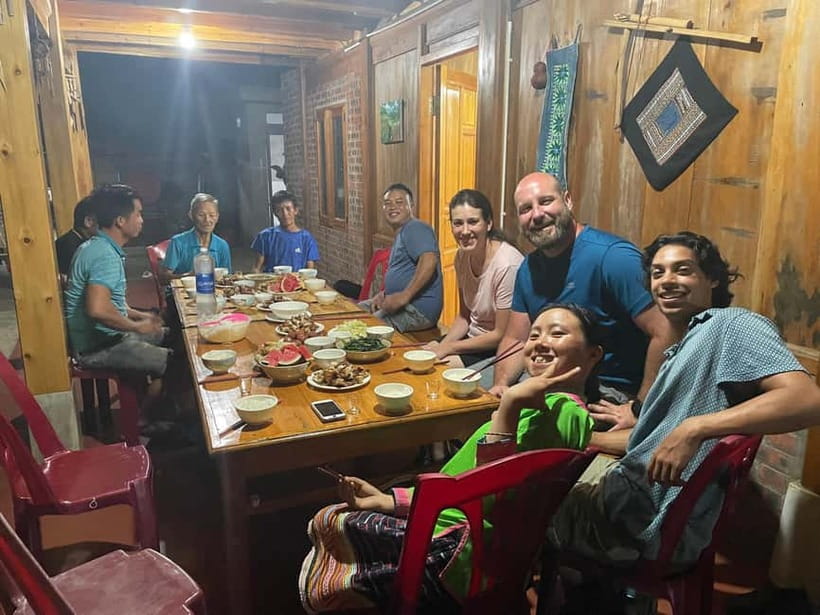
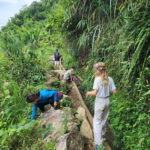
This route is rated moderate, but moderate here still means work. You walk roughly 18 km total over two days on steep and uneven terrain. Day one is about 9–11 km for around 5.5 hours. Day two is about 8–11 km for around 5 hours.
Here’s how to plan your effort:
- Wear trekking shoes with decent grip. Road-style sneakers often slip on muddy, uneven paths.
- Expect a mix of downhill and flat-ish stretches, but with some uphill sections that feel harder than the distance suggests.
- Bring gear that survives sweat, light rain, and cold at higher points.
If you have back problems or any mobility challenges, the route may be a bad fit. The tour also notes it’s not suitable for non-swimmers, because swimming at the waterfall is an option.
If you’re a regular walker—someone who can handle a few hours of uneven trails—you’ll likely be fine. If you want your hiking to feel easy, this one might feel like too much.
What to bring (so you don’t suffer the small stuff)
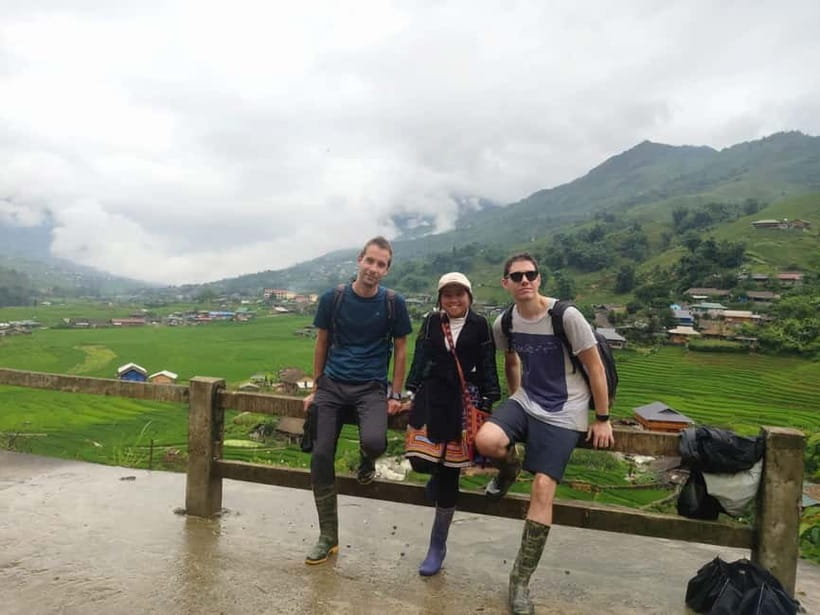
You’ll get the best experience if you pack like a trekker. The tour recommends:
- Comfortable shoes
- Hat
- Swimwear (if you want the waterfall swim)
- Change of clothes
- Camera
- Sunscreen
- Water
Also, I strongly suggest adding:
- mosquito repellent (especially for evenings in rural areas)
- a light raincoat or jacket
- sunglasses
- a small daypack with snacks if you’re someone who gets hungry between meals
You’ll also receive drinking water: one big bottle per person per day. Still, it’s smart to manage how much you sip on the move, especially when the sun hits the terraces.
Meals and culture: cooking class plus shared table time
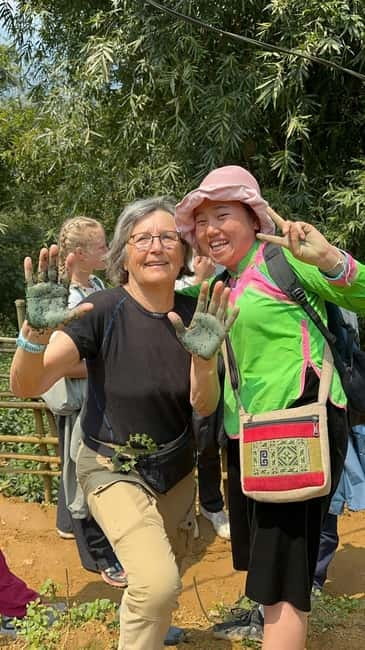
Meals are a core part of this experience, and that’s rare. You get:
- 2 lunches
- 1 dinner
- 1 breakfast
On day one, you get picnic lunch before the trek—so you don’t lose time stopping. Dinner is a shared meal with the family after the cooking class, which means you’re not just eating; you’re participating.
One more cultural detail I like: the evening isn’t only about food. There’s a welcome moment with traditional dance from the students, and the guide also shares their efforts supporting local education. If you’re the kind of traveler who wants more than scenic photos, this is where the tour earns its keep.
Waterfall conditions and souvenir pressure: quick tips
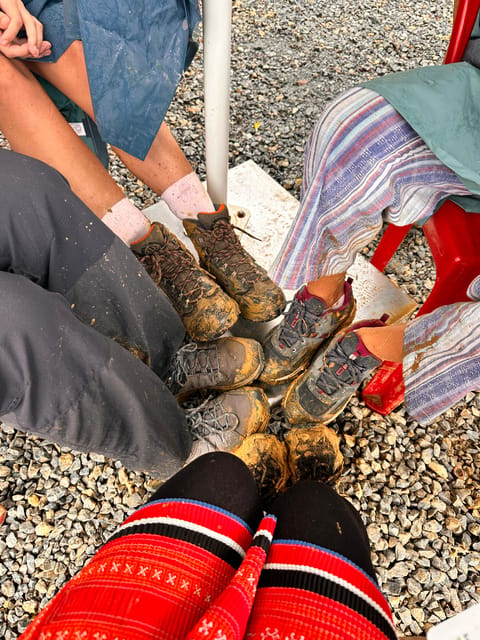
Two practical realities come up on this route.
First, waterfall conditions change. If Giang Ta Chai is low or dry, you’ll still get the trek and the viewpoint, but the swim plan may not work. Treat swimming as a bonus, not a promise.
Second, take a calm, firm approach with souvenir selling. Some guides may walk with you and offer items along the way, and you might be offered local-made souvenirs repeatedly. If you don’t want to buy, a polite no works better than a long conversation that turns into follow-me-by-follow-me time.
If you do want souvenirs, set a limit before the trek starts. That way you stay in control and avoid feeling rushed.
Price and value: does $78 make sense here?
At $78 per person, this trip isn’t trying to compete with the cheapest option. It’s closer to a “you’re paying for people time” experience, and the math is reasonable because a lot is included.
Included items include:
- a local English-speaking guide for the trekking days
- village entry fees for 4 villages
- meals (2 lunches, 1 dinner, 1 breakfast)
- 1-night homestay with the family
- drinking water (1 big bottle per person per day)
- a picnic lunch on day one
- transportation back to Sapa after the trekking ends
- help booking the Hanoi–Sapa–Hanoi buses
What’s not included:
- travel insurance
- personal expenses like snacks and souvenirs beyond what you choose
For many travelers, the big value is that you’re not organizing drivers, entry fees, and meal plans separately. You’re also getting a guide who can explain what you’re seeing, not just point at it.
Where the value shifts is your fitness and your expectations. If you want a relaxed walk and lots of comfort, you may feel the cost more than the effort. If you want an authentic village trek with real meals and a homestay night, it’s a strong deal.
Should you book this Hmong homestay trek?
Book it if you want:
- a guided trek focused on village culture rather than just big views
- a homestay meal and cooking class experience at the family table
- a manageable two-day hiking challenge with terraces, bamboo, and a waterfall stop
Pass or reconsider if you:
- need mobility-friendly trails or have back issues
- want guaranteed swimming at the waterfall
- prefer hotel comfort and minimal walking
Also, pay attention to your expectations for the last stretch toward the waterfall area. Some parts can feel tough, and if the waterfall is dry, you’ll still get the walk, just not the cool-down you expected.
If you like meeting real people along the way, this tour is one of the better ways to experience Sapa without turning it into a drive-by photo stop. And with guides who communicate clearly—like Do, mentioned as strong in English—you’ll understand more than you think you will when you start.
FAQ
What time is pickup in Hanoi?
Pickup runs from 6:00 to 6:45 AM from your hotel in Hanoi Old Quarter.
How long does it take to get from Hanoi to Sapa?
The transfer takes about 5–6 hours, with arrival around 12:00 to 12:30 PM.
What time does the tour start trekking on day one?
After lunch in Sapa, you begin trekking right away with Dinh meeting you at the bus stop or your hotel.
How far do you walk on the trek?
Day 1 covers about 9–11 km (around 5.5 hours). Day 2 covers about 8–11 km (around 5 hours).
What meals are included?
The tour includes 2 lunches, 1 dinner, and 1 breakfast, plus a picnic lunch on day one.
Do you stay in a homestay overnight?
Yes, there is a 1-night homestay with a local Hmong family.
What can I expect from the homestay?
It’s described as simple, authentic, and cozy, with basic amenities. A hot shower is mentioned for the evening after arrival.
Is swimming at the waterfall included?
Swimming at the Giang Ta Chai waterfall is optional, and the tour notes it is not suitable for non-swimmers.
What language will the guide use?
The guide is English-speaking, and Vietnamese is also involved.
What is not included in the tour price?
Travel insurance and personal expenses such as snacks, extra drinks, and souvenirs are not included.