REVIEW · POKHARA
Annapurna: Mardi Himal Base Camp Trek
Book on Viator →Operated by Couch Adventure Nepal (CAN) · Bookable on Viator
Quiet trails, big views on day five.
This Mardi Himal Base Camp Trek is interesting because it stays noticeably quieter than the popular routes, and you work your way up to 4500m for sky-high views. I also like the camp-by-camp progression (Australian Camp, Low Camp, High Camp), which makes the altitude feel more manageable. One thing to consider: meals and drinks are not included, so you’ll want to budget for food on the trail.
You’re based out of Pokhara, with hotel pickup from the Lakeside area, then a scenic drive toward the trailhead. Your trekking guide is English-speaking, and you get guesthouse lodging during the trek, plus permits like TIMS and the trekking paperwork handled for you. In the reviews I saw, the guide experience matters a lot, and one name came up clearly: Bisham.
In This Review
- Key things to know before you go
- Mardi Himal is the calmer side of Annapurna
- From Pokhara to Kande: Day 1’s view payoff starts early
- Day 2 through villages and forest to Mardi Himal
- Low Camp to High Camp: where the route really starts changing
- The 4500m Base Camp day: plan for time, not just effort
- Days 6 to 7: descending through forests, then back to Pokhara
- Price and logistics: what $359.90 buys you
- Guide experience: why Bisham’s name keeps coming up
- Fitness, pace, and how to think about the altitude
- Day-by-day rundown in plain terms
- Should you book this Mardi Himal Base Camp Trek?
- FAQ
- What time does the trek start from Pokhara?
- What is the highest altitude on this trek?
- Are meals included in the tour price?
- Are trekking permits included?
- Is this tour private or shared with other groups?
- What is the cancellation window?
Key things to know before you go
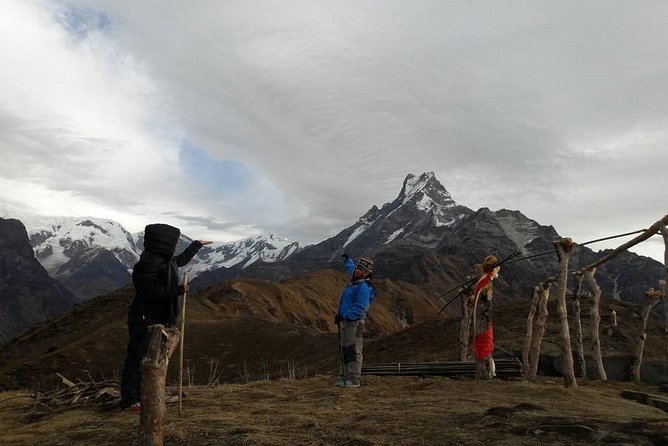
- Quieter trekking feel on the way to Mardi Himal, with lots of room to enjoy the views
- Altitude progression through Low Camp and High Camp before the 4500m Base Camp day
- Built-in transport plan: private drive to Kande and a sharing jeep back from Siding
- Permits included (TIMS and trekking permit), so you’re not chasing paperwork
- Guesthouse stays during the trek make logistics simpler than camping
Mardi Himal is the calmer side of Annapurna
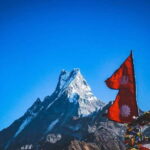
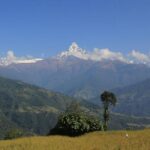
If you like Annapurna but don’t want the heavy crowds, Mardi Himal is a smart pick. The route is set up for day after day of steadily changing views, from lower ridges to the higher camps. Even at the start, you’re already seeing the Annapurna range from viewpoints as you gain elevation.
What I like most is the balance. You’re not doing a marathon grind every hour, but you are walking enough each day to feel like you earned the payoff. And because this is a less busy trek, you get more of that slow-moment feeling: stop, look, take a breath, and keep going.
The other big plus is the nature-and-people mix. Your trek includes forests and village stretches, with chances to interact with locals along the way. That’s the kind of travel moment that doesn’t show up on a bus window.
You can also read our reviews of more tours and experiences in Pokhara.
From Pokhara to Kande: Day 1’s view payoff starts early
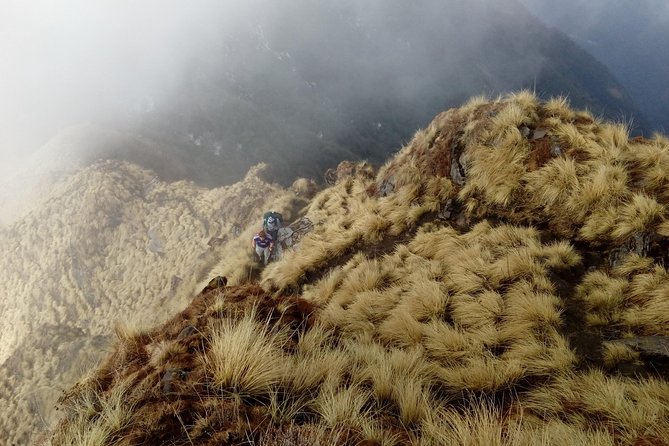
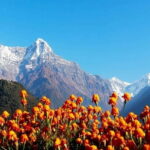
Day 1 begins with convenience: pickup from your hotel in the Lakeside area around 8:30am, followed by a private drive for about an hour to Kande. From there, your trek starts with an ascent up to Australian Camp (about 2000m).
At Australian Camp, you get a first meaningful look at the Annapurna mountain range. Then you continue by descending to Pothana (about 1700m) for your overnight stay.
Why Day 1 matters: it sets your rhythm without throwing you straight into the high altitude. The walking time listed for the day is about 5 hours, which is long enough to feel you’re on a trek, but not so long that you’re wiped out before the real climbing starts.
Possible drawback: because this starts early and includes both driving and trekking, you’ll want an easy morning routine. If you hate rushing, plan to be ready the night before so you’re not dealing with delays at pickup time.
Day 2 through villages and forest to Mardi Himal
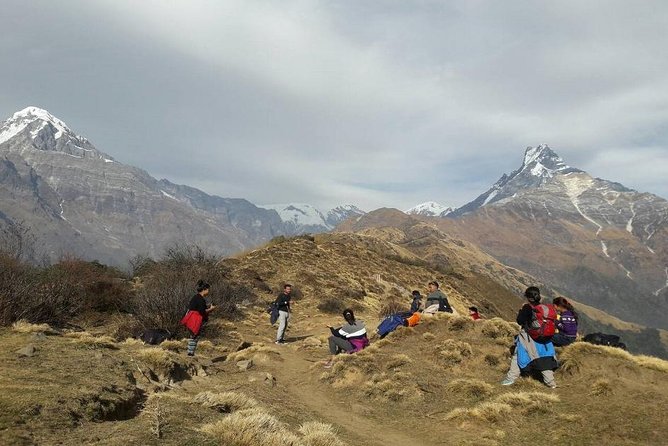
Day 2 is all about that gradual lift. You leave Pothana and head into forests and villages toward Mardi Himal. The day is around 5 hours on foot.
This is the day where the trek feels most human. You’re walking through areas where life continues around you, not just scenery in front of you. Even with basic conversation, it can make the experience feel less like a checklist trek and more like real travel.
You’ll also keep stacking viewpoint moments, so the scenery keeps getting better as the day goes on. It’s a good transition day: enough effort to feel progress, but not the hardest elevation challenge.
One note for your expectations: the itinerary lists “Mardi Himal” for the day, but the real value is how you get there—forest paths, local villages, and views that open up as you gain height.
Low Camp to High Camp: where the route really starts changing
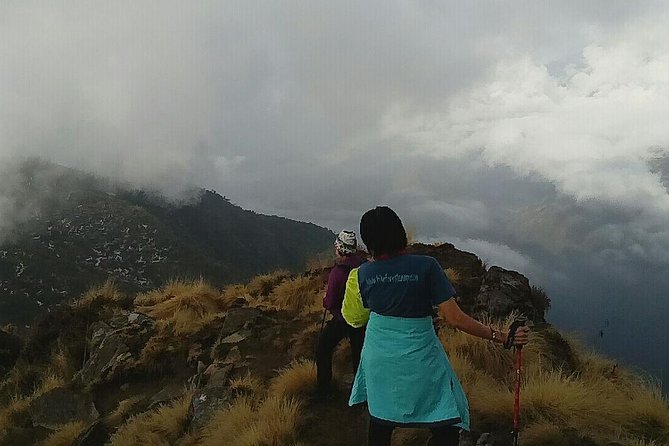
On Day 3, you ascend to Low Camp with a trek time of about 4 hours. Day 4 is another climb, also about 4 hours, heading up to High Camp.
Why this matters: the change from lower areas to camp zones is where Mardi Himal starts to feel serious. Low Camp and High Camp aren’t just waypoints. They’re the staging areas that help you reach the final Base Camp (around 4500m) day with a bit more control.
What you’ll notice as you go higher is how the air feels and how the mountain views sharpen. At these elevations, even when you’re not working constantly, your body is still paying attention. That’s normal for altitude treks. The camp structure helps because you’re not constantly jumping from sea-level routines to extreme height without a bridge.
In the reviews, the High Camp view specifically got praised for being amazing. That’s a good sign you’ll get your big “wow” moments before the final push.
The 4500m Base Camp day: plan for time, not just effort
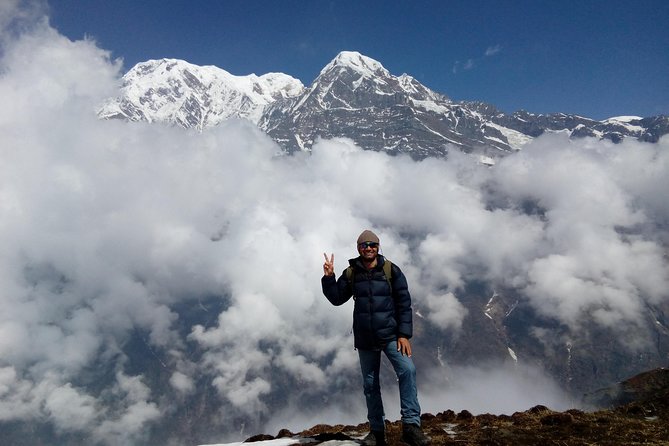
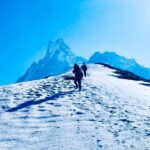
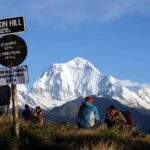
Day 5 is your destination day. The trek goes up to Mardi Himal Base Camp at about 4500m, and the day is listed at around 6 hours. After spending time at Base Camp, you trek back down to High Camp for your overnight stay.
This is the heart of the experience. The itinerary makes it clear that the day includes both reaching the summit-level viewpoint and doing the return leg in the same outing. That means you should treat it as a full trek day, not a quick target.
What you should aim for in your mindset: go steady on the ascent. At this altitude, a calm pace often beats pushing and then paying for it later. Take breaks when you need them. Base Camp is the reward, but the way you get there affects how much you can enjoy that reward.
In the feedback I read, people were really happy with the experience here, and several highlights pointed to the views from the higher points. If you’re the type who likes to stop often, this day fits you well—Base Camp time is included, not just a photo-and-run.
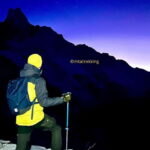
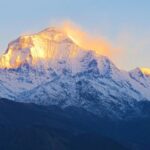
Days 6 to 7: descending through forests, then back to Pokhara
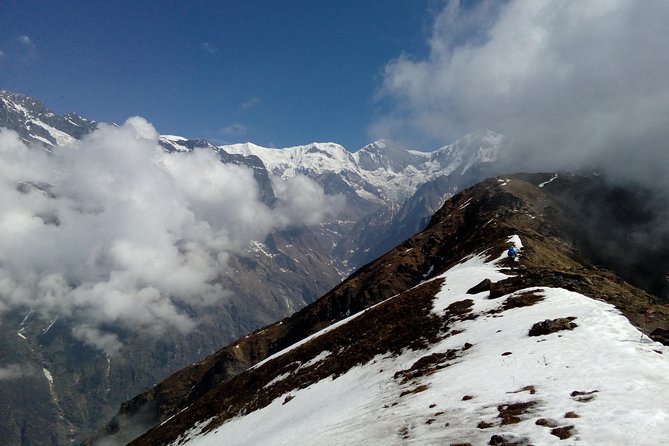
Day 6 is your descent day, heading down to Forests Camp. The walking time is about 5 hours. The tone shifts from climbing to settling in. This is the day where your knees get to judge your choices, so keep your steps controlled on the way down.
Then Day 7 wraps up with a different kind of travel. You trek toward Siding, then take a sharing local jeep to Milan Chowk, and continue back to Pokhara. After arrival in Pokhara, you’re dropped off at your hotel.
The day is listed at around 6 hours, so it’s not a short walk day. It’s more of a transition day: last walking segment, then jeep transfer, then final return.
Why this structure is practical: you don’t end the trek in a way that forces you to find your own transport. The plan is already built in, including the sharing jeep segment.
Price and logistics: what $359.90 buys you
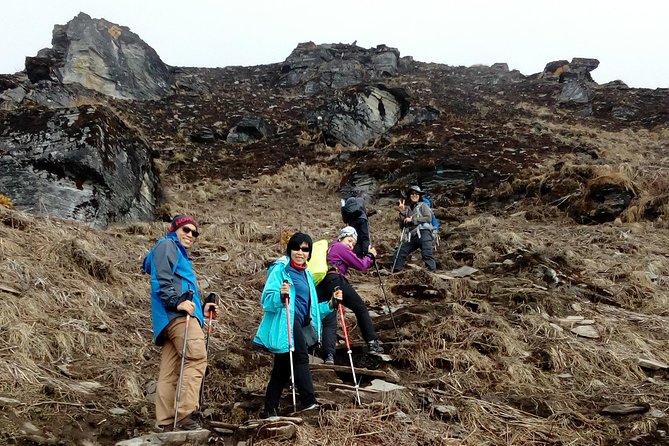
The price is $359.90 per person for about 7 days. For me, the key value check is not only the trek itself, but what’s already handled.
This tour includes:
- An English-speaking trekking guide
- Guesthouse accommodation during the trek
- Hotel pickup and drop off
- Private drive from Pokhara to Kande
- Sharing local jeep from Siding back to Pokhara
- TIMS and trekking permit
- A private trip format for your group
Meals and drinks are not included, and that’s the main ongoing cost you’ll manage. But because permits, guide, lodging, and core transport are covered, you can plan your budget more cleanly.
Is it “cheap”? It’s not a bargain-basement trek. But you’re paying for real services: guide time, covered paperwork, and the fact you don’t have to organize permits and trail logistics on your own. When I look at value, I ask: will I spend my energy planning, or on the trek? Here, the tour design leans toward letting you spend your energy walking and looking up.
Also, the trek is described as very beautiful and less crowded. That combination tends to match people who want a quality experience without fighting for space.
Guide experience: why Bisham’s name keeps coming up
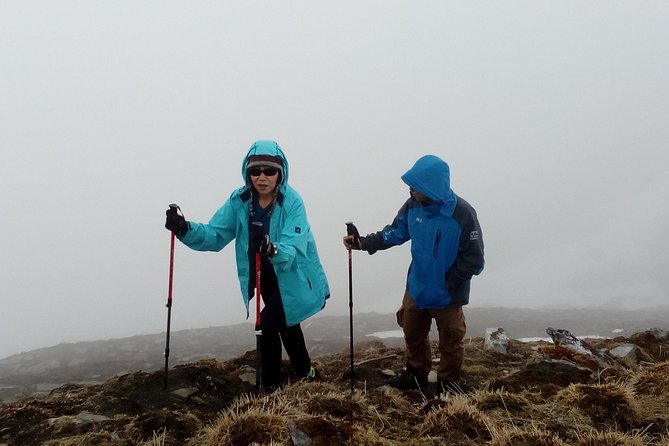
The guide is a big deal on any trek, and this one seems especially guided by consistency in service. In the reviews, Bisham was praised directly, including comments about how helpful and perfectly matched the guidance felt.
A couple of themes showed up:
- Friendly service that feels like more than a transaction
- Clear behavior and good support during the trek
- Satisfaction with value for money, tied to the guide’s work
That’s not just nice to hear. On a trek with multiple camp levels and a 4500m Base Camp day, a guide’s ability to keep the pace, manage the route, and explain what to expect can make the whole trip feel smoother.
If you’re new to Nepal, the guide matters even more. You’ll likely appreciate having someone who can guide you through the practical side of trekking while also helping you enjoy the views.
Fitness, pace, and how to think about the altitude
The trip is recommended for travelers with moderate physical fitness. The itinerary includes multiple days with 4 to 6 hours of walking, plus a high day at 4500m.
Here’s the practical way to think about it: this trek isn’t about running. It’s about steady work. If you’re comfortable walking several hours and you know how your body reacts when the air feels thinner, you’re a good match.
The biggest altitude consideration is simply that you’ll be going high enough that your body will notice it. The camp staging helps, but you should still plan to go slow on the climbing days, especially Day 3 through Day 5.
If you’re uncertain, don’t ignore that moderate fitness guidance. Being prepared is part of keeping the trip enjoyable.
Day-by-day rundown in plain terms
Day 1: Pokhara pickup → drive to Kande → climb to Australian Camp (2000m) → descend to Pothana (~1700m). About 5 hours walking.
Day 2: Trek through forests and villages toward Mardi Himal. About 5 hours.
Day 3: Ascend to Low Camp. About 4 hours.
Day 4: Ascend to High Camp. About 4 hours.
Day 5: Reach Mardi Himal Base Camp (~4500m), spend time there, then trek back to High Camp. About 6 hours.
Day 6: Descend to Forests Camp. About 5 hours.
Day 7: Walk to Siding → sharing jeep to Milan Chowk → back to Pokhara hotel drop-off. About 6 hours total.
Should you book this Mardi Himal Base Camp Trek?
I’d book it if:
- You want big Annapurna views without the same level of crowd pressure.
- You like camp-by-camp pacing and a trek that builds toward a 4500m payoff.
- You care about having a guide who can make the experience feel smooth and personal.
I might skip it if:
- You don’t want to handle the daily extra cost of meals and drinks on your own.
- You prefer fully self-contained comfort where you don’t think about food logistics at all.
- Altitude treks don’t suit your current fitness situation.
If you want a trek that mixes nature, mountain reward, and practical support (permits, guide, guesthouse stays, transport plan), this one checks the boxes. And with guides like Bisham getting named in the feedback, it’s also the kind of trip where service quality seems to matter.
FAQ
What time does the trek start from Pokhara?
The start time is listed as 8:15am, and pickup from the Lakeside area is described around 8:30am.
What is the highest altitude on this trek?
You reach Mardi Himal Base Camp at about 4500 meters on Day 5.
Are meals included in the tour price?
No. All meals and drinks are not included, and you can purchase them during the trek.
Are trekking permits included?
Yes. The trek includes TIMS and the trekking permit.
Is this tour private or shared with other groups?
This is a private tour/activity, so only your group participates. Transport back from Siding uses a sharing local jeep.
What is the cancellation window?
You can cancel for a full refund up to 24 hours in advance of the experience start time. If you cancel less than 24 hours before, the amount paid is not refunded.