REVIEW · MARRAKECH
Atlas Mauntains and 3 Valleys Trek
Book on Viator →Operated by Trek in Atlas · Bookable on Viator
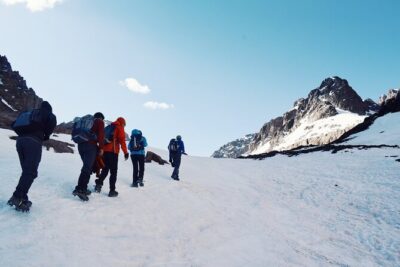
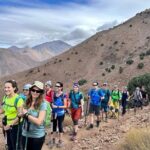
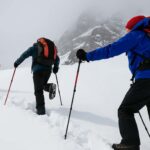
Atlas trails teach patience fast. This 3-day High Atlas trek gives you fresh mountain air, cool walks under juniper and pine shade, and big scenery built around deep gorges and rushing streams. I especially love how the route keeps you in motion while still offering small breathers in shaded vegetation, so the hike feels doable in real life, not just on paper.
I also love the human side of the journey: you hike with an allocated guide the whole time, and they’ll share culture and history as you go. On this kind of trek, names like Hassan and Mohammed Larbi come up often, and the vibe is clear—this isn’t only about steps, it’s about understanding what you’re walking through.
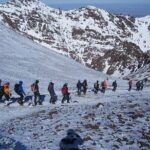
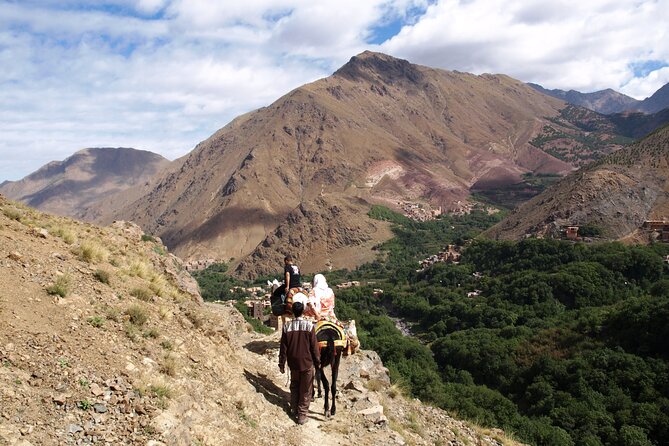
One consideration: some stretches can feel a bit scary or exposed for less-experienced hikers, so you’ll want solid shoes and a steady pace. If you’re the type who worries about footing, plan to take breaks and don’t try to “push through” fear—your guide will pace you for safety and comfort with you in mind.
In This Review
- Key points before you go
- Why the Atlas trek feels more real than a checklist
- The day-by-day flow (and what it means for your time)
- Day 1: Settling into mountain rhythm
- Day 2: Valleys, terraces, and villages you can actually talk to
- Day 3: Finishing with scenery that sticks
- Berber village stops: how to get the best out of them
- The scenery you’ll actually notice on the trail
- Guides on this trek: safety, pacing, and context
- Meals and tea: why the food setup matters on a hike
- Price and value: what $234.84 buys you
- Logistics that can quietly affect your comfort
- Who should book this Atlas Mountains and 3 Valleys Trek
- A realistic “should we worry?” checklist
- Final verdict: book it if you want the Atlas on foot
- FAQ
- What time does the trek start?
- Is pickup offered from Marrakech?
- What is included in the price?
- What meals or drinks are not included?
- Is this a private tour?
- Can I cancel for a full refund?
Key points before you go
- Cool shade on the trail from juniper and pine makes long walks feel easier
- Berber village time for real interactions and everyday culture, not just quick stops
- Terraced valley views where locals grow corn, barley, and vegetables
- Gorges and river streams with groves of cherry and walnut along the way
- Meals and tea included (plus accommodation) so you’re not doing logistics mid-trek
Why the Atlas trek feels more real than a checklist
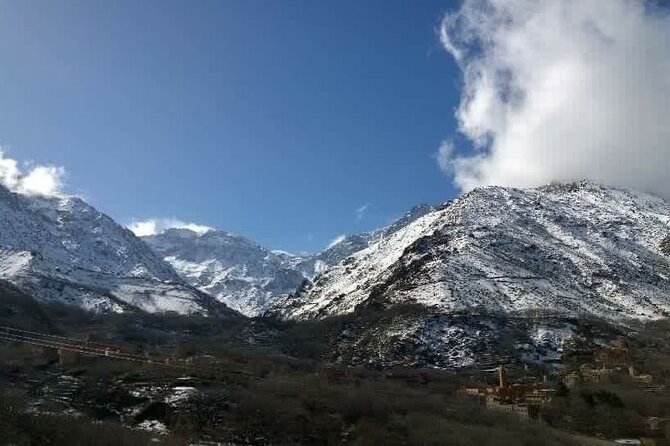
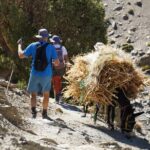
The Atlas Mountains can be touristy in cities and markets. Up in the hills, though, it turns into something more grounded. On this trek, you’re walking through cool vegetation, crossing deep gorges, and getting close to gushing river streams. That mix matters because it changes the pace and mood of the day—shade under the trees, then sudden openings where you can see valleys cut by water.
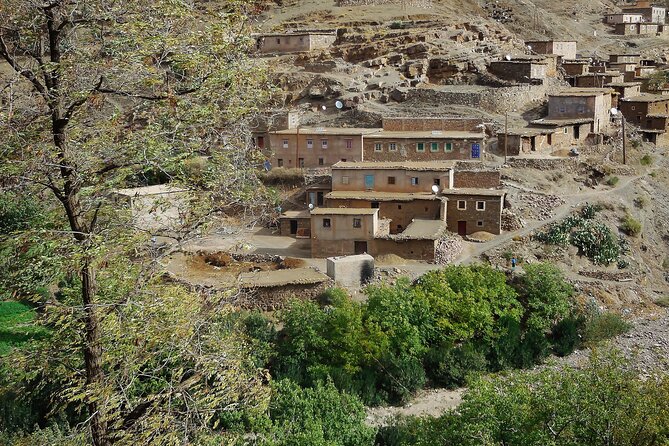
And then there’s the culture side, the part I’d actually put at the top of the list. You’ll pass through villages and hamlets tied to Berber communities. You’re not asked to perform or “act local.” Instead, you’ll have chances to interact, learn traditions and customs, and see how herding and farming life fits into the land.
If you’re the kind of traveler who likes authenticity but also likes clarity—where am I, what am I seeing, why does it matter—this trek’s guided structure is a good match.
You can also read our reviews of more tours and experiences in Marrakech.


The day-by-day flow (and what it means for your time)
This is a 3-day guided trek based from the Marrakech area, with pickup offered and a start time of 8:30 am. The trip is private, so your group stays together rather than being absorbed into a crowd.
Day 1: Settling into mountain rhythm
Day 1 is all about getting you from the city world into mountain walking mode. You’ll travel by air-conditioned minivan, then begin the trek through cool vegetation—think juniper and pine shade and frequent chances to rest without losing momentum. Lunch is included, so you’re not hunting for food while you’re already tired.
Afternoon tea is also included, which sounds like a small detail until you’ve been walking for hours. It’s the kind of break that helps you reset—something warm to drink, a chance to sit, and a moment to talk with your guide about what you’re seeing.
Day 2: Valleys, terraces, and villages you can actually talk to
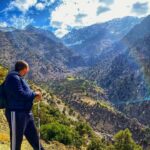
Day 2 focuses more on the valley world: rivers, streams, and terraced slopes where people grow crops like corn, barley, and vegetables. Terraces aren’t only pretty from a distance. They’re a living strategy—step by step, season by season—so when you see them up close, you understand why people build where they build.
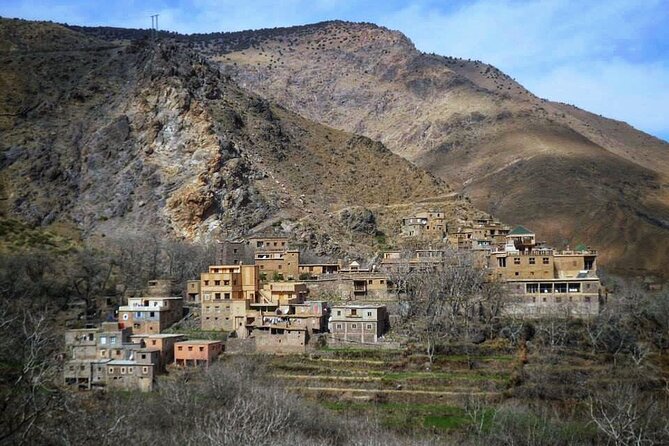
You’ll also pass through Berber villages and hamlets. This is where conversations happen best: everyday customs, farming rhythms, herding life, and why certain paths and fields exist where they do. Your guide’s role here is big. They help connect what you’re observing to the culture and history of the area.
Day 3: Finishing with scenery that sticks
Day 3 wraps up the trek with more mountain immersion—gorges, streams, and groves of cherry and walnut as the walk moves through the landscape. This is the day where photos start to feel almost effortless, because the scenery has variety and texture: shaded tree cover, open valley views, water sounds, and the carved feel of terraced farming.
Your meals (breakfast, lunch, dinner) are included through the itinerary, so you can focus on walking and being present rather than budgeting time to stop for food.

Berber village stops: how to get the best out of them
Village encounters can go two ways. Some tours treat villages like photo sets. This trek is different in the way the day is designed—your walking route passes through settlements belonging to Berber communities, so interaction happens as part of the landscape, not as an add-on.
Here’s how to make those village moments work for you:
- Be curious, not pushy. Ask what people do and how seasons change their work.
- Watch first, then ask. If someone is busy with herding or farming tasks, keep your questions respectful and brief.
- Let your guide set the tone. They’ll likely explain culture and history behind what you see, which helps you ask better questions.
The real benefit is that you’re not just seeing “traditional life.” You’re getting a glimpse of ongoing life—communities that are used to tourists, but still have their own pace and priorities.
The scenery you’ll actually notice on the trail
This trek’s nature details aren’t vague. You’re hiking through:
- Juniper and pine vegetation for shade breaks
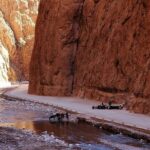
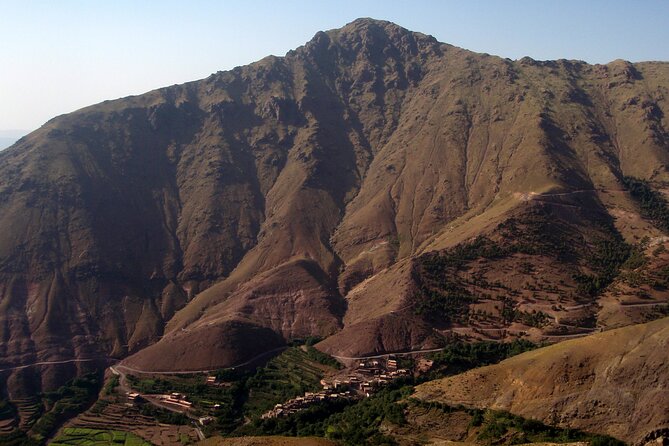
- Deep gorges where the terrain drops and opens
- Gushing river streams that keep the soundscape alive
- Cherry and walnut groves, giving the valleys a sense of orchard life
- Terraced valleys where locals grow corn, barley, and vegetables
What I like about this mix is that it changes what you’re thinking about. In one stretch you’re focused on shade and footing. In another, you’re looking for the line of the terrace walls or trying to understand how water shapes where crops grow. The scenery is varied enough that your brain stays engaged, which makes a multi-day hike feel less monotonous.
Guides on this trek: safety, pacing, and context
You’re with your allocated guide throughout the trek, and that’s a key value point. This isn’t only a person to point directions; it’s a person to interpret.
In the experiences shared, guides like Hassan and Mohammed Larbi come through with warmth and attention. That shows up in practical ways: explaining culture and history tied to the places you walk through, and keeping you comfortable and safe.
You should also expect pacing that makes sense for your group. Because the tour is private, your guide can adjust timing and breaks more easily than on large join-in tours.
Meals and tea: why the food setup matters on a hike
Food on a trek can be either a minor inconvenience or a comfort tool. Here it’s built in. You’ll get:
- Breakfast, lunch, dinner
- Afternoon tea
- Coffee and/or tea
That inclusion isn’t just about calories. It means you don’t have to negotiate hunger while you’re navigating mountain logistics. You’ll also likely enjoy home-style meals, the kind that make a long day of walking feel rewarded rather than exhausting.
What’s not included: soft drinks and tips. Plan to handle those separately if you want them. If you prefer water-only or tea-only, that’s easy too since tea/coffee is part of the setup.
Price and value: what $234.84 buys you
At $234.84 per person, you’re paying for far more than “a guide and some trails.” The package includes:
- Accommodation as per the itinerary
- Transport by air-conditioned minivan
- All meals (breakfast, lunch, dinner)
- Afternoon tea and coffee/tea
- Pickup offered
- A private setup, so it’s just your group
When you break it down, the value is strongest if you’d otherwise have to piece together transport, meals, and a local guide on your own. The guide plus meals are the heavy-lift items. The minivan also helps—getting to the start of the hike smoothly changes how your first day feels.
If your travel style is DIY and you’re comfortable arranging everything locally, this might feel more packaged than you like. But if you want your days structured so you can walk and enjoy instead of running errands, the price makes sense.
Logistics that can quietly affect your comfort
A few small details matter more than they sound:
- Start time is 8:30 am, so plan an easy morning before pickup.
- You’ll have a mobile ticket and confirmation at booking time.
- The experience is private, so your group won’t be mixed with strangers.
- “Most travelers can participate,” but this is still a trekking experience across multiple days—bring shoes you trust and layers for mountain temperature shifts.
Also, pack like you’re hiking in changing weather. Even if the trail is cool, mornings and evenings can feel different in the High Atlas.
Who should book this Atlas Mountains and 3 Valleys Trek
This is a strong choice if you want:
- A guided, interpretive hike with culture and history explained
- Berber village interactions as part of the route
- Variety: gorges, streams, orchards, and terraced farming
- A plan that includes meals and tea so you can stay present
It’s also a good fit for groups who want privacy—family-style pacing or friends traveling together.
If you hate guided structure or you need complete freedom to skip stops, you may find it a bit too planned. And if you’re very sensitive about exposed or “scary” footing, consider asking your guide about the route style in advance and plan to take it slow.
A realistic “should we worry?” checklist
You might want to adjust expectations if any of these apply:
- You’re not confident on uneven paths or exposed sections. Some parts can feel scary for less-experienced hikers.
- You’re expecting a leisurely walk the whole time. This is multi-day trekking, so build in energy for walking days.
- You want nightlife or city breaks. This tour is built around the mountains and villages, not evenings in Marrakech.
The upside is that you’re not left on your own. You have an allocated guide for safety, comfort, and context.
Final verdict: book it if you want the Atlas on foot
I’d recommend booking this trek if you want the Atlas Mountains as more than scenery. The best part is the combination: walking through shaded juniper and pine zones, seeing gorges and streams, and also getting real time with Berber villages where terraced farming shapes daily life.
Book it if you like guided explanations and want your meals, transport, and tea handled so you can focus on the trail. Skip it only if you need a very easy, low-structure hike or you have concerns about footing and exposure you’re not ready to manage.
FAQ
What time does the trek start?
The start time is 8:30 am.
Is pickup offered from Marrakech?
Yes, pickup is offered. Transport is by air-conditioned minivan.
What is included in the price?
Accommodation as per the itinerary, afternoon tea, transport by air-conditioned minivan, breakfast, lunch, dinner, and coffee and/or tea are included.
What meals or drinks are not included?
Soft drinks are not included, and tips are not included.
Is this a private tour?
Yes. It’s private, and only your group participates.
Can I cancel for a full refund?
You can cancel up to 24 hours in advance of the experience start time for a full refund. If you cancel less than 24 hours before, the amount you paid will not be refunded.