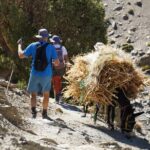
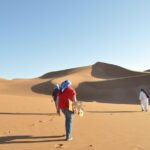
High Atlas footpaths, real Berber life. This Imnan Valley to Azzaden Valley trek mixes big mountain views with up-close moments in Berber villages, including visits where you can see terraced corn and barley and learn about everyday traditions. I also love that mules carry your luggage, so you can focus on the trail instead of hauling a heavy pack.
The only real catch: this is weather-dependent. If conditions are rough, the pace and comfort change fast, and you’ll want to show up with at least a moderate fitness level.
You start at 8:00 am with a local English/French-speaking Berber tour leader, and you’ll be on a private route with your group. Expect a guided trek with an overnight in a Berber villages guest house, plus sightseeing that ties the valleys together.
In This Review
- Key highlights you’ll feel on this High Atlas trek
- Imnan Valley to Ait Mizan: a route with purpose
- Azzaden Valley: colors, farming, and real conversation
- Tazagahrt plateau and waterfall payoff in the High Atlas
- The sightseeing add-ons: Imlil Valley, Dkent Valley, and peak views
- Berber villages guest house night: the comfort stop you’ll appreciate
- How the guides, mule handlers, and the Abderrahim touch shape the experience
- Meals on trek: the cook team and luggage-friendly setup
- Price and value: what $289.13 covers for a 4-day High Atlas experience
- What to pack (and what to expect) for High Atlas trekking days
- Should you book this High Atlas trek from Marrakech?
- FAQ
- What time does the trek start?
- How long is the trekking experience?
- Where does the trek start and finish?
- Do I get pickup from my hotel?
- Is this tour private?
- What languages does the guide speak?
- Are mules included?
- Are meals included?
- Is travel insurance included?
- Is there a minimum fitness level?
- What happens if weather is poor?
- How does cancellation work?
Key highlights you’ll feel on this High Atlas trek
- Imnan Valley start, Ait Mizan finish: the route has a clear arc through the mountains.
- Azzaden Valley sightseeing: color, farming life, and classic High Atlas scenery.
- Tazagahrt plateau and waterfalls: you’re aiming for that water-and-rock payoff.
- Berber home interactions: you’re not just passing through; you’re invited to observe and talk.
- Mules for luggage: your legs work, but your bag doesn’t have to be the main character.
- Meals handled on the trek: cooking is covered, with a dedicated cook team and kitchen equipment.
Imnan Valley to Ait Mizan: a route with purpose
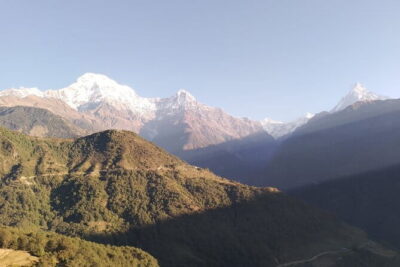
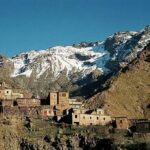
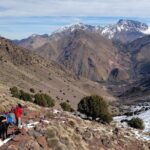
This trek runs through the High Atlas in a way that feels more like “walking a story” than doing a checklist. You begin in the Imnan Valley and finish in the valley of Ait Mizan, with the Azzaden Valley sitting in the middle as one of the most vivid parts of the journey.
What I like about this kind of point-to-point trekking is that you’re not retracing your steps all day. Even when the trail is slow and rocky (it is mountains after all), the scenery is changing around you. Valleys open, fields appear, and the air often feels different when you gain or lose height.
You also get a nice balance: the core walking days are about 3 days of trekking, but the full experience is stretched to around 4 days with sightseeing woven in. That helps if you want real time on foot without turning the whole trip into a nonstop grind.
You can also read our reviews of more tours and experiences in Marrakech.


Azzaden Valley: colors, farming, and real conversation
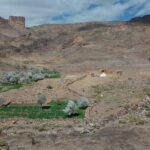
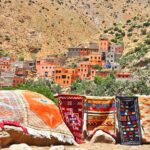
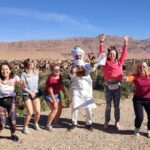
The Azzaden Valley is central to why this trip feels so human. You’re not just looking at views—you’re moving through areas where people grow crops and live close to the land.
A couple details matter here:
- You’ll see terraced fields, including corn and barley, which is exactly what keeps these valleys alive.
- You’ll have chances to visit homes and interact with families to understand local traditions and customs.
In practice, those home visits change the mood. Instead of being “just tourists with backpacks,” you become something closer to a guest passing through. The tour is led and supervised by experienced local guides and mule handlers, so you’re following a path that makes sense to the people who live there—not a route designed only for outsiders.
One more thing: you’ll still get time to look up. As you pass through Azzaden Valley, the colors and movement of daily life sit right next to big mountain walls. It’s a combination that’s easy to remember later.
Tazagahrt plateau and waterfall payoff in the High Atlas
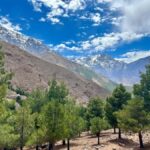
Then comes the part many people are really chasing: the Tazagahrt plateau, known for its waterfalls.
Even if you’ve seen waterfalls before, the High Atlas setting has a different feel. Water here often means temporary life in the landscape—green patches where you might not expect it, a cooling mist in the air, and louder sounds as you get closer. The plateau also works as a natural “destination moment” where the trek shifts from village-and-valley rhythm toward a bigger sense of place.
This is where the guide’s pacing matters. You’re trekking in a mountainous area, so conditions can vary by season and weather. You’ll want to trust the local timing rather than forcing a fast pace, especially on days that might include uneven footing.
The sightseeing add-ons: Imlil Valley, Dkent Valley, and peak views
A key value point is that you’re not limited to trail time. Along with the trekking, you’ll have a sightseeing tour that includes:
- Azzaden Valley
- Imlil Valley
- Dkent Valley
- views around High Atlas waterfall
- High Atlas peaks
That matters because each valley has a slightly different “feel,” even when the overall mountain system stays the same. You get multiple angles, plus the chance to see places that you might not reach on your own without local knowledge.
If you like photos, this portion will feed your camera. If you like walking, it still helps, because sightseeing days often come with shorter stretches and more time to pause and take in where you’re going next.
And if you’re the type who gets restless when every day is the same, the variety across Azzaden, Imlil, and Dkent breaks that up nicely.
Berber villages guest house night: the comfort stop you’ll appreciate
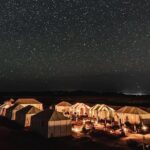
This experience includes an overnight at a Berber villages guest house.
Even when a trek is going well, a real bed after a day of hiking makes everything better the next morning. It also gives you a pause point where you can slow down and experience the village setting after daylight fades.
What I’d plan for mentally: guest house nights can be simple compared to a city hotel. That’s not a bad thing. It’s part of the appeal—your comfort comes from being cared for by the team and staying in the local rhythm, not from luxury finishes.
If you’re planning your packing, treat this as “mountain basic” rather than “resort.” Bring what helps you sleep well—layers especially. Evenings in the mountains can change quickly.

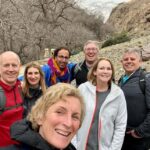
How the guides, mule handlers, and the Abderrahim touch shape the experience
The trek is led and supervised by qualified, experienced local guides and mule handlers. That’s not just a safety statement. It changes how the whole day feels.
When you have a strong guide, you get:
- better pacing on uneven terrain
- smoother transitions between valleys and village sections
- a more respectful flow during home visits
One detail that stood out from the feedback is the role of Abderrahim. People praised his professionalism, his organization, and his encouragement during harder steps. That kind of guiding style matters on High Atlas trails because the hardest part is often mental: the last meters when you’re tired, or the moments when the trail feels steeper than your legs want.
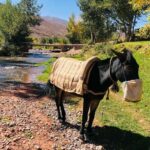
There’s also a practical, caring side. One note mentioned that Hassan’s mule helped carry children when they were tired. That tells you the team pays attention to real needs—not just the schedule.
Private and group-focused also helps. This is a private tour/activity, so you’re not squeezed into a crowd. Your guide can adjust to your pace and questions.
Meals on trek: the cook team and luggage-friendly setup
Meals are included, which is a big deal on a multi-day mountain trek. This trip provides:
- breakfast, lunch, dinner during your trek
- kitchen equipment
- a cooking man who prepares the meals
I like tours that handle food because it turns the trek into something you can actually enjoy. Instead of thinking about where you’ll eat or what you’ll find, you spend your energy on the walking and the views.
Also, the mule support matters here too. If your luggage is carried, you usually travel with less weight on your back, which helps your energy last through the day. The goal is simple: keep you moving, keep you comfortable, and keep you safe.
Price and value: what $289.13 covers for a 4-day High Atlas experience
At $289.13 per person, this is priced like a guided, supported mountain trek, not like an independent DIY plan. The value comes from what’s already built in:
Included items that justify the price:
- transfers from and to your hotel
- an English/French-speaking Berber tour leader
- mules to carry luggage
- meals with a cooking team and kitchen equipment
- the overnight guest house in Berber villages
Not included:
- personal travel insurance
For your budget, the biggest “value multiplier” is the combination of guidance + mule support + meals + lodging. Those aren’t small extras in the mountains. If you tried to reproduce this on your own, the biggest costs usually aren’t only food and beds—it’s getting the right local coordination and the safe help to carry gear.
So if you want the mountains without the planning headache, this price can feel fair. If you’re the type who enjoys doing everything independently, you might compare it to DIY options—but in the High Atlas, local guidance is a huge part of why the trek works well.
What to pack (and what to expect) for High Atlas trekking days
The tour asks for moderate physical fitness, so think “steady hiking,” not sprinting. The days can include uneven paths and altitude-style exertion even if you’re not doing technical climbs.
Here’s practical packing advice that helps on days like these:
- Wear shoes with grip for rocky or uneven ground.
- Bring layers. Mountain temperatures can shift, especially from morning to afternoon to evening.
- Carry a basic day bag even if your luggage rides on a mule—small essentials keep you comfortable.
- You’ll want water and sun protection. High Atlas light can be intense.
Also, plan for the pace to be shaped by weather. This experience requires good weather, and the provider will adjust if conditions aren’t right.
Should you book this High Atlas trek from Marrakech?
Book it if you want a guided High Atlas Mountains trek that mixes real village life with big scenery, without handling the heavy logistics yourself. The private format, the mule support, and the included meals and transfers make it a smooth way to experience the Azzaden Valley, aim for Tazagahrt waterfalls, and finish in the Ait Mizan valley.
Skip it or rethink if you’re very sensitive to changing weather or you want a totally flexible itinerary with no dependence on mountain conditions. Also, if moderate physical fitness is a stretch for you right now, consider building up gradually first.
If your goal is authenticity with support—homes, terraces, valleys, and a caring local team—this one fits.
FAQ
What time does the trek start?
The start time is 8:00 am.
How long is the trekking experience?
The trek is described as a 4-day trekking experience, with the overall duration noted as approximately 5 days.
Where does the trek start and finish?
It begins in the Imnan Valley and finishes in the valley of Ait Mizan.
Do I get pickup from my hotel?
Yes, transfers from and to your hotel are included, and pickup is offered.
Is this tour private?
Yes. It’s a private tour/activity, so only your group participates.
What languages does the guide speak?
The tour leader speaks English and French.
Are mules included?
Yes. Mules are provided to carry your luggage during the trek.
Are meals included?
Yes. All meals during the trek are included (breakfast, lunch, dinner).
Is travel insurance included?
No. Personal travel insurance is not included.
Is there a minimum fitness level?
Travelers should have a moderate physical fitness level.
What happens if weather is poor?
This experience requires good weather. If it’s canceled due to poor weather, you’ll be offered a different date or a full refund.
How does cancellation work?
You can cancel for free up to 24 hours in advance for a full refund. If you cancel less than 24 hours before the start time, the amount paid isn’t refunded.