REVIEW · MARRAKECH
Mount Toubkal Trek 2 days from Marrakech with a Guide
Book on Viator →Operated by Atlas Mountain Travel · Bookable on Viator
Toubkal sunrise is pure payoff. This 2-day climb from Marrakech is built for people who want the real altitude experience of Morocco’s highest mountain without mountaineering skills. I especially like the early summit plan for better light and the fact that mules carry your bags, so you can focus on walking. The main drawback? It’s still a solid hike at altitude, so you’ll want moderate fitness and realistic expectations for steep climbs.
The trip also has a clear, doable rhythm: drive into the Atlas, walk up to the refuge, sleep close to the mountain, then go for the summit the next morning. Guides like Rachid and Mohammed/Muhammad come up in feedback, and the consistent theme is calm pacing and route know-how. One more thing to consider: sleeping bags aren’t included, so you’ll need your own if you’re sensitive to cold.
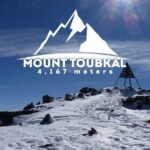
If you’re aiming for North Africa’s highest point—4167m—this format is a smart “express” version of the Toubkal experience. It’s ideal when you want guided support, meals covered, and an overnight at the Toubkal Refuge instead of day-hiking and trying to do everything on your own.
In This Review
- Key Things I’d Watch Before You Go
- Why a 2-Day Toubkal Trek Feels Just Right
- Marrakech to Imlil: Setting Off Into the Atlas
- Day 1 Walk: Aït Mizane, Aremd, Sidi Chamarouch, and Up to 3207m
- Overnight at Toubkal Refuge: Close to the Mountain
- Day 2: Sunrise Summit Bid on Jebel Toubkal (4167m)
- Guides, Mules, and Meals: What the Support Actually Gives You
- Price and Value: Is $339.45 Fair for a 2-Day Summit?
- Fitness and Altitude: What Moderate Really Means Here
- What to Pack (and What You Can Skip)
- Who Should Book This 2-Day Toubkal Climb?
- Should You Book Mount Toubkal for Two Days?
- FAQ
- How long is the Mount Toubkal trek?
- What’s the highest elevation you reach?
- Do I need mountaineering experience?
- Where do we start and end?
- Is pickup from my accommodation included?
- Is accommodation included?
- Are meals included?
- Are mules included for carrying bags?
- Is a sleeping bag included?
- Can I cancel for a full refund?
- FAQ
- Are service animals allowed?
- Do I need an ice ax?
- Is tipping included?
- Is it a private tour?
- Where does the itinerary include on Day 1?
Key Things I’d Watch Before You Go
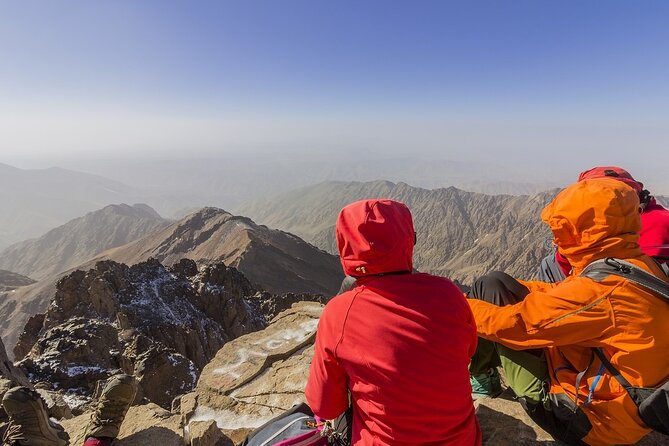
- Sunrise summit timing gives you better views and a memorable finish
- Mules carry your bags, which reduces the load you hike with
- Refuge night (3207m) puts you close to the real climbing zone
- Meals and hot drinks included keep your energy steady on both days
- Winter gear note: an ice ax is included in winter conditions
- No sleeping bag included, so cold-weather planning matters
Why a 2-Day Toubkal Trek Feels Just Right
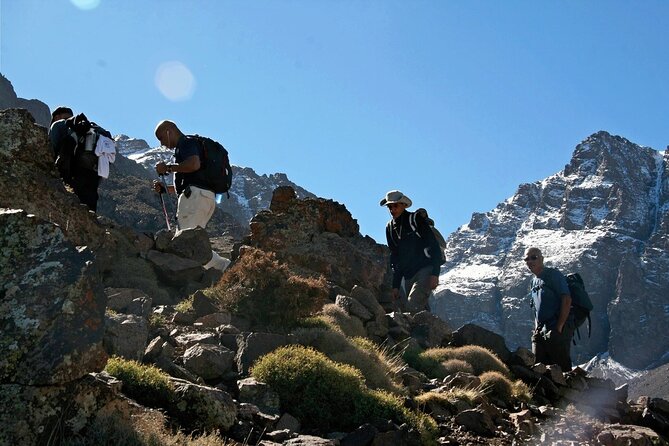
Mount Toubkal is 4167m above sea level. That number sounds intimidating because it is. Still, the hike is designed so you don’t need mountaineering technique. You’ll be walking steep paths, over rocky ground, and at times near streams—work you can do with a steady step and a good guide.
The real value of this 2-day version is the pacing. Day 1 is a climb to the refuge at 3207m, so you’re not trying to force the whole ascent on the same day. Then Day 2 starts early, when the summit attempt is most rewarding (and usually more manageable). If you’re the type who likes big rewards without turning the trip into an all-week training camp, this structure fits.
Also, the support is practical. You get an experienced mountain guide, mules for luggage, and a night in the refuge. That combination matters more than people think. It means you’re not juggling logistics in the hardest part of the journey.
You can also read our reviews of more tours and experiences in Marrakech.
Marrakech to Imlil: Setting Off Into the Atlas
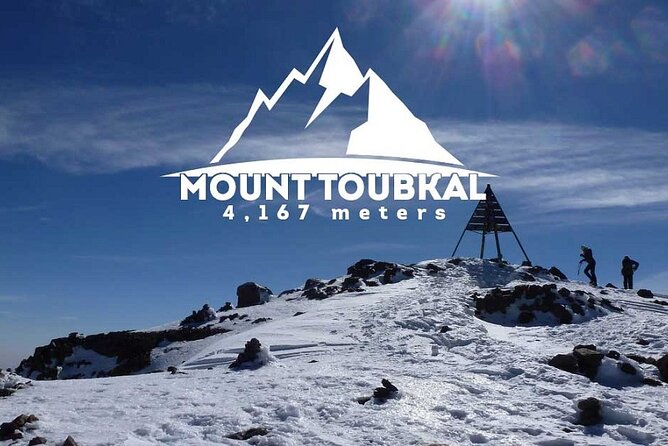
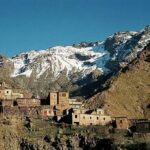
Your adventure begins with pickup from your accommodation in Marrakech. Then you drive toward Imlil, a common gateway into the High Atlas. Imlil sits around 1740m, so even before you start hiking, you’re already moving up from the city.
Why this matters: altitude changes fast in Morocco’s mountains. Even the drive helps you transition into the altitude environment instead of jumping straight into a long summit attempt.
Once in the Imlil valley, you’ll meet the local team and start trekking through the valley of Aït Mizane. This stretch is a “get your rhythm” phase. You’re hiking, but you’re also gradually changing terrain and elevation—perfect for settling into your pace with your guide.
The main drawback here is time and coordination. You’ll want to be ready when pickup happens, because you’re trying to fit a full climbing day around travel and meeting your team.
Day 1 Walk: Aït Mizane, Aremd, Sidi Chamarouch, and Up to 3207m
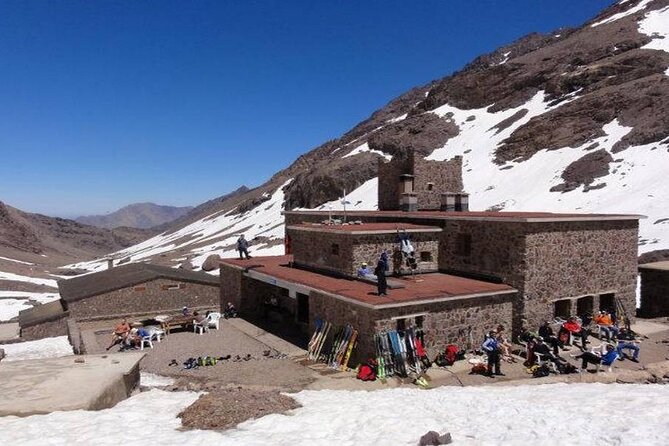
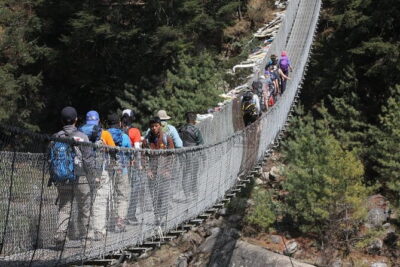
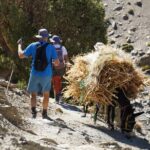
Day 1 runs about 4–5 hours of walking. You’ll head toward Aremd, then continue through the area of the sanctuary of Sidi Chamarouch, with a nearby waterfall as part of the scenery along the way.
That sanctuary stop is more than a photo break. Sites like this can give you a sense of why these routes matter to locals, not just hikers. The waterfall area is also your reminder that the mountains have moods—cooler air, sound of water, and a different feel than the dusty trail sections.
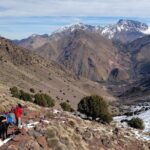
From there, the route becomes more steep and focused on gaining height. Eventually, you reach the Toubkal refuge at 3207m, where you’ll stay overnight.
What I like about this day: it’s long enough to feel like you did the work, but it doesn’t burn you out before the summit push. The refuge night is positioned so your body gets at least one night near the climbing zone.
The main thing to keep in mind: you might feel the day in your legs more than you expect. This isn’t a casual walk. Even though it’s not a technical climb, the elevation + steep steps can slow you down.
Overnight at Toubkal Refuge: Close to the Mountain
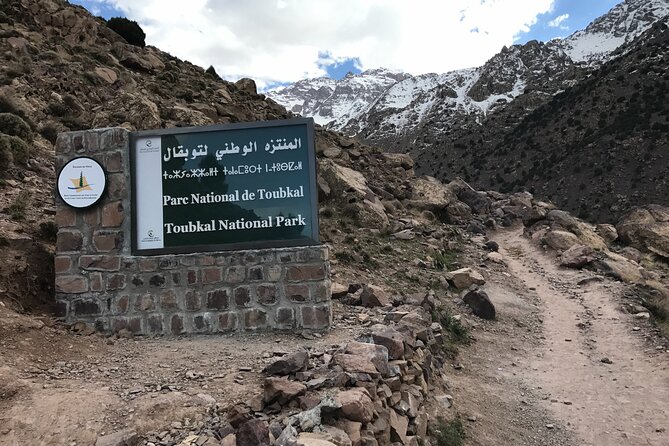
Sleeping at the refuge is a key piece of why this trek works. At 3207m, you’re already at a high altitude when Day 2 begins. That means you start closer to the summit zone, which reduces the “all at once” strain.
Inclusions help here. Your package includes accommodation at the Toubkal refuge, plus meals: 2 lunches, 1 dinner, and 1 breakfast. You also get mineral water, and coffee and tea. Those details aren’t just nice—they help with energy management.
A practical note: sleeping bags aren’t included. If you run cold, bring a warm sleep system. Refuge conditions can be chilly, and you’ll be sleeping at altitude, which can feel colder than you expect.
Day 2: Sunrise Summit Bid on Jebel Toubkal (4167m)
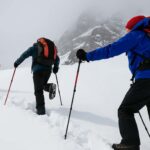
Day 2 is the big day. You’ll start early to reach the top of Jebel Toubkal, the highest point in North Africa. The total hiking time is about 9 hours of walking, plus about 1h30 of driving across the full day.
The route goes over streams at times and through rockier terrain as you climb. Then you reach a plateau area where you can pause and take in wide views.
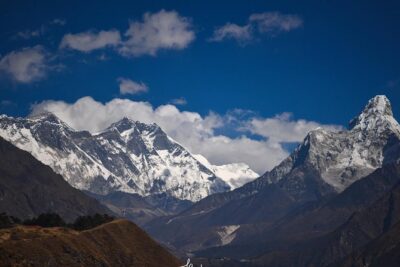
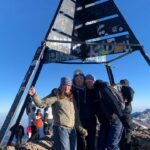
This is where the experience really earns its keep: from the summit you can see the plain of Marrakesh and the High Atlas to the north, and the Anti-Atlas and the Sahara direction to the south. On a clear morning, it’s a full-Atlas panorama, not just a single mountain viewpoint.
From the summit, you’ll head back down gently to the refuge, and then continue to Imlil and return to Marrakech.
Why I think sunrise is the right choice here: it turns the summit from a random high point into a moment. It’s also typically cooler and often more comfortable for the long back-and-forth day.
The drawback is simple: it’s a long day on the legs. Even with a guide who paces you well (guides like Mohammed/Muhammad are specifically praised for not rushing), you’re still hiking for hours at altitude.
Guides, Mules, and Meals: What the Support Actually Gives You
This trek is not just “a route.” It’s a package of support that changes how hard the climb feels.
Here’s what’s included that helps most:
- Experienced mountain guide: route knowledge and pacing are the difference between feeling stressed and feeling in control.
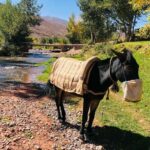
- Mules to carry your bags: you hike lighter, which matters on summit day.
- Air-conditioned vehicle: not glamorous, but it helps you arrive without feeling worn out.
- Refuge accommodation: you’re not trying to do a long day-hike round trip.
- Meals and drinks: 2 lunches, 1 dinner, and 1 breakfast, plus mineral water and hot drinks.
Winter note: an ice ax is included in winter. If you’re traveling in colder months, that’s a comfort for safety planning—ask ahead about seasonal conditions, but the gear inclusion is a positive signal.
Not included is also important:
- Tips for the guide and driver
- Soda/pop
- Sleeping bags
If you’re trying to budget cleanly, plan on bringing some extra cash for gratuities and your own snacks/drinks if you want them beyond what’s included.
Price and Value: Is $339.45 Fair for a 2-Day Summit?
At $339.45 per person, this isn’t a bargain-basement day tour. But for a two-day hike with an overnight at altitude, a guide, mule support, transport, and full meals, it’s more like paying for structure.
Here’s the practical value math:
- You get a trained mountain guide for the whole experience.
- You get refuge accommodation at 3207m instead of DIY scrambling.
- You get mules to reduce your load.
- You get meals and hot drinks, which saves you from hunting food after hours of walking.
If you tried to do the same mountain on your own, the “invisible” costs would add up fast: finding safe logistics, getting the right timing for sunrise, securing an overnight, and figuring out what gear you truly need.
So is it worth it? If you want the summit experience with less stress and more local support, yes, it’s fairly priced for what’s included. If you’re a super-experienced hiker who already knows the area and can handle all logistics, you might find cheaper options—but you’d be taking on more risk and more work.
Fitness and Altitude: What Moderate Really Means Here
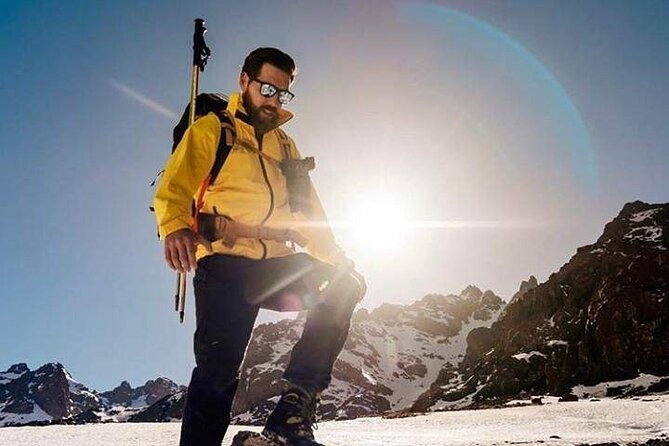
You should have a moderate physical fitness level. That sounds vague, but you can translate it into action: you should be comfortable walking uphill for long blocks and handling rocky ground without needing stops every few minutes.
The walking blocks are real:
- Day 1: about 4–5 hours
- Day 2: about 9 hours walking
Also, you’ll be at high elevation: starting near 1740m, sleeping at 3207m, and climbing to 4167m. Your body will respond differently depending on hydration, sleep, and how fast you push early in the morning.
One reason a guide matters here is the pacing. In feedback, guides like Mohammed are praised for watching comfort levels and not rushing when people got tired. That approach helps you avoid the classic mistake: going too fast at the start and paying for it later.
What to Pack (and What You Can Skip)
Since sleeping bags aren’t included, that’s the first “don’t skip” item. Also think layers. Even in seasons that feel mild in Marrakech, the refuge zone and summit morning can feel cold.
Beyond that, the data you have doesn’t list a full packing list, so I’ll keep this practical: wear shoes with good grip for rocky paths, bring weather layers for early cold mornings, and pack a small day bag for water and essentials.
If you’re going in winter, remember the tour includes an ice ax in winter conditions, which is helpful. You still might want to bring gloves and warm layers based on actual forecast and trail conditions.
Who Should Book This 2-Day Toubkal Climb?
This experience is a great fit if:
- You want to reach the summit of North Africa’s highest peak in a short time
- You’re comfortable with strenuous hiking and elevation
- You prefer guided support over self-planning
- You want an overnight stay at altitude (not a frantic same-day round trip)
It may not be ideal if:
- You’re looking for an easy walk
- You can’t handle long hours of uphill hiking, even with a guide
- You’re missing basic cold-weather sleep gear (since sleeping bags aren’t included)
The private format is another plus: this is a private tour/activity, so it’s just your group. That can make pacing and comfort feel more natural.
Should You Book Mount Toubkal for Two Days?
If you want a real mountain moment—sunrise from 4167m, wide Atlas views, and the confidence of having guide and mule support—this is a strong pick. The structure is smart: climb to the refuge on Day 1, sleep at altitude, then start early and go for the summit without needing mountaineering experience.
Book it if you can walk for 4–5 hours on Day 1 and handle a long Day 2. If that’s you, you’ll likely love how focused the experience is. You’re not just touring Morocco—you’re doing Morocco’s high-altitude highlight.
If that sounds like your kind of trip, go for it. If not, you might want a less demanding mountain hike first and come back to Toubkal when your legs and lungs are ready.
FAQ
How long is the Mount Toubkal trek?
The trek runs for about 2 days, with roughly 4–5 hours of walking on Day 1 and around 9 hours of walking on Day 2.
What’s the highest elevation you reach?
You climb to Jebel Toubkal, which is 4167m above sea level.
Do I need mountaineering experience?
No. The trek is challenging, but it does not require mountaineering experience.
Where do we start and end?
You start in Marrakech, drive to Imlil to begin the hike, and then return to Marrakech at the end of Day 2.
Is pickup from my accommodation included?
Yes, pickup is offered from your accommodation in Marrakech.
Is accommodation included?
Yes. You stay at the Toubkal refuge.
Are meals included?
Yes. You get 2 lunches, 1 dinner, and 1 breakfast, plus mineral water, coffee, and tea.
Are mules included for carrying bags?
Yes. Mules are included to carry your bags.
Is a sleeping bag included?
No. Sleeping bags are not included.
Can I cancel for a full refund?
Yes. You can cancel up to 24 hours in advance for a full refund.
FAQ
Are service animals allowed?
Yes, service animals are allowed.
Do I need an ice ax?
The tour includes an ice ax in winter conditions.
Is tipping included?
No. Tips for the guide and driver are not included.
Is it a private tour?
Yes. It’s private, meaning only your group participates.
Where does the itinerary include on Day 1?
Day 1 includes the valley of Aït Mizane, Aremd, the sanctuary of Sidi Chamarouch, and a nearby waterfall before reaching the Toubkal refuge.