REVIEW · KATHMANDU
Everest Base Camp Trek with Island Peak Climbing
Book on Viator →Operated by Ace the Himalaya · Bookable on Viator
Altitude has a way of changing your pace. This Everest Base Camp trek plus Island Peak climb is built around support—guides, porters, permits, domestic flights, and even a filtered-water system—so you can focus on moving and soaking up the Himalaya.
I especially like the way the schedule includes acclimatization days in the exact right places (Namche, Dingboche, and more buffer time around Island Peak). One possible drawback: you still need strong fitness and you’ll want to budget for things that aren’t included, like personal trekking gear, plus tips for staff.
In This Review
- Key highlights worth your attention
- Kathmandu First: Getting Oriented Before You Face the Thin Air
- From Kathmandu to Lukla: The Start of the Real Adventure
- Lukla to Namche: Bridges, Villages, and the Gateway Feeling
- Namche Acclimatization: The Day That Makes the Climb Work
- Tengboche and Dingboche: Monastery Stops and Altitude Control
- Lobuche and the Road to Everest Base Camp
- Kala Patthar: The Hard Morning That Pays Off
- Chukhung to Island Peak Base Camp: From Trekking to Climbing Mode
- Island Peak Training and Summit Day: Gear, Technique, and Willpower
- The “Spare Day” Logic and Why It’s Not Wasted Time
- Descent Back to Lukla: Monasteries, Forests, and Celebration
- Flights and Return: The Last Mountain Glimpse into Kathmandu
- Price and Value: What $3,300 Actually Buys You
- Guides, Safety Focus, and Real-World Care You Can Feel
- Who Should Book This and Who Should Skip It
- Should You Book This Everest Base Camp and Island Peak Tour?
- FAQ
- What does the trip include for flights and permits?
- How many days is the tour?
- What is the maximum group size?
- Do I get Kathmandu support before the trek starts?
- How high do you go on the trekking days?
- Is trekking equipment and climbing gear included?
- Do I need travel insurance?
- What happens if weather disrupts the climb?
Key highlights worth your attention
- Small-group limit (max 15) for more direct guidance and a calmer feel on busy trail segments
- Kathmandu pre-trek sightseeing plus hotel pickup/drop-off, so you start organized
- Acclimatization built in (including a viewpoint hike at Dingboche and extra Island Peak buffer time)
- You reach classic high points like Everest Base Camp (5,365 m) and Kala Patthar (5,555 m)
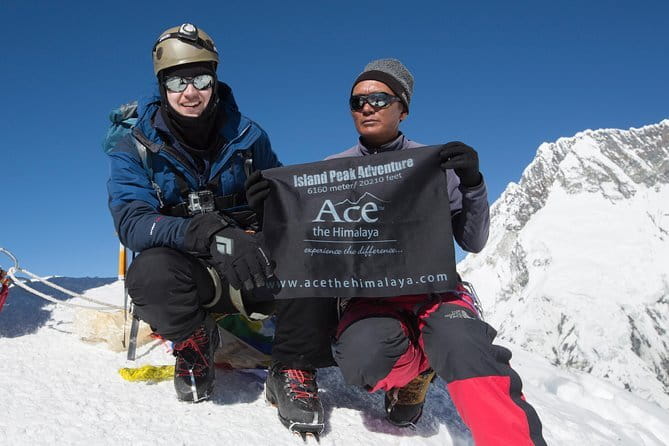
- Island Peak with training + climbing Sherpa support and group gear supplied
- Filtered water system (Katadyn Pocket) plus seasonal fruits to help you stay consistent
Kathmandu First: Getting Oriented Before You Face the Thin Air
Your trip starts in a very practical way: an airport representative meets you at Tribhuvan International Airport with an Ace the Himalaya sign, then transfers you by private vehicle to your Kathmandu hotel. If you land late (after 4 pm), expect a briefing by the guide to cover the trip plan and questions—so don’t just assume you’ll figure it out later. If you arrive earlier than 4 pm, the pre-trip meeting happens at the office.
This matters more than it sounds. Everest-area trekking runs on timing: flights, park paperwork, gear prep, and the fact that weather can shift fast. Getting your bearings early makes day one of the trek feel less chaotic.
You’ll also get a Kathmandu sightseeing tour before you head out. And you’re staying in a three-star hotel with breakfast for part of your time in the city (4 nights are included). This is a real value point because Kathmandu can be mentally busy. A proper reset before the mountains is not a luxury—it’s fuel.
You can also read our reviews of more tours and experiences in Kathmandu.
From Kathmandu to Lukla: The Start of the Real Adventure
After Kathmandu, the next step is the short domestic flight to Lukla (Tenzing and Hillary Airport). It’s only about 35 minutes, but it’s the psychological line between city life and Himalayan life. When you land at around 2,804 m, your body is already working—so you’ll want to treat this as a gentle start, not a sprint.
Once you arrive, your guide briefs you and introduces your porters before you begin trekking toward Phakding at about 2,610 m. The first walking day is a downhill-leaning route that follows the Dudh Kosi River area. It’s designed to get you moving without throwing you into immediate altitude punishment. You also get time to explore the village briefly while your Sherpa crew sorts and loads trekking equipment.
A key detail: porters handle luggage. The plan assigns one porter for every two guests. That means you can carry a smaller pack (still with your essentials) and save your energy for the higher, steeper days.
Lukla to Namche: Bridges, Villages, and the Gateway Feeling
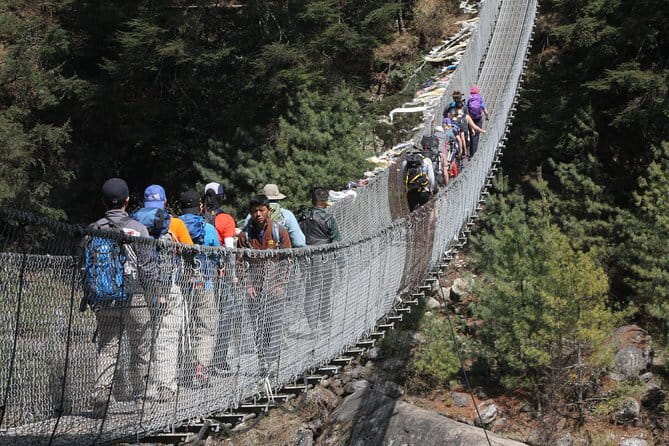
The route to Namche Bazaar follows the Dudh Kosi and includes multiple suspension bridges lined with prayer flags. That’s not just scenery. Bridges affect your rhythm: you pause, you look, you step carefully. It slows you down in a good way.
As you enter Sagamartha National Park, the trail climbs steeply toward Namche. Namche is often called the gateway to Everest, and it earns that name. It’s the biggest town on the Everest trail, with lodges, shops, money exchange, and plenty of places to eat and recharge.
Here’s what you’ll like about this part: you’re not rushed. Even though there’s a lot of walking, you get a gradual transition from “easy trail” into “real altitude.” And since it’s a small group (up to 15), your guide can keep an eye on pacing without turning the hike into a line of identical steps.
Namche Acclimatization: The Day That Makes the Climb Work
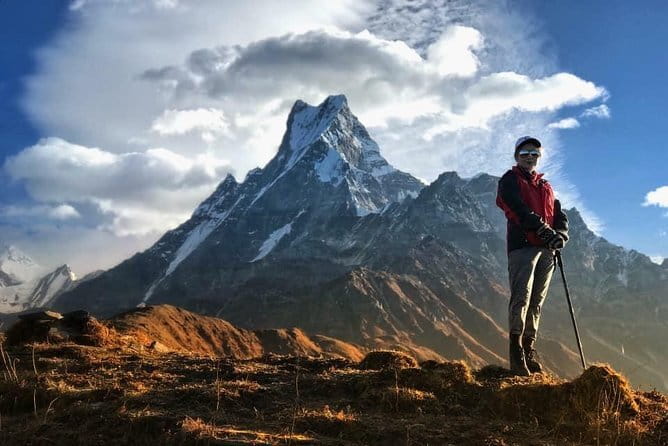
One of the smartest choices on this trek is the full acclimatization day in Namche. Instead of pushing toward higher elevations every single day, you get time to adjust to thinning air.
This day includes a museum that focuses on Sherpa customs, plus hikes up toward Syangboche Airport and the Everest View Hotel. From there, you can see rewarding views of the Himalayas, including Mount Everest on clear days. Even if clouds roll in, the hike itself helps your body learn the new altitude.
This is the kind of day that makes a difference later. If you’ve ever wondered why some treks feel manageable while others feel like a constant struggle, the answer is usually acclimatization. Done right, it turns grueling days into survivable days.
Tengboche and Dingboche: Monastery Stops and Altitude Control
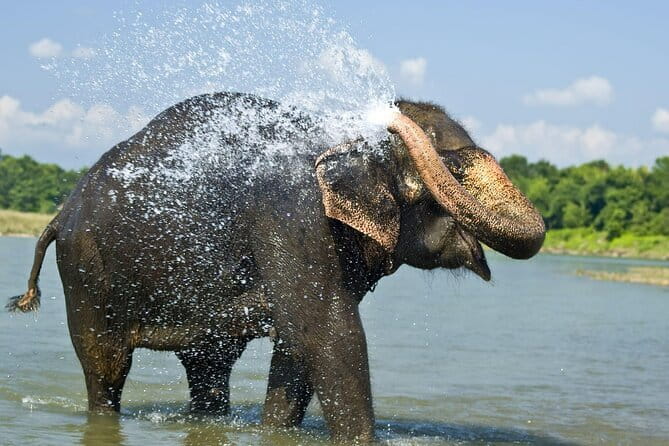
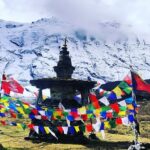
As you continue, the trek tracks along glacial waters with mountain views. You reach Tengboche (around 3,860 m), home to Tengboche Gompa. Inside, you’ll find ornate wall hangings, a large Buddha sculpture, and the instruments and robes of the Lamas. Depending on timing and how the day goes, the group may observe a prayer ceremony in the evening or morning.
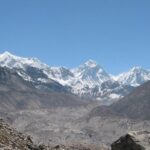
Then you move toward Dingboche (with a pass through Debuche and Pangboche). Dingboche sits in a calmer Sherpa village setting with major views of Lhotse, Island Peak, and Ama Dablam. It’s also where the trek becomes more altitude-aware—your guide will push hydration and steady pacing.
And then comes another crucial acclimatization day at Dingboche. This one isn’t “sit and suffer.” You hike to Nangkartshang peak for a viewpoint, with Ama Dablam often in view. If weather cooperates, the viewpoint gives a serious 360° feeling. In the afternoon, you can rest or stroll.
I like this approach because it’s a controlled challenge. Your body gets work, but you aren’t forced into “progress every day” logic.
Lobuche and the Road to Everest Base Camp
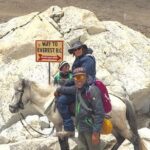
From Dingboche you continue higher toward Lobuche. The trail passes memorial stone tributes for climbers who have perished on nearby summits. That’s heavy, but it’s also respectful context that makes the climb feel real, not like a checklist.
On this section, some breathing problems may show up due to altitude. That’s not a scare tactic—it’s a reminder to take the pace seriously. Your guide and Sherpa team are there to help you keep the effort steady.
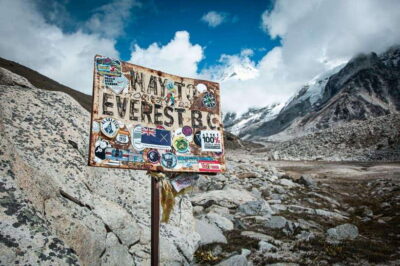
The big day is the push to Everest Base Camp at 5,365 m. It’s described as difficult and it’s a long walk along the Khumbu Glacier up to Base Camp. The payoff is the classic view: the Khumbu Icefall from Base Camp is spectacular. You then return to Gorak Shep for the night.
A practical note: Base Camp day can feel like your legs are doing math. You’ll spend hours moving, then you’ll still have to handle the descent back to your sleeping spot. Packing smart and hydrating consistently makes a huge difference here.
Kala Patthar: The Hard Morning That Pays Off
After Everest Base Camp, your next highlight is Kala Patthar. This is one of the most demanding days of the trek. Most of the morning is spent climbing up to around 5,555 m.
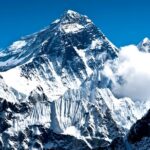
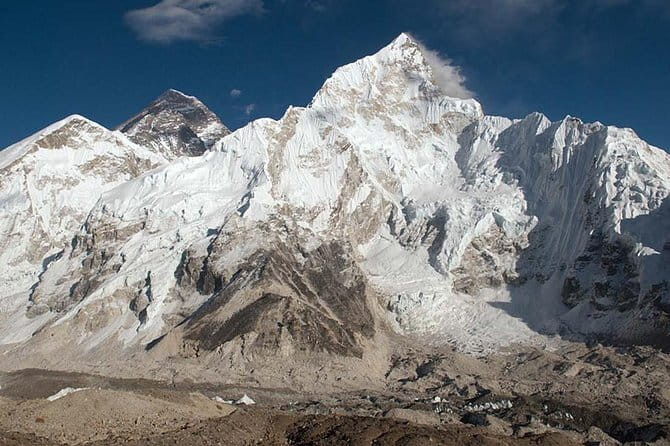
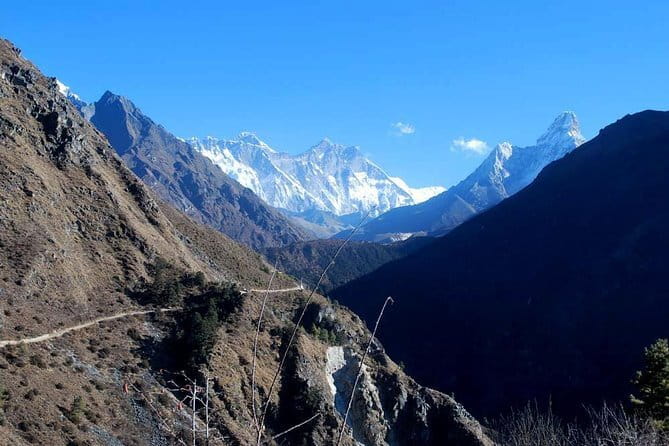
The view from Kala Patthar is the kind of moment people keep talking about: Everest towering ahead and on multiple sides, plus giants like Nuptse and Pumori and a long chain of other peaks. It’s the best “I can’t believe I’m here” altitude panorama, even if you’re exhausted.
You’ll make a quick descent to Gorak Shep and have a hot breakfast, then trek down to Pheriche. This part matters because it shifts your focus from summit-style effort back to endurance and recovery.
Chukhung to Island Peak Base Camp: From Trekking to Climbing Mode
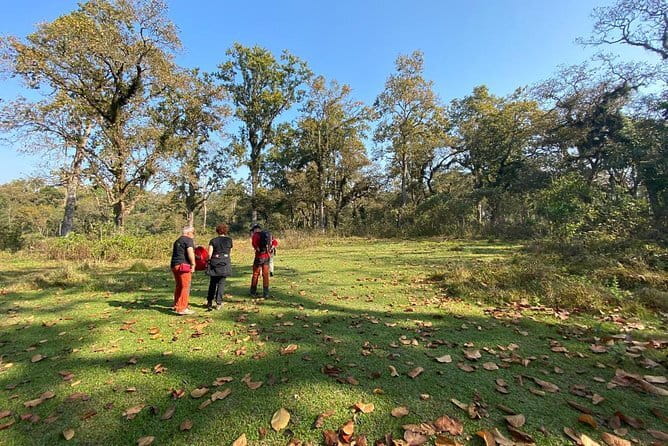
After Pheriche, you transition toward Chukhung. The route goes through Dingboche and then up to the Chukhung valley. This isn’t just a change of scenery; it’s a change of mindset. Climbing days require different energy than trekking days.
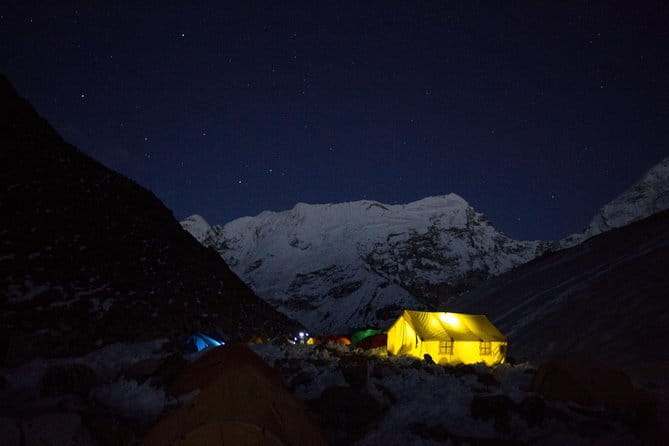
Next, you head into the Imja Valley toward Pareshaya Gyab and reach the Island Peak Base Camp area. Accommodation here is in tents, with camp food prepared by a professional camping team. This half-night or two-night setup around Base Camp (the plan includes meals during the camp stay) helps you settle in rather than arriving on climb day with zero adjustment.
You’ll also have two days allocated to climb Island Peak, in case weather forces a shift. Your climbing Sherpa leader decides the strategy based on acclimatization and snow conditions. That’s important. In these mountains, the “plan” is always partly weather math.
Island Peak Training and Summit Day: Gear, Technique, and Willpower
Before summit day, you get ice climbing training. You’ll learn skills and how to use the climbing gear supplied with the trip: rope, ice screw, snow bar, ice hammer, plus harness and crampons are part of the training process mentioned for using climbing equipment.
On summit day, you leave very early and the climb can take about 4–6 hours. The climb isn’t described as technically extreme, but conditions matter: snow slopes with crevasses, a reasonably steep headwall, and heights that demand a steady head. That combination is why the training day is included. You aren’t just “walk up a mountain.” You’re learning how to move safely.
In practical terms, you’ll want to keep your focus on technique and breathing. This is the moment where being fit helps, but being calm helps even more.
The “Spare Day” Logic and Why It’s Not Wasted Time
One day is planned as a spare day for weather. If conditions are extremely bad, you can use that day to summit. If conditions improve and you summit earlier, you can continue trekking or rest and relax on the trail until you reach Lukla.
This is a smart design feature because flights from Lukla to Kathmandu are pre-booked. That means if weather delays your summit or affects trekking timing, changing flights on the fly isn’t guaranteed. The spare day protects your schedule in the most realistic way possible.
Descent Back to Lukla: Monasteries, Forests, and Celebration
After Island Peak, you begin descending. You pass through places like Tengboche, then wind down through forests of juniper, rhododendron, and fir. You cross the Dudh Kosi River, climb to Trashinga, and continue through high trail contours before returning toward Namche.
There’s an optional stop to visit Kunde and Khumjung villages before reaching Namche again for the night. That’s a nice cultural break from altitude stress. Then you trek down to Lukla as your final trekking day.
In Lukla, you’ll have time to relax and enjoy a hot shower, then celebrate in the evening with celebratory drinks and dancing with your trekmates. After nearly three weeks on the move, that feels less like a party and more like a relief valve.
Flights and Return: The Last Mountain Glimpse into Kathmandu
The flight from Lukla back to Kathmandu takes about 35 minutes. You’ll be met on arrival and transferred back to your starting hotel. The final day ends with a drop-off to Tribhuvan International Airport for your departure flight.
It’s a fitting ending: you go from trekking in cold air and thin views to city routines quickly. If you can, schedule your next travel day with a little slack, because you’ll be tired in a very specific mountain way.
Price and Value: What $3,300 Actually Buys You
At $3,300 per person, this trek is priced for a reason: the cost isn’t only guides and walking. It bundles in the big-ticket logistics that usually add up fast on your own.
Included items that drive value:
- Airfare Kathmandu–Lukla–Kathmandu (domestic flights)
- Airport transfers and a hotel stay in Kathmandu (twin-sharing, breakfast included)
- Everest National Park permits and TIMS for trekking
- Island Peak climbing permits/documents
- Guides and porters, with one porter for every two guests
- Most meals during the trek, plus a farewell dinner
- Climbing support and group gear for Island Peak
- Filtered water using a Katadyn Pocket Water Filter
- Insurance, food, accommodation, and medicine for staff (so your trip runs smoothly)
What’s not included (and you should plan for):
- Travel insurance with emergency high-altitude rescue and evacuation
- Nepal entry visa
- Alcohol and personal drinks
- Personal trekking equipment
- Tips for trekking staff and driver
- Lunch and dinner in Kathmandu
For value-focused travelers, the real win is that you don’t have to piece together permits, flights, gear, and staffing yourself. That’s time and stress you’re buying back.
Guides, Safety Focus, and Real-World Care You Can Feel
A big reason people feel good about this kind of trip is the human side: how often someone checks on you and how clearly they explain altitude and mountain basics.
The guides who get praised most often in accounts shared include names like Sandip, Milan, Deepak, Ram, and Ramesh, and climbing Sherpa support names like Pemba Sherpa and Sher Bahadur. The consistent theme is attention to altitude effects, patient guidance, and steady communication.
If you’re the type who worries whether you’re doing something wrong, you’ll likely appreciate that the team keeps you informed and monitors how you’re doing. One strong pattern in the feedback is that guides simplified altitude precautions into clear rules—eat, hydrate, and manage effort—so you don’t just guess at what your body needs.
Also worth noting: there’s practical support when things go sideways. One example described issues with bags not arriving in Kathmandu, and the operator handled it with extra help rather than leaving people to scramble. That kind of backup matters on a trek where you really don’t want to start gear problems at 3,000+ meters.
Who Should Book This and Who Should Skip It
This trip is best for active travelers who can handle long walking days and a physical challenge. If you’re willing to train, manage hydration, and respect altitude pacing, this is a great fit.
You’ll probably love it if:
- You want one organized package for Everest Base Camp plus Island Peak
- You enjoy structured acclimatization days rather than constant grind
- You want small-group attention with max 15 on the trail
- You’re excited by a mix of trekking and a real climbing experience (with training and gear)
You should think twice if:
- You’re not comfortable with demanding physical days at altitude
- You’re not ready to invest in proper trekking gear (personal equipment is not included)
- You haven’t lined up high-altitude rescue coverage in your travel insurance
Should You Book This Everest Base Camp and Island Peak Tour?
I think you should book it if you want the classic Everest Base Camp experience plus a genuine second act: Island Peak, with training and climbing Sherpa support, not just a guided walk. The schedule’s strength is the way it balances effort with recovery—Namche and Dingboche acclimatization, plus spare time for weather around Island Peak.
If you’re chasing the cheapest option, this may not be your pick. But if you want less admin, fewer unknowns, and a team that helps you stay safe and moving, the overall value is strong.
If you want one quick checklist before you commit: confirm you have strong fitness, plan for personal gear and insurance, and be ready for early mornings—because the mountains don’t care about your alarm clock.
FAQ
What does the trip include for flights and permits?
The package includes airfare from Kathmandu to Lukla and back, plus Everest National Park permits and TIMS for trekking. It also includes all permits and documents necessary for climbing Island Peak.
How many days is the tour?
The trek runs about 19 days.
What is the maximum group size?
The tour has a maximum of 15 travelers.
Do I get Kathmandu support before the trek starts?
Yes. You get pickup and drop-off by private tourist vehicle, plus twin-sharing accommodation in a three-star hotel in Kathmandu (with breakfast) for 4 nights, and a sightseeing tour in Kathmandu before the trek.
How high do you go on the trekking days?
You trek to Everest Base Camp at 5,365 m and also climb to Kala Patthar at about 5,555 m.
Is trekking equipment and climbing gear included?
Group climbing equipment is included for Island Peak. Personal trekking equipment is not included, so you’ll still need your own basics.
Do I need travel insurance?
Travel insurance is not included, and it should cover emergency high-altitude rescue and evacuation.
What happens if weather disrupts the climb?
The trip requires good weather. If it’s canceled due to poor weather, you’ll be offered a different date or a full refund. A spare day is also built into the climbing plan for Island Peak in case conditions change.