REVIEW · DUBLIN
Trek the Tombs and Trails in the Dublin Mountains
Book on Viator →Operated by MYBIKEORHIKE · Bookable on Viator
Megaliths and wide-open views.
This Dublin Mountains hike strings together two ancient burial sites with real interpretive history, then keeps you moving toward big sightlines over Dublin and the bay. I especially like how it mixes hands-on outdoor time with guide-led context, so the stones you see aren’t just background scenery.
I also love the small-group feel, with attention from your guide rather than a “follow the leader” shuffle. In the kind of tour where names can blur together, the guide Ben stands out for Irish history explanations that make the tombs easier to understand as places, not just dates.
One drawback to plan for: it’s an outdoor walk and the experience needs good weather, with a moderate fitness level required. If conditions are rough, you’ll need to roll with the provider’s weather contingency.
In This Review
- Key things I’d circle before you go
- Getting to the trail: Dublin backroads, real footing, and a simple meeting point
- Stop 1: Glencullen and the wedge tomb with a second-millennium timeline
- Following the Dublin Mountains Way: views, a never-excavated cairn, and the triangulation pillar
- Wild berries in season: a small break that changes how you remember the hike
- Stop 2: Tibradden and the ridge walk toward a stone circle burial place
- The descent: evergreen forest, rural roads, and your choice at the finish
- The return bus: one more route to keep the day feeling fresh
- Price and value: is $180.44 worth it?
- Who should book this hike (and who might want to skip it)
- A few practical tips for enjoying the day
- Should you book Trek the Tombs and Trails in the Dublin Mountains?
- FAQ
- How long is the hike?
- What’s the price per person?
- What’s included in the tour price?
- Is lunch included?
- Is alcohol included?
- How many people are in the group?
Key things I’d circle before you go
- Two megalithic tomb visits with guided history, including a wedge tomb and a stone circle/burial site
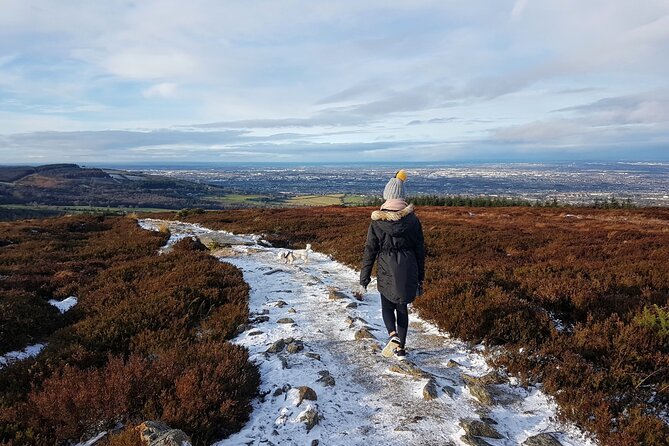
- Panoramic viewpoints over Dublin to the north and the bay area, plus Wicklow in the distance
- A wild-berry moment in season, with the option to turn them into something later
- Small group size (max 8) for better guide interaction
- A guided walk along set paths (including sections of the Dublin Mountains Way) that keep the day flowing
- Choice at the finish: lunch at a rustic cafe or a well-earned pint in a country pub
Getting to the trail: Dublin backroads, real footing, and a simple meeting point
You start at Dundrum, outside the Luas station, which is a clean, easy way to anchor your day if you’re staying anywhere near Dublin public transport. From there, you’re taken by bus through the backroads of the Dublin foothills, so you’re not spending the morning on a long urban-to-trail slog.
The first transport phase matters more than you’d think. It sets the tone for the day: you ease out of the city, then gradually feel the terrain change as you’re driven closer to the quieter mountain roads. When the hike starts, it feels like you’ve actually left Dublin behind, even though you’ll be watching it unfold from above later.
You can also read our reviews of more tours and experiences in Dublin.
Stop 1: Glencullen and the wedge tomb with a second-millennium timeline
Your first stop is Glencullen, and from there you move along a meandering mountain path toward an ancient burial site described as a wedge tomb from the second millennium B.C. That date isn’t a random trivia nugget; it gives you a way to picture time depth while you’re standing on the ground those people would have known.
What makes this part valuable is the way the guide’s explanations connect structure to purpose. You’re not just told that it’s old—you learn the history behind the burial “wedge” tomb, and you can see how the form of the site fits the landscape.
A practical note: this section is paced like a true hike, not a quick drive-by stop. You’ll walk enough to feel you earned the next viewpoint, but it stays manageable thanks to the group size and the planned route.
Following the Dublin Mountains Way: views, a never-excavated cairn, and the triangulation pillar
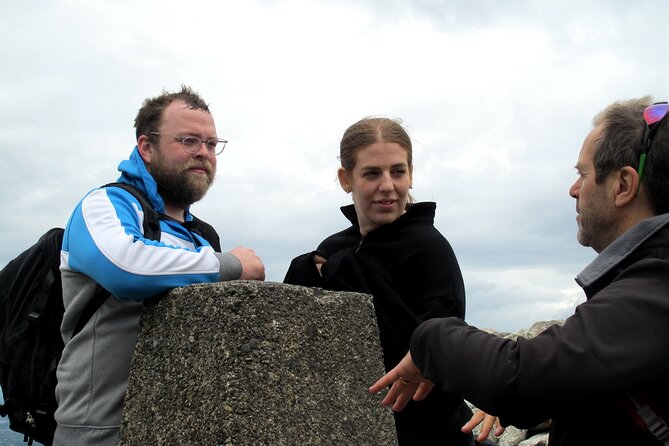
Continuing onward, you follow a path that links you to the Dublin Mountains Way and brings you to a popular vantage point on a mountain top rock. This is the part where the day “clicks” for most people: Dublin spreads out below you, the bay area appears in the view, and the stone structures feel grounded in the reality of where they were built.
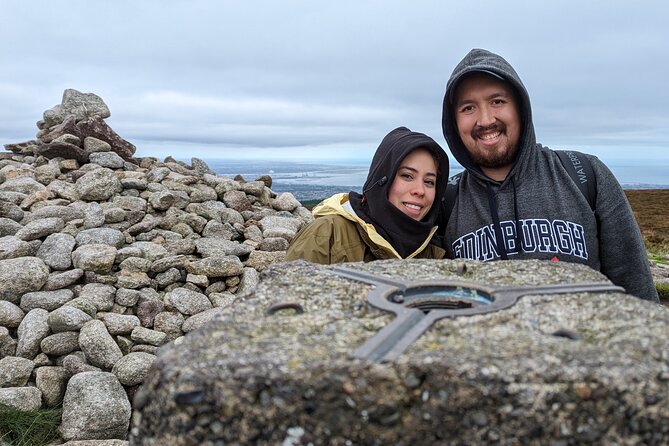
Here, you’ll see a never excavated cairn tomb plus a triangulation pillar. That combination is a great reminder that mountains are used for different kinds of knowing over time: ancient burial practice on one hand, and later surveying/measurement on the other. Even if you’re not a history buff, it makes the hill feel like a living archive.
I like the way this stop also supports patience. Instead of rushing you from point to point, you get time to look, absorb, and let the guide’s story take shape while your eyes do the work. If you enjoy taking photos, this is also one of the stops where you can frame the town-and-bay geography rather than just photographing rocks.
Wild berries in season: a small break that changes how you remember the hike
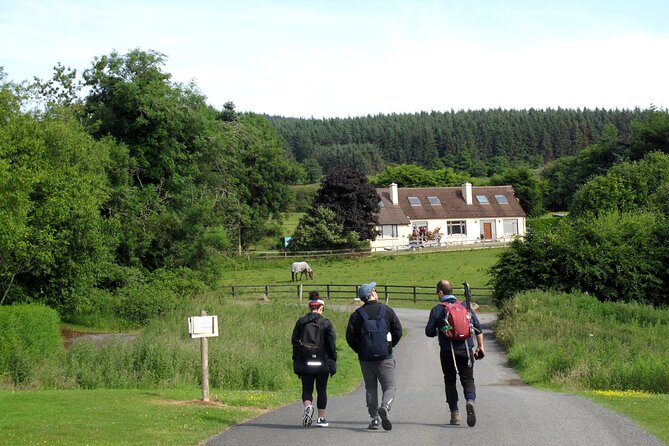
Depending on the season, you pause to pick wild berries. This isn’t just a fun add-on; it’s a tactile, local-feeling moment that turns the hike into something more personal and seasonal.
If you’re the kind of traveler who loves bringing a place home with you, this option gives you that. You can pick enough to make a jam or tart later, or you can simply eat them during the trek if you’re in that mood.
Even if the berries aren’t available, the structure of the day still holds. But when they are, it’s one of those experiences that becomes a memory anchor: not just what you saw, but what you did with your hands on the route.
Stop 2: Tibradden and the ridge walk toward a stone circle burial place
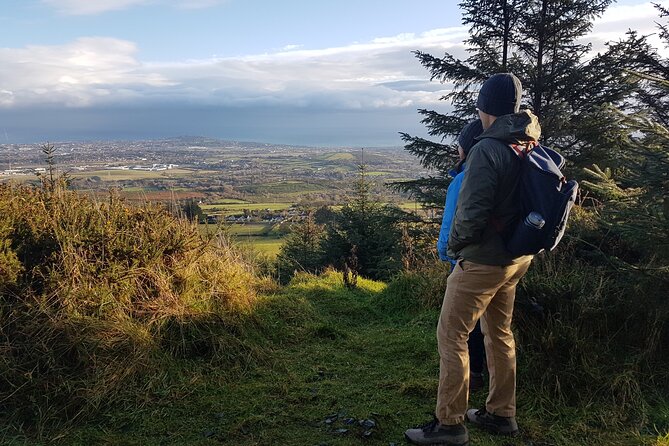
Next you continue along a ridge with views of Dublin to the north and Wicklow to the south. This is a good “breather” stretch in the itinerary sense: you’re moving forward, but your eyes keep getting rewarded with wider and wider context.
You arrive at a second burial tomb, described as an ancient stone circle and burial place of the man for whom the mountain top is named. That phrasing matters. It signals that the site isn’t only about geology or old stones; it’s tied to a named place in local memory, the kind of connection that makes a hike feel rooted instead of generic.
This is also where I think small groups earn their keep. With up to 8 travelers, your guide can slow down when you want more explanation, and you can ask questions without feeling like you’re interrupting a packed bus schedule. It’s the difference between seeing sites and actually learning how to look at them.
The descent: evergreen forest, rural roads, and your choice at the finish
After the ridge portion, the route continues down a meandering path through an evergreen forest. The change in scenery is welcome after mountain-top viewing because it shifts the day from “look out” to “walk in,” and it helps you reset your pace without stopping.
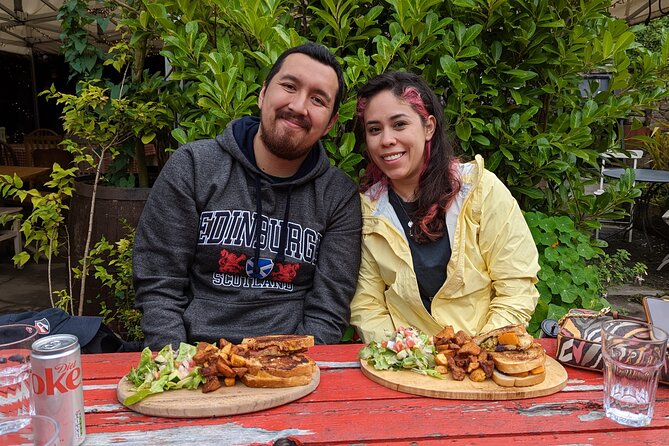
Then you reach a rural back-road and arrive at a quaint, rustic cafe and restaurant. This is where you decide how you want to cap the hike: you can get a well-earned lunch made of local produce and cuisine, or you can choose a pint at a country pub instead.
I like that the finish isn’t only one rigid thing. If you want food, you can stay with the cafe/restaurant option. If you’d rather linger with locals and keep it simple, the pub alternative fits the bill. Either way, it’s a natural reward after spending hours on foot and staring at megalithic structures you can’t see every day.
The return bus: one more route to keep the day feeling fresh
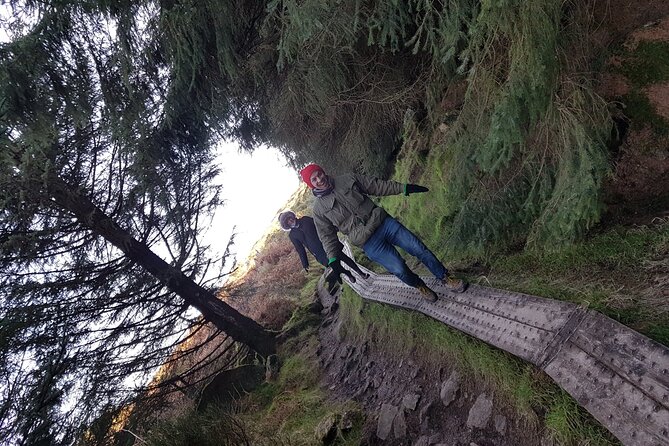
After the cafe or pub stop, an alternative bus returns you back to the finish point via a different route. That detail helps a lot if you’re the type who dislikes repeating the exact same drive twice. Even without seeing every possible turnoff, you get the sense that the area has multiple faces.
Because you end back at the meeting point, the day stays low-stress. No confusing transfers, no “call this number later” mystery. Just a complete loop back to Dundrum.
Price and value: is $180.44 worth it?
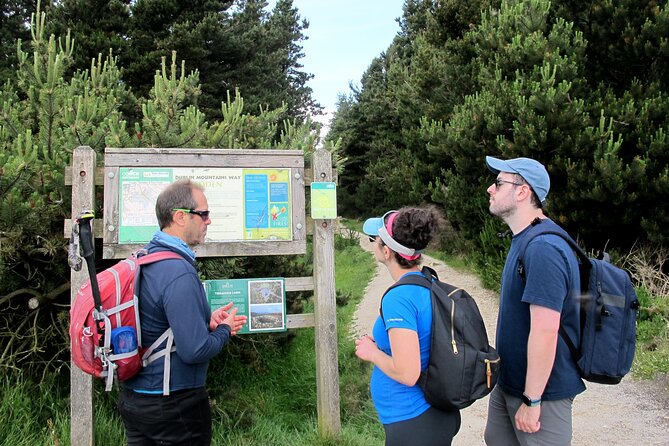
At $180.44 per person for a roughly 7-hour experience, the value depends on what you want from a Dublin day trip. If you’re only looking for a long walk with scenery, you might question the price. If you want guided interpretation at historic sites plus a proper hike in the Dublin foothills, it starts to make sense fast.
Here’s what you’re actually paying for:
- A guided route that connects two megalithic tomb stops, viewpoints, and ridgeline walking
- Bus transport to the start and return, included in the price
- A small group cap of 8, which is where guide attention tends to matter
- Mobile ticketing and English-language guide delivery
- The added seasonal bonus of wild-berry picking when available
When a day is priced like this, it’s usually because the guide time and the logistics (especially getting you off the main roads) cost real money. The included bus pass matters because it keeps you from needing your own car for a route that isn’t designed around urban parking.
Also, the experience mentions group discounts, which is worth considering if you’re traveling with a friend or two. Even if you’re solo, it’s a hint that the provider expects people to share this kind of day.
Who should book this hike (and who might want to skip it)
This fits well if you want a guided history walk without turning it into a museum day. The megalithic tomb focus plus the panoramic viewing parts means you’re getting both education and the kind of outdoor payoff that makes the time feel worth it.
It’s also a good choice if you prefer small groups. With a maximum of 8 travelers, you’re more likely to feel like the guide is adjusting to your pace instead of pushing everyone through pre-set photo timings.
On the flip side, it’s not ideal if you’re sensitive to walking for several hours on uneven mountain terrain. The experience calls for moderate physical fitness, so if you typically avoid hill walking, consider another option.
A few practical tips for enjoying the day
Even though the itinerary is planned, outdoor hikes still reward smart preparation. Since the experience requires good weather, I’d treat this like a plan that can’t be ignored at the last minute.
Also, since you’re outdoors for a long stretch and the route includes mountain paths and a descent through forest, pace yourself early. Don’t spend all your energy sprinting to the viewpoints—save some for the second half, where the ridge walk and the final rural descent give you different ways to experience the area.
Finally, if you’re food-and-drink focused, think ahead about your preference for the finish: cafe lunch featuring local produce and cuisine, or a pint at a country pub. You’ll enjoy it more if you commit in your mind so you’re not making decisions while you’re tired.
Should you book Trek the Tombs and Trails in the Dublin Mountains?
Book it if you want a guided megalithic history hike with panoramic views and a small group that actually lets you ask questions. The standout value for me is the combination: two ancient burial sites plus viewpoint time, not just one or the other. With Ben leading and the day structured to keep you moving without feeling rushed, it’s the kind of outing that can shift a simple walk into something memorable.
Skip or reconsider if you’re uncomfortable with moderate fitness hiking or you know your plans can’t flex if the weather doesn’t cooperate. This is very much an outdoors-in-the-elements experience, and the provider notes that good weather is required.
If your goal is an authentic Dublin-feeling day that goes past the usual city highlights—up into the hills and back with stories that make sense—this is a strong choice.
FAQ
How long is the hike?
It’s about 7 hours.
What’s the price per person?
The price is $180.44 per person.
What’s included in the tour price?
A bus pass for transport to the start of the hike and returning after is included.
Is lunch included?
Lunch is not included, but you have an option to eat at a rustic cafe and restaurant at the end of the hike.
Is alcohol included?
No. Alcoholic beverages are not included, though there is an option to visit a local pub at the end.
How many people are in the group?
The tour has a maximum of 8 travelers and is offered in English.