REVIEW · KATHMANDU
Everest Three High Passes Trek – 20 Days
Book on Viator →Operated by Himalayan Adventure Treks and Tours Pvt Ltd · Bookable on Viator
There are high passes, and then there are these high passes. This 20-day Khumbu trek pairs the hardest trail days with time in Gokyo Valley and the Everest Base Camp area.
Two things I really like: the way the itinerary is built around altitude prep, and the solid support package (guide, porters, permits, flights, rescue arrangements).
One watch-out: weather can force delays, and extra time in Kathmandu or added costs from schedule changes are not included.
In This Review
- Key highlights to know before you go
- Everest Three High Passes: why this trek feels so intense
- Price and what you’re really buying for $2,700
- Kathmandu arrival: the part that sets your pace for the whole trip
- Lukla to Phakding to Namche: Sagarmatha National Park in your first footsteps
- Namche acclimatization with Khumjung and the Hillary School
- Tengboche and the monasteries: quiet power before the glacier work
- Dingboche acclimatization plus Nagarjun Hill: the smarter way to prepare
- Chhukung Ri and Kongma La: the pass day rhythm starts
- Everest Base Camp and Kala Patthar: the long, cold “worth it” day
- Cho La Pass and the Chola lakes: steep terrain, big geology
- Gokyo Valley: Ngozumpa Glacier and lake time that actually feels restful
- Renjo La and the trader route to Thame: the trek’s slower, scenic return
- Back to Lukla and the Kathmandu unwind
- The service side: why the guides and planning get mentioned again and again
- Who this trek suits best (and who should think twice)
- Should you book this Everest Three High Passes trek?
- FAQ
- What airport meeting point and start time does the tour use?
- Are airport transfers included in Kathmandu?
- What is included in the Kathmandu hotel stay?
- Are internal flights included to Lukla?
- Which high passes are crossed?
- Does the price include permits and related paperwork?
- What does the trek include for meals?
- How are guides and porters handled?
- What important costs are not included?
- Is cancellation free?
Key highlights to know before you go
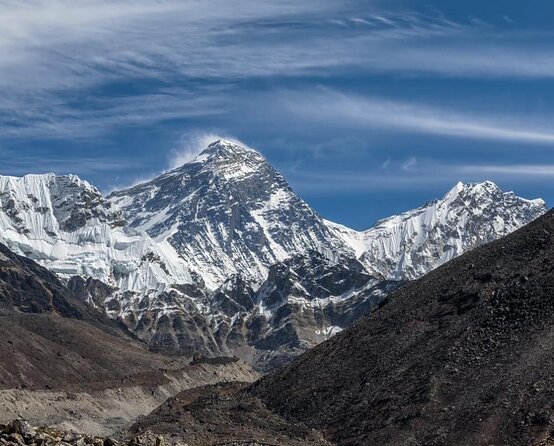
- Three big passes, 5,360–5,535 m: Kongma La, Cho La, Renjo La, each with its own kind of suffering and payoff
- Gokyo lakes + Gokyo Ri views: you get multiple lake stops plus a morning push for the best vista
- Kala Patthar at dawn: early start for sunlit Everest views, then a long cold descent
- A clear altitude plan: Namche and Dingboche acclimatization days are built in, not added later
- Support that matters at altitude: guide, porter setup (1 porter for 2 clients), first-aid kit, and travel/rescue arrangements
- Service stories from the team: multiple past trekkers highlighted meticulous trip planning and friendly, capable Sherpa guides like Ang Dawa Sherpa and Ang Pemba
Everest Three High Passes: why this trek feels so intense
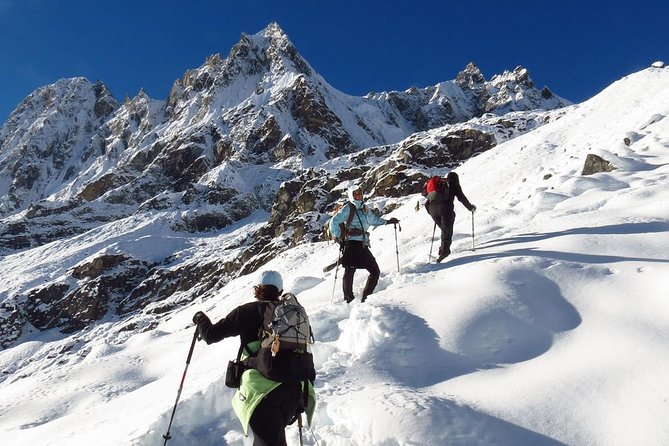
If you want an Everest-adjacent trek that actually earns the bragging rights, this one does. It’s not just a walk toward Everest; it’s a route that tackles three high passes and links them through classic Khumbu villages and glaciers. You’ll spend a lot of days hiking above 4,000 m, and that changes everything: your breathing, your pace, your sleep, and how quickly your legs notice every downhill.
What makes it especially appealing is the balance. The trek gives you hard altitude work (passes and glacier sections) plus rewarded viewpoints: Kala Patthar for Everest close-ups and Gokyo Ri for that famous panorama over the lakes and the Ngozumpa Glacier. You’re not doing one long grind with no “wow” moments.
You can also read our reviews of more tours and experiences in Kathmandu.



Price and what you’re really buying for $2,700
$2,700 per person sounds steep until you break down what’s included here. For this kind of trek, your big costs are usually the same three things: internal flights, a capable guide team, and the logistics that keep paperwork, permits, and rescue planning handled.
This trip includes:
- Kathmandu hotel: 2 nights in a 3 hotel with breakfast
- Meals during the trek: lunch, dinner, and breakfast while you’re hiking
- Permits and systems: TIMS + Khumbu Valley permit, and the paperwork handled for you
- Internal flights: Kathmandu to Lukla and return flights using Kathmandu/Ramachap routes
- Lodges/tea houses during trekking (so you’re not camping every night)
- A guide plus porters: 1 porter for 2 clients
- Travel and rescue arrangements, plus a first-aid kit
- A return duffle bag after the trek
- Company T-shirts
- Farewell dinner in Kathmandu with a cultural performance
What’s not included (and this matters when weather gets weird):
- Nepal visa fee
- International airfare to and from Nepal
- Extra Kathmandu hotel nights if timing slips earlier or later than planned
- All meals in Kathmandu (unless you’re specifically still in the trekking meal plan)
- Travel and rescue insurance you personally arrange
- Personal expenses (phone calls, laundry, charging batteries, hot shower if offered, water, etc.)
- Tips for your guide and porter
The takeaway: you’re paying for more than “a route.” You’re paying for reduced hassle, handled permits, internal flights, and the human support that makes high-altitude trekking safer and more enjoyable.
Kathmandu arrival: the part that sets your pace for the whole trip
Day 1 starts in Kathmandu with a pickup from Tribhuvan International Airport and a transfer to your hotel in a private vehicle. That small detail matters. After a long flight, you don’t want to spend hours figuring out transport, SIM cards, or your first meal.
You also get time to meet your trek group. In past experiences arranged by this company, trekkers praised the team’s planning and on-the-ground helpfulness, including careful coordination by leaders like Dawa and Gombu and follow-through by Bhagwat Simkhada. For a trek as demanding as this, that kind of competence shows up later when you’re tired and want things to just work.
Lukla to Phakding to Namche: Sagarmatha National Park in your first footsteps
Lukla is where the trek really starts. On Day 2, you’ll take a very short scenic flight from Kathmandu (under 30 minutes) and land with mountains, forests, and river valleys all around you. The flight is one of those moments you remember later because it makes the altitude feel real fast.
Then it’s your first walking day: Lukla to Phakding for about 3–4 hours. It’s described as an easier start, which is what you need before you hit the climb toward Namche. You’ll also begin moving within the Sagarmatha National Park area, and that changes the feel of the trail—more checkpoints, more park presence, and a stronger sense you’re in a protected Everest ecosystem.
Day 3 continues to Namche Bazaar via the Dudh Koshi riverside. You’ll pass through forests of pine, fir, and rhododendron, and you’ll reach Monjo, the entrance to Sagarmatha National Park. On days like this, the challenge isn’t technical. It’s rhythm: keep your pace steady and don’t sprint just because the views are loud.
Namche acclimatization with Khumjung and the Hillary School
Day 4 is your acclimatization day in Namche, and you should treat it like a gift. High altitude punishes rushing, and this is one of the built-in parts that helps your body adjust.
You’ll explore:
- Sagarmatha National Park
- A hike to Everest View Hotel
- Khumjung Village, including the monastery and the Hillary School
- A visit to a visitor center near the park headquarters, where you can learn about first Everest ascenders, Sherpa culture, and local plant and animal life
This is also where I think the tour’s value shows. You’re not only waiting for your body to adapt; you’re learning what you’re walking through. If you like travel with context—people, culture, and the park environment—this day lands well.




Tengboche and the monasteries: quiet power before the glacier work
From Namche, the trek moves to Tengboche (via Phunki Thanga on Day 5). Tengboche is home to the largest monastery in the Everest region and is known for panoramic views of Everest, Ama Dablam, Thamserku, Nuptse, and Lhotse.
On Day 5 you aim to reach the monastery in the afternoon, and there’s a chance to witness a Buddhist ceremony. Even if the timing is different, the idea is the same: you get a calmer, cultural moment before the trek turns more physically demanding.
Day 6 continues through lush forests and dips toward Debuche, crossing the Imja River, reaching Pangboche, and then continuing on toward Dingboche. The scenery gets more pristine as you go, and the description highlights how the terrain opens up as you gain altitude.
Dingboche acclimatization plus Nagarjun Hill: the smarter way to prepare
Day 7 is another acclimatization day in Dingboche, with a hike to Nagarjun Hill. This is a classic setup: you stay high enough to stimulate adjustment, then you move your body with an intentional day hike rather than forcing a new technical effort.
Dingboche itself sits in a windy setting with prayer flags and chortens, and it’s surrounded by fields walled against cold and grazing animals. That’s useful context: you’re not walking through a postcard. It’s a working Sherpa landscape.
The draw here is the payoff: you’ll get big views of peaks like Makalu, Lhotse, Chalotse, Tawache, and Ama Dablam on the hike, while your body learns how to function at altitude. This matters, because after this comes the pass day rhythm.
Chhukung Ri and Kongma La: the pass day rhythm starts
Day 8 brings you to Chhukung, after trekking through stone-walled fields and glacier moraines. You’ll pass a place called Bibre, described as a yak herdsman area, and you’ll get strong views of Ama Dablam and the Amphu Labsa peaks.
Later that day you climb Chhukung Ri. It’s described as easy scrambling near the top, so you should expect hands-free hiking to turn into a short, steeper effort. The big reward is direct valley views of Ama Dablam and surrounding peaks.
Day 9 is the first major test: Kongma La Pass (5,535 m). You start very early, and the route offers options via Nuptse Glacier moraines or on a higher trail near the Niyang Khola area. Regardless of which path you take, the top is marked with cairns and prayer flags.
The tough part isn’t only getting over the pass. The description calls the final descent “the most difficult part” of the day, crossing Khumbu Glacier terrain down to Lobuche. Plan to feel it in your knees. This is where you’ll be glad you have a good pace from earlier days and you didn’t overcook Namche or Dingboche.
Everest Base Camp and Kala Patthar: the long, cold “worth it” day
Day 10 moves along the lateral moraine of the Khumbu Glacier and gives you wide glacier and ridge views—Everest’s north ridge, plus peaks like Pumori, Nuptse, and Khumbutse in the mix. You’ll climb to Thangma Riju, then continue on steep terrain up toward Changri Glacier and Gorakshep.
From Gorakshep, it’s on to Everest Base Camp. You’ll trek through rocky dunes, moraines, and streams. When you reach Base Camp, it’s a scene of scale: not just a viewpoint, but a place that feels like a doorstep to the biggest mountain ambition on Earth.
Then you return to Gorakshep for the night.
Day 11 is Kala Patthar (5,545 m), timed early to catch first light on Everest. This is one of the days where you should mentally prepare for discomfort: walking in the dark, colder temperatures that change by season, and wind. The description is honest about it—expect cold and effort.
When you’re on Kala Patthar, you get close-up views of Everest and surrounding peaks like Lingtren, Khumbutse, Changtse, and Nuptse. Afterward you descend back to Lobuche for the night. If you’re wondering why people do this trek instead of just visiting Namche, this is a big reason.
Cho La Pass and the Chola lakes: steep terrain, big geology
Day 12 begins with a downhill move alongside the Khumbu Glacier, then a split in the trail where you choose the right option. You’ll pass a stupa and tombstones in the distance and encounter nearby lakes, including Chola Tsho Lake, plus a smaller lake.
The day includes a climb and then crossing the Chola Khola on a bridge before reaching Dzongla.
Day 13 is Cho La Pass (5,420 m). It’s described as steep and tricky with boulders that sometimes require scrambling. There’s also mention of the trail curving around a crevasse, which is a reminder that this is glacier country, not a casual nature walk.
The top again has prayer flags and cairns. The descent to Thangnak is described as long but not difficult, which is good news because you’ll need your energy for the move into Gokyo.
This section is also valuable for what it teaches. You learn how quickly the region changes from Everest-style glacier terrain to a different kind of lake-and-valley drama.
Gokyo Valley: Ngozumpa Glacier and lake time that actually feels restful
Day 14 transitions from Thangnak into the Gokyo Valley. You head down toward the edge of the Ngozumpa Glacier, Nepal’s longest glacier, and cross to the other side. Then you arrive at a series of Gokyo lakes—seeing the second and third lakes, plus reaching Gokyo Village for the night.
Day 15 adds a high viewpoint day: Gokyo Ri. You also have time to tour the fourth lake and trek onward to the fifth lake, including the Scoundrel’s Viewpoint at the edge of the fifth lake. The view is described as astonishing, with Cho-Oyu, Gyachung Kang, Everest, Lhotse, Nuptse, Makalu, and the massive Ngozumpa Glacier.
You’ll then trek back to Gokyo for the night. Compared with the pass days, this feels more like a rewarded circuit: you’re moving, but you’re also soaking in lake and peak combinations that feel different from the Everest side.
Renjo La and the trader route to Thame: the trek’s slower, scenic return
Day 16 starts early for a long day. You’ll hike alongside Dudh Pokhari, then descend toward Renjo La Pass. On the way you get extravagant views of the Himalayan and Rolwaling ranges, plus viewpoint-style scenery.
From the top of Renjo La, the description highlights views similar to Gokyo Ri: Gokyo Village and the third Gokyo lake below, framed by the gray of the Ngozumpa Glacier. You’ll also get outstanding views of Mount Everest.
Then the terrain becomes more technical in the smaller ways: stone staircase down and loose scree, followed by reaching the south bank of Angladumba Tsho Lake for overnight.
Day 17 shifts to the “traditional route” vibe. You descend from Marulung to Thame, following a path used for centuries by Tibetan traders. You cross the Bhote Koshi River, go down to Taranga, then continue to Thame, crossing a couple bridges before reaching the town.
Thame’s Gompa on a hill west of town is mentioned, and after that you descend gradually through small villages before arriving at Namche Bazaar.
This day is useful because it lowers the altitude stress while still keeping you in motion. You’re traveling through culture and community, not just walking between checkpoints.
Back to Lukla and the Kathmandu unwind
Day 18 is your walk back down toward Lukla. Expect lots of river crossings over the fast-moving Dudh Koshi and tributaries. The trail becomes more level, with open plains and forests again—rhododendron and pine. You’ll pass Sherpa villages and notice prayer stones and prayer flags.
Day 18 ends at Lukla, where you stretch legs, reflect, and finally feel the trek’s time compression: weeks of effort can reduce to one exhausted morning walk.
Day 19 is fly-out day to Kathmandu, usually scheduled in the morning for safety. You’ll have around a day to shop for souvenirs and then enjoy a farewell dinner at an authentic Nepalese restaurant with cultural performance.
Day 20 is straightforward: transfer to the airport roughly 3 hours before your flight, then home-planning for your next adventure.
The service side: why the guides and planning get mentioned again and again
In the trek world, the route matters—but so does the people-management. Past trekkers connected this company with meticulous planning and real support on the ground. Names that show up include Ang Dawa Sherpa, Ang Pemba, Dawa and Gombu, plus ongoing involvement from Bhagwat Simkhada.
That shows up in how you experience the trip:
- A guide who knows the rhythm of acclimatization and pass days
- Help coordinating flights and hotel handoffs
- Practical support when things go off-script, including stories of recovering items lost during airline handling
For a trek with high passes, those are not small details. They reduce friction when you’re tired, cold, and moving through places where mistakes cost energy.
Who this trek suits best (and who should think twice)
This is for you if:
- You have strong physical fitness and are comfortable with long trekking days
- You want big altitude peaks without technical climbing gear (though passes still require serious trekking effort)
- You care about doing the “Everest region story” from villages and monasteries to glaciers and lake viewpoints
Think twice if:
- You’re not ready for cold early starts (Kala Patthar is explicitly early and chilly)
- You get stressed by schedule uncertainty and weather delays (the itinerary assumes mountain travel but does not guarantee fixed timing)
Should you book this Everest Three High Passes trek?
I’d book it if you want a structured, guided route that hits the big highlights—Kongma La, Cho La, Renjo La, plus Gokyo lakes and Gokyo Ri, plus Everest Base Camp and Kala Patthar—with practical support like permits, internal flights, and a guide/porter setup (1 porter for 2 clients).
I would not book it if you’re hoping for a relaxed hike. This trek is physically demanding, cold on key days, and dependent on mountain conditions. If you can handle that and you want real value for the logistics-heavy nature of high-altitude trekking, this is a strong option.
FAQ
What airport meeting point and start time does the tour use?
You meet at Tribhuvan Airport in Kathmandu, with a start time listed as 7:00 am.
Are airport transfers included in Kathmandu?
Yes. The package includes pickup from the airport and transfer to your hotel by private vehicle.
What is included in the Kathmandu hotel stay?
The tour includes two nights in a 3 hotel in Kathmandu with breakfast.
Are internal flights included to Lukla?
Yes. Flights are included from Kathmandu to Lukla, and return flights involve Kathmandu/Ramachap routes to Lukla and back.
Which high passes are crossed?
The trek crosses Kongma La (5,535 m), Cho La (5,420 m), and Renjo La (5,360 m).
Does the price include permits and related paperwork?
Yes. It includes TIMS and the Khumbu Valley permit, plus necessary paper works.
What does the trek include for meals?
During the trek, it includes breakfast, lunch, and dinner (with meals listed for trekking days in the package details).
How are guides and porters handled?
You’ll travel with an experienced guide and a porter setup of 1 porter for 2 clients. Travel and rescue arrangements and a first-aid kit are also included.
What important costs are not included?
Not included are the Nepal visa fee, international airfare, extra Kathmandu meals and hotel nights if timing shifts, travel and rescue insurance, personal expenses, and tips for your guide and porter.
Is cancellation free?
Yes, free cancellation is offered if you cancel up to 24 hours in advance for a full refund.