REVIEW · KATHMANDU
12 Days Everest Base Camp Trek from Kathmandu
Book on Viator →Operated by CAN Travels · Bookable on Viator
Everest starts with a flight and a plan. This 12-day trek links Kathmandu to Everest Base Camp through Lukla and the Khumbu, pairing classic mountain passes with Sherpa villages, monasteries, and big peak sightings like Everest, Lhotse, and Nuptse. I really like how the route is built around Sherpa culture and rhythm, not just summit-chasing. You’ll pass prayer-flag-strewn trails, visit monasteries, and get time to adjust before going higher. One thing to consider: the trek expects a strong physical fitness level, and you’ll be climbing and descending most days.
I also like the way the logistics feel handled. You get a government-licensed English speaking trekking guide, Kathmandu hotel pickup and drop-off, guest houses each night, and the Kathmandu–Lukla–Kathmandu flight ticket so you’re not piecing together major travel parts on your own. And based on guide-focused feedback, names like Prakash, Milan, and Dev show up repeatedly for a reason: safety-minded guidance plus practical support, especially when altitude makes everything feel harder. Still, you’ll need to plan meals yourself since food and drinks are not included.
Finally, the price makes sense for what you’re getting—$1,380 per person for a guided trek with permits, flights, and accommodations. But you should budget extra for day-to-day spending (food/drinks and optional gratuities), and you’ll want to be realistic about how weather can affect Himalayan travel. If you want a mellow, low-effort vacation, this isn’t it. If you want a meaningful trek with real culture and landmark days, it fits well.
In This Review
- Key highlights that matter on the ground
- From Kathmandu to Lukla: the flight that kicks things off
- Phakding to Namche Bazaar: river trails and Sagarmatha Park
- Namche acclimatization day: what to do with the altitude pause
- Rhododendron trails to Tengboche Monastery: the prayer-flag moment
- Dingboche recovery and Nagarjun Hill views
- Lobuche and the push to Everest Base Camp
- Kala Patthar: the 360-degree viewpoint day
- The return route: Namche, Lukla, and Kathmandu wrap-up
- Price and logistics: what $1,380 buys (and what you still fund)
- Who should choose this Everest Base Camp plan
- Booking decision: should you go with CAN Travels?
- FAQ
- What’s included in the trek price?
- Are meals and drinks included?
- Do I get the flights to and from Lukla?
- Is there a rest or acclimatization day during the trek?
- What level of fitness do I need?
- What’s the cancellation policy for a full refund?
Key highlights that matter on the ground
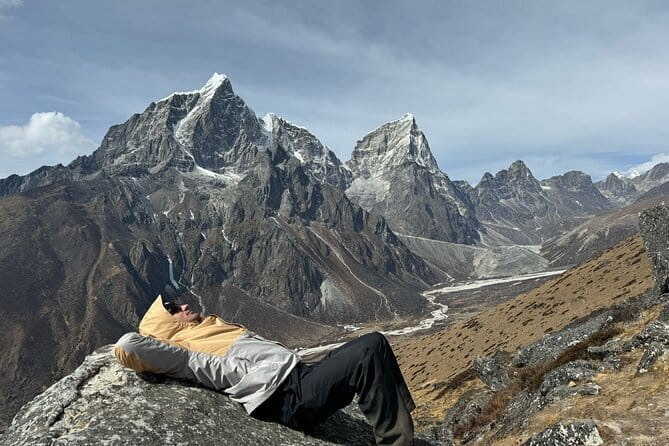
- Lukla flight included: Kathmandu to Lukla and back, handled as part of the tour package.
- Acclimatization built in: Namche Bazaar and Dingboche each get a dedicated day to adjust.
- Iconic cultural stops: Namche Bazaar, Tengboche Monastery, and Buddhist ritual moments in the Everest region.
- Base Camp + Kala Patthar combo: you reach Everest Base Camp and then go for the famous viewpoint.
- Group size and privacy: it’s a private tour/activity, so it’s only your group.
- Pro guide support: emergency normal first aid kit with the guide, plus government licensing.
From Kathmandu to Lukla: the flight that kicks things off
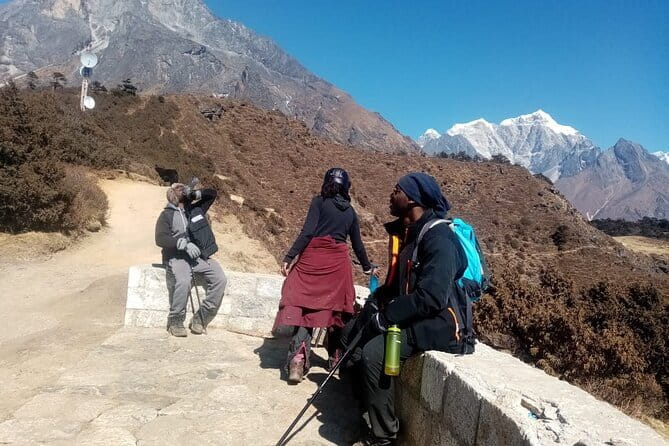
Day 1 is all about transition. You leave Kathmandu by a short, scenic flight to Lukla, then you meet your trekking team and crew members. After that, the trek rhythm starts right away: you follow the Dudh Koshi River and drop through the valley on the way to Phakding.
Why this opening stage is valuable: it gets you into the trekking zone fast. You’re not stuck with a long first hike right after a flight; instead, you ease into the trail while your body starts learning the “up and down” motion. It’s also a good moment to get organized—thermals, daypack setup, and how you’ll carry water—because once you’re higher, you’ll want zero distractions.
Practical note: Lukla flights can be weather-sensitive in general, so it’s smart to keep your mindset flexible. Since the flight ticket is included as part of the tour, you’re not scrambling to arrange transport after the fact.
You can also read our reviews of more tours and experiences in Kathmandu.



Phakding to Namche Bazaar: river trails and Sagarmatha Park
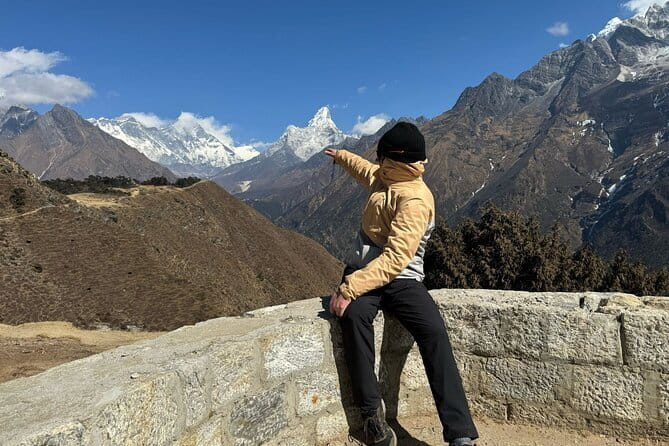
On Day 2, you work your way from Phakding toward Namche Bazaar, with Monjo as a notable stop along the way. This section runs through Sagarmatha National Park, where you’ll pass small villages, stream crossings, and areas known for wildlife and flowers.
Then comes the big moment: Namche Bazaar, the bustling gateway to the Everest region (and a place where you’ll feel altitude even before you measure it). You’ll trek about 7 hours, but what makes this day stick is the mix of scenery and settlement—teahouses, lodge life, and that steady shift from green lower valleys toward the higher, rockier feel.
One “don’t get cocky” consideration: Namche is where many people realize they’re breathing differently. That’s exactly why the itinerary later gives you an acclimatization day—so you can treat Day 2 as the warm-up, not the final test.
Namche acclimatization day: what to do with the altitude pause
Day 3 is your buffer day in Namche Bazaar. Instead of forcing altitude gain, you stay put and focus on acclimatization. The plan also includes a short excursion option to Syangboche Airstrip or Everest View Hotel, depending on how you’re feeling.
I like this structure because acclimatization works best when you don’t treat it like a free day. Your goal is to let your body adjust while you still move a bit. It helps you sleep better later and reduces the odds of feeling wrecked on higher sections.
If you’re trying to travel smart here: pace yourself during the excursion, keep hydrated, and keep meals simple. High altitude is not the day to experiment with spicy surprises.
Rhododendron trails to Tengboche Monastery: the prayer-flag moment
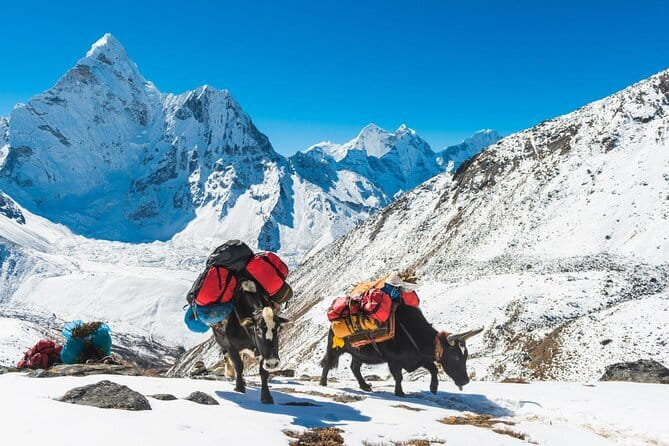
Day 4 transitions you toward Tengboche, and the hike makes a noticeable change. You gradually ascend through dense rhododendron forests, pass Imja Khola, and then reach Tengboche village.
The centerpiece is Tengboche Monastery, described as the oldest monastery in the Khumbu region. Even if you’re not a formal ceremony person, you’ll find meaning in the details: monasteries here are living places, not just photos. Expect Buddhist ritual culture, prayer wheels, and a setting with mountain backdrops that make the whole area feel spiritually charged.
Why Tengboche is a great day in the itinerary: it’s a cultural stop built right alongside the physical climb. Instead of treating the trek as only exercise, it turns part of the journey into perspective—your eyes lift, your mind slows down, and the mountains become more than a destination.
The drawback? This day still climbs for about 6 hours. If you’re sensitive to altitude, take breaks early rather than “pushing through” until you’re forced to stop.
Dingboche recovery and Nagarjun Hill views
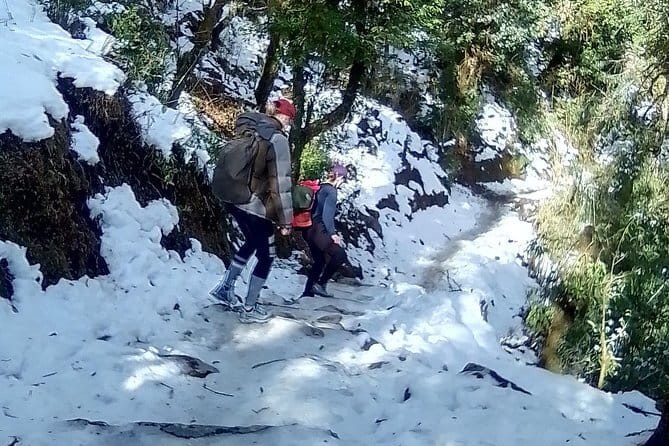
Day 5 takes you from Tengboche toward Dingboche via suspension bridges and a chain of small settlements like Pangboche and Orsho. Along the way, you’ll see stupas and chortens, which are part of how the Sherpa Buddhist world communicates values along the trail.
Day 6 is the second big acclimatization day: a rest/break in Dingboche. Then there’s a hike option to Nagarjun Hill, timed to reward you with panoramic views. You can see major peaks such as Everest, Lhotse, Ama Dablam, Nuptse, Thamserku, and Pumori from this higher vantage.
This is one of the most practical days on the whole route. You’re not just resting; you’re doing the kind of “go a little higher, then come down” movement that helps acclimatization. If you want to feel better on the tougher days ahead, Day 5 and Day 6 are the reason.
One consideration: don’t mistake acclimatization for permission to overdo it. Keep the day’s hike shorter than your energy allows. The best view is the one you reach while still feeling steady.




Lobuche and the push to Everest Base Camp
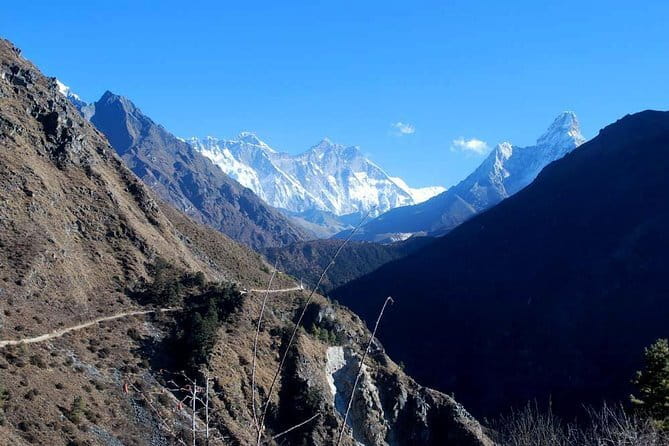
Day 7 moves you toward Lobuche. The itinerary notes a shift from lush forest to sparsely dotted shrubs as you ascend. You’ll follow the trail through small settlements and reach Lobuche villages.
Day 8 is a long day with a big objective: heading to Everest Base Camp. You wake early, then trek toward the base camp area. The plan highlights Gorak Shep as the last human settlement on the trail, and it notes that EBC is where climbers prepare for the attempt on the highest peak.
This day is special because the effort feels worth it. You’re surrounded by the kind of terrain that makes you slow down. Base Camp isn’t a summit, but it’s a milestone—and it’s also the moment where the Everest story becomes real in front of you, not just a name on a map.
Potential drawback: Day 8 runs about 8 hours, and you’re going at altitude. If you’re prone to getting wiped out, you’ll want to keep your pace easy and your breathing controlled from the start, not just once you’re struggling.
Kala Patthar: the 360-degree viewpoint day
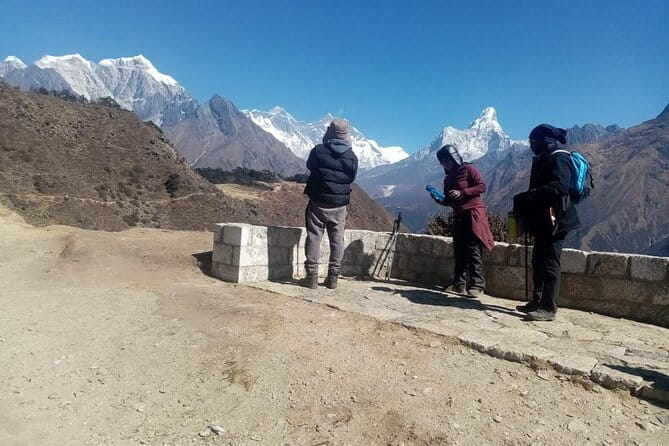
Day 9 is the viewpoint day: you hike up to Kala Patthar. This is described as a famous spot just above Everest Base Camp, known for 360-degree views of Everest.
If you’re asking what makes this trek more than a “reach Base Camp and leave” trip, it’s this kind of second-act effort. Kala Patthar is a reward for patience. The goal isn’t speed—it’s focus. The climb feels like it’s testing your legs and lungs, and then the view makes you forget you ever tracked steps.
The only caution I’d give: treat this day like a controlled climb. Go steady. Stop early if you feel unusual fatigue or dizziness. Mountain safety is built on early decisions, not last-minute heroics.
The return route: Namche, Lukla, and Kathmandu wrap-up
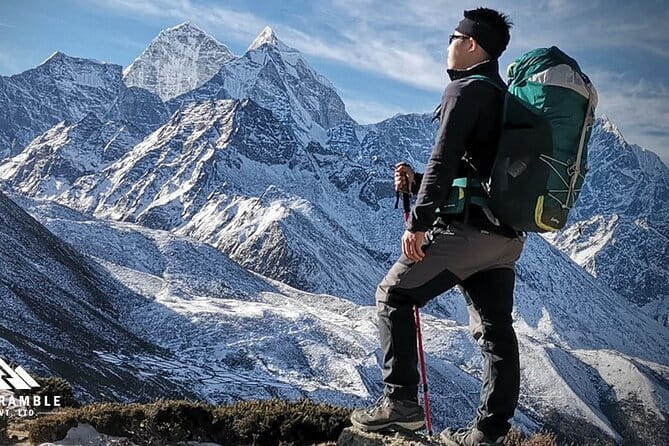
After Kala Patthar, Day 10 turns you back toward lower elevations. You trek through dense forests and small villages, follow the Imja River, reach Tengboche, and descend through Phungki Thanka before dropping back toward Namche. This section is still active, but the descending can feel surprisingly good—until you remember that knees also need protection.
Day 11 continues the return to the Lukla area. You retrace your path from Namche, descending through dense forests, crossing streams, and passing smaller villages on the way to Phakding and then onward to Lukla.
Day 12 is your final travel day. You fly from Lukla back to Kathmandu, then transfer to your hotel. In the evening, the itinerary includes a farewell dinner and time to prepare for departure.
Why this closing stretch feels valuable: the return route gives you a new relationship with the trail. It’s the same path, but you notice different things—how the valleys open up, how tea house life has changed the pace of the trek, and how you finally feel like you can breathe again.
Price and logistics: what $1,380 buys (and what you still fund)
At $1,380 per person, you’re paying for more than a walking itinerary. The included value items are big-ticket and easy to underestimate:
- Hotel pickup and drop-off in Kathmandu
- Government-licensed English speaking trekking guide
- Kathmandu to Lukla to Kathmandu flights
- Trekking permit and all official documents
- Guest house accommodation during the trek
- Private tour (only your group)
- Emergency normal first aid kit with the guide
This matters because Everest-region treks live or die on small details: permits, flight coordination, and guide management. Bundling those reduces stress. It also reduces the chance you’ll waste time figuring out essentials once you’re already in Nepal.
What’s not included is also clear: food and drinks (available for purchase, about $25 per day) and gratuities, which are optional.
My practical take: if you budget food daily and bring some spending cash, the trek stays predictable. If you prefer full-board pricing with meals pre-set, you’ll need to look for a different package.
Who should choose this Everest Base Camp plan
This is a great match for you if you want:
- A classic Everest Base Camp route with Sherpa village culture
- Built-in acclimatization days (Namche and Dingboche)
- A guide team that’s described in feedback as careful and supportive—names like Prakash, Milan, and Dev are repeatedly linked with safe, comfortable trekking
- A private-group experience where you can keep your pacing and preferences without crowd pressure
You should reconsider if you don’t have the stamina for multiple 6–8 hour trekking days, or if you’re looking for a low-physical-effort itinerary. The trek includes altitude adjustment, but it still asks your body to work.
Also, keep your expectations realistic: the mountains don’t care about your schedule. Having a guide and a package that covers core logistics helps a lot.
Booking decision: should you go with CAN Travels?
If you’re choosing among Everest Base Camp options, I’d say this one is worth a serious look because it covers the heavy lift: licensed guide, permits, Lukla flights, and guest houses. That combination reduces the “I hope everything works out” feeling.
My advice for the final call:
- If you like an itinerary that balances effort with acclimatization days, book it.
- If you want cultural stops that include monastery visits and spiritual trail atmosphere, book it.
- If you’re unsure about your fitness or altitude comfort, have a careful check with a medical professional before you commit—and be honest with the guide from day one.
FAQ
What’s included in the trek price?
The price includes Kathmandu hotel pickup and drop-off, a government-licensed English speaking trekking guide, Kathmandu–Lukla–Kathmandu flight tickets, trekking permits and official documents, guest house accommodation during the trek, and a private tour. It also includes an emergency normal first aid kit with the guide.
Are meals and drinks included?
No. Food and drinks are not included, but you can purchase them along the way. The tour info suggests budgeting about US$25 per day.
Do I get the flights to and from Lukla?
Yes. The tour includes the Kathmandu to Lukla and Lukla to Kathmandu flight ticket.
Is there a rest or acclimatization day during the trek?
Yes. You have acclimatization-focused downtime in Namche Bazaar (Day 3) and another break in Dingboche (Day 6), plus optional hikes like the excursion from Namche and the hike to Nagarjun Hill.
What level of fitness do I need?
The tour states travelers should have a strong physical fitness level. You’ll be trekking multiple days over changing terrain at altitude, so plan for sustained effort.
What’s the cancellation policy for a full refund?
You can cancel up to 3 days in advance for a full refund, with refunds only if you cancel at least 3 full days before the experience’s start time.