REVIEW · POKHARA
Pokhara: 7-Day Annapurna Base Camp Trek via Ghandruk
Book on GetYourGuide →Operated by Snow Peak Tours and Travels pvt. ltd. · Bookable on GetYourGuide
Sunrise at Annapurna Base Camp stops you cold. I love the Annapurna Sanctuary amphitheater feeling at dawn, and I really like how this route mixes forests, terraced fields, and Gurung villages with big peak views. The main drawback to plan for: logistics and small guest-house costs can vary, so confirm what’s truly included (especially water and WiFi) and what vehicle you’ll use for the return.
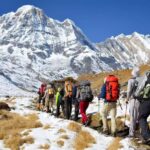
This trek sits in Nepal’s Western Region, starting from Pokhara with a short drive up to Kande. You walk through bamboo and rhododendron forest, cross rivers, climb stone stairways, and then rise into alpine terrain before reaching ABC at 4,130 meters. If you like a “compact but complete” Himalayan journey—views, culture, and that one special sunrise—this fits the bill.
You should also take the fitness part seriously. It’s only 7 days, but the altitude and daily hiking hours can add up fast, especially from Sinuwa up toward Deurali and then onward to base camp.
In This Review
- Key Highlights Worth Your Time
- Why This 7-Day Annapurna Base Camp Route Works
- Day-by-Day: From Kande to Annapurna Base Camp Sunrise
- Day 1: Pokhara to Kande, then Kande to Landruk (4–5 hours)
- Day 2: Landruk to Chhomrong to Sinuwa (6–7 hours)
- Day 3: Sinuwa to Bamboo to Dovan to Deurali (6–7 hours)
- Day 4: Deurali to Machapuchare Base Camp, then to ABC (5–6 hours)
- Day 5: Sunrise at ABC, then descend to Bamboo or Sinuwa (6–7 hours)
- Day 6: Sinuwa to Chhomrong to Ghandruk (5–6 hours)
- Day 7: Ghandruk to Birethanti, then back to Pokhara (3–4 hours + drive)
- ABC at Dawn: What You’re Really Chasing
- Ghandruk Exit: Mountain Culture With Real Views
- Tea Houses, Meals, and the Costs People Forget
- Fitness, Altitude, and Weather: The Honest Checklist
- Guides, Private Groups, and Logistics You Should Confirm
- Price and Value: Is $179 Worth It?
- Practical Packing List for Cold Mornings and Long Steps
- Who This Trek Fits Best
- Should You Book This Annapurna Base Camp Trek?
- FAQ
- How long is the trek from Pokhara to Annapurna Base Camp via Ghandruk?
- Where does the trek start and how do you get there from Pokhara?
- What is the highest point on this trek?
- What villages and stops are included along the way?
- Is sunrise included in the plan?
- What’s included in the price?
- What’s not included?
- Do I need to submit my passport copy before the trek?
- What languages does the guide speak?
- What should I bring for the trek?
Key Highlights Worth Your Time
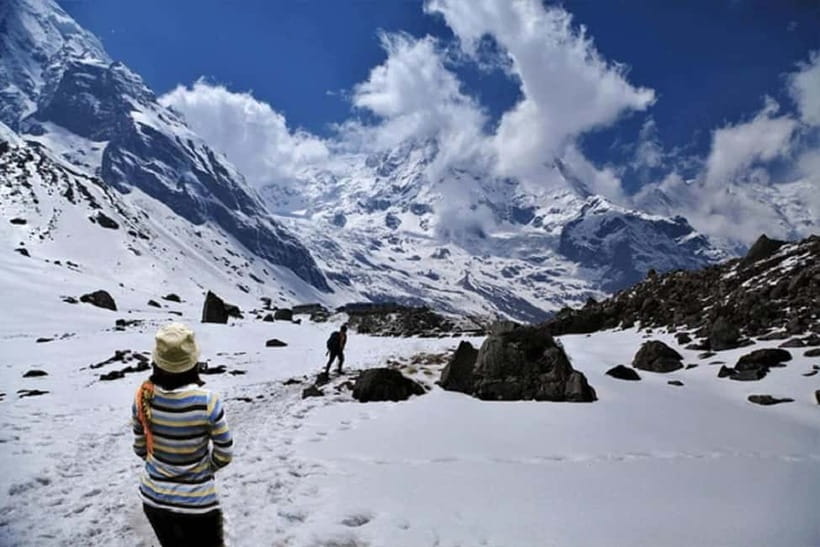
- Sunrise inside the Annapurna Sanctuary: a real amphitheater-style setting with snow-covered giants all around you
- Gurung villages and terraced farm scenery: Landruk and especially Ghandruk bring culture into the middle of the hike
- Forest-to-alpine transition: bamboo and rhododendron trails gradually give way to high-mountain terrain
- Close-up views of major peaks: Annapurna I, Machapuchare, Hiunchuli, plus the surrounding range at ABC
- A classic exit through Ghandruk: the descent isn’t just miles—it’s villages, views, and a slower pace
Why This 7-Day Annapurna Base Camp Route Works
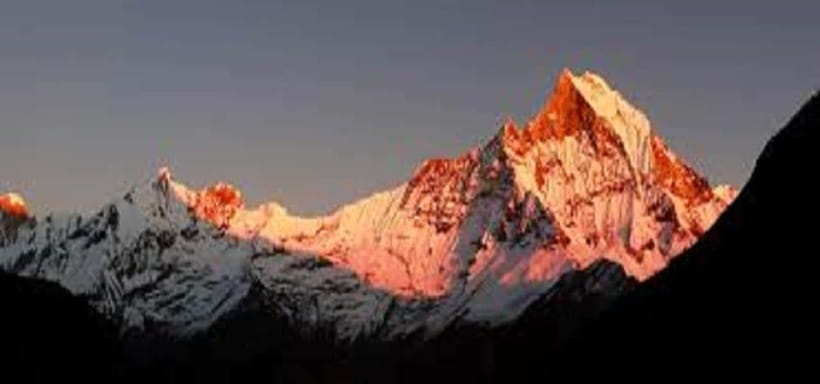
A lot of Annapurna treks are big and long. This one is tighter, built to help you reach ABC in 7 days without turning the itinerary into a full-on marathon. That matters because the best part of this region is also time-sensitive: weather can roll in, and sunrise doesn’t wait for you.
What you get is a steady rhythm. Day 1 starts with an easy ramp into the mountains. Then each day nudges you higher through very different terrain—first ridge walks and villages, then forest valleys, and finally alpine and glacier-country vibes near ABC.
The other reason I like this plan for real-world travelers: it has a culture payoff at the end. You don’t just rush up, sprint back down, and call it done. You exit via Ghandruk, where mountain life is visible and the village atmosphere makes the last day feel meaningful.
You can also read our reviews of more tours and experiences in Pokhara.
Day-by-Day: From Kande to Annapurna Base Camp Sunrise
Day 1: Pokhara to Kande, then Kande to Landruk (4–5 hours)
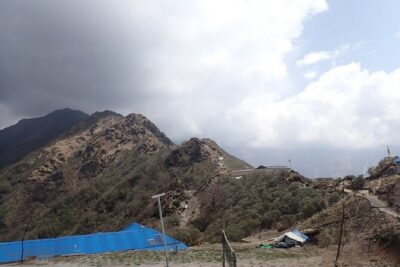
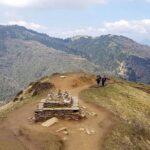
You begin with a drive from Pokhara up to Kande (1,770 m). Then you start trekking from the ridgeline area with views over the mountain region, touching spots like Australian Camp and Pothana before descending toward Landruk (1,565 m).
This day is about getting your hiking legs without shocking your body. Landruk itself is a village stop that gives you a taste of how people live near the trail—terraced fields and a sense of community that feels far more grounded than a pure wilderness route.
What to watch: because you’re dropping in elevation today, the hike can feel deceptively easy. Still, keep your pace calm so you don’t burn energy early.
Day 2: Landruk to Chhomrong to Sinuwa (6–7 hours)
Today you work harder. You descend toward a river area, then climb up to Chhomrong using steep stone stairways and trail steps. After Chhomrong, you keep moving through forested sections and continue onward to Sinuwa (2,340 m).
This is one of the key “work days” in the plan. Chhomrong is a well-known turning point on many Annapurna itineraries, and the climb tends to make you feel the altitude shift before you fully notice it in your breathing.
What to watch: stone steps can be tough on knees. Trekking poles help a lot here.
Day 3: Sinuwa to Bamboo to Dovan to Deurali (6–7 hours)
You continue upward through the Modi Khola valley area, walking into bamboo and rhododendron forests. Along the way you pass through Bamboo and Dovan, then finish at Deurali (3,230 m).
This day is great if you like variety. The forest sections are cooler and shaded, and the walking style changes from open village trail to narrower, greener paths that can feel more immersive in a practical way—your pace stabilizes, and your mind gets a break from constantly judging big view points.
What to watch: even when it feels like a “forest day,” it’s still gaining altitude. Cold can arrive fast once the sun drops.
Day 4: Deurali to Machapuchare Base Camp, then to ABC (5–6 hours)
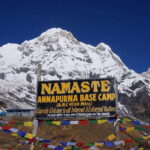
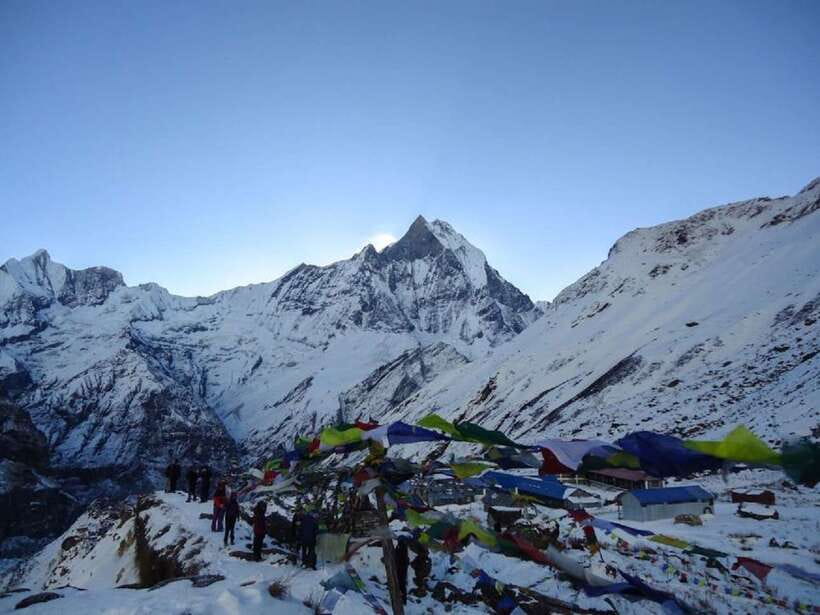
This is the big transition into high alpine terrain. You go from Deurali (3,230 m) up toward Machapuchare Base Camp (3,700 m), and then onward to Annapurna Base Camp (4,130 m).
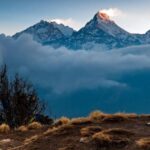
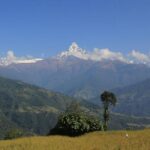
Near ABC, the terrain changes in a very obvious way. Fewer trees. More stark mountain shapes. Glacier and peak views start feeling close enough to be unreal.
What to watch: this is also the day when cold and wind can matter more. Your jacket choice matters here, not later.
Day 5: Sunrise at ABC, then descend to Bamboo or Sinuwa (6–7 hours)
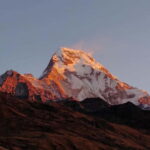
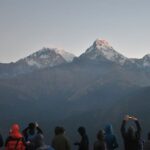
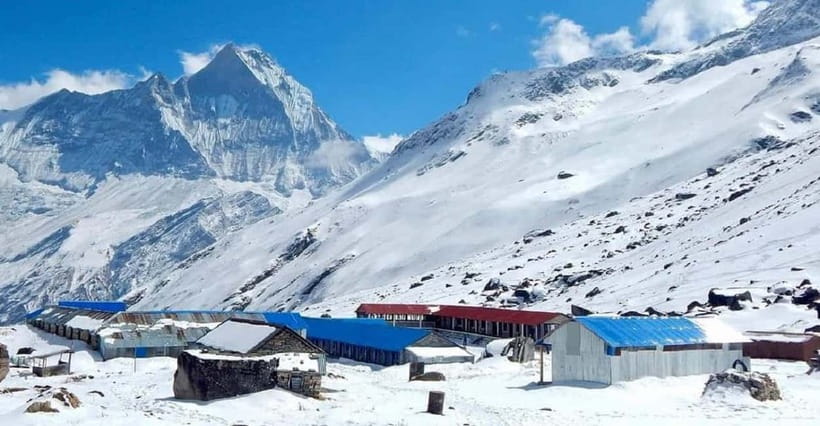
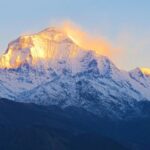
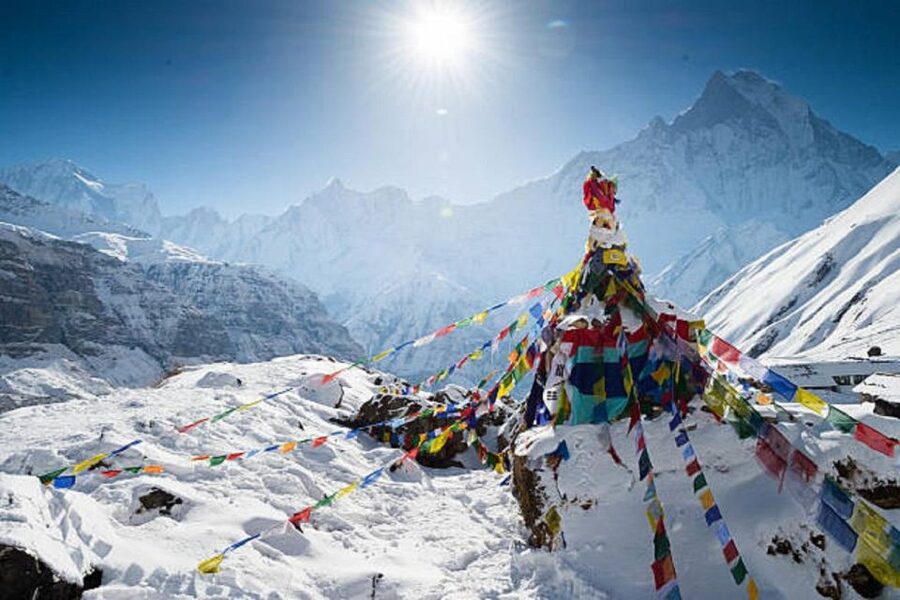
You get the best payoff of the trek on this day: sunrise at ABC. You’re standing in a natural amphitheater of snow-covered giants, so the light shift is the whole show.
Then you descend. The route heads down via Machapuchare Base Camp, Deurali, and Dovan to either Bamboo or Sinuwa (2,340 m) depending on pace.
What to watch: sunrise can be cold and slow-going. After, you might feel tempted to rush the descent. Don’t. Descents are where slips and knee pain happen.
Day 6: Sinuwa to Chhomrong to Ghandruk (5–6 hours)
This day takes you back toward the more human side of the trek. You retrace to Chhomrong, then take the scenic village trail to Ghandruk (1,940 m).
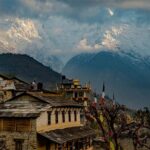
Ghandruk is one of those places where you can tell you’re near the heart of Gurung mountain culture. You’ll feel that in the village layout, the walkways, and the way the community shows up along the trail.
What to watch: you’ve already covered some of this ground once. On a return day, it helps to keep your “why” in mind so you don’t feel like you’re just repeating steps.
Day 7: Ghandruk to Birethanti, then back to Pokhara (3–4 hours + drive)
You end with a downhill walk through villages and farmland toward Birethanti (1,025 m). Then you drive back to Pokhara for the finish.
This is a satisfying close: you go from high-mountain stillness to working landscapes. It also makes the trek feel complete, not like a one-direction grind.
What to watch: even though it’s “only” a few hours, legs can still be tired. Watch your footing and plan for a slower pace.
ABC at Dawn: What You’re Really Chasing
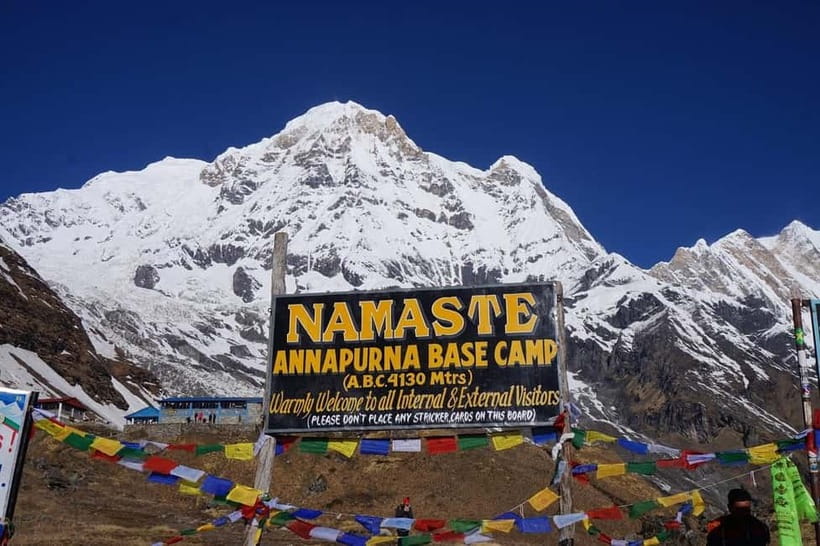
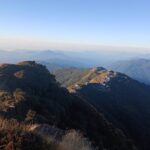
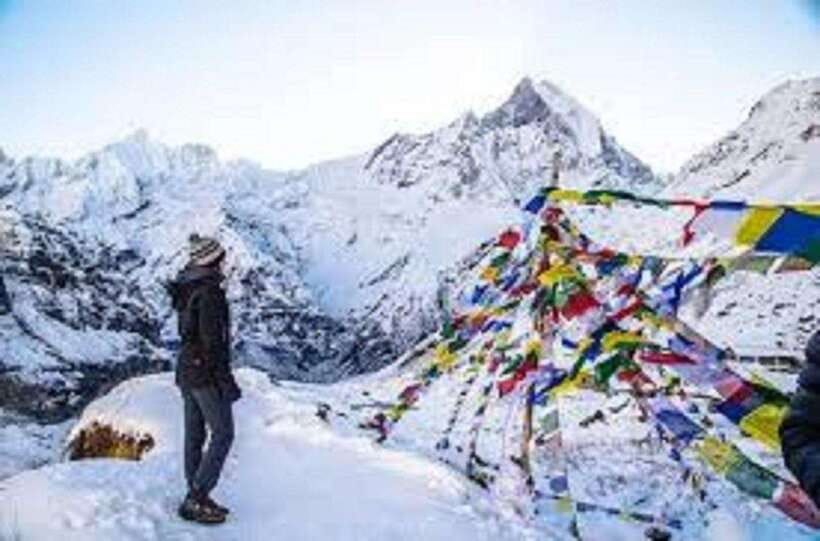
The highlight on this route isn’t only reaching ABC. It’s the moment inside the Annapurna Sanctuary when the sun hits the surrounding peaks and the amphitheater effect makes everything feel arranged for you.
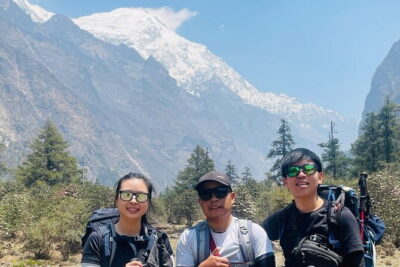
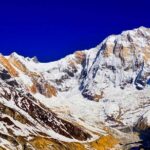
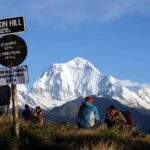
You get direct, close-up views of Annapurna I, Machapuchare, Hiunchuli, and the nearby peaks. That combination is exactly why base camp here feels different from a hike that simply ends at a destination.
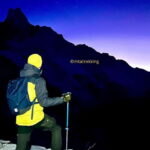
One practical tip: treat sunrise like a separate mini-day. Your body is still sleeping, and the weather can be biting. Wear layers you can adjust quickly and keep your headgear ready. The trek plan includes warm clothing in the recommended kit for a reason.
Ghandruk Exit: Mountain Culture With Real Views
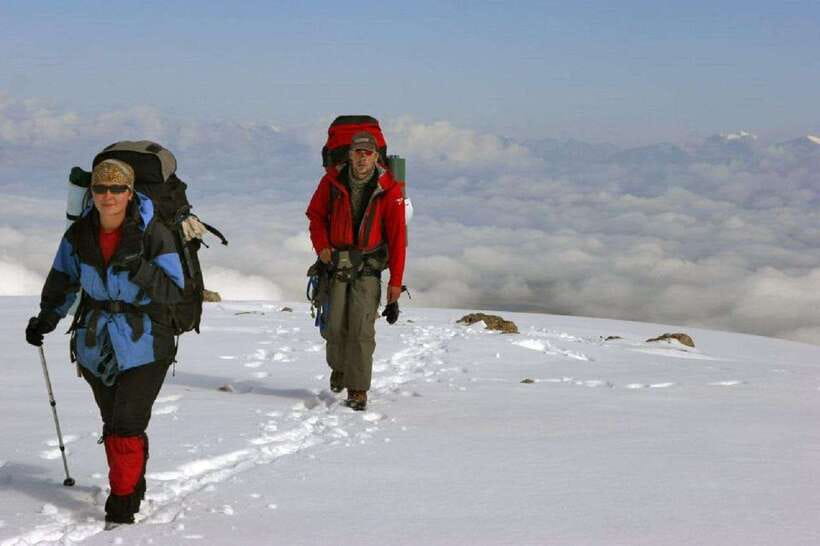
Many treks end with a bus ride and relief. This one hands you a calmer final walk through Ghandruk, a traditional village with Gurung culture and panoramic mountain views.
Why that matters: the last day is where people often rush. Here, you get a place where you can slow down and feel the mountain life you’ve been walking past all week. It also changes the mood from “survive the ascent” to “soak it in, you earned it.”
Tea Houses, Meals, and the Costs People Forget
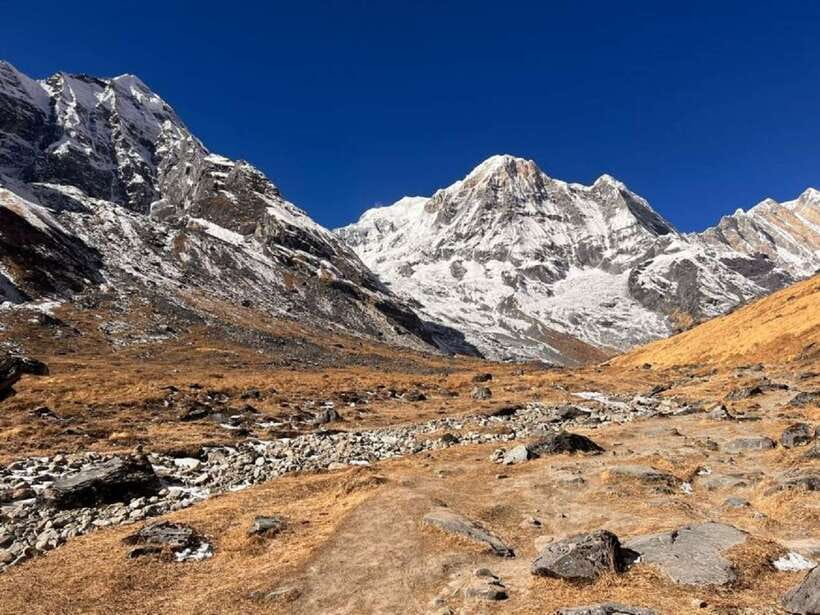
Your trek includes accommodation in basic tea houses or lodges during the hike, plus meals depending on the option chosen. That keeps things simpler than a fully independent trek where you hunt for food and beds each night.
But here’s the real-world thing to plan for: even on trips where meals are included, you can still find additional charges around daily extras at lodges—things like drinking water and WiFi can be paid separately at some stops. Budget a small cushion for these, and when in doubt, ask your guide what costs you should expect on the ground.
If you want clean logistics, also confirm how your guide handles food timing and where you’ll eat each morning and evening. A smooth day starts with predictable meals, especially when you’re waking up for cold starts.
Fitness, Altitude, and Weather: The Honest Checklist
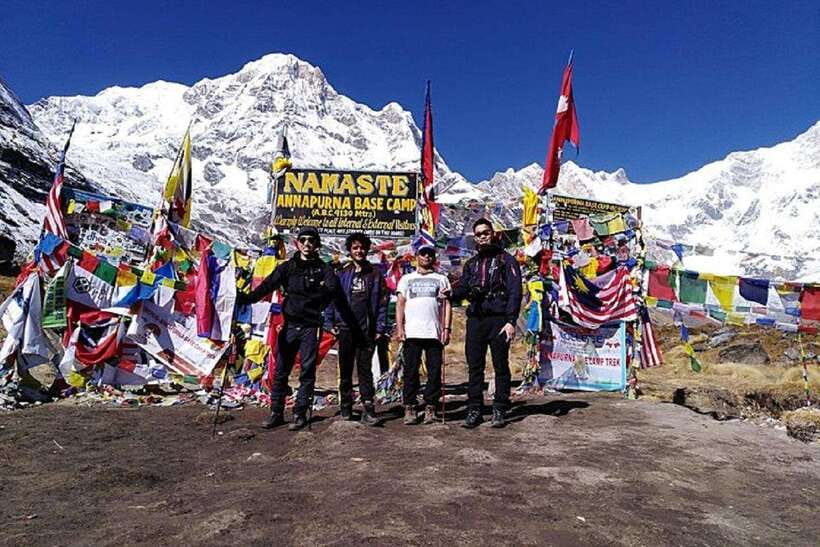
This trek is physically demanding for some people, and the itinerary climbs to high points like Deurali (3,230 m) and ABC (4,130 m). Temperatures can swing a lot, and higher altitudes get cold fast.
So here’s how to make the altitude work for you:
- Start the day with a steady pace, not a heroic one
- Keep warm layers accessible so you can adjust as clouds and wind change
- Drink water consistently, even if you don’t feel thirsty early
You also get a first aid kit with the trek, and emergency rescue services are available if needed (not included). That doesn’t remove risk, but it does mean you’re not completely on your own.
Guides, Private Groups, and Logistics You Should Confirm
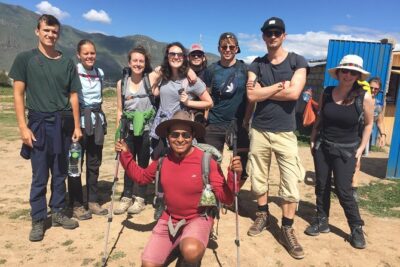
This experience is set up as a private group with an experienced, government-registered trekking guide. The tour notes also list multiple languages for the guide: English, Hindi, and Nepali.
Transport is part of the plan too. You get pickup from hotels around Pokhara Lakeside, Sarangkot, and Pokhara International Airport, and your guide and car arrive a few minutes early holding a sign with your name.
Here’s the caution I’d give you before you go: for a trek like this, the trekking portion is only half the story. The other half is how transport gets handled at the end. I recommend you ask Snow Peak Tours and Travels pvt. ltd. to confirm the exact return vehicle plan from Birethanti to Pokhara in clear terms, and to spell out what’s included versus what’s paid separately at lodges.
If you’re sensitive to comfort, ask about vehicle type and timing early. Nepal roads can change fast with weather and schedules, and you’ll feel better if your plan is already locked in.
Price and Value: Is $179 Worth It?
At $179 per person for a 7-day trek, the value depends on what option you choose for meals, plus how you handle the extras. The package includes:
- Necessary permits and fees
- Trekking guide support
- Accommodation during the trek
- All meals during the trek depending on option chosen
- Taxes
- Trekking gear as needed (trekking stick / sleeping bag)
- First aid kit
- Round-trip transportation between your hotel, airport, and the trek starting point
Not included:
- Travel insurance
- Personal expenses like snacks and beverages
- Emergency rescue services
- Porter if needed at $20 per day
So is it a good deal? For most hikers, yes, because the core costs—permits, guide, tea house beds, and meals (depending on option)—get handled. The weak spot is always the same: personal spending and lodge extras. If you budget realistically for small daily purchases and confirm what’s truly included, the price feels sensible.
And do not skip the insurance requirement. It’s listed as mandatory, and high-altitude trekking is exactly where coverage matters.
Practical Packing List for Cold Mornings and Long Steps
The tour’s suggested kit is a strong starting point. I’d treat these as musts:
- Comfortable shoes and proper hiking shoes
- Warm clothing and a jacket
- A hat and hair tie
- Cash (small villages, small purchases)
- A flashlight
- Passport or ID card (copy accepted), since you submit a copy at least one day before the trek
- Camera
- Change of clothes
- Hand sanitizer or tissues
Also, plan around the fact that temperatures can vary. Even if you’re warm while walking, you can get cold quickly during breaks and at sunrise.
Who This Trek Fits Best
This trek is a great match if you want:
- A classic Annapurna experience without a long expedition timeline
- A route that mixes villages, forests, and big peak views
- A real sunrise moment at base camp
- A cultural finish via Ghandruk
You’ll probably enjoy it most if you’re comfortable hiking 4–7 hours a day and you know your body needs time to adjust to altitude.
If you’re new to trekking, go slower than the itinerary pace. The plan is designed to get you there, but your job is to get your body there safely.
Should You Book This Annapurna Base Camp Trek?
I’d book it if you’re excited by the mix of forest walking, Gurung villages, and the specific payoff of ABC sunrise. The route’s structure—up through bamboo and rhododendron, then into alpine terrain, then out through Ghandruk—makes it feel complete for a 7-day trip.
I wouldn’t book it blindly if you dislike surprises around lodge costs or transport. Before you pay, confirm:
- What meals are included in your option
- Whether WiFi or drinking water is extra at tea houses
- The exact return plan from Birethanti to Pokhara
If you can get those answers upfront, this trek can be a very rewarding week in the Himalaya.
FAQ
How long is the trek from Pokhara to Annapurna Base Camp via Ghandruk?
The itinerary is 7 days total.
Where does the trek start and how do you get there from Pokhara?
You drive about 1 hour from Pokhara to Kande, then begin trekking from the Kande area toward Landruk.
What is the highest point on this trek?
The highest listed point is Annapurna Base Camp at 4,130 meters.
What villages and stops are included along the way?
Key stops are Landruk, Chhomrong, Sinuwa, Bamboo, Dovan, Deurali, Machapuchare Base Camp, Annapurna Base Camp, and then Ghandruk, finishing at Birethanti.
Is sunrise included in the plan?
Yes, the plan includes sunrise at Annapurna Base Camp.
What’s included in the price?
Permits and fees, all meals during the trek depending on the option chosen, tea house/lodge accommodation, a government-registered trekking guide, guide and porter operational support, taxes, trekking gear as needed (trekking stick/sleeping bag), and a first aid kit, plus round-trip transportation between your hotel, the airport, and the trek starting point.
What’s not included?
Travel insurance, personal expenses like snacks and beverages, emergency rescue services, and porter service if needed at $20 per day.
Do I need to submit my passport copy before the trek?
Yes. You should submit a copy of your passport at least one day before the trek so permits can be arranged.
What languages does the guide speak?
The guide is listed as English, Hindi, and Nepali.
What should I bring for the trek?
Bring comfortable shoes, warm clothing, a jacket, hat, change of clothes, camera, flashlight, cash, passport or ID, hand sanitizer or tissues, and trekking gear such as hiking pants and a hiking stick if needed.